Dedza and the Chongoni rock art
The UNESCO rock paintings of Chongoni, also linked to Chewa rituals, Dedza pottery and the pine forests on the hills south of Lilongwe.
- Lilongwe
- Dedza
- Chongoni
Day by day
- Day 1
From Lilongwe to Dedza and the Chongoni paintings
This two-day trip takes you south of Lilongwe, into the Dedza hills, home to the Chongoni rock paintings, a UNESCO World Heritage Site since 2006, and to the town's pottery workshops.
Before you go: Italian citizens need a visa, also for tourism. You can apply online on the official portal evisa.gov.mw or on arrival, paying only in US dollars cash, in small notes. Your passport must be valid for at least six months and have at least two blank pages. A yellow fever certificate is required if you arrive from a country with risk of transmission, including after a transit of more than 12 hours. Other nationalities should check their own rules. The British government does not advise against any part of Malawi, but reports thefts and demonstrations in the towns; Viaggiare Sicuri warns of frequent fuel shortages. Fill up in Lilongwe and do not drive after dark.
In the morning you leave the capital on the main road south. In about an hour and a half you climb onto the plateau and reach Dedza, a cool green town surrounded by hills covered in pine trees. Visit one of the pottery workshops: you watch the craftsmen shape mugs, plates and decorated tiles.
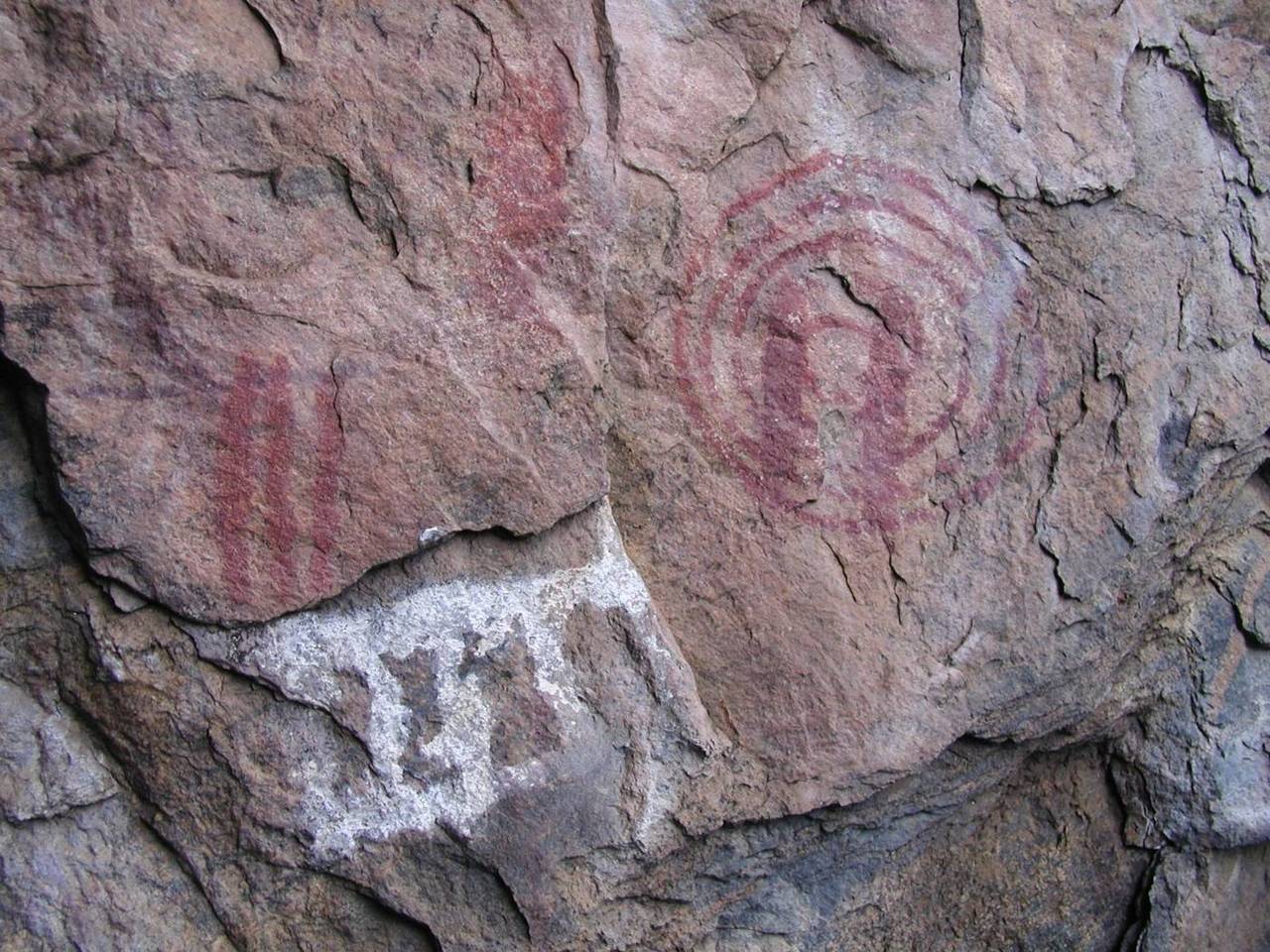
In the afternoon you reach the Chongoni area with a local guide. There are 127 painted sites on granite shelters, scattered across a forest reserve. The oldest paintings are attributed to the Batwa hunter-gatherers, the more recent ones to the Chewa, farmers who kept painting into the twentieth century. Many images are linked to initiation rites and to the Nyau secret society, with its masks.
Practical tip: never touch the paintings or wet them to see them better, because water and the grease from fingers damage them for ever.
- Day 2
A walk in the Dedza hills and the return
Today you set off early, while the plateau air is still cool and the light is soft. With your guide, take a walk in the hills around Dedza, on paths through pine woods, maize fields and small villages. Along the way you meet women carrying water, children waving and farmers working the red earth with hoes.
If you still want more rock art, ask your guide to take you to a second group of painted shelters, for example around Mphunzi. Here the red geometric paintings of the Batwa sit next to the white figures of the Chewa, which show animals and characters from the Nyau masks. Your guide explains their meaning and why some shelters are still places respected by the community.
Around midday, return to Dedza and have a simple lunch: nsima, the white maize porridge, with vegetables, beans or fish from the lake. Then take the road back to Lilongwe and arrive in the afternoon, before dark.
In two days you have seen a side of Malawi that is different from the lake: a cool plateau, a very old history painted on rock and a living craft tradition. It is an easy trip, to combine with the start or the end of a longer journey.
When to go: from May to October, in the dry season, the paths are dry and the dirt roads are easier. From June to August, mornings on the plateau are cold.
Practical tip: bring a jumper and closed shoes, because Dedza is cooler than Lilongwe and the paths are stony.
An easy cultural trip from Lilongwe. The sites are scattered: a local guide is needed to find them. The Dedza pottery centre also has a good café.
Before you go
- Documents and visa
- Passport valid for at least six months from entry, with at least two blank pages. Italian citizens need a visa, also for tourism: apply online on the official portal evisa.gov.mw or on arrival, paying only in US dollars cash, ideally in small notes because change is often not given. A yellow fever vaccination certificate is required if you arrive from a country with risk of transmission, including after a transit of more than 12 hours. Foreign currency in cash must be declared on arrival, whatever the amount.
- Health and vaccines
- Malaria is present across the country, except at high altitude: ask your doctor about antimalarials. Lake Malawi and other fresh water carry bilharzia: talk to your doctor before swimming. Cholera cases are frequent in the rainy season, from November to April: drink only bottled water. Public health facilities are inadequate: you need insurance covering medical costs and repatriation. Emergencies: 990 or 997 police, 998 ambulance, 999 fire, but the numbers are unreliable.
- Money and payments
- Malawian kwacha. Change money only at banks or authorised bureaux: keep the receipts and your entry declaration. Foreigners pay hotels and lodges in foreign currency. ATMs are rare outside the towns: carry cash.
- Power sockets
- Type G, 230 volts: the same British plugs, no adapter needed from the UK.
- Time zone
- UTC+2 all year.
- Safety
- The United States asks travellers to exercise increased caution in Malawi, level 2, because of crime and demonstrations. The British government does not advise against any area, but reports thefts, assaults and kidnappings for ransom, foreigners included. Demonstrations are frequent in the towns and can block roads. Fuel shortages are frequent: fill up whenever you can and do not count on finding fuel along the way. Do not travel after dark. Official advice: GOV.UK.
Information checked in November 2026 for Italian and EU citizens. Rules change: always check before you travel.
Variations
In one day: leave Lilongwe early, visit one pottery workshop and a single Chongoni site with a guide, and return before sunset.
In three days: add an extra night in the hills and a full day with a guide among the less visited painted shelters of the reserve.
Frequently asked questions
Do I need a guide to see the Chongoni paintings?
Yes, it is strongly recommended. The sites are scattered across the forest reserve and hard to find on your own. A local guide takes you to the right shelters and explains the meaning of the images.
How far is Dedza from Lilongwe?
About an hour and a half on a tarred road heading south. You can do it as a day trip, but with one night there you have more time to walk.
Can I photograph the paintings?
Usually yes, without flash. Always ask your guide, because some places are still linked to the rites of the Chewa community. Check prices and times on site.
Indicative itinerary written by World Atlas. Before booking, check timetables, seasonal openings, documents and safety.
 2 daysEasy
Vwaza Marsh
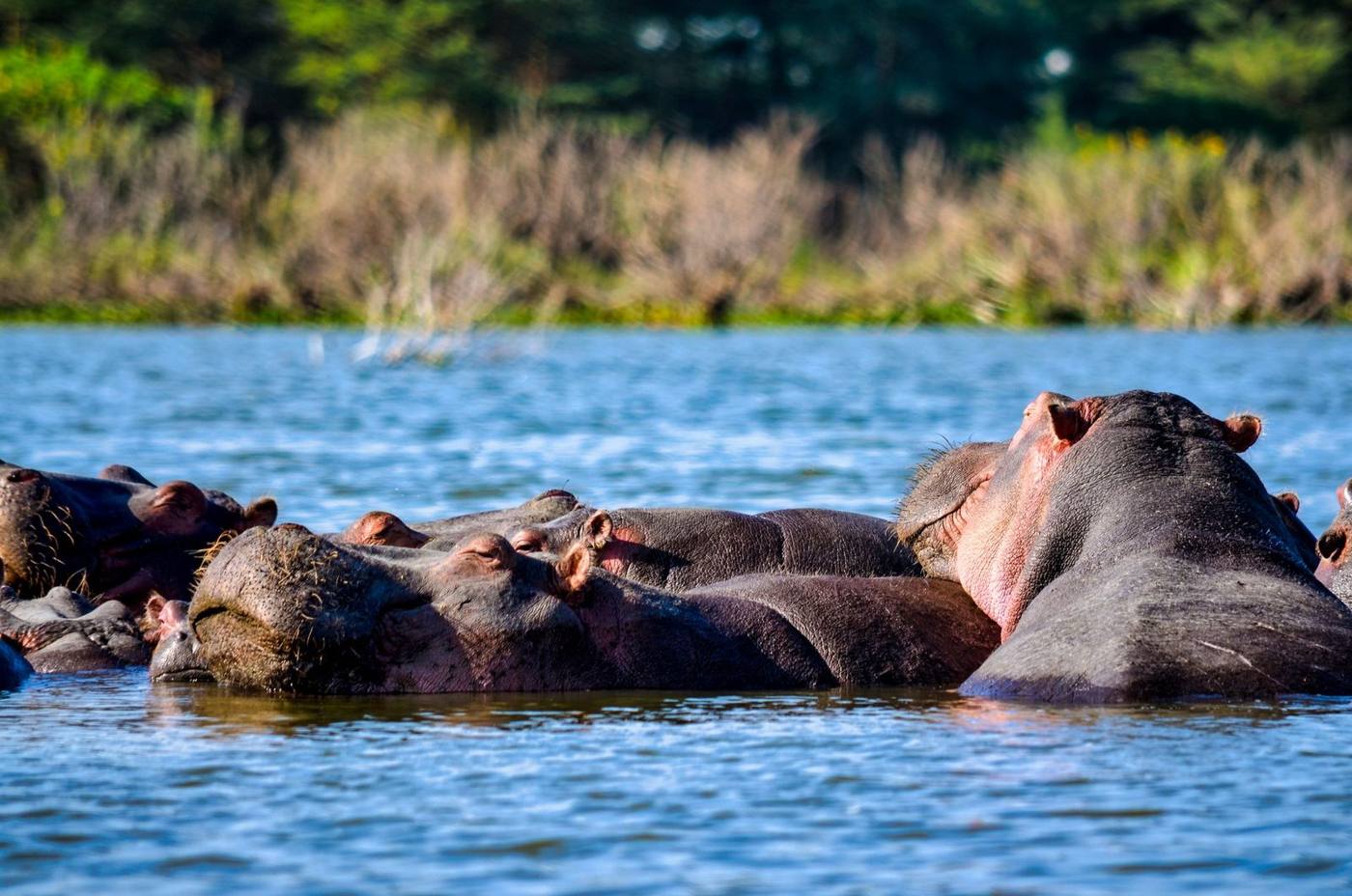
A little-known reserve in the north, with a lake where elephants and hippos come close to the camp and walks with rangers.
 4 daysChallenging
Climbing Sapitwa
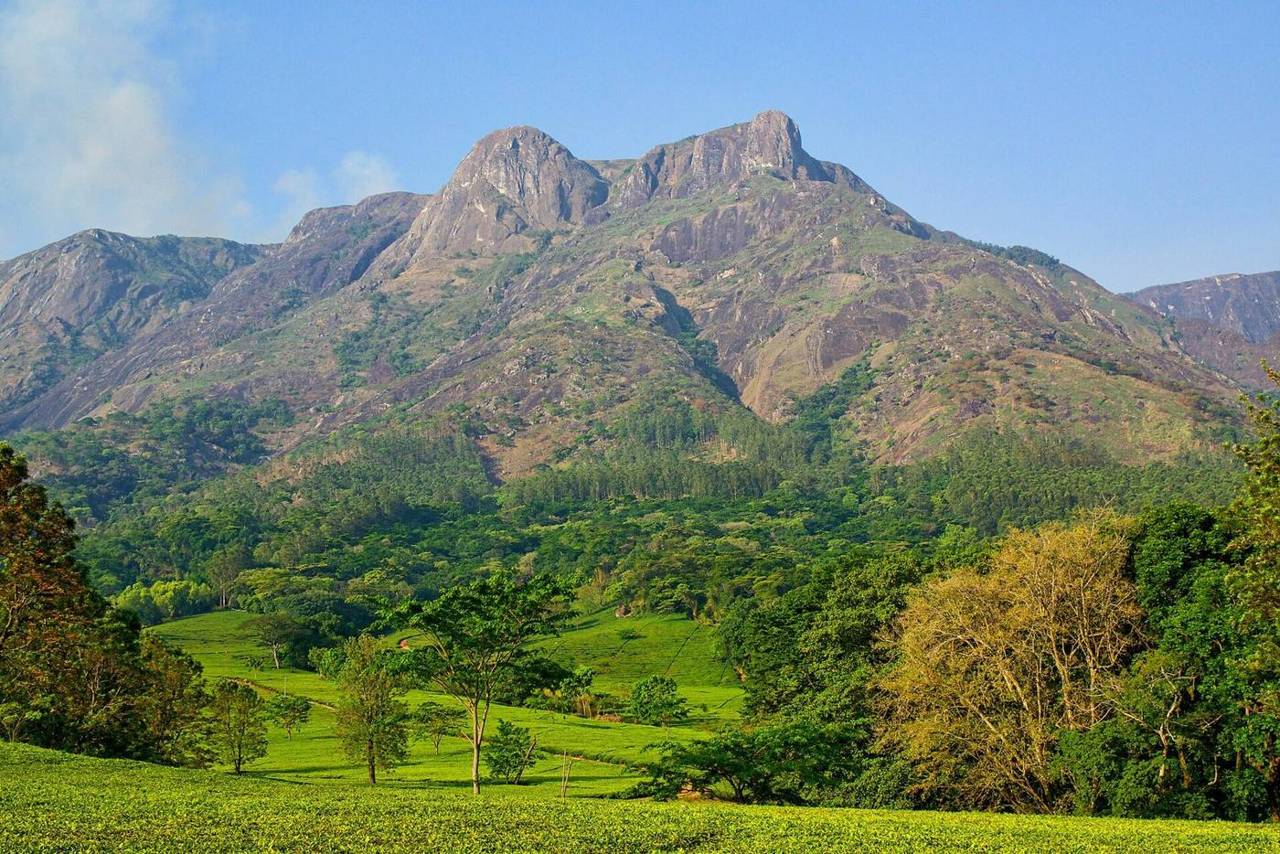
The highest summit in south-central Africa, 3,002 metres on the Mulanje massif, with nights in huts and forests of Mulanje cedar.
 7 daysEasy
Lake Malawi
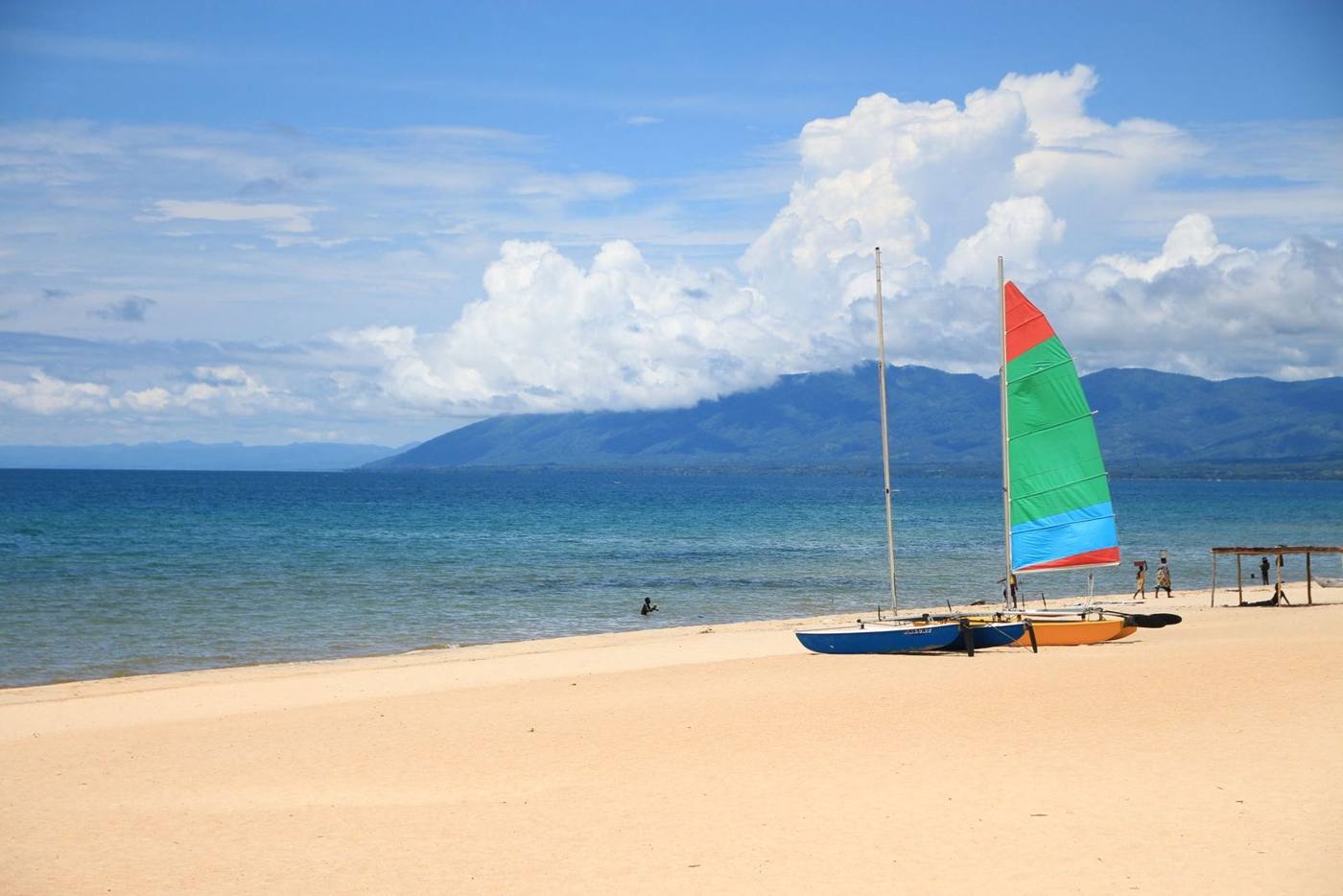
The 'calendar lake': Cape Maclear and its colourful cichlid fish in the UNESCO park, Likoma Island with its cathedral and the beach at Nkhata Bay.