The Minett, the red earth
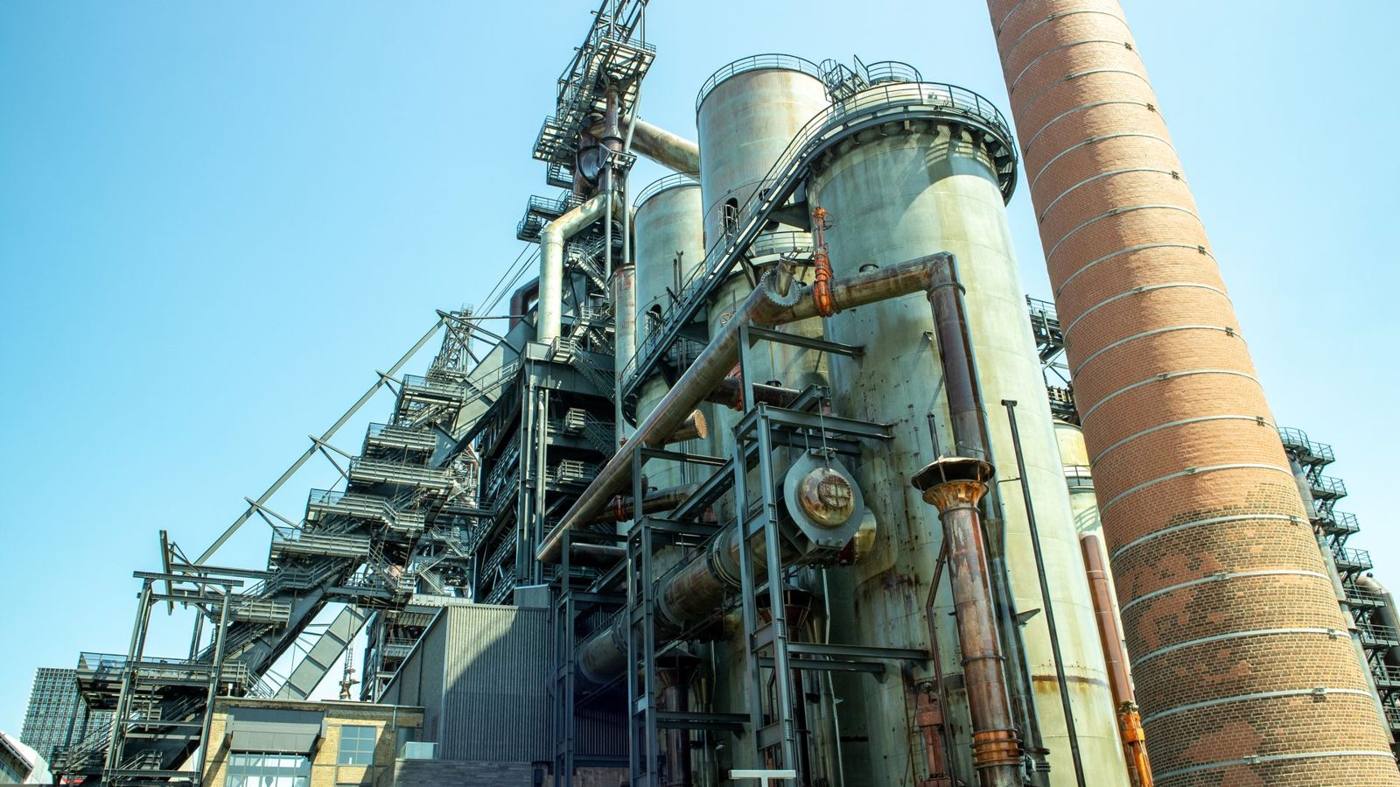
The industrial south: the Belval blast furnaces, the Rumelange mine, the Fond-de-Gras steam train and former open-cast mines turned into a UNESCO biosphere reserve.
- Esch-sur-Alzette
- Belval
- Rumelange
- Fond-de-Gras
- Differdange
Day by day
- Day 1
Belval, blast furnace A and the Rumelange mining museum
This trip takes you into the Minett, the south of Luxembourg, the red land of iron. Here, between the late nineteenth and the twentieth century, mines and steelworks made the country rich, with thousands of workers arriving from Italy too. You will see the Belval blast furnaces, a real mine, the historic trains of Fond-de-Gras and old quarries that have become protected nature.
Before you go: Italian citizens enter Luxembourg with an electronic identity card or a passport: the country is in the European Union and the Schengen area. Italian paper identity cards are no longer valid for travel abroad from 3 August 2026. Other nationalities should check their own rules. Luxembourg is very safe; just watch out for pickpockets at the main station and on buses. Since 1 March 2020 buses, trams and second class trains need no ticket anywhere in the country: first class must be paid for, and you need a ticket for any stretch beyond the border.
From the capital, take the train to Belval, in Esch-sur-Alzette, in about half an hour. Blast furnaces A and B were shut down in the late 1990s, and a new district has grown up around them, with the university and laboratories. Climb blast furnace A on foot, up iron stairs and walkways, to the platforms at the top, with views over the Minett and towards France. Check prices and times.
In the afternoon, go to Rumelange, near the French border. At the National Iron Ore Mining Museum you enter the gallery on a small train, wearing a helmet, among the miners' machines and tools. The visit is guided and must be booked. Check prices and times.
Practical tip: in the gallery it is cold and damp all year round; bring a jacket even in midsummer.
- Day 2
Fond-de-Gras, the mine train and the nature reserves
On the second day, go to Fond-de-Gras, a small valley between Pétange and Differdange where ore was loaded onto trains. Today it is an open-air museum, with old wooden and brick buildings, tracks and locomotives.
From Pétange the Train 1900 departs, a historic train often pulled by a steam locomotive, which climbs through the woods to Fond-de-Gras. From here the mine train, the Minièresbunn, enters the galleries of the old mine and comes out at Lasauvage, a workers' village built around the mine. The two trains run only on certain days in the warmer months, mainly on Sundays: check prices and times on the Minett Park website before you go.
After the train, walk in the Prënzebierg nature reserve, above Fond-de-Gras. This was the site of open-cast mines: today the red rock faces are covered with grass, junipers and wild orchids, and the ponds in the old quarries attract frogs and birds. Since 2020 the Minett has been a UNESCO biosphere reserve.
In the evening, take the train back towards the capital.
In these two days you have seen the Belval blast furnace, the Rumelange mine, the trains of Fond-de-Gras and old quarries turned back into nature. Now you understand where Luxembourg's wealth came from.
When to go: from May to September, when the historic trains run and the paths are dry.
Practical tip: if you have Italian roots, stop in Dudelange and walk through the Italie district, where many families of emigrant workers lived.
A different Luxembourg, working-class and multicultural, which explains the country's wealth. The Fond-de-Gras steam train runs only on Sundays from May to September. The Minett biosphere reserve, recognised in 2020, has trails among red rocks and nature that has gone wild again.
Before you go
- Documents and visa
- EU citizens need a valid identity card or passport: Luxembourg is in the EU and the Schengen area. Always carry your document. Other nationalities should check the Schengen rules.
- Health and vaccines
- No vaccines required. EU citizens should bring their EHIC. Emergencies: 112; police 113.
- Money and payments
- Euro. Cards are accepted almost everywhere, even for small amounts. The country is expensive, above all for accommodation and eating out.
- Power sockets
- Types C and F, 230 volts: you need an adapter for British plugs.
- Time zone
- Central European Time (UTC+1, summer UTC+2), one hour ahead of the UK.
- Safety
- A very safe country: the United States has rated it level 1 since 8 April 2026. Watch out for pickpockets at the main railway station, on buses and at tourist sites. In the north and east, unexploded ordnance from both world wars remains in woods and fields: stay on marked paths and do not touch metal objects. Since 1 March 2020 buses, trams and second class trains need no ticket anywhere in the country; first class and journeys beyond the border must be paid for. Official advice: GOV.UK.
Information checked in November 2026 for Italian and EU citizens. Rules change: always check before you travel.
Variations
In 1 day: blast furnace A at Belval and the Rumelange mining museum.
In 3 days: add a relaxed visit to Esch-sur-Alzette and a day on the trails of the Minett biosphere reserve.
Frequently asked questions
Can you reach the Minett by public transport?
Yes. Trains from the capital reach Belval, Esch-sur-Alzette and Pétange in under an hour, and buses serve Rumelange. In second class no ticket is needed.
When does the Fond-de-Gras steam train run?
Only on certain days in the warmer months, mainly on Sundays. Times change every year: check them on the Minett Park website.
Does the mining museum need booking?
Yes, the gallery visit on the small train is guided and must be booked. Bring a jacket, because it is cold underground.
Indicative itinerary written by World Atlas. Before booking, check timetables, seasonal openings, documents and safety.
 7 daysEasy
The complete Luxembourg
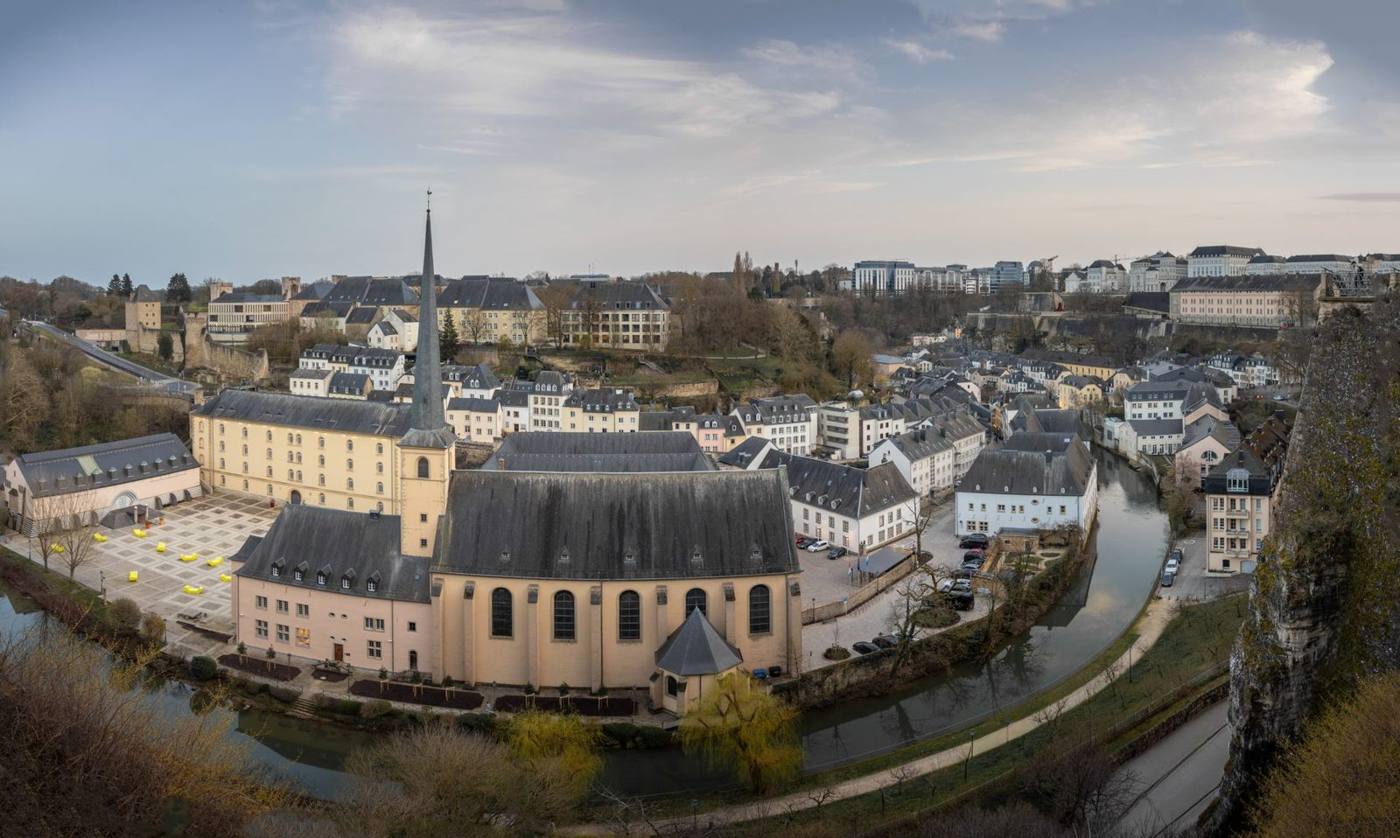
The whole Grand Duchy in a week: the capital, the wine Moselle, the Mullerthal, the northern castles and the Minett, without ever changing hotel.
 2 daysEasy
The Valley of the Seven Castles
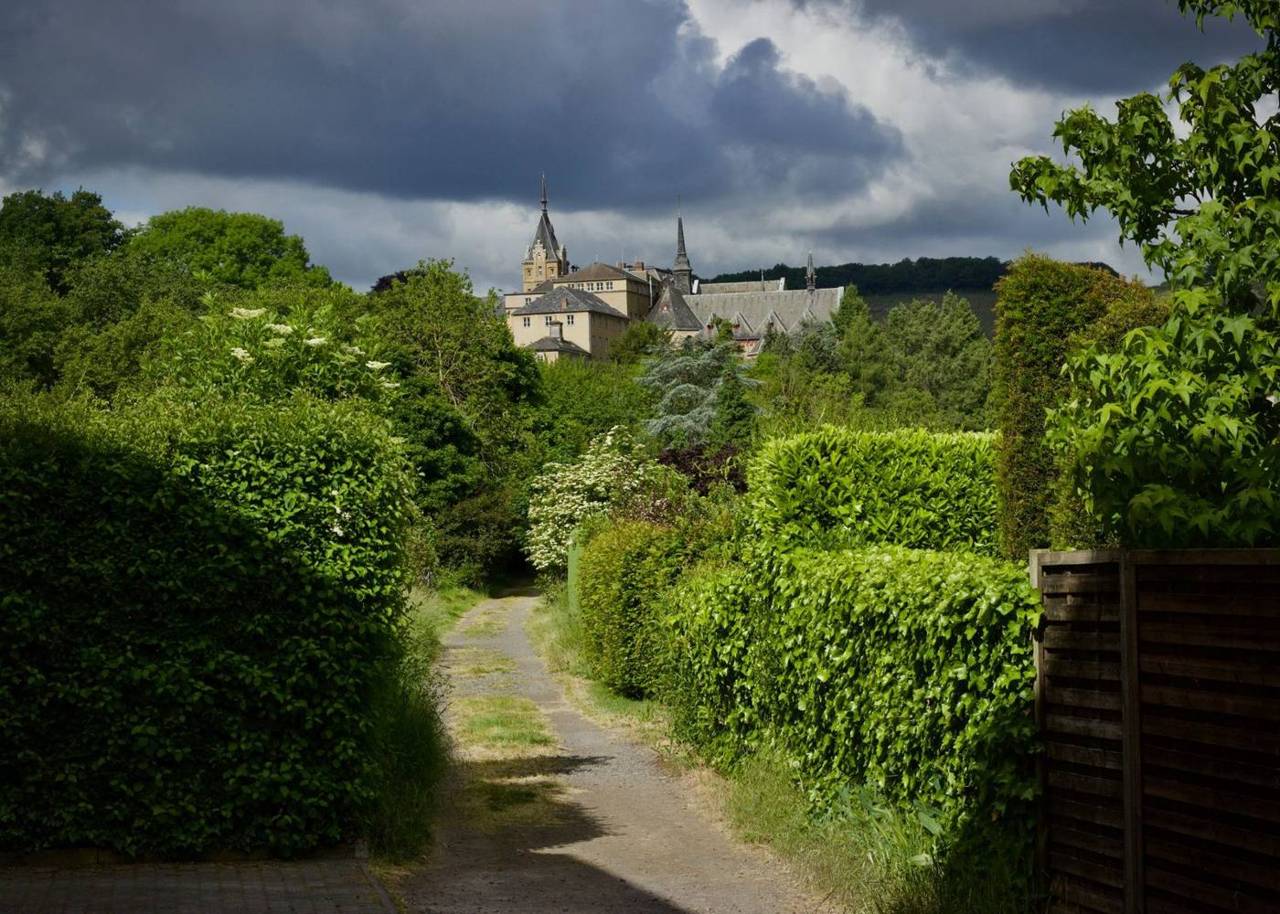
A walking or cycling route in the Eisch valley through Mersch, Schoenfels, Hollenfels, the two castles of Ansembourg, Septfontaines and Koerich.
 3 daysEasy
Luxembourg in winter
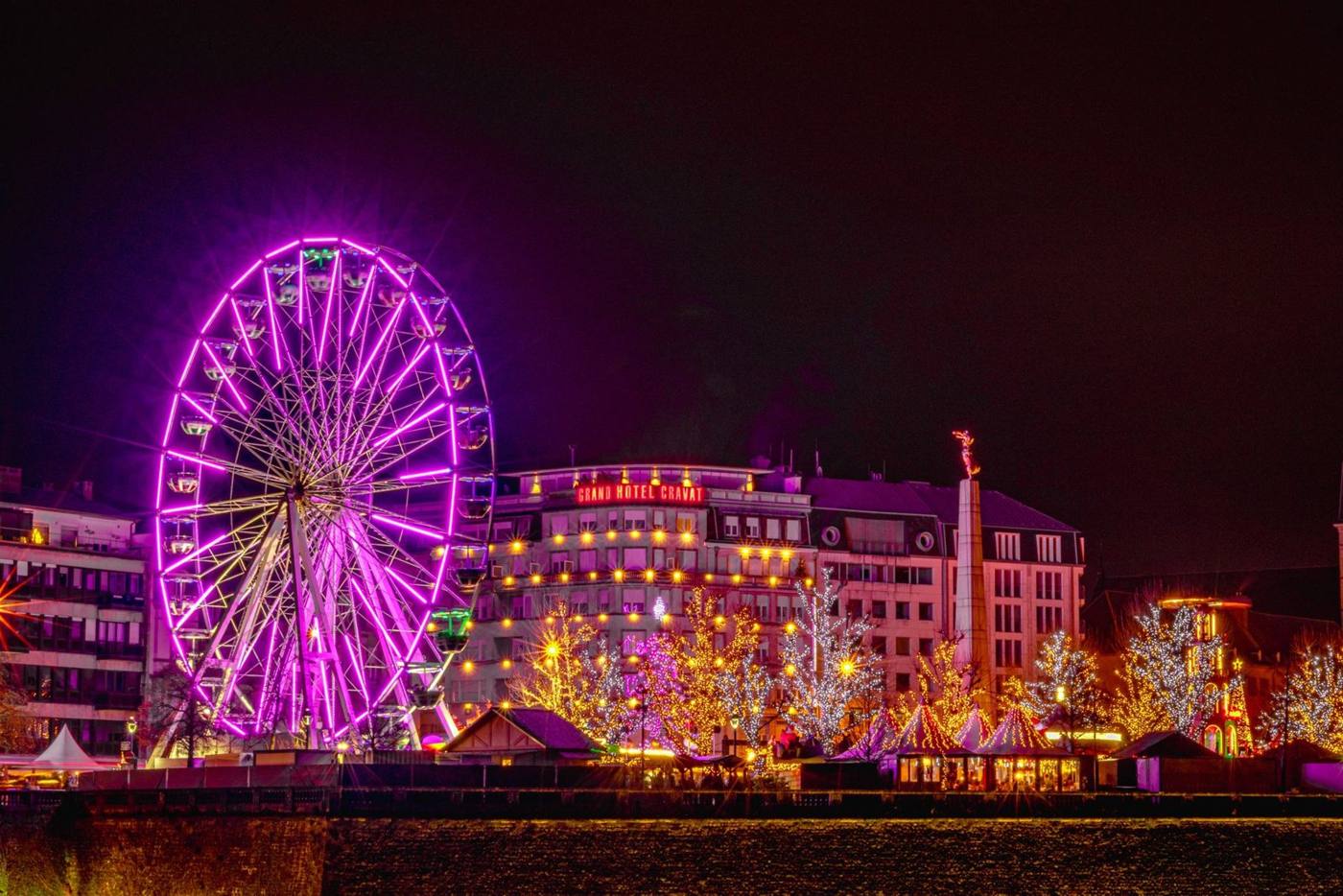
Winterlights in the capital with its markets and ice rink, seasonal cooking and a day at the Mondorf-les-Bains spa.