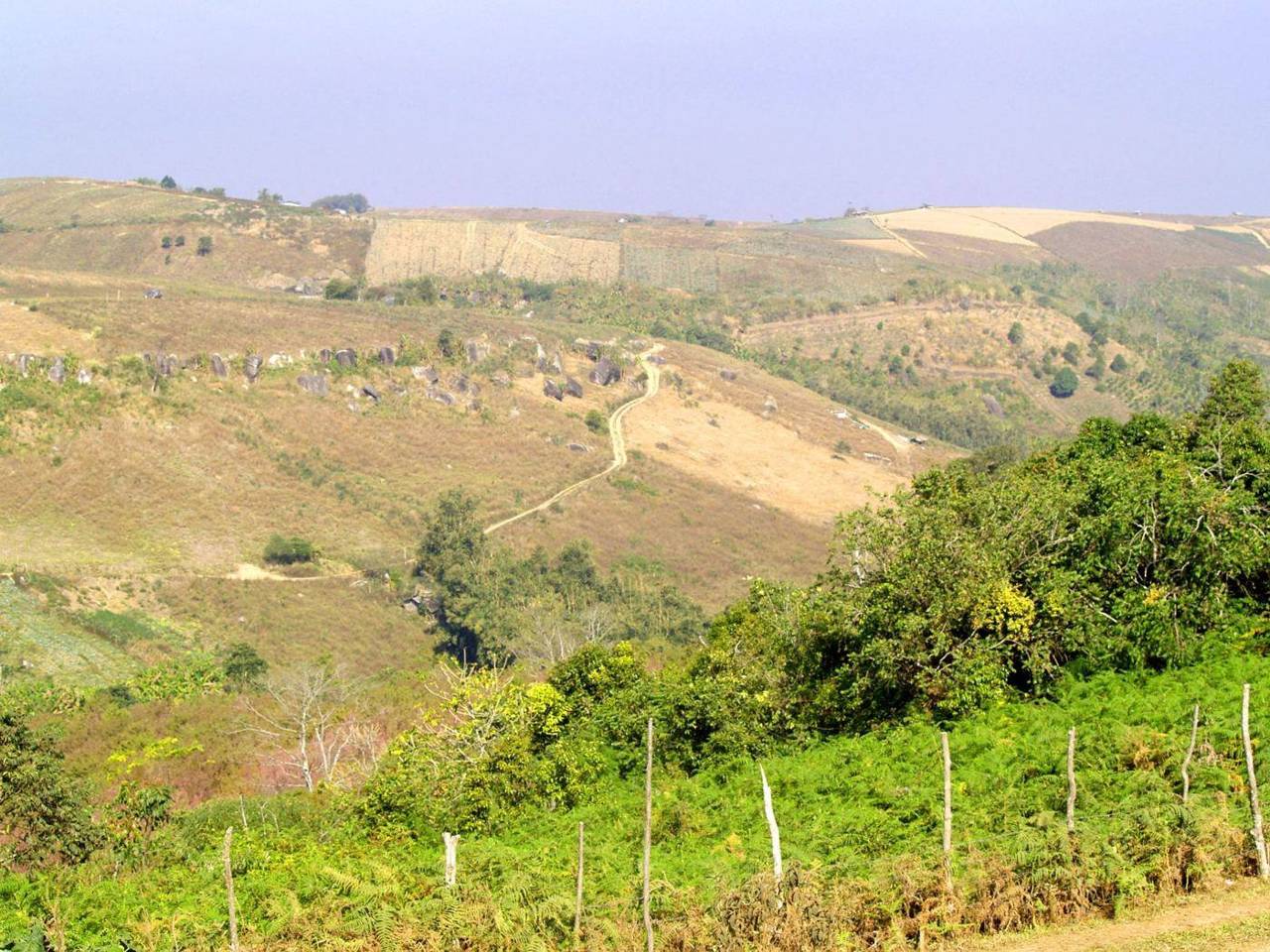
The Plain of Jars
Hundreds of prehistoric stone jars around Phonsavan, a UNESCO site, and the story of the secret bombing, told at the MAG information centre.
- Phonsavan
- Site 1
- Site 2
- Site 3
Day by day
- Day 1
Arrival in Phonsavan and the MAG information centre
This three day trip takes you to the Xieng Khouang plateau, in north-east Laos, where hundreds of prehistoric stone jars are scattered across grassy hills around the small town of Phonsavan. The sites have been a UNESCO World Heritage Site since 2019. Here you also learn the story of the secret bombing of the 1960s and 1970s, which left the ground full of ordnance.
Before you go: for Laos Italian citizens need a passport valid for at least six months from entry, with two blank pages, and a tourist visa. Apply for the eVisa only on the official website laoevisa.gov.la, at least five days ahead, or get a visa on arrival at the main airports. Also fill in the LDIF digital immigration form within the three days before arrival. Other nationalities should check their own rules.
Safety: the British government advises against all travel to Xaisomboun province, which borders Xieng Khouang to the south. Fly to Phonsavan from Vientiane, or take the bus from Luang Prabang or Vang Vieng along the road through Phou Khoun, and do not use roads that cross Xaisomboun. Unexploded ordnance is the main risk in this area.
The flight from Vientiane takes less than an hour; the bus from Luang Prabang needs most of the day on a mountain road. In the afternoon visit the information centre of MAG, the organisation that clears the fields: with panels, films and defused bombs it shows how the province was hit and how work still goes on today to make villages and rice fields safe. Check prices and times.
In the evening eat a bowl of noodle soup at the market and be ready for the cold: at over a thousand metres the nights are cool.
Practical tip: bring a fleece or a light jacket, because between November and February the evening temperature in Phonsavan drops a lot.
- Day 2
The three main jar sites
Today is the day of the jars. It is best to hire a car or a tuk-tuk with driver for the whole day, because the three main sites are far apart and public transport does not reach them.
Start with Site 1, the largest and the closest to Phonsavan. On a low hill stand hundreds of jars carved from stone, in different shapes and sizes: some are taller than a person, others small and worn by time. Archaeologists link them to Iron Age funeral practices, but many questions remain open. On the site you will also see bomb craters and a cave used as a shelter during the war.
Golden rule: walk only between the MAG markers. The white blocks show cleared ground, the red ones the side you must not step on. Never leave the paths, not even for a photo, and do not touch metal objects.
Continue south to Site 2, on two hills with trees and meadows, and then to Site 3, reached on a short walk through the rice fields of a village. Here there are fewer jars but the landscape is lovely, with buffalo grazing and small wooden houses. Check prices and times at each site.
Have lunch in a village along the road with sticky rice, vegetables and grilled river fish.
Practical tip: set off early in the morning, because the low light makes the jars more beautiful to photograph and at midday the plateau sun is strong even in winter.
- Day 3
Muang Khoun and the return
Last day on the plateau. If your flight or bus leaves in the afternoon, spend the morning at Muang Khoun, the old capital of the province, less than an hour by road from Phonsavan.
The old town was almost wiped out by the bombing. What remains are the ruins of a few stupas and of the temple of Wat Phia Wat, where a large seated Buddha survived among broken brick columns. It is one of the places that best show what the war meant for the people. Stay on the paths here too. Check prices and times.
Back in Phonsavan, walk around the market, where you will see goods from the Hmong and Tai Dam peoples, and look for houses and fences built with bomb casings, a common sight in the villages of the province.
Then fly back to Vientiane, or take the bus towards Luang Prabang or Vang Vieng, always along the road through Phou Khoun.
In these three days you have seen the MAG information centre, the three main sites of the Plain of Jars, the village rice fields and the ruins of Muang Khoun: an archaeological mystery and a history lesson on the same trip.
When to go: the best period is from October to April, with dry and sunny days. In December and January the nights are cold. From May to September it rains often, the paths turn muddy and some sites are harder to reach.
Practical tip: if you want to support the people who clear the fields, you can leave a donation at the MAG information centre instead of buying objects made from bomb casings.
An archaeological mystery and a history lesson. Unexploded ordnance is still a danger: walk only between the white and red markers. Cool nights.
Before you go
- Documents and visa
- Passport valid for at least six months from entry, with at least two blank pages, and a tourist visa: the eVisa, to be requested only on the official website laoevisa.gov.la (accepted at the main airports and at Friendship Bridges I and IV), or a visa on arrival at the main entry points. You must also fill in the LDIF digital immigration form within the three days before arrival and departure.
- Health and vaccines
- Malaria is present in rural areas and dengue cases are regular: use repellent. Medical facilities are poor even in the capital, so you need insurance covering medical costs and repatriation. Drink only bottled water. Emergencies: ambulance 1195, police 1191.
- Money and payments
- Lao kip. Tourist businesses often accept US dollars and Thai baht; cards work in towns, but carry cash in the countryside.
- Power sockets
- Types A, B and C, 230 volts: you need an adapter for British plugs.
- Time zone
- UTC+7 all year.
- Safety
- The British government advises against all travel to Xaisomboun province. Unexploded ordnance remains across the country: walk only on marked paths and never pick up metal objects. There have been fatal methanol poisonings from drinks served in tourist areas: avoid unsealed spirits. Drug penalties are extremely severe. Official advice: GOV.UK.
Information checked in November 2026 for Italian and EU citizens. Rules change: always check before you travel.
Variations
In two days: MAG centre and Site 1 on the first day, Sites 2 and 3 on the second, then the return.
In five days: add the minor jar sites and the villages of the province with a local guide, or continue towards Luang Prabang.
Frequently asked questions
Are the jar sites dangerous to visit?
The three main sites have been cleared and are safe if you walk only between the white and red MAG markers. Never leave the paths and do not touch metal objects.
How do you get to Phonsavan?
By plane from Vientiane in less than an hour, or by bus from Luang Prabang or Vang Vieng along the road through Phou Khoun. Avoid roads that cross Xaisomboun province, which the British government advises against.
Who built the jars?
Archaeologists link them to Iron Age funeral practices, but their exact origin and use remain partly a mystery.
Indicative itinerary written by World Atlas. Before booking, check timetables, seasonal openings, documents and safety.
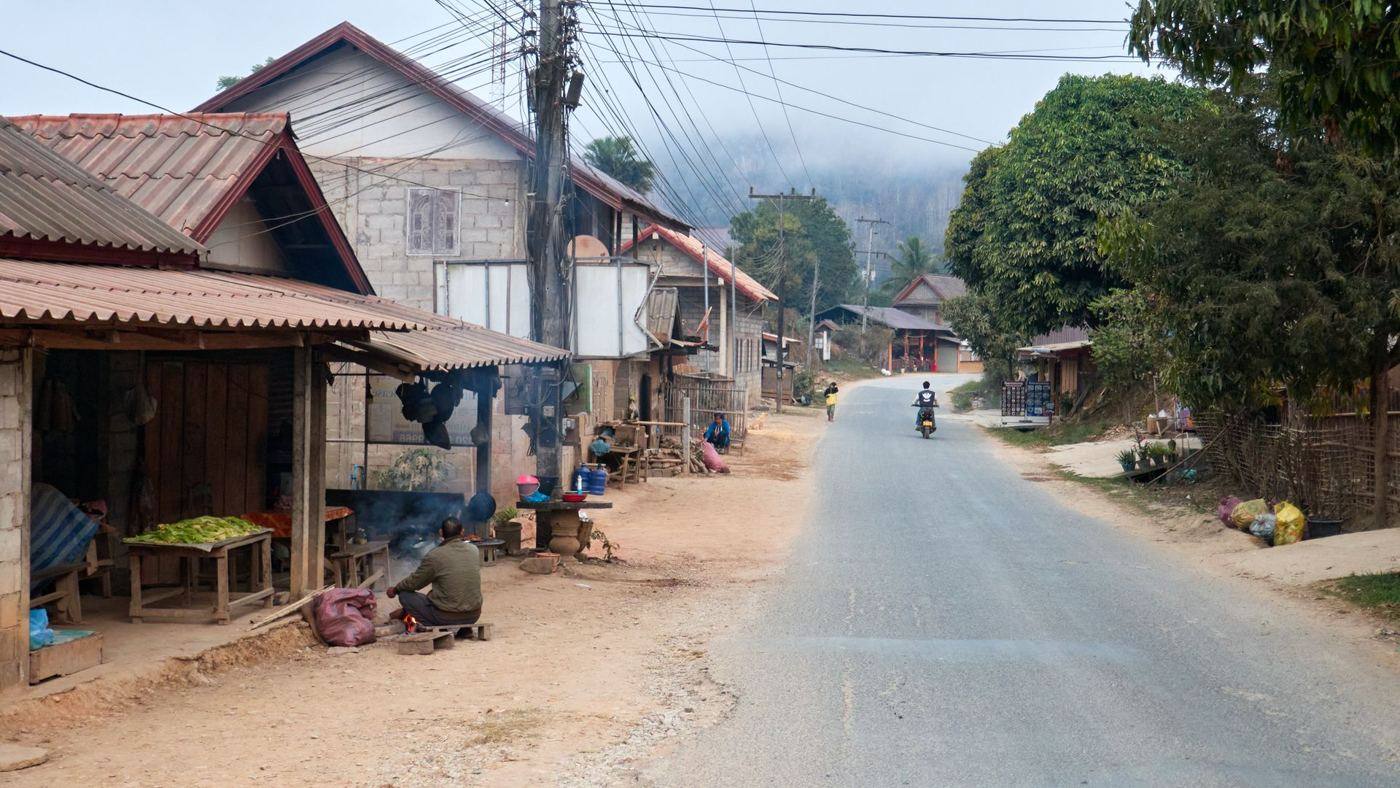 3 daysModerate
Luang Namtha and Nam Ha forest
Community trekking in the Nam Ha protected area, with a night in an Akha or Khmu village and the Luang Namtha night market, near China.
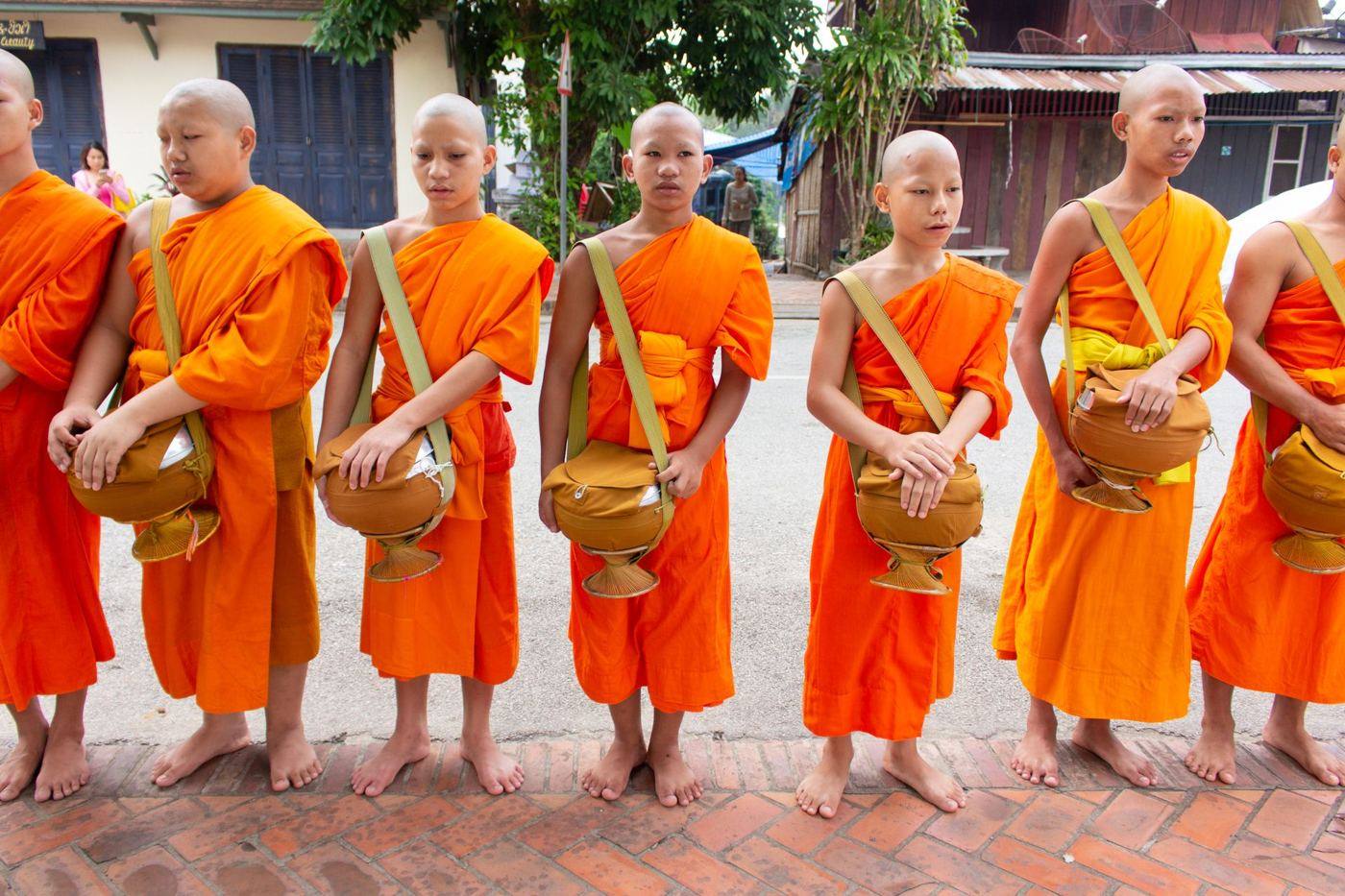 4 daysEasy
Luang Prabang New Year
Pi Mai, the Lao New Year in April, in Luang Prabang: processions, ritual washing of the Buddhas, sand carried to the temples and the great water fight in the streets.
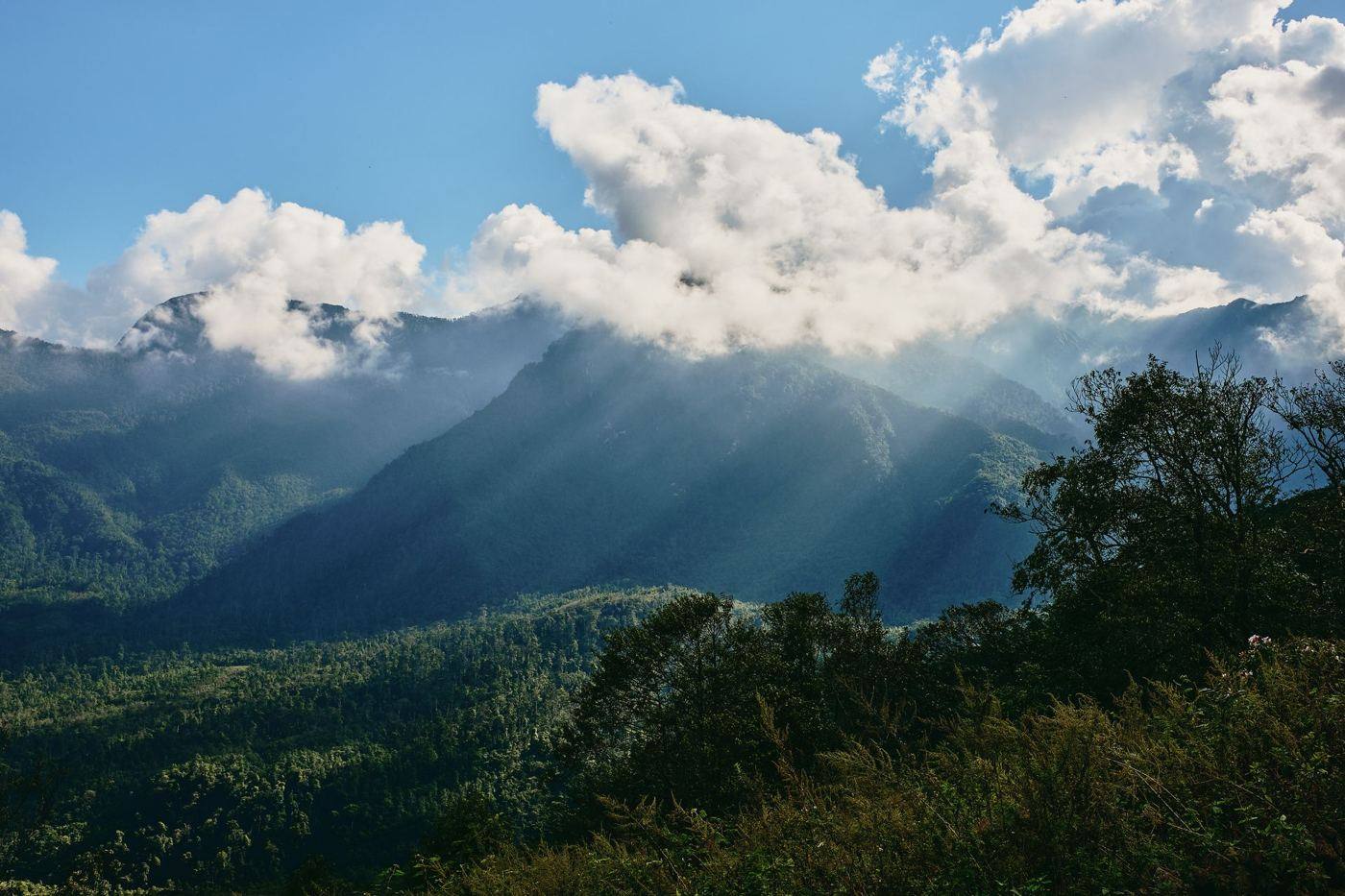 5 daysModerate
Phongsaly and its tea
The northernmost province, among mountains and villages of different ethnic groups, with ancient tea trees, the houses of Phongsaly and trekking between villages.