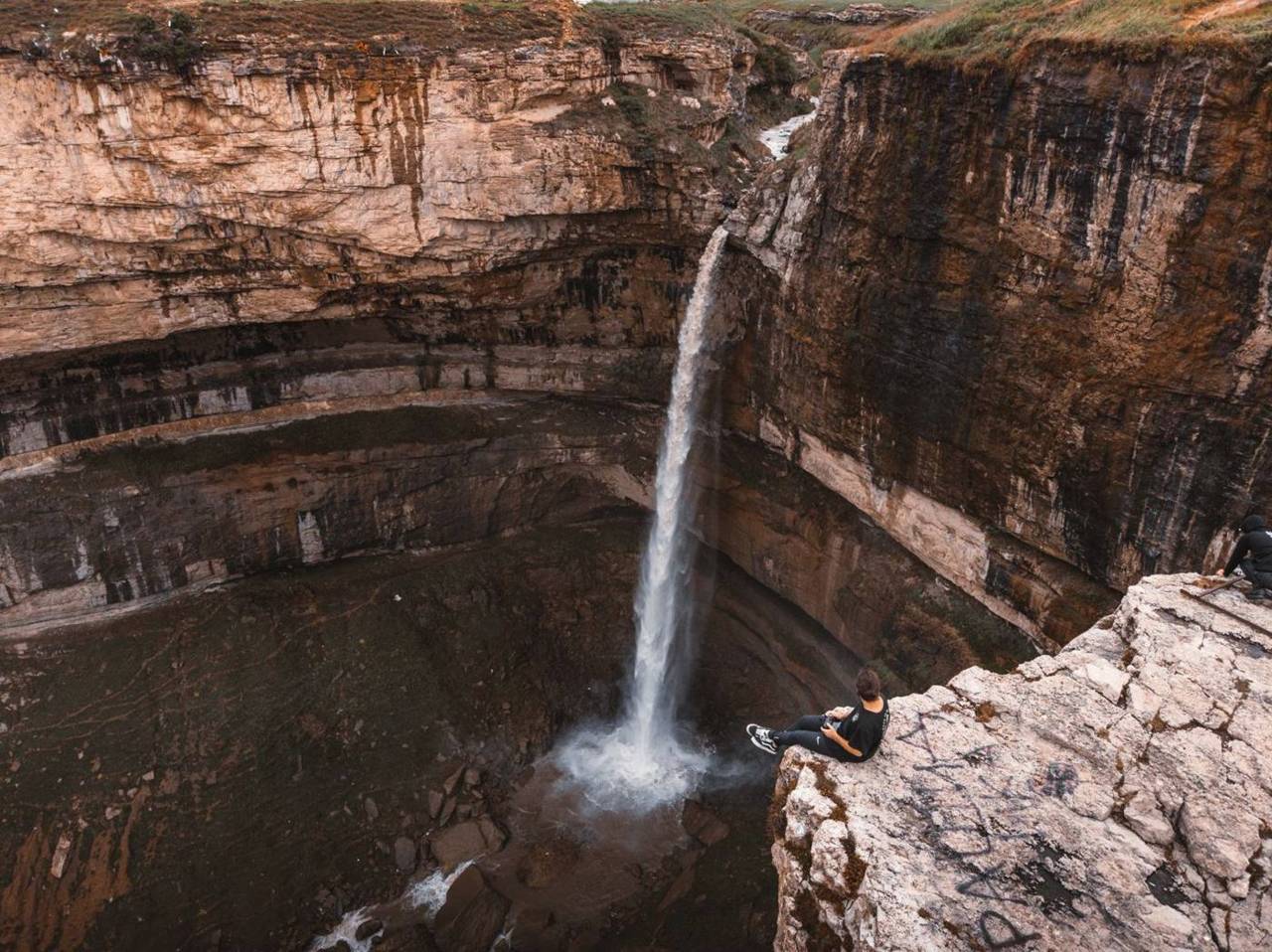
Mirusha and Gadime
The waterfalls and pools of Mirusha in the heart of Kosovo, the marble cave of Gadime and the ruins of the Roman city of Ulpiana.
- Pristina
- Ulpiana
- Gadime
- Mirusha
Day by day
- Day 1
Ulpiana and the Gadime cave
This trip is a break in nature between Pristina and Prizren. You will see the ruins of the Roman city of Ulpiana, the marble cave of Gadime and the Mirusha waterfalls, where you walk along the riverbed from one pool to the next. You need a car: buses do not reach the falls easily.
Before you go: Italian citizens can enter Kosovo with an electronic identity card or a passport, without a visa. Italian paper identity cards are no longer valid for travel abroad from 3 August 2026. Other nationalities should check their own rules. The United Kingdom advises against all but essential travel to the northern municipalities, near Serbia: North Mitrovica, Zvečan, Zubin Potok and Leposavić. This route stays well away from that area. Near the border with Albania and in the mountains, mines from the 1999 war remain: do not leave well-used roads and paths. If you enter by car, the European green card is not valid: insurance is bought at the border.
In the morning, leave Pristina heading south-east. In a quarter of an hour you reach Ulpiana, near Gračanica: it was an important Roman city, rebuilt in the sixth century by the Emperor Justinian. Walk among the foundations of the basilica, the walls and the necropolis. The site lies open in the countryside, with few panels: bring water and a hat.
Then drive south to Gadime, near Lipjan. The cave was discovered in 1966 by a farmer working in his garden. Inside you will find stalactites, stalagmites and oddly shaped aragonite crystals. The visit is guided and short. Check prices and times.
In the evening, return to Pristina for the night.
Practical tip: the cave stays cool even in August; bring a sweatshirt and shoes that do not slip on the wet floor.
- Day 2
The Mirusha waterfalls
Today is the day of the waterfalls. Leave Pristina early and head west: in just over an hour you reach the Mirusha park, between Klina and Malisheva, in the heart of Kosovo.
The Mirusha river has cut a canyon about 10 kilometres long into the limestone. Along the way it forms 13 small lakes, linked by a series of waterfalls. The highest, between the sixth and seventh lake, is more than 20 metres high. The water is green and clear, and the pale rock walls close in above you as you climb.
Leave the car near the first lakes, at the bottom. From here a short path leads to the first pools, the easiest to reach. To see the higher falls you have to go up the river: you walk on stones, at times in shallow water, and in some places you need to scramble a little. Go slowly and do not force the difficult passages.
Around midday, stop for a swim in one of the lower lakes. Local boys dive from the rocks, but the depth varies a lot and the bottom is full of boulders: do not copy them. At summer weekends many families come from all over Kosovo; on weekdays it is much quieter.
In the afternoon, continue to Rahovec, about twenty kilometres away, the wine town, and spend the night there.
Practical tip: bring water shoes with a firm sole, because the rocks are slippery and sharp; light sandals are not enough.
- Day 3
The vineyards of Rahovec and arrival in Prizren
The last day takes you from Rahovec to Prizren, the most beautiful Ottoman town in Kosovo, less than an hour away by road.
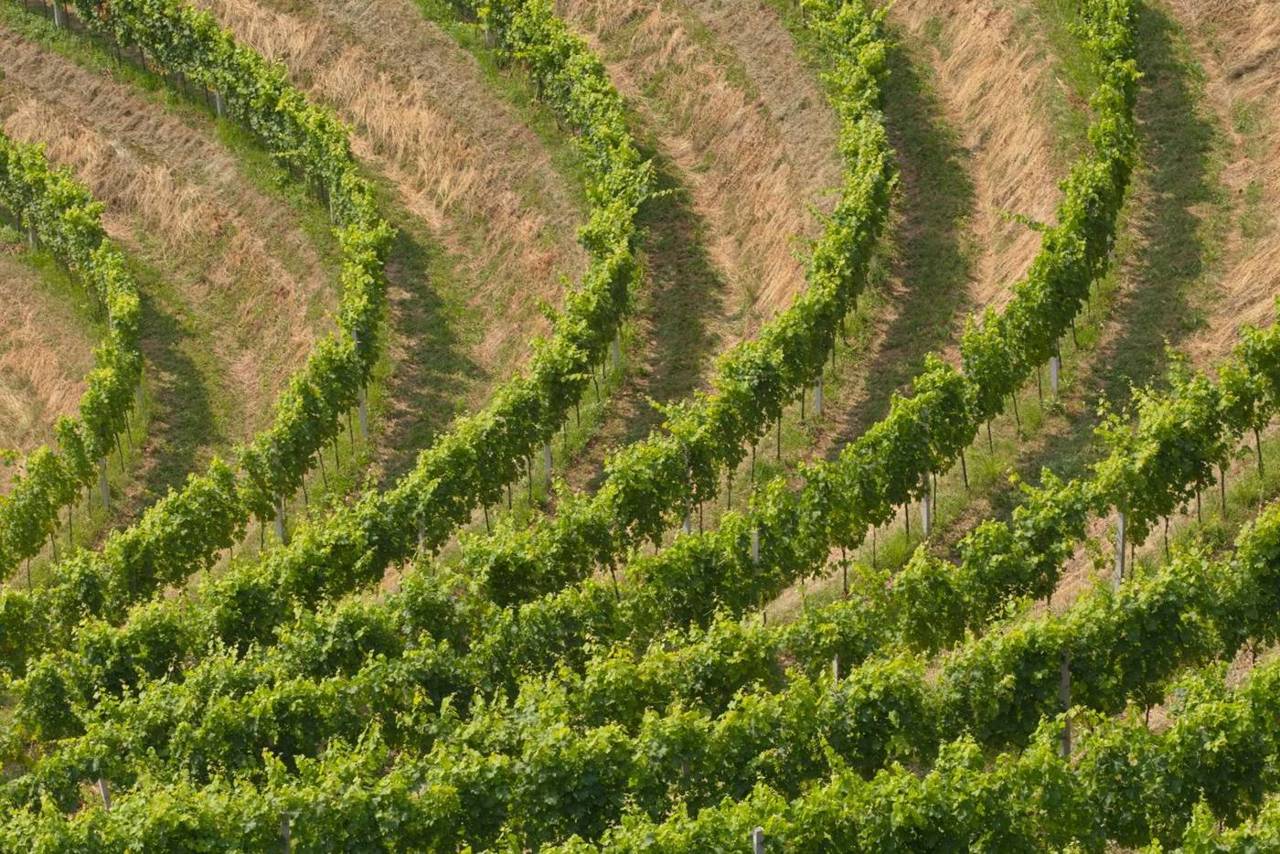
In the morning, walk on the hills around Rahovec, covered with vineyards. Wine has been made here for centuries and many families have a small cellar at home. In September the town celebrates the grape harvest. Climb to one of the high points above the town to see the plain of the White Drin and, on clear days, the mountains towards Albania.
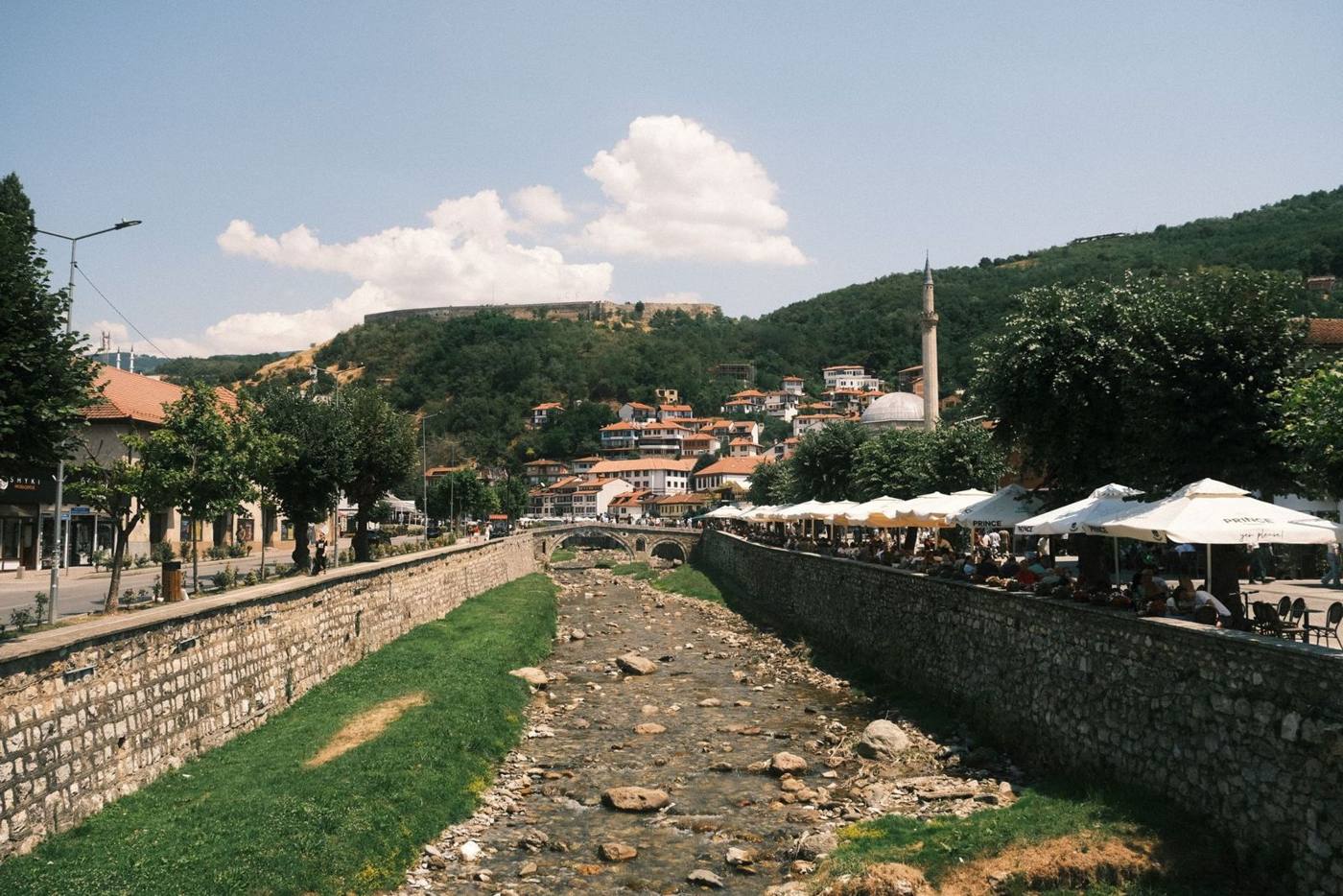
Then take the road to Prizren. Leave the car and walk down towards the centre, along the Lumbardhi river. Cross the old stone bridge and reach Shadërvan square, with its fountain and cafés. In front of you stands the Sinan Pasha Mosque, from 1615, with its tall, slender minaret. Go in with covered clothing, without shoes and outside prayer times.
Towards evening, climb to the fortress, the Kalaja, to watch the roofs, minarets and bell towers of Prizren light up at sunset.
In these three days you have seen the Roman ruins of Ulpiana, the marble cave of Gadime, the lakes and waterfalls of Mirusha, the vineyards of Rahovec and a first taste of Prizren.
When to go: from May to September. In summer the Mirusha water is pleasant for swimming; in spring the river is fuller and the falls stronger, but climbing the canyon is harder. In winter the paths can be muddy and icy.
Practical tip: in Prizren, try qebapa, small grilled meat sausages, served with raw onion and warm bread.
A break in nature between Pristina and Prizren. At Mirusha you walk in the riverbed: water shoes help. Summer weekends bring many locals.
Before you go
- Documents and visa
- Electronic identity card or passport for EU citizens, with no visa for tourist stays of up to 90 days in six months. Italian paper identity cards are no longer valid for travel abroad from 3 August 2026. If you plan to go on to Serbia, check first: Serbia does not recognise Kosovo's crossing points as official borders.
- Health and vaccines
- No compulsory vaccinations. Public healthcare is poorly funded and private clinics are better: you need insurance covering medical costs and repatriation. Drink bottled water. Emergencies: 112; ambulance 194 from a mobile.
- Money and payments
- Euro, even though Kosovo is not in the European Union. Cards work well in Pristina; in small towns and villages you need cash.
- Power sockets
- Types C and F, 230 volts: you need an adapter for British plugs.
- Time zone
- UTC+1, UTC+2 in summer, one hour ahead of the UK.
- Safety
- The UK advises against all but essential travel to the northern municipalities: Zvečan, Zubin Potok, Leposavić and Mitrovica north of the river Ibar. Landmines and unexploded ordnance from the 1999 war remain along the Albanian border, around the Dulje Pass and in the mountains between Kosovo, Albania and Montenegro: stay on well-used roads and paths. The European green card is not valid: buy car insurance at the border. Official advice: GOV.UK.
Information checked in November 2026 for Italian and EU citizens. Rules change: always check before you travel.
Variations
In 2 days: the Gadime cave and the Mirusha waterfalls, returning to Pristina.
In 5 days: add two days in Prizren, with the fortress, the bazaar and the medieval churches.
Frequently asked questions
Can you swim at Mirusha?
Yes, in the lower lakes, in summer. The water is cool and the bottom has many boulders: go in calmly and do not dive from the rocks.
Do you need a guide for the waterfalls?
No, for the first lakes the path is enough. To climb to the higher falls you need to be sure-footed: you walk in the water and on wet stones.
Can you see Gadime and Mirusha without a car?
It is difficult. From Pristina there are buses to Lipjan and to Klina or Malisheva, but then you need taxis. A hire car makes everything simpler.
Indicative itinerary written by World Atlas. Before booking, check timetables, seasonal openings, documents and safety.
 2 daysEasy
Rahovec wine
Kosovo's wine town, with family wineries, vine-covered hills and the September harvest festival.
 2 daysEasy
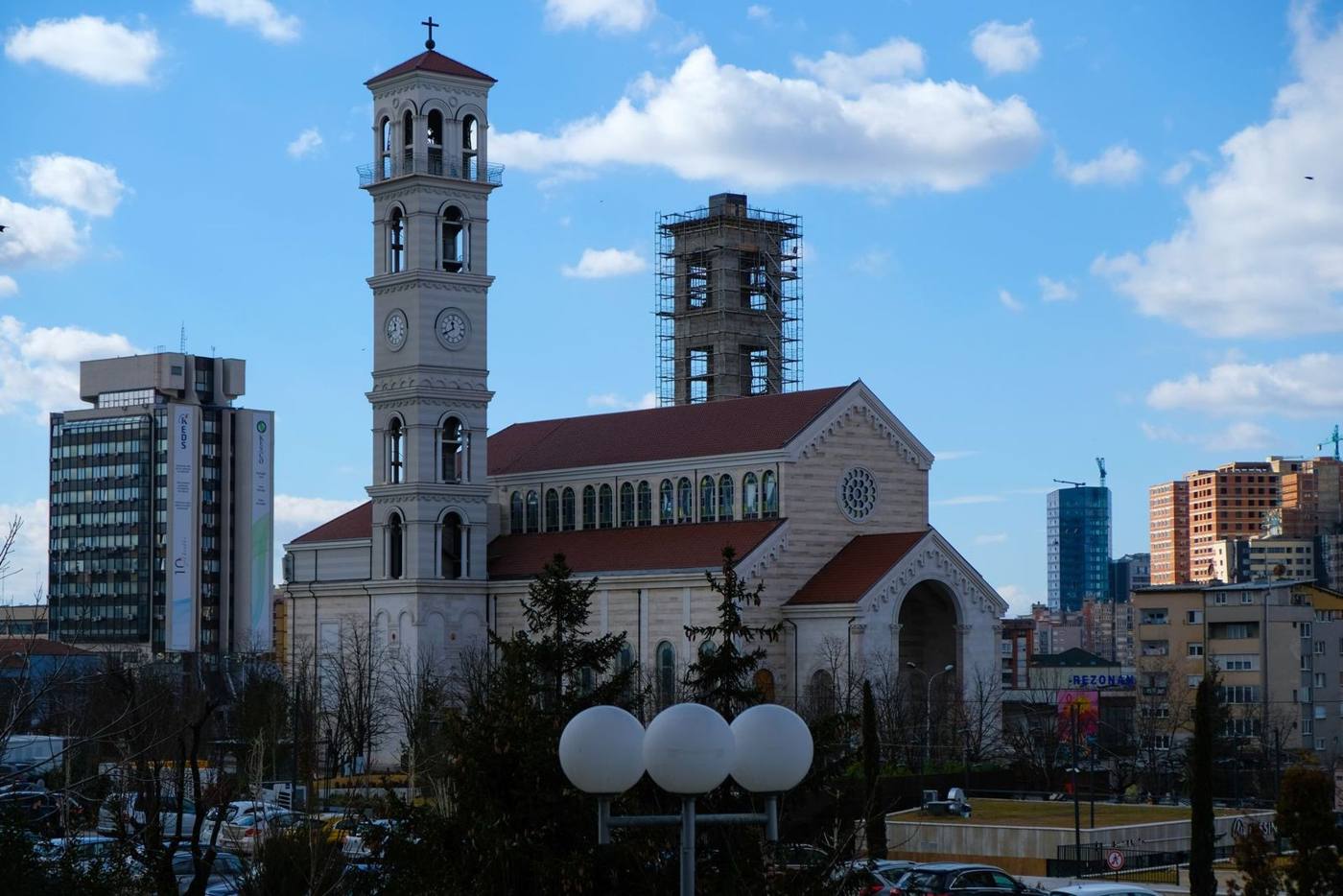
Pristina and the bear sanctuary
The young capital with its National Library, the Newborn monument and cafés, then the Mramor bear sanctuary, home to bears rescued from captivity in restaurants.
 3 daysEasy
Prizren and Dokufest
Prizren's international documentary festival in August, with open-air screenings by the river and in the fortress, and the Ottoman town by night.