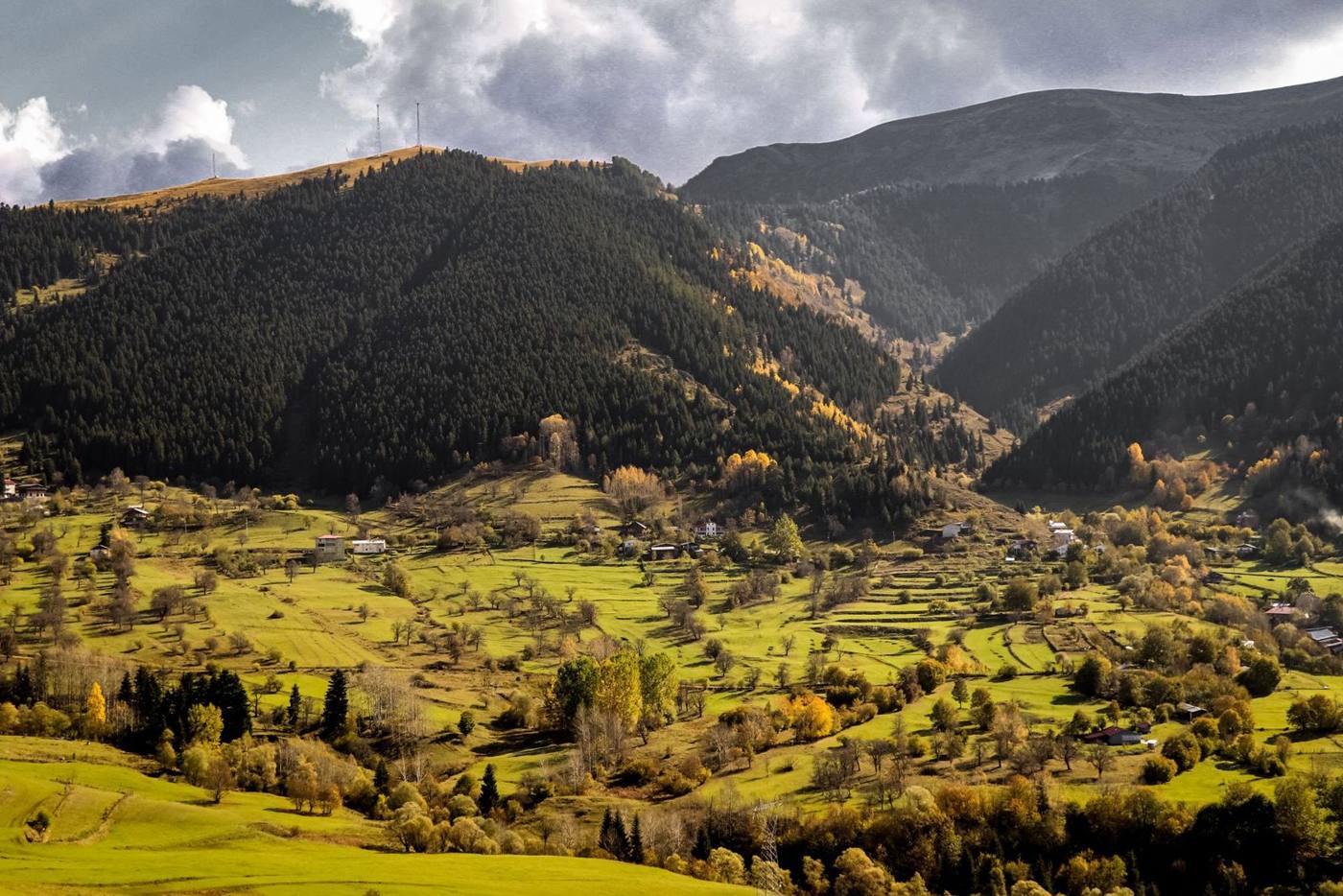
Gjakova and Dečani
Gjakova's long Ottoman bazaar and the Hadum mosque, and the UNESCO Serbian Orthodox monastery of Visoki Dečani with its 14th-century frescoes.
- Prizren
- Gjakova
- Dečani
- Peja
Day by day
- Day 1
Gjakova: the bazaar and the Hadum Mosque
This trip shows two faces of Kosovo a few kilometres apart: Gjakova, with its long Ottoman bazaar, and the Serbian Orthodox monastery of Visoki Dečani, a UNESCO World Heritage Site, with its fourteenth-century frescoes. You will finish in Peja, at the foot of the Rugova mountains.
Before you go: Italian citizens can enter Kosovo with an electronic identity card or a passport, without a visa. Italian paper identity cards are no longer valid for travel abroad from 3 August 2026. Other nationalities should check their own rules. The United Kingdom advises against all but essential travel to the northern municipalities, near Serbia: North Mitrovica, Zvečan, Zubin Potok and Leposavić. This route stays well away from that area. Near the border with Albania and in the mountains, mines from the 1999 war remain: do not leave well-used roads and paths. If you enter by car, the European green card is not valid: insurance is bought at the border.
In the morning, leave Prizren and drive north-west to Gjakova, about an hour by road. Gjakova is a lively and very welcoming town, known throughout Kosovo for its cafés and its craft tradition.
Walk through the Çarshia e Madhe, the grand bazaar, a long cobbled street with low wooden shops, lattice shutters and overhanging roofs. During the 1999 war much of the bazaar was burnt, and it has since been carefully rebuilt. Today it is home to cafés, craftsmen, tailors and goldsmiths.
At the end of the bazaar, visit the Hadum Mosque, from the sixteenth century, with its courtyard, fountain and paintings inside. Go in with covered clothing, take off your shoes and do not enter during prayers.
In the afternoon, see the Bektashi tekke, a place of prayer of a Sufi order, and the clock tower.
Practical tip: in the bazaar you almost always pay in cash; bring small euro notes for coffee and small purchases.
- Day 2
The monastery of Visoki Dečani
Today you visit the monastery of Visoki Dečani, about half an hour by road from Gjakova, at the mouth of a wooded valley at the foot of the mountains. It is one of the great medieval monuments of the Balkans.
The monastery was founded by the Serbian king Stefan Uroš III, known as Dečanski, and the church was built in the 1330s. It is a church of marble in light and dark bands, combining the Romanesque style of the Adriatic coast with the Byzantine style. Inside, the walls are entirely covered with fourteenth-century frescoes, with thousands of figures: scenes from the Bible, saints, kings and a great family tree of the Serbian dynasty. It is part of the Medieval Monuments in Kosovo, a UNESCO World Heritage Site.
The monastery is still home to monks and is protected by KFOR, the NATO-led international force. At the entrance the soldiers check documents: bring your passport or identity card. Wear clothes that cover your shoulders and legs, speak quietly and ask before taking photos inside.
After the visit, walk in the surroundings, in the valley of the Dečani Bistrica river, among chestnut and beech woods, keeping to the road and well-used paths.
In the evening, return to Gjakova or stay in Dečani, the nearby town.
Practical tip: ask at the entrance for visiting and service times; during the liturgy you can attend in silence, but do not walk around the church.
- Day 3
On to Peja
In the morning, leave Dečani and drive north to Peja, about half an hour by road. Peja, Peć in Serbian, is a town between the plain and the mountains, at the mouth of the Rugova gorge.
Visit the Patriarchate of Peć, a complex of Serbian Orthodox churches from the thirteenth and fourteenth centuries, also part of UNESCO's Medieval Monuments in Kosovo. The churches, painted red, are joined together and hold medieval frescoes. For centuries this was the seat of the patriarch of the Serbian Church. Here too documents are checked at the entrance: bring your passport or identity card and wear covered clothing. Check opening times.
In the afternoon, walk through the Peja bazaar, with its shops, cafés and old Ottoman hammam. Then take the road through the Rugova gorge, which climbs towards Montenegro between towering rock walls. Stop at the viewpoints, but do not leave the road and marked paths: near the border there may still be mines.
In these three days you have seen the Ottoman bazaar and the Hadum Mosque in Gjakova, the monastery of Visoki Dečani with its frescoes, the Patriarchate of Peć and the Rugova gorge.
When to go: from April to October. Spring and autumn are mild and bright, summer is hot on the plain but cool in the mountains. In winter the Rugova gorge can be under snow.
Practical tip: taste flija, the traditional Albanian dish made of layers of batter cooked slowly under a metal lid covered with embers, often prepared in mountain villages.
Two faces of Kosovo in one day. The monastery is guarded by KFOR: bring your passport and wear covered clothing. Gjakova is lively and very welcoming.
Before you go
- Documents and visa
- Electronic identity card or passport for EU citizens, with no visa for tourist stays of up to 90 days in six months. Italian paper identity cards are no longer valid for travel abroad from 3 August 2026. If you plan to go on to Serbia, check first: Serbia does not recognise Kosovo's crossing points as official borders.
- Health and vaccines
- No compulsory vaccinations. Public healthcare is poorly funded and private clinics are better: you need insurance covering medical costs and repatriation. Drink bottled water. Emergencies: 112; ambulance 194 from a mobile.
- Money and payments
- Euro, even though Kosovo is not in the European Union. Cards work well in Pristina; in small towns and villages you need cash.
- Power sockets
- Types C and F, 230 volts: you need an adapter for British plugs.
- Time zone
- UTC+1, UTC+2 in summer, one hour ahead of the UK.
- Safety
- The UK advises against all but essential travel to the northern municipalities: Zvečan, Zubin Potok, Leposavić and Mitrovica north of the river Ibar. Landmines and unexploded ordnance from the 1999 war remain along the Albanian border, around the Dulje Pass and in the mountains between Kosovo, Albania and Montenegro: stay on well-used roads and paths. The European green card is not valid: buy car insurance at the border. Official advice: GOV.UK.
Information checked in November 2026 for Italian and EU citizens. Rules change: always check before you travel.
Variations
In 2 days: Gjakova and the monastery of Visoki Dečani, returning to Prizren.
In 5 days: add two days of walking in the Rugova gorge and an unhurried visit to the Patriarchate of Peć.
Frequently asked questions
Do you need a document to enter Dečani monastery?
Yes. The monastery is protected by KFOR and documents are checked at the entrance: bring your passport or identity card. Wear clothes that cover your shoulders and legs.
Can you photograph the frescoes?
Always ask the monks or staff first. In some parts photos are forbidden or restricted. Do not take photos during services.
Is Gjakova safe?
Yes, it is a quiet and welcoming town. The UK only advises against the northern municipalities, near Serbia. Near the Albanian border, stay on well-used roads and paths.
Indicative itinerary written by World Atlas. Before booking, check timetables, seasonal openings, documents and safety.
 3 daysChallenging
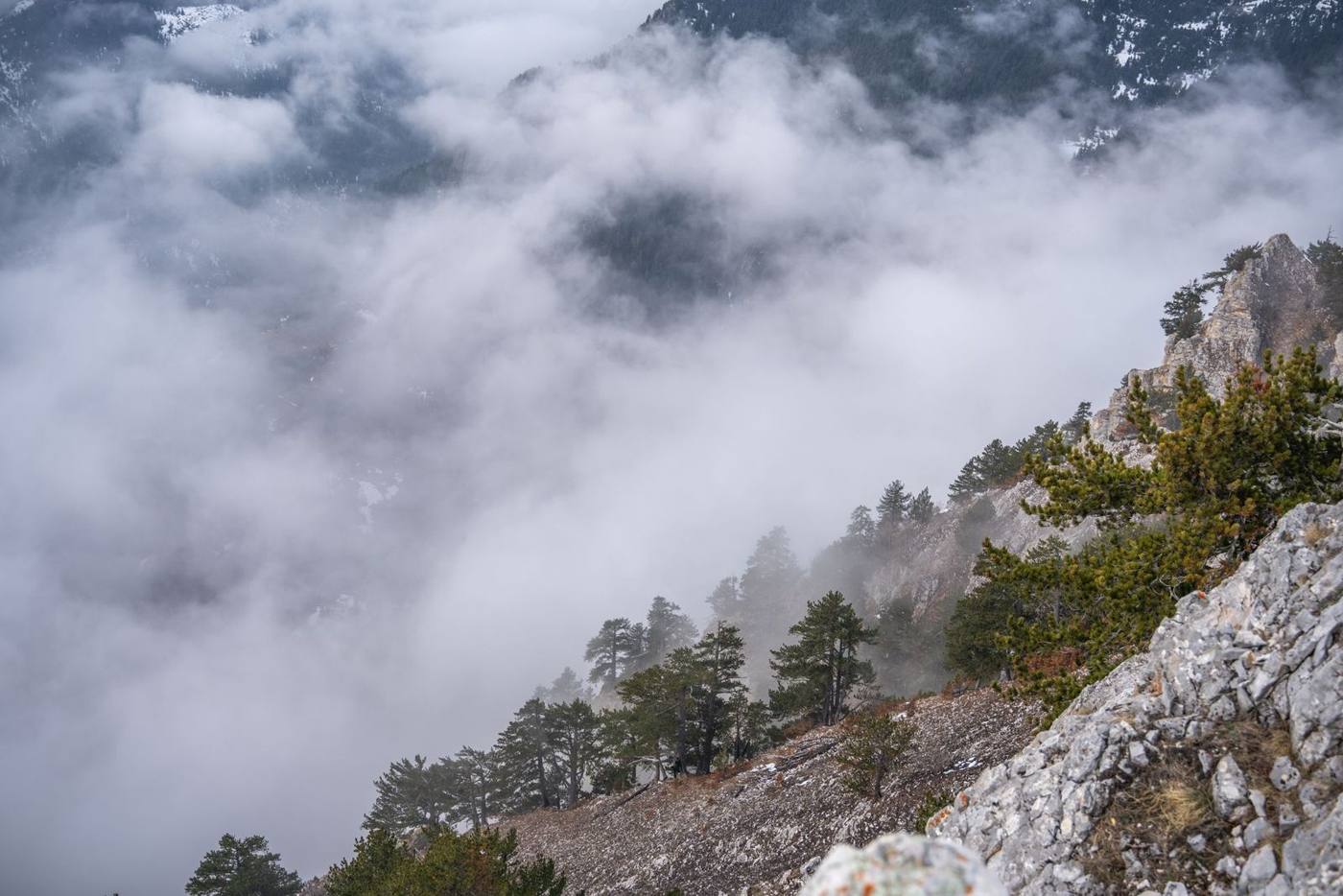
Gjeravica and the lakes
The climb up Gjeravica, Kosovo's highest mountain at 2,656 metres, with the glacial lake at its foot and the shepherds' pastures of the Accursed Mountains.
 3 daysModerate
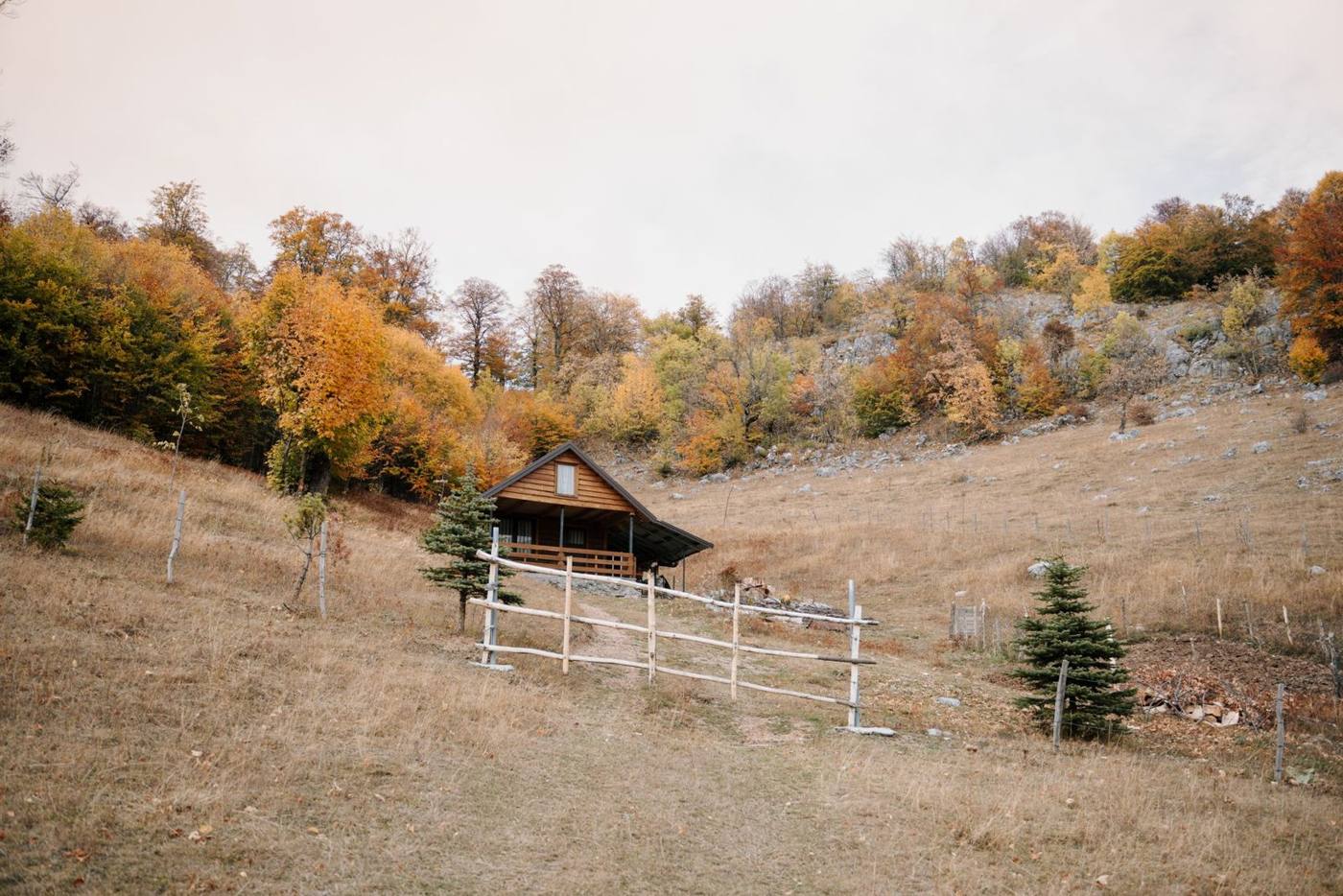
Brezovica and the Šar
The Kosovo side of the Šar mountains: the Brezovica resort, glacial lakes and the villages of Štrpce and the Sredska valley above Prizren.
 3 daysEasy
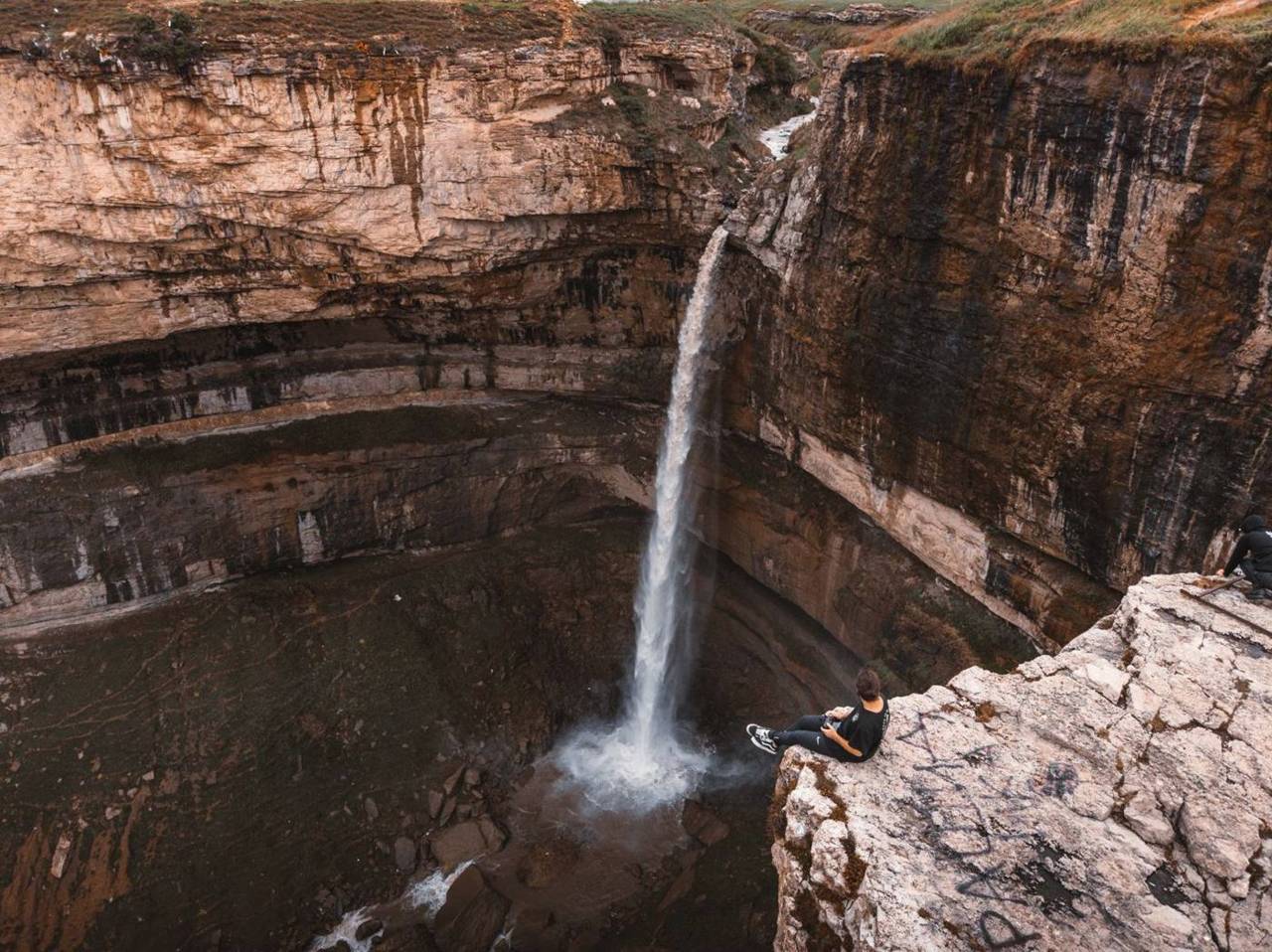
Mirusha and Gadime
The waterfalls and pools of Mirusha in the heart of Kosovo, the marble cave of Gadime and the ruins of the Roman city of Ulpiana.