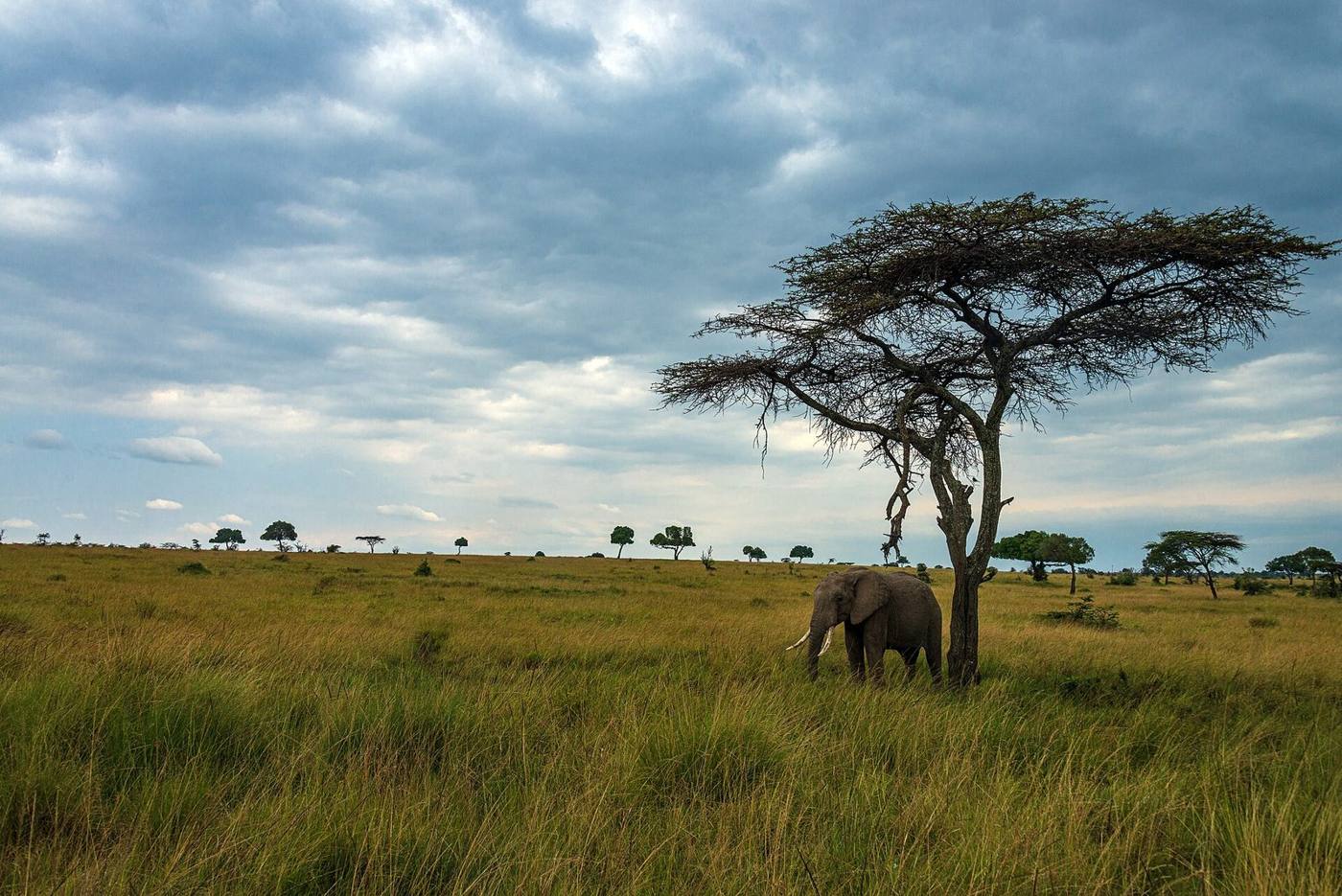
The Masai Mara conservancies
The Mara with fewer vehicles: the private conservancies around the reserve, such as Naboisho, Olare Motorogi and Mara North, run with Maasai communities, with limited vehicle numbers, walking safaris with Maasai guides, night drives and small camps, then a day in the reserve.
- Nairobi
- Naboisho
- Olare Motorogi
- Masai Mara
Day by day
- Day 1
Flight from Nairobi to the camp airstrip and an afternoon game drive
Around the Maasai Mara National Reserve, in south-west Kenya, lie the conservancies, large private areas of savannah formed from the land of thousands of Maasai families, who lease it to tented camps in exchange for income, keeping the land for wildlife. They have different rules from the reserve: few vehicles, a limited number of guests, and walking safaris and night drives allowed. The animals are the same as in the reserve, as there are no fences, but the experience is quieter. In five days you experience the conservancies and a day in the reserve along the Mara River.
In the morning, take a small plane from Wilson Airport in Nairobi, in about an hour, to a dirt airstrip in the savannah near your camp. From above you see the Rift Valley, farmland and then the Mara plains, with acacias and animals like dots.
On arrival, your guide is waiting with an open 4x4. The safari often begins on the way to camp, among zebras, giraffes and gazelles.
In the afternoon, go on your first game drive in the conservancy, looking for lions, which live here in large prides, elephants, buffalo, hyenas and cheetahs.
At sunset, the guide stops at a viewpoint for a sundowner in the savannah.
In the evening, sleep in a tented camp in the conservancy.
Practical tip: to enter Kenya you need an eTA, applied for online before you travel. The United States has had Kenya at level 3 since 19 October 2026: also check the latest health advisory.
- Day 2
A morning walking safari and a night drive
Today you experience the savannah in two ways not allowed in the reserve. Early in the morning, after coffee by the fire, set off on a walking safari with a Maasai guide and an armed ranger. You walk in single file, in silence, through the grass and acacias, at a safe distance from the animals.
On foot the savannah is different: you hear the sounds, smell the scents and feel the wind. The guide shows you animal tracks in the earth, droppings that tell who has passed, plants the Maasai use as medicine, insects and birds such as superb starlings, ground hornbills and bustards. You may see giraffes, zebras and antelope a few dozen metres away, watching you without running off.
Return to camp for breakfast and rest during the hot hours.
In the afternoon, go on a game drive, then stay out after sunset for the night drive. With a red-light torch, which disturbs animals less, the guide searches for creatures of the night: leopards hunting, hyenas, aardvarks digging among termite mounds, big-eyed bushbabies, genets and servals.
In the evening, at camp, dine around the fire under a sky full of stars.
In the evening, sleep in the conservancy.
Practical tip: for the walking safari you need comfortable closed shoes and neutral-coloured clothes, such as green, brown and beige. Avoid white and bright colours, which can be seen from far away.
- Day 3
A full day in the conservancy
Today you spend a full day in the conservancy, with time to follow the animals without hurrying.
Early in the morning, at dawn, set off with your guide when predators are most active. In the conservancies the number of vehicles at a sighting is limited, usually to a few, so you can stay a long time with a pride of lions or a cheetah mother and her cubs, without the crowd of cars that sometimes forms in the reserve.
The guide knows the territory and individual animals well: often he knows where the pride's lions are resting and where a leopardess has hidden her cubs. With luck you see a hunt, or lions approaching a herd of buffalo.
At midday, have a picnic under a large tree in the savannah, with a view over the plain.
In the afternoon, if you wish, visit a nearby Maasai village with the community's permission. You see the low houses made of branches, mud and cow dung, the livestock enclosures, and hear the songs and leaps of the warriors. Many camps support projects for schools, water and health in the communities.
At sunset, watch the orange sky above the acacias.
In the evening, sleep in the conservancy.
Practical tip: on village visits, always ask permission before photographing people. You may be offered crafts: you are not obliged to buy.
- Day 4
The Mara reserve and the Mara River
Today you enter the Maasai Mara National Reserve, Kenya's most famous, which borders Serengeti National Park in Tanzania and forms a single great ecosystem with it.
Early in the morning, set off for a full day in the reserve with a packed lunch. The reserve's open, rolling plains are among the best places in Africa to see the big cats: lions, leopards and cheetahs, as well as elephants, buffalo, giraffes, hippos and crocodiles.
Head to the Mara River, which runs through the reserve. From July to October, during the great migration, hundreds of thousands of wildebeest and zebras arrive from the Serengeti and cross the river at particular points, plunging into the water from steep banks, among waiting crocodiles. A crossing can last a few minutes or hours, and sometimes the animals approach the bank and then turn back. Patience is needed.
Outside the migration season the river is still beautiful, with large groups of hippos and crocodiles basking on the banks.
In the afternoon, head back towards the conservancy, looking for the last animals.
In the evening, sleep in the conservancy.
Practical tip: entry fees to the Maasai Mara reserve are high and change often. Ask your camp whether they are included in the price and check the current amount before you travel.
- Day 5
Return flight to Nairobi
In the morning, take a last dawn game drive in the conservancy, in the soft light as the savannah wakes: lions returning from the night's hunt, hyenas heading back to the den, birds singing.
If your budget allows, before dawn you can go on a hot-air balloon flight over the savannah, one of the Mara's most famous experiences. You float silently for about an hour over the plains, watching herds and rivers from above, and land for breakfast in the bush.
After breakfast, return to camp, pack and go to the airstrip for the flight back to Nairobi. From the small plane, look down one last time at the plains, the winding river and the herds.
If you have time in Nairobi before your international flight, visit the elephant orphanage, where orphaned calves are cared for, open at a fixed time in the morning, or the giraffe centre, where you feed Rothschild's giraffes from a raised platform.
This trip combines well with Lake Nakuru and Lake Naivasha in the Rift Valley, with the beaches of Kenya's south coast at Diani, or with Amboseli and Tsavo.
Practical tip: small planes to the Mara have luggage weight limits, usually around fifteen kilos, in soft bags without wheels. Check the rules when you book.
Pricier than the reserve, but part of the fees go to the Maasai families who own the land. The migration river crossings usually happen between July and October, with no guaranteed dates. An electronic travel authorisation (eTA) is required, applied for online before travelling. On 19 October 2026 the US raised its Kenya advisory to level 3, after the first Ebola cases in Nairobi; it advises against the counties on the Somali border, Lamu County, Tana River and the coast north of Malindi. This itinerary stays outside those areas.
Before you go
- Documents and visa
- Valid passport and an eTA, applied for online on the official Kenyan government website before leaving. From 5 October 2026 compulsory government travel health insurance is also required.
- Health and vaccines
- Malaria prevention and the yellow fever vaccine are recommended. Drink only bottled water. Emergencies: 999 or 112.
- Money and payments
- Kenyan shilling. Mobile payment, M-Pesa, is everywhere; cards work in cities and lodges.
- Power sockets
- Type G, 240 volts: you need an adapter for British plugs.
- Time zone
- UTC+3 all year.
- Safety
- The United States has rated Kenya level 3 since 19 October 2026 (Ebola, crime, kidnapping, terrorism, unrest). Do not travel: Garissa, Wajir, Mandera, Lamu, Tana River (except Tsavo), Kilifi north of the C103 road, the coast north of Malindi, Marsabit and Turkana within 50 km of Ethiopia. Official advice: GOV.UK.
Information checked in November 2026 for Italian and EU citizens. Rules change: always check before you travel.
Variations
In 3 days: two nights in a conservancy, with a walking safari and a night drive.
In 9 days: add Lake Naivasha and the coast at Diani.
Frequently asked questions
When is the best time to go?
From July to October for the migration and river crossings. January to March is dry and quiet; April and May are very rainy.
What is the difference between a conservancy and the reserve?
Conservancies have fewer vehicles and allow walking safaris and night drives. The reserve has more cars, but also the Mara River.
Do I need malaria prophylaxis?
There is a malaria risk in the Mara. Ask your doctor or a travel medicine clinic for advice before you travel.
Indicative itinerary written by World Atlas. Before booking, check timetables, seasonal openings, documents and safety.
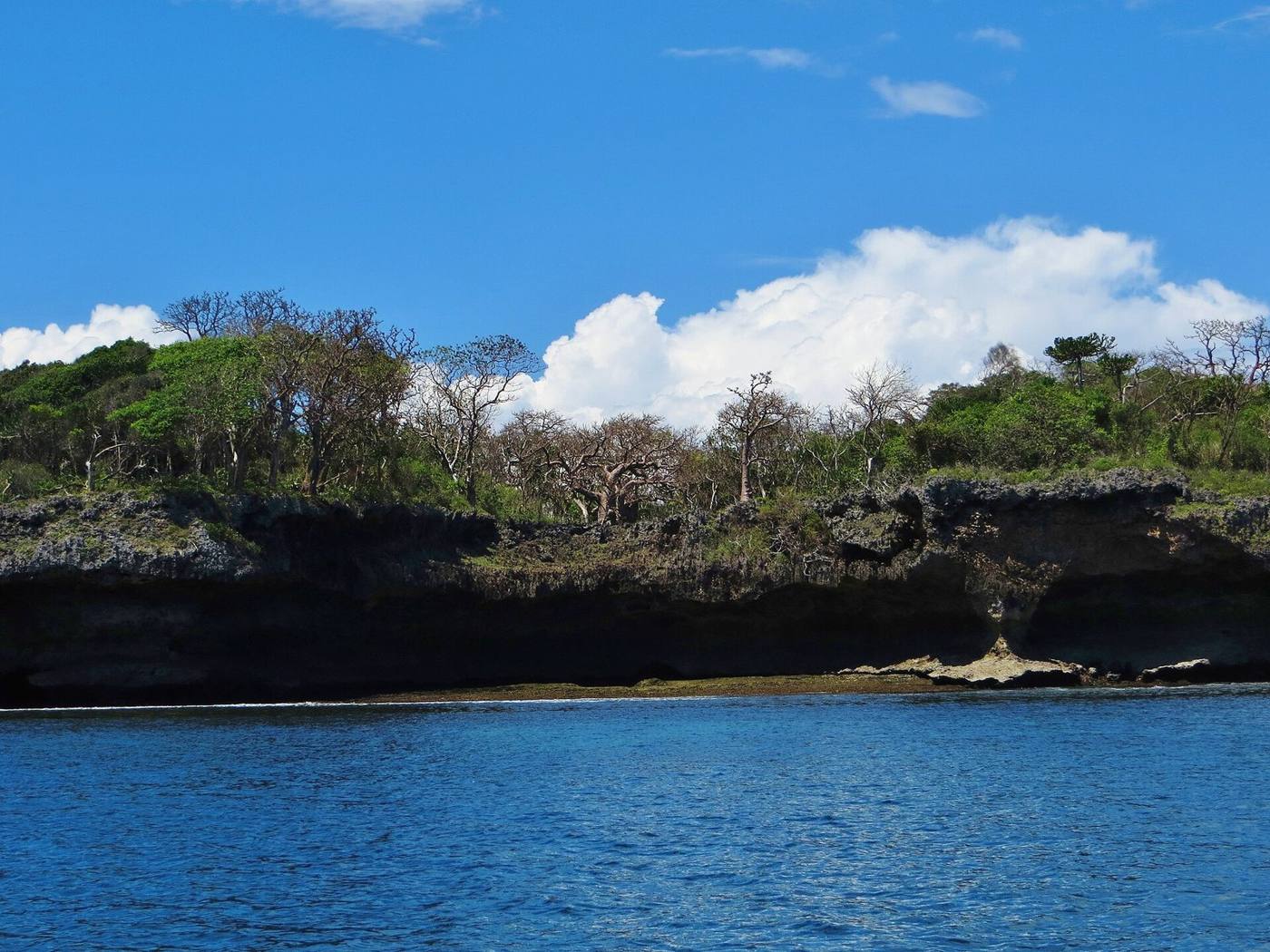 5 daysEasy
Shimba Hills and Kisite Marine Park
The south coast towards Tanzania: the wooded Shimba Hills with sable antelope and Sheldrick Falls, then from Shimoni the dhow to Kisite-Mpunguti Marine Park, with dolphins and snorkelling, Wasini Island and its boardwalk among raised coral formations.
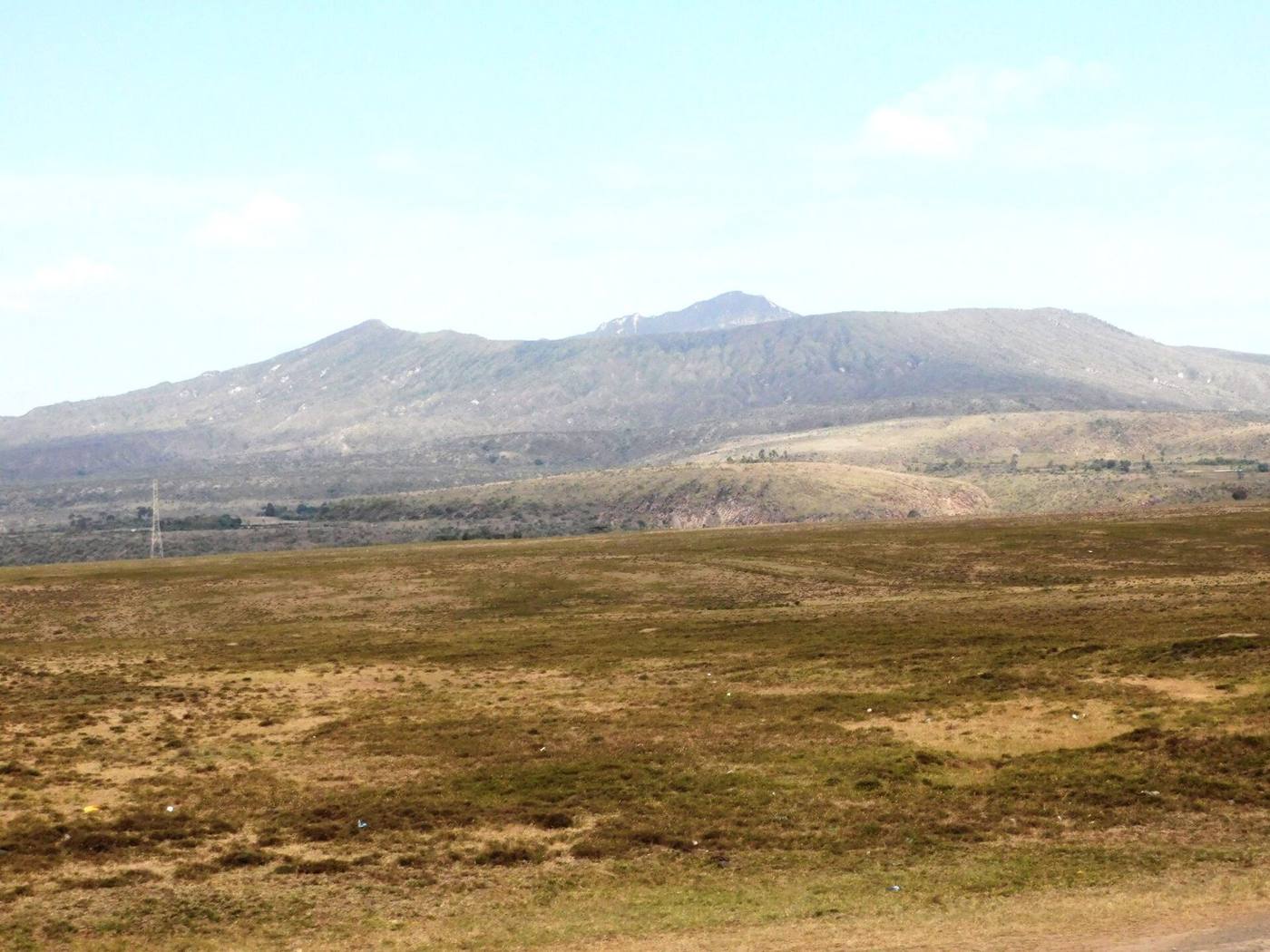 4 daysModerate
Longonot, Hell's Gate and Suswa on foot
The Rift Valley on foot: the crater-rim circuit of Longonot volcano, Hell's Gate gorge by bike among zebras and giraffes, with a descent into the canyon, and the double crater of Suswa with its lava caves full of bats, on Maasai land.
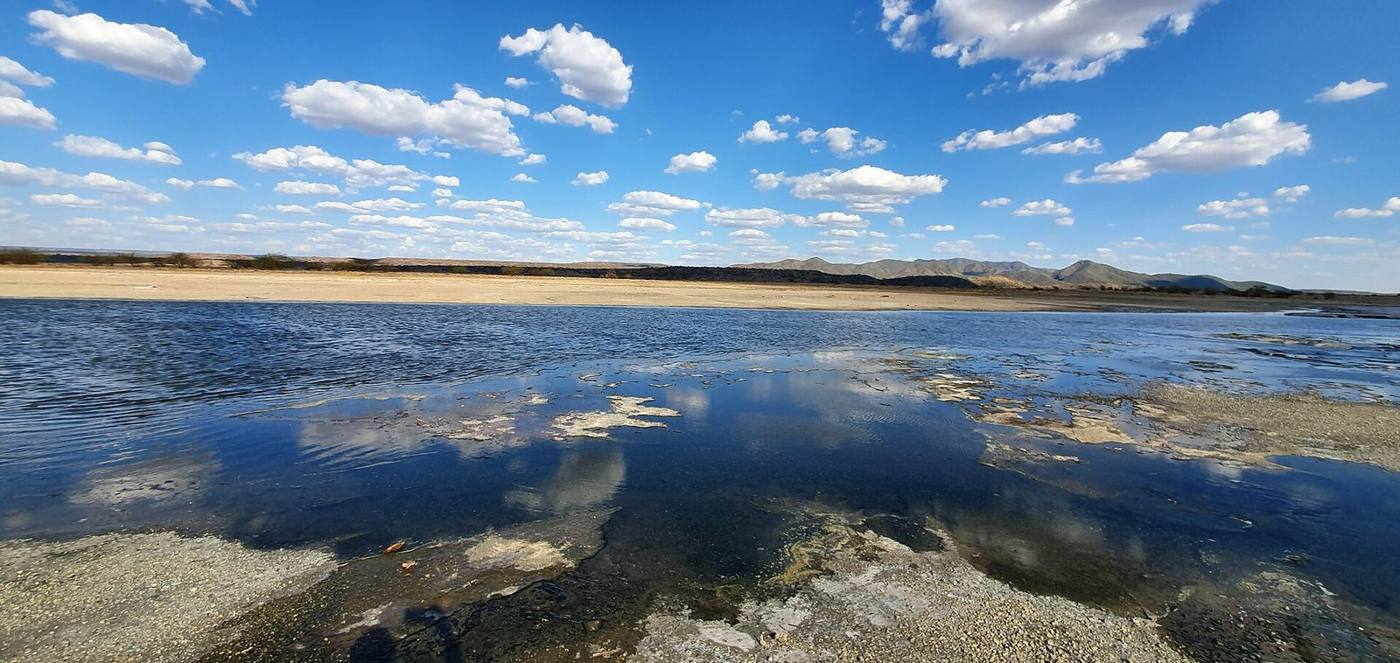 3 daysEasy
Lake Magadi and Olorgesailie
The southern Rift Valley, hot and wild: the prehistoric site of Olorgesailie with hundreds of stone hand-axes left where they were used, then the pink and white soda lake of Magadi, with flamingos, hot springs and the Maasai area of Shompole towards the border.