Meru National Park
Elsa the lioness's park, little visited today: palm-fringed rivers, rhinos in a fenced sanctuary, elephants, reticulated giraffes, Grevy's zebras and oryx, with very few vehicles and camps overlooking the river.
- Nairobi
- Meru
Day by day
- Day 1
By air or road to Meru and the first game drive
Meru National Park lies east of Mount Kenya, on a hot plain crossed by many rivers coming down from the mountains, with doum palm groves along their banks, savannah, bush and rocky hills. It is the park where Joy and George Adamson raised and released the lioness Elsa, the story told in the book and film Born No-cost. In the 1980s poaching almost emptied it; today the animals have returned, but visitors are still very few. The animals are shyer than in the Masai Mara, but you have the park almost to yourself. In four days it is a quiet, wild safari.
You arrive on a small flight from Nairobi to the Mulika airstrip, inside the park, in about an hour, or by car in about six hours, passing the foot of Mount Kenya and through the town of Meru, with its hills planted with tea and miraa.
In the afternoon, after settling into your lodge or camp, go on your first game drive. The landscape is very varied: palms along the rivers, green swamps, tall grassland and acacia woods. Species typical of northern Kenya live here that you do not see in the Mara: the reticulated giraffe, with its markings drawn like a net, the beisa oryx, the gerenuk, a very long-necked gazelle that feeds standing on its hind legs, and the lesser kudu.
At sunset, return to camp and listen to the sounds of the African night.
Practical tip: Meru is hot and humid, especially near the rivers. Use repellent and ask your doctor before you leave whether malaria prevention is needed.
- Day 2
The rhino sanctuary and the park's rivers
Early in the morning, set off on a long game drive to the rhino sanctuary, a fenced area inside the park where white and black rhinos live, guarded day and night by rangers. White rhinos often graze in the open and come close without fear; black rhinos, smaller and shyer, live in the bush and are harder to see. The sanctuary was created to bring rhinos back to Meru after poaching had wiped them out.
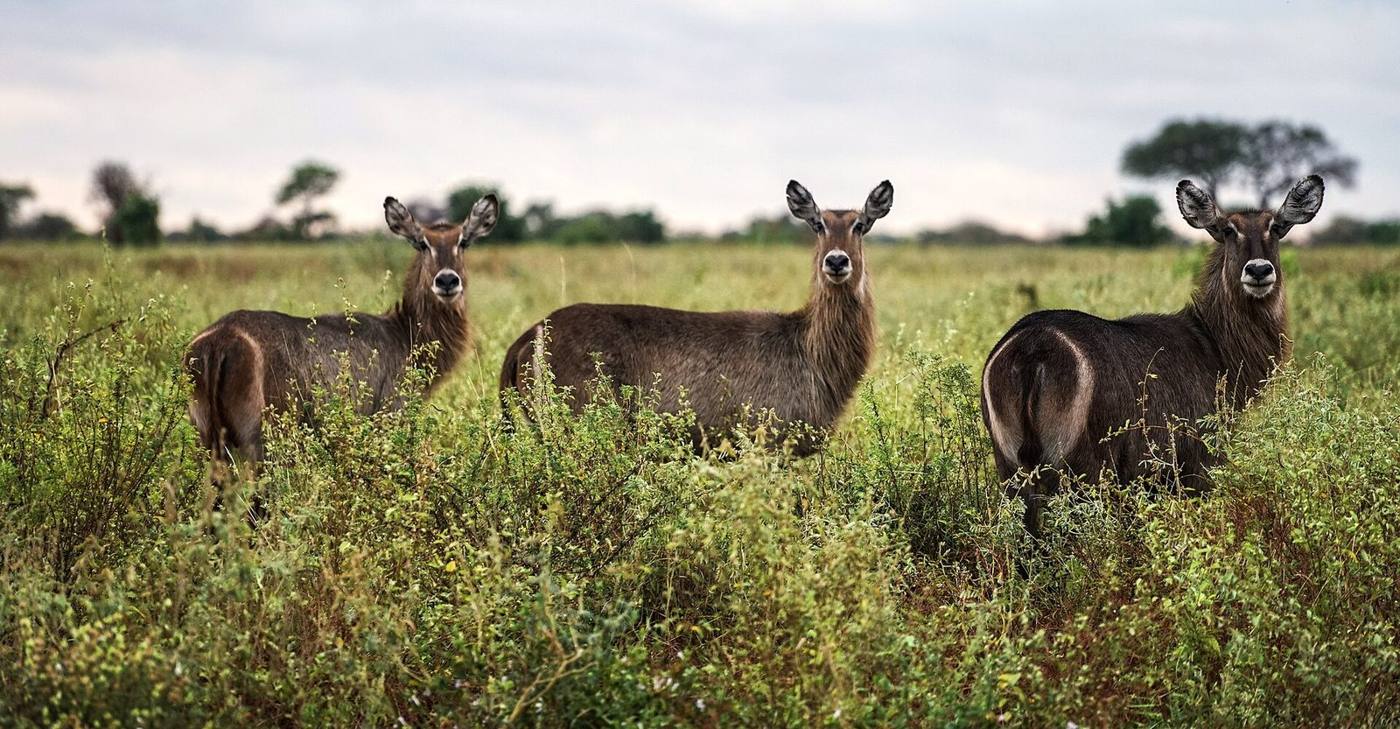
In and around the sanctuary you also see buffalo, elephants, zebras, waterbuck, warthogs and, with a little luck, lions, which here are less used to vehicles and therefore wilder.
At midday, stop along one of the park's rivers, such as the Rojewero, with banks covered in palms and tall trees. Hippos and crocodiles live here, along with many birds: kingfishers, herons, hornbills and turacos. You can have a picnic lunch at an authorised stop.
In the afternoon, visit the place where Elsa, the lioness of Born No-cost, is buried, and the remains of the Adamsons' old camp. For many visitors it is a moving moment, linked to a story that made the world aware of the need to protect wild animals.
In the evening, at camp, have dinner outdoors and, if the sky is clear, look at the stars: far from any city, the Milky Way is extremely bright.
Practical tip: in the park you only get out of the vehicle at authorised points. Meru's animals are not used to people: never approach them on foot.
- Day 3
Game drives in the north of the park
Today you explore the northern part of the park, the most remote, where the landscape becomes drier and more open, with rocky hills, thorny bush and large baobabs. You meet very few other vehicles here: silence and space are Meru's true luxury.
In the morning, look for the animals of the dry country: reticulated giraffes, oryx, gerenuk and Somali ostriches, with blue legs and necks, and elephants walking in line towards the rivers. Leopards and cheetahs may be hiding in the bush, hard to see but present. The guides read the tracks on the ground and listen to the alarm calls of monkeys and birds to work out where the predators are.
At midday, rest at camp during the hottest hours. Many Meru camps have natural pools among the rocks or cool plunge pools, very pleasant in the heat.
In the late afternoon, if your camp offers it, take a walk with an armed ranger, one of the most intense experiences of a safari: you walk slowly, look at tracks, insects, medicinal plants and animal droppings, and understand the savannah in a different way. Or take a last game drive at sunset, when the golden light sets the palms and hills aglow.
In the evening, if the camp organises a night drive, by torchlight you may see nocturnal animals such as bushbabies, genets and springhares.
Practical tip: wear neutral-coloured clothes, such as beige and olive green. Avoid black and dark blue, which attract the tsetse flies found in some areas.
- Day 4
A last game drive and return to Nairobi
On your last morning, take a short game drive at dawn, when the animals are most active and the light is soft. It is the best time to see lions returning from the night's hunt, elephants drinking at the rivers and birds singing among the palms.
After breakfast, leave the park. If you are flying back, the flight to Nairobi leaves from the Mulika airstrip in the late morning and takes about an hour. If you are driving, the road is long, about six hours: you can stop at Nanyuki, a small town at the foot of Mount Kenya, on the equator, where a sign marks the crossing between the two hemispheres.
Do not leave the park heading east: the neighbouring Kora reserve borders Tana River county, which security advice warns against. Stay on the roads heading west and towards Mount Kenya.
Once in Nairobi, if you have time before your flight, visit the elephant orphanage, where you see baby elephants that have been rescued and raised before being returned to the wild, or the giraffe centre in the Langata area.
Meru combines well with other parts of central Kenya: the Laikipia reserves, Mount Kenya or the Samburu reserve to the north, with the same dry-country animals.
Practical tip: you need the eTA electronic authorisation, to be requested online before you leave. Since 19 October 2026 the United States has kept Kenya at level 3 after the Ebola cases in Nairobi: check the latest advice before booking.
The animals are shyer than in the Mara, but you have the park almost to yourself. Do not leave the park eastwards: the neighbouring Kora reserve borders Tana River, which is advised against. An electronic travel authorisation (eTA) is required, applied for online before travelling. On 19 October 2026 the US raised its Kenya advisory to level 3, after the first Ebola cases in Nairobi; it advises against the counties on the Somali border, Lamu County, Tana River and the coast north of Malindi. This itinerary stays outside those areas.
Before you go
- Documents and visa
- Valid passport and an eTA, applied for online on the official Kenyan government website before leaving. From 5 October 2026 compulsory government travel health insurance is also required.
- Health and vaccines
- Malaria prevention and the yellow fever vaccine are recommended. Drink only bottled water. Emergencies: 999 or 112.
- Money and payments
- Kenyan shilling. Mobile payment, M-Pesa, is everywhere; cards work in cities and lodges.
- Power sockets
- Type G, 240 volts: you need an adapter for British plugs.
- Time zone
- UTC+3 all year.
- Safety
- The United States has rated Kenya level 3 since 19 October 2026 (Ebola, crime, kidnapping, terrorism, unrest). Do not travel: Garissa, Wajir, Mandera, Lamu, Tana River (except Tsavo), Kilifi north of the C103 road, the coast north of Malindi, Marsabit and Turkana within 50 km of Ethiopia. Official advice: GOV.UK.
Information checked in November 2026 for Italian and EU citizens. Rules change: always check before you travel.
Variations
In 3 days: flight from Nairobi, two nights in the park with the rhino sanctuary, flight back.
In 7 days: after Meru, continue to Samburu and then to Laikipia, with the animals of the north and the rhinos of Ol Pejeta.
Frequently asked questions
When is the best time to go?
The dry seasons, from June to October and from January to March, when animals gather near the rivers. In the rains the tracks become difficult and the tall grass hides the animals.
Are the Big Five there?
Yes: lions, leopards, elephants, buffalo and rhinos live in the park, but they are shyer and less used to vehicles than in the Masai Mara.
Is it safe?
The park is far from the areas advised against, but you must not leave it heading east, into the Kora reserve and Tana River. The United States has Kenya at level 3: always check the advice before you leave.
Indicative itinerary written by World Atlas. Before booking, check timetables, seasonal openings, documents and safety.
 4 daysModerate
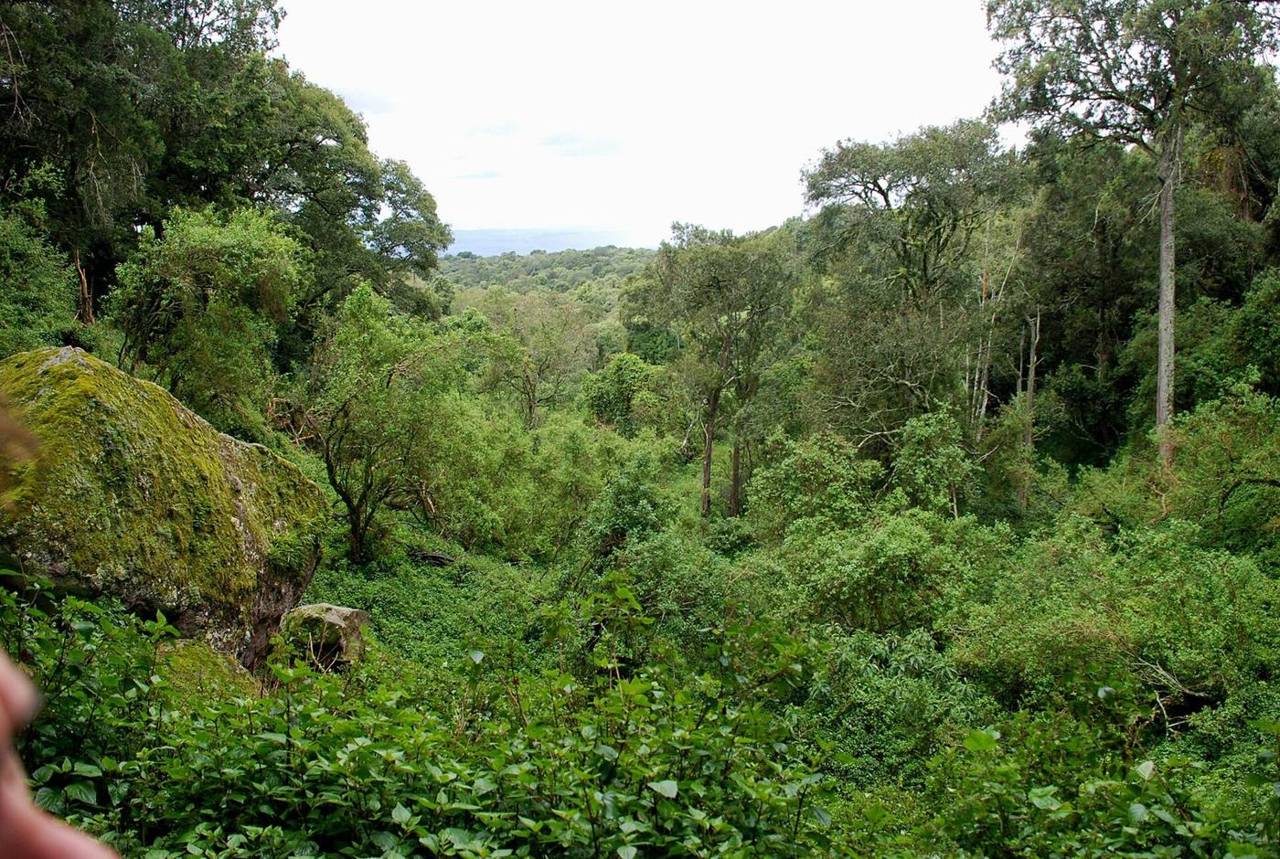
Mount Elgon and the elephant caves
An extinct volcano on the Ugandan border: cedar and podocarp forests, Kitum Cave, where elephants walk in at night to lick salt from the walls, waterfalls and high moorland up to Koitobos, the Kenyan summit.
 5 daysEasy
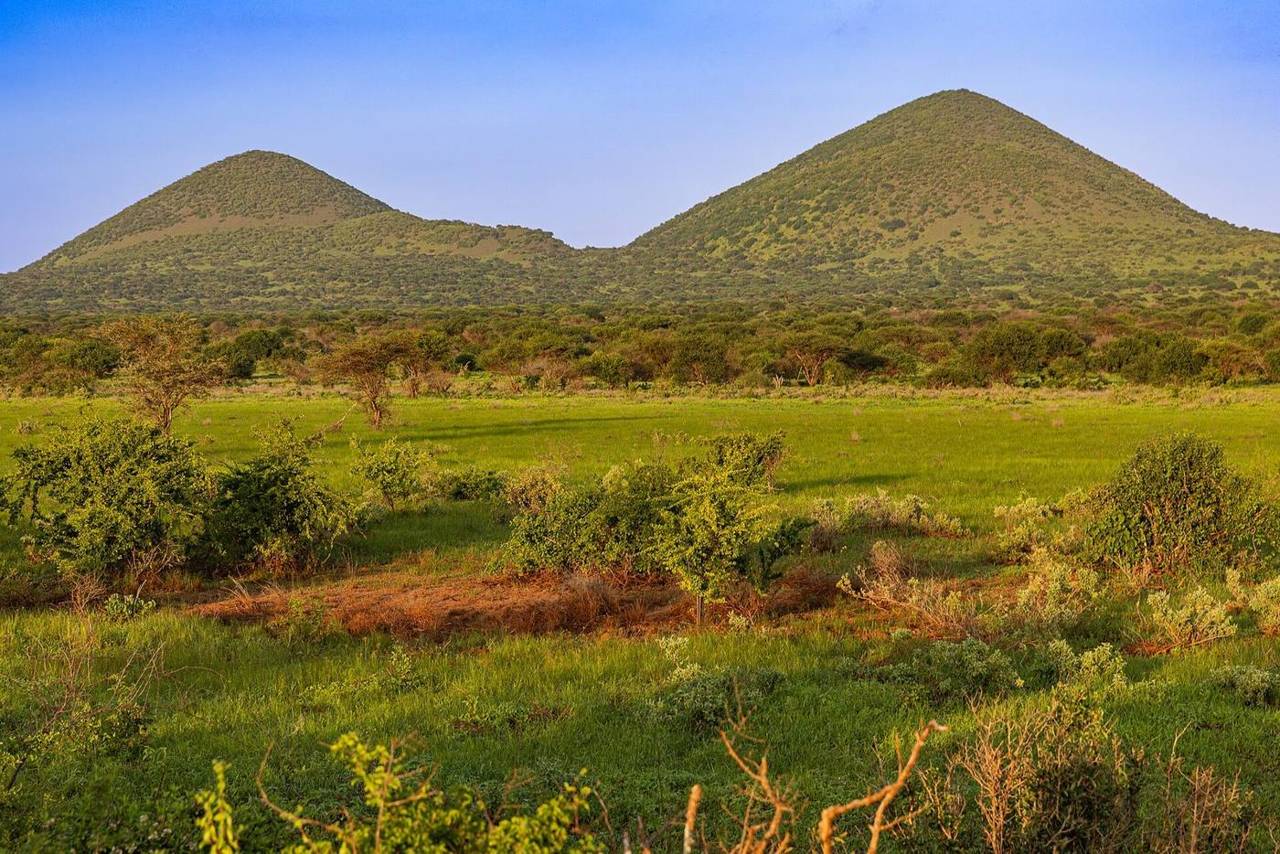
The Chyulu Hills and Tsavo West
The green hills Hemingway wrote about, between Amboseli and Tsavo: walks and horse rides among grassland and volcanic cones with Kilimanjaro behind, the Leviathan lava cave from outside, then Tsavo West with the Mzima Springs and the Ngulia rhino sanctuary.
 3 daysEasy
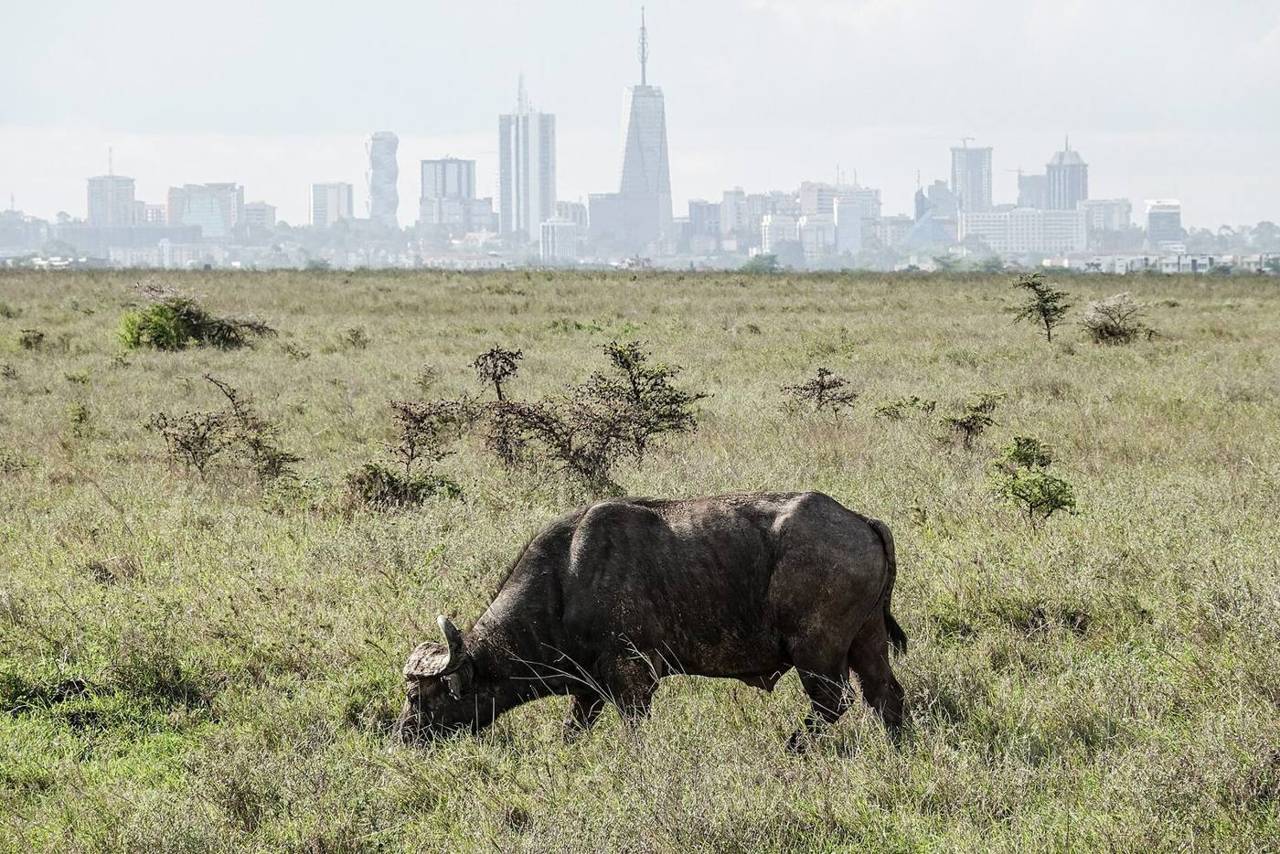
Nairobi in depth
The only capital with a national park on its doorstep: a dawn game drive in Nairobi National Park, with rhinos and lions in front of the skyscrapers, the Giraffe Centre, the orphaned baby elephants of the Sheldrick Trust, Karen Blixen's house, the National Museum and the Maasai market.