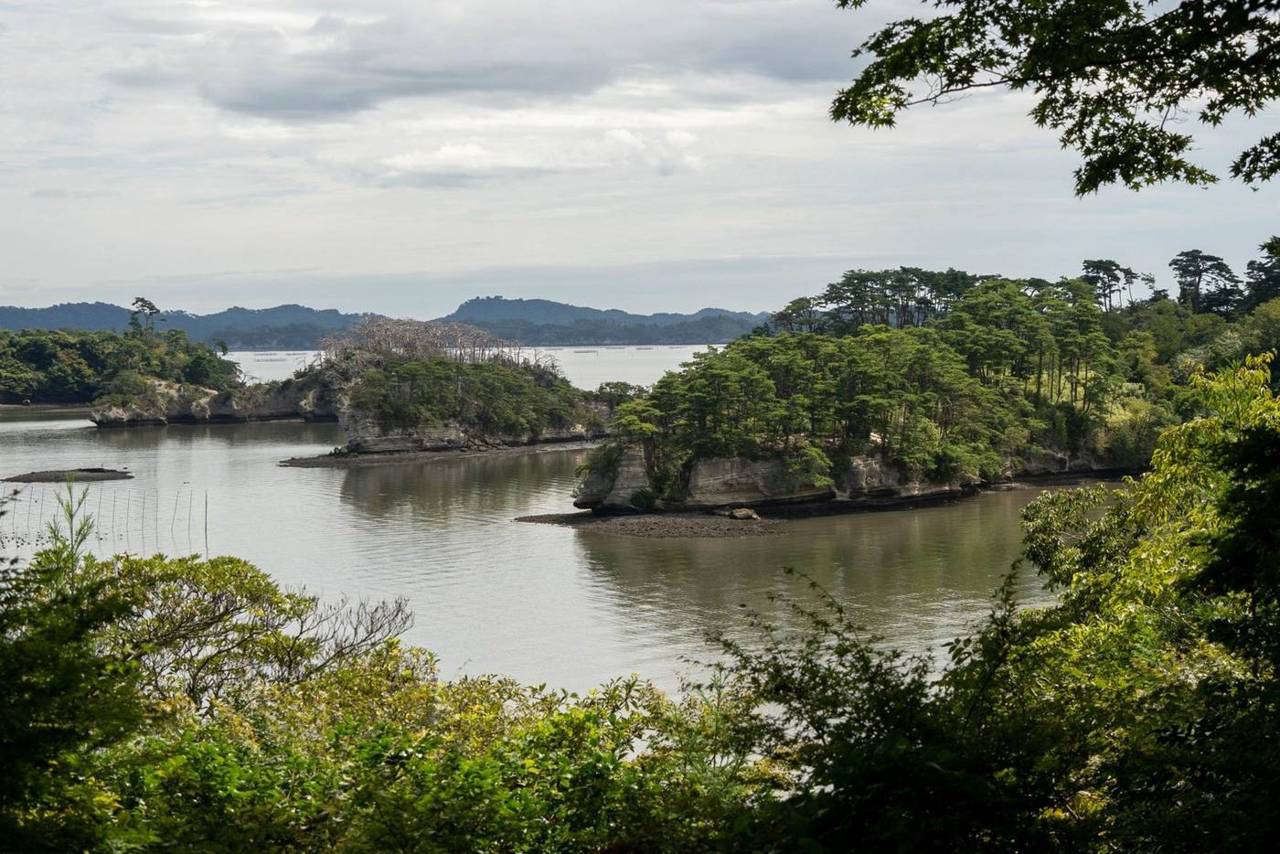
Tohoku, the authentic north
The Japan few foreigners see: Matsushima Bay, the temples of Hiraizumi, the samurai houses of Kakunodate and the Oirase stream.
- Tokyo
- Nikko
- Sendai
- Matsushima
- Hiraizumi
- Kakunodate
- Lake Tazawa
- Oirase
- Lake Towada
- Aomori
Day by day
- Day 1
Arrival in Tokyo
This trip takes you to Tohoku, the north of Japan's main island, a region of mountains, forests, volcanic lakes, hot springs and samurai towns, far less visited than Kyoto and Tokyo. You see the shrines of Nikko, Matsushima Bay, the golden temples of Hiraizumi, Kakunodate, the Nyuto hot springs, the Oirase stream and Lake Towada, all the way to Aomori at the northern tip.
Before you leave: check the current entry rules for Japan. From 1 July 2026 the international departure tax is 3,000 yen, usually already included in the air ticket. For trains, consider the nationwide Japan Rail Pass, which from 1 October 2026 costs 53,000 yen for seven days, or a regional pass for Tohoku: compare the current prices with single tickets.
You fly into Tokyo, at Narita or Haneda airport. From Haneda the centre is about half an hour away; from Narita about an hour.
In the afternoon rest and, if you have energy, walk around Ueno, with its park, the great pond with lotus flowers and Ameyoko market, near the station where the shinkansen leave for the north.
In the evening have dinner in a small neighbourhood restaurant, with ramen, tempura or yakitori.
Sleep in Tokyo, ideally near Ueno or Tokyo station.
Practical tip: the best time is mid May to June and late September to early November, with the autumn colours. In winter Tohoku gets heavy snow.
- Day 2
Nikko: Toshogu shrine and Kegon falls
Early in the morning take the train to Nikko, about two hours from Tokyo, by shinkansen to Utsunomiya and then a local train, or on a private railway's direct train from Asakusa. Nikko is a mountain town famous for its shrines and temples in the forest, a UNESCO site.
From the station walk to the Shinkyo bridge, a red lacquered wooden bridge over a stream, then climb through the forest of giant cedars to Toshogu shrine, the mausoleum of Tokugawa Ieyasu, founder of the shogunate that ruled Japan for more than two hundred and fifty years. It is the most richly decorated shrine in Japan: gates, roofs and walls covered in painted and gilded carvings, dragons, flowers, birds, and the famous carving of the three monkeys who see, hear and speak no evil. Check opening hours and tickets.
Also visit Rinnoji temple and Futarasan shrine, among stone lanterns and moss.
In the afternoon take the bus up the hairpin mountain road to Lake Chuzenji and Kegon falls, almost a hundred metres high, dropping from a rock face into a gorge. A lift takes you to a platform at the base.
In the evening return to Nikko or stay in a ryokan at Lake Chuzenji.
Sleep in Nikko.
Practical tip: in autumn the Nikko mountain road is very busy. Leave early in the morning.
- Day 3
To Sendai
In the morning leave Nikko and return to Utsunomiya, then take the shinkansen north to Sendai, about an hour. The train crosses plains of rice paddies and wooded hills.
Sendai is the largest city in Tohoku, known as the city of trees for the long tree lined avenues in the centre. It was founded at the start of the seventeenth century by Date Masamune, a famous warlord known as the one eyed dragon because he lost an eye as a child.
In the afternoon visit Zuihoden, Date Masamune's mausoleum, on a wooded hill with towering cedars, rebuilt in the original style with bright colours, black lacquer and gold decoration. Then go up to the site of Aoba castle, where little of the castle remains but there is the equestrian statue of Masamune with his crescent moon helmet and a fine view over the city.
Use the circular tourist bus that links Sendai's main sights from the station.
In the evening try Sendai's speciality, grilled beef tongue, gyutan, served with barley rice and oxtail soup, or sushi from Shiogama port.
Sleep in Sendai.
Practical tip: if you travel in early August, Sendai holds the Tanabata festival, with the central streets hung with huge colourful paper streamers. Book well ahead.
- Day 4
Matsushima Bay by boat
Today you take a trip to Matsushima Bay, about half an hour from Sendai by local train. For centuries Matsushima has been considered one of Japan's three most beautiful views: a calm bay with more than two hundred small islands of white tuff, carved by the sea and covered in twisted pines.
In the morning take the boat around the bay, about fifty minutes, passing among the islands, whose strange shapes have poetic names. Gulls follow the boat.
Then visit Zuiganji, Matsushima's great Zen temple, rebuilt by Date Masamune, with halls decorated with paintings on gold leaf and caves cut into the rock by monks for meditation. Check opening hours and prices.
Walk to the small Godaido pavilion, on an islet linked to the shore by little red bridges with spaced planks, which you cross looking at the water beneath your feet. Then cross the long red bridge, about two hundred and fifty metres, to Fukuurajima island, a natural botanical garden with paths among the pines.
For lunch try Matsushima oysters, grilled or fried, especially in winter.
In the afternoon return to Sendai.
Sleep in Sendai.
Practical tip: the coast around Matsushima was hit by the great tsunami of 2011. Central Sendai has museums that tell the story of the disaster and the rebuilding.
- Day 5
Hiraizumi: the Golden Hall and Motsu-ji garden
In the morning take the shinkansen from Sendai to Ichinoseki, about half an hour, then a local train or bus to Hiraizumi, a few kilometres away.
In the twelfth century Hiraizumi was the capital of a powerful northern clan, the Northern Fujiwara, who, enriched by gold from the region's mines, built a Buddhist city here meant to represent the Pure Land paradise. Today it is a small town, but its temples and gardens are a UNESCO site.
Climb to Chuson-ji temple, on a hill covered in ancient cedars, along a sloping avenue with small temples on either side. At the top is the Konjikido, the Golden Hall, a small temple from 1124 entirely covered in gold leaf, inside and out, with mother of pearl and ivory inlay, which holds the mummies of four generations of the Fujiwara. Today it is protected by a concrete building and seen behind glass. Check opening hours and prices.
In the afternoon visit Motsu-ji, a temple of which mainly the Pure Land garden survives, a large pond with an island and pebble shores imitating a sea coast, one of the oldest gardens in Japan.
In the evening return to Ichinoseki and take the shinkansen to Morioka, to continue tomorrow.
Sleep in Morioka.
Practical tip: in Morioka try wanko soba, small servings of soba served one after another until you close your bowl with the lid.
- Day 6
Kakunodate, the samurai town
In the morning take the shinkansen from Morioka to Kakunodate, about forty minutes, through the mountains.
Kakunodate is a small town founded in the seventeenth century, with a samurai district among the best preserved in Japan: wide streets, tall hedges, wooden gateways and big trees, with some original samurai family houses open to the public. Inside you see tatami rooms, armour, swords, everyday objects and gardens. Some houses are at no cost, others charge a fee.
In spring, at the end of April, Kakunodate is famous for its weeping cherry trees, with branches falling like cascades of pink blossom over the black hedges, and for the long tunnel of cherry trees along the Hinokinai river.
Also visit a workshop making cherry bark objects, a craft typical of the town, used for tea caddies and trays.
In the afternoon take the bus to Lake Tazawa, the deepest lake in Japan, with intensely blue water surrounded by mountains. On the shore stands the golden statue of Tatsuko, a girl in a legend who, wishing for eternal beauty, turned into a dragon that lives in the lake.
In the evening take the bus to the Nyuto hot springs.
Sleep in Nyuto.
Practical tip: buses to Nyuto are few. Check the last departure and book the ryokan well in advance.
- Day 7
A night and a day at the Nyuto hot springs
The Nyuto hot springs are a group of seven small spa inns in a beech forest at the foot of Mount Nyuto, at about eight hundred metres, considered among the most beautiful and authentic in Japan. Some are very old, with wooden buildings with thatched roofs, lanterns and outdoor baths in the middle of nature.
The waters are different colours, milky white, blue, clear, depending on the minerals, and each spring has its own smell. Many inns let day visitors bathe for a small fee, and some offer a pass to try the baths of the different springs. Check the rules and prices.
In the morning walk the forest paths between one spring and the next, or climb towards Mount Nyuto if the weather allows, with wet meadows and mountain views.
In the afternoon try the baths of the other springs. Some outdoor baths are mixed: in those you enter with a special towel, or a swimsuit where allowed. Ask at reception.
In the evening have dinner at the ryokan, with mountain dishes, wild vegetables, mushrooms, grilled river fish and kiritanpo, pounded rice on cedar sticks cooked in broth.
Sleep in Nyuto.
Practical tip: at onsen you wash completely before getting into the bath, without a swimsuit and with the small towel kept out of the water. If you have tattoos, check the rules.
- Day 8
Walking the Oirase stream
Today you head north to the Oirase stream and Lake Towada. It is a long travel day: bus from Nyuto to Tazawako, train to Morioka and then a bus to Lake Towada, or a hire car, more practical in this area. Check times and connections: some buses are seasonal.
In the early afternoon walk along the Oirase stream, one of the most beautiful trails in Japan, which follows a clear stream for about fourteen kilometres through a forested gorge, with waterfalls, rapids, rocks covered in green moss and beech, maple and katsura trees. The walk is almost flat and easy. You can do just part of it, getting on and off the buses on the road that runs beside the trail.
In autumn, at the end of October, the forest colours are spectacular; in summer the green is intense and cool.
The finest part is towards the lake, with the Choshi Otaki falls, which block the stream just before the lake, and the Ashura no Nagare rapids.
At the end of the trail you reach Nenokuchi, on the shore of Lake Towada.
Sleep on the shore of Lake Towada.
Practical tip: wear waterproof shoes and bring a warm layer. The gorge is cooler and the trail can be wet.
- Day 9
Lake Towada and Aomori
In the morning take the boat on Lake Towada, a large lake of volcanic origin in a double caldera, surrounded by forested hills, with clear, deep water. The trip between Nenokuchi and Yasumiya takes about an hour and passes rocky peninsulas and pine covered cliffs. Check the seasonal timetable.
At Yasumiya walk to the statue of the two maidens on the shore, a work by the sculptor and poet Takamura Kotaro that has become the symbol of the lake, and visit Towada shrine in the forest.
In the afternoon take the bus to Aomori, about three hours, across the Hakkoda plateau, covered in snow in winter, when the trees become snow monsters, trees coated in ice by the wind.
In Aomori visit the Nebuta museum by the port, where you see up close some of the great illuminated floats of the early August festival, giant sculptures of painted paper on wire frames, showing warriors, gods and animals. You can hear the rhythm of the drums and flute.
In the evening have dinner at the fish market near the station, where you build your own rice bowl by choosing pieces of raw fish from the stalls. Also try Aomori apples, famous throughout Japan.
Sleep in Aomori.
Practical tip: in winter Aomori gets a huge amount of snow. If you travel then, bring suitable shoes.
- Day 10
Shinkansen to Tokyo and departure
On the last day take the shinkansen from Shin Aomori station to Tokyo, about three and a half hours, across the whole of Tohoku. From the window you see rice paddies, mountains, apple orchards and small villages.
If your flight leaves in the evening, you have a few hours in Aomori in the morning. You can visit the Aomori Museum of Art, with works by the artist Yoshitomo Nara, including a huge white dog in the courtyard. Or visit the Sannai Maruyama site, the largest prehistoric village in Japan, from the Jomon period about five thousand years ago, with reconstructed houses and a large structure of wooden posts. It is part of the Jomon sites of northern Japan, a UNESCO site.
In Tokyo, from the station, take the train to the airport. Plan your timing carefully and arrive early.
Before leaving buy something to take home: cherry bark goods from Kakunodate, Tohoku sake, apple sweets, Tsugaru lacquerware, or local ceramic bowls and cups.
This trip shows a different Japan, quieter and closer to nature: beech forests, streams, volcanic lakes, hot springs, samurai towns and golden temples, far from the crowds.
Practical tip: on the shinkansen to the north, reserve seats in advance during holidays, especially in early May, mid August and at the end of the year.
For return visitors to Japan looking for nature, hot springs and villages without crowds. Connections off the shinkansen are infrequent, so a car is sometimes easier. In autumn Oirase and Towada are among the most beautiful forests in the country.
Before you go
- Documents and visa
- Passport valid for the whole stay; many nationalities, including EU citizens, enter without a visa for up to 90 days for tourism. An electronic travel authorisation (JESTA) has been announced but is not yet in force: check before you go.
- Health and vaccines
- No vaccines required. Healthcare is excellent but expensive: travel insurance with high medical cover is essential. Some common medicines, such as certain codeine painkillers, are banned or restricted. Emergencies: 119 ambulance, 110 police.
- Money and payments
- Yen. Cards are increasingly accepted, but temples, small restaurants and rural areas need cash: convenience-store ATMs accept foreign cards. Tipping is not customary.
- Power sockets
- Type A, 100 volts: you need a flat-pin adapter; phone and laptop chargers work, European hairdryers often do not.
- Time zone
- UTC+9, no daylight saving time.
- Safety
- One of the safest countries in the world. The risks are natural: earthquakes, typhoons from July to October, extreme summer heat. Download an English-language alert app. Official advice: GOV.UK.
Information checked in November 2026 for Italian and EU citizens. Rules change: always check before you travel.
Variations
In 7 days: Nikko, Matsushima, Hiraizumi, Kakunodate and Nyuto, returning from Morioka.
In 13 days: add the Shimokita peninsula, Hirosaki and Mount Haguro.
Frequently asked questions
Do I need a visa?
Check the current entry rules for Japan. From 1 July 2026 the international departure tax is 3,000 yen, usually included in the air ticket.
Is the Japan Rail Pass worth it?
From 1 October 2026 the nationwide pass costs 53,000 yen for seven days. For this trip also compare a regional Tohoku pass and single tickets.
When is the best time to go?
Mid May to June and late September to early November. In late April the Kakunodate cherry trees bloom; in winter there is heavy snow and some roads and boats close.
Indicative itinerary written by World Atlas. Before booking, check timetables, seasonal openings, documents and safety.
 5 daysEasy
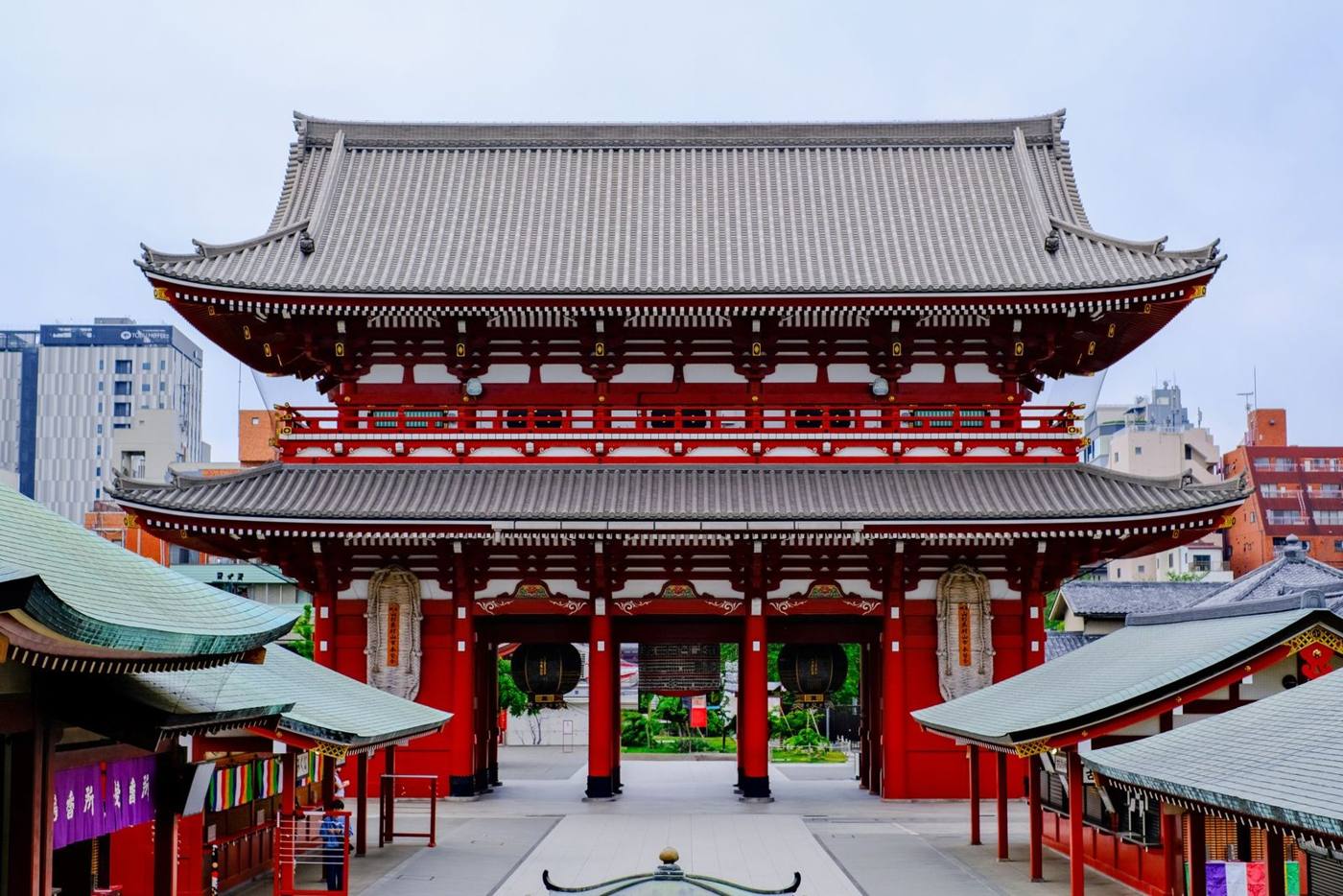
Tokyo in depth: neighbourhoods, markets and Kawagoe
Five days just for the capital, neighbourhood by neighbourhood: Sensō-ji temple in Asakusa, old Tokyo in Yanaka, the Ueno museums, Meiji Shrine and Harajuku, Shibuya and Shinjuku at night, Tsukiji outer market and a day trip to the historic town of Kawagoe.
 6 daysModerate
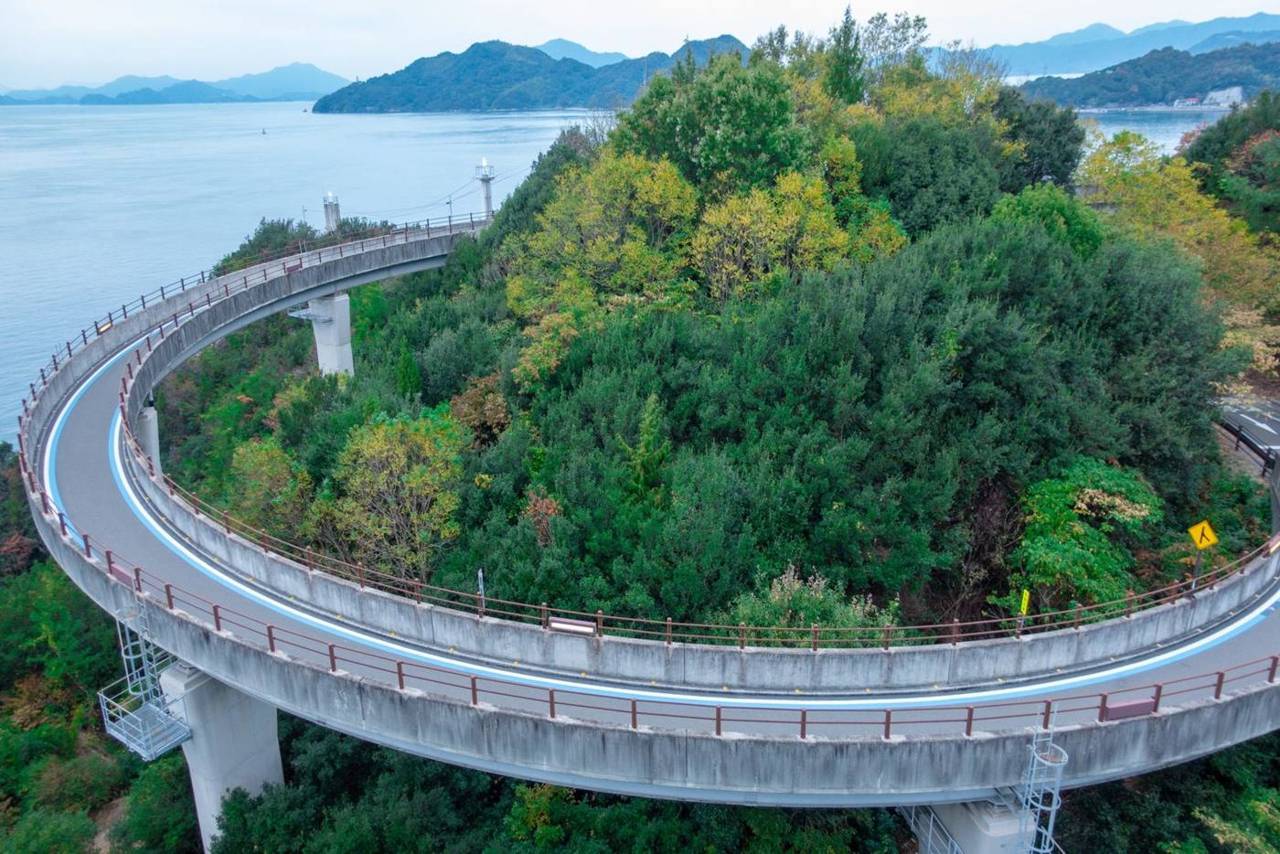
Seto Inland Sea: Naoshima and the Shimanami Kaido
The contemporary art islands of Naoshima and Teshima, the canal quarter of Kurashiki, Onomichi with its hillside temples and the Shimanami Kaido cycle route crossing six islands on great bridges to Imabari.
 9 daysEasy
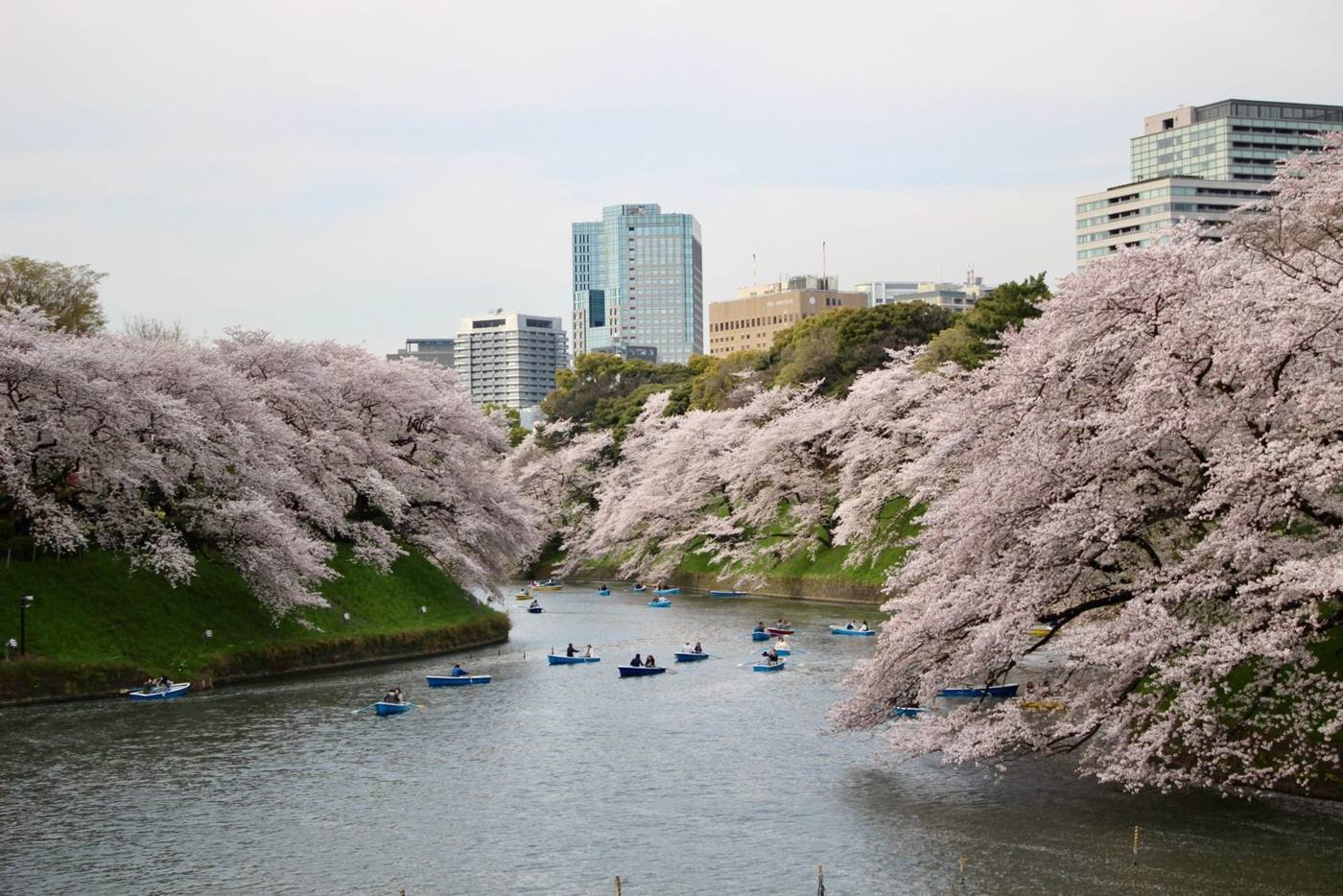
Cherry blossoms: Tokyo, Kawaguchiko, Kyoto and Yoshino
A trip built around the sakura bloom, followed from east to west: the Imperial Palace moats and Ueno Park in Tokyo, Mount Fuji framed by blossoms at Lake Kawaguchi, the Philosopher's Path and Maruyama in Kyoto, and the thirty thousand cherry trees of Mount Yoshino.