Seto Inland Sea: Naoshima and the Shimanami Kaido
The contemporary art islands of Naoshima and Teshima, the canal quarter of Kurashiki, Onomichi with its hillside temples and the Shimanami Kaido cycle route crossing six islands on great bridges to Imabari.
- Okayama
- Uno
- Naoshima
- Teshima
- Kurashiki
- Onomichi
- Shimanami Kaido
- Imabari
Day by day
- Day 1
Okayama: Kōraku-en garden, the castle and the ferry to Naoshima
The Seto Inland Sea, Setonaikai, is the enclosed sea between the islands of Honshu, Shikoku and Kyushu in western Japan, dotted with hundreds of green islands, with calm waters, small fishing harbours and a mild, sunny climate. In recent decades some islands have become world famous for contemporary art, with museums designed by great architects in the middle of nature. In six days you see Okayama, Naoshima, Teshima, Kurashiki and the Shimanami Kaido by bike.
You reach Okayama by shinkansen, from Kyoto in about an hour, from Tokyo in about three and a half hours.
In the morning, visit Kōraku-en, one of the three most beautiful gardens in Japan, created by the feudal lords of Okayama between the late seventeenth and early eighteenth centuries. It is a strolling garden, with lawns, ponds, streams, a small hill, a rice field and a tea plantation, with a view of Okayama castle. Then cross the river and visit the castle, called the crow castle for its black colour, rebuilt after the war.
In the afternoon, take the train to the port of Uno, in about an hour, and then the ferry to Naoshima, in about twenty minutes.
You arrive at Miyanoura port, greeted by the large red polka-dot pumpkin by the artist Yayoi Kusama. In the evening, stroll through the fishing village and watch the sunset over the sea.
In the evening, sleep on Naoshima.
Practical tip: places to stay on Naoshima are few and fill up early. Book well in advance, especially at weekends.
- Day 2
Naoshima: the Chichu Art Museum, Benesse House and the Honmura art houses
Naoshima is a small island of about three thousand people, transformed since the 1980s into a place of contemporary art thanks to a private foundation and the architect Tadao Ando, who designed several museums here.
In the morning, visit the Chichu Art Museum, one of the most extraordinary museums in Japan, built almost entirely underground so as not to spoil the landscape, with natural light coming from above. It holds works by only three artists: five of Claude Monet's water lily paintings, in a white room lit by the sky, James Turrell's light installations and a huge granite sphere by Walter De Maria on a stairway. The museum is an experience of light and silence.
Then visit the Benesse House museum, by the sea, with works by contemporary artists inside and outside the building, and walk along the coast to Yayoi Kusama's yellow pumpkin on the pier, which has become the symbol of the island. The pumpkin was swept away by a typhoon in 2021 and later put back in place.
In the afternoon, go to Honmura, the island's historic village, where the art house project has turned old houses, a temple and a shrine into works of art. In one of them, designed with James Turrell, you enter total darkness until your eyes discover a light.
In the evening, sleep on Naoshima.
Practical tip: the Chichu Art Museum needs a timed-entry ticket, bought online in advance. Many of the island's museums close one day a week, often Monday: check beforehand.
- Day 3
Teshima by electric bike and the Teshima Art Museum
In the morning, take the ferry from Naoshima to Teshima, the neighbouring island, in about twenty minutes to half an hour. Teshima is a green, peaceful island with terraced rice fields, olive groves, hills and small villages, home to a few hundred people. In the 1970s and 1980s the island was hit by a serious case of illegally dumped industrial waste, which the inhabitants fought for years. Today it has been reborn, partly thanks to art.
At the port, hire an electric bike: the island is hilly and the roads rise and fall along the coast.
Cycle to the Teshima Art Museum, designed by the architect Ryue Nishizawa and the artist Rei Naito, among terraced rice fields overlooking the sea. It is a white space shaped like a drop of water, with no columns, and two large openings in the roof through which light, wind and rain enter. On the floor, tiny drops of water emerge from the ground, run and merge into pools. You enter without shoes and stay silent, sitting or lying down. Many visitors consider it the most beautiful place of the trip.
Then visit Christian Boltanski's Archives du Cœur on an isolated beach, where the heartbeats of thousands of people from all over the world are recorded.
In the afternoon, return by ferry to Uno or directly to Okayama, depending on timetables.
In the evening, sleep in Okayama.
Practical tip: the Teshima Art Museum often requires timed booking too. Check the ferry timetables between the islands beforehand: there are only a few a day.
- Day 4
Kurashiki: canals, white storehouses and the Ohara museum, then Onomichi
In the morning, take the train from Okayama to Kurashiki, in about fifteen minutes. Kurashiki was a rich rice-trading centre in the Edo period, and its historic Bikan quarter is one of the most beautiful in Japan, along a canal lined with weeping willows, with old storehouses with white walls and black lattice tiles, wooden merchant houses and stone bridges. You can take a boat ride on the canal.
Visit the Ohara Museum of Art, opened in 1930, the first museum of Western art in Japan, founded by a Kurashiki textile industrialist. The collection includes works by El Greco, Monet, Gauguin, Matisse, Modigliani and others, as well as sections of Japanese art and ceramics.
Then pass by Ivy Square, an old red-brick cotton mill covered in ivy, now restored.
In the afternoon, take the train to Onomichi, in about an hour, a harbour town built on a hillside above the sea, with dozens of temples linked by a path, narrow alleys, stairways and cats. Go up to Senkōji park, by ropeway or on foot, for sunset over the islands and bridges.
In the evening, try Onomichi ramen, with soy broth and small pieces of pork fat.
In the evening, sleep in Onomichi.
Practical tip: in Onomichi you can hire bikes for the Shimanami Kaido, electric ones too, and drop them at other points along the route. Book ahead on spring and autumn weekends.
- Day 5
The Shimanami Kaido by bike to Ikuchijima or Ōmishima
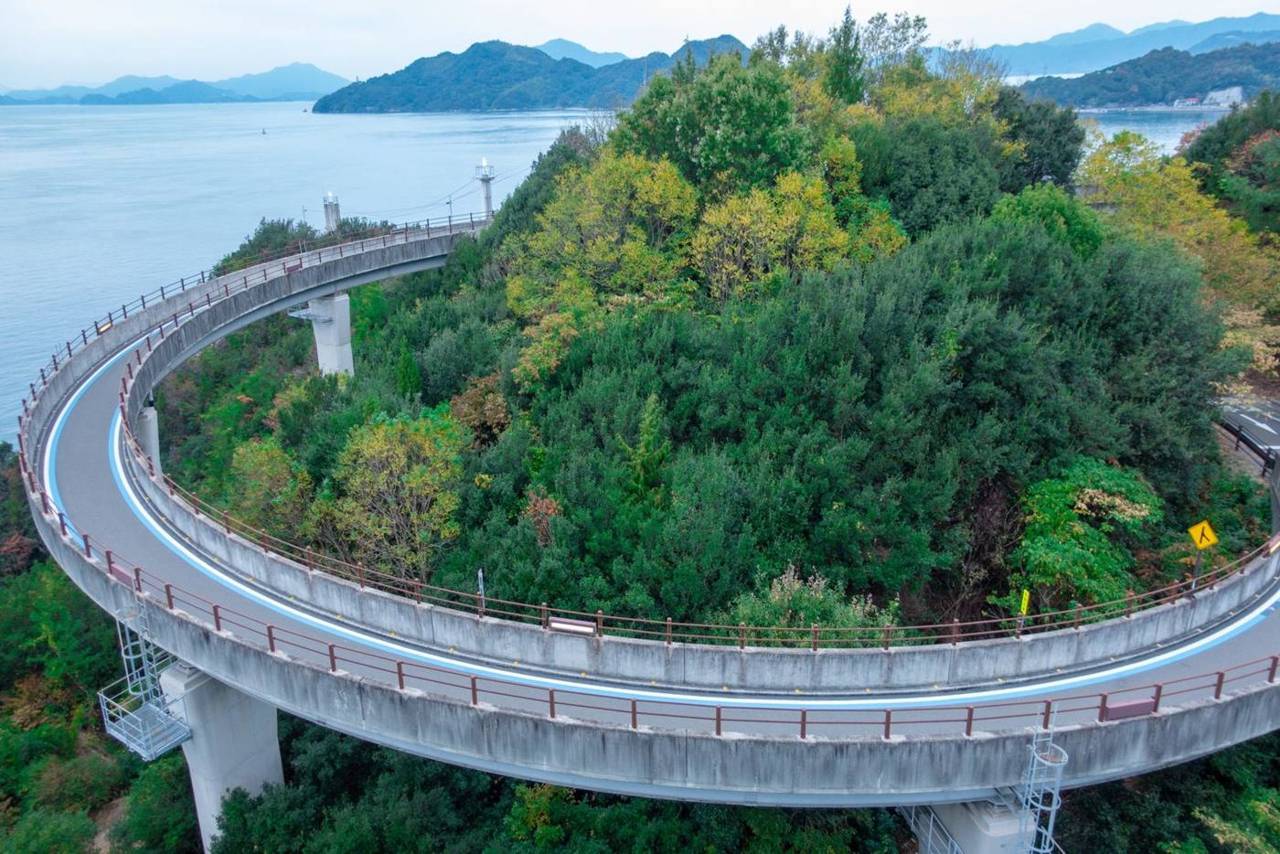
The Shimanami Kaido is a road of about seventy kilometres linking Onomichi, on Honshu, to Imabari, on Shikoku, crossing six islands of the Seto Inland Sea by a series of great bridges. Alongside the road runs a cycle path, marked by a blue line, considered one of the most beautiful in the world, with views of the sea, the islands and the bridges.
In the morning, take the small ferry from Onomichi to Mukaishima island, then cycle across the islands of Innoshima and Ikuchijima. You climb onto the bridges by gentle ramps, and ride above the sea with boats and islands below.
On Ikuchijima, visit Kōsan-ji temple, a colourful temple built in the twentieth century by a businessman in memory of his mother, with copies of Japan's most famous temples and a white marble garden on the hill, the Hill of Eternal Hope. Nearby is the museum of the painter Hirayama Ikuo, born on the island and famous for his paintings of the Silk Road.
If you still have energy, continue to Ōmishima, with Ōyamazumi shrine, one of the oldest in Japan, dedicated to the god of the sea and of war, which holds a large collection of samurai armour and swords.
In the evening, sleep on one of the islands.
Practical tip: the route can be done in one or two days and shortened with buses or ferries. Bring water and sunscreen: there is no shade on the bridges.
- Day 6
The last stretch to Imabari over the Kurushima-Kaikyō bridge and the return
In the morning, continue by bike from Ōmishima across Hakata and Ōshima islands, with salt pans, beaches and citrus groves. The islands here are famous for mandarins and lemons, and along the road you find citrus juices and ice creams.
The last stretch crosses the Kurushima-Kaikyō bridge, the world's first three-span suspension bridge, about four kilometres long, over a strait with very strong currents and whirlpools visible from above. The view of the islands and the sea from the bridge is spectacular. Before going up, you can stop at the Mount Kirosan viewpoint on Ōshima to see the bridge from above.
On arrival in Imabari, on Shikoku, return the bike. Imabari is famous in Japan for its cotton towels and for its castle, one of the few built on the sea, with a moat filled with salt water.
In the afternoon, take the express bus back to Onomichi or to Fukuyama, on the shinkansen line, or the train to Matsuyama, with the Dōgo hot springs, among the oldest in Japan.
This trip combines well with Hiroshima and Miyajima to the west, with Kyoto and Osaka, or with Shikoku and the pilgrimage of the eighty-eight temples.
Practical tip: when leaving Japan you pay a departure tax of 3,000 yen, usually included in the air ticket.
For lovers of art and unhurried cycling. Naoshima's museums close on Mondays and the Chichu Art Museum needs a timed booking: check the calendar before fixing the ferries. The Shimanami Kaido is about 70 km long and can be split over two days; bikes can be hired and returned at many points along the route.
Before you go
- Documents and visa
- Passport valid for the whole stay; many nationalities, including EU citizens, enter without a visa for up to 90 days for tourism. An electronic travel authorisation (JESTA) has been announced but is not yet in force: check before you go.
- Health and vaccines
- No vaccines required. Healthcare is excellent but expensive: travel insurance with high medical cover is essential. Some common medicines, such as certain codeine painkillers, are banned or restricted. Emergencies: 119 ambulance, 110 police.
- Money and payments
- Yen. Cards are increasingly accepted, but temples, small restaurants and rural areas need cash: convenience-store ATMs accept foreign cards. Tipping is not customary.
- Power sockets
- Type A, 100 volts: you need a flat-pin adapter; phone and laptop chargers work, European hairdryers often do not.
- Time zone
- UTC+9, no daylight saving time.
- Safety
- One of the safest countries in the world. The risks are natural: earthquakes, typhoons from July to October, extreme summer heat. Download an English-language alert app. Official advice: GOV.UK.
Information checked in November 2026 for Italian and EU citizens. Rules change: always check before you travel.
Variations
In 3 days: Naoshima and Teshima based in Okayama.
In 10 days: add Hiroshima, Miyajima and Matsuyama with the Dōgo hot springs.
Frequently asked questions
When is the best time to go?
From March to May and from October to November, with mild weather and clear skies. Summer is hot and humid, and between August and September typhoons can stop the ferries.
Do I need to book the museums?
Yes, the Chichu Art Museum needs a timed ticket bought online, and often the Teshima Art Museum too. Many museums close one day a week.
Do I need to be fit for the Shimanami Kaido?
Not very: the climbs are short and you can use an electric bike. You can split the route over two days and use buses and ferries for some sections.
Indicative itinerary written by World Atlas. Before booking, check timetables, seasonal openings, documents and safety.
 9 daysEasy
Cherry blossoms: Tokyo, Kawaguchiko, Kyoto and Yoshino
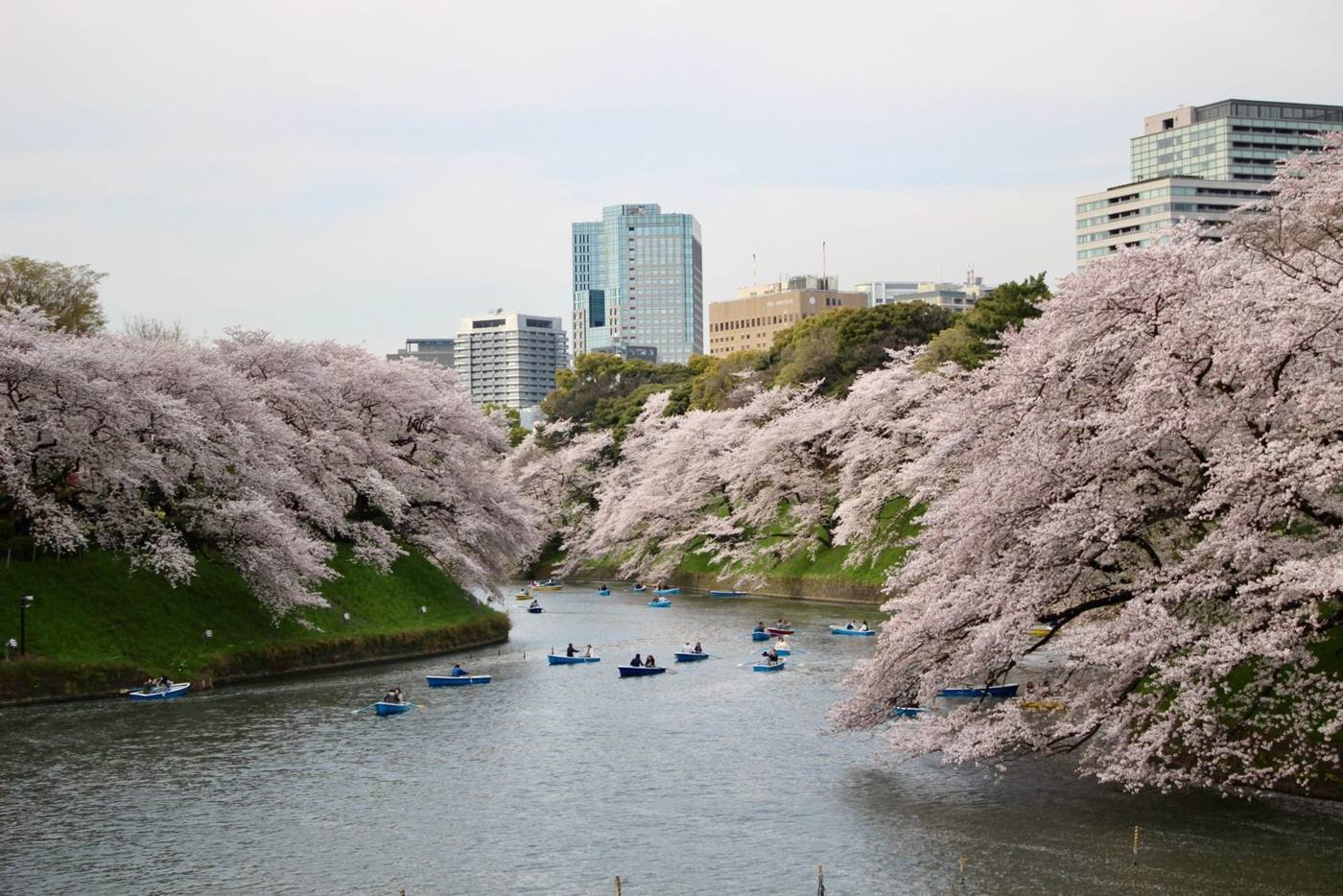
A trip built around the sakura bloom, followed from east to west: the Imperial Palace moats and Ueno Park in Tokyo, Mount Fuji framed by blossoms at Lake Kawaguchi, the Philosopher's Path and Maruyama in Kyoto, and the thirty thousand cherry trees of Mount Yoshino.
 5 daysChallenging
Yakushima, the forest of ancient cedars
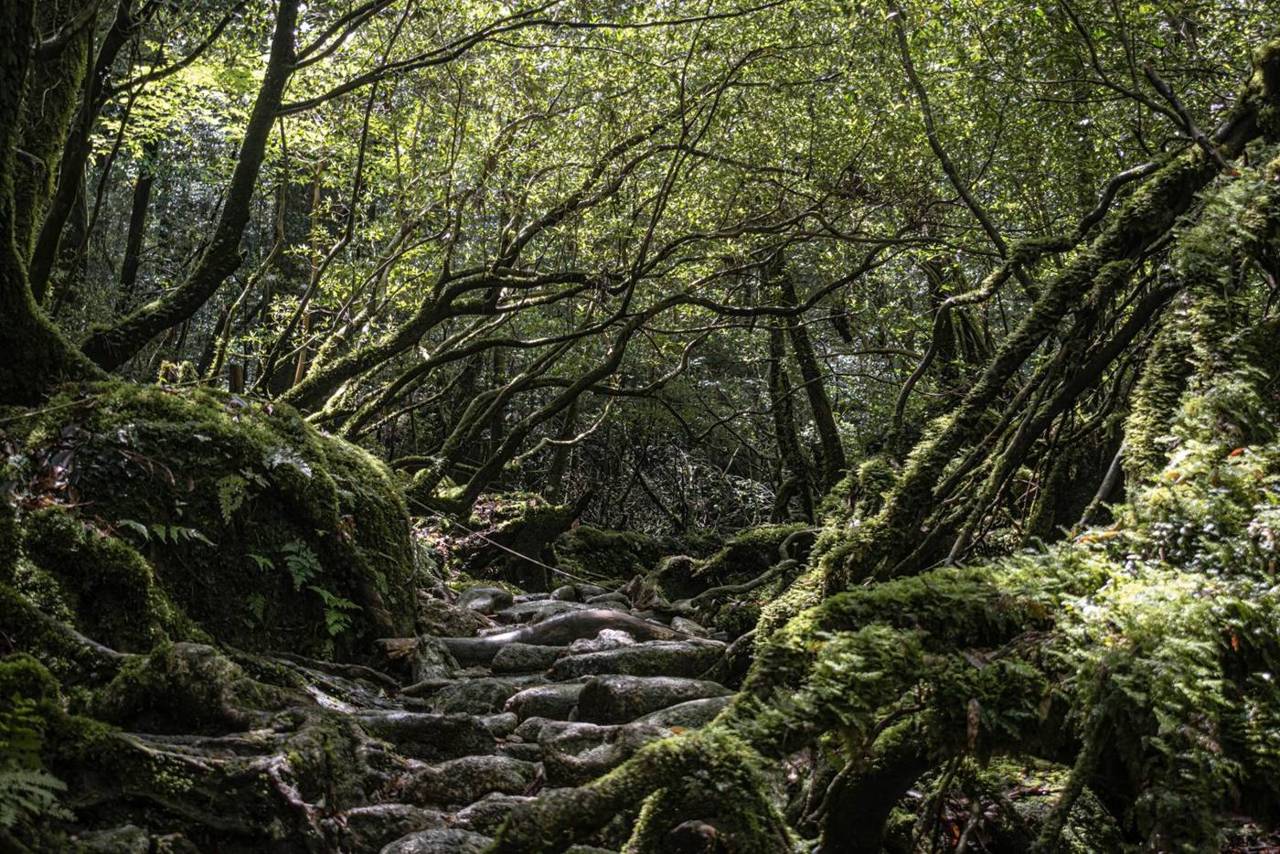
A subtropical island covered in ancient forests, a UNESCO World Heritage site: the Shiratani Unsuikyō gorge with the moss that inspired Miyazaki, the trek to the Jōmon Sugi cedar, the Ōko falls and Nagata beach where turtles nest.
 4 daysEasy
Osaka and Kobe, Japan at the table
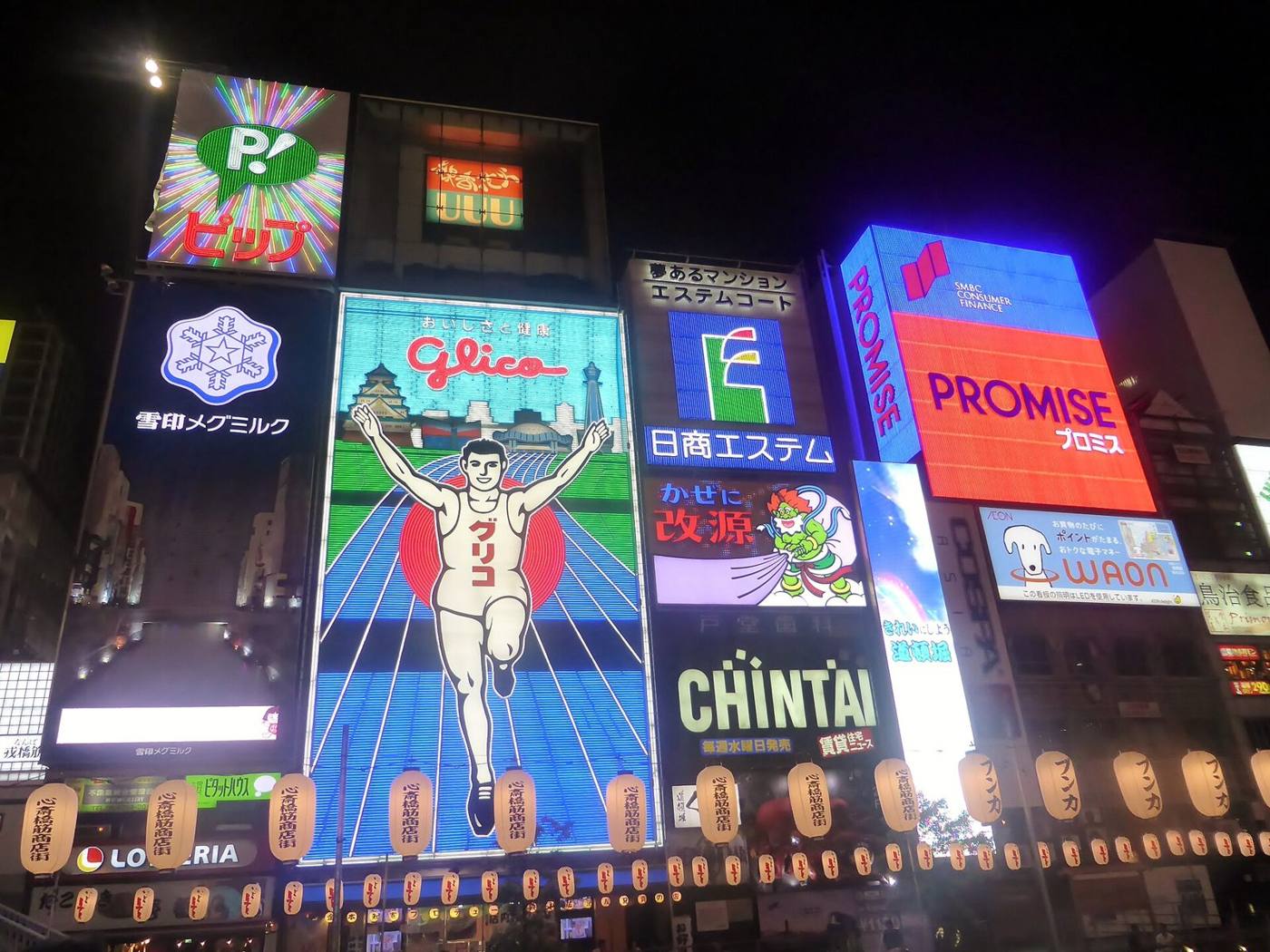
Osaka's street food in Dōtonbori, Kuromon market and Shinsekai, the castle, then Kobe with its beef, the Nada sake breweries, the Kitano quarter and the Arima hot springs tucked into the mountains.