Kansai at a slow pace: Kyoto, Nara, Koyasan and Himeji
Four days in Kyoto, a night in a monastery on Mount Koya, the deer of Nara and Japan's finest castle.
- Osaka
- Kyoto
- Arashiyama
- Nara
- Koyasan
- Himeji
- Osaka
Day by day
- Day 1
Arrival in Osaka and an evening in Dotonbori
EU citizens enter Japan without a visa for tourist stays of up to 90 days, with a passport valid for the whole stay. At Kansai airport, built on an artificial island in Osaka Bay, buy a prepaid transport card right away, such as ICOCA, which works on trains, subways and buses throughout the region and in many shops. The express train reaches central Osaka in about forty minutes.
For this slow itinerary use two bases: Osaka for the first night and Kyoto for the central days, moving your suitcase as little as possible. In Osaka the most convenient areas to stay are Namba and Umeda, both well connected.
In the afternoon rest after the journey and in the evening go to Dotonbori, the entertainment district along the canal, with neon signs, the famous running man billboard and shopfronts with giant mechanical crabs. Osaka is called Japan's kitchen, and its philosophy is kuidaore, eating until you drop. Try takoyaki, batter balls with octopus, and okonomiyaki, a pancake of cabbage and batter cooked on the griddle in front of you. Nearby, Kuromon market is full of stalls selling fish, fruit and skewers.
Practical tip: in Japan you do not tip, and on the subway people speak quietly and do not make phone calls. Stay awake until evening to adjust to the time zone, and get some daylight in the afternoon.
- Day 2
Kyoto, Higashiyama and the Gion quarter
In the morning take the train to Kyoto, about half an hour, and drop your bag at your accommodation. Many hotels let you leave it before check-in. Kyoto was Japan's imperial capital for more than a thousand years, until 1868, and preserves over a thousand temples and shrines, seventeen of them UNESCO World Heritage sites. To stay, choose the station area, convenient for trains, or around Gion and Kawaramachi, more central and pleasant in the evening.
In the afternoon explore Higashiyama, on the eastern hills. Climb to Kiyomizu-dera temple, with its great wooden terrace built without a single nail, suspended above the valley, overlooking the whole city. Then descend the stone lanes of Sannenzaka and Ninenzaka, with traditional wooden houses, pottery shops, rice sweets and green tea. Continue to the Yasaka pagoda and Yasaka shrine.
At sunset enter Gion, the most famous quarter of geisha, called geiko in Kyoto, and their apprentices, maiko. Along Hanamikoji street and the Shirakawa canal, among wooden teahouses, you may sometimes see them hurrying to an appointment. Do not stop them, touch them or photograph them up close: in some private lanes of the quarter photography is banned and fines apply.
Practical tip: in Kyoto you walk a lot; wear comfortable shoes that are easy to take off, because temples are often entered barefoot.
- Day 3
Fushimi Inari and Tofuku-ji temple
Early in the morning go to Fushimi Inari shrine, a few minutes by train from Kyoto station. It is the head shrine of Inari, the Shinto deity of rice and prosperity, famous for thousands of torii, orange wooden gates donated by companies and families, forming tunnels along the mountain paths. At dawn the shrine is almost empty and the light filtering through the gates is magical; after nine the groups arrive.
The full route to the summit of Mount Inari takes two or three hours there and back. Many stop at the Yotsutsuji crossroads, halfway up, where there is a viewpoint over the city: this is where the crowds thin out a lot. Along the way you meet fox statues, messengers of Inari, with a key in their mouths.
Late in the morning visit the Zen temple of Tofuku-ji, a short walk away, with the wooden Tsutenkyo bridge over a valley of maples, one of Kyoto's most famous places for autumn colours, and the chequerboard stone gardens of the master Shigemori. In November it is very crowded; the rest of the year it is quiet.
In the afternoon rest or visit Sanjusangen-do temple, with a thousand golden statues of the goddess of mercy lined up in a long wooden hall. Practical tip: at Fushimi Inari bring water; kiosks on the way up are few and more expensive.
- Day 4
Arashiyama, the bamboo grove and the river
Today go to Arashiyama on Kyoto's western edge, about half an hour by train. Arrive early to see the Sagano bamboo grove before the crowds: a path runs between towering stems that sway and creak in the wind. It is short, but at dawn very atmospheric.
Next door is the Zen temple of Tenryu-ji, a UNESCO World Heritage site founded in the fourteenth century, with one of Japan's oldest gardens: a pond surrounded by stones, maples and pines, with the Arashiyama mountains behind as if they were part of the garden. Further north, among the hills, are small quiet temples such as Gio-ji, with its moss garden, and Adashino Nenbutsu-ji, with thousands of small stone statues.
At midday cross the Togetsukyo bridge over the Katsura river. On the other side a steep climb of about twenty minutes leads to the Iwatayama monkey park, with dozens of no-cost-roaming macaques and views over the city. Alternatively take a boat trip on the river, or the Sagano scenic train, beautiful in autumn and spring.
In the evening return to the centre and dine in Pontocho, a narrow lantern-lit alley along the Kamo river. In summer restaurants build wooden terraces over the water, called kawadoko. Practical tip: buy Sagano train tickets in advance in blossom and foliage seasons, because they sell out.
- Day 5
The Golden Pavilion, Ryoan-ji, Nijo Castle and Nishiki market
In the morning visit Kinkaku-ji, the Golden Pavilion, a Zen temple whose two upper floors are covered in gold leaf, reflected in the pond in front. The current building is a 1955 reconstruction, after a monk set it on fire; it remains one of Japan's symbols. Arrive at opening to avoid the crowds.
Nearby, Ryoan-ji temple holds the world's most famous Zen garden: fifteen stones arranged on a bed of raked white gravel, enclosed by an earthen wall. From any point on the veranda only fourteen are visible. Sit in silence and look at it calmly: it is designed for meditation.
In the early afternoon visit Nijo Castle, the Kyoto residence of the Tokugawa shoguns, a UNESCO World Heritage site. In the Ninomaru palace the corridor floors are called nightingale floors, because they squeak at every step to warn of intruders. The rooms are decorated with paintings of tigers and pines on gold backgrounds.
In the late afternoon stroll through Nishiki market, Kyoto's kitchen, a covered street about four hundred metres long with more than a hundred stalls of pickles, tofu, sweets, tea and knives. Practical tip: at Nishiki you do not eat while walking; eat your tastings in front of the stall where you buy them, and take your rubbish with you, as public bins are rare.
- Day 6
Nara, the deer and the Great Buddha
Today is a trip to Nara, about three quarters of an hour by train from Kyoto. Nara was Japan's first permanent capital, in the eighth century, before Kyoto, and its monuments are among the oldest in the country, a UNESCO World Heritage site.
In Nara Park more than a thousand deer roam no-cost, considered messengers of the gods. You can buy special crackers to feed them: many deer have learned to bow to ask for them. But be careful: they can bite, push and snatch maps and bags, especially when hungry or in the autumn rutting season.
Visit Todai-ji, with the Daibutsuden, the Great Buddha Hall, for a long time the largest wooden building in the world. Inside sits a bronze Buddha about fifteen metres high, cast in the eighth century. In one of the hall's pillars is a hole the size of the Buddha's nostril: those who crawl through it, it is said, will gain enlightenment.
In the afternoon walk to Kasuga Taisha shrine in the forest, with thousands of stone lanterns along the paths and bronze ones hanging from the corridors, lit on only a few nights a year. Then visit Kofuku-ji temple, with its five-storey pagoda, and stroll through Naramachi, the old merchants' quarter. Practical tip: keep maps and paper tickets well hidden, because the deer eat them.
- Day 7
Koyasan and a night in a temple
Today climb to Koyasan, Mount Koya, one of Japan's holiest places, centre of Shingon Buddhism, founded in 816 by the monk Kukai, known as Kobo Daishi. From Osaka's Namba station take the Nankai line train to Gokurakubashi and then a steep cable car up to the plateau, at about 800 metres, in about two hours. Leave your large suitcase in storage in Kyoto or Osaka and bring only a backpack.
On the plateau there are more than a hundred temples, about fifty of which host visitors overnight, an experience called shukubo. You sleep on futons in tatami rooms with sliding doors, eat shojin ryori, the vegetarian cuisine of Buddhist monks, and early in the morning you can attend the morning prayers. Book well in advance, especially at weekends.
In the afternoon visit the Danjo Garan complex, with the great red Konpon Daito pagoda, and the head temple of Kongobu-ji, with its painted sliding doors and large rock garden.
At sunset or in the evening walk through Okunoin cemetery, Japan's largest: a path of about two kilometres crosses a forest of ancient cedars among more than two hundred thousand moss-covered tombs and lanterns, to the mausoleum of Kobo Daishi, who according to tradition is still in eternal meditation. Many temples run guided night walks. Practical tip: Koyasan is cool even in summer and snowy in winter; bring warm layers.
- Day 8
Himeji Castle and Koko-en garden
In the morning attend the dawn prayers at the temple and have breakfast with the monks, then come down the mountain and take the train west to Himeji. From Osaka the Shinkansen takes about half an hour, ordinary trains about an hour. Allow almost half a day of travel in total from Koyasan.
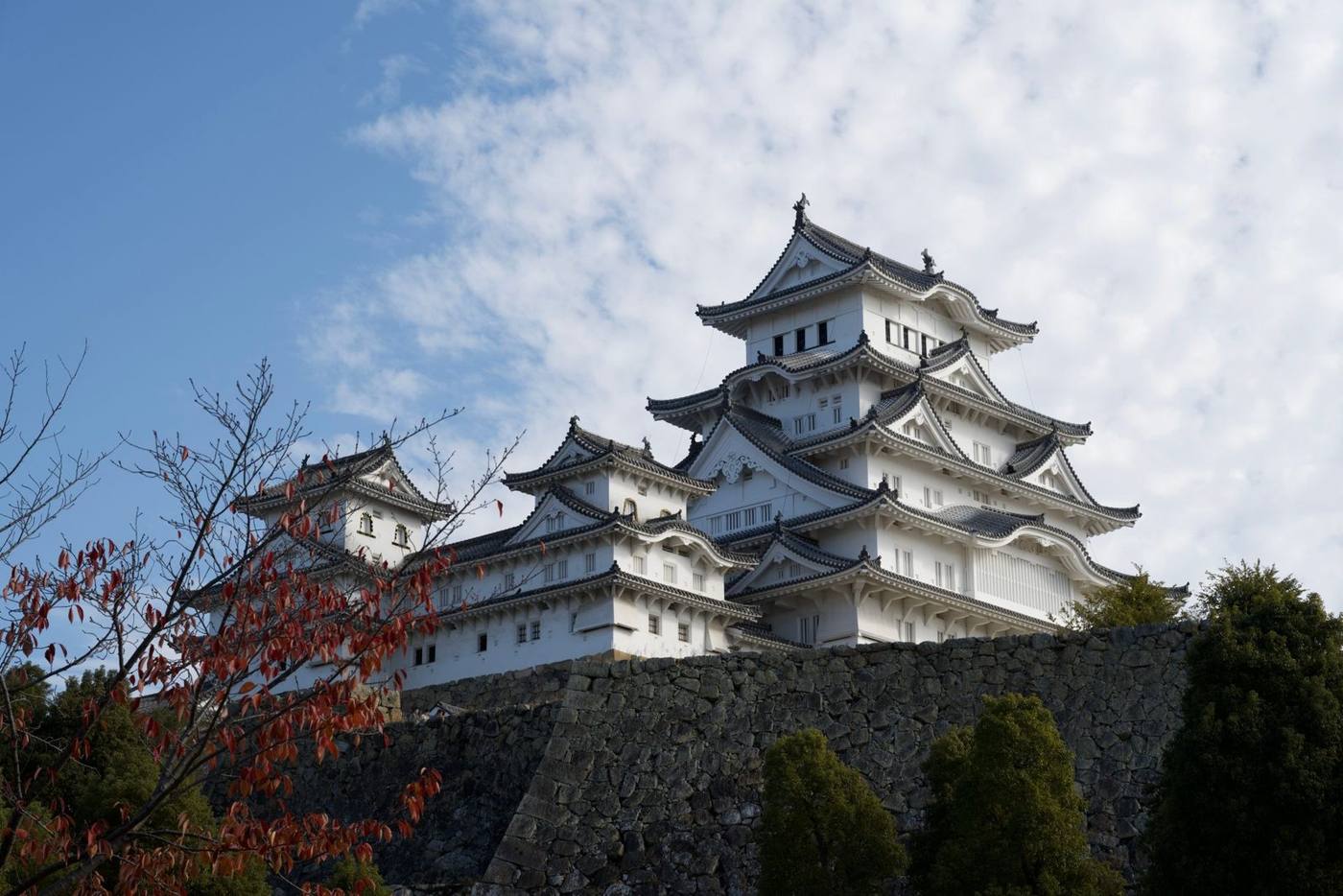
Himeji Castle is Japan's most beautiful and best preserved castle, a UNESCO World Heritage site and national treasure. It is called the White Heron Castle for its white plastered walls and roofs that look like the wings of a bird in flight. Built in its present form in the early seventeenth century, it survived wars, Second World War bombing and earthquakes. From the station you walk there in about twenty minutes, along an avenue with the castle always ahead.
The visit passes through a maze of gates, courtyards and passages designed to confuse attackers, up to the main keep, with six wooden floors and steep stairs, climbed barefoot. From 1 March 2026 entry for adults not resident in Himeji costs 2,500 yen, according to the castle's official website; under-18s are at no cost.
Next to the castle is Koko-en, nine Japanese-style gardens built on the site of old samurai residences, with streams, waterfalls and a teahouse. There is a combined ticket with the castle at 2,600 yen. Practical tip: in spring, with the cherry blossom, the castle is very crowded; arrive at opening.
- Day 9
A last morning and departure
The last day depends on your flight time. Kansai airport is about an hour from Osaka and about an hour and a half from Kyoto by express train, so if your flight leaves early it is best to spend the last night in Osaka.
If you have a no-cost morning, in Osaka visit the castle, rebuilt, with its museum of the city's history and the large park around it, or the Shinsekai district, with the Tsutenkaku tower and kushikatsu places serving fried skewers. Alternatively, for views go up the Umeda Sky Building, with its open-air observatory between two towers, or Abeno Harukas, the city's tallest skyscraper.
Before leaving, take a last look round the department stores' basement food halls, called depachika, to buy packaged Japanese sweets and tea. Things to take home: Uji green tea, from near Kyoto; incense and temple objects; Japanese knives, packed in checked luggage; Kiyomizu ceramics; Kyoto sweets such as cinnamon yatsuhashi.
Practical tip: shops with a tax refund sign refund the consumption tax to tourists for purchases above a certain threshold on showing your passport; the rules are changing, so ask the shop how it works. Reach the airport at least two and a half hours before international flights, because check-in and security can be busy.
For those who have already seen Tokyo, or want historic Japan without rushing. Kyoto is crowded: see the most famous temples at opening time and spend the rest of the day in quieter districts. The night at Koyasan is simple, but it is the most authentic moment of the trip.
Before you go
- Documents and visa
- Passport valid for the whole stay; many nationalities, including EU citizens, enter without a visa for up to 90 days for tourism. An electronic travel authorisation (JESTA) has been announced but is not yet in force: check before you go.
- Health and vaccines
- No vaccines required. Healthcare is excellent but expensive: travel insurance with high medical cover is essential. Some common medicines, such as certain codeine painkillers, are banned or restricted. Emergencies: 119 ambulance, 110 police.
- Money and payments
- Yen. Cards are increasingly accepted, but temples, small restaurants and rural areas need cash: convenience-store ATMs accept foreign cards. Tipping is not customary.
- Power sockets
- Type A, 100 volts: you need a flat-pin adapter; phone and laptop chargers work, European hairdryers often do not.
- Time zone
- UTC+9, no daylight saving time.
- Safety
- One of the safest countries in the world. The risks are natural: earthquakes, typhoons from July to October, extreme summer heat. Download an English-language alert app. Official advice: GOV.UK.
Information checked in November 2026 for Italian and EU citizens. Rules change: always check before you travel.
Variations
In 6 days: one night in Osaka, three days in Kyoto with Higashiyama, Fushimi Inari and Arashiyama, a day in Nara and departure, skipping Koyasan and Himeji.
In 12 days: add Hiroshima and Miyajima island after Himeji, about an hour by Shinkansen, and a night in a hot spring ryokan in Kinosaki.
Frequently asked questions
Do I need a visa for Japan?
No, EU citizens enter without a visa for tourist stays of up to 90 days, with a passport valid for the whole stay.
How much is Himeji Castle?
From 1 March 2026, according to the official website, adults not resident in Himeji pay 2,500 yen; under-18s are at no cost. The combined ticket with Koko-en garden costs 2,600 yen.
Is it worth staying in a temple at Koyasan?
Yes, it is the finest experience of the trip: you sleep on futons, eat the monks' vegetarian cuisine and attend the morning prayers. Book well in advance, especially at weekends.
Indicative itinerary written by World Atlas. Before booking, check timetables, seasonal openings, documents and safety.
 10 daysEasy
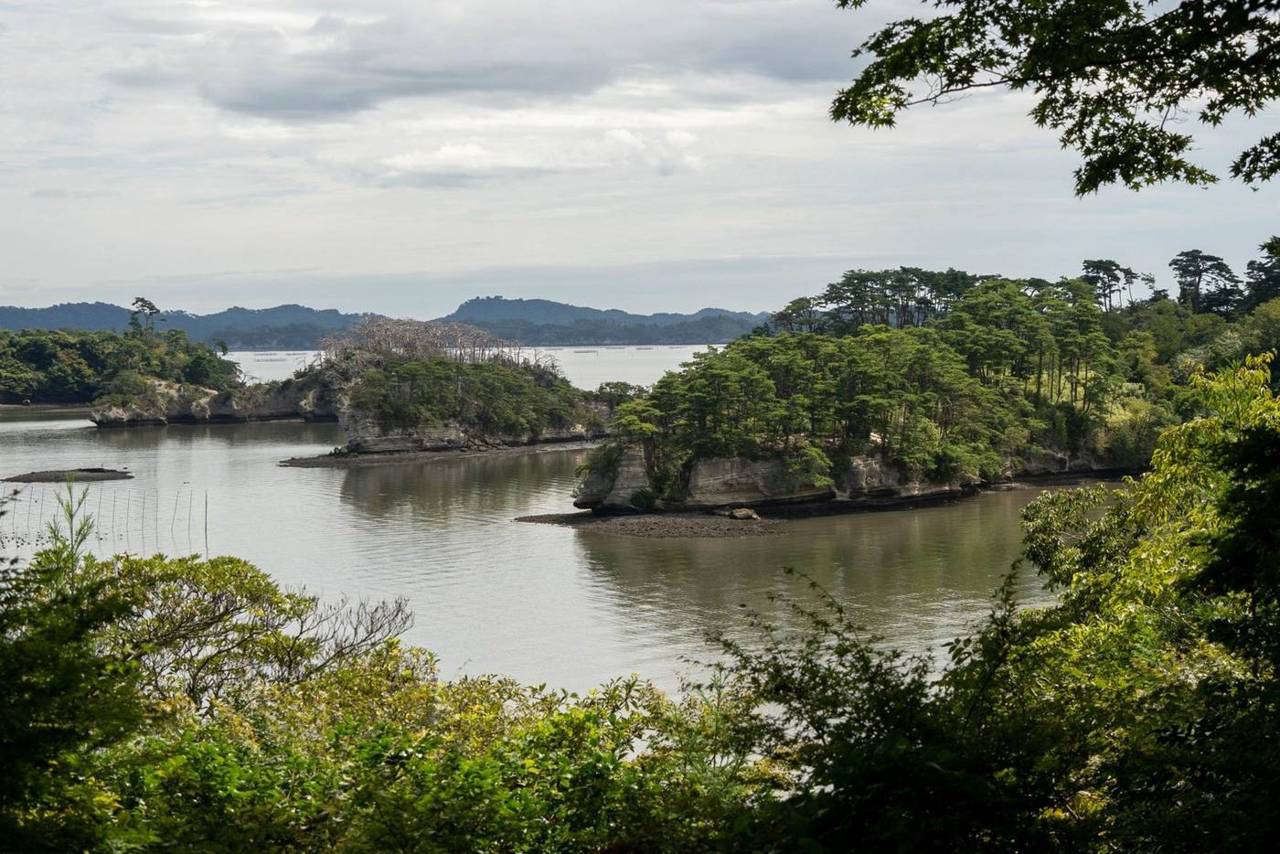
Tohoku, the authentic north
The Japan few foreigners see: Matsushima Bay, the temples of Hiraizumi, the samurai houses of Kakunodate and the Oirase stream.
 5 daysEasy
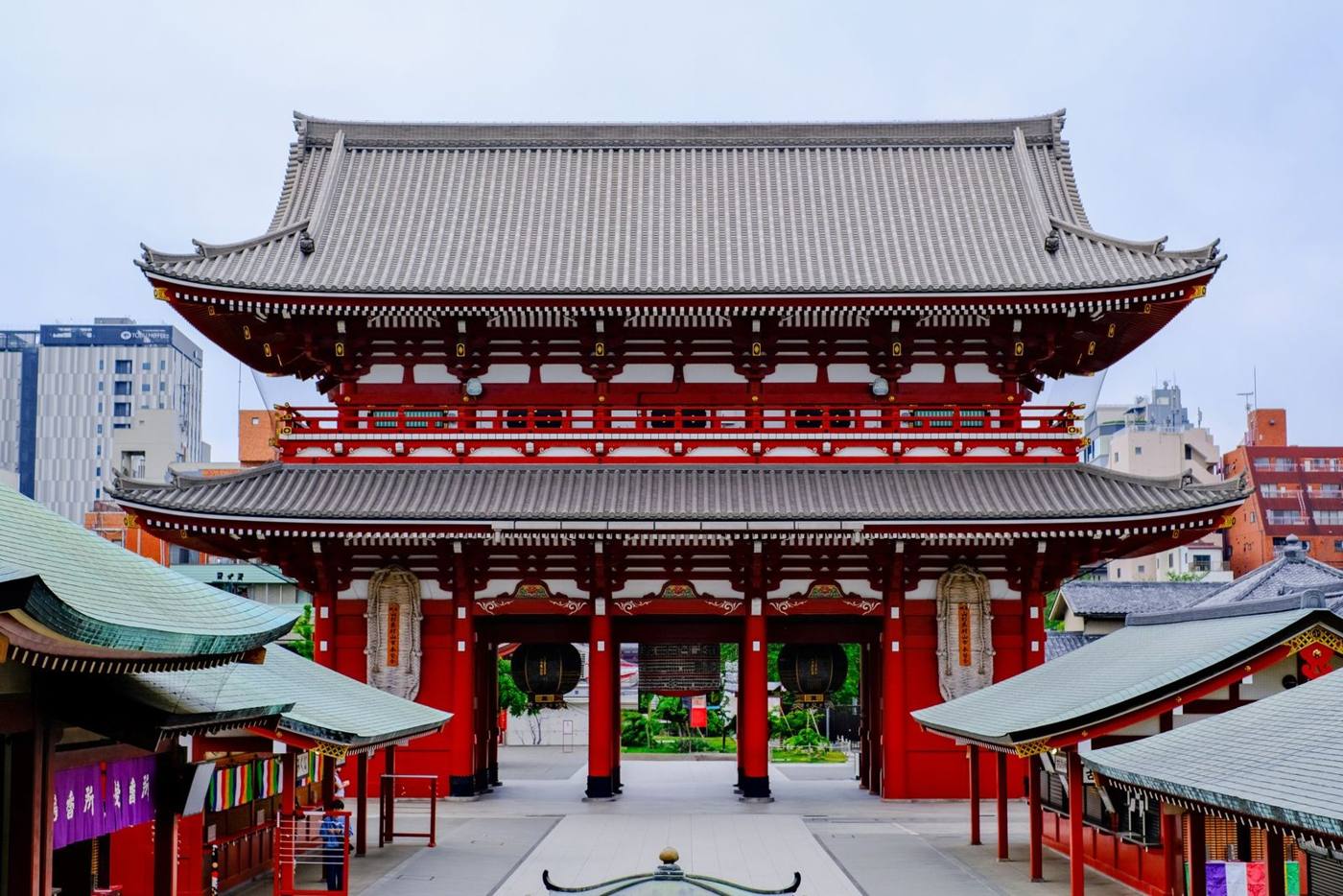
Tokyo in depth: neighbourhoods, markets and Kawagoe
Five days just for the capital, neighbourhood by neighbourhood: Sensō-ji temple in Asakusa, old Tokyo in Yanaka, the Ueno museums, Meiji Shrine and Harajuku, Shibuya and Shinjuku at night, Tsukiji outer market and a day trip to the historic town of Kawagoe.
 6 daysModerate
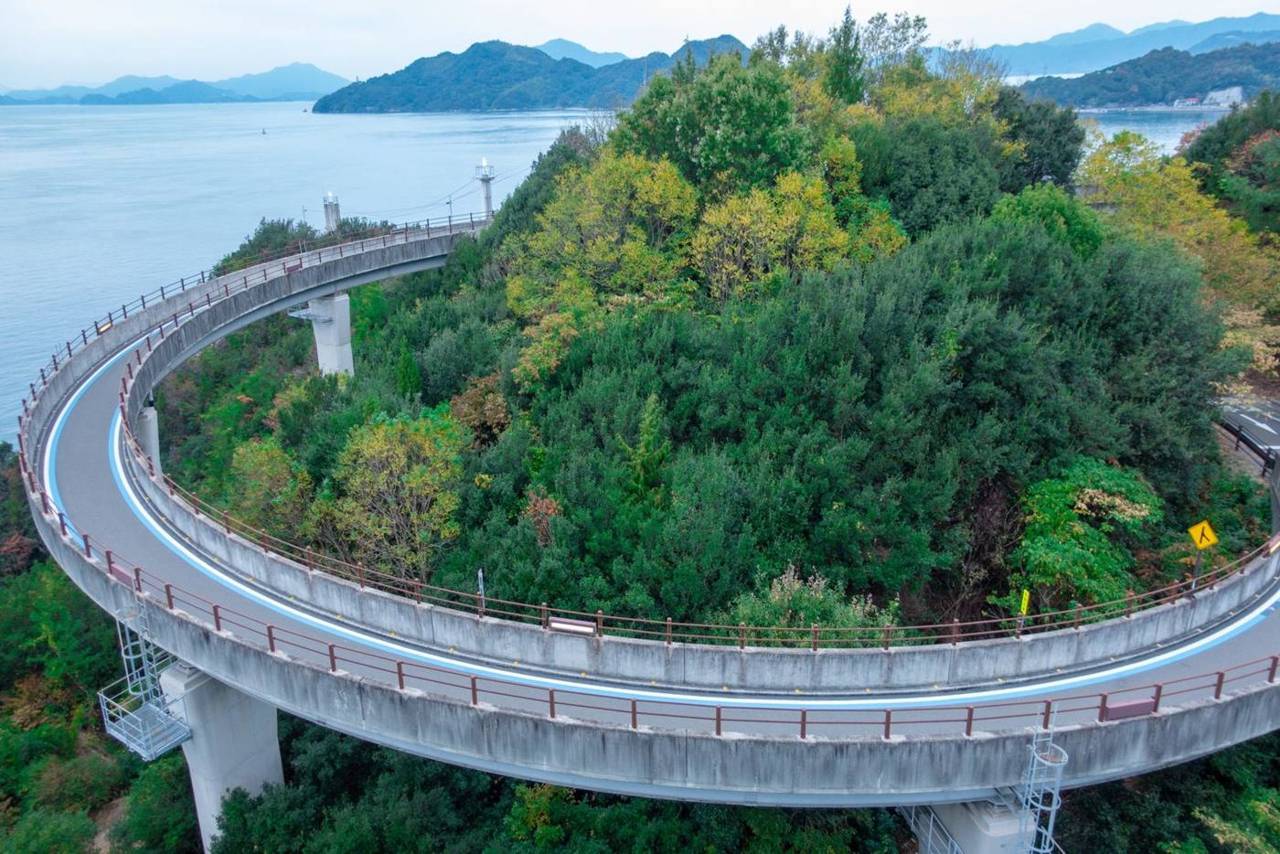
Seto Inland Sea: Naoshima and the Shimanami Kaido
The contemporary art islands of Naoshima and Teshima, the canal quarter of Kurashiki, Onomichi with its hillside temples and the Shimanami Kaido cycle route crossing six islands on great bridges to Imabari.