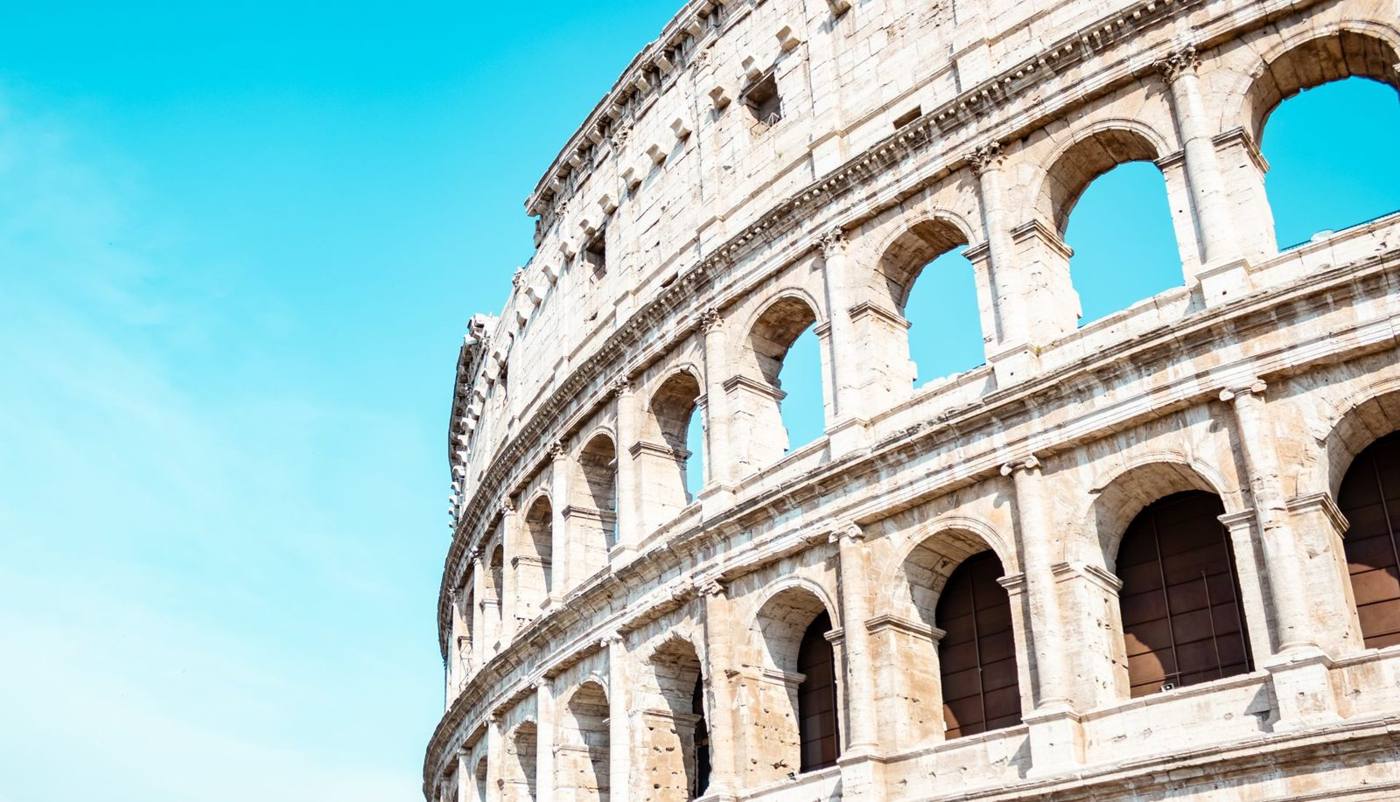
Rome, Florence and Venice
A first trip to Italy by high-speed train: ancient Rome and the Vatican, the Renaissance in Florence and the canals of Venice.
- Rome
- Vaticano
- Florence
- Venice
Day by day
- Day 1
Ancient Rome: Colosseum, Roman Forum and Palatine
The first day belongs to the Rome of the Caesars. On the official website of the Colosseum Archaeological Park, book the first entry of the morning: the ticket is personal, has a fixed time and covers the Colosseum, the Roman Forum and the Palatine. Allow about an hour and a half for the arena; then enter the Forum by the Arch of Titus and climb the Palatine, where the ruins of the imperial palaces and the view over the Circus Maximus need at least two and a half hours. Bring water and comfortable shoes: there is a lot of walking and little shade.
In the early afternoon walk down to Piazza Venezia and up the steps to the Capitoline Hill: from the terrace behind the Senatorial Palace you can see the whole Forum from above, at no cost. If you still have energy, the Capitoline Museums take two hours.
In the evening eat in the Monti district, ten minutes' walk from the Colosseum and also a good area to stay: narrow lanes, small squares and trattorias serving cacio e pepe, carbonara and supplì. Practical tip: from April to October the first-slot tickets sell out weeks ahead, and at midday in summer the Palatine is very hot. Specific tickets also give access to the underground passages and the arena floor, in small groups with limited places.
- Day 2
The Pantheon, Piazza Navona and the Trevi Fountain
Today you explore the Baroque centre on foot, everything within a short distance. Start early at the Pantheon, the best-preserved Roman temple in the world: entry costs 5 euros and half an hour is enough, but the queue grows quickly after ten. From there it is five minutes to Piazza Navona, with Bernini's Fountain of the Four Rivers, and then to Campo de' Fiori, with its morning market.
After lunch cross the Jewish Ghetto, home of the Jewish-style fried artichokes, and the Portico of Octavia; then walk up to the Trevi Fountain. Since 2 February 2026 tourists pay 2 euros to enter the area next to the basin during opening hours, until 10 p.m.; after that it can be seen freely. Continue to Piazza di Spagna and the Spanish Steps, where sitting is forbidden.
At sunset climb the Pincio: the terrace over Piazza del Popolo is at no cost and one of the most beautiful in the city. To stay, the historic centre between the Pantheon and Navona is convenient but expensive; Monti and Prati cost less and are well connected. Watch out for pickpockets around Trevi and on central buses. The Pantheon is still a church: during religious services tourist access may be suspended.
- Day 3
Vatican Museums, Sistine Chapel and St Peter's
A day in Vatican City. The Vatican Museums are open Monday to Saturday from 8 a.m. to 8 p.m., last entry at 6 p.m.; they are closed on Sundays except the last Sunday of the month, when entry is at no cost from 9 a.m. to 2 p.m. and the queues are very long. Buy a timed ticket only on the official site, tickets.museivaticani.va: many look-alike sites charge inflated prices. The Gallery of Maps, the Raphael Rooms and the Sistine Chapel need at least three hours; in the Sistine Chapel photography is not allowed and visitors keep their voices down.
In the afternoon enter St Peter's Basilica: entry is at no cost, but there are security checks and the queue can take an hour. Shoulders and knees must be covered or you will be turned away. Climbing the dome, which is paid, is worth it: the last section is narrow and steep and not advised for anyone uneasy in confined spaces.
In the evening cross Ponte Sant'Angelo with the castle lit up and have dinner in Prati, a quiet district next to the Vatican, or head back to the centre. If you stay in Prati, the Museums are a few minutes' walk away the next morning. From Ottaviano station on metro line A it is about a ten-minute walk to the Museums, along the Vatican walls.
- Day 4
Galleria Borghese, Villa Borghese and Trastevere
Morning at the Galleria Borghese, one of Italy's finest museums for Bernini's sculptures and Caravaggio's paintings. Booking is compulsory, the visit lasts two hours in fixed slots and the museum is closed on Mondays: book well in advance, as places are few. After the visit, stroll through the Villa Borghese park, where you can hire bikes or rowing boats on the lake.
The afternoon is at no cost to catch up on what you missed on earlier days, such as the Baths of Caracalla or the Basilica of St John Lateran, or to rest before the evening.
At sunset cross the Tiber at Ponte Sisto into Trastevere: ivy-covered lanes, the Basilica of Santa Maria in Trastevere with its golden mosaics and many trattorias serving simple Roman food. For a view of the city climb the Janiculum Hill, about twenty minutes uphill on foot. Trastevere stays lively until late: if you want quiet, do not stay on the main streets. Tip: buy your train tickets to Florence in advance, as Frecciarossa fares are cheaper when booked early. From Villa Borghese to Trastevere take a bus or tram, or walk across the centre in just under an hour.
- Day 5
Train to Florence, the Duomo and Piazza della Signoria
In the morning take a high-speed train from Roma Termini to Firenze Santa Maria Novella: the journey takes about an hour and a half. The station is central and almost everything can be reached on foot; the historic centre is a limited traffic zone, so you do not need a car.
Drop your bags and head to Piazza del Duomo. The cathedral, Giotto's bell tower, the baptistery and the climb up Brunelleschi's dome are run by the Opera del Duomo with combined tickets; for the dome, 463 steps, you must choose a precise time and it is best booked days ahead. If no slots are left today, climb the bell tower, which gives a view of the dome itself.
In the afternoon walk along Via dei Calzaiuoli to Piazza della Signoria, with Palazzo Vecchio and the Loggia dei Lanzi, and on to the Ponte Vecchio with its goldsmiths' shops. Anywhere in the centre is fine to stay; the Oltrarno, between Santo Spirito and San Frediano, is quieter and more authentic.
In the evening try the bistecca alla fiorentina, ordered by weight, or ribollita soup. Around the San Lorenzo market you can eat lampredotto, the tripe sandwich typical of the city. If your room is not ready yet, the station's left-luggage office lets you start sightseeing straight away.
- Day 6
The Uffizi Gallery and the Oltrarno
The morning is for the Uffizi Gallery, with Botticelli, Leonardo, Michelangelo and Caravaggio. The museum is closed on Mondays; book a timed entry on the official Uffizi Galleries website and allow three or four hours, with a break on the café terrace, which looks straight at Palazzo Vecchio.
After lunch cross the Ponte Vecchio into the Oltrarno. Palazzo Pitti and the Boboli Gardens need at least two hours; the gardens climb uphill and give fine views of the city. Then walk down to Piazza Santo Spirito, with Brunelleschi's church, and to the craft workshops of Via Maggio and San Frediano, where leather, wood and frames are still worked by hand.
In the evening stay in the Oltrarno: the squares of Santo Spirito and the Carmine come alive after dinner, and local trattorias serve pappa al pomodoro, tripe and chicken liver crostini. Tip: the combined ticket for the Uffizi, Pitti and Boboli is worthwhile if you want to see everything within a few days. In summer take the first Uffizi slot, when the rooms are less crowded. With children, the Boboli Gardens are the best place for a break from crowded museum rooms.
- Day 7
David, San Lorenzo and Piazzale Michelangelo
Start at the Galleria dell'Accademia, closed on Mondays, to see Michelangelo's David: with a timed booking an hour to an hour and a half is enough. A short walk away are the Basilica of San Lorenzo and the Medici Chapels, with tombs carved by Michelangelo, and the San Lorenzo central market, where you can eat quickly and well upstairs.
In the afternoon visit the convent of San Marco with Fra Angelico's frescoes, or Santa Croce, where Michelangelo, Galileo and Machiavelli are buried; each needs about an hour.
An hour before sunset climb up to Piazzale Michelangelo: on foot from Ponte alle Grazie it is about twenty minutes uphill along steps and paths, or there is a bus. The view over all of Florence is the city's most famous. If your legs allow, continue to the church of San Miniato al Monte, a little higher and much quieter.
Dinner in the centre or the Oltrarno. Remember to book tomorrow's train to Venice and, if you are going on one of the access-fee days, check whether it applies to you. In summer the piazzale is crowded at sunset: arrive half an hour early for a clearer photo.
- Day 8
Train to Venice, the Grand Canal and Rialto
The high-speed train from Florence to Venezia Santa Lucia takes about two hours. Make sure you get off at the last stop, Santa Lucia, and not at Venezia Mestre, which is on the mainland. Outside the station the Grand Canal is right in front of you: buy a vaporetto pass for one or more days, which pays off if you take more than three or four rides.
Take line 1, the slowest, along the whole Grand Canal to San Marco: about forty minutes past palaces, churches and the Rialto Bridge. Drop your bags and walk back to Rialto: in the morning there is the fish market, in the afternoon the area fills with bacari, wine bars where you drink an ombra of wine and eat cicchetti, small bites on bread or crostini.
To stay, choose Cannaregio or Castello, quieter and cheaper than San Marco, or Dorsoduro. Access fee: on the days set by the city, day visitors to Venice pay 5 or 10 euros; those staying overnight do not pay but must request the exemption on the official portal. Dates change every year: in 2026 there were sixty days between April and July. In the evening the vaporettos keep running, with less frequent night lines: check the last boat if you are staying far away.
- Day 9
St Mark's Square, the Doge's Palace and the sestieri
Reach St Mark's Square early, when it is almost empty. The basilica, with its golden mosaics, charges admission and takes half an hour; large backpacks are not allowed and must be left at the nearby cloakroom. Then visit the Doge's Palace, which needs two hours: the Great Council Hall, the prisons and the Bridge of Sighs seen from inside. The Secret Itineraries guided tour also shows the hidden offices and Casanova's cell.
In the afternoon get lost on purpose in the Castello district, towards the Arsenale and Via Garibaldi, the most local part of the city. Alternatively cross the Accademia Bridge to Dorsoduro: the Gallerie dell'Accademia, with Venetian painting, and the Peggy Guggenheim Collection need an hour and a half each.
At sunset go to the Zattere, Dorsoduro's long quay on the Giudecca Canal, where you can dine outdoors. Dishes to try: sarde in saor, cuttlefish-ink risotto, creamed salt cod. Tip: around San Marco prices rise steeply; just a few bridges away you will find simpler places. St Mark's bell tower has a lift: from the top you see the lagoon and, on clear days, the Alps.
- Day 10
Murano and Burano, then departure
If your flight or train is in the afternoon, spend the morning on the lagoon islands. From Fondamente Nove vaporettos leave for Murano, where you can visit glass furnaces and the Glass Museum; allow about two hours. From Murano continue to Burano, the island of coloured houses and lace: you can walk all of it in an hour, and from there a short ferry goes to Torcello, the first Venice, with the Basilica of Santa Maria Assunta and its Byzantine mosaics.
If time is short, choose only Burano, the most photographed, or stay in town and visit the Scuola Grande di San Rocco with Tintoretto's canvases.
To leave, Marco Polo airport is about twenty minutes by bus from Piazzale Roma, or by boat, slower and more expensive. If you are going home by train, leave from Santa Lucia. Always allow a margin: vaporettos can be full and during acqua alta some areas flood, although today the MOSE barrier system greatly reduces it. In Burano try the bussolai, ring-shaped biscuits. If you are staying on, cross Rialto before nine on your last morning, when the lanes are still empty.
The classic trip, easy by train, with some of the most important museums in the world. The Colosseum, the Vatican, the Uffizi, the Accademia and the dome must be booked well ahead. On peak days Venice charges an access fee to visitors who do not stay overnight: check the calendar. From May to September the cities are very crowded.
Before you go
- Documents and visa
- EU citizens only need a valid identity card or passport; hotels and guesthouses must register it on arrival. Other nationalities should check the visa rules for the Schengen area.
- Health and vaccines
- No vaccines required. EU citizens should bring their European Health Insurance Card (EHIC). Emergency number: 112.
- Money and payments
- Euro. Cards are accepted almost everywhere; many cities charge a tourist tax per night, paid directly at your accommodation.
- Power sockets
- Types C, F and L, 230 volts.
- Time zone
- Central European Time (UTC+1), summer time (UTC+2) from the last Sunday of March to the last Sunday of October.
- Safety
- A safe country. In big cities and on crowded public transport watch out for pickpockets. Emergencies: 112. Official advice: GOV.UK.
Information checked in November 2026 for Italian and EU citizens. Rules change: always check before you travel.
Variations
In 7 days: two full days in Rome (ancient Rome and the Vatican), two in Florence (Uffizi and Duomo) and two in Venice, skipping the Galleria Borghese, the Oltrarno and the lagoon islands. It is intense but doable, because the trains are fast.
In 14 days: add a day in Rome for the Appian Way and the catacombs, two days from Florence for Siena and San Gimignano or Pisa and Lucca, and a stop in Bologna or Padua on the way to Venice, with Giotto's Scrovegni Chapel, which must be booked.
Frequently asked questions
Do I need a car for this trip?
No. Rome, Florence and Venice are linked by frequent high-speed trains, and in all three historic centres a car is a burden: limited traffic zones, fines and expensive parking. In Venice, cars do not circulate at all.
When is the best time to go?
April, May, September and October: mild weather and long days. Summer is very hot and the cities are packed; in winter there are fewer people, but the days are short and acqua alta is possible in Venice.
What needs booking before I leave?
The Colosseum, the Vatican Museums, the Galleria Borghese, the Uffizi, the Accademia and Brunelleschi's dome, always on the official websites. For Venice, check whether your date is one of the access-fee days.
Indicative itinerary written by World Atlas. Before booking, check timetables, seasonal openings, documents and safety.
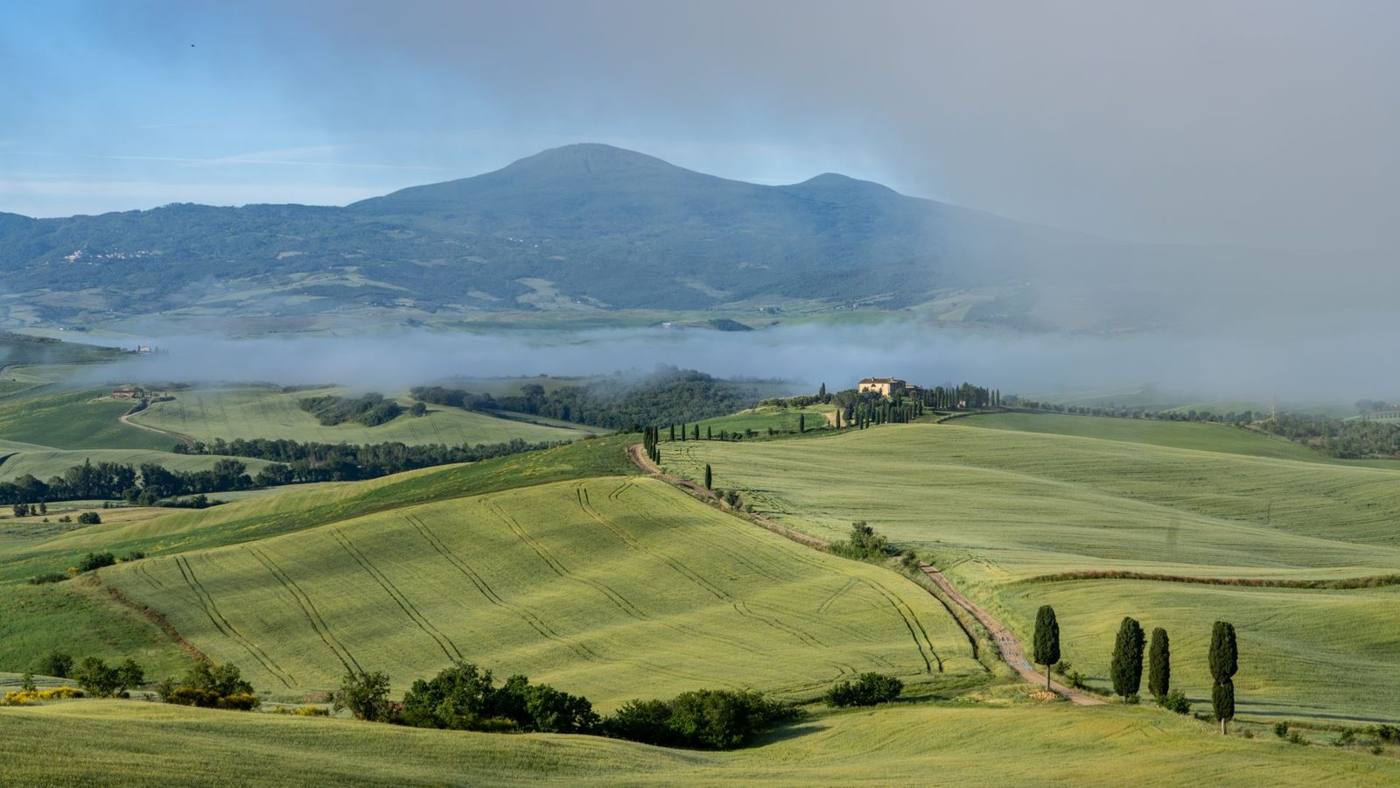 7 daysEasy
Tuscany: Val d'Orcia and Chianti
Siena and the Palio, San Gimignano, the Chianti vineyards, the cypresses of the Val d'Orcia, Pienza and Montepulciano.
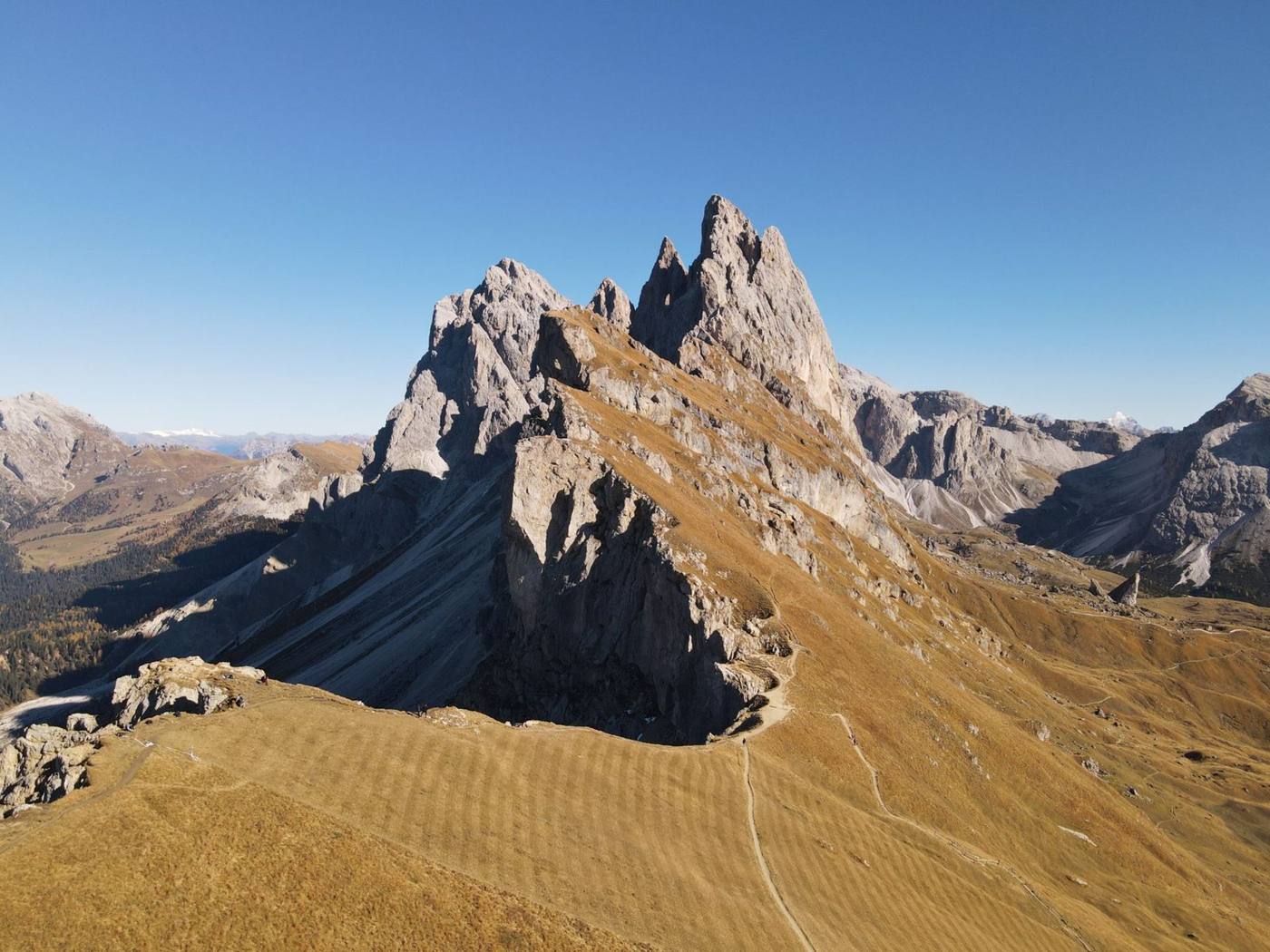 7 daysModerate
The Dolomites
Val Gardena and the Alpe di Siusi, Seceda, the Tre Cime di Lavaredo, Lake Braies and Cortina, among mountain huts and Dolomite passes.
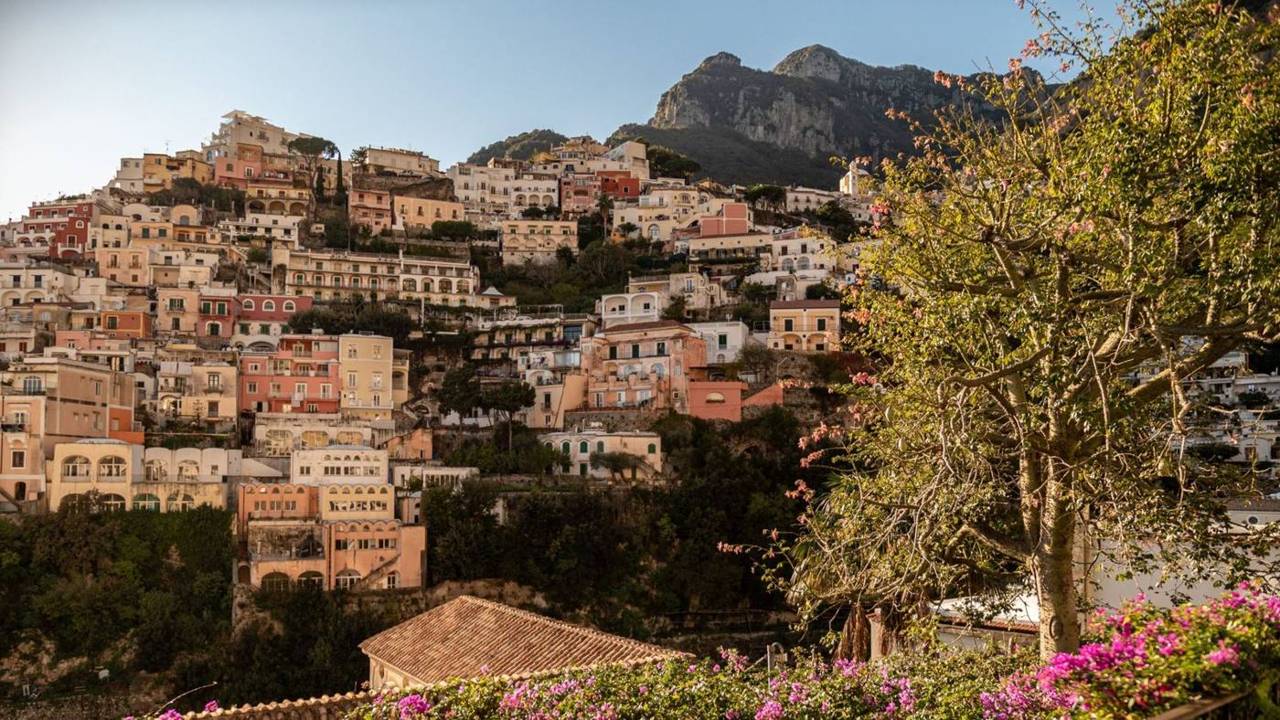 8 daysEasy
Naples, Pompeii and the Amalfi Coast
Naples and its pizza, the excavations of Pompeii and Herculaneum, Vesuvius, Positano and Amalfi, the Path of the Gods and the island of Capri.