Eastern Sicily
Catania and Etna, Taormina, Syracuse and Ortigia, the baroque of Noto, Modica and Ragusa, the Vendicari reserve.
- Catania
- Etna
- Taormina
- Syracuse
- Noto
- Vendicari
- Modica
- Ragusa
Day by day
- Day 1
Catania: the fish market and Via Etnea
You land at Catania airport, about twenty minutes from the centre by shuttle bus. Leave the hire car until tomorrow: Catania is explored on foot and the centre has limited traffic zones and difficult parking. The city is built of lava stone from Etna, which gives it its dark grey colour, and was rebuilt in baroque style after the 1693 earthquake.
In the morning go to the pescheria, the fish market behind Piazza del Duomo, open Monday to Saturday until midday: stalls of swordfish, tuna and sea urchins, vendors shouting prices, and fruit and vegetable stalls all around. Then enter Piazza del Duomo, with the Elephant Fountain, symbol of the city, and the cathedral of Sant'Agata, the patron saint, celebrated in early February with one of Italy's largest religious festivals.
In the afternoon walk up Via Etnea, the long shopping street pointing straight at the volcano, pass Via dei Crociferi, the baroque street of churches, and reach the Bellini garden, the park the people of Catania love most. In the evening dine near the Teatro Massimo Bellini. To try: arancini, called arancino here in the masculine, pasta alla Norma with aubergine and salted ricotta, and granita with brioche, which in Catania is eaten even for breakfast. Practical tip: keep backpacks closed around the market and at the station.
- Day 2
Etna: the craters and the wineries on its slopes
Etna is the highest active volcano in Europe and changes constantly. From Catania drive up to the Rifugio Sapienza, on the south side, at about 1,900 metres: about an hour on the road. Around the refuge you can walk the extinct Silvestri craters in half an hour, without a guide. From here a cable car climbs to about 2,500 metres, and in summer off-road vehicles and guides go higher.
The area above 2,500 metres, called the Summit Zone, is governed by municipal ordinances that change with the volcano's activity: sometimes you can go up only with authorised guides and to a set altitude, sometimes access is banned for everyone, as happened several times in 2026 during eruptions. Always book with an authorised volcanological or mountain guide, who knows the rules of the day, and bring hiking boots, a windproof jacket and warm layers: it is cold at altitude even in summer.
In the afternoon go down the north or east side, between Linguaglossa, Castiglione di Sicilia and Randazzo, where vineyards grow on old lava flows. Etna wine, red from Nerello Mascalese and white from Carricante, is among the most admired in Italy; many wineries hold tastings by appointment. Stay on the slopes or return to Catania. Tip: during an eruption with ash, Catania airport can close for a few hours; check your flight on active days.
- Day 3
Taormina, the ancient theatre and Isola Bella
From Catania to Taormina takes about fifty minutes on the motorway. The centre is closed to cars: leave the car in the multi-storey car parks at the entrance to town, from which shuttles and lifts go up to Corso Umberto, the main pedestrian street.
The most important visit is the ancient theatre, Greek and later rebuilt by the Romans, cut into the hillside with views of Etna and the sea: one of the most famous panoramas in Italy. Allow an hour and arrive at opening time, before the groups; in summer it hosts concerts and shows. Then walk along Corso Umberto to Piazza IX Aprile, the terrace over the sea, and to the Villa Comunale gardens, with their nineteenth-century follies.
In the afternoon go down to the sea by cable car or on foot to Mazzarò and Isola Bella, a small island joined to the beach by a thin strip of sand and pebbles, now a nature reserve with a small museum; entry to the island is paid and has set hours. The sea around it is clear and good for snorkelling.
In the evening, for somewhere quieter, go up to Castelmola, the village above Taormina, for the sunset view, and try the village's almond wine. Stay in Taormina or in the coastal villages, which are cheaper. Practical tip: in summer Taormina is crowded with cruise visitors in the middle of the day; see the centre early in the morning and in the evening.
- Day 4
Syracuse: Ortigia
From Taormina to Syracuse takes about an hour and a half on the motorway. Syracuse was one of the most powerful cities of the Greek world, and its historic centre is an island, Ortigia, linked to the mainland by two bridges. Ortigia is a limited traffic zone: park at the entrance, in the Talete car park, and walk.
Start at the Temple of Apollo, the remains of the oldest Doric temple in Sicily, and continue to Piazza Duomo, one of the finest baroque squares in Italy. The cathedral is built inside a Greek temple dedicated to Athena: from inside and from the side street you can still see the original Doric columns built into the walls. Nearby is the Fountain of Arethusa, a freshwater spring a few steps from the sea, with papyrus plants.
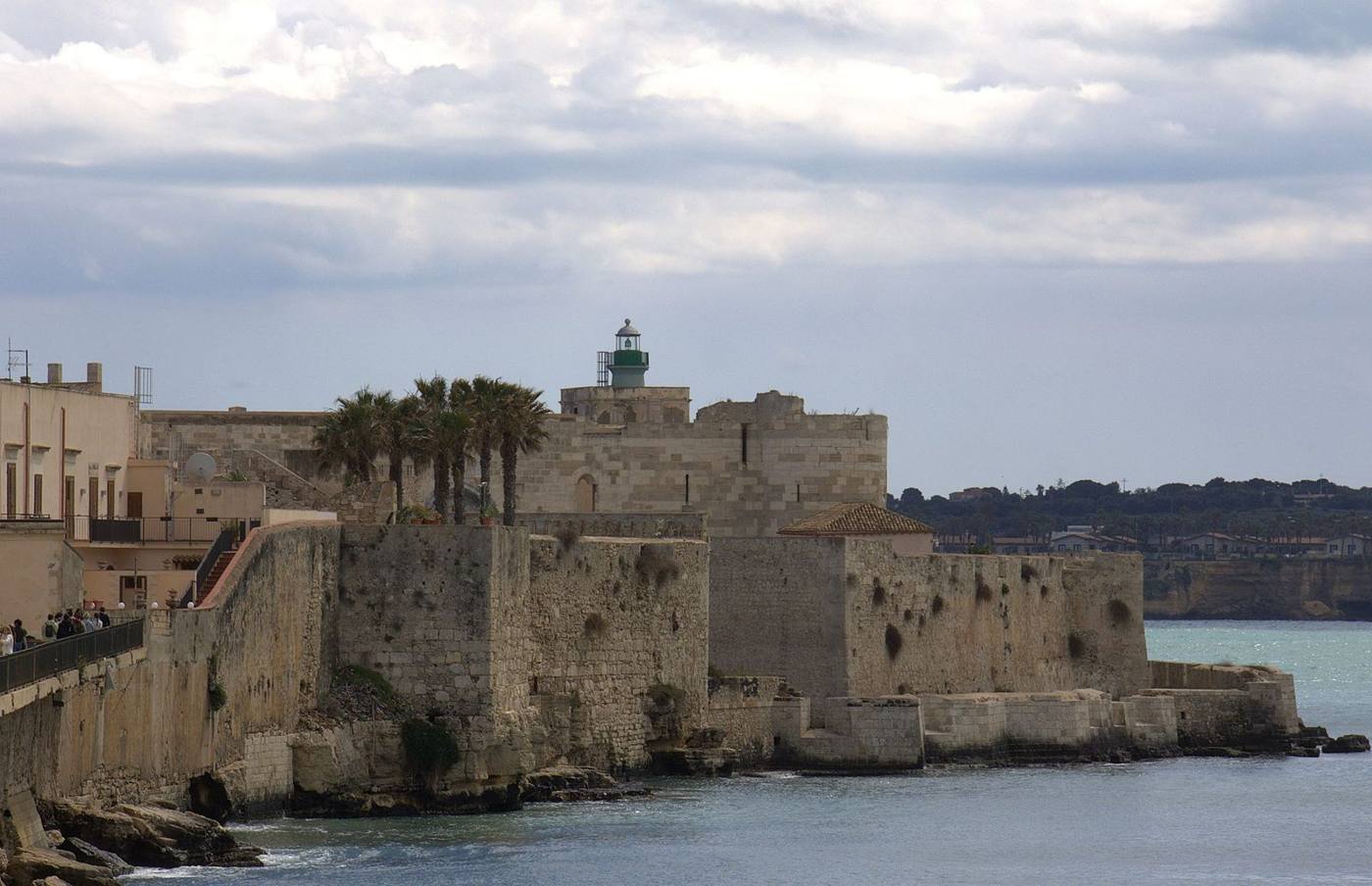
In the afternoon visit Palazzo Bellomo, home of the regional gallery, or the church of Santa Lucia alla Badia, with Caravaggio's Burial of Saint Lucy, when it is displayed there. Then walk along the sea walls to the Maniace castle at the tip of the island.
In the evening Ortigia fills with people: dine in the lanes of the Giudecca, the old Jewish quarter. To try: pasta con le sarde, swordfish and ricotta cannoli. Stay in Ortigia for two nights. Tip: in the morning the Ortigia market near the Temple of Apollo is ideal for buying bread, cheese and fruit for a picnic lunch.
- Day 5
Syracuse: the Neapolis archaeological park
The morning is for the Neapolis archaeological park, on the mainland, about twenty minutes from Ortigia on foot or by bus. Arrive at opening time: in summer the middle of the day is very hot and the park has little shade.
The Greek theatre is one of the largest of the ancient world, cut into the rock; from May to July it still stages Greek tragedies by the National Institute of Ancient Drama, a season booked months ahead. Next to it are the Latomie, ancient stone quarries turned into gardens, with the Ear of Dionysius, an artificial cave over twenty metres high with a powerful echo, and the Roman amphitheatre. The park takes two or three hours.
In the afternoon visit the Paolo Orsi regional archaeological museum, one of Italy's richest for Greek Sicily: statues, pottery and coins; allow at least an hour and a half. Those who prefer the sea can go instead to the Plemmirio reserve, south of the city, with rocks and clear water for snorkelling, or take a boat trip round Ortigia and the sea caves, leaving from the harbour.
In the evening return to Ortigia for a walk along the Lungomare Alfeo at sunset. Practical tip: buy the park ticket online or at the ticket office and consider the combined ticket with the museum, which is worth it if you visit both. Bring water and a hat.
- Day 6
Noto and the Vendicari reserve
Noto is about forty minutes from Syracuse. Destroyed by the 1693 earthquake, it was rebuilt on a new site with a regular plan and façades of golden limestone: it is the capital of Sicilian baroque and, with the other towns of the Val di Noto, a UNESCO site. Park outside the centre and enter through the Porta Reale.
Corso Vittorio Emanuele, the main street, crosses three squares in a row: the cathedral of San Nicolò, with its dome rebuilt after the 1996 collapse, Palazzo Ducezio, the town hall, and the baroque churches around them. In Via Corrado Nicolaci, Palazzo Nicolaci has balconies supported by brackets carved as horses, lions and grotesque figures. In May the street is covered in flower designs for the Infiorata.
In the afternoon go down to the sea at the Vendicari nature reserve, a quarter of an hour away: a protected area with marshes where herons and, at certain times, flamingos stop, an old tuna fishery, a Swabian tower and sandy beaches reached on foot, such as Calamosche and Eloro. There are no facilities on the beaches: bring water and shade. The reserve is open by day, with hours that change by season.
Stay between Noto and Marzamemi, the fishing village further south, with its square on the sea. Tip: parking at Vendicari is limited; arrive early in the morning in summer.
- Day 7
Modica and Ragusa Ibla
From Noto to Modica takes about forty minutes. Modica is built on two levels, Modica Alta and Modica Bassa, linked by stairways and lanes. The church of San Giorgio, with its monumental stairway and tower façade, is one of the masterpieces of Sicilian baroque; higher still, the church of San Pietro has a stairway lined with statues of the apostles.
Modica is famous for its chocolate, worked cold using a method of ancient origin that makes it grainy and clear of added cocoa butter; it carries the IGP mark. Many workshops on the main street offer tastings in dozens of flavours, from chilli to salt. Also try mpanatigghie, pastries filled with meat and chocolate.
In the afternoon go to Ragusa, about twenty minutes away. The old part, Ragusa Ibla, is reached by walking down from the upper town on a long stairway with a spectacular view of the roofs and domes. At the bottom stands the cathedral of San Giorgio, at the top of a sloping square, and then the lanes lead to the Giardino Ibleo, with views of the hills. The province of Ragusa is also a land of dry-stone walls and carob trees.
In the evening dine in Ibla and stay in the area. At the table: cavati with pork sauce, scacce, a filled Ragusa flatbread, and Ragusano DOP cheese. Practical tip: Ragusa Ibla means a lot of uphill walking; a city bus takes you back up to the upper town.
- Day 8
Back to Catania and departure
From Ragusa to Catania airport takes about an hour and a quarter, mostly on dual carriageway; from the Noto area about an hour. Allow extra time, as summer traffic near Catania can be heavy and you need to fill up before returning the car.
If your flight is in the afternoon, use the morning for a stop on the way. Caltagirone, an hour from Ragusa, is the city of ceramics: the stairway of Santa Maria del Monte, with its 142 steps decorated with coloured majolica, is its symbol, and the town is full of potters' workshops. Alternatively, Palazzolo Acreide, in the hills, keeps the Greek theatre of Akrai, in a quiet archaeological area, and baroque churches listed by UNESCO.
If you prefer the sea, the coast between Syracuse and Catania has few interesting stops: better to spend the last hour in Catania, for a final arancino or granita. Before leaving, buy Bronte DOP pistachios, grown on the slopes of Etna, Modica chocolate and almond biscuits, easy to pack. Practical tip: at Catania airport security checks can be slow in high season; arrive at least two hours early for European flights, and more on days of volcanic ash, when schedules can change.
One of Italy's richest areas for history, baroque and food, with a lovely sea and lower prices than the North. Etna is an active volcano: access to the upper areas changes with its activity, and above a certain height you may only go with a guide. August is very hot and the whole island is on the move. Western Sicily makes a good second trip.
Before you go
- Documents and visa
- EU citizens only need a valid identity card or passport; hotels and guesthouses must register it on arrival. Other nationalities should check the visa rules for the Schengen area.
- Health and vaccines
- No vaccines required. EU citizens should bring their European Health Insurance Card (EHIC). Emergency number: 112.
- Money and payments
- Euro. Cards are accepted almost everywhere; many cities charge a tourist tax per night, paid directly at your accommodation.
- Power sockets
- Types C, F and L, 230 volts.
- Time zone
- Central European Time (UTC+1), summer time (UTC+2) from the last Sunday of March to the last Sunday of October.
- Safety
- A safe country. In big cities and on crowded public transport watch out for pickpockets. Emergencies: 112. Official advice: GOV.UK.
Information checked in November 2026 for Italian and EU citizens. Rules change: always check before you travel.
Variations
In 5 days: Catania and Etna on days one and two, Syracuse and Ortigia on day three, Noto and Vendicari on day four, Modica and departure on day five. You skip Taormina and Ragusa Ibla.
In 12 days: add the Aeolian Islands from Milazzo, with Lipari, Salina and Stromboli, and the Valley of the Temples at Agrigento with the Roman Villa del Casale at Piazza Armerina.
Frequently asked questions
Do I need a car?
Yes, for Etna, Vendicari and the baroque towns. There are buses and trains between Catania, Syracuse and Taormina, but for the Val di Noto a car is far easier. Leave it outside the historic centres, almost all limited traffic zones.
Can I climb to the Etna craters?
It depends on the day. Above 2,500 metres access is governed by ordinances that change with the volcano's activity: sometimes you can go up with authorised guides, sometimes it is banned for everyone. The lower Silvestri craters can almost always be visited freely.
When is the best time?
April, May, June, September and October. July and August are very hot, with crowded baroque towns and full beaches. Winter is mild on the coast, but it can snow on Etna.
Indicative itinerary written by World Atlas. Before booking, check timetables, seasonal openings, documents and safety.
 9 daysEasy
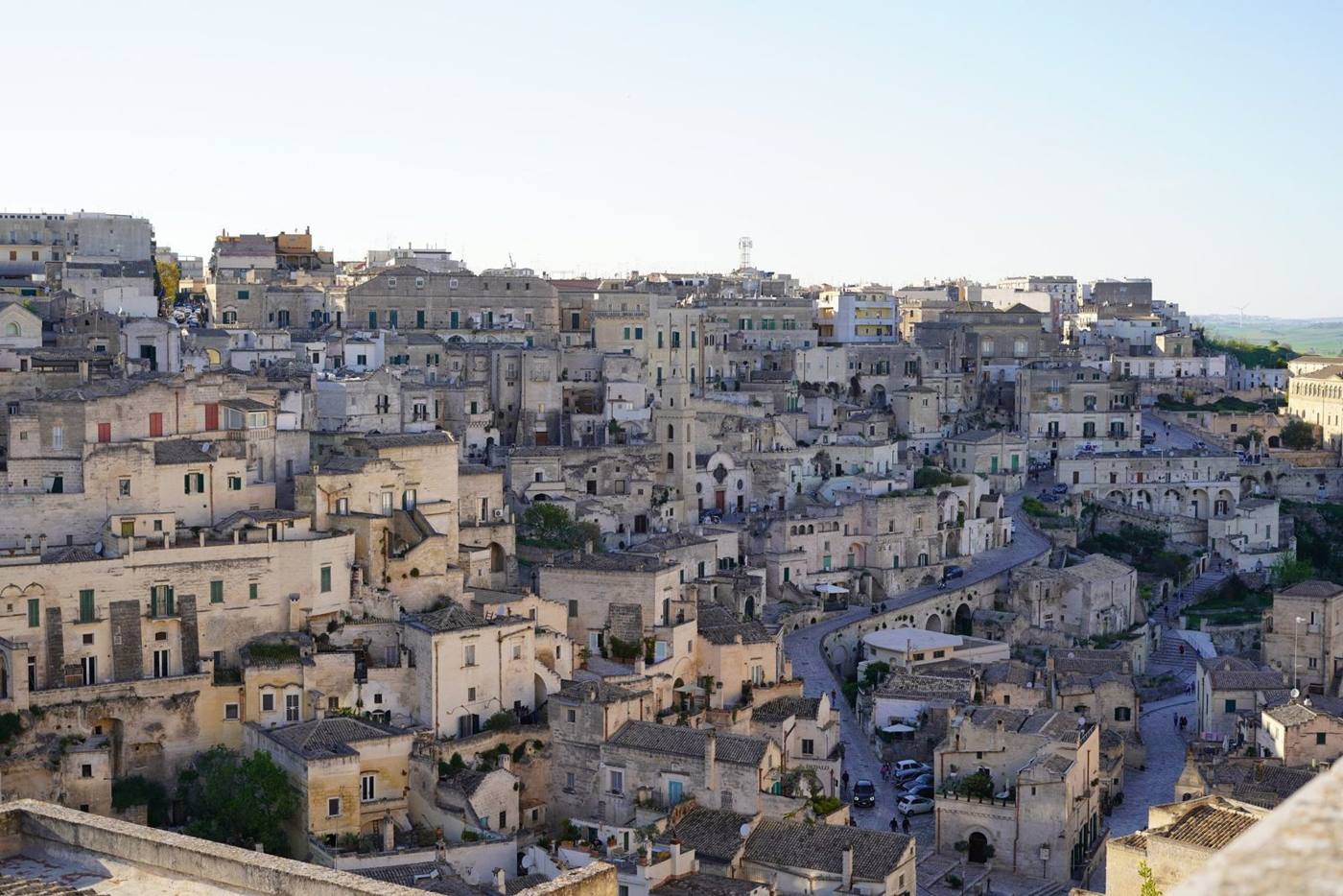
Puglia and Matera
Old Bari, the trulli of Alberobello, the Itria Valley, the Sassi of Matera, the baroque of Lecce and the sea of Salento.
 8 daysModerate
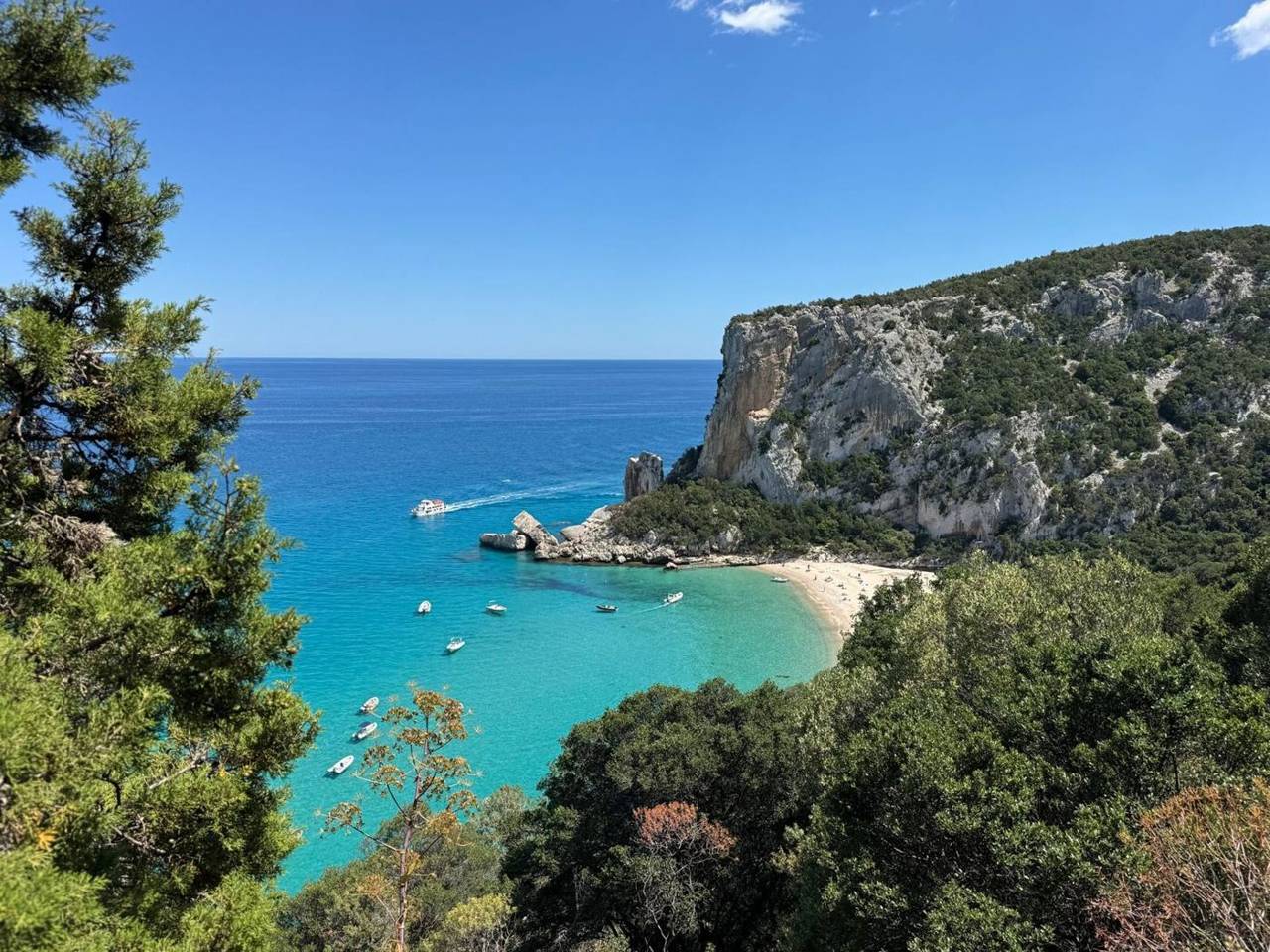
Sardinia: the Gulf of Orosei
Coves reachable only on foot or by boat, Cala Goloritzé and Cala Luna, the Gorropu gorge, the nuraghi and the villages of the Barbagia.
 5 daysModerate
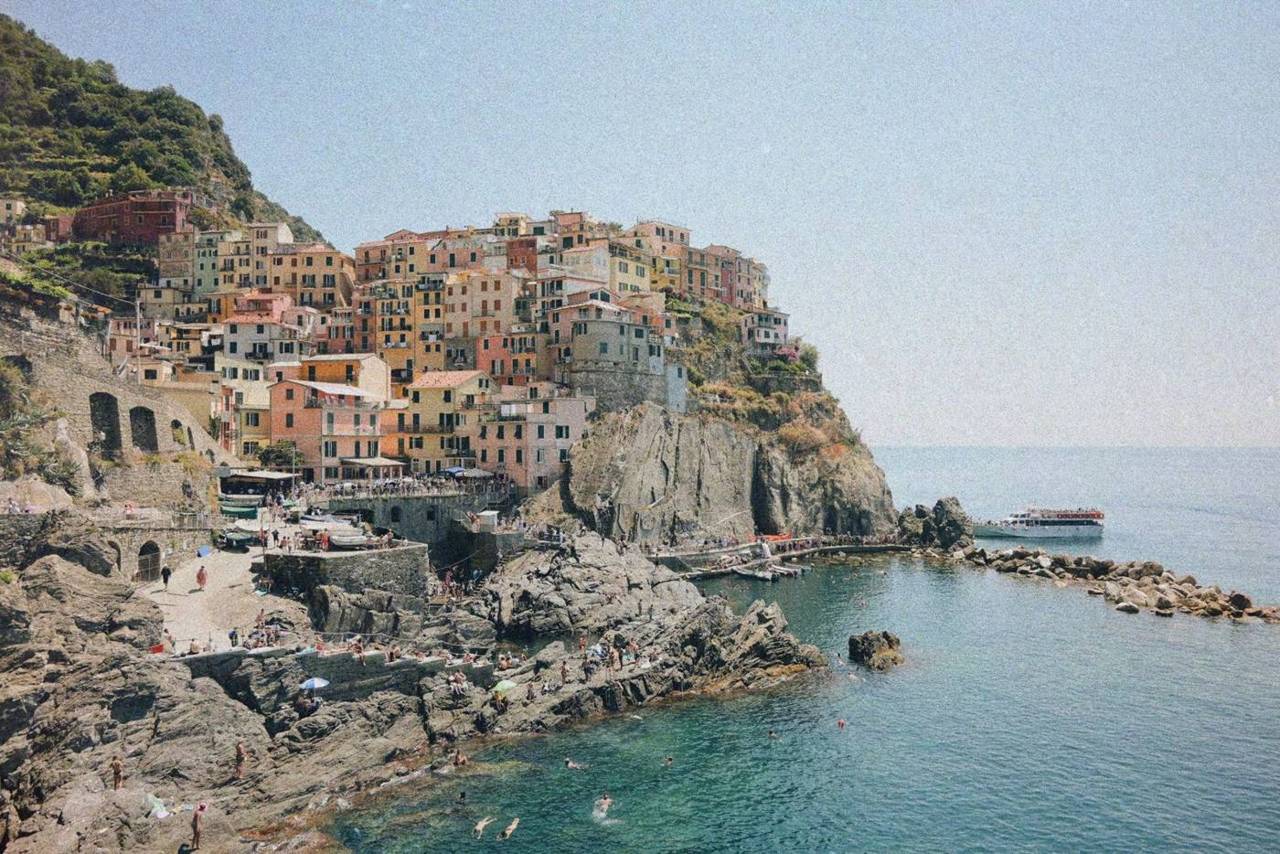
Cinque Terre and Portofino
Five cliff-top villages linked by train and footpaths, Portovenere, the Gulf of Poets and Portofino with San Fruttuoso.