Goa: churches, spices and beaches
Portuguese India: the baroque churches of Old Goa (UNESCO World Heritage), the Fontainhas quarter in Panaji, a spice plantation inland, the Dudhsagar falls and the quiet southern beaches such as Palolem and Agonda.
- Panaji
- Old Goa
- Ponda
- Dudhsagar
- Palolem
- Agonda
Day by day
- Day 1
Panaji: Fontainhas and the Church of the Immaculate Conception
To enter India EU citizens need a visa; for tourism you apply online for an e-visa, which for thirty days costs 25 dollars from July to March and 10 dollars from April to June, with a passport valid for at least six months and at least two blank pages. Check the rules for your nationality.
Goa is India's smallest state, on the west coast by the Arabian Sea. It was a Portuguese colony for more than four hundred and fifty years, until 1961, and keeps white churches, colourful colonial houses, a special cuisine and an atmosphere different from the rest of the country, relaxed and tropical, with palms, rice fields and beaches. The best season is November to February; from June to September the monsoon brings heavy rain.
Goa has two airports, Dabolim and Mopa; from either, Panaji, the capital, is forty minutes to an hour by taxi.
In the afternoon stroll through Fontainhas, Panaji's Latin quarter, with narrow lanes and Portuguese colonial houses painted yellow, blue, green and red, iron balconies, azulejo tiles with street names and small chapels. Then climb the great white zigzag staircase of the sixteenth-century Church of Our Lady of the Immaculate Conception, the city's symbol, with its large bell.
At sunset walk along the Mandovi river, with boats and floating casinos lit up.
In the evening try Goan food, blending Indian spices with Portuguese recipes: fish curry with coconut, vindaloo, born from a Portuguese dish with vinegar and garlic, and bebinca, a layered coconut-milk dessert.
Practical tip: in Goa traffic drives on the left and is chaotic; use taxis or local ride apps.
- Day 2
Old Goa: Bom Jesus and the Sé Cathedral, then a spice plantation
In the morning go to Old Goa, about twenty minutes from Panaji, the former capital of the Portuguese colony, which in the sixteenth century was one of the largest and richest cities in the world, called the Rome of the East. Then epidemics and malaria drove its people away, and today its great churches and convents remain among lawns and palms, a UNESCO World Heritage site.
The most famous is the Basilica of Bom Jesus, from the sixteenth century, with a red laterite stone façade, which holds in a silver casket the body of St Francis Xavier, the Jesuit missionary who brought Christianity to Asia, who died in 1552. Every ten years the body is displayed to the faithful, drawing huge pilgrimages. Opposite stands the Sé Cathedral, one of the largest churches in Asia, white, with its Golden Bell, and next to it the Church of St Francis of Assisi, with gilded interiors and the archaeological museum.
In the afternoon drive inland to Ponda, about half an hour away, and visit a spice plantation, where a guide shows you pepper, cardamom, cinnamon, nutmeg, vanilla, clove, coffee and cashew plants, the trees that made Goa rich. The tour ends with a Goan buffet lunch served on a banana leaf.
The Ponda area also has several Hindu temples, such as Shri Mangeshi, rebuilt here after the Portuguese destroyed those on the coast.
Practical tip: in churches and temples cover shoulders and knees; in Hindu temples remove your shoes.
- Day 3
Dudhsagar Falls by jeep
Today is a trip to Dudhsagar Falls, in Bhagwan Mahavir National Park on the Karnataka border, about an hour and a half from Panaji. The name means sea of milk: the water drops down a rock face about three hundred metres high in four tiers, and with its white foam it looks like milk pouring from the mountain amid the forest. It is one of India's highest waterfalls.
You drive to Collem on the edge of the park, and from there continue only in the park's licensed jeeps, driven by local drivers, along a dirt track through the forest with several stream crossings, for about an hour. The jeeps usually run from October to May; during the monsoon access is closed for safety, even though the falls are at their most powerful. From the last parking area you walk for about ten minutes to the pool at the foot of the falls, where you can swim wearing a life jacket when permitted.
The railway linking Goa with Karnataka crosses the face of the falls on a bridge over the water: when a train passes, the scene is famous throughout India.
In the afternoon, on the way back, stop at a small cashew or spice farm, or visit Tambdi Surla, a small thirteenth-century black stone temple in the forest, the only one of its age to survive in Goa.
Practical tip: bring water, a swimsuit and shoes that can get wet; jeep numbers are limited, so arrive early in the morning.
- Day 4
South Goa: Chandor and Palolem beach
In the morning leave Panaji and drive south, stopping at Chandor, about an hour away, a country village among rice fields with some of Goa's finest colonial mansions, built by wealthy Indo-Portuguese families. The most famous is Braganza House, divided into two wings lived in by two branches of the same family, with ballrooms, crystal chandeliers, Italian marble floors, carved rosewood furniture and a private chapel. Tours are led by the descendants, and visitors leave a donation.
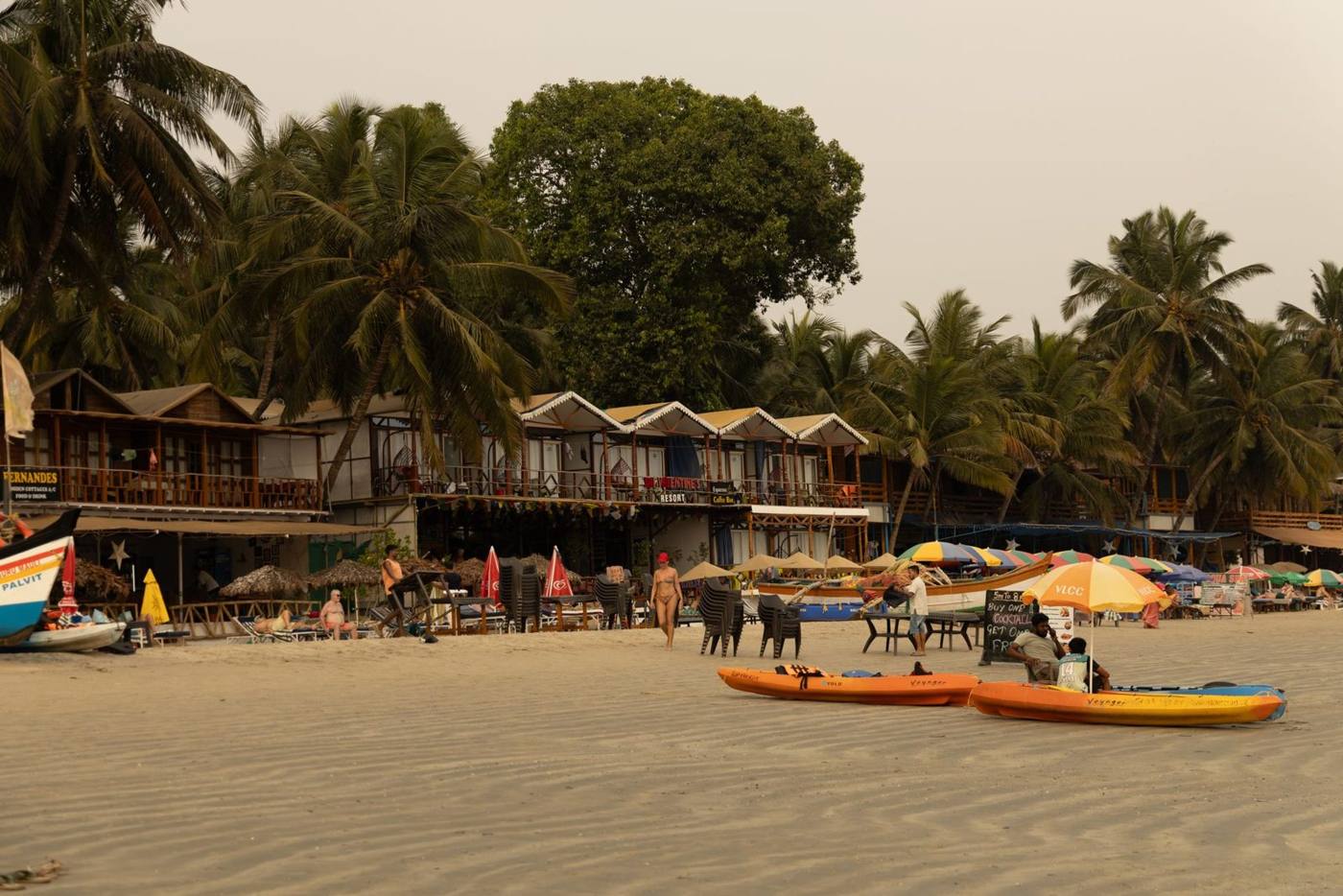
In the afternoon continue to Palolem, about an hour away, in Canacona district at the far south of the state, one of Goa's most beautiful beaches: a crescent bay of pale sand framed by palms and two rocky headlands, with calm water ideal for swimming and colourful wooden huts along the beach.
Stay three nights in a beach hut or a guesthouse in the village. In the evening watch the sunset over the sea, then have grilled fish at one of the places on the sand.
South Goa is quieter than the north, home to beaches famous for nightlife such as Anjuna and Baga.
Practical tip: sea currents in Goa can be strong; swim only in patrolled areas with lifeguards and flags, and never go in the water after drinking.
- Day 5
Kayaking at Palolem and Monkey Island
Early in the morning rent a kayak on Palolem beach and paddle across the bay to Canacona Island, known as Monkey Island, a rocky islet at the northern end of the beach, reachable on foot at low tide. With a bit of luck you see dolphins in the bay early in the morning; some fishermen run short boat trips to spot them, keeping their distance.
Then relax on the beach. At midday, when it is hottest, rest in the shade of the palms.
In the afternoon walk along the coast to Patnem, the beach south of Palolem, quieter, with few huts and palms, or to Colomb, a small rocky cove between the two. Many travellers come here for yoga: there are schools and beginners' classes in the morning and evening.
In the evening some places in Palolem hold silent headphone parties: the music plays in headphones so as not to disturb residents.
Nearby, inland, lies Cotigao Wildlife Sanctuary, a tropical forest with observation towers, where you see birds, monkeys and, with great luck, giant squirrels.
Practical tip: do not leave belongings unattended on the beach, and watch out for cows and stray dogs wandering freely on the sand. In the evening, enjoy a last sunset over the bay.
- Day 6
Agonda, Cola and departure
In the morning drive a few kilometres north to Agonda beach, a long stretch of golden sand with little building, huts and palms, one of the places where Olive Ridley turtles, a protected sea turtle species, lay their eggs between November and March; part of the beach is protected and fenced during the nesting season.
Then continue to Cola beach, hidden away and reached by a steep dirt road and a short path, where a river forms a freshwater lagoon behind the beach, separated from the sea by a strip of sand: you can swim in the lagoon or in the sea, a few metres apart.
In the afternoon head back to the airport, about an hour and a half from Palolem to Dabolim, longer to Mopa in the north.
Things to take home: Goan spices and cashews, feni, a spirit distilled from cashew fruit or coconut, hand-painted azulejo tiles and cotton textiles.
Practical tip: in India drink only sealed bottled water and avoid ice and pre-cut fruit in less careful places. Before leaving, ask your doctor or a travel clinic about recommended vaccinations and precautions against mosquitoes. India has areas with specific security warnings, but Goa is not among them. Check your government's travel advice before leaving, and keep copies of your passport and e-visa with you.
For those wanting a rest after a tiring tour of the north, or to combine sea and history. North Goa is busier and more party-oriented, the south is quieter. From June to September the monsoon makes the sea dangerous and many places close. To ride a scooter you need an international licence and a helmet.
Before you go
- Documents and visa
- Passport with at least six months' validity and two blank pages, plus an electronic tourist visa from the official Indian government website: 30 days for 25 dollars from July to March, 10 dollars from April to June.
- Health and vaccines
- No compulsory vaccines arriving from Europe; ask your doctor about hepatitis A, typhoid and malaria depending on the area. Drink only sealed bottled water. Emergencies: 112.
- Money and payments
- Indian rupee. Cards and digital payments are common in cities; markets, villages and rickshaws need cash.
- Power sockets
- Types C, D and M, 230 volts: a universal adapter is useful.
- Time zone
- UTC+5:30 all year: India does not use daylight saving time.
- Safety
- The United States rates India level 2, with level 4 for Jammu and Kashmir (except Ladakh), Manipur and the 10 km strip along the Pakistani border. Official advice: GOV.UK.
Information checked in November 2026 for Italian and EU citizens. Rules change: always check before you travel.
Variations
In 4 days: Panaji and Fontainhas, Old Goa and a spice plantation, then two days on Palolem beach, without Dudhsagar Falls.
In 10 days: add North Goa, with Aguada fort and the beaches of Anjuna and Arambol, or continue to Hampi in Karnataka, with the ruins of the Vijayanagara empire.
Frequently asked questions
Do I need a visa for India?
Yes: for tourism you apply online for an e-visa, which for thirty days costs 25 dollars from July to March and 10 dollars from April to June. You need a passport valid for at least six months.
When is the best time for Goa?
November to February, with dry weather and calm sea. From June to September the monsoon brings heavy rain and rough seas.
Can you always visit Dudhsagar Falls?
With the park's jeeps usually from October to May; during the monsoon access is closed for safety.
Indicative itinerary written by World Atlas. Before booking, check timetables, seasonal openings, documents and safety.
 10 daysModerate
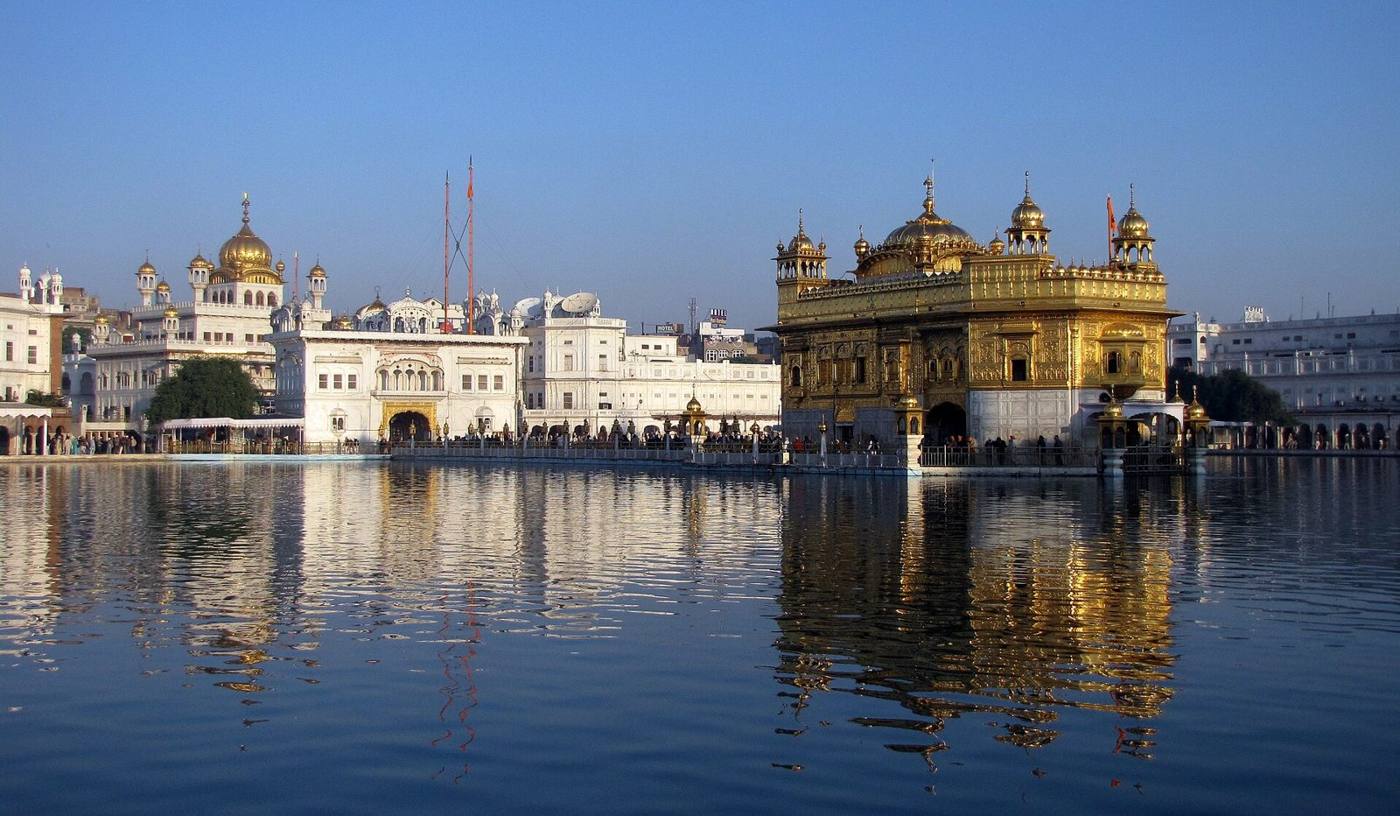
Punjab and Himachal: Amritsar, Dharamsala, Manali and Shimla
From Amritsar's Golden Temple to the Himalayan foothills: Dharamsala and McLeod Ganj with the Tibetan community, the Kangra valley and its tea gardens, Manali and the Kullu valley, ending in Shimla with its historic toy train (UNESCO World Heritage).
 8 daysEasy
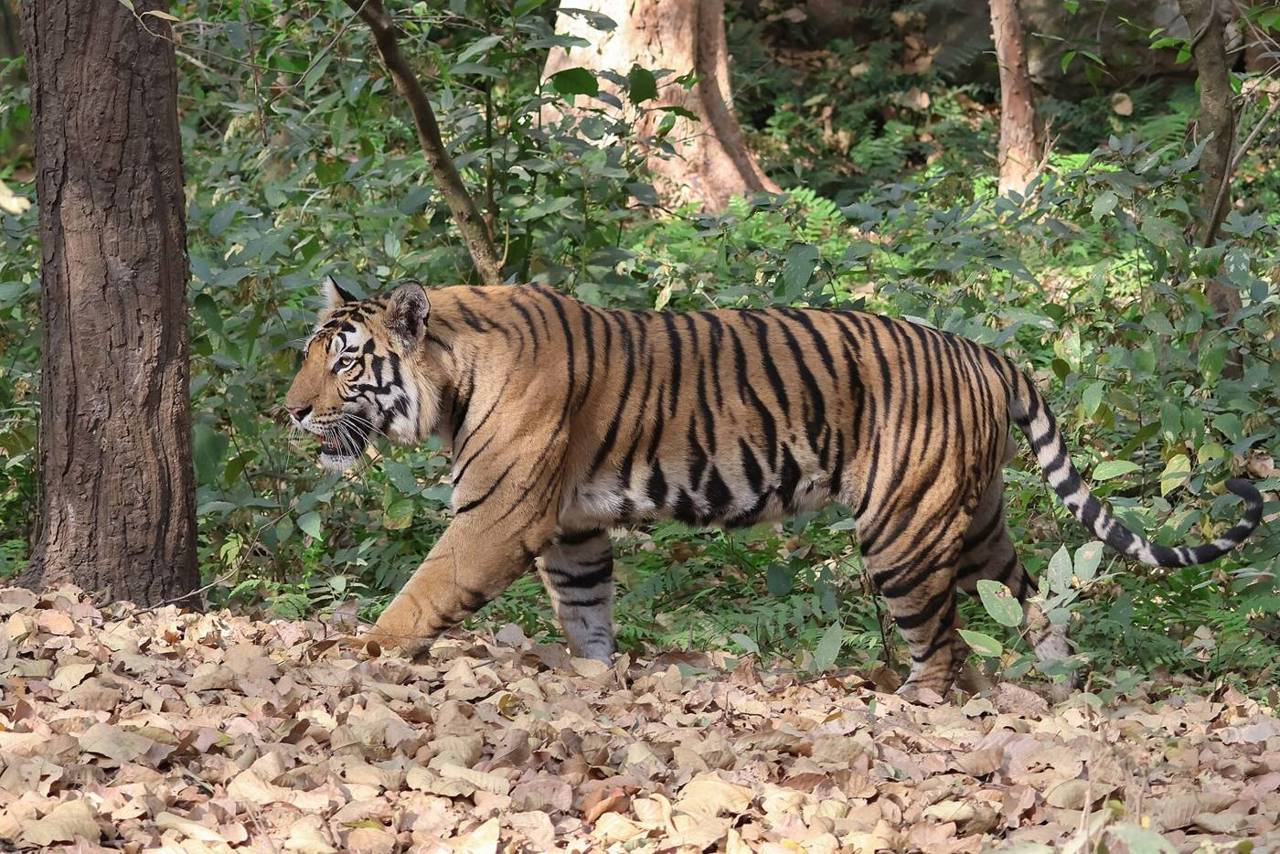
Madhya Pradesh: tigers of Bandhavgarh, Pench and Satpura
The heart of the Jungle Book forests: Bandhavgarh, one of India's parks with the most tigers, Pench with its teak forests, and Satpura, where safaris are done on foot, by canoe and by jeep among leopards, sloth bears and sambar deer.
 6 daysEasy
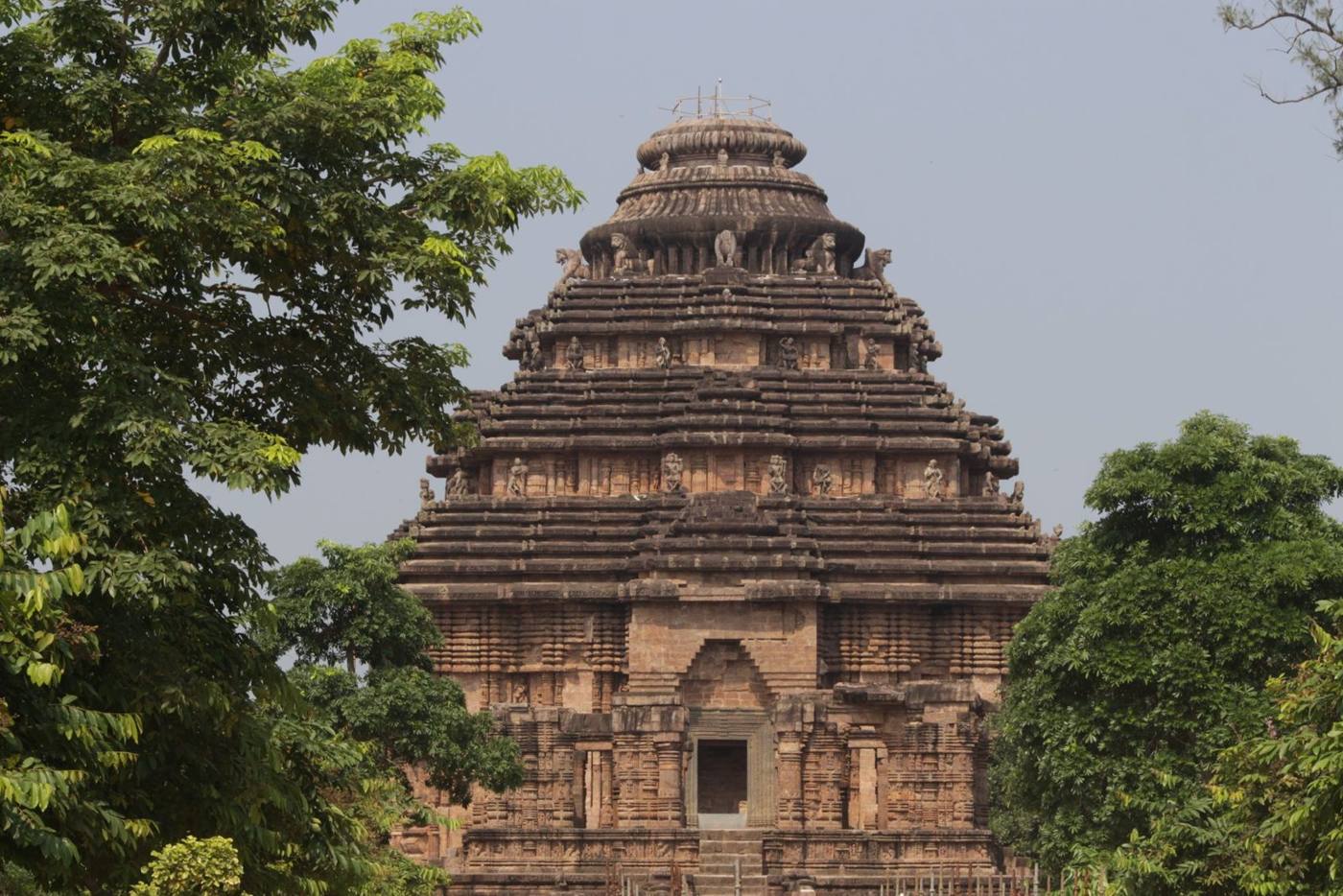
Odisha: the temples of Bhubaneswar, Konark and Puri
The less-known east coast: the temple city of Bhubaneswar, the chariot-shaped Sun Temple of Konark (UNESCO World Heritage), the holy city of Puri, the painters' village of Raghurajpur and the Irrawaddy dolphins of Chilika lagoon.