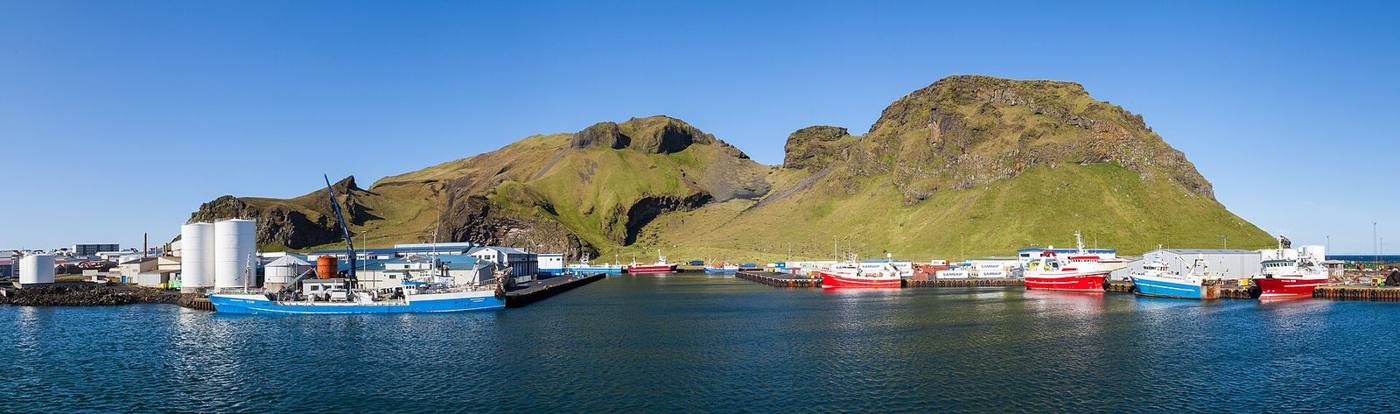
The Westman Islands
A volcanic archipelago half an hour by ferry from the south coast: Heimaey, the only inhabited island, with the Eldfell volcano born in 1973 and the Eldheimar museum on the houses buried by lava, the country's largest puffin colony and the beluga whale sanctuary.
- Landeyjahöfn
- Heimaey
- Eldfell
Day by day
- Day 1
The ferry from Landeyjahöfn and Eldheimar museum
To enter Iceland EU citizens can use a valid identity card or passport; Iceland is not in the European Union but is part of the Schengen area. Check the rules for your nationality.
The Westman Islands, in Icelandic Vestmannaeyjar, are a volcanic archipelago of about fifteen islands off Iceland's south coast; only the largest, Heimaey, is inhabited, with about four thousand people living from fishing in one of the country's most important ports. It is a special place for two reasons: the 1973 eruption, which nearly destroyed the town, and the largest puffin colony in the world.
From Reykjavík drive east along Route 1 for about two hours to the port of Landeyjahöfn. From here the Herjólfur ferry reaches Heimaey in about forty minutes; you can take your car, but the island is small and easy to explore on foot. In rough seas, especially in winter, the ferry sails from Þorlákshöfn instead and the crossing takes almost three hours. Book online, well ahead in summer.
In the afternoon visit Eldheimar, the eruption museum. On the night of 23 January 1973 a fissure opened a short distance from the houses; almost all five thousand residents were evacuated within hours on fishing boats, which luckily were all in port because of a storm. The eruption lasted five months and lava buried about four hundred houses. The museum is built around a house dug out of the ash, its rooms still full of cinders, and tells how residents saved the harbour by cooling the lava with seawater pumped from ships.
Practical tip: always check on the ferry website which port it sails from on your travel day, as it can change at the last minute in bad weather.
- Day 2
Eldfell volcano and the puffins at Stórhöfði
In the morning climb Eldfell, the volcano born in the 1973 eruption, about two hundred metres high, in under an hour on foot from town. The path climbs over red and black ash; in places the ground is still warm more than fifty years after the eruption. From the top you see the crater, the town, the harbour, the lava field that enlarged the island by about two square kilometres, the other islands of the archipelago and, on clear days, the Eyjafjallajökull glacier on the mainland. Next to it is Helgafell, an older volcano, extinct for thousands of years, which you can climb on a grassy path.
On the way down, cross the lava field, where the walk passes over buried houses marked by small signs with street names and owners.
In the afternoon go to Stórhöfði, the southern tip of the island, one of the windiest places in Europe, with its weather station and grass-covered cliffs. From a small hide you watch puffins up close, the little seabirds with striped colourful beaks, nesting in burrows dug in the ground. The Westman Islands host the largest colony in the world, with hundreds of thousands of pairs. They are usually seen from May to August; the rest of the year they live out at sea.
In the evening, at sunset, puffins return to land in large numbers; a good spot is the Sæfell cliff near the golf course.
Practical tip: keep away from cliff edges, which can crumble; the wind at Stórhöfði can be very strong, even in summer.
- Day 3
A boat trip around the island and the return
In the morning take a boat trip around the archipelago, about an hour and a half to two hours, departing from Heimaey harbour. The boat passes under high cliffs where gulls, guillemots, fulmars and gannets nest, enters sea caves where the captain sometimes plays music to let you hear the echo, and approaches uninhabited islets. On Elliðaey stands a single isolated white house used by local hunters, now one of Iceland's most famous images. Further away you see Surtsey, the island born from an undersea eruption between 1963 and 1967, a UNESCO World Heritage site where only scientists may land, to study how life colonises new land. With some luck you see seals and, in summer, whales and dolphins.
Before leaving, stroll along the harbour, where a sculpture commemorates the 1973 evacuation, and visit the small Sæheimar museum, with its aquarium of North Atlantic fish. In August Heimaey hosts Þjóðhátíð, a large folk festival with concerts and bonfires, very crowded: if you want to avoid the crowds, skip that weekend.
In the afternoon take the ferry back to Landeyjahöfn and drive to Reykjavík; on the way you can see the Seljalandsfoss and Skógafoss waterfalls, a short distance from the port.
Things to take home: Icelandic wool, traditional lopapeysa sweaters and Icelandic sea salt.
Practical tip: check your government's travel advice before leaving.
In rough seas the ferry sails from Þorlákshöfn, almost three hours away, or is cancelled. In August the big Þjóðhátíð festival fills everything months ahead. A valid identity card is enough for EU citizens.
Before you go
- Documents and visa
- EU citizens need only a valid identity card or passport: Iceland is not in the European Union but is in the Schengen area. The ETIAS authorisation is not yet in operation and need not be requested.
- Health and vaccines
- No vaccines required. EU citizens should carry the European Health Insurance Card, valid in Iceland, plus insurance covering rescue in remote areas. Emergencies: 112.
- Money and payments
- Icelandic króna. Cards are accepted everywhere, even for small sums and at petrol pumps; cash is hardly needed. Tipping is not expected.
- Power sockets
- Types C and F, 230 volts.
- Time zone
- UTC all year round: Iceland does not use daylight saving time.
- Safety
- The country is very safe; the risks are natural: storms, icy roads, sneaker waves on southern beaches, eruptions on the Reykjanes peninsula. Official advice: GOV.UK.
Information checked in November 2026 for Italian and EU citizens. Rules change: always check before you travel.
Variations
In 1 day from Reykjavík: the morning ferry, Eldheimar, Eldfell and Stórhöfði, and back on the last ferry.
In 6 days: combine with the south coast, with Seljalandsfoss and Skógafoss waterfalls, Reynisfjara black beach and the Jökulsárlón glacier lagoon.
Frequently asked questions
Which document do I need for Iceland?
A valid identity card or passport for EU citizens; Iceland is in the Schengen area.
When can I see puffins?
Usually from May to August; the rest of the year they live out at sea.
Where does the ferry to the Westman Islands leave from?
From Landeyjahöfn, about forty minutes; in rough seas from Þorlákshöfn, almost three hours. Always check the website on the day.
Indicative itinerary written by World Atlas. Before booking, check timetables, seasonal openings, documents and safety.
 6 daysChallenging
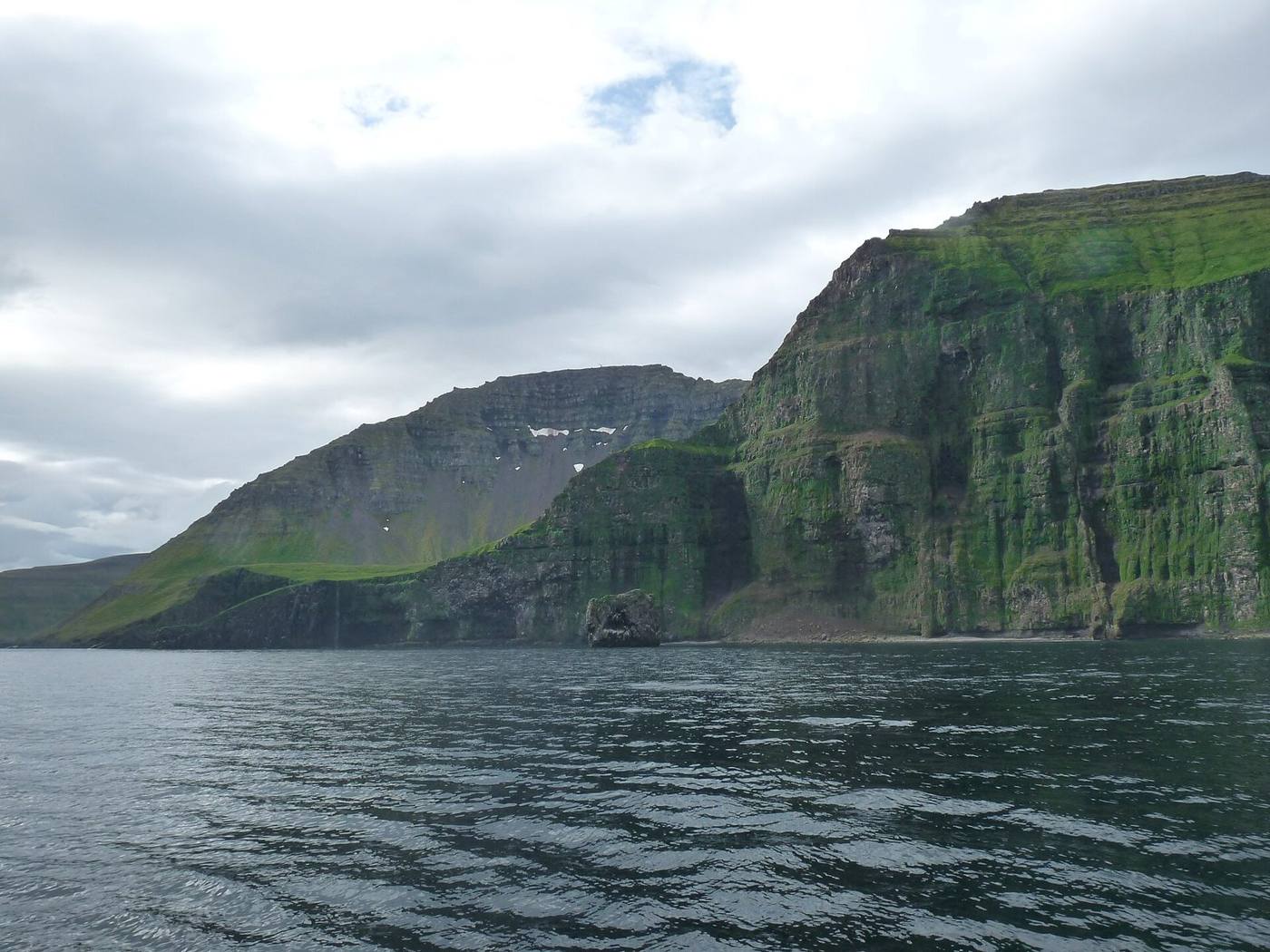
Hornstrandir on foot
Iceland's wildest reserve, in the far north-west: no roads, only boats from Ísafjörður, unmarked trails between abandoned bays, the bird-covered cliffs of Hornbjarg and Arctic foxes, which are not hunted here.
 3 daysChallenging
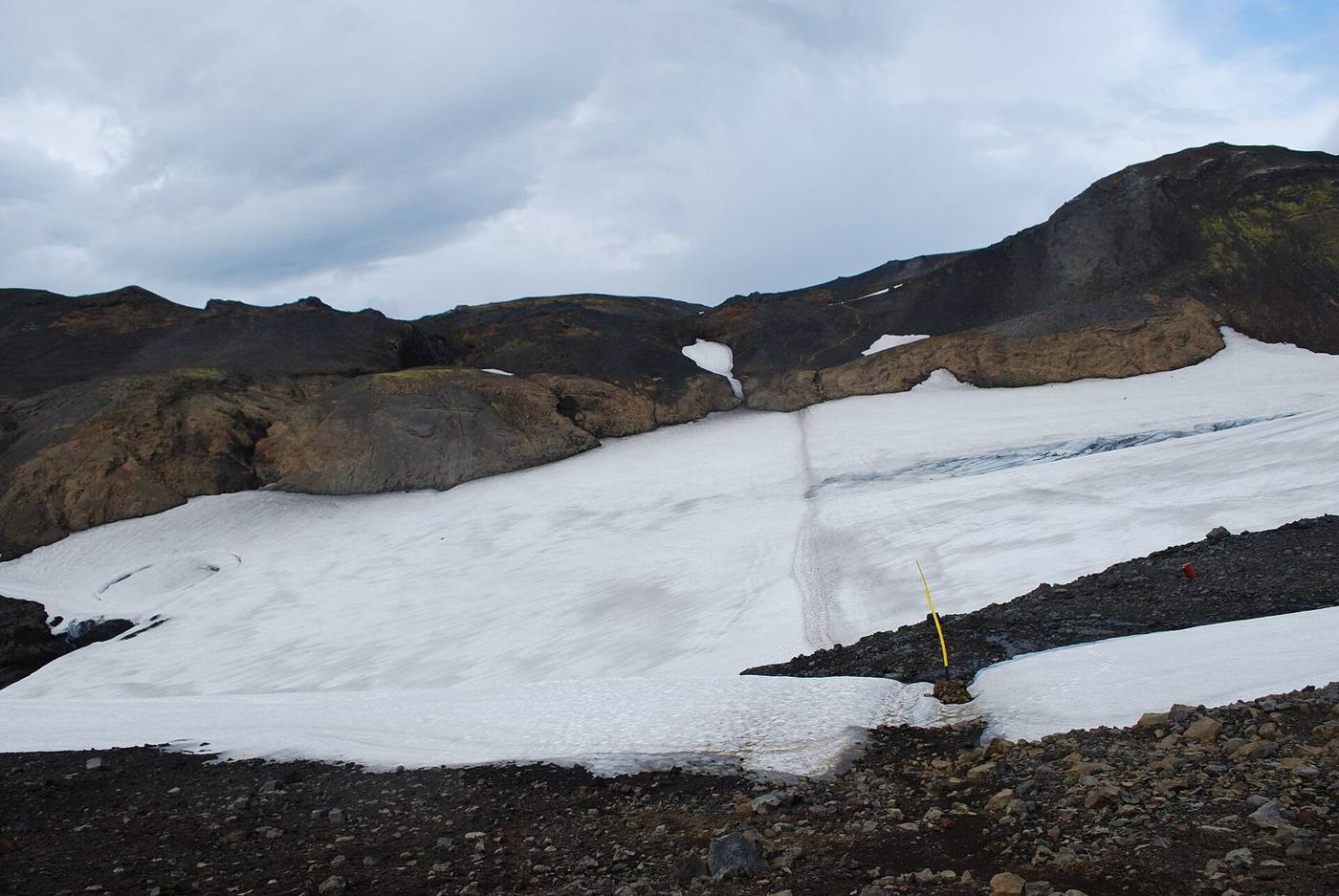
Fimmvörðuháls, Skógar to Þórsmörk
A pass between two glaciers in one long day: you climb from Skógafoss past more than twenty waterfalls, cross the craters of the 2010 eruption between Eyjafjallajökull and Mýrdalsjökull and descend into the green valley of Þórsmörk.
 7 daysEasy
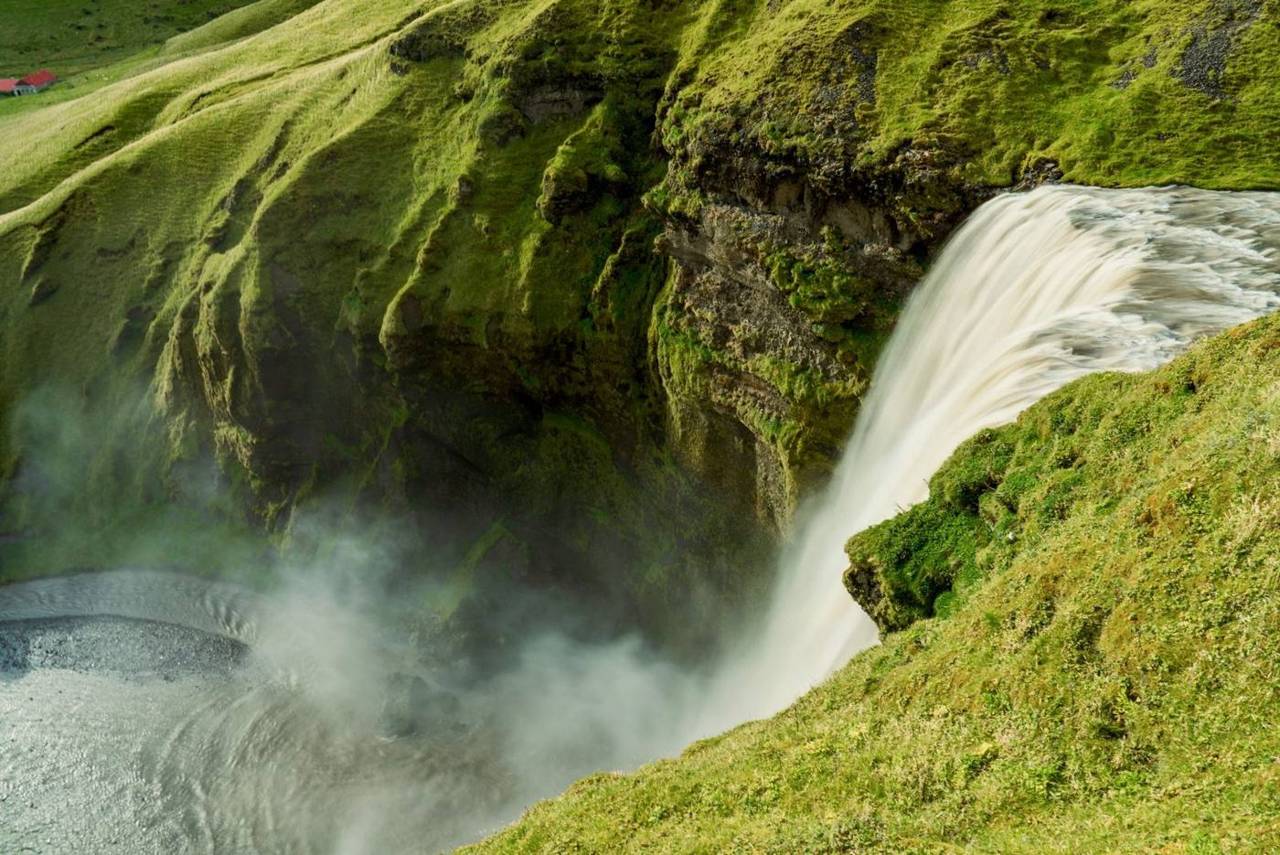
The Golden Circle and the south coast
Geysers, the Þingvellir rift, the Skógafoss and Seljalandsfoss waterfalls, Reynisfjara black beach and the Jökulsárlón glacier lagoon.