Cayos Cochinos
A small protected archipelago with coral reef, the Garifuna village of Chachauate on an islet and a marine research station.
- Roatán
- Cayos Cochinos
- Chachauate
Day by day
- Day 1
By boat from Roatán, snorkelling and Chachauate
This short trip takes you from Roatán to the Cayos Cochinos, a small protected archipelago of two islands and several palm-covered islets on the barrier reef. You sleep at Chachauate, a Garifuna village built on a sandy islet.
Before you go: Italian citizens enter Honduras with a passport valid for at least six months, without a visa for tourist stays of up to 90 days, and fill in the online customs declaration before arrival. Other nationalities should check their own rules. The United States rates Honduras at level 3 because of crime and at level 4 for Gracias a Dios Department, far from here. On the mainland a state of exception against the gangs is in force: arrive by air on Roatán and do not travel overland through La Ceiba or San Pedro Sula.
In the morning you leave by boat from a pier on Roatán with a licensed operator. The crossing to the south goes over open sea and takes more or less time depending on the wind. Ahead you see the green hills of the coast and then the two largest islands of the Cayos, covered in forest.
The archipelago is a marine protected area: there is an entry fee, so check prices and times. Go snorkelling on the reef, with staghorn corals, purple sea fans, parrotfish, rays and turtles.
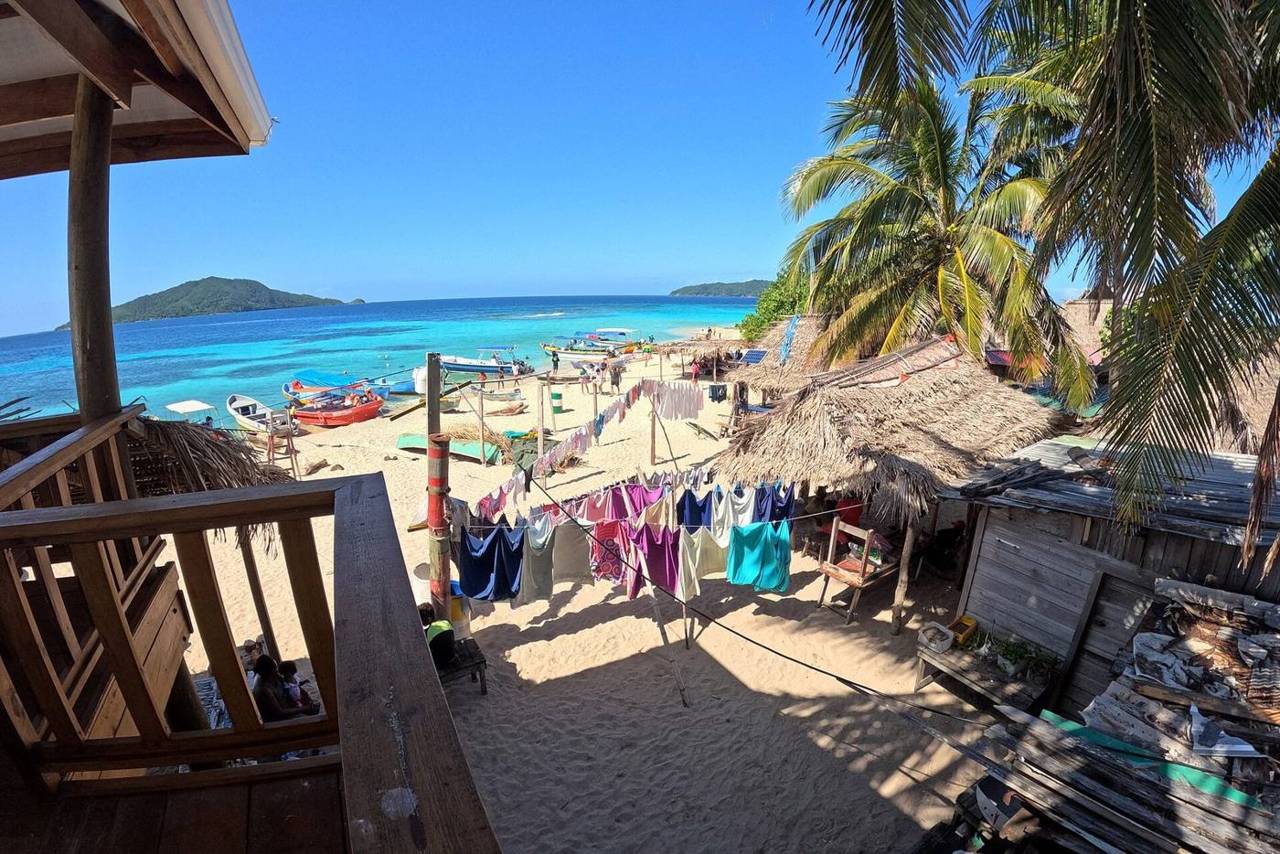
In the afternoon you reach Chachauate, with houses of wood and palm leaves, boats pulled up on the sand and nets drying in the sun. The Garifuna descend from Africans and Caribs deported by the British from Saint Vincent to Roatán in 1797.
In the evening have dinner with fried fish, plantain and coconut rice.
Practical tip: bring cash in lempiras or dollars, because there are no cash machines or card payments on the islets.
- Day 2
Rest on the islets and back to Roatán
Today you enjoy the sea at a gentle pace and then return to Roatán.
At dawn walk around the islet of Chachauate: it takes only a few minutes to go all the way round. Watch the fishermen setting off in canoes and the pelicans diving near the shore. After breakfast swim in the shallow, clear water, where small fish swim among the seagrass.
In the morning go by boat to the marine research station on Cayo Menor, where researchers study the corals, fish and turtles of the protected area. Ask about the pink boa, a non-venomous, pale-coloured snake that lives only on these islands. Then take a last snorkelling trip on a different stretch of reef from yesterday.
In the early afternoon you leave for Roatán. During the crossing watch the surface: dolphins sometimes follow the boat.
In these two days you have snorkelled on one of the most intact stretches of reef in the Caribbean, slept in a Garifuna village and seen a marine protected area where fishing is regulated and the corals have recovered. The lodgings are very simple, with little electricity and water.
When to go: from March to September, with calmer seas and less rain. From June to November it is hurricane season, and from October to January the northerly winds often make the sea rough and cancel crossings.
Practical tip: keep a day of margin on Roatán before your flight, because when the sea is rough the boats to the Cayos Cochinos do not leave.
One of the Caribbean's most pristine seas. Honduras is at level 3 for crime: fly to the islands and don't transit overland via La Ceiba. Very simple lodgings.
Before you go
- Documents and visa
- Passport valid for at least six months on entry; Italian citizens need no visa for tourist stays of up to 90 days, which count jointly for Honduras, Guatemala, El Salvador and Nicaragua. Before entering and before leaving, fill in the online customs declaration and show the QR code. You cannot carry more than 10,000 US dollars in cash, or the equivalent in euros.
- Health and vaccines
- A yellow fever vaccination certificate is required if you arrive from a country at risk, even after a stopover of more than 12 hours; there is no yellow fever risk in the country. Low malaria risk below 1,000 metres and on the Bay Islands, higher in La Mosquitia: avoid mosquito bites. A dengue emergency is in place. Emergency care on the islands is very limited; there is a hyperbaric chamber on Roatán. Emergencies: 911.
- Money and payments
- Lempira. On the Bay Islands US dollars are accepted almost everywhere and cards work at accommodation; carry cash for boats and villages.
- Power sockets
- Types A and B, 120 volts: you need an adapter and, for devices that only run on 230 volts, a transformer.
- Time zone
- UTC-6 all year.
- Safety
- The United States rates Honduras at level 3 because of crime and at level 4, do not travel, for Gracias a Dios Department. A state of exception against gang extortion has been in force since December 2022 and gives the police special powers in most municipalities, including limits on movement. The United Kingdom reports violent attacks on cars and buses, including on roads in and around La Ceiba and Tela, and advises against walking around in the main mainland cities. The Bay Islands have better policing, but petty theft is common. Dive only with licensed, certified centres. Official advice: GOV.UK.
Information checked in November 2026 for Italian and EU citizens. Rules change: always check before you travel.
Variations
Shorter: a day trip from Roatán, with snorkelling and a visit to Chachauate.
Longer: add four days on Guanaja, the quietest of the Bay Islands.
Frequently asked questions
How do you get to the Cayos Cochinos?
By boat from Roatán, with a licensed operator. From the mainland boats leave near La Ceiba, but for safety it is better to avoid travelling there overland.
Can you sleep on the islets?
Yes, at Chachauate there are very simple rooms run by Garifuna families. On other islands there are a few lodgings and the research station.
Can you go diving?
Yes, but only with licensed centres and certified instructors. For snorkelling the boat is enough, with a mask and fins.
Indicative itinerary written by World Atlas. Before booking, check timetables, seasonal openings, documents and safety.
 4 daysEasy
Guanaja
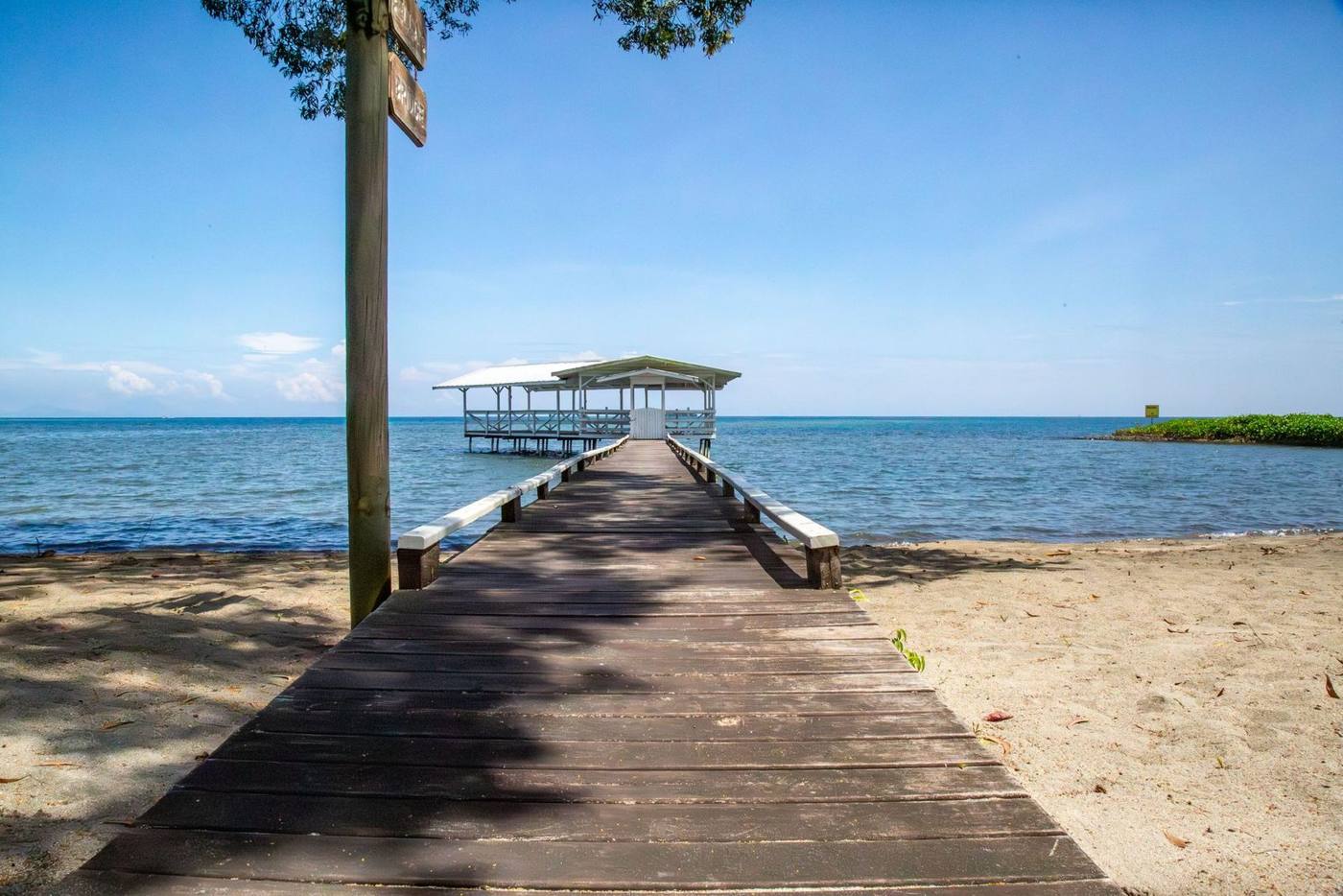
The quietest of the Bay Islands: Bonacca village built over the water, green hills, waterfalls and reef dives without Roatán's crowds.
 6 daysEasy
Roatán and Utila
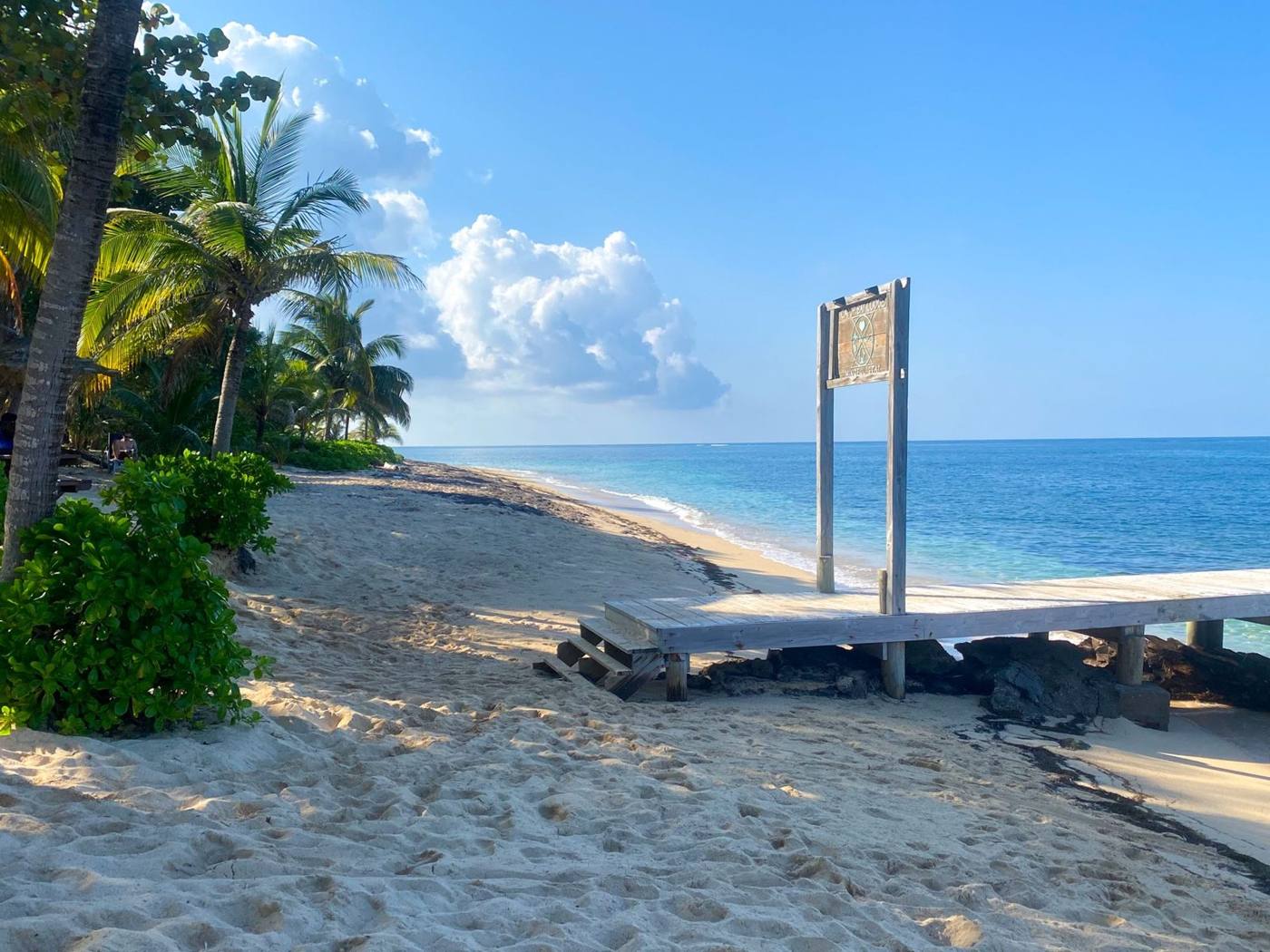
The Bay Islands on the Mesoamerican reef: affordable diving on Utila, whale sharks in season and the beaches of West Bay on Roatán.
 3 daysEasy
Copán
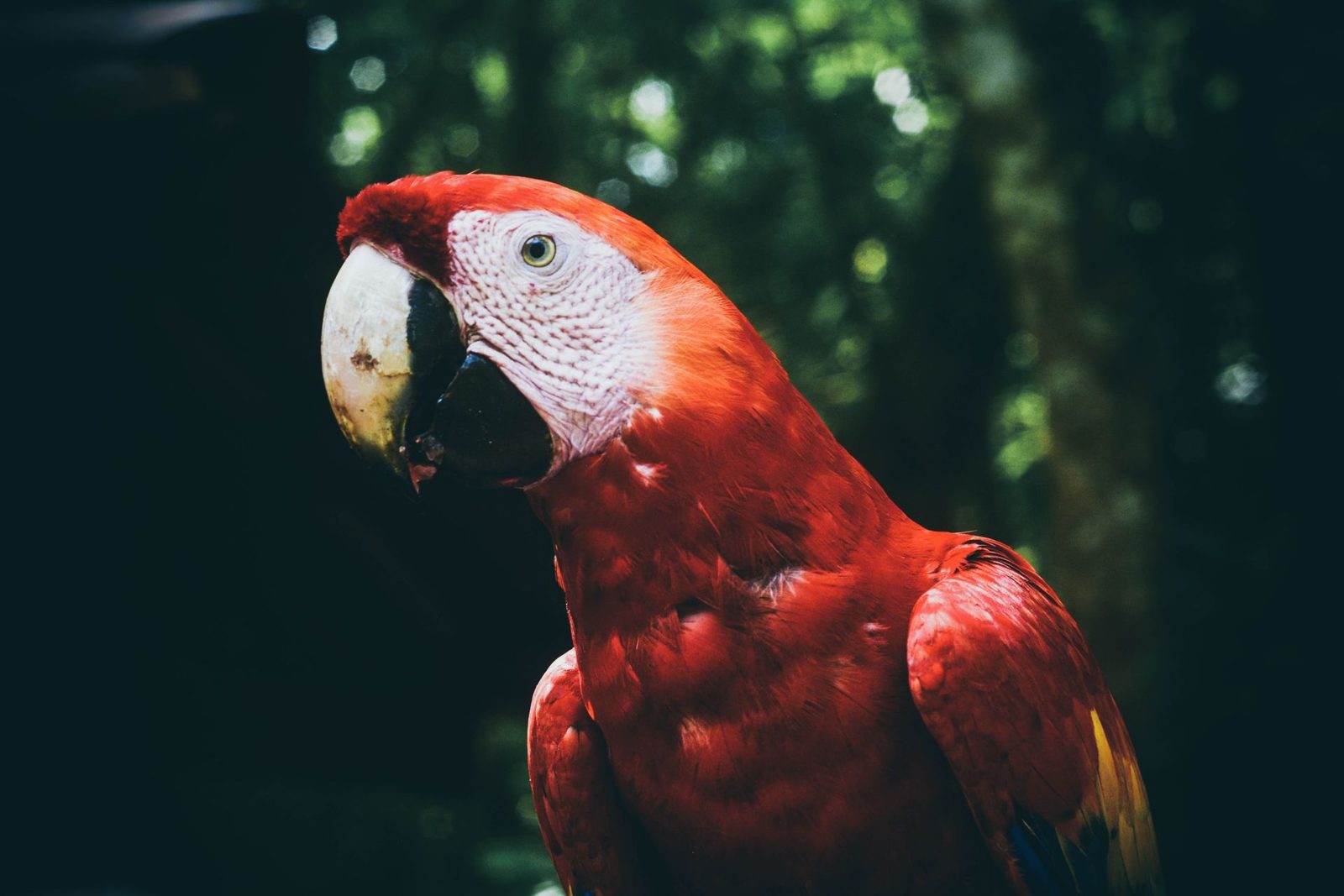
The Maya site of Copán with its carved stelae and Hieroglyphic Stairway, the Macaw Mountain bird park and the village of Copán Ruinas.