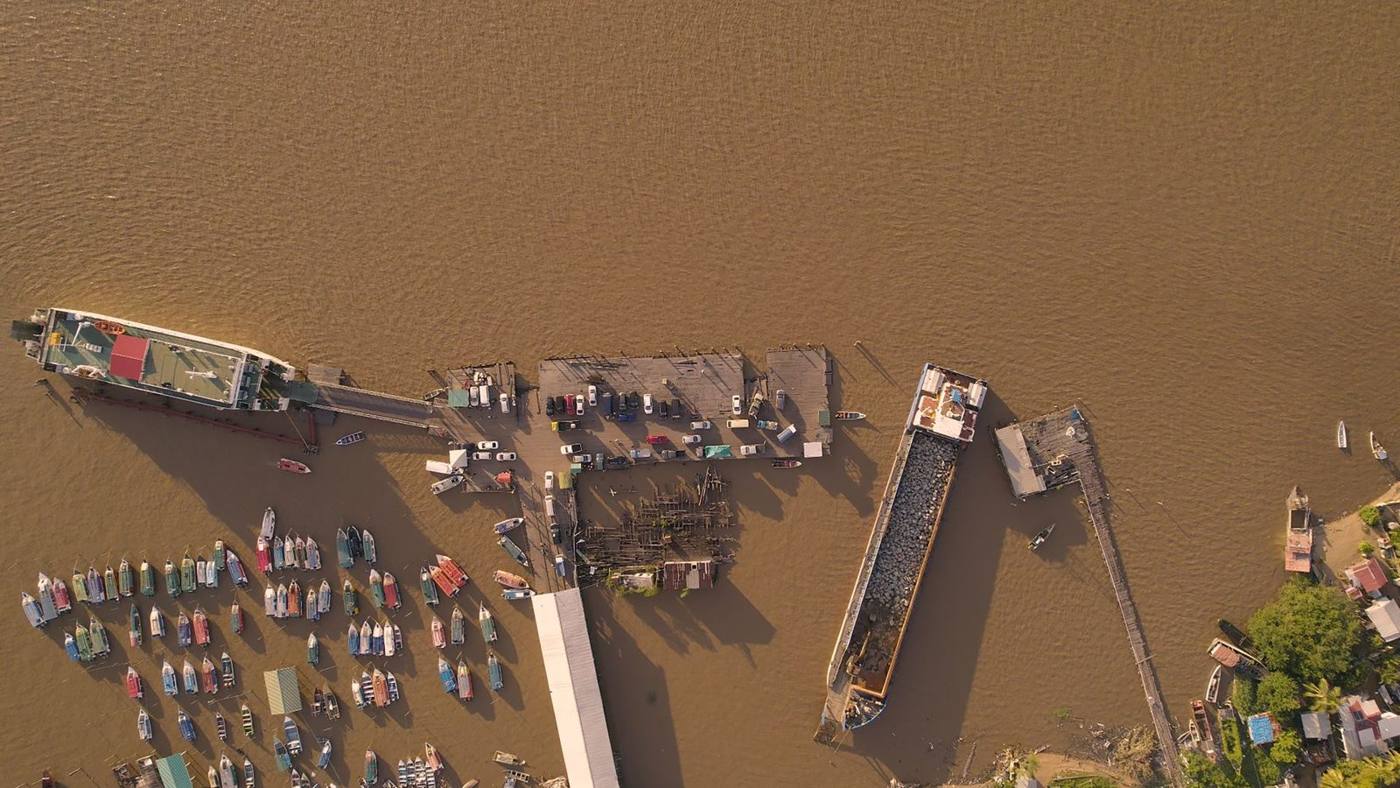
Georgetown and the Essequibo river
The wooden colonial capital, Stabroek market, the botanical gardens with manatees and a lodge at the mouth of the Essequibo.
- Georgetown
- Stabroek
- Giardini botanici
- Parika
- Essequibo
Day by day
- Day 1
Georgetown, Stabroek Market and the botanical gardens
This short trip is a taste of Guyana, the only English-speaking country in South America: the wooden capital, Georgetown, Stabroek Market, the botanical gardens with their manatees and two days at the mouth of the great Essequibo River.
Before you go: Italian citizens enter Guyana with a passport valid for at least six months from arrival, without a visa for stays of up to 90 days. Other nationalities should check their own rules. The yellow fever vaccine is recommended and the certificate is needed if you arrive from a country at risk. Some areas on this trip are close to borders or places where the situation changes often: check your government's travel advice before booking and again before you leave.
Georgetown lies at the mouth of the Demerara River, below sea level at high tide: a long sea wall and a network of canals, built by the Dutch, protect it from the water. In the morning visit St George's Anglican Cathedral, from the late nineteenth century, one of the tallest wooden churches in the world, white, with high, bright vaults. Then pass the Gothic-style City Hall, also made of wood.
In mid-morning go to Stabroek Market, the large iron building with a clock tower by the river, the symbol of the city. Inside they sell everything: fish, spices, fruit, clothes and household goods. Go only with a local guide, by day, without valuables.
In the afternoon visit the botanical gardens, with water lily ponds, palms and birds. Manatees live in the canals and come to the surface to eat grass.
Practical tip: in Georgetown get around by pre-booked taxi, do not walk around after dark and do not travel to the airport at night.
- Day 2
From Parika to the mouth of the Essequibo
Today you leave the capital and reach the Essequibo River, the largest in Guyana.
In the morning head west with a driver. You cross the Demerara River on the long floating bridge, then the road runs between rice fields, sugar cane plantations and villages with Hindu temples, mosques and wooden churches. Guyana's population has very different origins: descendants of Africans, of Indians who came to work on the plantations, of indigenous peoples, of Portuguese and of Chinese. You see this variety in the places of worship and taste it in the food.
In about an hour you reach Parika, the port on the Essequibo. On Sundays there is a big market near the jetty. From here you board a speedboat and cross the very wide river mouth, with many islands covered in forest and fields. In places you cannot see the other bank.
You arrive at your lodging on the bank or on an island, in the forest. In the afternoon take a canoe or boat trip through the small channels between mangroves and trees: this is the best time to see birds. Look for the hoatzin, Guyana's national bird, with its punk crest and brown feathers, which lives on branches above the water and makes a hoarse call. You also see herons, kingfishers, parrots and toucans.
In the evening listen to the sounds of the forest: frogs, insects and, sometimes, howler monkeys.
Practical tip: bring a strong insect repellent and long sleeves for the evening, and ask your doctor about antimalarials for the interior.
- Day 3
Fort Island and the river forest
Today you explore the islands and forest at the mouth of the Essequibo.
Early in the morning, before the heat, take a forest walk with a local guide. The guide shows you trees used as medicine, plants that give fibres and dyes, leafcutter ants and animal tracks. With some luck you see squirrel monkeys, iguanas and blue morpho butterflies.
Then go by boat to Fort Island, a small island in the river with Fort Zeelandia, a brick fort built by the Dutch in the eighteenth century, when this was the colony of Essequibo. Next to the fort is the old court building, which now houses a small museum on the history of the colony, of slavery and of the river peoples. Check prices and times.
In the afternoon rest on the bank or swim where the guide says it is possible: the water of Guyana's rivers is dark, the colour of tea, because of substances from the leaves, but it is clean. If you prefer, go fishing with local fishermen or visit a village on the island, with houses on stilts, schools and small churches.
At sunset go back out on the river by boat: the sky turns orange and thousands of birds return to the trees for the night.
For dinner try Guyanese dishes: pepperpot, a meat stew with cassareep, a dark cassava sauce from the indigenous peoples, curry with roti and river fish.
Practical tip: on the boat always wear your life jacket and keep your phone in a waterproof bag.
- Day 4
Back to Georgetown
Today you return to Georgetown and end the trip.
In the morning take a last boat trip at dawn for the birds, then cross the mouth of the Essequibo back to Parika and drive to the capital.
In the afternoon, if your flight leaves late or tomorrow, visit the Promenade Gardens, a small colonial garden with tropical trees and a bandstand, or the national museum, with stuffed animals, objects of the indigenous peoples and the history of the country. Check prices and times. At sunset walk along the Seawall, where the people of Georgetown gather on Sunday evenings to enjoy the cool air, look at the sea and eat.
Before you leave buy a souvenir: Guyanese rum, aged in barrels, is among the most famous in the Caribbean; or crafts made by indigenous peoples in wood and palm fibre.
In these four days you have seen a little-known country that is changing fast with oil: colonial wooden Georgetown, Stabroek Market, the manatees of the botanical gardens and the forest, islands and birds of the Essequibo mouth.
When to go: from September to April, with the driest period between September and November. Guyana has two rainy seasons, the heavier from May to July and a shorter one between December and January.
Practical tip: the international airport is about an hour south of Georgetown; book your taxi in advance and travel by day.
A short taste of a little-known country, South America's only English-speaking one. Georgetown is chaotic but has interesting colonial architecture. The country is changing very fast with oil.
Before you go
- Documents and visa
- Passport valid for at least six months from arrival; Italian citizens need a visa only for stays over 90 days. On entry you must declare all the foreign currency you carry. Travel to and from Venezuela is not currently possible.
- Health and vaccines
- A yellow fever vaccination certificate is required from the age of 12 months if you arrive from a country at risk, even after a stopover of more than 12 hours; the vaccine is recommended anyway, because there is a risk throughout the country. Malaria throughout the interior, with antimalarials advised; very low risk in Georgetown and on the coast. Dengue, Zika and chikungunya are also present. Medical facilities are very limited, even in the capital: you need insurance with repatriation. Ambulance: 913.
- Money and payments
- Guyanese dollar. US dollars are accepted at many lodgings and for domestic flights. Use ATMs inside banks or shopping centres and carry cash for the interior.
- Power sockets
- Types A and B, 110 or 220 volts depending on the area: bring an adapter and check the voltage of your devices.
- Time zone
- UTC-4 all year.
- Safety
- The United States rates Guyana at level 3 because of violent crime, which is common especially at night. The United Kingdom reports that foreigners have been targeted at Stabroek Market, Tiger Bay, Albouystown and Sophia, that visitors have been assaulted in the Botanical Gardens, and that gangs have followed cars from Cheddi Jagan airport. In Georgetown use pre-booked taxis from reputable companies. Venezuela disputes the border and claims the Essequibo region: the border area is tense, with organised crime and no official crossings. Official advice: GOV.UK.
Information checked in November 2026 for Italian and EU citizens. Rules change: always check before you travel.
Variations
In 3 days: Georgetown and a single night on the Essequibo.
In 7 days: add a flight to Kaieteur Falls and two nights in the Rupununi savannah.
Frequently asked questions
What document do I need for Guyana?
Italian citizens enter with a passport valid for at least six months from arrival, without a visa for stays of up to 90 days. Other nationalities should check their own rules.
Can I visit Stabroek Market?
Yes, but it is better to go by day, with a local guide and without valuables. Before you leave check your government's travel advice.
Do I need vaccinations for Guyana?
The yellow fever vaccine is recommended and the certificate is needed if you arrive from a country at risk. For the interior ask your doctor about antimalarials.
Indicative itinerary written by World Atlas. Before booking, check timetables, seasonal openings, documents and safety.
 1 daysEasy
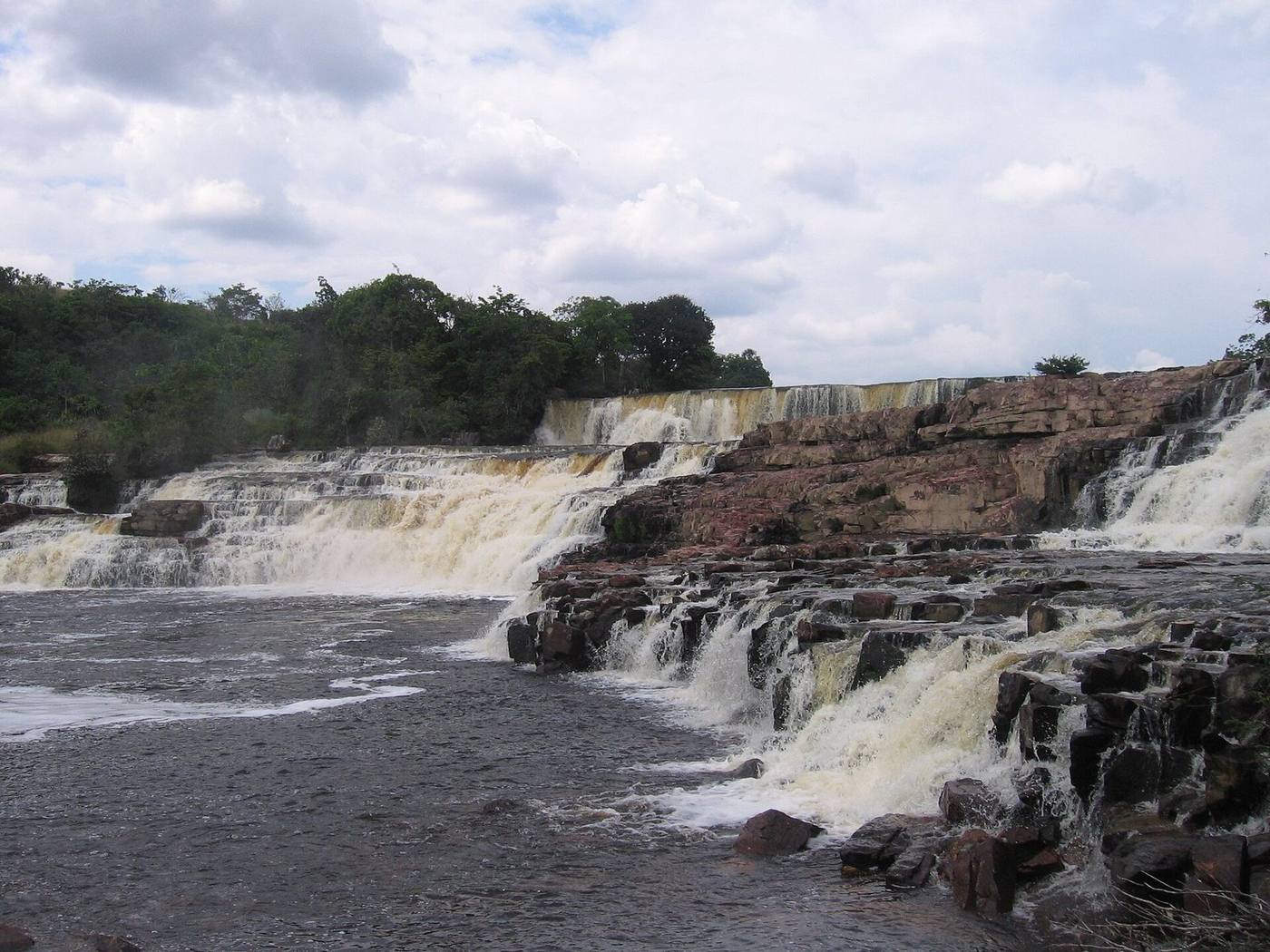
Kaieteur and Orinduik in a day
A small-plane flight from Georgetown over the forest: Kaieteur Falls, one of the world's most powerful single-drop waterfalls, then the stepped Orinduik Falls, where you can swim.
 4 daysModerate
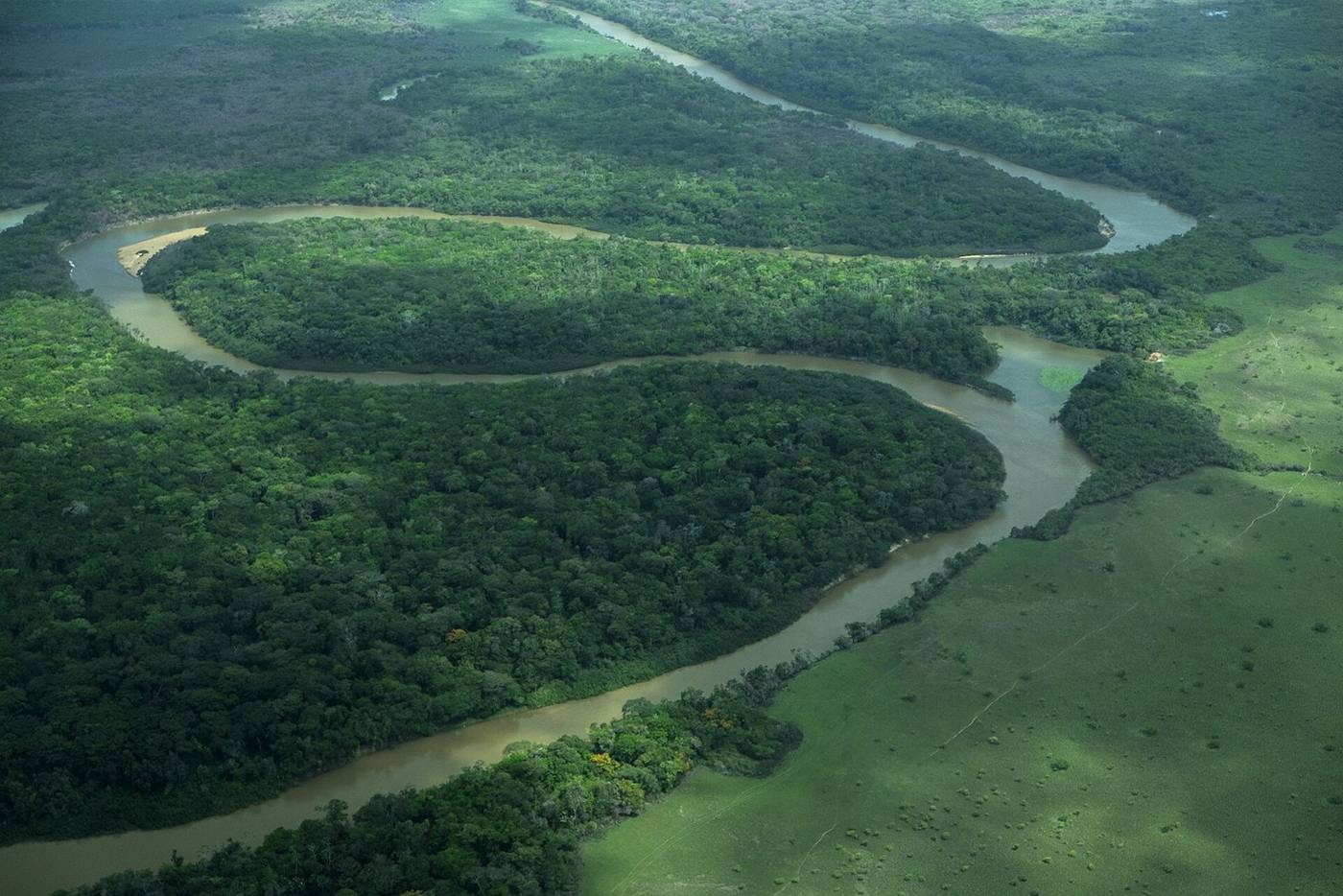
The Rewa River
An Amerindian community lodge where the Rewa meets the Rupununi: canoeing through the forest, giant otters, black caimans, birds, the climb of Awarmie Mountain and catch-and-release fishing for the giant arapaima.
 7 daysModerate
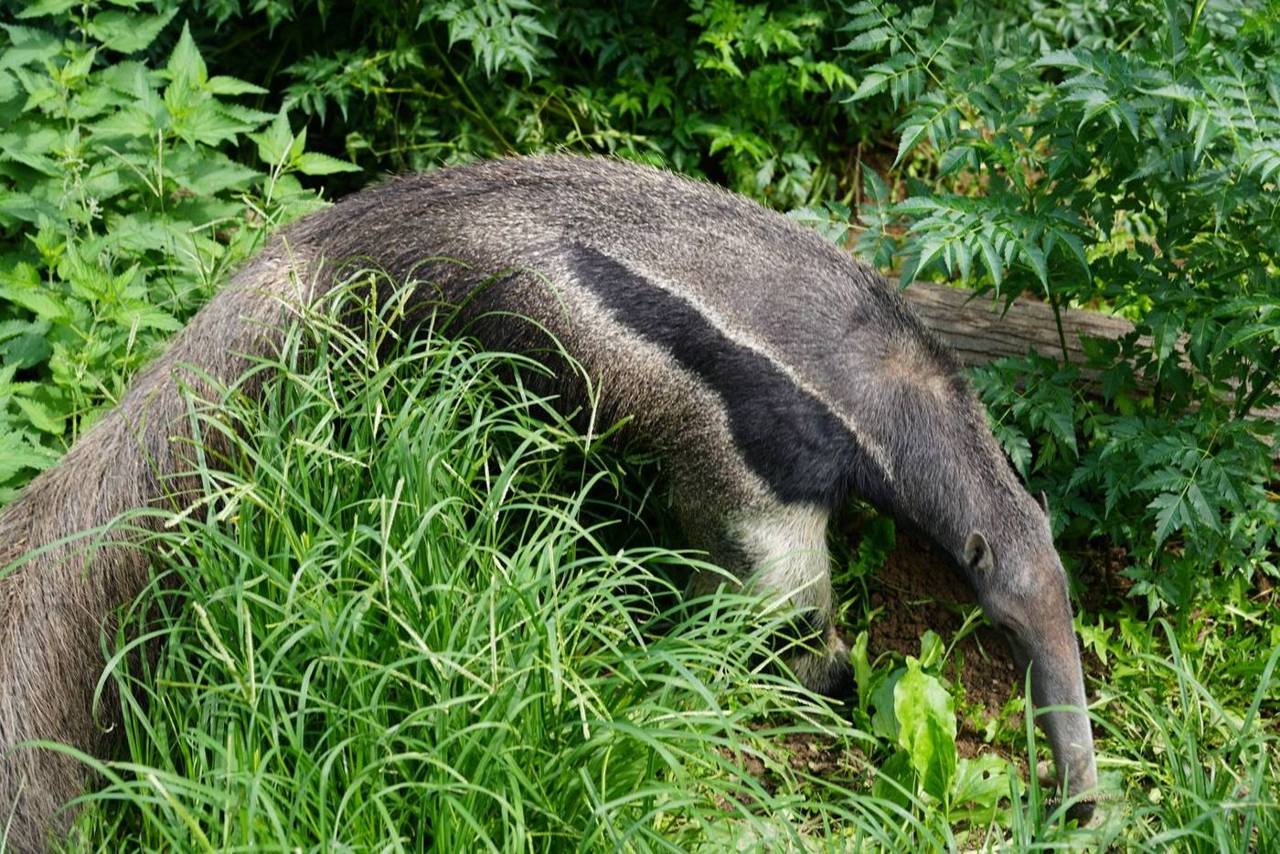
Kaieteur and the Rupununi savannah
The flight to Kaieteur Falls, five times higher than Niagara, the Iwokrama canopy walkway and the community lodges of the Rupununi with giant otters and anteaters.