Semuc Champey and the Verapaces
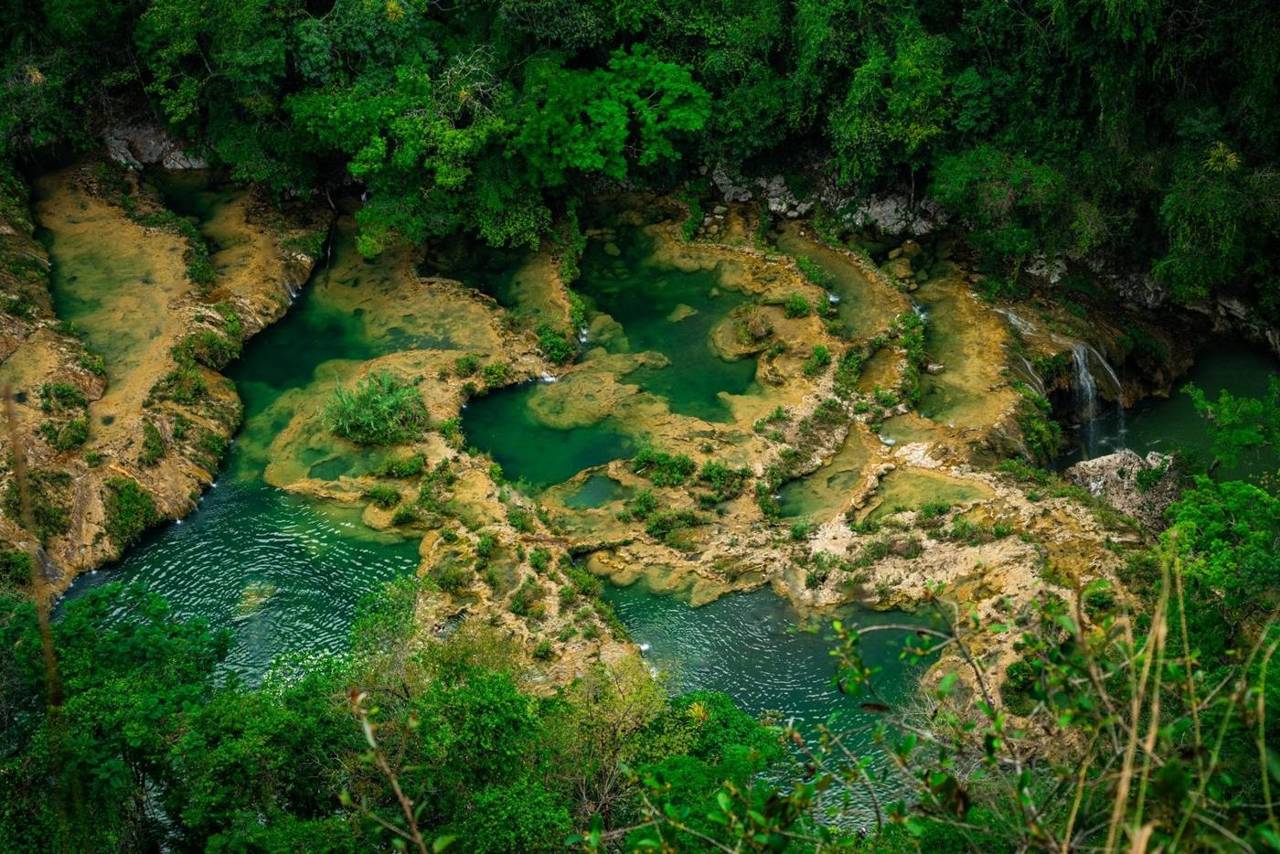
The turquoise pools of Semuc Champey above an underground river, the K'anba cave by candlelight and the cardamom farms of Cobán.
- Antigua
- Cobán
- Lanquín
- Semuc Champey
- K'anba
Day by day
- Day 1
The long road to Cobán
This five-day trip takes you from Antigua to the Verapaces, the green and rainy region in the north of the highlands: the town of Cobán, the caves of Lanquín, the turquoise pools of Semuc Champey above an underground river, the K'anba cave by candlelight and the Cahabón river on an inner tube.
Before you go: Italian citizens enter Guatemala with a passport valid for at least six months from the date of arrival, and without a visa for stays of up to 90 days, which count in total for El Salvador, Honduras and Nicaragua too; before entering, complete the online immigration declaration. Other nationalities should check their own rules. The United States advises reconsidering travel to Guatemala because of crime; the United Kingdom reports armed robberies on many tourist routes. Since 14 November 2026 the departments of Izabal and Zacapa have been under a 30-day state of emergency: this route does not cross them, but follow local news. Travel only by day, by tourist shuttle or with a driver, because the mountain roads to Cobán and Lanquín are narrow, with bends, fog and landslides.
Leave Antigua at dawn. The road drops towards the dry Motagua valley and then climbs north into Baja Verapaz, through pines, ferns and ever damper woods. Stop at the Biotopo del Quetzal, a protected area of cloud forest beside the road: short trails pass mosses, orchids and small waterfalls. Seeing the quetzal, the national bird, is rare, but the forest is worth the stop.
You reach Cobán in the afternoon, often under a fine drizzle. In the evening try kak'ik, the red turkey soup of Q'eqchi' cooking.
Sleep in Cobán.
Practical tip: keep a waterproof jacket and a jumper handy, because evenings in Cobán are cool.
- Day 2
Cobán and the caves of Lanquín
Today you get to know the main town of the Verapaces and then drop down into the valley of the Lanquín river.
In the morning walk around the centre of Cobán. Facing the central park stands the cathedral of Santo Domingo, white and simple. Then climb the long staircase to the Calvario church, on a hill above the town: along the steps and in front of the church Q'eqchi' families light candles and leave offerings, and from the top you see the roofs and the green hills all around. Call in at the market, where women sell vegetables, flowers and sacks of cardamom and coffee, the two great crops of the region: Guatemala is one of the world's largest producers of cardamom.
After lunch take the shuttle to Lanquín. The road winds down through the plantations, with endless bends, in about two hours. Lanquín is a small village at the bottom of the valley, with the river running green between the rocks.
In the late afternoon visit the caves of Lanquín, a national park just outside the village. A lit path goes some way into the mountain, among stalactites and tall, damp chambers. Check prices and times. Stay at the entrance until sunset: thousands of bats pour out of the mouth of the cave together and fly over your head towards the river.
Sleep near the river, in the Lanquín area, for three nights.
Practical tip: inside the cave the floor is wet and slippery, so wear shoes with a good grip and bring a torch.
- Day 3
Semuc Champey and the K'anba cave
Today is the highlight of the trip: the pools of Semuc Champey and a cave you cross by swimming.
Set off early by pickup, sitting in the back or in the cab. The track to Semuc Champey is unpaved and steep, about ten kilometres through maize fields and forested hills. At the entrance to the natural monument, run by the national protected areas authority, you pay for your ticket: check prices and times.
Start with the trail to the viewpoint, a steep climb through the woods with wooden steps, roots and mud. From the top you see the secret of the place: the Cahabón river roars under a natural limestone bridge and vanishes underground, and on top of the bridge lies a staircase of turquoise and green pools, fed by springs and streams.
Walk down and swim in the pools. The water is cool and clear, and you can move from one pool to the next by walking over the rocks or sliding down the small drops. Do not go beyond the ropes and signs, where the river comes back to the surface with great force.
In the afternoon go into the K'anba cave, just before the park entrance, with a guide. You walk and swim in the dark holding a candle, climb wooden ladders and ropes and pass under small waterfalls. You need to be able to swim.
Sleep in the Lanquín area.
Practical tip: in the cave wear water shoes or closed sandals, and leave your phone and money at your lodging or in a dry bag.
- Day 4
Tubing on the Cahabón river
Today you slow down and spend the day on the river, in the green of the valley.
In the morning float down the Cahabón river sitting in a large inner tube, together with a guide. You get into the water along the valley and let the current carry you for an hour or two, past walls of forest, children playing on the bank and women washing clothes on the stones. In some stretches the current speeds up and you have to keep your legs high so as not to hit the rocks. Always wear a life jacket and ask the guide where to stop if the river is high.
After lunch rest in a hammock near the water. If you still have energy, walk towards one of the villages in the valley: Q'eqchi' families grow maize, beans and cacao, and in some homes you can see how cacao beans are roasted and ground by hand to make chocolate. Always ask before going in or taking photos. Here almost everyone speaks Q'eqchi', a Maya language, and Spanish is the second language: learn to say thank you, bantiox.
At sunset sit on the riverbank and listen to the frogs and insects of the forest. Have dinner early in the evening, because tomorrow's road is long.
Sleep in the Lanquín area.
Practical tip: bring water-resistant sun cream and a long-sleeved shirt, because on the river the sun burns even when the sky is hazy.
- Day 5
Back to Antigua
Today you leave the Verapaces and head back towards Antigua.
Leave at dawn by shuttle. The first stretch, as far as Cobán, climbs the valley through bends and plantations; then the road crosses the cloud forest of Baja Verapaz again and drops into the Motagua valley, hotter and drier, with cacti and irrigated fields. Allow a whole day of travel, with stops for lunch and to stretch your legs. Reach Antigua before dark: if the shuttle is late, sleep in Cobán and carry on the next day rather than driving at night.
In the evening walk around the centre of Antigua, along the cobbled streets and the colourful façades, and enjoy a warm dinner after your days in the jungle.
In these five days you have seen the greenest side of Guatemala: the cloud forest of the Verapaces, Cobán with its hills of cardamom and coffee, the caves of Lanquín with the bats at sunset, the turquoise pools of Semuc Champey above the underground river, the darkness of the K'anba cave and the slow current of the Cahabón.
When to go: from December to April, in the dry season, when the roads are better and the water in the pools is clearer. From May to October it rains often; after heavy storms the river rises and the water turns murky, and the park may close for safety.
Practical tip: before leaving Lanquín confirm the shuttle time, and bring water and something to eat for the journey.
One of the country's most beautiful natural spots, but remote: roads are slow and unpaved at the end. The K'anba cave is done swimming with a candle in hand. After rain the water turns murky.
Before you go
- Documents and visa
- Passport valid for at least six months from your arrival date; no visa is needed for stays of up to 90 days. The period counts in total for Guatemala, El Salvador, Honduras and Nicaragua and does not restart when you cross from one country to another. Before entering and leaving, complete the online immigration declaration and keep the QR code. The airport departure tax is usually included in your ticket.
- Health and vaccines
- There is a risk of dengue, Zika and chikungunya, and of malaria in some lowland areas: ask a travel health clinic. If you arrive from a country at risk you need a yellow fever vaccination certificate. In Antigua, Xela and on the volcanoes you feel the altitude and nights are cold. Drink bottled water. You need insurance covering medical costs and repatriation.
- Money and payments
- Quetzal. US dollars are easy to change, but in markets and villages you pay in quetzales. Cards work in hotels and town shops; use cash machines by day, inside banks or shopping centres.
- Power sockets
- Types A and B, 120 volts: you need an adapter for American plugs, and check that your devices accept this voltage.
- Time zone
- UTC-6 all year.
- Safety
- The United States advises reconsidering travel because of crime and says do not travel to the departments of San Marcos and Huehuetenango, Zone 18 of Guatemala City and Villa Nueva. The United Kingdom advises against all but essential travel within 5 km of the Mexican border, from the Pacific coast up to the Gracias a Dios crossing, and to some towns in Huehuetenango. Since mid-November 2026 a 30-day state of exception has been in force in the departments of Izabal and Zacapa. Canada advises against the Melchor de Mencos crossing into Belize. There have been armed robberies on tourist routes: travel by day, by shuttle or organised transport, and avoid public buses. Before climbing volcanoes check the INSIVUMEH and CONRED alerts and go with authorised guides. Official advice: GOV.UK.
Information checked in November 2026 for Italian and EU citizens. Rules change: always check before you travel.
Variations
Shorter: four days, skipping the tubing and leaving Lanquín on the fourth day.
Longer: add a night in Cobán to visit a coffee or cardamom plantation and go back to the Biotopo del Quetzal at dawn.
Frequently asked questions
How long is the road from Antigua to Lanquín?
Allow almost a whole day, with many bends. The last stretch to Semuc Champey is a dirt track done by pickup. Travel only by day.
Do I need to be able to swim?
For the K'anba cave, yes, because some stretches are done swimming. The pools of Semuc Champey have shallow areas, but in places the water is deep.
When is the water at its best?
In the dry season, from December to April. After heavy rain the river rises, the water turns murky and the park may close.
Indicative itinerary written by World Atlas. Before booking, check timetables, seasonal openings, documents and safety.
 2 daysEasy
Chichicastenango
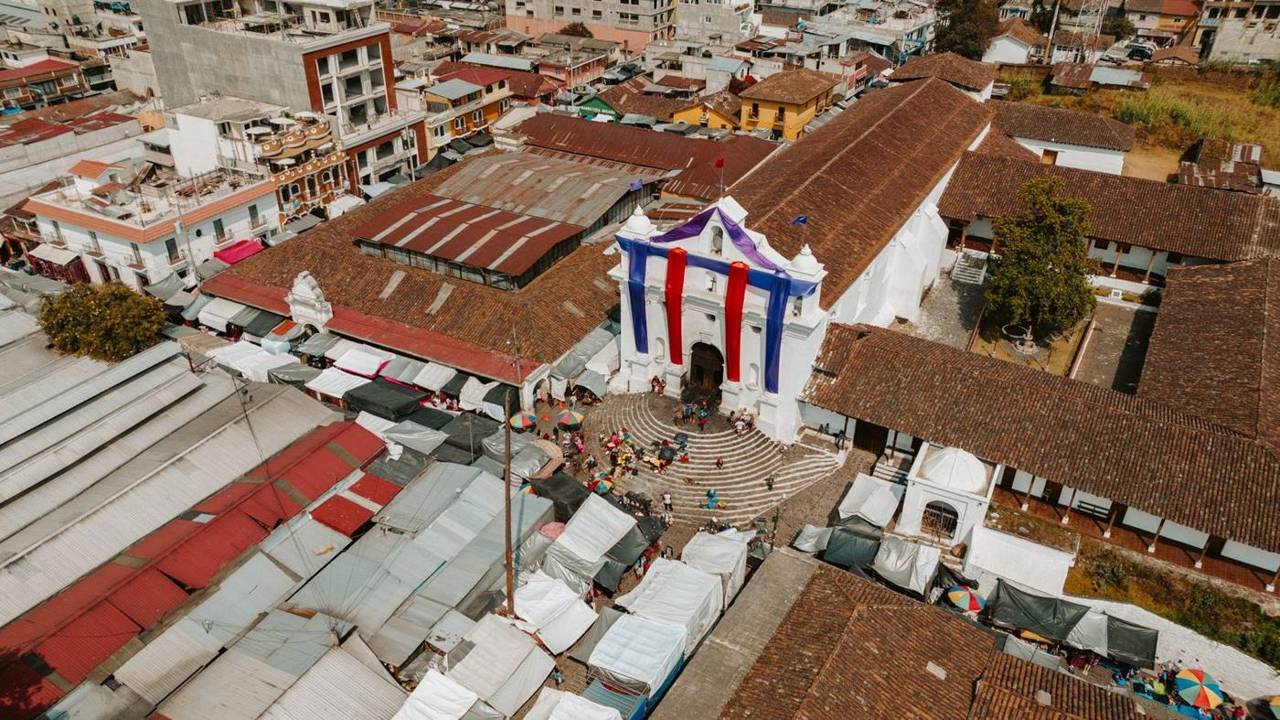
Central America's most famous Maya market, on Thursdays and Sundays, with Santo Tomás church, incense rituals on its steps and the colourful cemetery.
 3 daysModerate
Xela and Laguna Chicabal
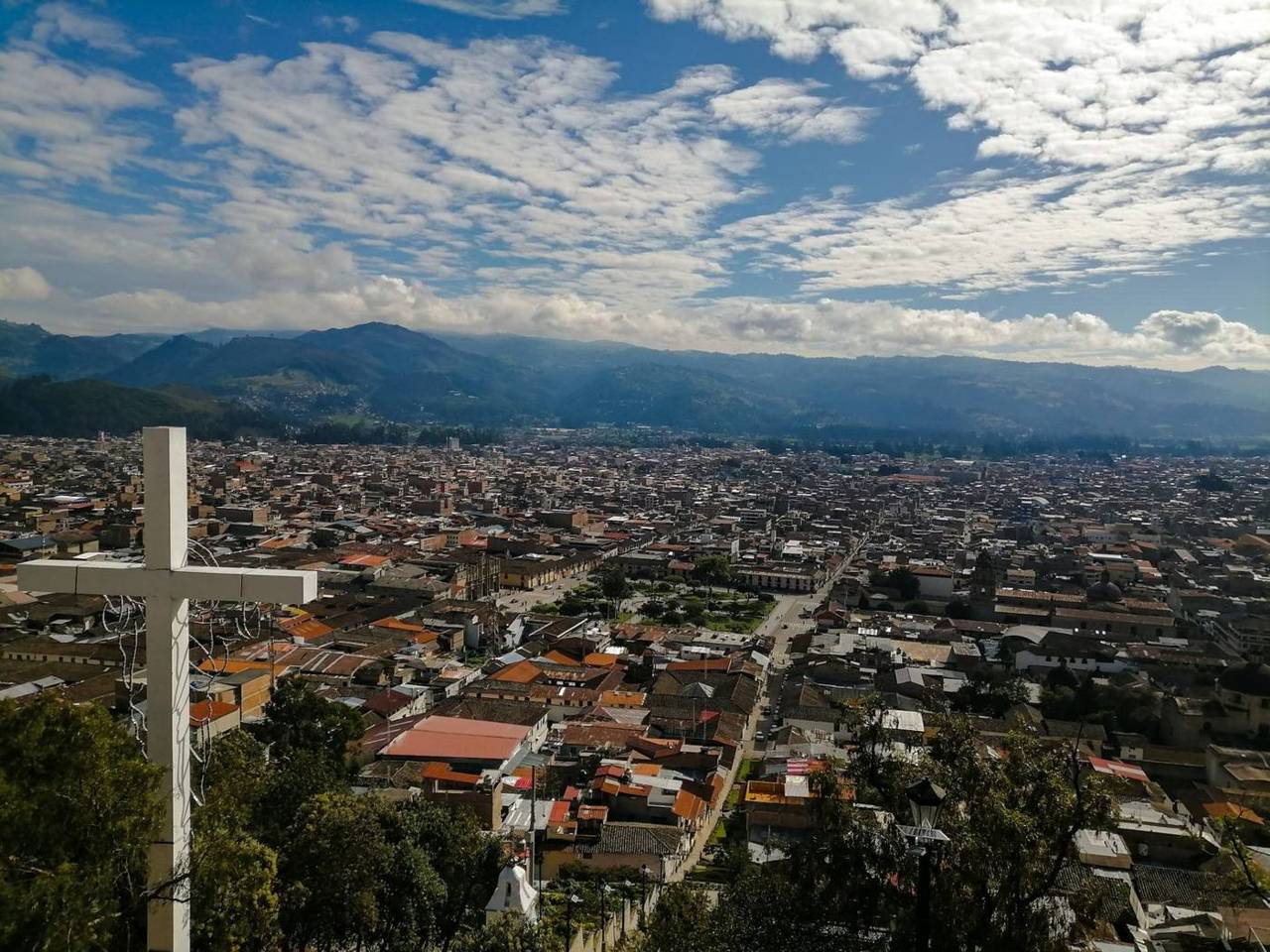
Quetzaltenango, the second city, with its Spanish schools, the Fuentes Georginas hot springs and the sacred lake in the Chicabal crater, wrapped in mist.
 2 daysChallenging
Acatenango volcano
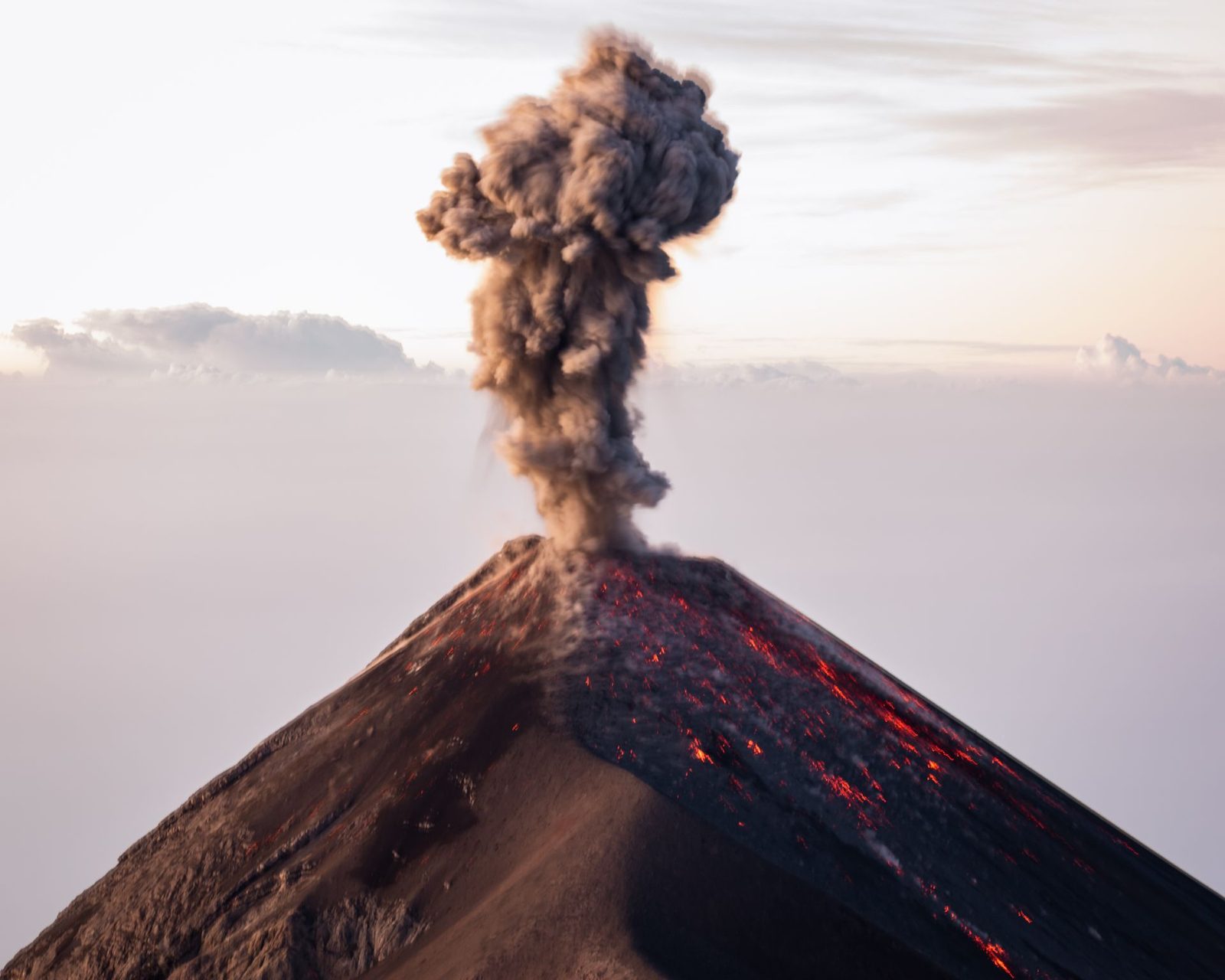
A night in a tent at almost 3,700 metres on Acatenango, facing erupting Fuego, and the dawn climb to the summit with views of Antigua and the volcanoes.