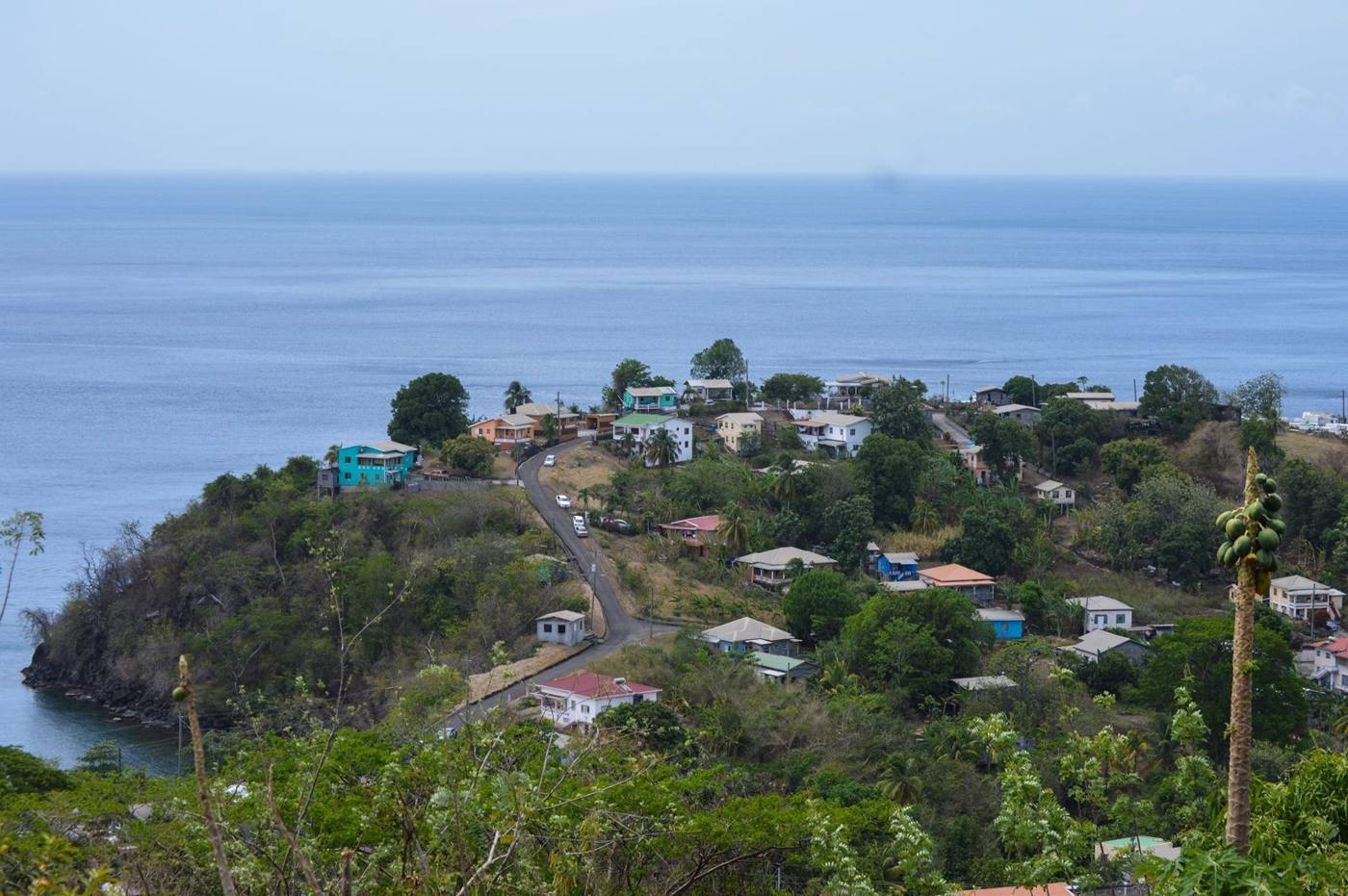
The spice island
St George's harbour, nutmeg and cocoa estates, the River Antoine distillery, the Grand Etang waterfalls and the underwater sculpture park.
- St. George's
- Grand Anse
- Grand Etang
- Belmont Estate
- River Antoine
- Molinere Bay
Day by day
- Day 1
St George's and the Carenage
This six-day trip introduces you to Grenada, the spice island: the capital St George's with the Carenage harbour, the underwater statues of Molinere Bay, the lake and waterfalls of Grand Etang, the cocoa and rum of the north and the beach of Grand Anse.
Before you go: Italian citizens enter Grenada with a passport, ideally valid for at least six months from the date of arrival, and without a visa for tourist stays of up to 90 days; you may be asked for a return ticket. Other nationalities should check their own rules. Grenada is calm, but the United Kingdom reports thefts and some violent crime: do not leave belongings unattended, avoid isolated beaches and roads after dark and use licensed taxis. Currents can be strong and not all beaches have lifeguards.
Arrive at the airport, in the south of the island, and settle in Grand Anse, a few minutes from St George's.
In the afternoon go into town. St George's is built on steep hills around a horseshoe harbour, the Carenage, with colourful houses and red-tiled roofs. Walk along the quay among the fishing boats and the stone warehouses. Then go through the Sendall Tunnel, dug under the hill in the nineteenth century, and walk up to Fort George, built by the French in the early eighteenth century on the point that guards the harbour entrance. From the top you see both sides of the town and the sea. Check prices and times.
In the evening go back to the Carenage and watch the lights reflected in the water.
Sleep in Grand Anse, for five nights.
Practical tip: the streets in the centre are very steep: wear comfortable shoes and walk in the cooler hours.
- Day 2
The underwater statues of Molinere Bay
Today you explore the seabed of the west coast, where art and coral meet.
In the morning head north by boat with a snorkelling or diving centre with certified instructors. In about twenty minutes you reach Molinere Bay, a marine protected area: there is a small fee, often included in the trip. Check prices and times.
Here the British sculptor Jason deCaires Taylor placed the first statues in 2006, to grow a new reef after the damage caused by Hurricane Ivan. Over the years they have become covered with corals, sponges and algae, and today tropical fish swim around them. The most famous sculpture is a circle of children holding hands, facing the open sea. Not far away a man sits at his desk, with his typewriter.
The statues lie just a few metres deep: you can see them well with a mask and snorkel, even if you are not a strong swimmer. Certified divers can go down with scuba gear and swim around the figures.
On the way back the boat often stops in a bay for another swim or some snorkelling over the rocks.
In the afternoon relax at Grand Anse.
In the evening try oil down, the national dish, with breadfruit, vegetables and meat cooked in coconut milk with turmeric.
Sleep in Grand Anse.
Practical tip: do not touch the statues and keep your fins away from the bottom, because the corals are alive and break easily.
- Day 3
Grand Etang and the waterfalls
Today you climb into the rainforest in the centre of the island.
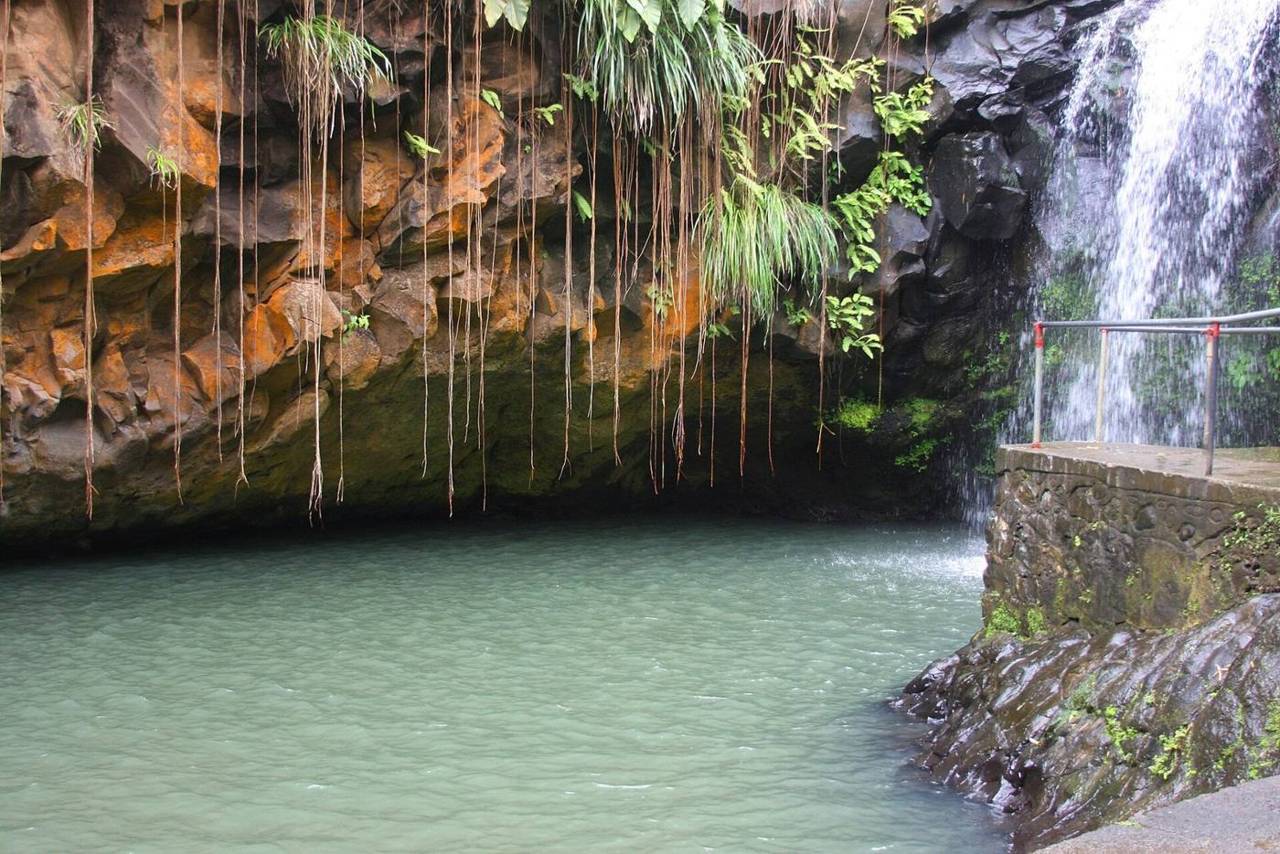
In the morning set off with a driver along the road that climbs from St George's through the bends and the thick vegetation. Stop at Annandale Falls, close to the road: a short path among spice plants leads to a waterfall dropping into a pool. You can swim; sometimes local young men dive from the top and ask for a tip. Check prices and times.
Then continue to the Grand Etang reserve, at over 500 metres above sea level. The lake fills the crater of an extinct volcano, surrounded by tree ferns and mist, inside a park that protects the rainforest at the heart of the island. Near the visitor centre look out for the mona monkeys, brought from West Africa centuries ago. Walk the trail around the lake, among trees covered with moss and orchids.
If you are fit, in the afternoon take the Seven Sisters trail with a guide; it is muddy and steep and goes down in about an hour to a series of waterfalls and pools where you can swim in cold water. Otherwise head back calmly towards the coast.
In the evening return to Grand Anse.
Sleep in Grand Anse.
Practical tip: in the mountains it often rains even in the dry season: bring a light jacket and shoes that can get wet.
- Day 4
The cocoa and rum of the north
Today you cross the farming north, where nutmeg, cocoa and rum are produced.
In the morning set off with a driver along the west coast and stop in Gouyave, the nutmeg village; the spice also appears on Grenada's flag. At the cooperative's station you see the seeds being dried, sorted by hand and bagged, and the mace, the red web that wraps them. Check prices and times.
Then continue towards the parish of St Patrick and visit a historic cocoa estate. You see the pods on the trees, the beans left to ferment and dry in the sun, and the workshop where they become chocolate, from bean to bar. Taste the dark chocolate, intense and not very sweet.
In the afternoon visit the historic distillery near the Antoine River, one of the oldest in the Caribbean still working. A large water wheel drives the cane mill, the juice boils in copper pans over wood fires and ferments in the open air. The rum is extremely strong: taste only a sip.
On the way back along the east coast you pass through Grenville, the island's second town.
Sleep in Grand Anse.
Practical tip: hire a driver for this day: the northern roads are narrow and after the tastings you should not drive.
- Day 5
A day at Grand Anse
Today there is no plan: it is a day for the sea.
In the morning walk down to Grand Anse beach, a long bay of fine white sand, with calm, clear water and, in the background, the hills and houses of St George's. It is considered one of the most beautiful beaches in the Caribbean and stays spacious even on holidays. Swim, walk along the shoreline to the end of the bay and rest in the shade of the trees.
If you want to be active, take a kayak or a boat to snorkel on the nearby reefs, or try a paddleboard lesson on the flat morning water.
For lunch eat a roti, a flatbread wrapped around chicken or vegetable curry, or grilled fish with rice and beans.
In the afternoon, if you prefer the town, go back to St George's for the market in Market Square, with stalls of spices, fruit and vegetables, and buy nutmeg, cinnamon and cocoa sticks to take home. The market is liveliest on Saturday mornings.
At sunset go back to the beach: the sun goes down into the sea in front of you and the sky turns orange.
Sleep in Grand Anse.
Practical tip: buy your spices at the market, whole and in sealed bags: they cost less than in tourist shops and keep longer.
- Day 6
Departure
Today is the last day.
In the morning have a final swim at Grand Anse, when the beach is almost empty and the water is at its calmest. Then have breakfast with tropical fruit such as papaya, mango and passion fruit, and a cup of spiced hot chocolate, the way it is drunk in Grenada.
Pack your bags calmly. The airport is a few minutes from Grand Anse, at the southern tip of the island, but arrive with time to spare for your international flight.
In these six days you have seen the many faces of Grenada: the colourful harbour of the Carenage and Fort George in St George's, the coral-covered statues of Molinere Bay, the crater lake and waterfalls of Grand Etang, the nutmeg of Gouyave, the cocoa and rum of the north and the white sand of Grand Anse. It is a welcoming, uncrowded island, where spices are everywhere, from the market to the kitchen. If you have more days, Carriacou and Petite Martinique, hit by Hurricane Beryl in 2024, are rebuilding and waiting for visitors.
When to go: from January to May, in the dry season, the sea is clearer and the trails are less muddy. In August there is Spicemas, the island's carnival. June to November is hurricane season: follow the forecasts.
Practical tip: pack chocolate and spices in your hand luggage, away from the heat, and keep nutmeg whole so it lasts longer.
A welcoming, authentic and uncrowded island. Grand Anse is one of the Caribbean's finest beaches. Carriacou and Petite Martinique, hit by Hurricane Beryl in 2024, are rebuilding.
Before you go
- Documents and visa
- Passport, ideally valid for at least six months from your arrival date; no visa is needed for tourist stays of up to 90 days. You may be asked for a return ticket and the address of your accommodation. Make sure your passport is stamped on arrival.
- Health and vaccines
- There is a risk of dengue and other mosquito-borne diseases: use repellent during the day too. Healthcare is limited, especially on Carriacou: you need insurance covering medical costs and repatriation.
- Money and payments
- Eastern Caribbean dollar, pegged to the US dollar, which is accepted almost everywhere. Cards work at accommodation and larger shops; carry cash for markets, buses and boat trips.
- Power sockets
- Type G, 230 volts: you need an adapter for British plugs.
- Time zone
- UTC-4 all year.
- Safety
- Grenada is a calm country, but the United Kingdom reports thefts of unattended belongings and some violent crime: avoid isolated beaches and roads after dark and use only licensed taxis. Currents can be strong and not all beaches have lifeguards. Hurricane Beryl hit Carriacou and Petite Martinique in July 2024 and rebuilding continues. June to November is hurricane season. Official advice: GOV.UK.
Information checked in November 2026 for Italian and EU citizens. Rules change: always check before you travel.
Variations
Shorter: four days, with St George's, Molinere Bay, Grand Etang and Grand Anse, without the north.
Longer: add three days on Carriacou, with Sandy Island and the Windward boatyards, reached by ferry or plane.
Frequently asked questions
Is Grenada good for a holiday with children?
Yes: beaches such as Grand Anse have calm water, the underwater statues can be seen with a mask and snorkel and Annandale Falls is easy to reach.
Is it worth hiring a car?
Traffic drives on the left, on narrow, winding roads. For the days inland and in the north a driver is more convenient; for Grand Anse and St George's minibuses and taxis are enough.
What should I buy in Grenada?
Whole nutmeg, mace, cinnamon, chocolate made on the island and cocoa sticks for hot chocolate. They cost less at the St George's market.
Indicative itinerary written by World Atlas. Before booking, check timetables, seasonal openings, documents and safety.
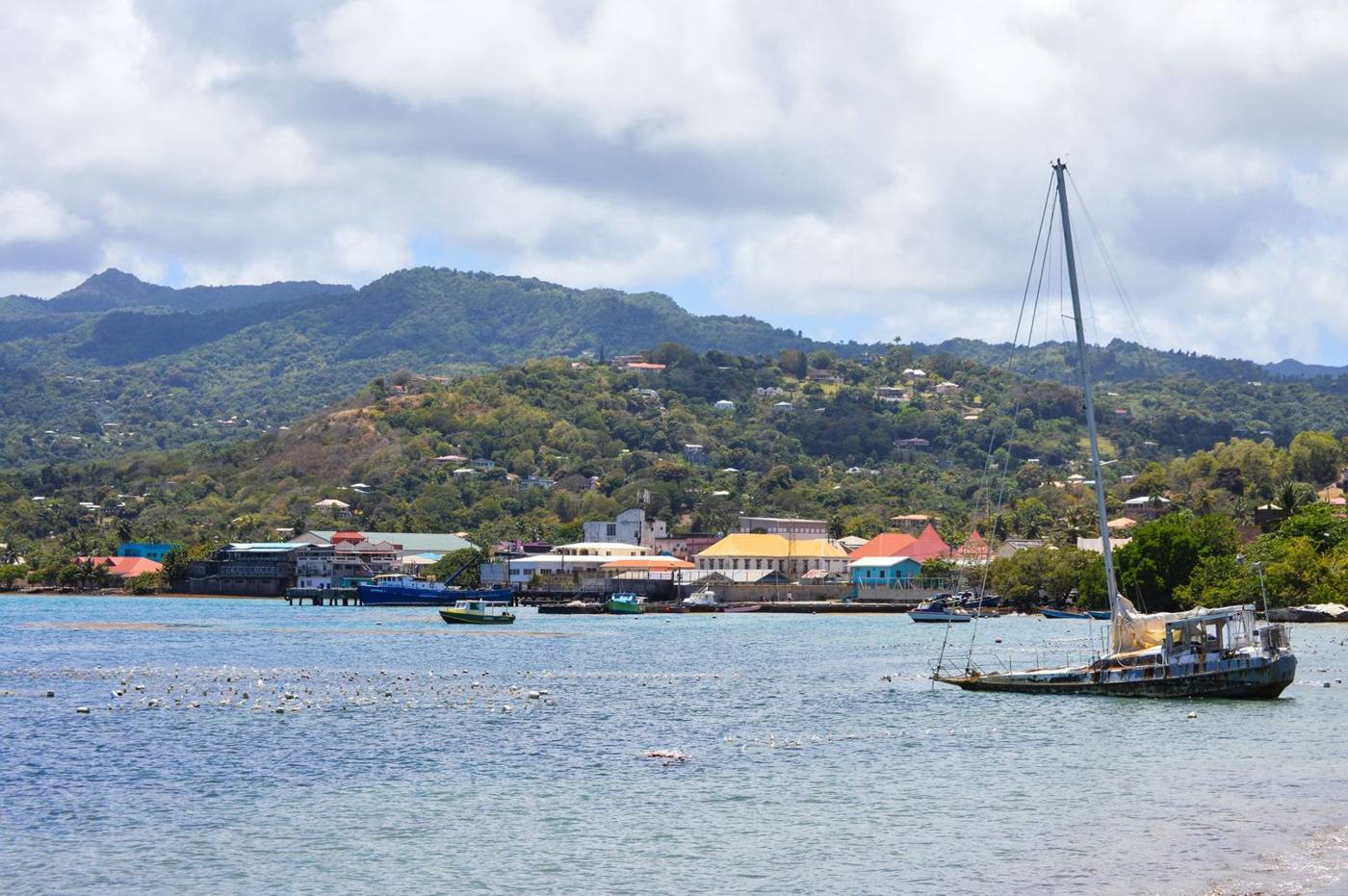 4 daysEasy
Carriacou
The small sister island with Sandy Island islet, Paradise Beach, traditional boatbuilding at Windward and quiet dives.
 2 daysModerate
Grand Etang and the waterfalls
Grenada's mountainous heart: the crater lake of Grand Etang, the forest with mona monkeys and the trail to the Seven Sisters, plus the Annandale and Concord waterfalls.
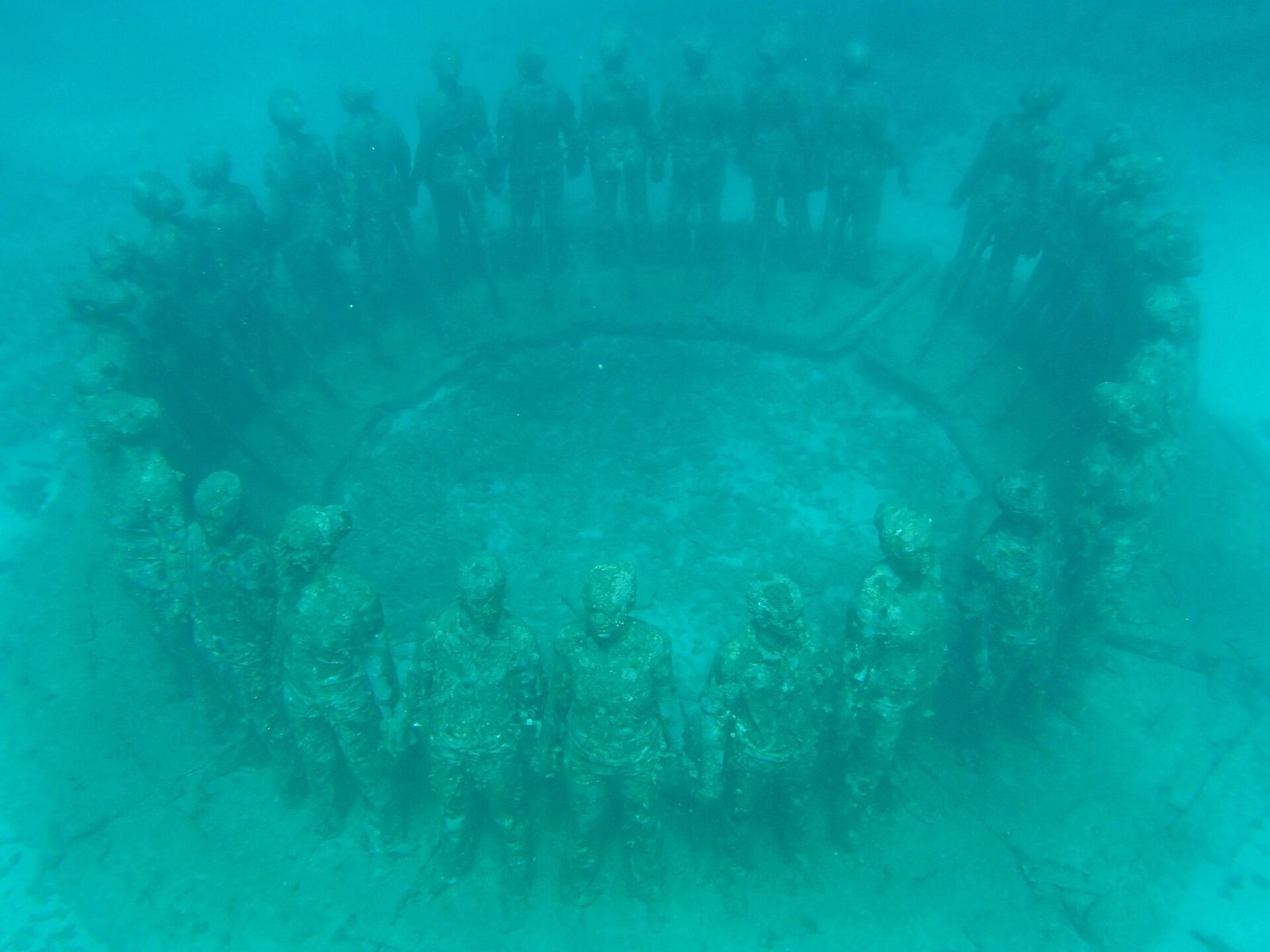 2 daysEasy
The underwater sculpture park
Jason deCaires Taylor's statues on the seabed of Molinere Bay, now an artificial reef, with snorkelling and diving, and the long beach of Grand Anse.