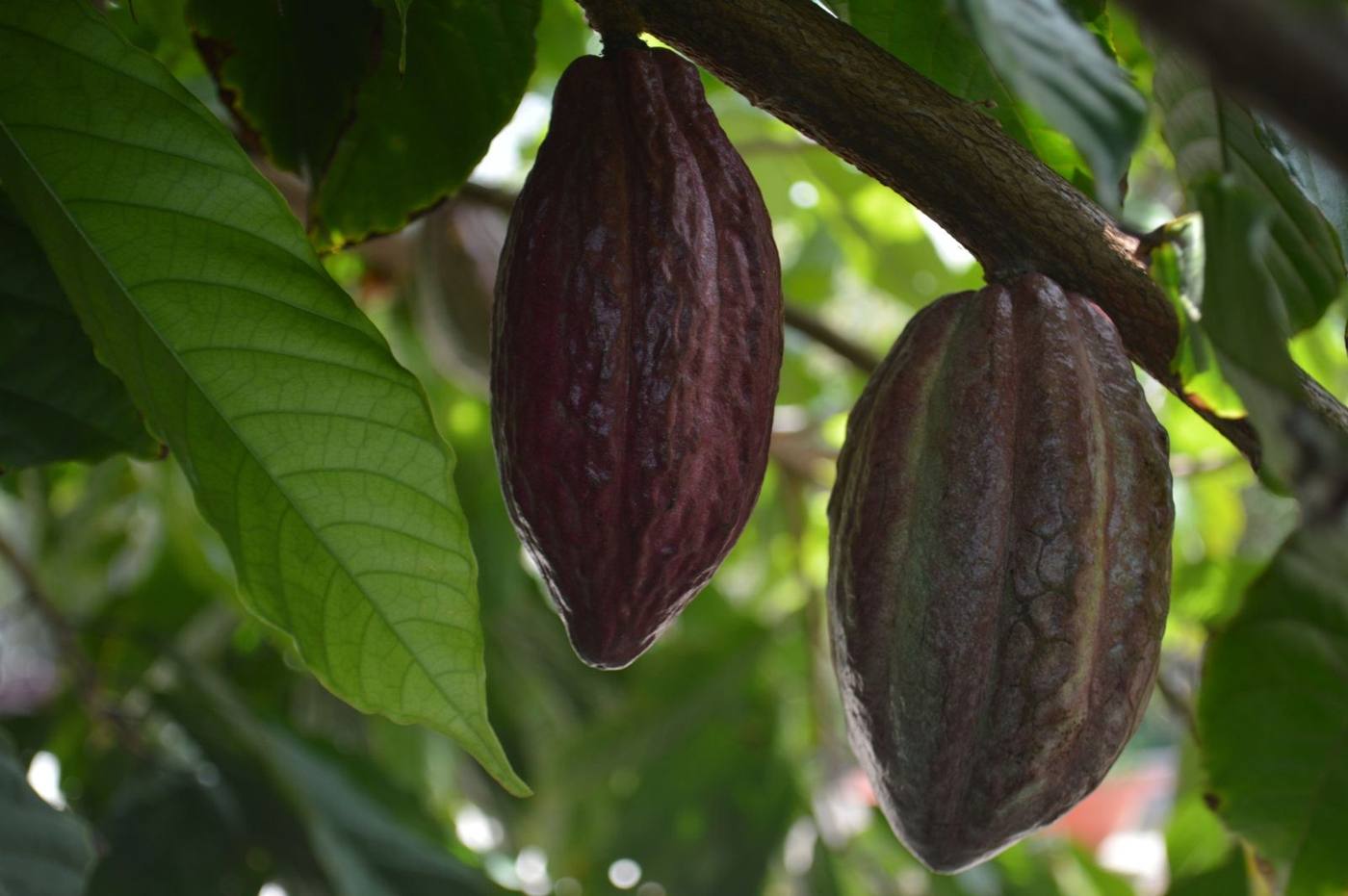
Chocolate and rum
The agricultural north of the spice island: the Belmont cocoa estate, bean-to-bar chocolate makers, the nutmeg of Gouyave and the historic River Antoine distillery with its water wheel.
- Gouyave
- Belmont Estate
- River Antoine
Day by day
- Day 1
Gouyave nutmeg and St Patrick cocoa
This two-day trip takes you to the farming north of Grenada, the spice island: the Gouyave nutmeg station, a historic cocoa estate where chocolate is made from bean to bar, an eighteenth-century distillery with a water wheel and Lake Levera.
Before you go: Italian citizens enter Grenada with a passport, ideally valid for at least six months from the date of arrival, and without a visa for tourist stays of up to 90 days; you may be asked for a return ticket. Other nationalities should check their own rules. Grenada is calm, but the United Kingdom reports thefts and some violent crime: do not leave belongings in the car, avoid isolated roads and beaches after dark and use licensed taxis. For tastings choose a driver and do not drive yourself.
In the morning leave St George's heading north along the west coast, past bays, fishing villages and tree-covered hills. In about three quarters of an hour you reach Gouyave, the nutmeg village; nutmeg also appears on Grenada's flag. Visit the cooperative's station, where the seeds are dried, sorted by hand and bagged. You also see mace, the red web that wraps the seed, sold as a separate spice. Check prices and times.
In the afternoon cross the island to the parish of St Patrick and visit a cocoa estate in the north: the pods on the trees, the beans left to ferment under banana leaves and dried in the sun, then the workshop where they become chocolate. Taste the bars, very dark and not very sweet.
Sleep in the north, near Sauteurs.
Practical tip: buy whole nutmeg, still in its shell: it keeps much longer than the ground spice.
- Day 2
The distillery, Lake Levera and the return
Today you stay in the north-east and see how rum was made two centuries ago.
In the morning visit the historic distillery near the Antoine River, in the parish of St Patrick, one of the oldest still working in the Caribbean. A large water wheel drives the mill that crushes the sugar cane; the juice boils in copper pans heated by wood fires and then ferments in the open air. The rum that comes out is extremely strong: taste only a sip, with water at hand. Check prices and times.
Then go on to Levera National Park, at the north-eastern tip of the island. The lake is surrounded by mangroves full of water birds. On the nearby beach, between spring and summer, leatherback turtles come ashore to lay their eggs: the nesting beaches are protected, so follow the rules. Further south, at Bathway Beach, a rock reef forms a natural pool of calm water.
For lunch stop in Sauteurs and climb Leapers' Hill, the cliff where in 1651 the last Kalinago of the island threw themselves into the sea rather than surrender to the French.
In the afternoon return to St George's along the east coast, through Grenville.
In these two days you have seen Grenada through its produce: the nutmeg of Gouyave, the cocoa and chocolate of the north, the rum of the water wheel and the nature of Levera.
When to go: all year round; from January to May there is less rain. June to November is hurricane season.
Practical tip: on Friday evenings Gouyave holds a fish festival in the street: if you come back along the west coast, stop for dinner.
A concrete way to know Grenada through its produce. River Antoine rum is very strong: taste in moderation and use a driver.
Before you go
- Documents and visa
- Passport, ideally valid for at least six months from your arrival date; no visa is needed for tourist stays of up to 90 days. You may be asked for a return ticket and the address of your accommodation. Make sure your passport is stamped on arrival.
- Health and vaccines
- There is a risk of dengue and other mosquito-borne diseases: use repellent during the day too. Healthcare is limited, especially on Carriacou: you need insurance covering medical costs and repatriation.
- Money and payments
- Eastern Caribbean dollar, pegged to the US dollar, which is accepted almost everywhere. Cards work at accommodation and larger shops; carry cash for markets, buses and boat trips.
- Power sockets
- Type G, 230 volts: you need an adapter for British plugs.
- Time zone
- UTC-4 all year.
- Safety
- Grenada is a calm country, but the United Kingdom reports thefts of unattended belongings and some violent crime: avoid isolated beaches and roads after dark and use only licensed taxis. Currents can be strong and not all beaches have lifeguards. Hurricane Beryl hit Carriacou and Petite Martinique in July 2024 and rebuilding continues. June to November is hurricane season. Official advice: GOV.UK.
Information checked in November 2026 for Italian and EU citizens. Rules change: always check before you travel.
Variations
Shorter: one day only, with Gouyave in the morning and the cocoa estate in the afternoon.
Longer: add a day at Grand Etang Lake and Annandale Falls on the way back.
Frequently asked questions
Can I take nutmeg and chocolate home?
Yes, they are among the most typical souvenirs. Chocolate suffers in the heat: keep it somewhere cool and pack it in your hand luggage.
Can I fly with the distillery's rum?
It is very strong: airlines have limits on high-strength spirits. Check your airline's rules before buying it.
Do I need a car?
It is handy to have a driver for the day, because the northern roads are narrow and winding and after the tastings it is better not to drive. Traffic drives on the left.
Indicative itinerary written by World Atlas. Before booking, check timetables, seasonal openings, documents and safety.
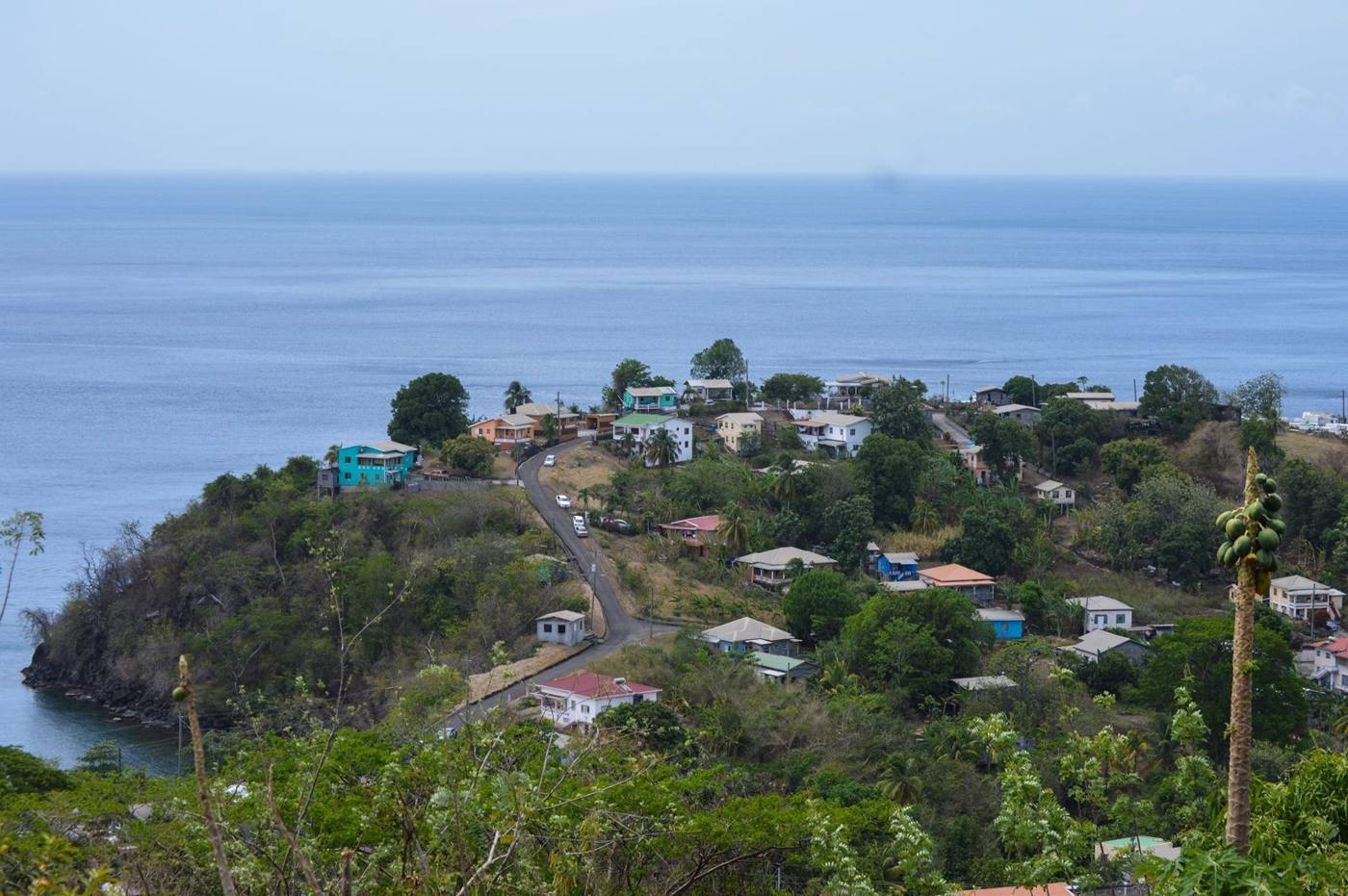 6 daysEasy
The spice island
St George's harbour, nutmeg and cocoa estates, the River Antoine distillery, the Grand Etang waterfalls and the underwater sculpture park.
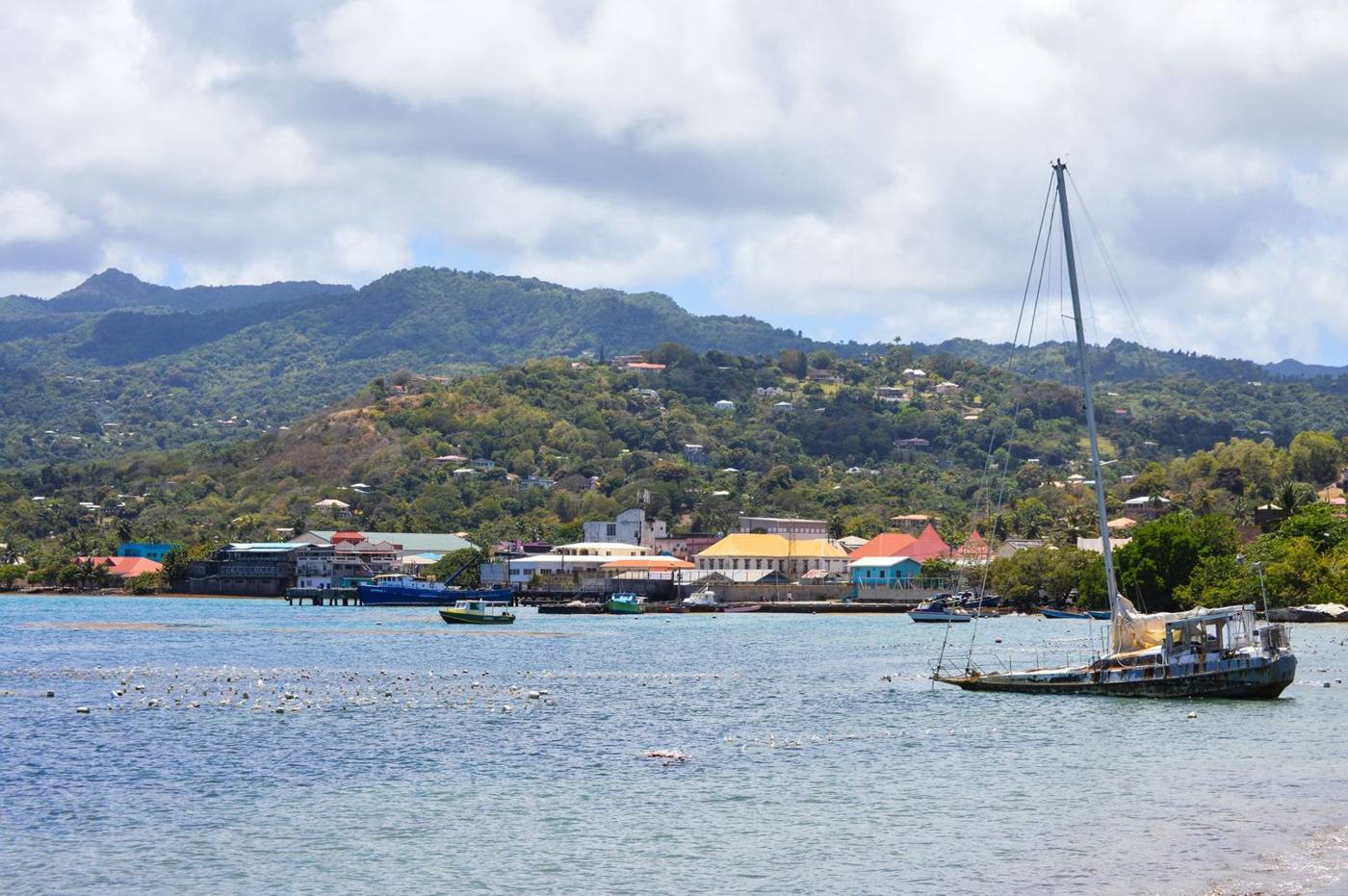 4 daysEasy
Carriacou
The small sister island with Sandy Island islet, Paradise Beach, traditional boatbuilding at Windward and quiet dives.
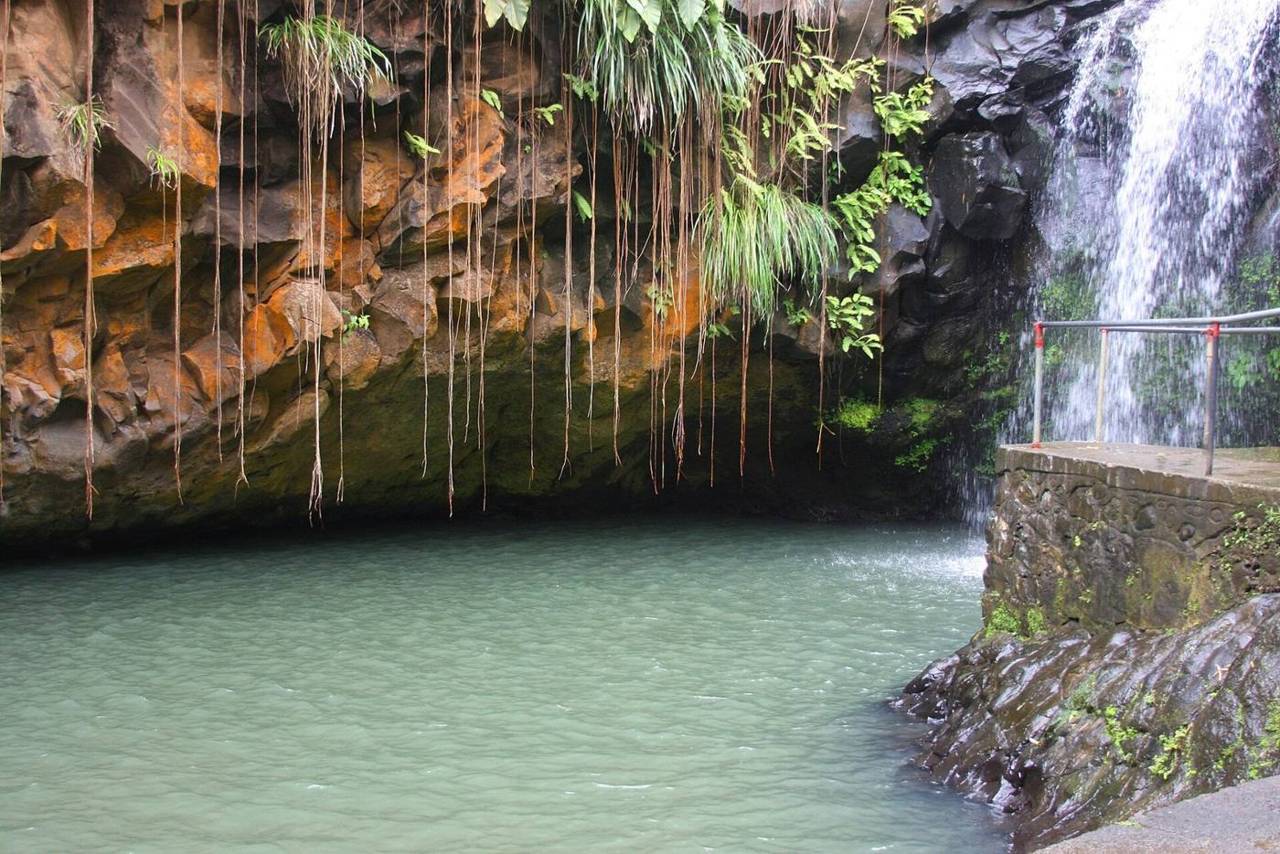 2 daysModerate
Grand Etang and the waterfalls
Grenada's mountainous heart: the crater lake of Grand Etang, the forest with mona monkeys and the trail to the Seven Sisters, plus the Annandale and Concord waterfalls.