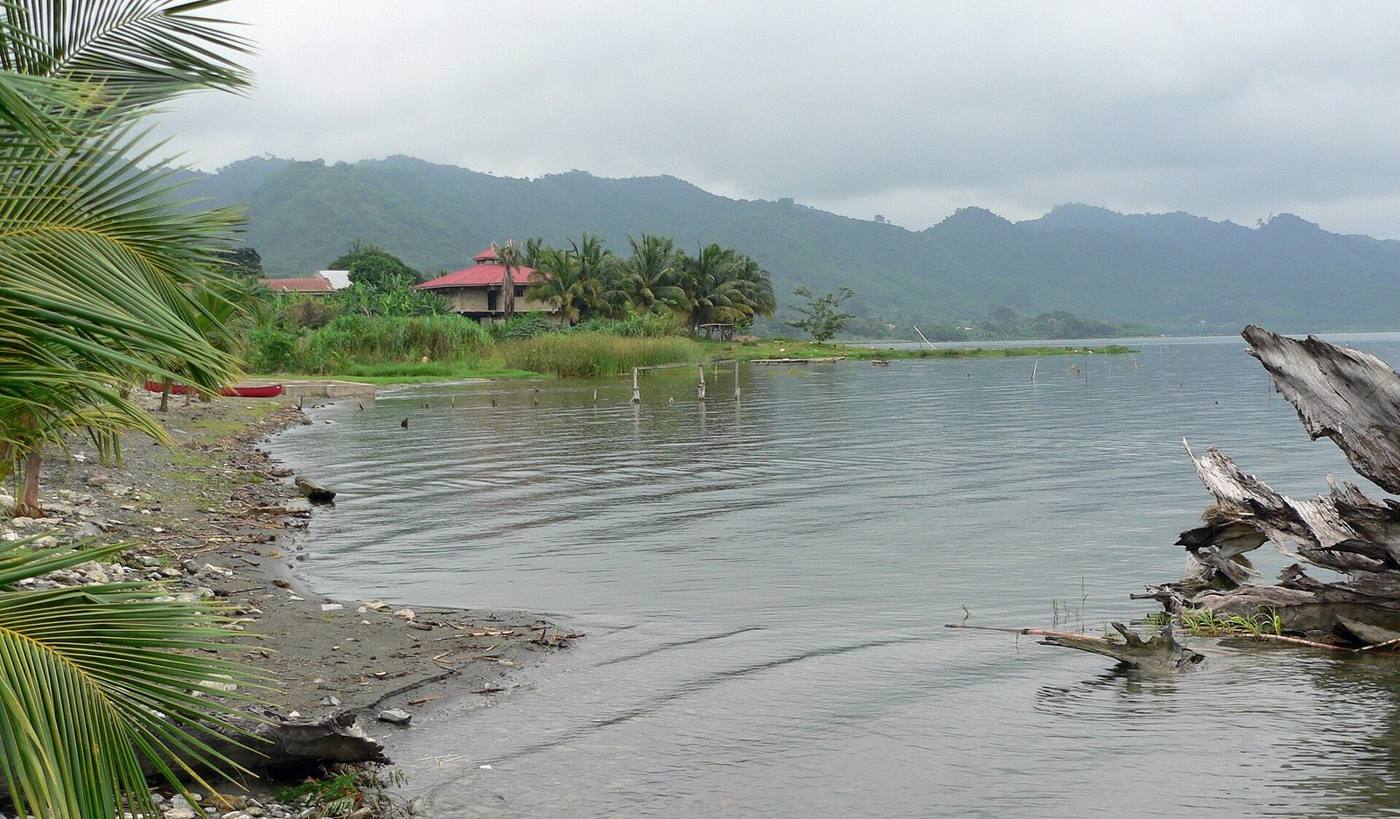
Lake Bosumtwi
Ghana's only natural lake, in a meteorite impact crater near Kumasi, sacred to the Ashanti, with villages, rim walks and fishing from wooden planks.
- Kumasi
- Abono
- Lake Bosumtwi
Day by day
- Day 1
From Kumasi to Abono and the lake villages
This trip takes you to Lake Bosumtwi, the only large natural lake in Ghana, formed in a meteorite impact crater near Kumasi and sacred to the Ashanti people, with villages on the shores, walks on the crater rim and fishermen on wooden planks. You travel by car or taxi from Kumasi and on foot.
Before you go: Italian citizens enter Ghana with a passport and a visa, to be obtained before departure; since May 2026 it is requested online on the official electronic visa portal of the Ghana Immigration Service, without going through intermediary websites. Yellow fever vaccination is compulsory for all travellers over nine months old and the certificate is checked on arrival. Since November 2026, as a precaution against Ebola, a health declaration and a temperature check are required at airports. Talk to your doctor about malaria prevention. Other nationalities should check their own rules. The UK advises against all but essential travel only to the Bawku area, in the far north-east, far from the Ashanti region.
In the morning you leave Kumasi heading south-east. In about an hour the road climbs among green hills and cocoa plantations, then drops steeply inside the crater to Abono, the main village on the northern shore.
The lake formed in a crater opened by the impact of a meteorite about a million years ago. Today it is surrounded by forested hills and around thirty villages. For the Ashanti it is a sacred place: according to tradition, the souls of the dead come here to bid farewell to the god Twi.
In the afternoon walk with a local guide along the shore towards the nearby villages, among fields of cassava, banana plants and nets spread out to dry.
Sleep on the lakeshore, for one night.
Practical tip: ask the guide about the traditional rules of the lake and respect them, for example on the days when fishing is not allowed.
- Day 2
On the crater rim and the return
Today you walk on the crater rim and then return to Kumasi.
Early in the morning, while the air is still cool, climb with the guide along one of the paths leading to the rim of the crater. The climb is steep but short and crosses forest and small cultivated fields. From the top you see the whole lake, a great bowl of dark water surrounded by hills, with villages scattered along the shores and the morning mist slowly lifting.
On the way down, stop to watch the lake's fishermen. By tradition, metal motorboats are not used here: the fishermen push out onto the water lying on long wooden planks called padua, paddling with their hands or small paddles. It is an ancient way of fishing, linked to respect for the spirit of the lake.
At midday try grilled tilapia from the lake with banku or fufu, the dough of cassava and plantain pounded in a mortar, served with a light, spicy soup.
In the afternoon you return to Kumasi.
In two days you have seen Lake Bosumtwi, an impact crater filled with water and sacred to the Ashanti, walked among the villages and on the crater rim and met the fishermen on their wooden planks.
When to go: from November to March, in the dry season, with dry paths and sunny days, sometimes hazy because of the harmattan. From April to October the rains make the paths muddy.
Practical tip: wear hiking shoes with a good sole, because the crater paths are steep and slippery after rain.
A calm, green break after the bustle of Kumasi. The lake has traditional rules: for example no metal motorboats. Simple lodges on the shore.
Before you go
- Documents and visa
- Valid passport and a compulsory visa, to be obtained before departure. Since May 2026 the visa is requested online on the official electronic visa portal of the Ghana Immigration Service: beware of unofficial websites.
- Health and vaccines
- Yellow fever vaccination is compulsory for all travellers over nine months old: the certificate is checked on arrival. Since November 2026, as a precaution against Ebola, international airports require a health declaration and a temperature check. Malaria prevention is recommended, after medical advice. Drink only bottled water.
- Money and payments
- Ghanaian cedi. Mobile payment is everywhere; cards work in large hotels and shopping centres in Accra, outside the cities you need cash.
- Power sockets
- Type G, 230 volts, the same as in the UK.
- Time zone
- UTC+0 all year.
- Safety
- The UK advises against all but essential travel to the Bawku Municipal area in the Upper East region, and reports attacks on some northern roads and clashes in the western part of the Savannah region, near the borders with Côte d'Ivoire and Burkina Faso. In Accra robbery and bag-snatching are increasing: avoid walking alone at night and taking a taxi alone after dark. On southern beaches currents are dangerous. Avoid roads outside towns after dark. Official advice: GOV.UK.
Information checked in November 2026 for Italian and EU citizens. Rules change: always check before you travel.
Variations
In 1 day: a trip from Kumasi to Abono, with a walk along the shore and return in the evening.
In 5 days: add Kumasi and the Ashanti kingdom, and the Boabeng-Fiema monkey sanctuary further north.
Frequently asked questions
How was Lake Bosumtwi formed?
In a crater opened by the impact of a meteorite about a million years ago. Today it is the only large natural lake in Ghana and a sacred place for the Ashanti.
Can you swim in the lake?
Ask the guide and the local community first, because the lake is sacred and has traditional rules. Do not use motorboats.
What documents do I need for Ghana?
Italian citizens enter with a passport and a visa, to be requested online on the official portal of the immigration service. Yellow fever vaccination is compulsory. Other nationalities should check their own rules.
Indicative itinerary written by World Atlas. Before booking, check timetables, seasonal openings, documents and safety.
 3 daysEasy
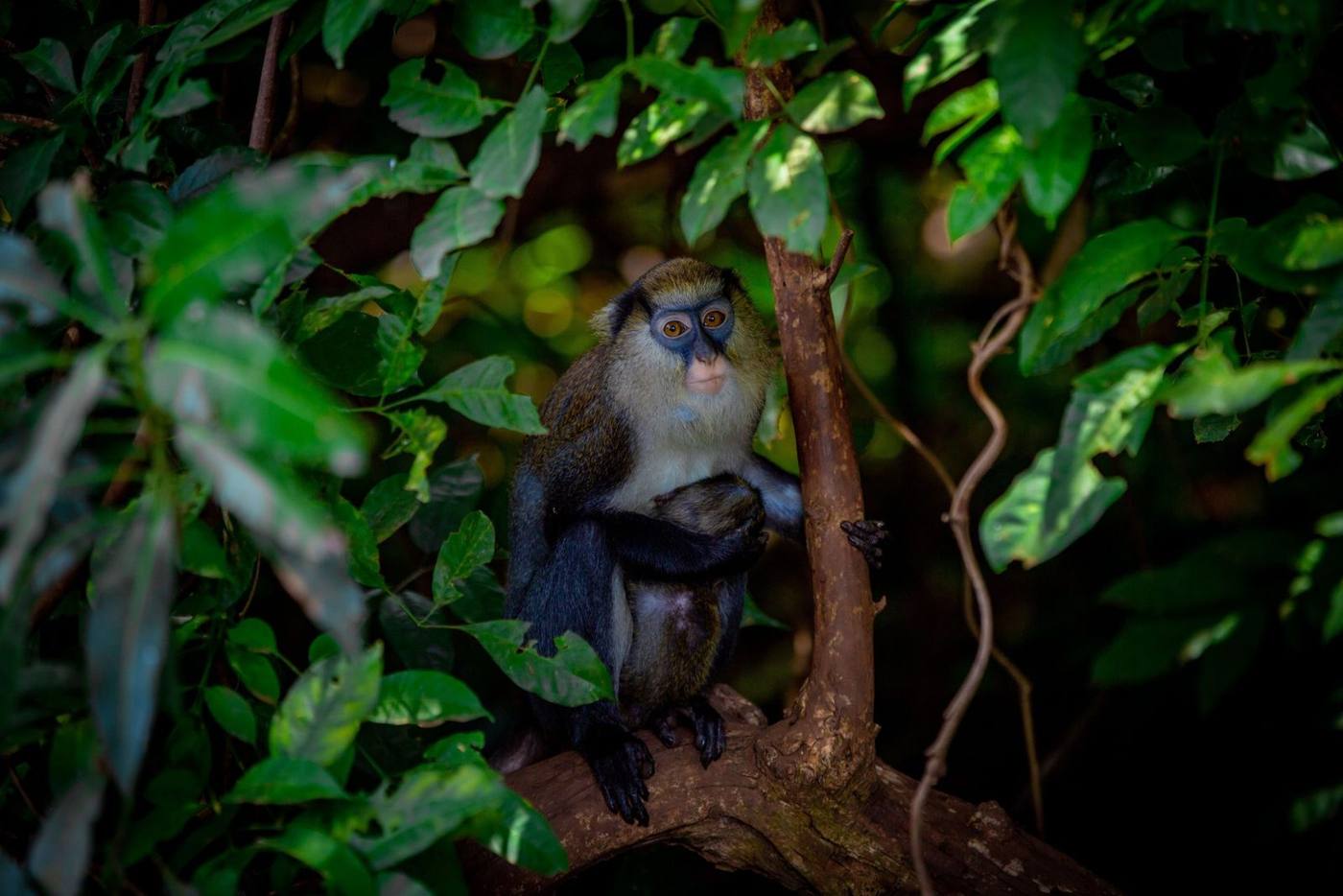
Boabeng-Fiema and Kintampo
The Boabeng-Fiema monkey sanctuary, where colobus and mona monkeys are protected by village tradition, and the Kintampo and Fuller falls in the centre of the country.
 2 daysEasy
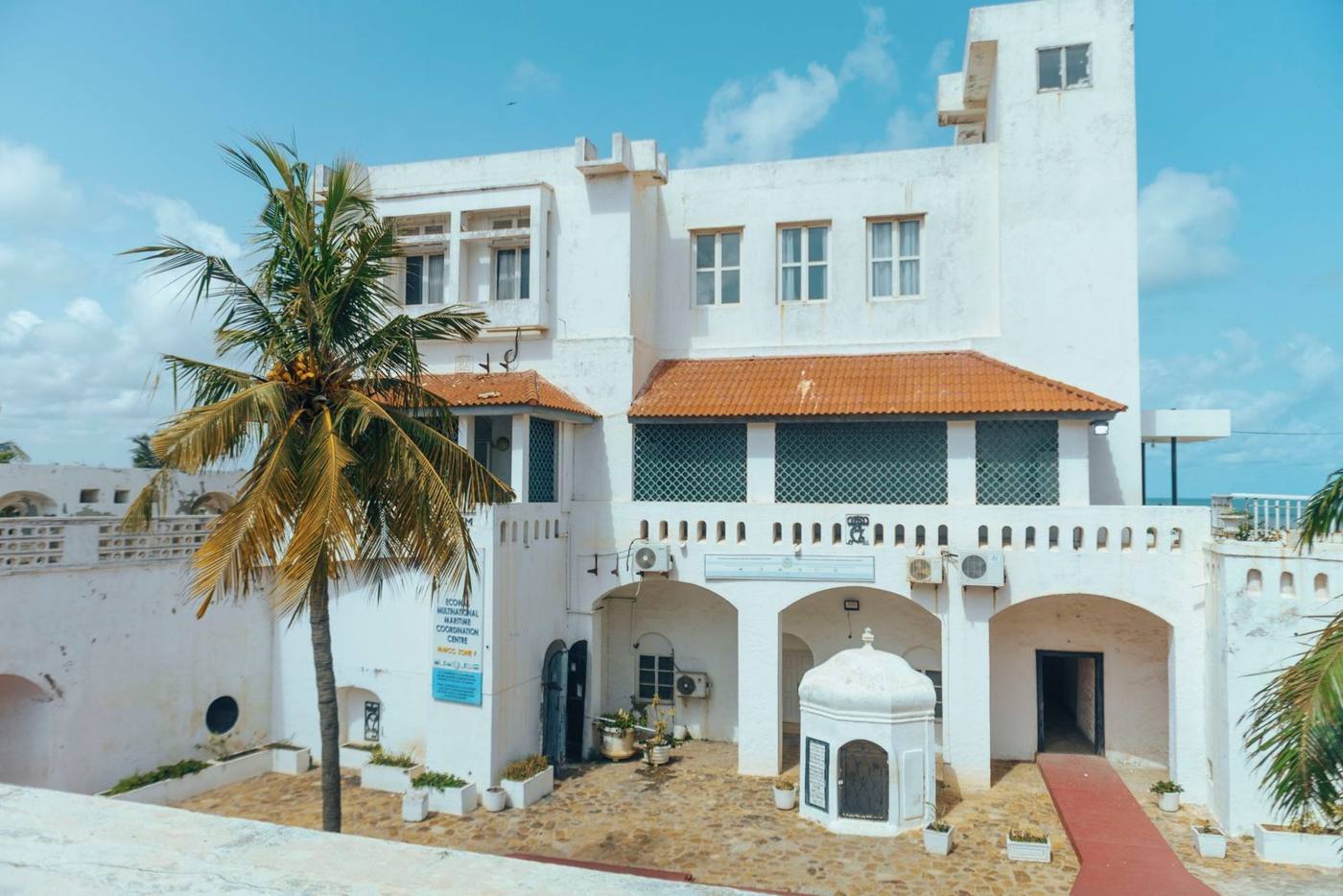
Accra, art and food
The creative capital: Jamestown with its lighthouse and murals, the galleries of Osu and Labadi, Makola market and street food, from jollof to kelewele.
 2 daysEasy
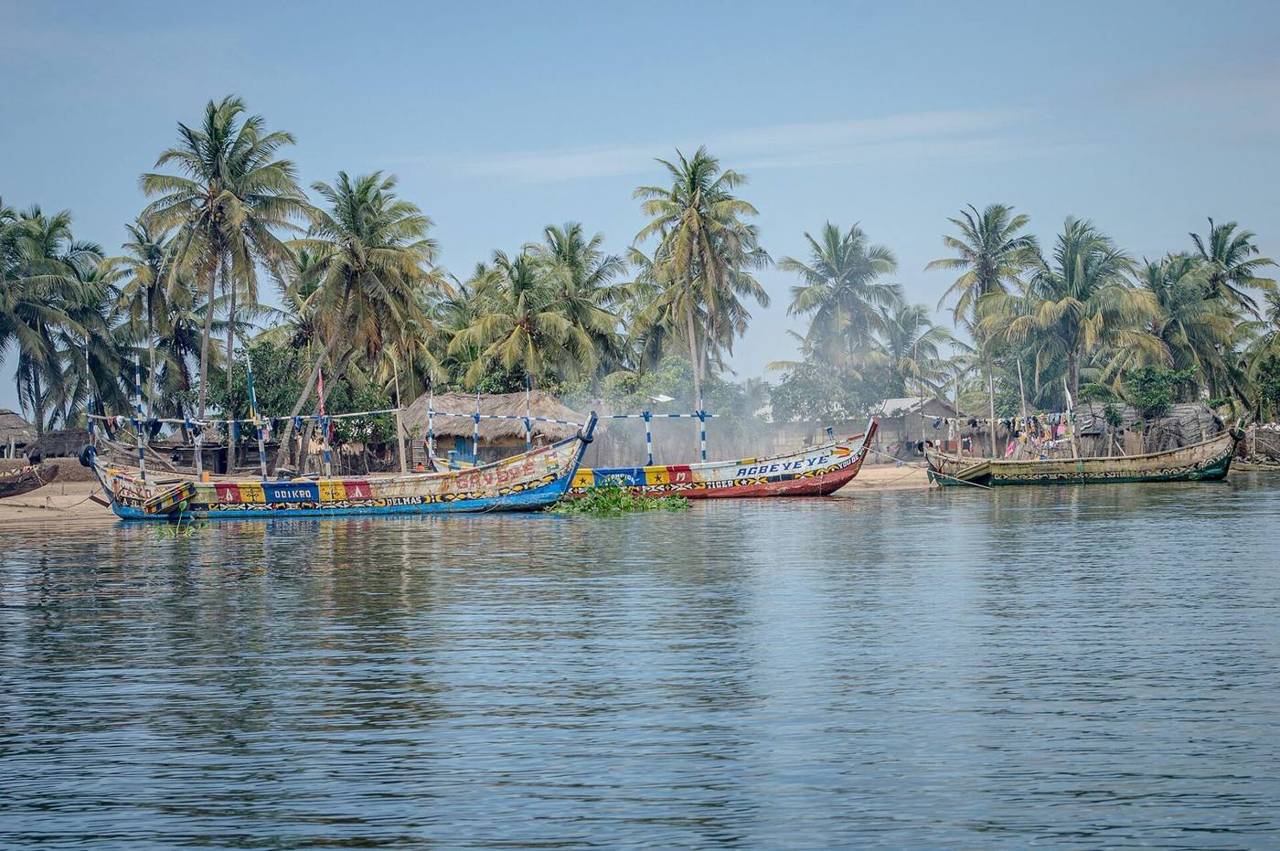
Ada and the Volta estuary
Where the Volta river meets the ocean: sand islands, waterside lodges, boat trips between villages and sea turtles nesting in winter.