The coast and its birds
The Atlantic beaches, Abuko reserve, the Tanji wetlands for birdwatching and the fish market where the pirogues land.
- Banjul
- Abuko
- Tanji
- Kartong
Day by day
- Day 1
Banjul and Albert Market
This trip takes you to the Atlantic coast of The Gambia, a small English-speaking country with more than 500 bird species: Banjul and its market, the Abuko forest reserve, the wetlands and lagoons of Tanji for birdwatching, the fish market where the pirogues arrive and the beach at Kartong. You travel by taxi or by car with a driver.
Before you go: Italian citizens enter The Gambia with a passport, valid for the whole length of the stay; according to the list of the Gambian embassy no visa is needed for a tourist visit, but check the permitted length of stay beforehand. At Banjul airport a security fee of 20 US dollars is paid on arrival and again on departure. The yellow fever certificate is required if you arrive from a country at risk; talk to your doctor about the vaccine and about malaria prevention. Other nationalities should check their own rules. The UK does not advise against any area; on the beaches the bumsters, young men offering help and tours, can be insistent: refuse politely but firmly. The presidential election is set for 5 December 2026: avoid rallies around the days of the vote.
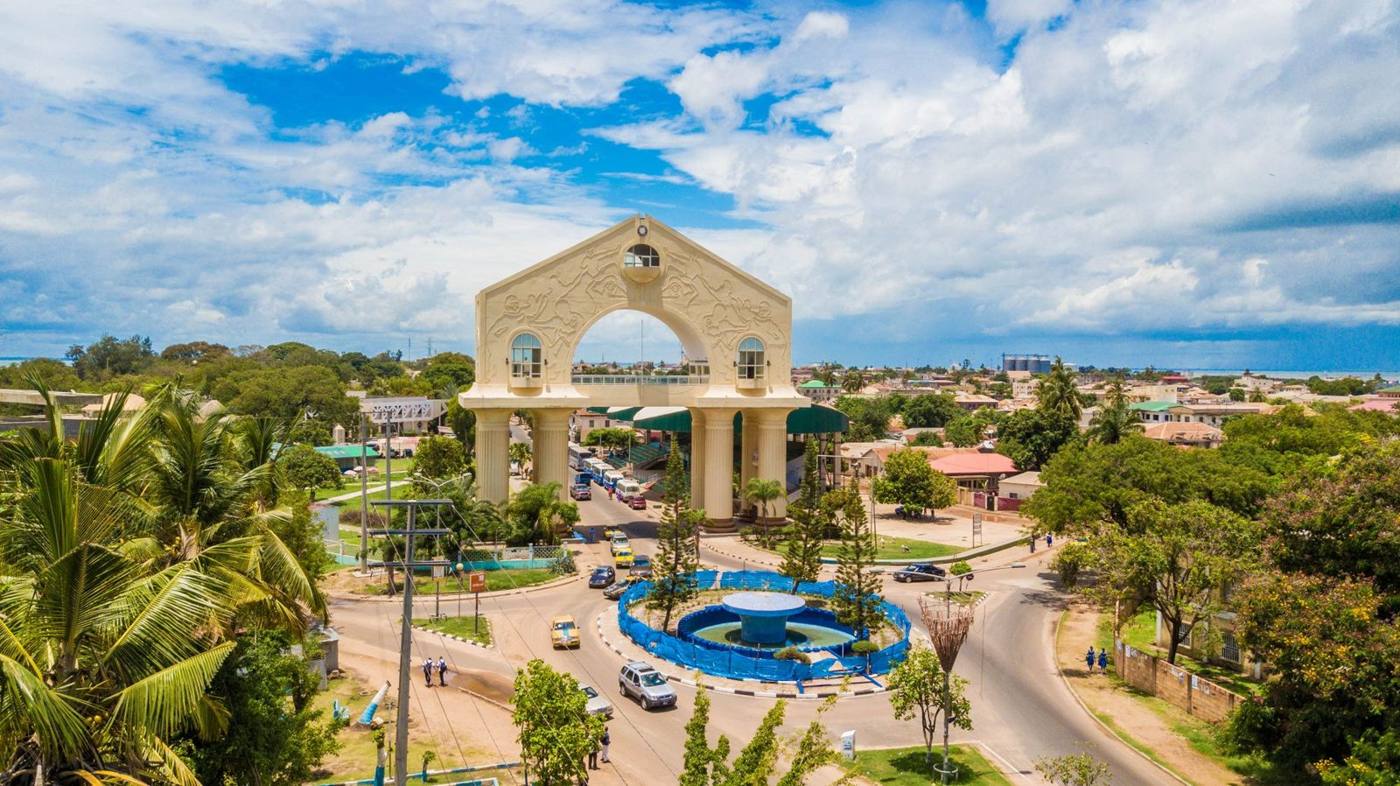
In the morning go to Banjul, the capital, on an island at the mouth of the river. Climb Arch 22, the monument at the entrance to the city, for the view over the roofs and the estuary. Check prices and times.
Then enter Albert Market, the commercial heart of the city: stalls of spices, peanuts, dried fish, fruit, batik fabrics and wooden objects. Bargain calmly and with a smile.
In the afternoon return to the coast and, before sunset, walk along Kotu creek, where you already see herons, kingfishers and small waders.
Sleep on the coast, in the Kotu or Kololi area, for four nights.
Practical tip: bring light binoculars from the first day, because in The Gambia birds are everywhere, even in hotel gardens.
- Day 2
Abuko reserve
Today you explore Abuko Nature Reserve, the first protected area in The Gambia.
Early in the morning, when the forest is cool and the animals are active, enter the reserve. Abuko is small, but it protects a strip of gallery forest along a stream, very different from the savannah around it. A loop trail crosses the forest, with towering trees, lianas and small wooden bridges. Check prices and times.
Stop at the hide above the pool, where you sometimes see crocodiles resting on the banks and birds coming to drink. Among the trees live red colobus, monkeys with reddish fur, and green monkeys, which often come close to visitors. Do not feed them.
Abuko is also an excellent place for forest birds: green and violet turacos, with red wings in flight, paradise flycatchers with their long tails, hornbills and several species of pigeons and woodpeckers. With an experienced local guide it is easier to recognise them by their song.
In the afternoon return to the coast and rest during the hottest hours.
At sunset go back to Kololi or Kotu beach and watch the terns and gulls fishing among the waves.
In the evening try benachin, rice cooked with fish or meat and vegetables, one of the country's best-loved dishes.
Practical tip: in Abuko walk slowly and quietly, in neutral colours, and bring mosquito repellent for the area near the pool.
- Day 3
The birds of Tanji and the fish market
Today you spend the day in Tanji, with birds at dawn and pirogues in the afternoon.
At dawn enter Tanji Bird Reserve, a strip of coast with dunes, brackish lagoons, mangroves and low woodland. It is one of the best places in the country for birdwatching. With the guide you walk between the lagoons and the beach and watch herons, egrets, waders, terns, gulls, ospreys and, in the months of the European winter, many migratory birds from the north. Offshore you can see the small Bijol Islands, important for seabirds. Check prices and times.
In the middle of the morning, when the heat rises, go back into the shade and rest.
In the afternoon go to the beach of Tanji village for the return of the pirogues. The large painted wooden boats arrive from the sea loaded with fish, the men unload the crates and the women bargain over the price on the sand. The market is noisy, colourful and full of life. Then walk among the smokehouses, where fish is smoked over wood fires.
At sunset watch the gulls and terns gathering above the boats in search of scraps.
Practical tip: go to the reserve at dawn, because the birds are more active and the light is better for photographs, and bring water and a hat.
- Day 4
Kartong and the beach
Today you head down to Kartong, the southernmost village in The Gambia, among lagoons, rice fields and beach.
Kartong lies near the mouth of the Allahein river, which marks the border with Senegal. In the morning walk among the lagoons and the old flooded sand quarries, now turned into wetlands where herons, cormorants, kingfishers, waders and, at certain times, rare migratory birds gather. It is one of the richest areas on the coast for birdwatching.
Then visit the sacred crocodile pool of Folonko, a place of prayer for the local community. Enter with respect and follow the keepers' instructions.
In the afternoon relax on the long, almost deserted beach, with the fishermen's pirogues pulled up under the palm trees. Swim only where you are told it is safe, because the currents can be strong.
Walk to the mouth of the river, but do not cross the water towards Senegal: the border may only be crossed at official posts, and the UK advises against cross-border trips with informal guides.
For lunch try grilled fish with rice and onion sauce, the simplest and tastiest dish of the south coast. At sunset you return towards the north coast.
Practical tip: leave early and return before dark, because the side roads in the south are not lit.
- Day 5
A last morning of birds and departure
Today you have one last morning on the coast before leaving.
At dawn take a final walk along Kotu creek or in the nearby rice fields, where in the low light you see brightly coloured birds: bee-eaters, kingfishers of several species, rollers with blue wings and small weaver birds building nests that hang from the branches.
Alternatively visit Bijilo Forest Park, a small coastal forest with a trail among the trees, where monkeys and many birds live. Check prices and times.
In the middle of the morning pack your bags and go to Banjul airport. Remember the security fee to be paid on departure.
In five days you have seen the best of the coast of The Gambia: the capital and Albert Market, the forest of Abuko with its monkeys and turacos, the lagoons of Tanji at dawn and the return of the pirogues, and the wetlands and beach of Kartong.
When to go: from November to April, in the dry season, with the most pleasant climate and the migratory birds arrived from Europe. From June to October the humid heat is intense, but it is also the season when many local birds show their finest colours.
Practical tip: keep cash aside for the airport security fee, because card machines are often out of service, as the UK warns.
A small, easy English-speaking country with over 500 bird species. The coastal tourist zone has many insistent touts, the 'bumsters'. Outside the dry season the humid heat is intense.
Before you go
- Documents and visa
- Passport valid for the whole length of your stay. According to the list of the Gambian embassy, Italian citizens enter without a visa for a tourist visit: check the permitted length of stay before leaving. At Banjul airport a security fee of 20 US dollars is paid on arrival and again on departure.
- Health and vaccines
- A yellow fever vaccination certificate is required if you arrive from a country at risk; talk to your doctor about the vaccine and about malaria prevention, as malaria is present throughout the country. Drink only bottled water. You need insurance covering medical costs and repatriation.
- Money and payments
- Gambian dalasi. Payment is mostly in cash; cards work in large hotels on the coast and cash machines are concentrated in the tourist area and in Banjul.
- Power sockets
- Type G, 230 volts, the same as in the UK.
- Time zone
- UTC+0 all year.
- Safety
- The UK does not advise against any area of The Gambia. The presidential election is set for 5 December 2026: avoid rallies and demonstrations and follow local news. Theft in markets, towns and on isolated beaches, especially at night; on the beaches the bumsters insistently offer help and tours. Do not accept trips into Senegal with informal guides, who often do not follow border procedures. The Banjul to Barra ferry is often overcrowded, and pirogues should be used only for short trips and with a life jacket. Official advice: GOV.UK.
Information checked in November 2026 for Italian and EU citizens. Rules change: always check before you travel.
Variations
In 3 days: Abuko on the morning of the first day, Tanji at dawn on the second and Kartong on the third.
In 8 days: add the journey up the River Gambia to Janjanbureh and the chimpanzee islands.
Frequently asked questions
How many bird species are there in The Gambia?
More than 500. The best areas on the coast are Abuko, Tanji reserve, Kotu creek and the Kartong wetlands.
Who are the bumsters?
They are young men who offer help, tours and services on the beaches, sometimes insistently. Refuse politely but firmly and do not accept trips into Senegal with informal guides.
What documents do I need for The Gambia?
Italian citizens enter with a passport valid for the whole stay; according to the Gambian embassy no visa is needed for a tourist visit, but check the permitted length of stay. Other nationalities should check their own rules.
Indicative itinerary written by World Atlas. Before booking, check timetables, seasonal openings, documents and safety.
 5 daysModerate
Up the Gambia river
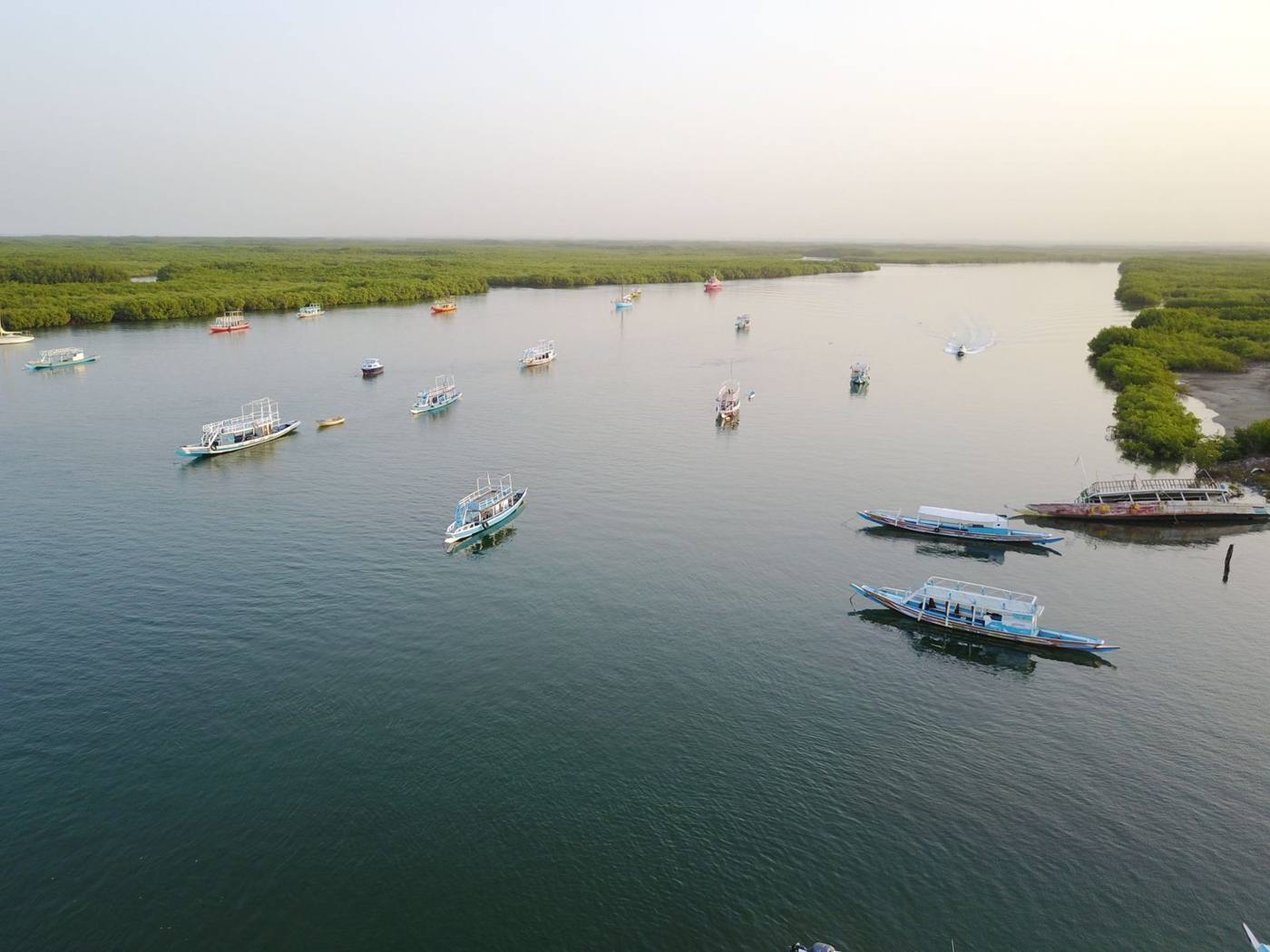
Upriver to Janjanbureh, the UNESCO-listed Kunta Kinteh Island, the Wassu stone circles and the chimpanzees of River Gambia National Park.
 2 daysEasy
Kunta Kinteh and Juffureh
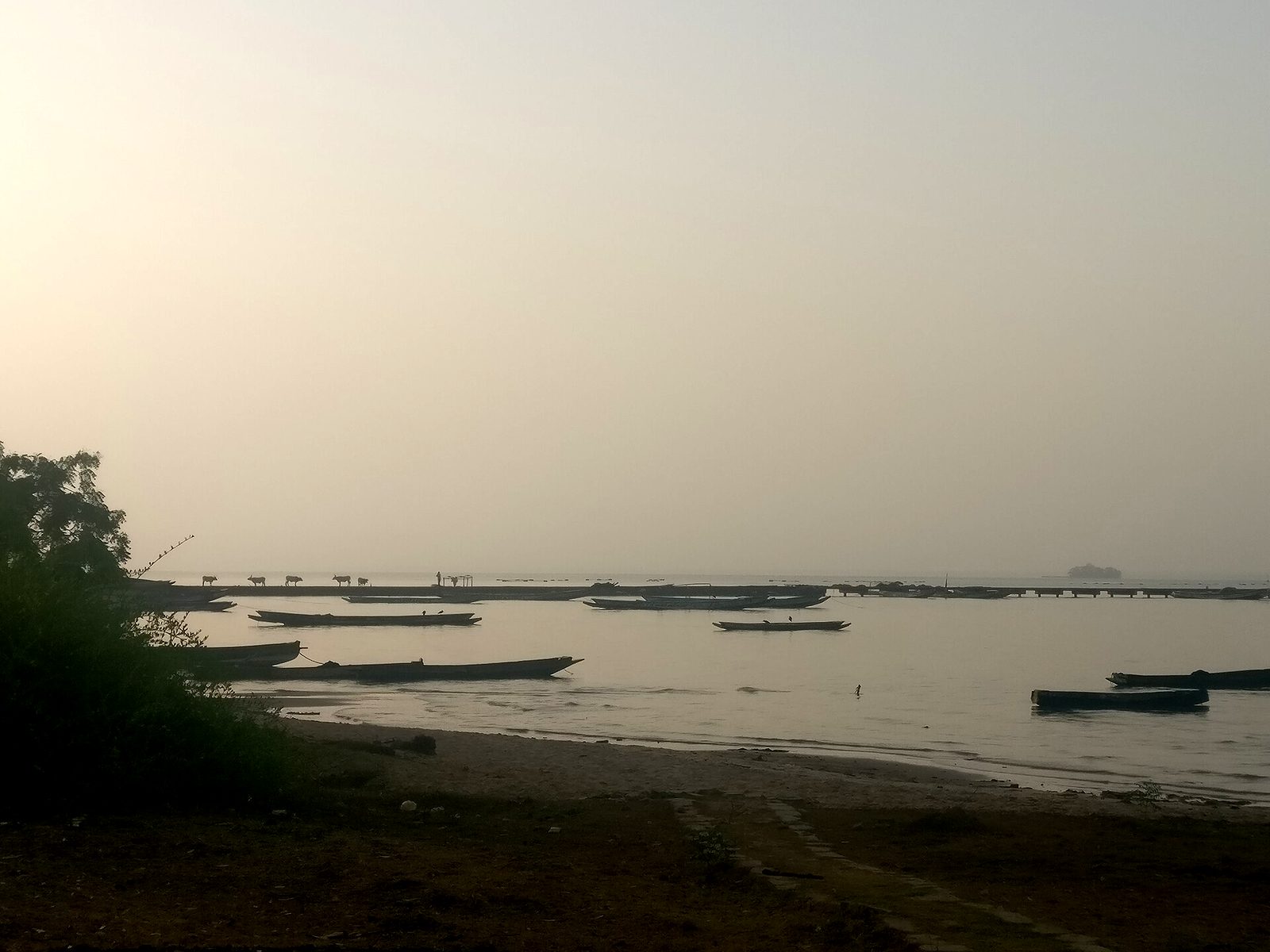
Kunta Kinteh Island on the Gambia river, a UNESCO site linked to the slave trade, Juffureh village of the book Roots and the Albreda museum.
 2 daysEasy
Banjul and Albert Market
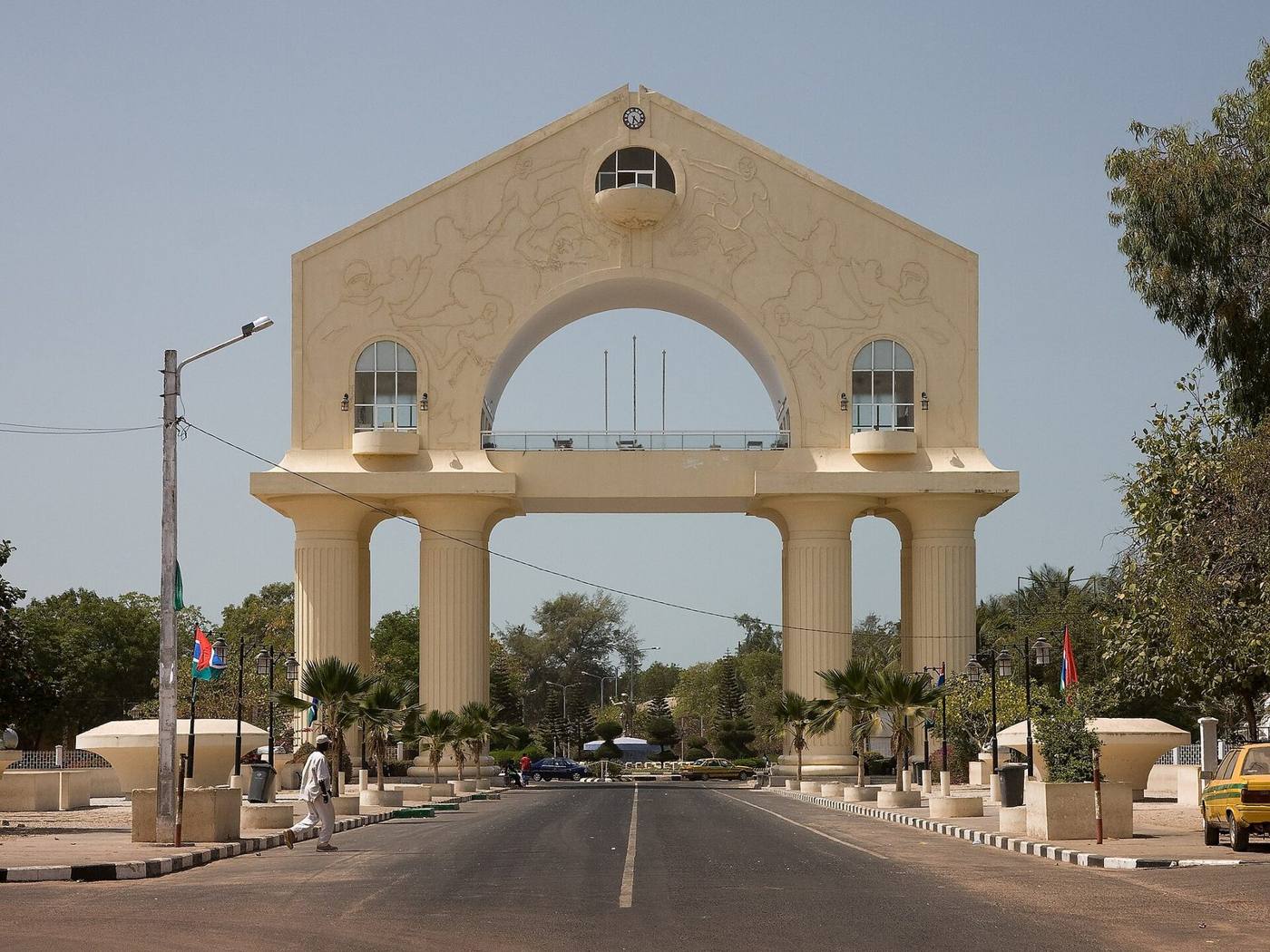
The small island capital: Arch 22 with its city view, Albert Market, the national museum and the colonial quarter by the port.