Lille and the Opal Coast
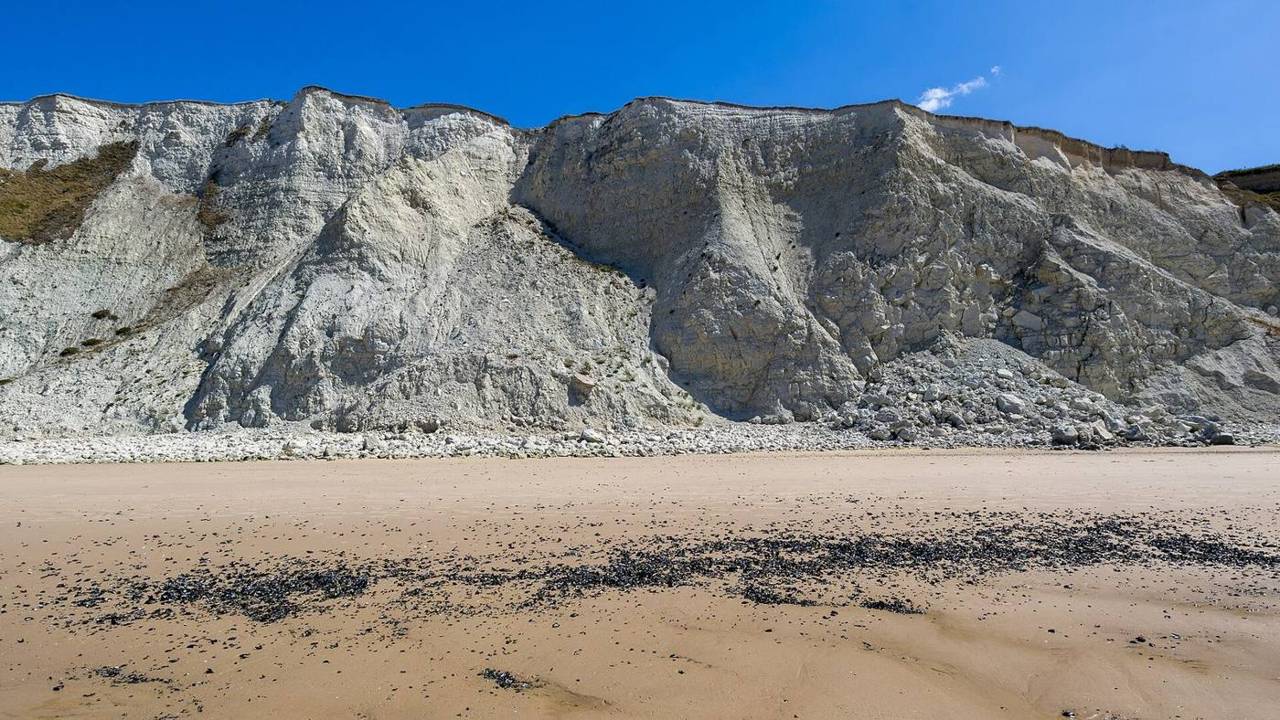
Northern France: Lille with its Flemish Grand-Place and Fine Arts museum, the Louvre-Lens, the Great War memorials, then the cliffs of Cap Blanc-Nez and Cap Gris-Nez facing England, Boulogne with the Nausicaá aquarium and the citadel of Montreuil.
- Lille
- Lens
- Notre-Dame-de-Lorette
- Cap Blanc-Nez
- Cap Gris-Nez
- Boulogne-sur-Mer
- Montreuil-sur-Mer
Day by day
- Day 1
Lille: Vieux-Lille, the Grand-Place and the Palais des Beaux-Arts
Northern France is a region little known to foreign tourists, but full of surprises: Flemish towns with baroque façades, major museums, First World War memorial sites and a coast of white cliffs and immense beaches on the Channel, the Côte d'Opale, named for the shimmering colours of its sky and sea. In five days you see it by train and car, just a few hours from Paris, Brussels and Luxembourg.
Lille can be reached by high-speed train from Paris in about an hour, and from Brussels in just over half an hour. For centuries it was a town of Flanders, then Spanish, and it became French only in 1667: you can see this in the architecture.
In the morning, walk around the Grand-Place, the main square, with its column of the goddess and its colourful façades. Go into the courtyard of the Vieille Bourse, the seventeenth-century old stock exchange, a richly decorated Flemish building, where there are second-hand book stalls every day and, on Sundays, chess players. Then lose yourself in Vieux-Lille, the old quarter, with its cobbled streets, houses of red brick and pale stone and elegant shop windows.
In the afternoon, visit the Palais des Beaux-Arts, one of the largest art museums in France outside Paris, with paintings by Rubens, Goya, Delacroix and the Impressionists and, in the basement, the large relief models of the fortified towns of the north, built for King Louis XIV.
Practical tip: on the first weekend of September Lille hosts the Braderie, one of the largest flea markets in Europe, with millions of visitors. If you want to experience it, book your accommodation months in advance; if not, avoid that weekend.
- Day 2
The Louvre-Lens and the Notre-Dame-de-Lorette memorial
Today you head into the mining basin, south of Lille, an area where coal was extracted for almost three centuries. The landscape is marked by the terrils, large black hills made of mining waste, now covered in vegetation. The Nord-Pas de Calais mining basin has been a UNESCO World Heritage Site since 2012.
In the morning, by train or car in about half an hour, reach Lens and the Louvre-Lens, a branch of the Louvre museum opened in 2012 on a former mine. The building is low, made of glass and pale aluminium, in the middle of a park. The heart of the museum is the Gallery of Time, a single large hall more than a hundred metres long where you walk through five thousand years of art history, from the first writing in Mesopotamia to the nineteenth century, with masterpieces on loan from the Louvre in Paris. There are also large temporary exhibitions.
In the afternoon, go up the hill of Notre-Dame-de-Lorette, a few kilometres away, where bloody battles were fought between the French and the Germans during the First World War. Here is the largest French military cemetery, with tens of thousands of soldiers' graves, a basilica and a lantern tower. Just below is the Ring of Remembrance, a modern memorial in the shape of a large ellipse, on whose walls are engraved in alphabetical order the names of about 580,000 soldiers of all nationalities who died in this region, with no distinction between friend and foe.
If you have time, also visit Arras, with its two great Flemish baroque squares.
Practical tip: the memorial sites are quiet and often visited by school groups, so behave respectfully and check the times of guided tours.
- Day 3
Cap Blanc-Nez and Cap Gris-Nez on foot
In the morning, rent a car if you do not already have one and drive to the coast, about an hour and a half from Lille. You reach the Côte d'Opale, on the stretch between Calais and Boulogne-sur-Mer, which is a Grand Site de France, the Two Capes site, for the beauty of its landscape.
The first stop is Cap Blanc-Nez, a white chalk cliff more than a hundred metres high that drops straight into the Channel. From the top, with its obelisk commemorating the naval patrols of the First World War, on clear days you can see the White Cliffs of Dover on the other side of the sea, in England, about thirty kilometres away: it is the point where France and England are closest. Below, ships, ferries and fishing boats pass constantly: the Channel is one of the busiest straits in the world.
Then go down to the beach at Wissant, a wide bay of fine sand between the two capes, with the old bunkers of the Atlantic Wall, built by the Germans in the Second World War, half buried in the sand. At low tide the beach becomes enormous.
In the afternoon, walk along the coastal path to Cap Gris-Nez, the point closest to England, with its grey cliffs of sandstone and clay, its lighthouse and views along the whole coast. The path follows the clifftops through meadows and heathland, with seabirds and, sometimes, seals in the bay.
Practical tip: the wind on the coast is strong and the weather changes quickly, so bring a waterproof jacket and keep away from the edge of the cliffs, which crumble.
- Day 4
Boulogne-sur-Mer: the upper town and Nausicaá
Today you visit Boulogne-sur-Mer, France's leading fishing port, about twenty minutes from Cap Gris-Nez. The town has two parts: the lower town, with the harbour and fish markets, and the upper town, enclosed by almost intact thirteenth-century walls.
In the morning, go up to the upper town and walk around the ramparts, about a kilometre and a half, with views over the rooftops and the sea. Inside the walls are the medieval belfry, a UNESCO World Heritage Site together with the other civic belfries of northern France and Belgium, the castle with its museum and the large basilica of Notre-Dame, with a dome visible from far away and a vast underground crypt. The lanes and squares have a peaceful atmosphere.
In the afternoon, go down towards the sea and visit Nausicaá, the national sea centre, one of the largest aquariums in Europe. In a huge tank with an enormous window swim sharks, rays and shoals of open-ocean fish; other halls show the coral reef, the Channel coasts, sea lions, penguins and jellyfish. The museum also explains the problems facing the sea today, such as overfishing and plastic.
In the evening, at the harbour, taste freshly caught fish, such as smoked herring or mussels with chips, the typical dish of the north.
Practical tip: Nausicaá is very busy at weekends and during school holidays, so buy your ticket online and arrive early.
- Day 5
Montreuil-sur-Mer and the return
On the last day, go to Montreuil-sur-Mer, about forty minutes south of Boulogne, inland. Despite its name, the town is no longer by the sea: in the Middle Ages the river Canche was navigable this far, then it silted up. Montreuil is a small fortified town on a hill, with intact walls, a citadel, cobbled streets and houses of stone and brick.
Walk around the ramparts, about three kilometres, among trees and meadows with views over the valley. Then stroll through the streets of the centre, with the abbey church of Saint-Saulve and the small squares. Victor Hugo passed through here in 1837 and set part of Les Misérables in Montreuil: it is the town where Jean Valjean becomes mayor. In summer the locals stage an open-air show inspired by the novel.
If you have time, continue to the nearby coast, to Le Touquet, an elegant seaside resort with villas among the pine woods and a very long beach, or to the Bay of the Somme, further south, with its seals.
In the afternoon, head back to Lille, in about two hours, or take the train from Calais or Boulogne to Paris or Lille. Trains and ferries to England also leave from Calais.
Practical tip: France is in the Schengen area, so citizens of the European Union only need an identity card valid for travel abroad. If you want to continue to England, you need a passport and the ETA electronic authorisation instead.
A less touristy France, easy by train and car, close to Belgium and Luxembourg. On the first weekend of September Lille hosts the Braderie, one of Europe's largest flea markets. The weather on the coast changes fast: bring a jacket.
Before you go
- Documents and visa
- EU citizens need a valid identity card or passport. Other nationalities should check the Schengen rules.
- Health and vaccines
- No vaccines required. EU citizens should bring their EHIC. Emergencies: 112.
- Money and payments
- Euro. Cards are accepted almost everywhere; every accommodation charges the taxe de séjour per person per night.
- Power sockets
- Types C and E, 230 volts.
- Time zone
- Central European Time (UTC+1), summer time (UTC+2) from the last Sunday of March to the last Sunday of October.
- Safety
- A safe country, with a high terrorism alert level and security checks at museums and stations. In Paris watch for pickpockets on the metro. Official advice: GOV.UK.
Information checked in November 2026 for Italian and EU citizens. Rules change: always check before you travel.
Variations
In 2 days: Lille only, with the old town, the Palais des Beaux-Arts and the Louvre-Lens.
In 8 days: add Belgian Flanders, with Ghent and Bruges, less than an hour by train from Lille.
Frequently asked questions
When is the best time to go?
From May to September for the coast. Lille is good to visit all year; in December there are Christmas markets. The weather on the coast is changeable in every season.
Do I need a car?
Trains are enough for Lille and Lens. For the Côte d'Opale and Montreuil a car is very useful, because buses along the coast are few.
What documents do I need?
For citizens of the European Union, an identity card valid for travel abroad or a passport is enough.
Indicative itinerary written by World Atlas. Before booking, check timetables, seasonal openings, documents and safety.
 5 daysEasy
La Rochelle, Île de Ré and the Marais Poitevin
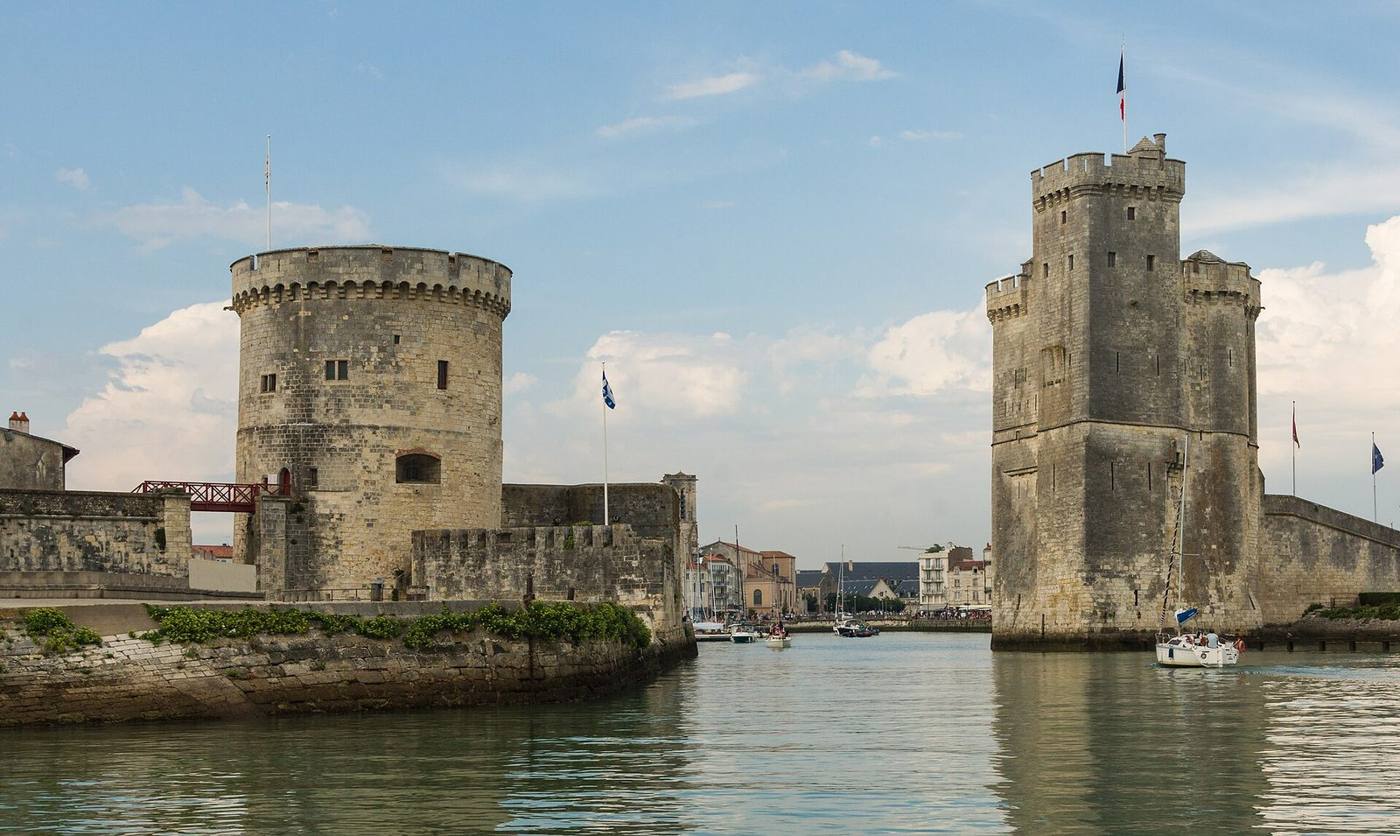
The Atlantic coast between towers and salt pans: La Rochelle's old port and towers, Île de Ré by bike between white villages and salt marshes, Fort Boyard seen from the sea, and the 'Green Venice' of the Marais Poitevin explored by boat among canals and trees.
 5 daysEasy
The Jura: lakes and Besançon
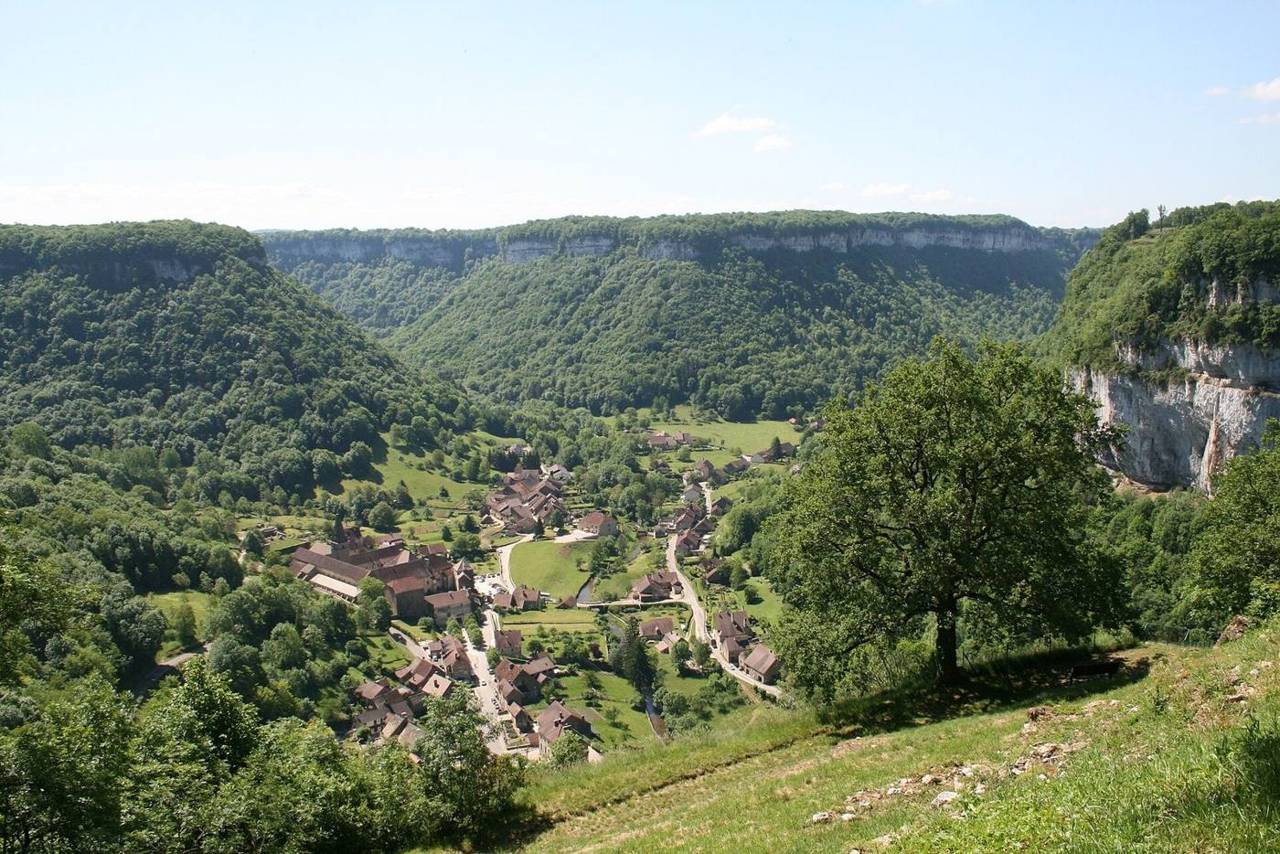
The green France of Comté cheese and yellow wine: Besançon with Vauban's citadel, the Royal Saltworks of Arc-et-Senans, a UNESCO World Heritage site, the village of Baume-les-Messieurs at the end of a blind valley, the Hérisson waterfalls and the Jura lakes.
 4 daysEasy
Chartres, Fontainebleau and Vaux-le-Vicomte
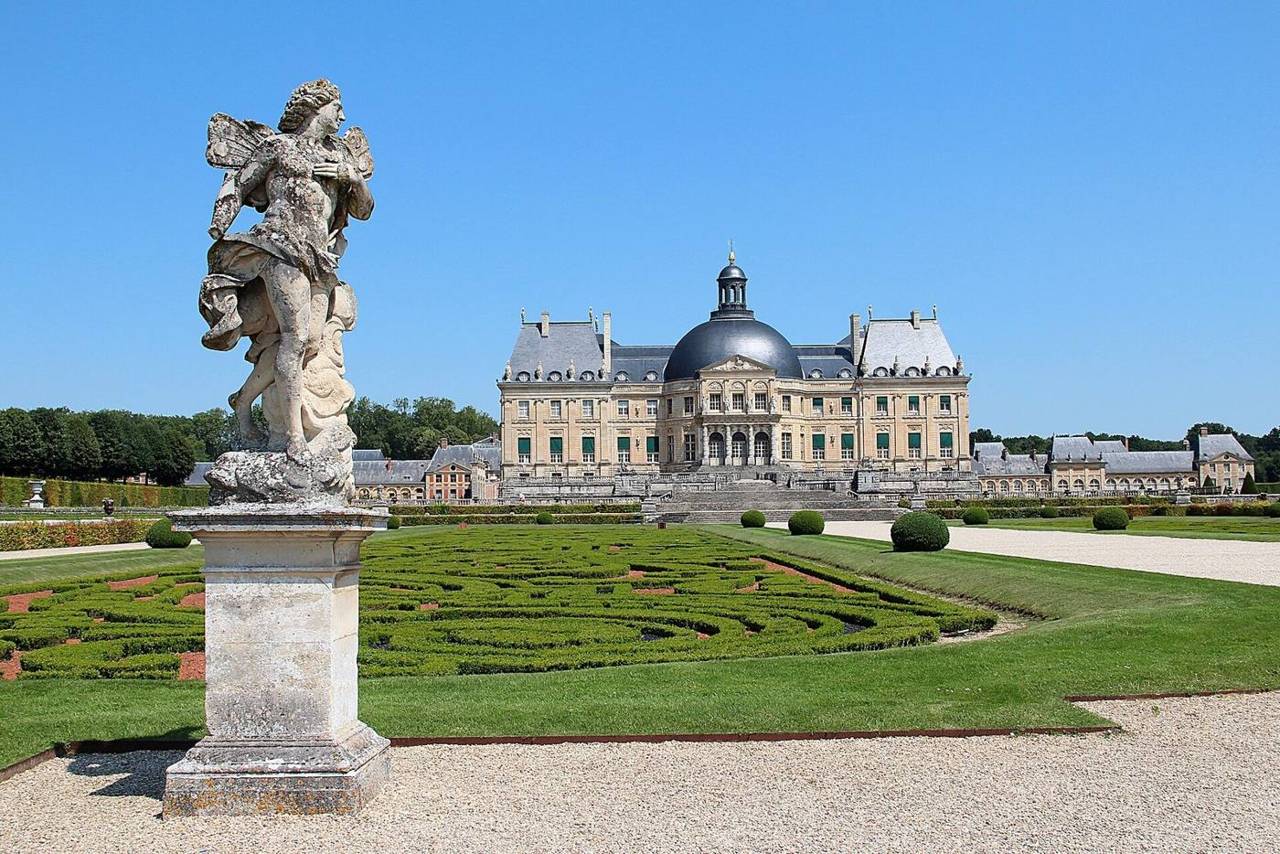
The treasures around Paris beyond Versailles: the Gothic cathedral of Chartres with its blue stained glass, the Château de Fontainebleau, home to kings and Napoleon, and its boulder forest, the Château de Vaux-le-Vicomte with Le Nôtre's gardens and the painters' village of Barbizon.