Finnish Lapland
Rovaniemi and the Arctic Circle, reindeer, sledding, Saariselkä and the parks of Inari, with the aurora from a glass cabin.
- Rovaniemi
- Circolo Polare Artico
- Saariselkä
- Urho Kekkonen
- Inari
- Ivalo
Day by day
- Day 1
Rovaniemi, Arktikum and the Arctic Circle
This trip crosses Finnish Lapland in winter, from south to north. It begins in Rovaniemi, on the Arctic Circle, continues to Saariselkä, on the edge of Urho Kekkonen National Park, and ends in Inari, the centre of Sámi culture in Finland. You will see reindeer, huskies, snowy forests and, with a little luck, the northern lights.
Before you go: Italian citizens can enter Finland with an electronic identity card or a passport, without a visa. Other nationalities should check their own rules. According to the Italian foreign ministry, the temporary paper identity document issued by Italian town councils in 2026 is not valid for entering Finland. Finland is a very safe country, but pickpocketing increases in Rovaniemi during the holidays. The Italian foreign ministry also reports that in extreme cold some seasonal flights to Lapland have been cancelled at short notice: choose your airline carefully and take out travel insurance.
You land in Rovaniemi, the capital of Lapland, where the Kemijoki and Ounasjoki rivers meet. Visit Arktikum, a museum and science centre about the Arctic, with a long glass corridor facing the river. It tells the story of polar nature, Sámi life and the history of the town, destroyed in 1944 during the war and then rebuilt. Check prices and times.
In the afternoon, reach the Arctic Circle line, a few kilometres north of town, marked on the ground. Santa Claus Village is also here, very commercial, especially in December.
Practical tip: dress in layers, with wool next to the skin, a padded jacket, gloves, a hat and warm boots; in winter temperatures can drop below minus thirty degrees.
- Day 2
By sled with reindeer or huskies
Today you try one of the most traditional ways to travel over snow: the sled. You can choose between two different experiences, both offered by many farms around Rovaniemi.
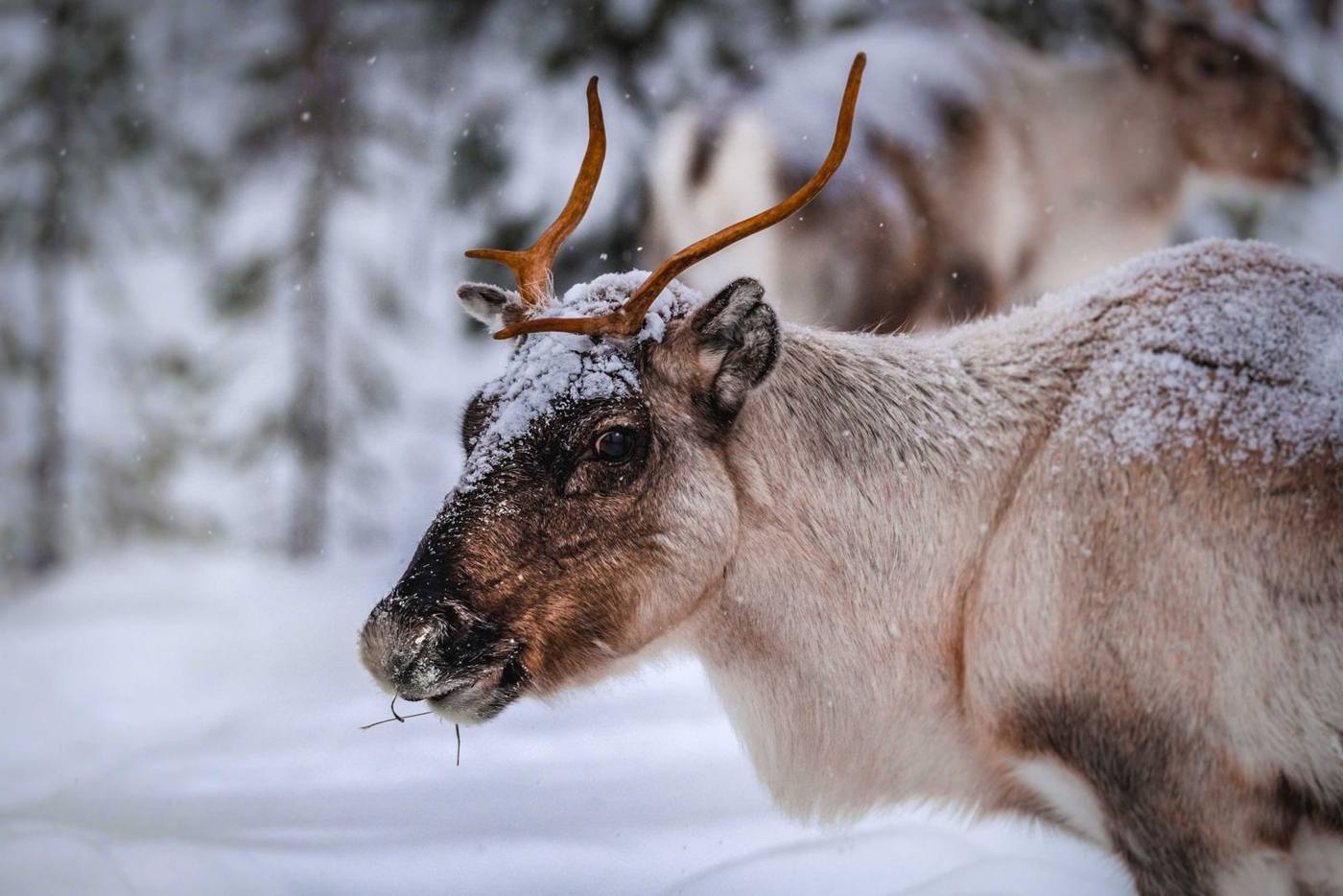
The reindeer sled is slow and silent. Reindeer are farmed animals: in Lapland they all belong to someone, even the ones you see roaming the woods. On a reindeer farm the herder explains how the family lives, how the animals are marked and how the herds move between seasons. Then you climb onto the sled and cross the snowy forest at the animal's calm pace.
The husky sled is something else entirely: fast, noisy and thrilling. The dogs bark and jump before the start, then run silently over the snow. You can usually drive your own sled, after a short explanation of how to brake and turn.
Choose farms that treat their animals well: look at how the dogs and reindeer live, how much space they have and how many outings they do each day. Ask beforehand how long the ride lasts and what is included.
In the afternoon, go back to town and walk across the Jätkänkynttilä bridge, the "Lumberjack's Candle" bridge, over the Kemijoki river, lit up in the evening.
Practical tip: book sled rides a few weeks in advance, especially in December and in the February holidays, when places run out quickly.
- Day 3
To Saariselkä and the glass cabin
Today you leave Rovaniemi and head north to Saariselkä, about 250 kilometres away. You can take the bus, which takes a few hours and crosses snow-covered forests and villages, or rent a car. If you fly, you have to go via Helsinki to reach Ivalo airport, about thirty kilometres from Saariselkä.
By car, drive carefully: the roads are often covered in snow and ice, and reindeer cross without warning. In Finland winter tyres are compulsory from December to the end of February.
Saariselkä is a small resort village at the foot of Kaunispää fell, on the edge of Urho Kekkonen National Park, one of the largest in Finland. Light pollution is low here and the sky is dark: it is one of the best places for the northern lights.
Tonight you sleep in a glass cabin, with a transparent roof. You lie in a warm bed and look at the sky above you. If the aurora appears, you will see green lights moving among the stars. The cabins are expensive and must be booked many months in advance.
Before dinner, go up Kaunispää, on foot or by car, to watch the sunset over the white fells.
Practical tip: download an aurora forecast app and also check the cloud cover, because with an overcast sky you will not see the aurora even when it is strong.
- Day 4
Cross-country skiing and snowshoeing in Urho Kekkonen
Today you spend the day in Urho Kekkonen National Park, named after a Finnish president. The park is a huge territory of rounded fells, pine forests and frozen bogs, home to reindeer.
Around Saariselkä there is a network of groomed cross-country ski tracks, with easy routes in the forest and climbs onto the fells. If you have never tried cross-country skiing, rent the equipment and take a short lesson: the classic technique is easy to learn.
Alternatively, rent snowshoes and walk the marked trails. A good goal is Kiilopää fell, south of Saariselkä: from the top you see a sea of white fells and ice-covered trees, bent under the weight of the snow. The park also has open huts run by Metsähallitus, where you can stop to warm up and eat.
In the weeks around the winter solstice, at this latitude, the sun does not rise. There is only a blue and pink light for a few hours in the middle of the day, the kaamos. Plan your outings for those hours.
In the evening, take a Finnish sauna and, if you dare, roll in the snow before going back into the warmth.
Practical tip: check the park rules and the latest notices on luontoon.fi, the official website of Metsähallitus, before heading out on the trails.
- Day 5
Inari and the Siida Sámi museum
Today you go to Inari, about seventy kilometres north of Saariselkä, on the shores of the huge Lake Inarijärvi, the third largest lake in Finland by area, with thousands of islands.
Inari is the centre of Sámi culture in Finland. The Sámi are the only indigenous people of the European Union and live across Norway, Sweden, Finland and Russia. Inari is also home to Sajos, the building of the Sámi Parliament of Finland.
Visit Siida, the Sámi museum and nature centre of northern Lapland. It tells the story of Sámi life, reindeer herding, fishing, language and crafts, and of Lapland's nature through the seasons. Outside there is an open-air museum with old wooden buildings. Check prices and times.
In the afternoon, if there is enough light, walk to the Pielpajärvi wilderness church, an eighteenth-century wooden church in the middle of the forest, a few kilometres from the village. In winter the trail may be under snow: ask for information at the museum and use snowshoes.
In the evening, away from the village lights, look at the sky over the frozen lake: here too the chances of seeing the aurora are high.
Practical tip: buy Sámi crafts only where they are guaranteed as authentic, because many souvenirs imitating Sámi culture are made elsewhere.
- Day 6
Departure from Ivalo
On the last day you leave Lapland from Ivalo airport, about forty kilometres from Inari.
If your flight is in the afternoon, take a last walk along the lakeshore in the morning or a short snowshoe outing. Ivalo is the largest village in the area, on the Ivalojoki river: here you can shop and taste Lapland cooking, such as salmon soup, sautéed reindeer with mashed potatoes and lingonberries, fish from Lake Inari and leipäjuusto cheese with cloudberry jam.
Get to the airport early: in winter snow and frost can slow down roads and flights.
In these six days you have seen the best-organised Lapland in Europe: Arktikum and the Arctic Circle in Rovaniemi, reindeer and huskies, the night in a glass cabin in Saariselkä, the tracks and fells of Urho Kekkonen National Park, the Siida museum and Sámi culture in Inari.
When to go: from December to March for snow, sleds and the aurora. December is the month of kaamos, with very little light and many people in Rovaniemi for Christmas. February and March have more light, plenty of snow and very low temperatures. In September comes the ruska, with autumn colours and the first auroras, without snow.
Practical tip: keep warm clothes, water and something to eat in your hand luggage, in case flights are delayed or cancelled because of the cold.
Europe's most organised Lapland, easy for families too. Rovaniemi is very commercial, especially in December with Santa's village: further north the silence is real. Glass cabins are expensive and must be booked many months ahead.
Before you go
- Documents and visa
- EU citizens need a valid identity card or passport: Finland is in the EU and the Schengen area. Other nationalities should check the Schengen rules and the Entry/Exit System.
- Health and vaccines
- Excellent healthcare. EU citizens should bring their EHIC, plus insurance covering medical costs and repatriation. From June to November the forests have ticks that can carry encephalitis: ask your doctor about the vaccine. In summer in the north, bring mosquito repellent. Emergencies: 112.
- Money and payments
- Euro. Cards are accepted everywhere, even for a few euros and you will rarely need cash. Finland is expensive, especially Helsinki.
- Power sockets
- Types C and F, 230 volts.
- Time zone
- Eastern European Time (UTC+2, summer UTC+3).
- Safety
- A very safe country, with pickpockets in crowded tourist areas in summer. The land border with Russia is closed until further notice. Along the border there is a border zone, marked with yellow signs and strips, which you may enter only with a Border Guard permit. The UK reports that some Ukrainian drones aimed at Russia have crossed into Finnish territory: follow official guidance. Official advice: GOV.UK.
Information checked in November 2026 for Italian and EU citizens. Rules change: always check before you travel.
Variations
In 4 days: two days in Rovaniemi with a sled ride, then a night in a glass cabin in Saariselkä and departure from Ivalo.
In 8 days: add two days on Lake Inari, with a snowmobile outing or ice fishing.
Frequently asked questions
When can you see the northern lights?
From late August to early April, when the nights are dark. You need a clear sky away from lights: Saariselkä and Inari are among the best places. Seeing them is never guaranteed.
Is this trip suitable for children?
Yes, it is the easiest and best-organised Lapland, with sleds, reindeer and huskies. Dress them well in layers and choose short rides, because the cold can be very intense.
Do you need a car?
It is not essential: buses link Rovaniemi, Saariselkä, Inari and Ivalo. A car gives you more freedom, but you must be able to drive on snow and ice, with winter tyres.
Indicative itinerary written by World Atlas. Before booking, check timetables, seasonal openings, documents and safety.
 6 daysEasy
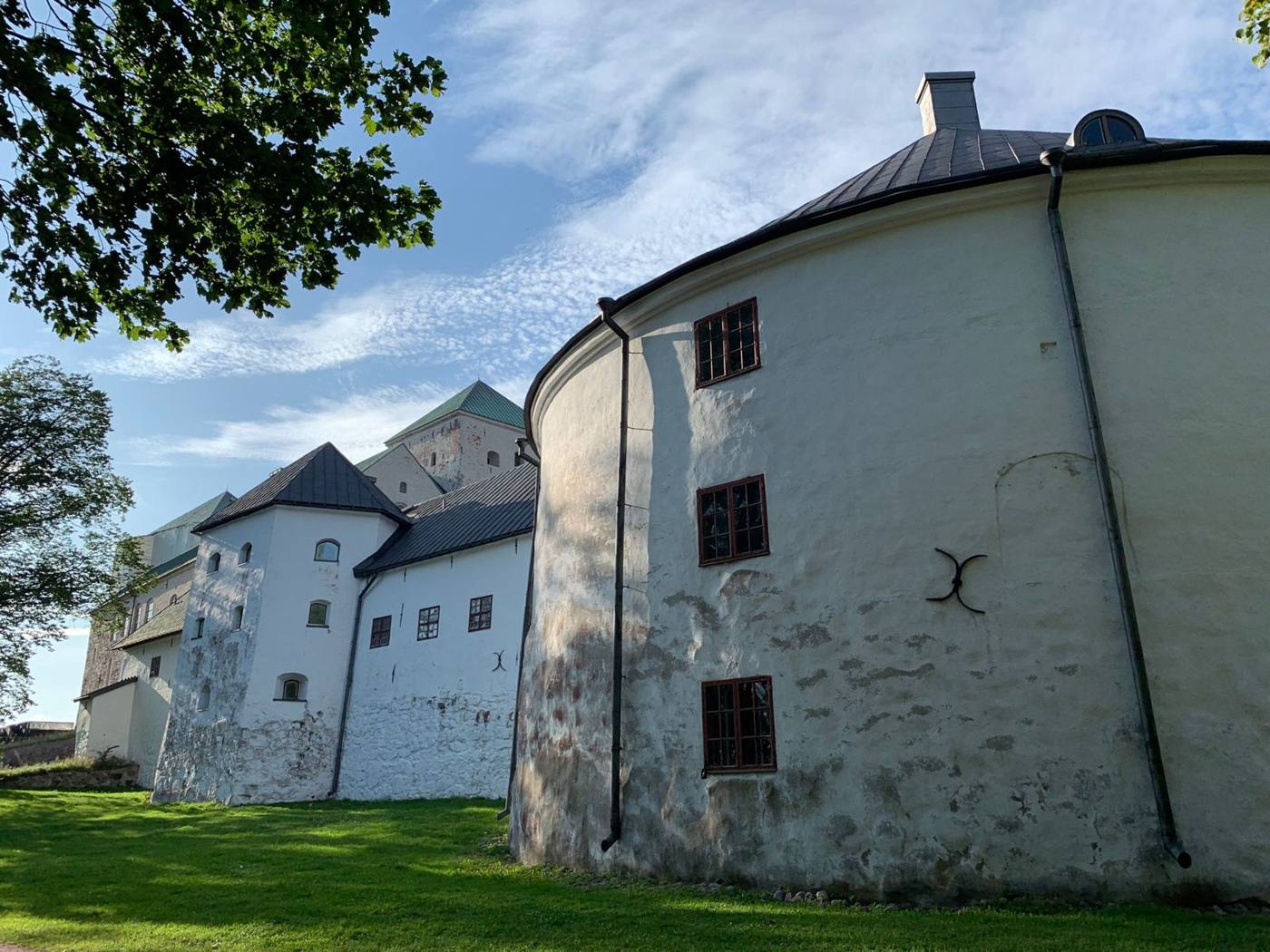
Turku and the archipelago
Turku's castle and cathedral, the Archipelago Trail loop of bridges and ferries, Naantali and the Åland islands.
 5 daysModerate
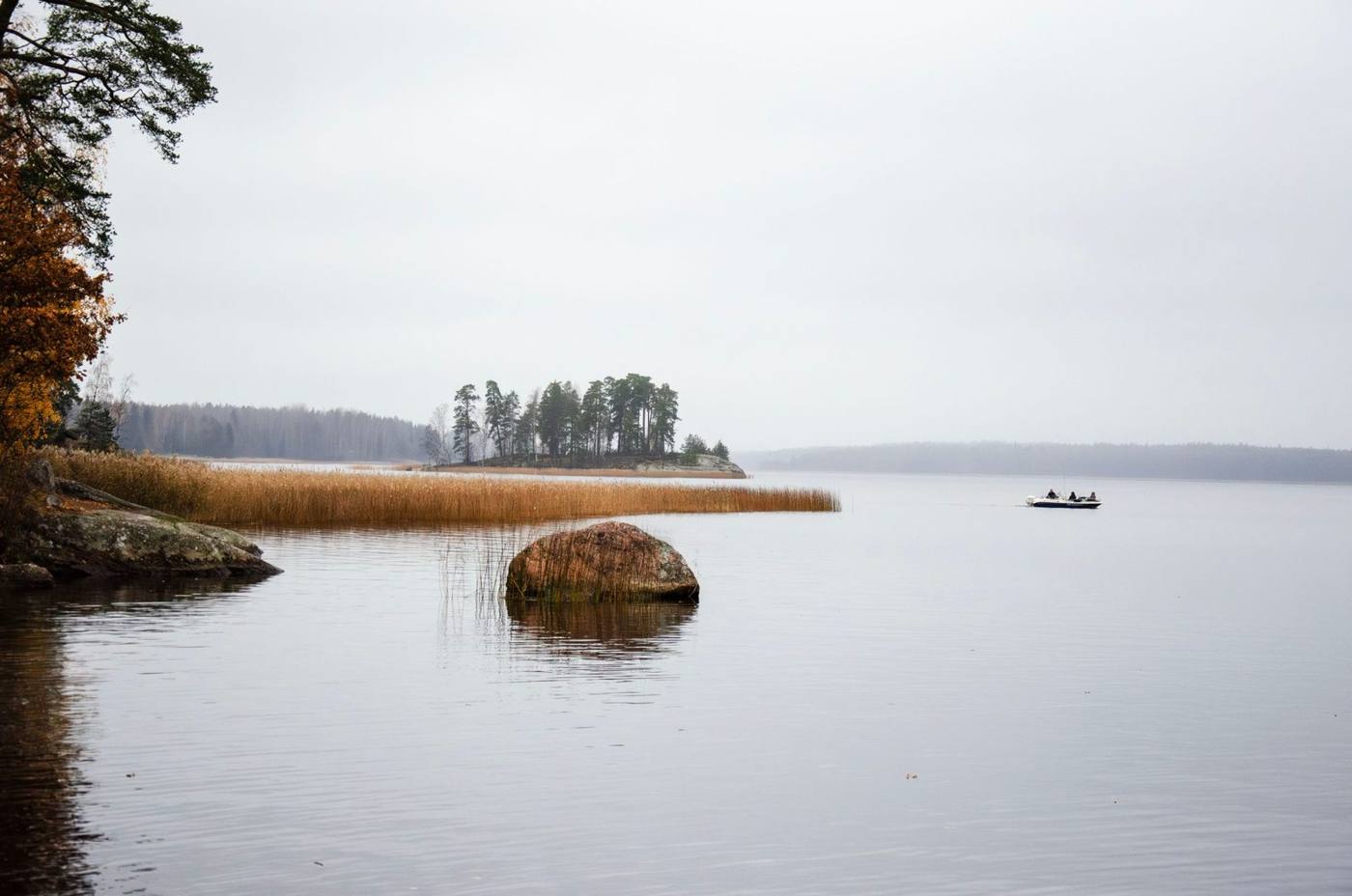
Lake Saimaa by canoe
Linnansaari National Park on Lake Saimaa, canoeing from island to island with tent or hut, looking for the very rare Saimaa ringed seal.
 6 daysModerate
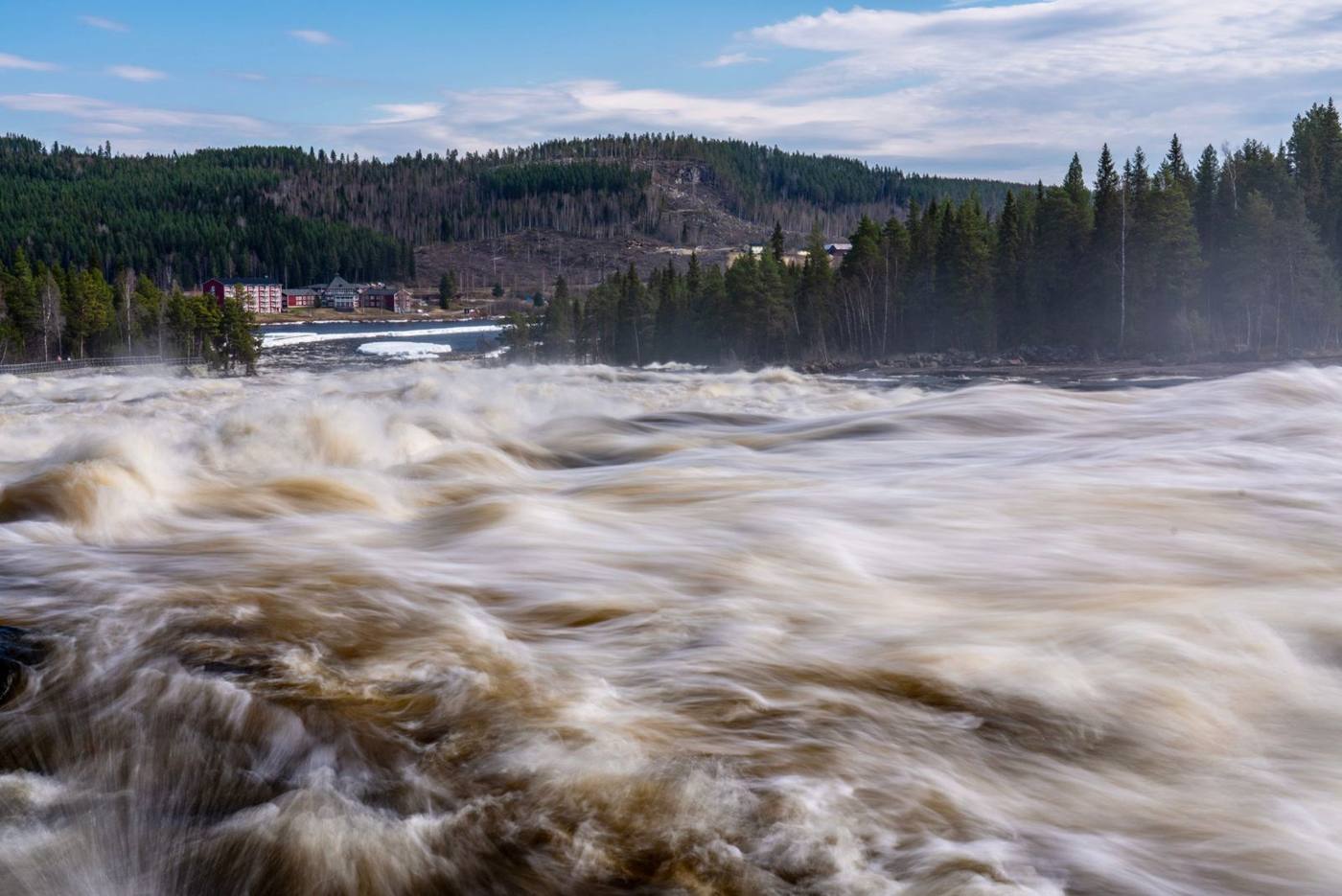
The Karhunkierros
The 'Bear's Ring', 80 km through Oulanka National Park among canyons, rapids, suspension bridges and open wilderness huts, near the Arctic Circle.