The surf coast
El Tunco and El Zonte, the waves of Punta Roca, the volcanic Lake Coatepeque and the Surf City seafront.
- El Tunco
- El Zonte
- Punta Roca
- Lake Coatepeque
Day by day
- Day 1
Arrival in El Tunco
This five-day trip takes you to El Salvador's Pacific coast, one of the most famous in Central America for surfing: El Tunco and El Zonte, the waves of Punta Roca in La Libertad, sunsets on black sand beaches and, to finish, the volcanic lake of Coatepeque. The government has named this stretch of coast Surf City.
Before you go: Italian citizens enter El Salvador with a passport valid for at least six months from the date of entry; no visa is needed for tourism. Other nationalities should check their own rules. Since 2022 a state of exception against gangs has been in force, renewed every month: the police can stop you and ask for ID, so always carry a copy of your passport. The United States rates the country at level 1, the lowest. On the Pacific coast the currents can be very strong, so follow the warnings on the beaches.
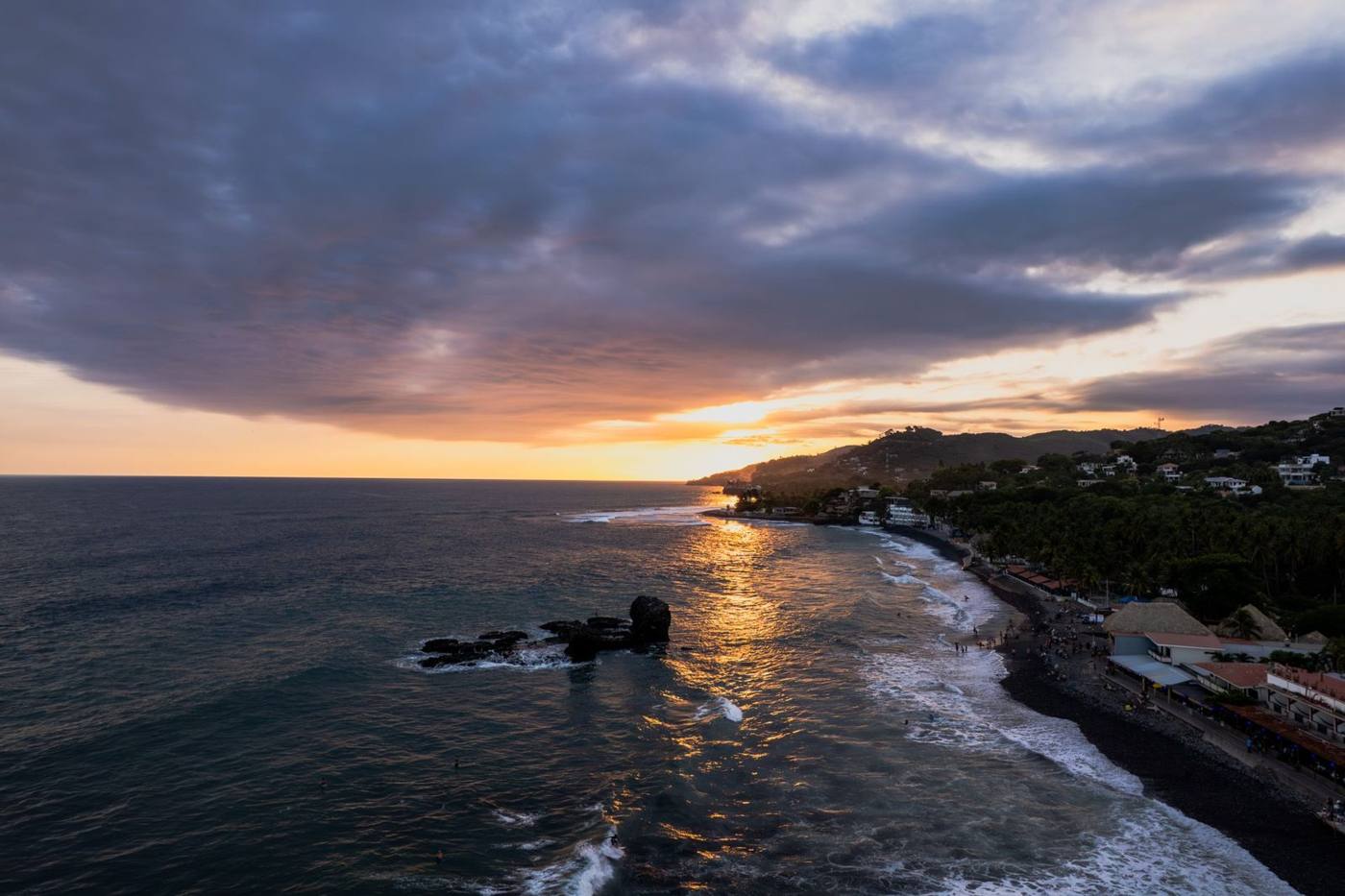
You land at the international airport, which is close to the sea, and in less than an hour you reach El Tunco, in the department of La Libertad. The village takes its name from a pig-shaped rock in front of the beach, called tunco in Salvadoran Spanish.
In the afternoon walk on the beach of dark sand and pebbles, watch the surfers on the waves and settle into accommodation near the sea.
At sunset sit on the beach: the sun goes down behind the rock and the sky turns red and purple. In the evening the village is lively, with music and small places along the main street.
Have dinner with grilled fish or prawn pupusas.
Sleep in El Tunco, for three nights.
Practical tip: the seabed in front of El Tunco is stony, so bring water shoes or enter the sea carefully.
- Day 2
Surf lesson and Punta Roca
Today is surf day, for beginners and for those who just want to watch.
Early in the morning, when the sea is calmer and there is less wind, take a surf lesson with a certified instructor. The local schools take beginners to sandy beaches with gentle, safer waves. You learn to paddle, to stand up on the board and to read the waves. Check prices and times.
At the end of the morning go to the port of La Libertad, a few kilometres away. Here is Punta Roca, one of the most famous waves in Central America, which breaks long to the right over a rocky bottom. It is only for experienced surfers, but it is great to watch them from the headland.
At lunchtime walk along the malecón, the renovated seafront, and onto the pier, where fishermen sell fish, prawns and shellfish fresh from the boats. Eat a ceviche or a whole fried fish.
In the afternoon return to El Tunco and rest, or take a second lesson if you enjoyed the first.
At sunset watch the last waves of the day from the beach.
Sleep in El Tunco.
Practical tip: the Pacific sun is very strong even when it is cloudy, so use water-resistant sun cream and wear a lycra top in the water.
- Day 3
El Zonte and Bitcoin Beach
Today you go to El Zonte, a small surf village west of El Tunco, quieter and more intimate.
In the morning watch the waves at El Zonte, with a spot where the wave breaks close to the rocks, suited to intermediate surfers. If you do not surf, walk on the beach, look for rock pools at low tide or do yoga in one of the many studios in the village.
El Zonte became famous as Bitcoin Beach: from 2019 a local project brought bitcoin payments to the village, and in 2021 El Salvador became the first country to make it legal tender. Since 2025 accepting it is no longer compulsory, and today almost everyone pays in dollars.
In the afternoon, if you want a walk, ask a local guide to take you to the waterfalls inland, near Tamanique, with pools for swimming.
At sunset return to the beach at El Zonte or El Tunco to watch the sun sink into the Pacific.
In the evening have mariscada, a fish and seafood soup with coconut and tomato.
Sleep in El Tunco.
Practical tip: between the beaches, use taxis or trusted drivers called by your accommodation, and do not walk along the coast road in the evening.
- Day 4
Lake Coatepeque
Today you leave the sea and head up into the western volcanoes to Lake Coatepeque, a large volcanic caldera filled with blue water.
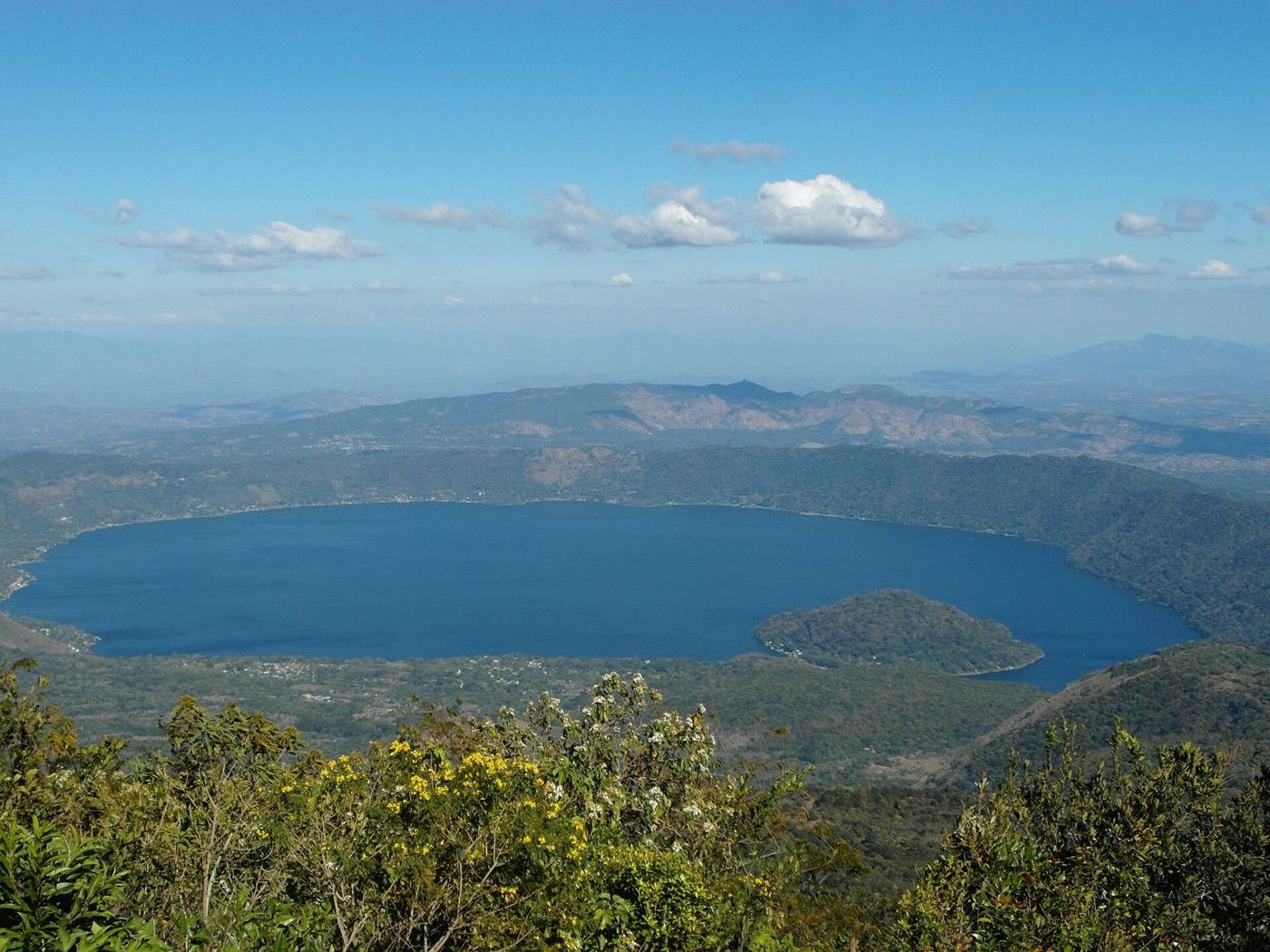
Set off in the morning with a driver: the road climbs from the coast inland, among sugar cane fields and coffee plantations, and in about two hours you reach the rim of the caldera. Stop at one of the viewpoints along the road: the lake appears below, surrounded by forested walls, with an island in the middle and the Santa Ana volcano in the background.
Go down to the shore and spend the afternoon on the water. Swim from a jetty, take a kayak or go on a boat trip to the island. The water is warm and its colour changes with the light: sometimes it turns turquoise because of algae, a natural phenomenon.
For lunch eat fish from the lake or prawns on a terrace over the water.
At sunset watch the light change on the caldera walls and on the volcano, as the water grows almost still and the first lights come on along the shore.
Sleep by Lake Coatepeque.
Practical tip: if you have an extra day, from here you can climb the Santa Ana volcano with the park guide; book ahead and check that the park is open.
- Day 5
Departure
Today is the last day.
Early in the morning enjoy the calm, silent lake, with light mist on the water and birdsong. Have a last swim or a slow breakfast with tropical fruit, sweet bread and Salvadoran coffee.
Then leave for the international airport, near the coast: allow about two hours on the road and leave with time to spare, because traffic around San Salvador can be slow. If your flight is in the late afternoon, you can go back to the coast for a few hours, to El Tunco or the seafront at La Libertad, for a last fried fish.
In these five days you have seen El Salvador's surf coast: the beach at El Tunco with its rock, lessons on gentle waves, the great wave of Punta Roca, the malecón of La Libertad, the village of El Zonte and the blue of Lake Coatepeque. The beaches are of black sand and rocks, wilder than postcard beaches, with waves for every level.
When to go: from March to October the biggest and most consistent waves arrive, ideal for surfers, but it often rains in the afternoon. From November to April there is more sun and the sea is often calmer, better for beginners and for beach lovers.
Practical tip: keep dollars in small notes in your pocket: many small places on the coast do not take cards, and hardly anyone still uses bitcoin.
One of the Pacific's best-known surf coasts, with waves for all levels. Beaches are black sand and rock. Bitcoin became legal tender, but today almost everyone pays in dollars.
Before you go
- Documents and visa
- Passport with at least six months' validity on entry; no visa is needed for tourism. El Salvador is part of the CA-4 agreement with Guatemala, Honduras and Nicaragua: days of stay are counted together across the four countries. Before travelling, check on official websites whether a fee or tourist card applies to your nationality.
- Health and vaccines
- There is a risk of dengue, chikungunya and Zika: protect yourself from mosquitoes during the day too. Do not drink tap water and avoid ice. Private healthcare is good but very expensive: you need insurance covering medical costs and repatriation. Emergencies: 911.
- Money and payments
- US dollar. Bitcoin is accepted in some places, but almost everyone pays in dollars. Carry cash in small notes for villages and markets; cards work in cities and tourist areas.
- Power sockets
- Types A and B, 120 volts: you need an adapter for American plugs, and check that your devices accept this voltage.
- Time zone
- UTC-6 all year.
- Safety
- Since March 2022 a state of exception against gangs has been in force, renewed every month: the police have wider powers, can ask for ID and may detain anyone they suspect of gang membership, and some foreigners have been detained. Always carry a copy of your passport photo page. The United States rates El Salvador at level 1, the lowest; crime has fallen sharply in tourist areas, but avoid travelling between cities at night, public buses and outlying districts. Climb volcanoes and walk in remote areas only by day and with authorised guides. There is zero tolerance for drugs and for drink driving. Official advice: GOV.UK.
Information checked in November 2026 for Italian and EU citizens. Rules change: always check before you travel.
Variations
Shorter: three days only in El Tunco and El Zonte, with a surf lesson and the malecón of La Libertad.
Longer: add three days on the Ruta de las Flores, with Juayúa, Apaneca and Ataco, after Lake Coatepeque.
Frequently asked questions
Is the surf coast suitable for beginners?
Yes: the surf schools take beginners to beaches with gentle waves. Famous waves such as Punta Roca are only for experienced surfers.
Can you swim on the coast?
Yes, but carefully: Pacific currents can be very strong and the seabed is often rocky. Swim near other people and follow the warnings.
Do people still pay in bitcoin?
Rarely. Bitcoin was legal tender from 2021, but since 2025 accepting it is no longer compulsory. Almost everyone pays in US dollars.
Indicative itinerary written by World Atlas. Before booking, check timetables, seasonal openings, documents and safety.
 2 daysEasy
Suchitoto
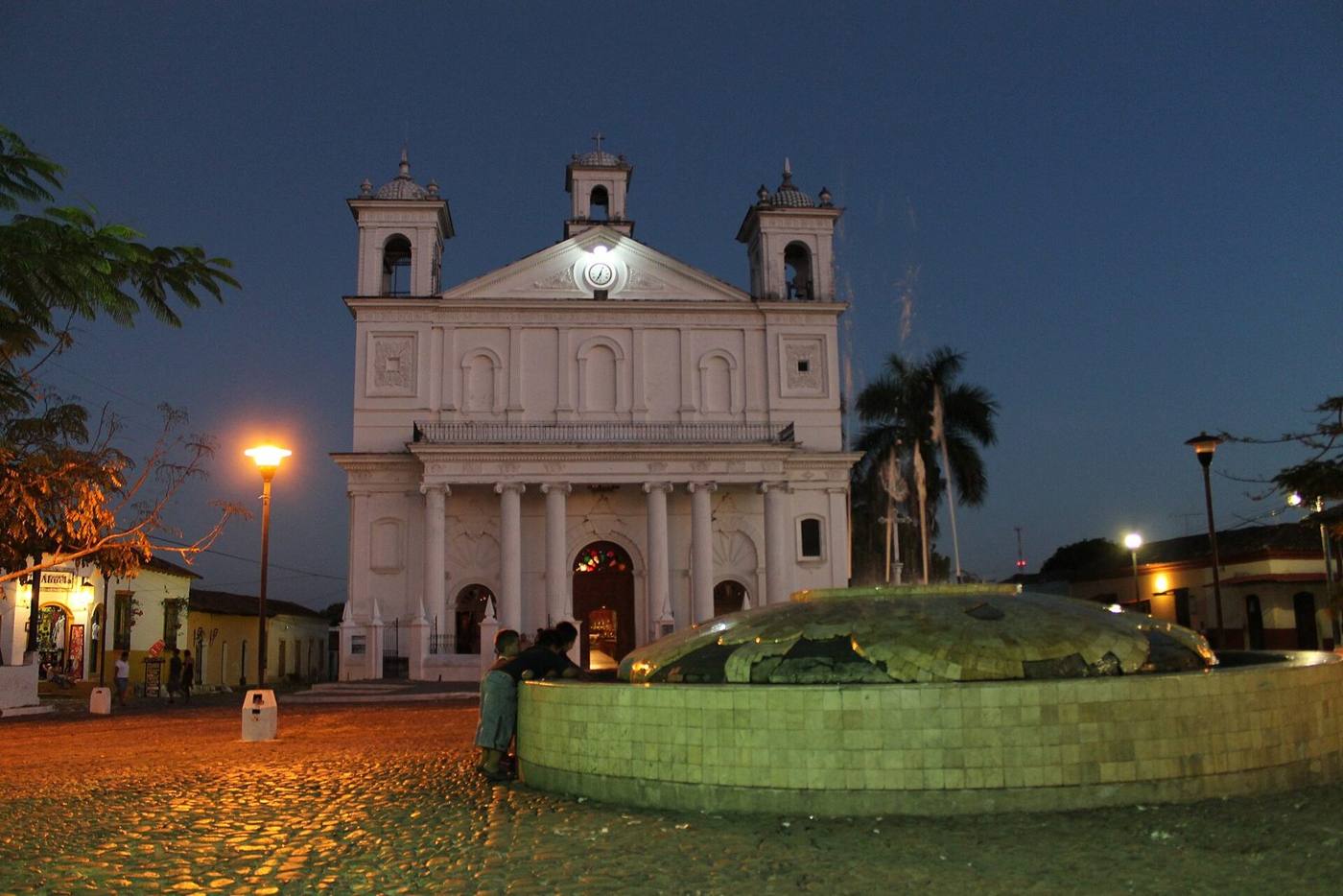
The country's most beautiful colonial town, with stone streets, the white Santa Lucía church, indigo dye workshops and Lake Suchitlán with its birds.
 3 daysModerate
Santa Ana and Coatepeque
The climb up Santa Ana volcano with its green crater lake, views of Izalco and Lake Coatepeque, a crater full of blue water with lodgings on the shore.
 2 daysEasy
The Maya sites
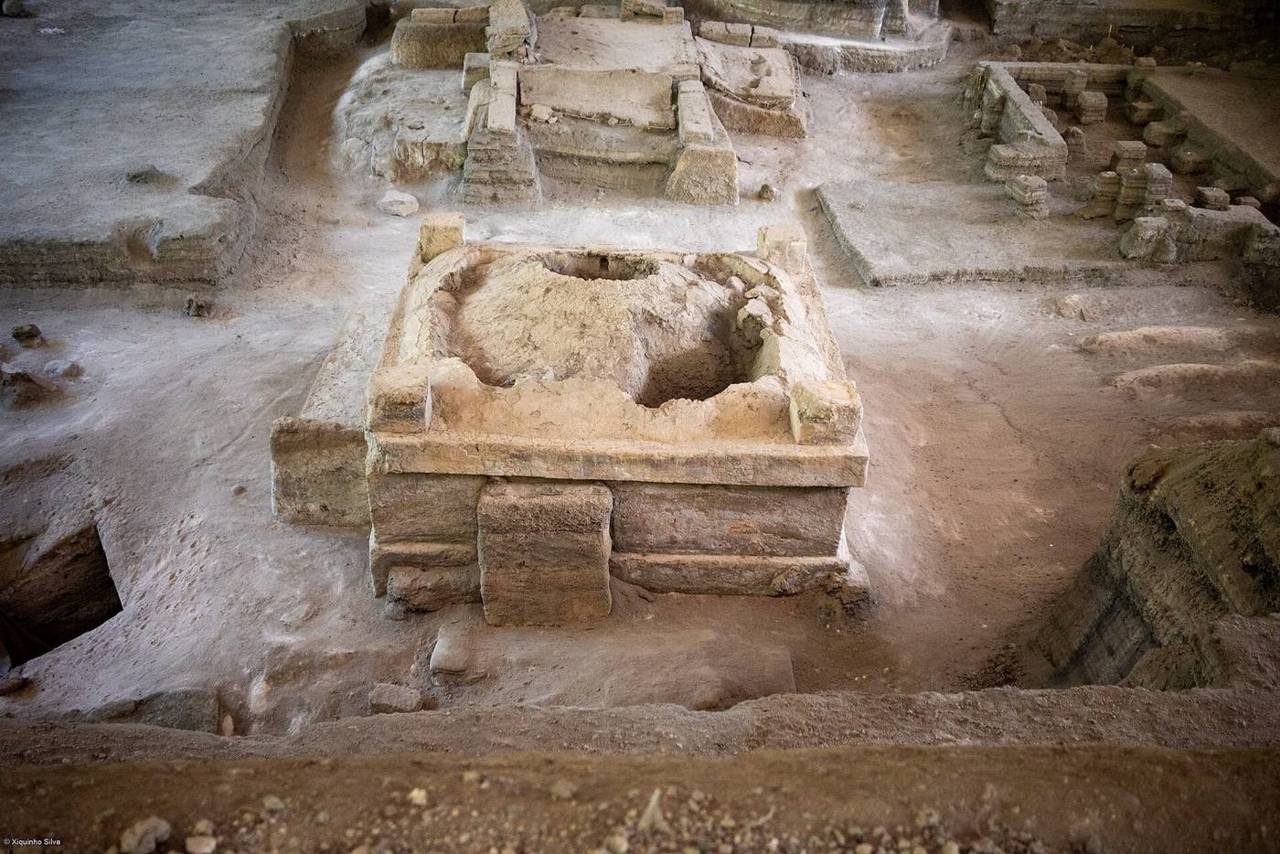
Joya de Cerén, the Pompeii of the Americas with the houses of a Maya village buried by ash, and the pyramids of San Andrés and Tazumal.