The Ruta de las Flores
The painted colonial towns of Juayúa, Ataco and Apaneca among coffee farms, Santa Ana volcano with its crater lake and the Maya site of Joya de Cerén.
- San Salvador
- Joya de Cerén
- Santa Ana
- Juayúa
- Apaneca
- Concepción de Ataco
Day by day
- Day 1
San Salvador and Joya de Cerén
This five-day trip takes you to western El Salvador: the buried Maya village of Joya de Cerén, the climb up the Santa Ana volcano and the Ruta de las Flores, the mountain road linking painted colonial towns such as Juayúa, Apaneca and Concepción de Ataco, among coffee plantations and flowers. The best way is a car with a driver or a hire car.
Before you go: Italian citizens enter El Salvador with a passport valid for at least six months from the date of entry; no visa is needed for tourism. Other nationalities should check their own rules. Since 2022 a state of exception against gangs has been in force, renewed every month: crime has collapsed, but the police have very wide powers, criticised by human rights organisations, and can stop you and ask for ID. Always carry a copy of your passport. The United States rates the country at level 1, the lowest.
In the morning drive west from San Salvador to Joya de Cerén, a UNESCO World Heritage Site known as the Pompeii of the Americas. It is a Maya farming village buried around the seventh century by ash from an eruption: you see earth houses, storehouses, a steam bath and the furrows of maize fields. Check prices and times.
In the afternoon continue to Santa Ana, the country's second city. At sunset look at the white façade of the neo-Gothic cathedral and the theatre on Parque Libertad, the main square.
In the evening eat pupusas, the stuffed tortillas that are the national dish.
Sleep in Santa Ana.
Practical tip: book tomorrow's guided volcano climb today and check that the park is open, as it may close after heavy rain.
- Day 2
The climb up the Santa Ana volcano
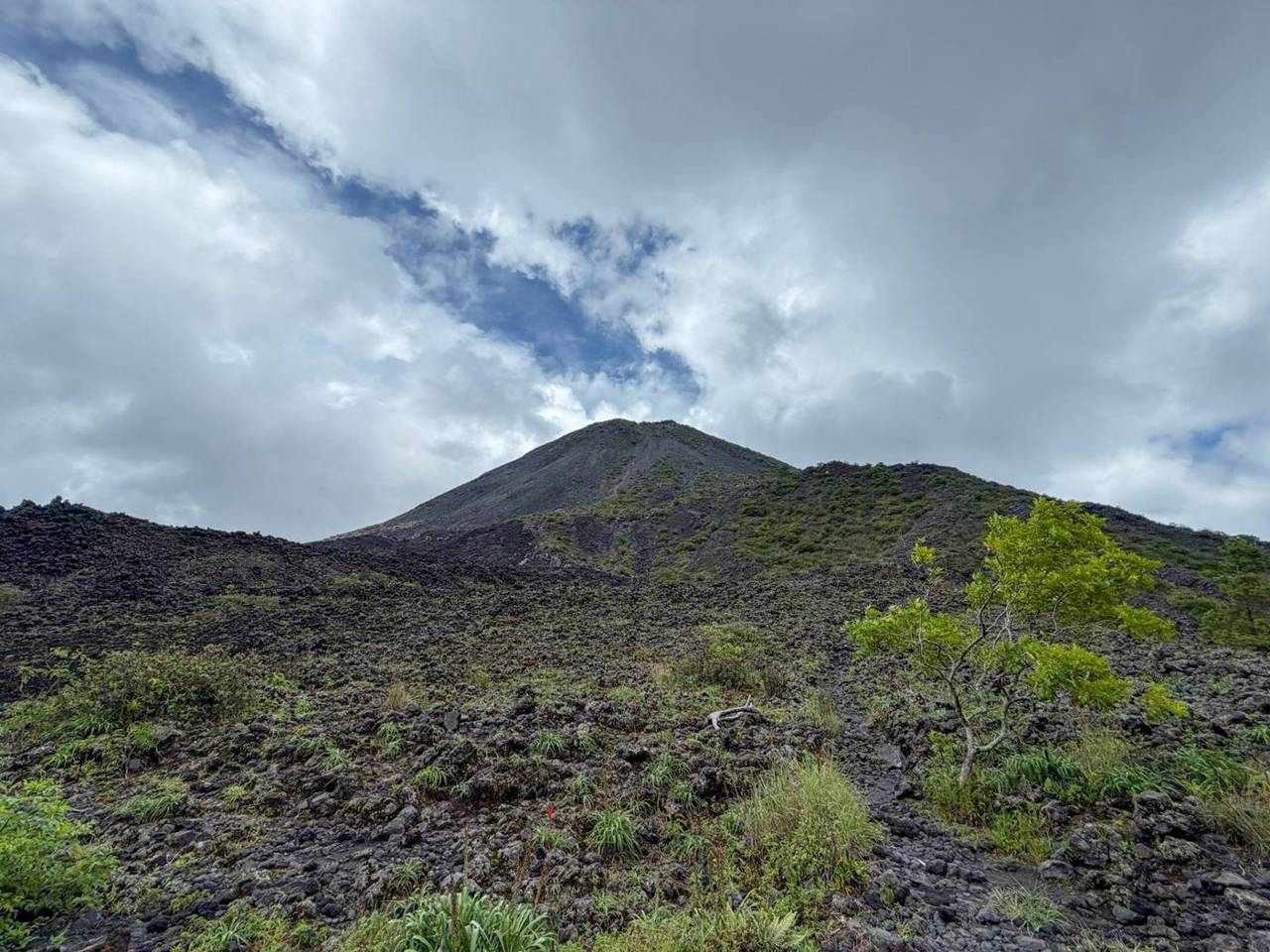
Today you climb the Santa Ana volcano, or Ilamatepec, the highest in the country.
Leave Santa Ana early for Cerro Verde National Park, about an hour away. The climb is only done with an authorised guide and park officers: groups leave at a set time in the morning. Check prices and times.
The path crosses a wood, then climbs among agaves and volcanic rocks. After a few hours of walking you reach the crater rim: at the bottom lies an emerald green lagoon, steaming and smelling of sulphur. The last eruption was in 2005. Around you are the dark cone of the Izalco volcano and blue Lake Coatepeque in a large basin. Stay only briefly on the rim because of the gases, and follow your guide.
Come down for lunch and then drive to Juayúa, on the Ruta de las Flores, about an hour away. The road climbs through coffee plantations; between October and February the verges are full of wild flowers, which give the road its name.
In the evening stroll around the square in Juayúa, with its white church and lights.
Sleep in Juayúa, for two nights.
Practical tip: bring walking boots, a windproof jacket and two litres of water: it is windy at the top and the sun is strong.
- Day 3
Juayúa and the food festival
Today you stay in Juayúa, the liveliest town on the Ruta de las Flores, famous for its weekend food festival.
In the morning go into the church of the Black Christ, on the square, with its dark statue of Christ deeply venerated in the region. Then, with a local guide or the tourist police, walk to the waterfalls near town, with pools of cool water among rocks and greenery. Check prices and times.
At midday, if it is Saturday or Sunday, the square fills with food festival stalls. They cook grilled meat, soups, tamales, pupusas, fish dishes and even unusual specialities such as iguana or frogs, alongside maize and coconut sweets and local coffee. Try a little of everything, and sit at the shared tables among Salvadoran families.
In the afternoon visit a coffee plantation to see hand-picking, washing and the beans drying in the sun, then taste freshly roasted coffee.
At sunset, if you like, make a short detour to Nahuizalco, an indigenous town known for furniture and baskets made of wicker and reed, with an evening market lit up after dark.
Sleep in Juayúa.
Practical tip: plan your trip so that you are in Juayúa on a Saturday or Sunday, when the festival is on.
- Day 4
Apaneca and Ataco with its murals
Today you travel the highest part of the Ruta de las Flores, to Apaneca and Concepción de Ataco.
In the morning stop briefly in Salcoatitán, a small town with a colonial church and square, then continue to Apaneca, one of the highest towns in the country, with cool air and hills covered in coffee. Nearby are two small volcanic lakes, the Laguna Verde and the Laguna de las Ninfas, reached on short walks, and zip lines through the trees for those who want some adventure. Check prices and times.
In the afternoon reach Concepción de Ataco, the most photographed town on the road. The houses are covered in colourful murals of flowers, animals, scenes of rural life and indigenous figures, and the streets are cobbled. Visit a weaving workshop, where women make striped, colourful cloth on looms, and buy a hammock or a bag.
At sunset climb to the viewpoint above town, with its cross, to see the hills and the plain towards Guatemala.
In the evening eat a dish of local meat and vegetables with a mountain coffee.
Sleep in Ataco.
Practical tip: evenings on the Ruta de las Flores are cool, especially in Apaneca and Ataco, so bring a jumper.
- Day 5
The return
Today is the last day.
Early in the morning stroll the streets of Ataco once more, as the shops open and the light falls softly on the murals. Have breakfast with sweet bread, fruit and coffee from the Ruta de las Flores, among the best in the country.
Then drive back to San Salvador or to the international airport: the road goes down from the mountains towards Sonsonate and the coast, then continues east. Allow about two and a half hours and leave with time to spare. If you have time, stop along the way for a last market or to buy coffee beans.
In these five days you have seen western El Salvador: the Maya village of Joya de Cerén, the lagoon in the crater of the Santa Ana volcano, the food festival in Juayúa, the lagoons of Apaneca and the murals of Ataco. It is the most complete trip for a first visit, easy and varied.
The country has changed a lot: after 2022 crime collapsed, under a state of exception that is still in force and measures that are much debated on civil rights. For travellers, the tourist areas are calm today.
When to go: from November to April, in the dry season, the sky is clearer and the trails are dry; between October and February flowers bloom along the road. From May to October it often rains in the afternoon.
Practical tip: buy coffee beans directly from plantations or cooperatives: they are fresher and support local producers.
The country has changed a lot: crime fell sharply after 2022, under a state of emergency still in force and with widely debated civil-rights measures. For travellers it is now calm in tourist areas. Santa Ana volcano is climbed with a guide and park police.
Before you go
- Documents and visa
- Passport with at least six months' validity on entry; no visa is needed for tourism. El Salvador is part of the CA-4 agreement with Guatemala, Honduras and Nicaragua: days of stay are counted together across the four countries. Before travelling, check on official websites whether a fee or tourist card applies to your nationality.
- Health and vaccines
- There is a risk of dengue, chikungunya and Zika: protect yourself from mosquitoes during the day too. Do not drink tap water and avoid ice. Private healthcare is good but very expensive: you need insurance covering medical costs and repatriation. Emergencies: 911.
- Money and payments
- US dollar. Bitcoin is accepted in some places, but almost everyone pays in dollars. Carry cash in small notes for villages and markets; cards work in cities and tourist areas.
- Power sockets
- Types A and B, 120 volts: you need an adapter for American plugs, and check that your devices accept this voltage.
- Time zone
- UTC-6 all year.
- Safety
- Since March 2022 a state of exception against gangs has been in force, renewed every month: the police have wider powers, can ask for ID and may detain anyone they suspect of gang membership, and some foreigners have been detained. Always carry a copy of your passport photo page. The United States rates El Salvador at level 1, the lowest; crime has fallen sharply in tourist areas, but avoid travelling between cities at night, public buses and outlying districts. Climb volcanoes and walk in remote areas only by day and with authorised guides. There is zero tolerance for drugs and for drink driving. Official advice: GOV.UK.
Information checked in November 2026 for Italian and EU citizens. Rules change: always check before you travel.
Variations
Shorter: three days with Juayúa, Apaneca and Ataco, without the volcano and Joya de Cerén.
Longer: add two days in El Imposible National Park, starting from Tacuba, near Ataco.
Frequently asked questions
When is the Juayúa food festival?
Every weekend, on Saturday and Sunday, on the main square. On weekdays the town is quieter.
Do you need a car?
It is the most convenient option, with a driver or a hire car. The road is good and the towns are close together, but public transport is slow and not recommended.
Is the Santa Ana volcano difficult?
It is a walk of medium difficulty, a few hours there and back. You climb only with an authorised guide and park officers.
Indicative itinerary written by World Atlas. Before booking, check timetables, seasonal openings, documents and safety.
 5 daysEasy
The surf coast
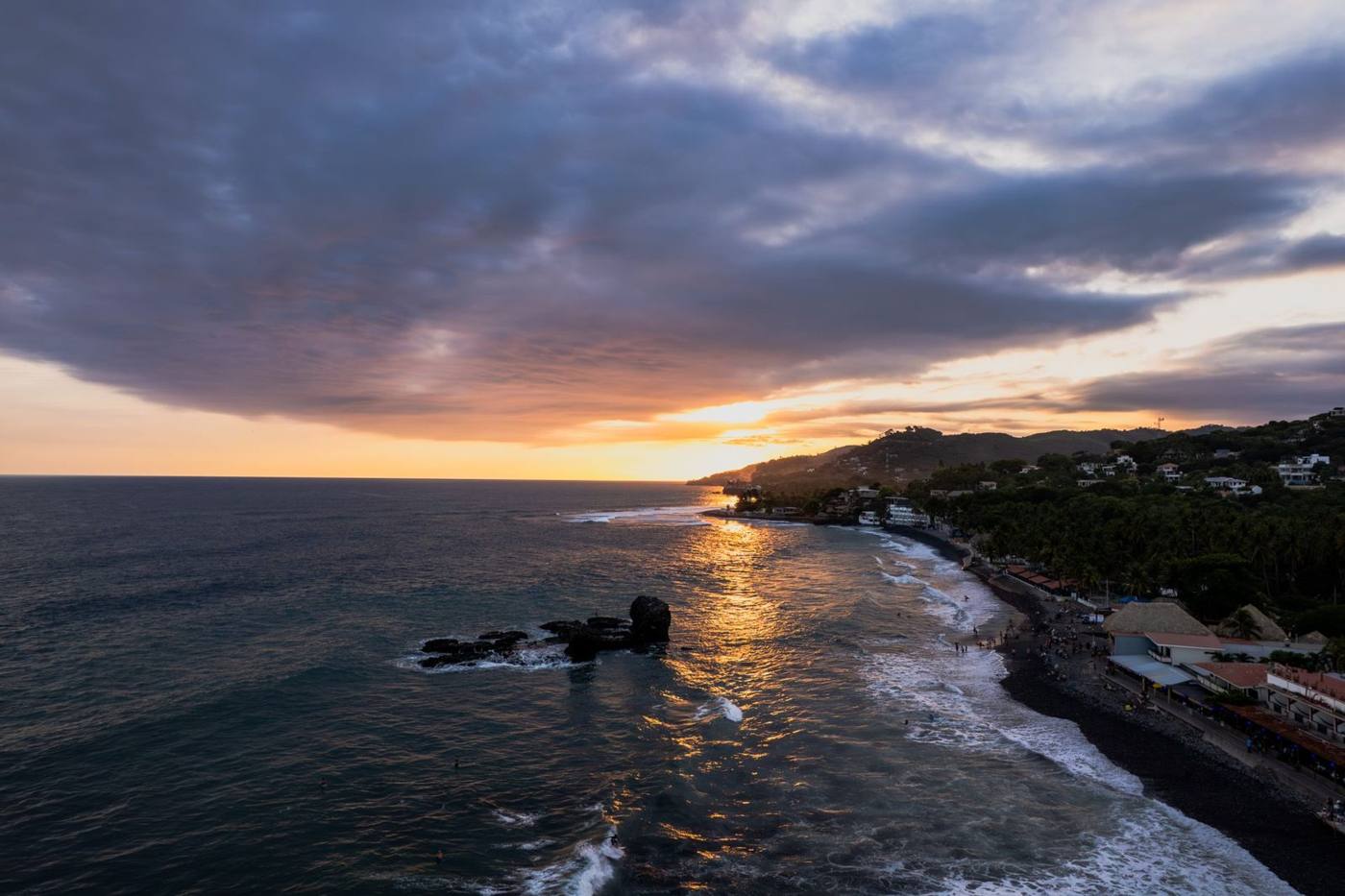
El Tunco and El Zonte, the waves of Punta Roca, the volcanic Lake Coatepeque and the Surf City seafront.
 2 daysEasy
Suchitoto
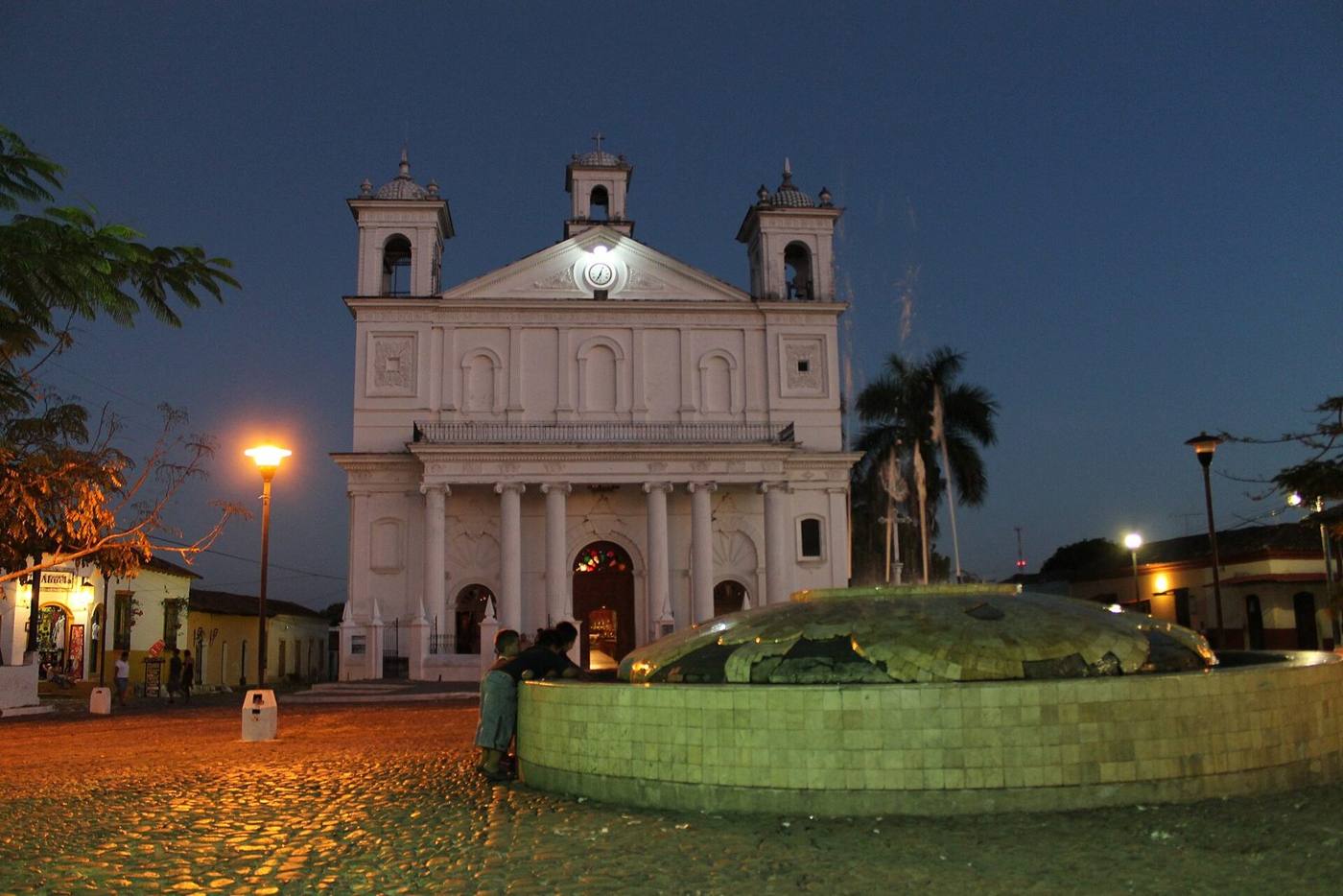
The country's most beautiful colonial town, with stone streets, the white Santa Lucía church, indigo dye workshops and Lake Suchitlán with its birds.
 3 daysModerate
Santa Ana and Coatepeque
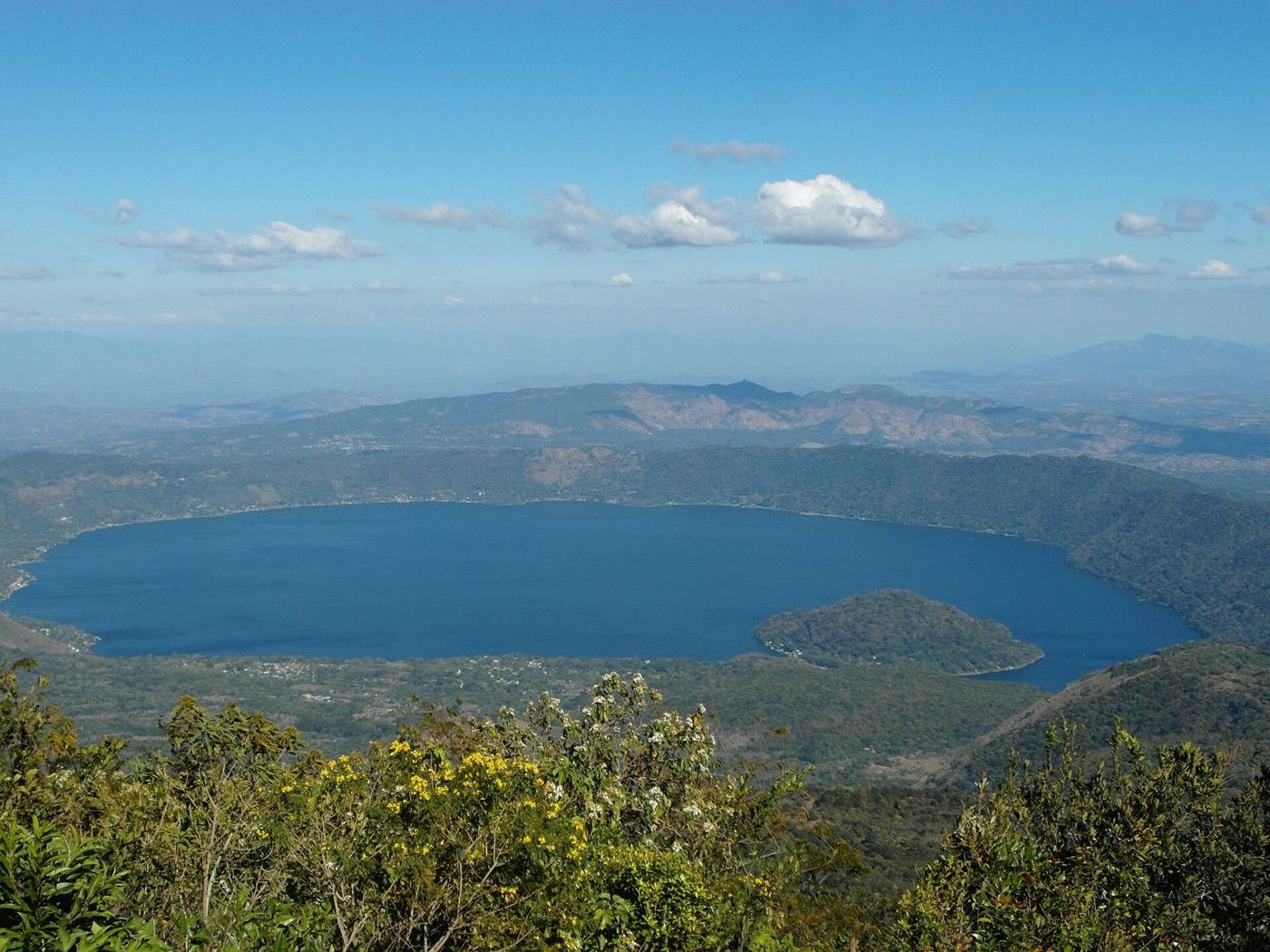
The climb up Santa Ana volcano with its green crater lake, views of Izalco and Lake Coatepeque, a crater full of blue water with lodgings on the shore.