The Maya sites
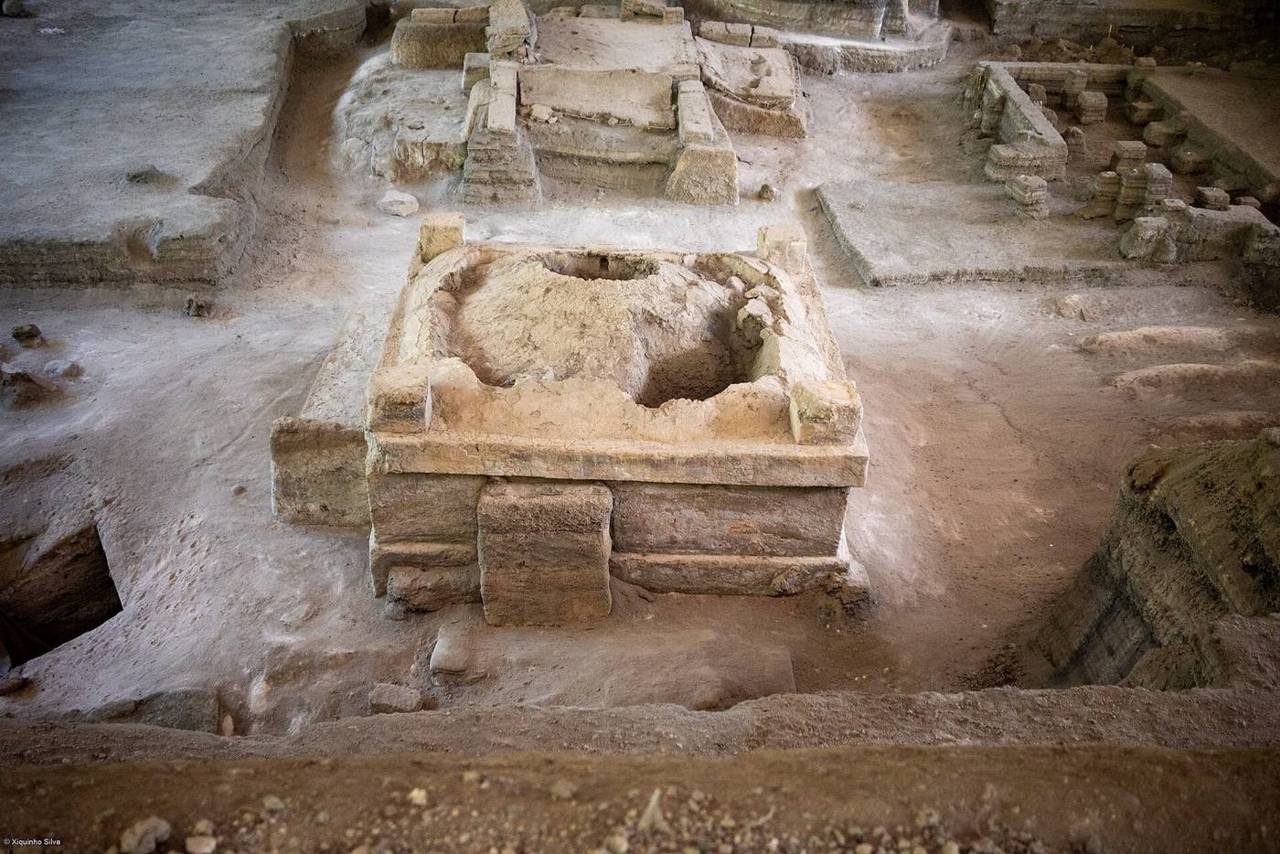
Joya de Cerén, the Pompeii of the Americas with the houses of a Maya village buried by ash, and the pyramids of San Andrés and Tazumal.
- San Salvador
- Joya de Cerén
- San Andrés
- Tazumal
Day by day
- Day 1
Joya de Cerén and San Andrés
This two-day trip takes you to the Maya sites of the Zapotitlán valley and western El Salvador: Joya de Cerén, the village buried by ash, the pyramid of San Andrés and the Tazumal complex in Chalchuapa. The sites are close to each other and less than two hours from San Salvador, so a car with a driver is the best choice.
Before you go: Italian citizens enter El Salvador with a passport valid for at least six months from the date of entry; no visa is needed for tourism. Other nationalities should check their own rules. Since 2022 a state of exception against gangs has been in force, renewed every month: the police can stop you and ask for ID, so always carry a copy of your passport. The United States rates the country at level 1, the lowest, but advises limiting travel outside the cities at night.
In the morning visit Joya de Cerén, a UNESCO World Heritage Site known as the Pompeii of the Americas. It was a small Maya farming village, buried around the seventh century by ash from a nearby eruption. The inhabitants escaped in time, but left behind their houses, tools, pots and even their fields of maize and manioc. Under the shelters you see earth houses, a storehouse, a meeting building and a steam bath. There are no temples here, only everyday life. Check prices and times.
In the afternoon, a few kilometres away, visit San Andrés, a ceremonial centre with an acropolis and stepped pyramids covered in grass. The small museum also has a colonial tank for indigo, the blue dye that was the wealth of the region for centuries.
Sleep in Santa Ana or San Salvador.
Practical tip: the archaeological parks close on some days of the week, so check the calendar before you go.
- Day 2
Tazumal in Chalchuapa and the return
Today you go to Chalchuapa, a small town near Santa Ana, home to Tazumal, the most famous Maya site in the country.
In the morning visit Tazumal, with the large stepped pyramid at the centre of the site and other structures around it. The site was inhabited for many centuries and had links with distant cities of the Maya world and Mexico. The pyramid has been partly restored and you cannot climb it today, but you can walk around it and see the different building phases. The museum holds pots, stone statues and objects found during the excavations. Check prices and times.
Then, if you have time, visit the nearby site of Casa Blanca, with more grass-covered pyramids and a workshop showing how indigo was made.
For lunch eat in Chalchuapa or Santa Ana: try pupusas made with maize or rice flour, and tamales wrapped in banana leaves.
In the afternoon drive back towards San Salvador, or stay in Santa Ana to climb the volcano the next day.
In these two days you have seen the Maya archaeology of El Salvador: the everyday life of Joya de Cerén, the pyramids of San Andrés and the large complex of Tazumal. They are small sites, with simple but well-kept museums and no crowds.
When to go: you can go all year. From November to April, in the dry season, the sky is clearer; from May to October it rains mostly in the afternoon, so visit the sites in the morning.
Practical tip: there is little shade at the sites, so bring a hat, sun cream and enough water.
Joya de Cerén, a UNESCO site, shows everyday Maya life rather than temples. The sites are small: combine them in a day. Simple but well-kept museums.
Before you go
- Documents and visa
- Passport with at least six months' validity on entry; no visa is needed for tourism. El Salvador is part of the CA-4 agreement with Guatemala, Honduras and Nicaragua: days of stay are counted together across the four countries. Before travelling, check on official websites whether a fee or tourist card applies to your nationality.
- Health and vaccines
- There is a risk of dengue, chikungunya and Zika: protect yourself from mosquitoes during the day too. Do not drink tap water and avoid ice. Private healthcare is good but very expensive: you need insurance covering medical costs and repatriation. Emergencies: 911.
- Money and payments
- US dollar. Bitcoin is accepted in some places, but almost everyone pays in dollars. Carry cash in small notes for villages and markets; cards work in cities and tourist areas.
- Power sockets
- Types A and B, 120 volts: you need an adapter for American plugs, and check that your devices accept this voltage.
- Time zone
- UTC-6 all year.
- Safety
- Since March 2022 a state of exception against gangs has been in force, renewed every month: the police have wider powers, can ask for ID and may detain anyone they suspect of gang membership, and some foreigners have been detained. Always carry a copy of your passport photo page. The United States rates El Salvador at level 1, the lowest; crime has fallen sharply in tourist areas, but avoid travelling between cities at night, public buses and outlying districts. Climb volcanoes and walk in remote areas only by day and with authorised guides. There is zero tolerance for drugs and for drink driving. Official advice: GOV.UK.
Information checked in November 2026 for Italian and EU citizens. Rules change: always check before you travel.
Variations
Shorter: a single day with Joya de Cerén and San Andrés, starting from San Salvador.
Longer: add a day on the Santa Ana volcano and a night by Lake Coatepeque.
Frequently asked questions
Why is Joya de Cerén so important?
Because the ash preserved a farming village with its houses, objects and fields. It is one of the few places that show the daily life of ordinary Maya people, not that of kings.
Can you climb the pyramids?
No, at Salvadoran sites the structures cannot be climbed, to protect them. You can walk around them and see them up close.
Are two days enough?
Yes: the sites are small and close together. Many travellers combine them in one long day, but with two days you have time for the museums and for Santa Ana.
Indicative itinerary written by World Atlas. Before booking, check timetables, seasonal openings, documents and safety.
 2 daysModerate
El Imposible
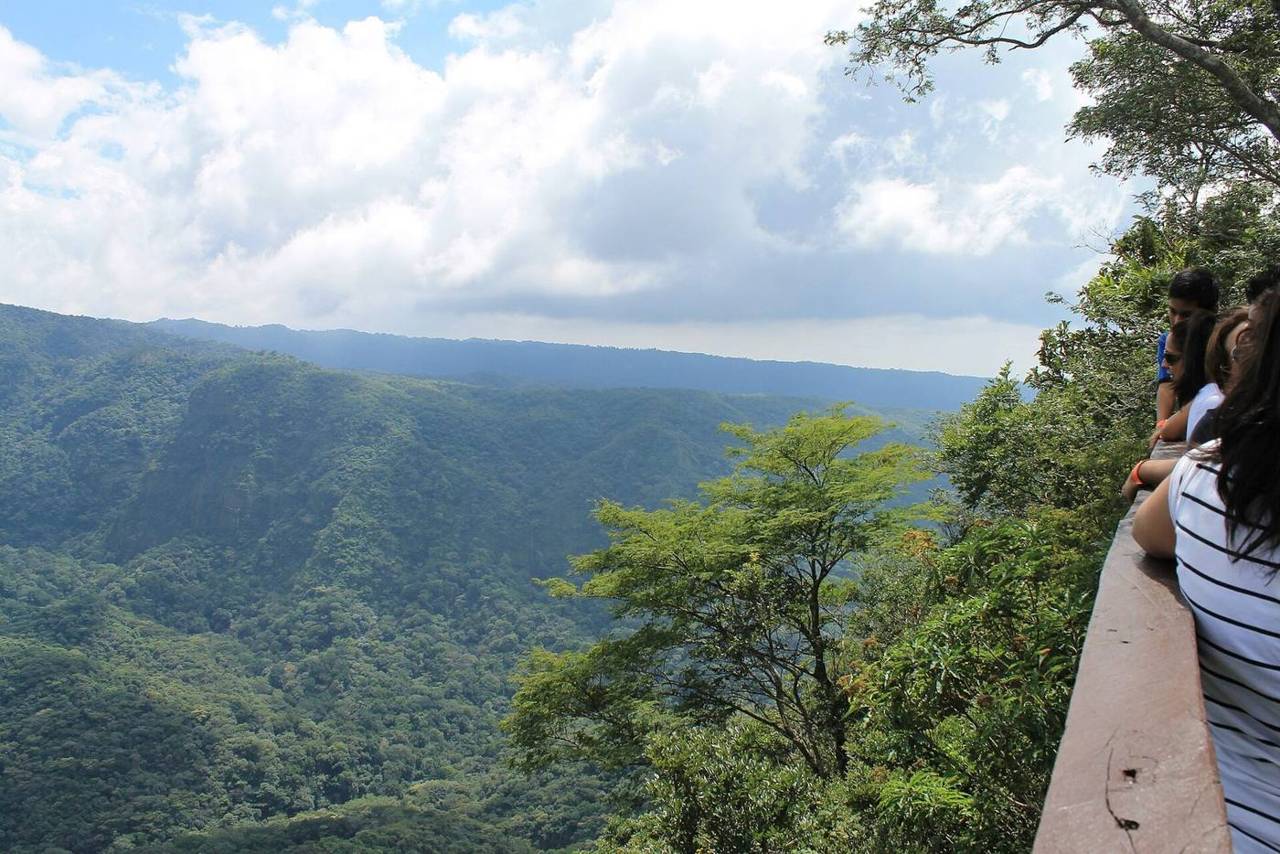
The country's largest national park, with tropical dry forest, rivers with swimming holes, waterfalls and hundreds of bird species.
 2 daysEasy
San Salvador, old town
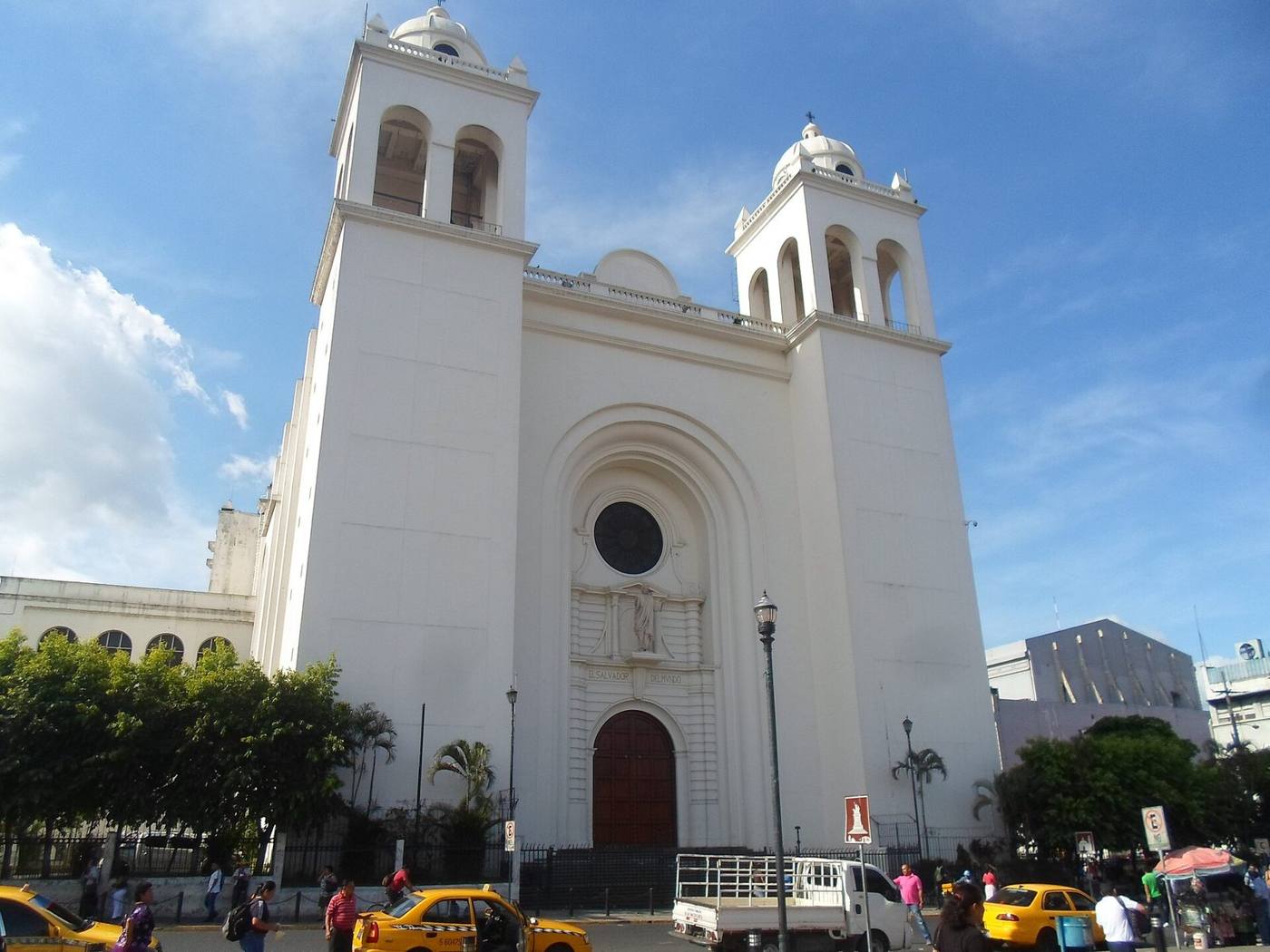
The capital's renovated centre: the cathedral with Archbishop Romero's tomb, the National Palace, the Rosario church with its stained glass, the new library and Boquerón volcano.
 2 daysModerate
Montecristo
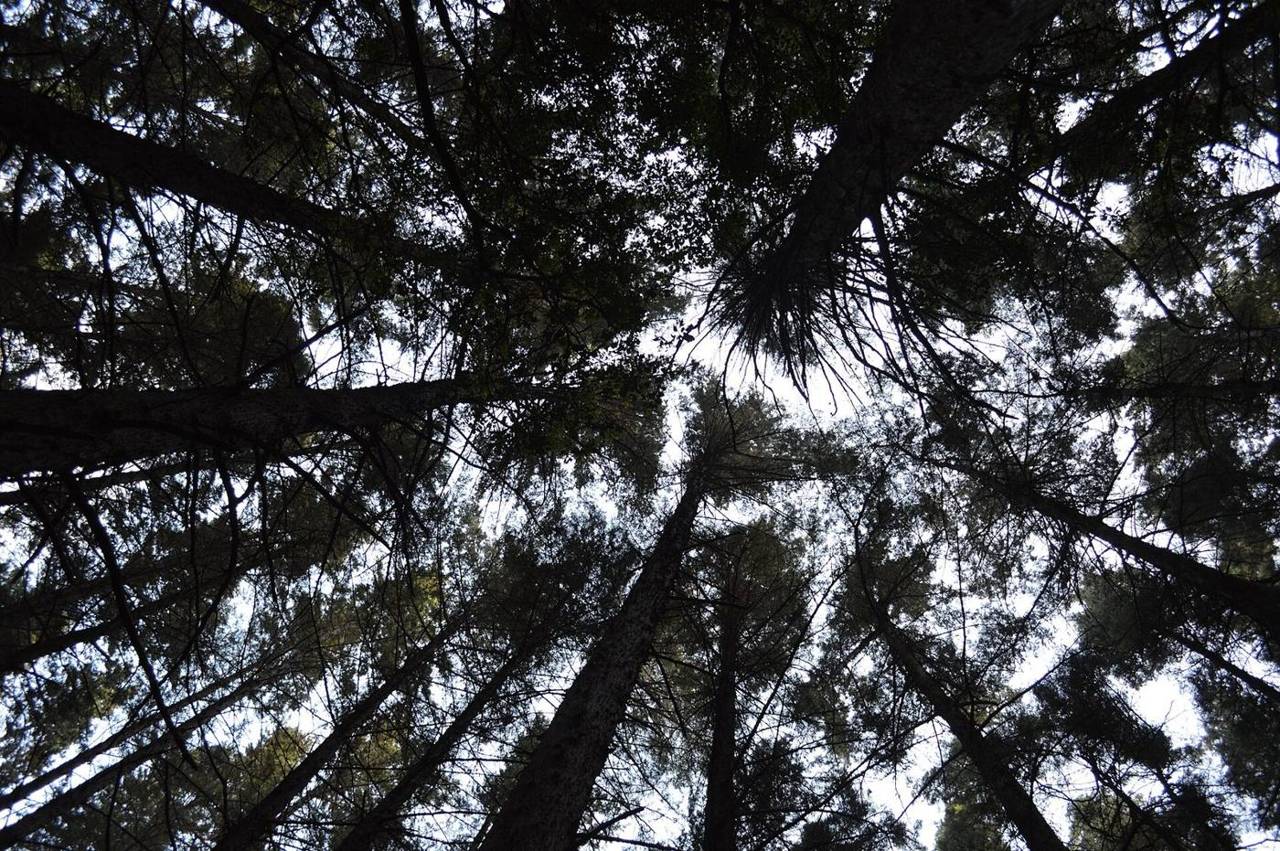
The cloud forest where El Salvador, Guatemala and Honduras meet, with moss-covered oaks, orchids and the old farm in the park.