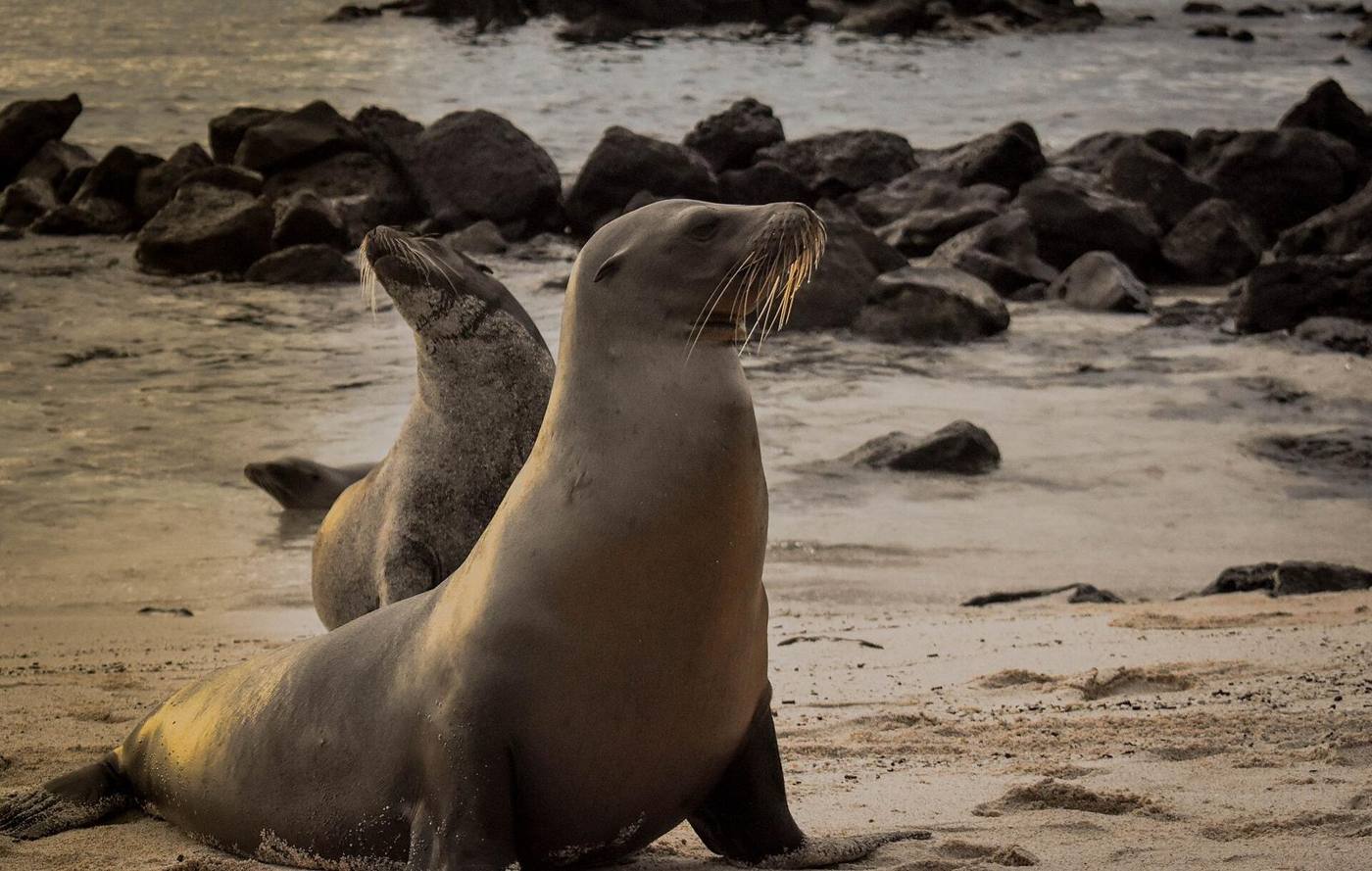
Independent Galápagos: Santa Cruz, Isabela and San Cristóbal
The Galápagos without a cruise: three inhabited islands linked by fast boats, with day trips, snorkelling and beaches full of sea lions.
- Guayaquil
- Santa Cruz
- Isabela
- San Cristóbal
Day by day
- Day 1
The flight to Baltra and the tortoises of Santa Cruz
This eight-day trip takes you to the Galápagos without a cruise: you sleep on land on three inhabited islands, Santa Cruz, Isabela and San Cristóbal, linked by fast boats, with day trips, snorkelling and beaches full of sea lions.
Before you go: Italian citizens can enter Ecuador without a visa for tourism for up to 90 days, with a passport valid for at least six months from arrival. For the Galápagos you also need travel health insurance, the Transit Control Card and the park entry fee. Other nationalities should check their own rules. The United Kingdom advises against all but essential travel to the coastal provinces, including Guayas with the city of Guayaquil, except airport transit, and the state of emergency is in force in eight provinces.
The flight to Baltra leaves from Quito or Guayaquil. If you arrive in Ecuador at Guayaquil, stay inside the airport until your flight to the islands. Before check-in collect the transit card at the desk of the Galápagos Governing Council or apply online on the official portal, where you can also check the cost. On arrival you pay the park fee: according to the Galápagos Governing Council, it is 200 dollars for non-resident foreign adults.
From Baltra a bus, a short ferry and a taxi take you across Santa Cruz. Stop in the highlands, in one of the areas where giant tortoises live in the wild, and walk through the lava tunnels. Check prices and times. Stay at least two metres from the animals.
Sleep in Puerto Ayora, for two nights.
Practical tip: luggage goes through a biosecurity check: do not bring fresh fruit, seeds, plants or soil.
- Day 2
Tortuga Bay and the Darwin Station
Today you stay on Santa Cruz, between a great beach and the history of research.
Early in the morning walk to Tortuga Bay, on a paved path of about three quarters of an hour that starts in Puerto Ayora, among cacti and dry forest. You register your name at the entrance and the site opens and closes at fixed times. You reach Playa Brava, a long white beach with strong waves, where swimming is not allowed. Continue to Playa Mansa, a calm lagoon among the mangroves, where you can swim and see marine iguanas, pelicans and sometimes small sharks. Stay at least two metres from the iguanas and do not tread on their nests in the sand.
In the afternoon visit the Charles Darwin Research Station and the National Park's tortoise breeding centre, where young giant tortoises are raised before being released. Lonesome George, the last tortoise from Pinta Island, who died in 2012, is preserved here. Under the new park rules, the breeding centres require a booking: check prices and times.
At sunset walk to the fish market on the waterfront, where sea lions and pelicans wait for the fishermen's scraps.
Sleep in Puerto Ayora.
Practical tip: buy your boat ticket to Isabela the day before and bring something for seasickness, because the crossings are often rough.
- Day 3
Isabela, flamingos and Concha de Perla
Today you reach Isabela, the largest island in the archipelago.
In the morning take the fast boat from Puerto Ayora to Puerto Villamil: the crossing takes about two hours and is often rough. At the port your luggage is checked again. Puerto Villamil is a small town with sandy streets, a long white beach and a relaxed atmosphere. Drop your bags and walk to the centre, where you can also hire bicycles.
Around midday go to Concha de Perla, near the pier. A wooden boardwalk crosses the mangroves to a small sheltered bay, where you snorkel with sea turtles, sea lions and, if you are lucky, Galápagos penguins, the only penguins that live so close to the equator. Always stay at least two metres away and do not chase the animals.
In the afternoon walk along the trail to the flamingo lagoon, where pink flamingos filter the shallow water, and then to the Isabela giant tortoise breeding centre. Check prices and times.
At sunset sit on the beach at Puerto Villamil, with marine iguanas on the rocks and the sun going down over the sea. In the evening book tomorrow's guided excursions with an authorised operator.
Sleep in Puerto Villamil, for two nights.
Practical tip: on Isabela there are few cash machines and they sometimes do not work: bring enough cash in dollars, in small notes.
- Day 4
Los Túneles and the Sierra Negra volcano
Today you discover the sea and the fire of Isabela, with two excursions with a naturalist guide.
In the morning set off by boat for Los Túneles, west of Puerto Villamil. Here the lava has formed arches and tunnels over calm turquoise water. You walk on the lava rocks with the guide, see nesting blue-footed boobies, then snorkel among sea turtles, seahorses, rays and white-tip reef sharks resting on the bottom. Along the way the boat often stops near the rocks with penguins. Stay at least two metres from the animals in the water and four metres when you watch them from the boat.
Sierra Negra is a large volcano with one of the widest calderas in the world. The guided walk climbs to the rim of the caldera, with views over black lava fields and, on clear days, the other islands. The two excursions usually take half a day each: ask your operator whether you can do them on the same day, or climb Sierra Negra the next morning, before the afternoon boat to Santa Cruz.
In the evening have the catch of the day for dinner, such as wahoo or grouper, in a place in town.
Sleep in Puerto Villamil.
Practical tip: on Sierra Negra there is often mist in the morning and strong sun at midday: bring a light jacket, a hat and at least two litres of water.
- Day 5
Back to Santa Cruz and Las Grietas
Today you go back to Santa Cruz and swim in a crack in the rock.
The fast boat to Santa Cruz usually leaves early in the morning and in the afternoon. If you did not do Sierra Negra yesterday, climb it in the morning and take the afternoon boat. Otherwise take the morning boat. The crossing takes about two hours.
In Puerto Ayora, in the afternoon, take a small water taxi across the bay to the Punta Estrada pier. From here a path among cacti and salt pans leads to Las Grietas, a deep crack in the volcanic rock, filled with clear water that is partly fresh and partly salty. You swim between high lava walls, with fish below you. Under the new park rules, Las Grietas requires a booking: arrange it in advance. Check prices and times. Do not jump from the rocks, because it is dangerous.
On the way back stop on the rocks near the pier, where marine iguanas bask in the sun and red crabs run over the black stones. The path is short, but it is hot: bring water and a hat.
In the evening walk along Charles Darwin, the main street of Puerto Ayora, and buy your boat ticket to San Cristóbal.
Sleep in Puerto Ayora.
Practical tip: do not bring single-use plastic into the protected areas, because it is banned: use a refillable bottle and fill it at the drinking water points in town.
- Day 6
San Cristóbal and Cerro Tijeretas
Today you reach San Cristóbal, the easternmost of the inhabited islands.
In the morning take the fast boat from Puerto Ayora to Puerto Baquerizo Moreno, the capital of the Galápagos province. This crossing also takes about two hours. The town is small and lively, with the airport a few minutes from the centre and a waterfront full of sea lions sleeping on benches, boats and the beach.
In the afternoon walk to the Interpretation Centre, where panels and models tell the natural and human history of the islands, from volcanoes to pirates, from whalers to the first settlers. Check prices and times.
From here a path climbs to Cerro Tijeretas, a hill where frigatebirds nest, the black birds with a red throat pouch, with a wide view over the coast and Kicker Rock in the distance. Then go down to the small Tijeretas bay and snorkel among fish, sea turtles and sea lions that play around swimmers. Always stay at least two metres away: if a young sea lion comes close, do not touch it.
At sunset go back to the waterfront and watch the sea lions climb up onto the beach for the night. Do not leave bags or shoes on the sand: curious pups bite them.
Sleep in Puerto Baquerizo Moreno, for two nights.
Practical tip: book tomorrow's Kicker Rock excursion today with an authorised operator and a naturalist guide.
- Day 7
Kicker Rock and Isla Lobos
Today you do the most famous snorkelling trip on San Cristóbal.
In the morning set off by boat for Kicker Rock, called León Dormido in Spanish, the sleeping lion. It is a huge volcanic rock rising from the sea, split in two by a narrow, deep channel. With the guide you swim along the walls and through the channel: below you see sea turtles, rays, tropical fish in large shoals and often sharks, such as Galápagos sharks and sometimes hammerheads in the depths. The water is deep and there may be currents: stay close to the guide and use a wetsuit if the water is cold.
On the way back the boat often stops at Isla Lobos, a small islet near the coast, with a colony of sea lions and blue-footed boobies. Here you snorkel a second time in shallow, calm water, often with curious young sea lions. Stay at least two metres away and do not chase them.
In the afternoon relax on Playa Mann, the beach near town, or take a walk around the market.
In the evening have ceviche for dinner, fish or prawns marinated in lime with onion and coriander.
Sleep in Puerto Baquerizo Moreno.
Practical tip: if you suffer from seasickness, take something before you leave, because the boat stays still for a long time near Kicker Rock among the waves.
- Day 8
La Lobería and the flight to the mainland
Today you leave the Galápagos.
Early in the morning walk or take a taxi to La Lobería, a bay a short distance from the airport and the town. A short path among the rocks leads to a beach where dozens of sea lions live, with mothers and pups, and to rocks with marine iguanas. If the water is calm, have a last snorkel. Stay at least two metres away and never stand between a mother and her pup.
Then go to San Cristóbal airport, very close to the town, and fly to the mainland. Show your transit card at the check. If the flight stops at or arrives in Guayaquil, stay in the airport for your connection.
In short: in eight days you have seen the Galápagos in the cheapest way, without a cruise. You met giant tortoises on Santa Cruz, swam at Tortuga Bay and Las Grietas, saw the penguins and lava tunnels of Isabela and the Sierra Negra volcano, and snorkelled at Kicker Rock among sharks and turtles. It costs much less than a cruise, but it does not reach the most remote islands.
When to go: the Galápagos can be visited all year round. From December to May the sea is calmer and warmer, with smoother crossings. From June to November the water is colder and the sea rougher, but marine life is richer.
Practical tip: do not take sand, shells, coral or lava stones, because it is forbidden and luggage is checked on departure.
The cheapest way to see the Galápagos: much less than a cruise, though it doesn't reach the remotest islands. Fast-boat crossings take 2 hours and are often rough: bring something for seasickness. Great as an add-on to a mainland trip.
Before you go
- Documents and visa
- Passport valid for at least six months from arrival. No visa is needed for tourism for up to 90 days in a year. For the Galápagos you also need travel health insurance, the Transit Control Card, obtained before the flight, and the park entry fee. Travellers entering overland from Colombia or Peru must show an apostilled criminal record certificate.
- Health and vaccines
- Quito is at about 2,850 metres and many Andean areas are higher: ask your doctor for advice on altitude. The yellow fever vaccine is recommended for the Amazon. Protect yourself from mosquitoes on the coast. Drink bottled water. Emergencies: 911.
- Money and payments
- US dollar. Bring small notes, because large ones are often refused; in villages and on some Galápagos islands there are few cash machines.
- Power sockets
- Type A and B, 120 volts: you need an adapter, and check that your devices accept 120 volts.
- Time zone
- UTC-5 on the mainland, UTC-6 in the Galápagos, all year.
- Safety
- The United Kingdom advises against all but essential travel to the coastal provinces of Esmeraldas, Manabí, Santa Elena, Guayas (including Guayaquil, except airport transit), El Oro, Los Ríos and Santo Domingo de los Tsáchilas, and within 20 km of the border with Colombia (except some areas of Carchi). In November 2026 the state of emergency was extended in eight provinces, including Pichincha, and in the cantons of La Maná, Las Naves and Camilo Ponce Enríquez. Beware of express kidnappings in taxis hailed in the street and of drugged drinks. Official advice: GOV.UK.
Information checked in November 2026 for Italian and EU citizens. Rules change: always check before you travel.
Variations
Shorter: six days, with Santa Cruz and Isabela only.
Longer: add two days on Santa Cruz for a guided boat trip to a nearby uninhabited island, such as North Seymour or South Plaza.
Frequently asked questions
How much does it cost to enter the Galápagos?
According to the Galápagos Governing Council, the park fee for foreign adults not resident in Ecuador is 200 dollars. You also need the Transit Control Card, whose cost you can check on the official portal.
Do you need a guide for everything?
No. Some sites near the towns, such as Tortuga Bay, can be visited on your own during the posted hours. For excursions in the protected areas, such as Los Túneles, Sierra Negra and Kicker Rock, you need an accredited naturalist guide.
Are the boats between the islands safe?
The crossings take about two hours and are often rough. The United Kingdom reports accidents with small boats: choose authorised operators and check that there are life jackets for everyone.
Indicative itinerary written by World Atlas. Before booking, check timetables, seasonal openings, documents and safety.
 7 daysModerate
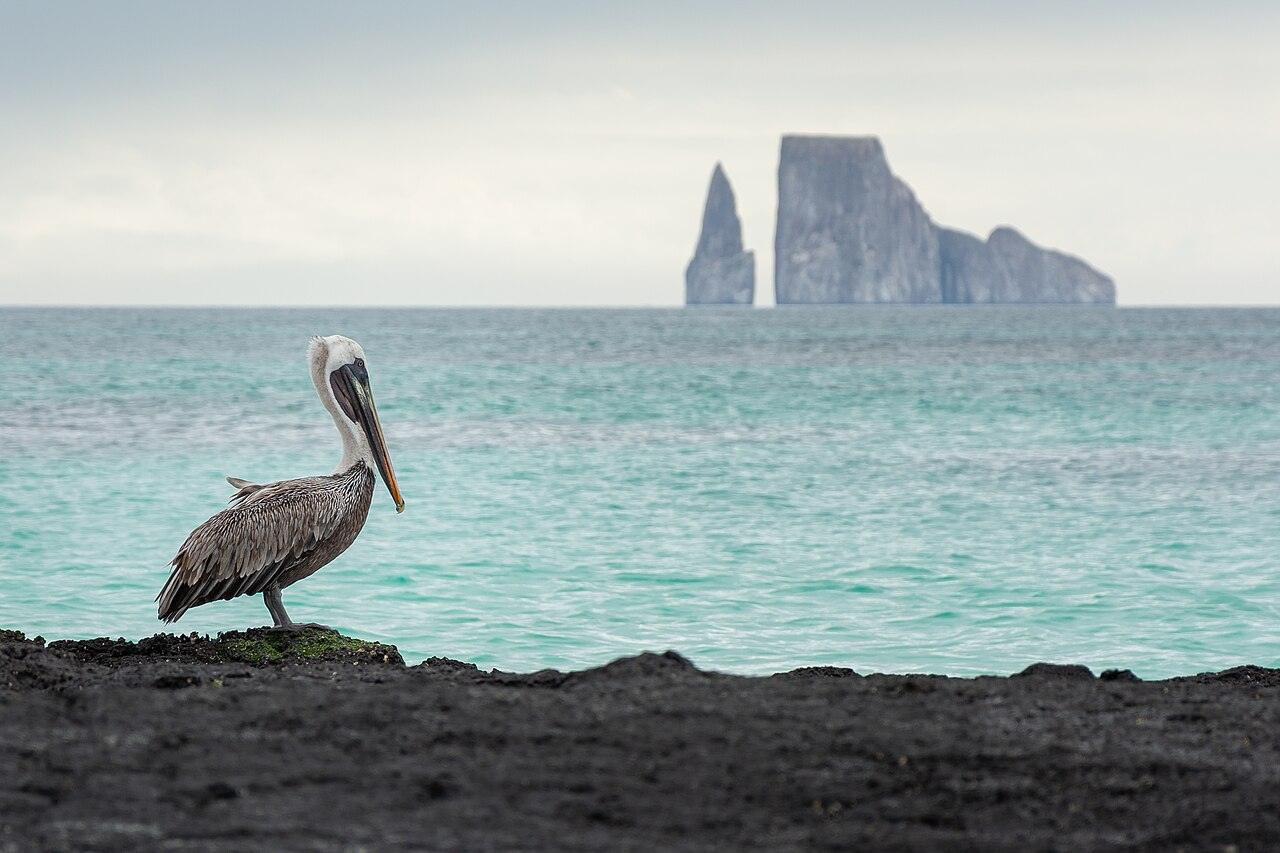
Galápagos by cruise
A five-day cruise between the islands: giant tortoises, marine iguanas, boobies and snorkelling with sea lions.
 15 daysModerate
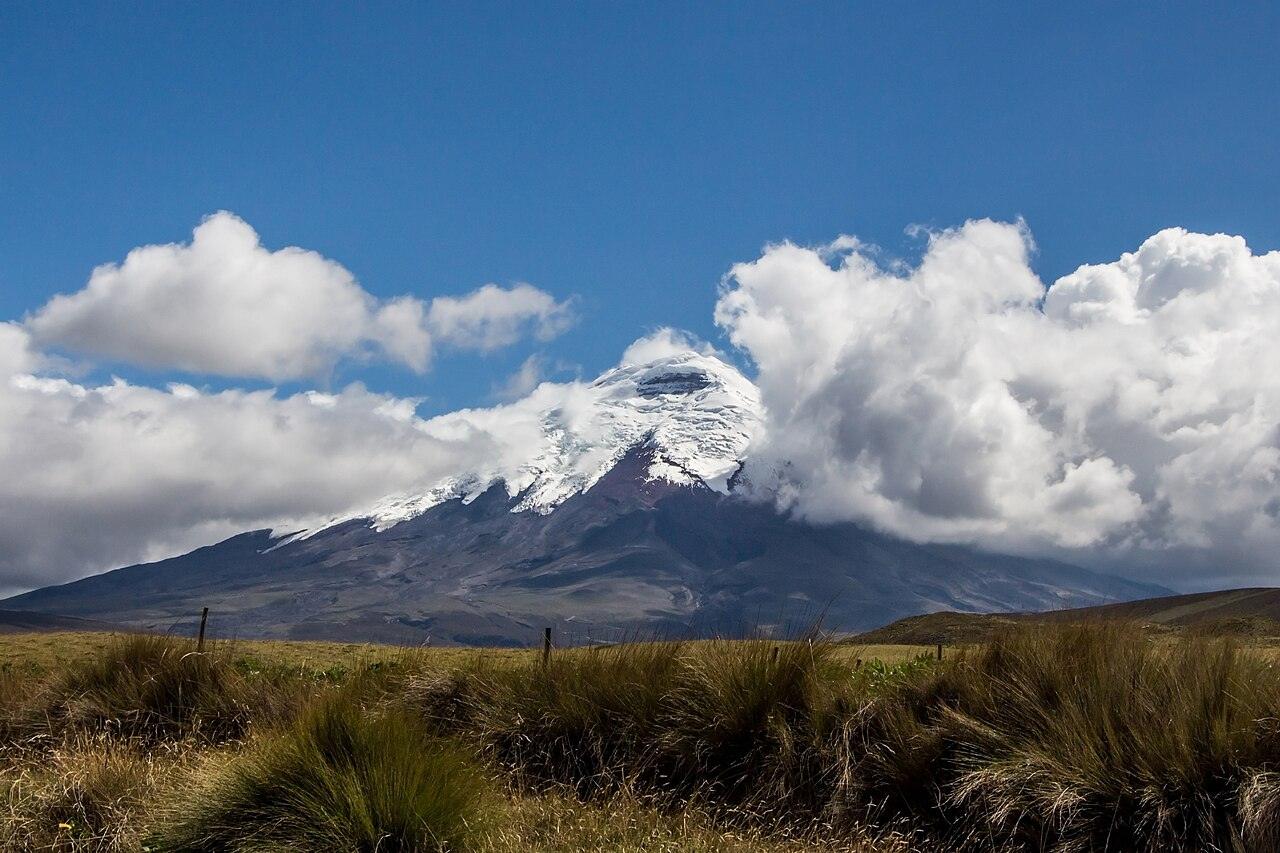
Andes, Amazon and Galápagos
Three worlds in two weeks: the volcanoes of Cotopaxi and Quilotoa, the Amazon rainforest and the Galápagos.
 17 daysModerate
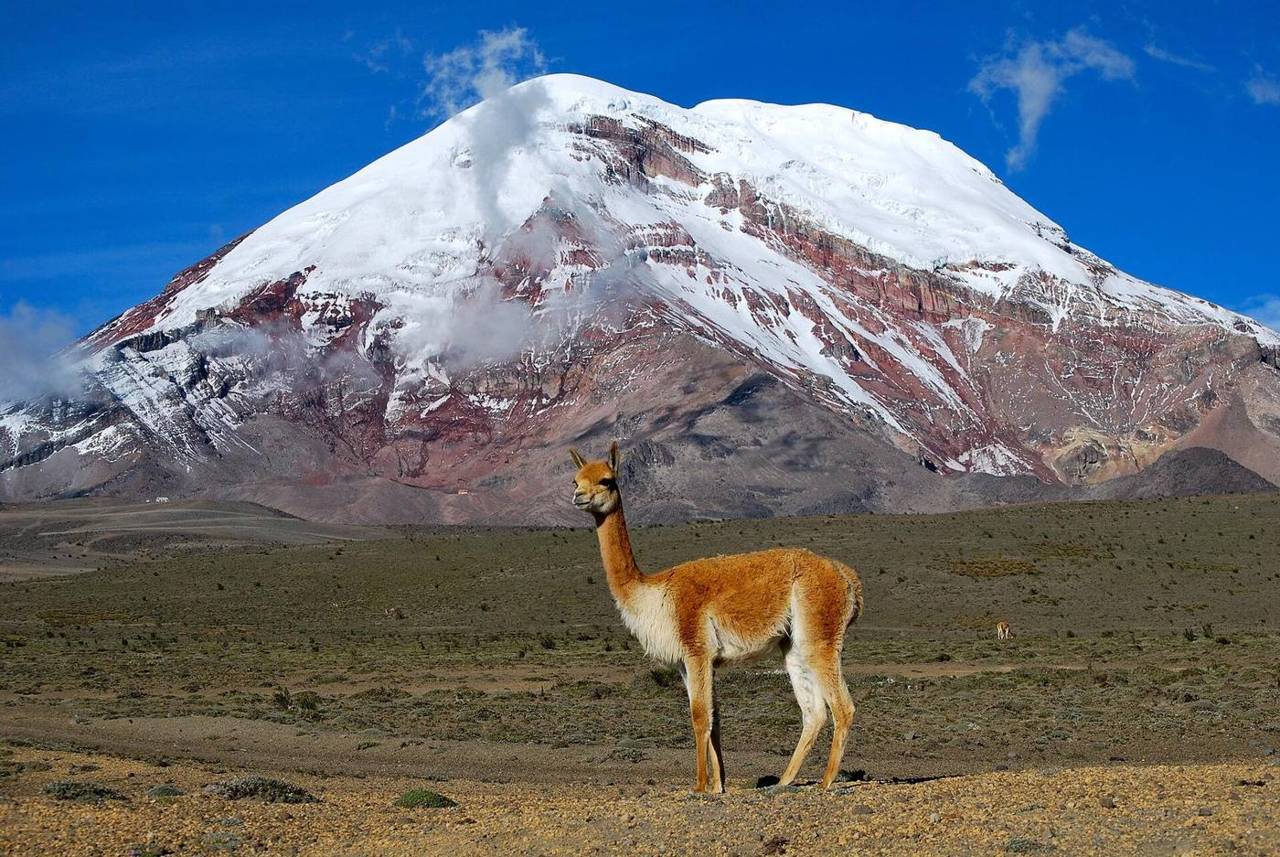
Ecuador: volcanoes, the Amazon and indigenous peoples
The Avenue of the Volcanoes with Cotopaxi and Chimborazo, indigenous markets, the descent into the Amazon along the rivers and the coast at Guayaquil.