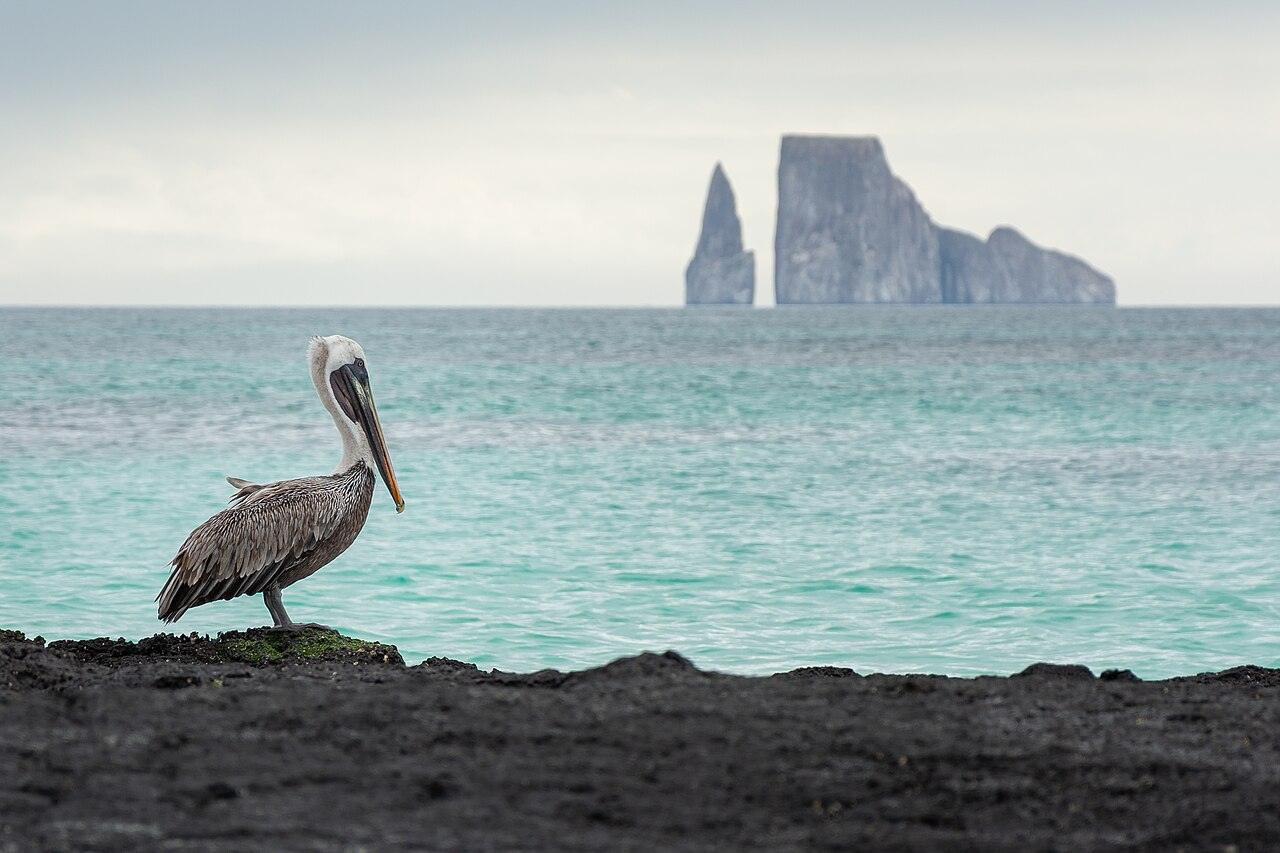
Galápagos by cruise
A five-day cruise between the islands: giant tortoises, marine iguanas, boobies and snorkelling with sea lions.
- Quito
- Baltra
- Santa Cruz
- Isabela
- Española
Day by day
- Day 1
Arrival in Quito
This seven-day trip is devoted to the Galápagos seen from the sea: after a day in Quito you fly to Baltra and board a five-day cruise among the islands, with the giant tortoises of Santa Cruz, the western islands or Española depending on the itinerary, and the Charles Darwin Research Station before you return.
Before you go: Italian citizens can enter Ecuador without a visa for tourism for up to 90 days, with a passport valid for at least six months from arrival. For the Galápagos you also need travel health insurance, the Transit Control Card and the park entry fee. Other nationalities should check their own rules. The United Kingdom advises against all but essential travel to the coastal provinces, including Guayas with Guayaquil, except airport transit, and within 20 kilometres of the border with Colombia; in November 2026 the state of emergency was extended in eight provinces, including Pichincha, with more police and soldiers on the streets. This trip does not enter the areas advised against.
You arrive in Quito, the capital, at about 2,850 metres above sea level. In the afternoon walk slowly through the historic centre, one of the first places to be declared a UNESCO World Heritage Site: the Plaza Grande with the government palace and the cathedral, the Compañía church covered in gold inside and the great convent of San Francisco. Check prices and times.
Sleep in Quito.
Practical tip: you feel the altitude straight away, so on the first day walk slowly, drink plenty of water and limit alcohol; if you have health problems, ask your doctor for advice before you travel. In the city use only booked or registered taxis.
- Day 2
The flight to Baltra and boarding
Today you leave the mainland and reach the Galápagos.
In the morning go early to Quito airport. Before check-in collect the Transit Control Card at the desk of the Galápagos Governing Council, or print it after applying online on the official portal; check the cost on the portal. Your luggage goes through a biosecurity check: no fresh fruit, seeds, plants, soil or animals. The flight may stop in Guayaquil: if so, stay in the airport.
When you land at Baltra airport, on a small island next to Santa Cruz, you pay the Galápagos National Park entry fee: according to the Galápagos Governing Council, it is 200 dollars for non-resident foreign adult visitors. Check how to pay before you leave. The Galápagos are one hour behind the mainland.
The boat's naturalist guide meets you and takes you to the pier. Go aboard, meet the crew and listen to the briefing on the park rules: visits are made only with an accredited naturalist guide, you stay on the marked trails and you never touch or feed the animals.
In the afternoon you make your first outing, with a short landing or a dinghy ride along the coast. You will immediately see sea lions, marine iguanas and red crabs on the black rocks.
Sleep on board.
Practical tip: keep your passport, transit card, insurance and the money for the fee in your hand luggage, because you will be asked for them several times.
- Day 3
Santa Cruz and the giant tortoises
Today you meet the animal that symbolises the archipelago.
In the morning you land on Santa Cruz and go up into the green highlands of the island, where giant tortoises live in the wild among meadows and ponds. You see them grazing, wallowing in the mud or walking slowly under the trees. Some weigh more than two hundred kilos. Always stay at least two metres away: according to the park rules updated in 2026, this is the minimum distance from animals on foot, snorkelling and diving. Never stand in their path.
In the highlands you can also walk into the lava tunnels, long galleries formed by lava that kept flowing under a crust that had already cooled. Look out for the birds: Darwin's finches, small and dark, with different beaks depending on their food.
In the afternoon you return on board and the boat sails to the next island. From the deck watch the sea: dolphins, boobies and frigatebirds, the black birds with a red throat pouch, often pass by.
In the evening the guide explains the next day's programme, with landing times and the type of landing: dry, onto rocks, or wet, onto the beach, where you step off the dinghy into knee-deep water. Pack your bag the night before with water, a hat and sun cream.
Sleep on board.
Practical tip: photos are taken without flash, which is banned in the park; use a zoom lens instead of getting closer to the animals.
- Day 4
The western islands
Today the boat reaches the youngest and most volcanic islands, if your itinerary goes west.
The western islands, such as Isabela and Fernandina, are made of black lava flows, volcanic cones and rocky shores. Here live colonies of marine iguanas, piled up in the sun to warm up after eating seaweed in the sea, flightless cormorants, with their small wings, and Galápagos penguins, the only penguins that live so close to the equator. The cold, rich waters of this area also attract sea turtles and sea lions.
In the morning you make a landing on a lava field, walking with the guide on the marked trail. Around midday you snorkel from the dinghy: you might swim with sea turtles and see iguanas feeding underwater. Stay at least two metres from the animals in the water too, and do not chase them.
In the afternoon take a dinghy ride along the cliffs, where you can sometimes see penguins on the rocks. In a dinghy or kayak the minimum distance from animals is four metres.
If instead your itinerary goes south-east, today you visit other central islands: the guide always explains what you will see.
Sleep on board.
Practical tip: in the water do not use sun creams containing oxybenzone or octinoxate, which the park bans: buy a suitable cream beforehand.
- Day 5
Española, boobies and albatrosses
Today, if your itinerary goes south-east, you land on Española, one of the oldest islands in the archipelago.
In the morning walk the rocky trail of Punta Suárez, among colonies of seabirds. You will see blue-footed boobies doing their courtship dance, lifting their feet one after the other, black and white Nazca boobies, swallow-tailed gulls and the marine iguanas of Española, with red and green patches. From about April to December there are also waved albatrosses, which nest almost only here and take off from the cliffs. At the end of the trail there is a blowhole, where the waves shoot water high between the rocks.
In the afternoon land on the white beach of Gardner Bay, full of sea lions sleeping on the sand. Snorkel near the islets, with tropical fish and sometimes young sea lions playing around you. Do not touch them and do not go near the large males, which defend their stretch of beach.
If instead your itinerary goes west, today you visit other islands: the rules and distances are always the same.
In the evening, on deck, look at the stars far from city lights.
Sleep on board.
Practical tip: some night crossings are rough: take something for seasickness before dinner.
- Day 6
The Charles Darwin Station and the flight to the mainland
Today is your last day in the Galápagos.
In the morning you land at Puerto Ayora, the main town on Santa Cruz, and visit the Charles Darwin Research Station and the National Park's tortoise breeding centre. Here researchers and rangers raise young giant tortoises until they are big enough to return to their islands. The centre also preserves Lonesome George, the last tortoise from Pinta Island, who died in 2012. The site requires a booking: your guide usually takes care of it. Check prices and times.
Then stroll along the waterfront of Puerto Ayora, among the colourful boats and small shops, to the fish market, where sea lions and pelicans wait for scraps beside the fishermen.
At midday a transfer takes you to Baltra, across the island and a short ferry ride. At the exit check show your transit card and say goodbye to your guide and the crew, leaving a tip if you were happy with the service. You fly to the mainland, to Quito, possibly with a stop in Guayaquil, where you stay in the airport.
In the evening, in Quito, have locro de papa for dinner, the Andean potato soup with cheese and avocado.
Sleep in Quito, for the last night of the trip.
Practical tip: do not take sand, shells, coral, lava stones or seeds from the islands: it is forbidden and luggage is checked.
- Day 7
Departure
Today you leave Ecuador.
In the morning, if your flight is in the afternoon, take a last walk in the centre of Quito, or ride the TelefériQo, the cable car that climbs the slopes of the Pichincha volcano, to see the city from above. Check prices and times. Then go to the airport, about an hour from the centre, by booked taxi.
In short: in seven days you have seen the Galápagos in the best way, from the sea. You met giant tortoises in the highlands of Santa Cruz, walked among marine iguanas on the lava flows, swam with sea turtles and sea lions and saw blue-footed boobies up close and, in the right season, albatrosses. A cruise is expensive and the quality of boats varies: a mid-range or higher class is worth it, with an experienced naturalist guide. If you suffer from seasickness, be aware that some crossings are rough.
When to go: the Galápagos can be visited all year round. From December to May the sea is calmer and warmer, great for snorkelling. From June to November the water is colder and the sea rougher, but marine life is richer. The albatrosses of Española are there from about April to December.
Practical tip: keep a digital copy of your transit card and insurance until the end of the trip, together with the receipts for the park fee.
A cruise is the best way to see the Galápagos: it reaches the remote islands, where wildlife is richest. The cost is high and boat quality varies a lot, so choose mid-range or above. Anyone prone to seasickness should know that some night crossings are rough.
Before you go
- Documents and visa
- Passport valid for at least six months from arrival. No visa is needed for tourism for up to 90 days in a year. For the Galápagos you also need travel health insurance, the Transit Control Card, obtained before the flight, and the park entry fee. Travellers entering overland from Colombia or Peru must show an apostilled criminal record certificate.
- Health and vaccines
- Quito is at about 2,850 metres and many Andean areas are higher: ask your doctor for advice on altitude. The yellow fever vaccine is recommended for the Amazon. Protect yourself from mosquitoes on the coast. Drink bottled water. Emergencies: 911.
- Money and payments
- US dollar. Bring small notes, because large ones are often refused; in villages and on some Galápagos islands there are few cash machines.
- Power sockets
- Type A and B, 120 volts: you need an adapter, and check that your devices accept 120 volts.
- Time zone
- UTC-5 on the mainland, UTC-6 in the Galápagos, all year.
- Safety
- The United Kingdom advises against all but essential travel to the coastal provinces of Esmeraldas, Manabí, Santa Elena, Guayas (including Guayaquil, except airport transit), El Oro, Los Ríos and Santo Domingo de los Tsáchilas, and within 20 km of the border with Colombia (except some areas of Carchi). In November 2026 the state of emergency was extended in eight provinces, including Pichincha, and in the cantons of La Maná, Las Naves and Camilo Ponce Enríquez. Beware of express kidnappings in taxis hailed in the street and of drugged drinks. Official advice: GOV.UK.
Information checked in November 2026 for Italian and EU citizens. Rules change: always check before you travel.
Variations
Shorter: five days, with a three-day cruise around the central islands.
Longer: add three days in the Andes, with Cotopaxi National Park and the Quilotoa lagoon.
Frequently asked questions
How much is the park fee?
According to the Galápagos Governing Council, it is 200 dollars for foreign adult visitors not resident in Ecuador. On top of this there is the Transit Control Card, whose cost you can check on the official portal.
Do you always need a guide?
Yes, visits to the park's protected areas are made only with an accredited naturalist guide. On a cruise the guide is on board and goes with you on every landing.
How far must you stay from the animals?
According to the park rules updated in 2026, at least two metres on foot and in the water and four metres in a dinghy or kayak. You do not touch them, feed them or use flash.
Indicative itinerary written by World Atlas. Before booking, check timetables, seasonal openings, documents and safety.
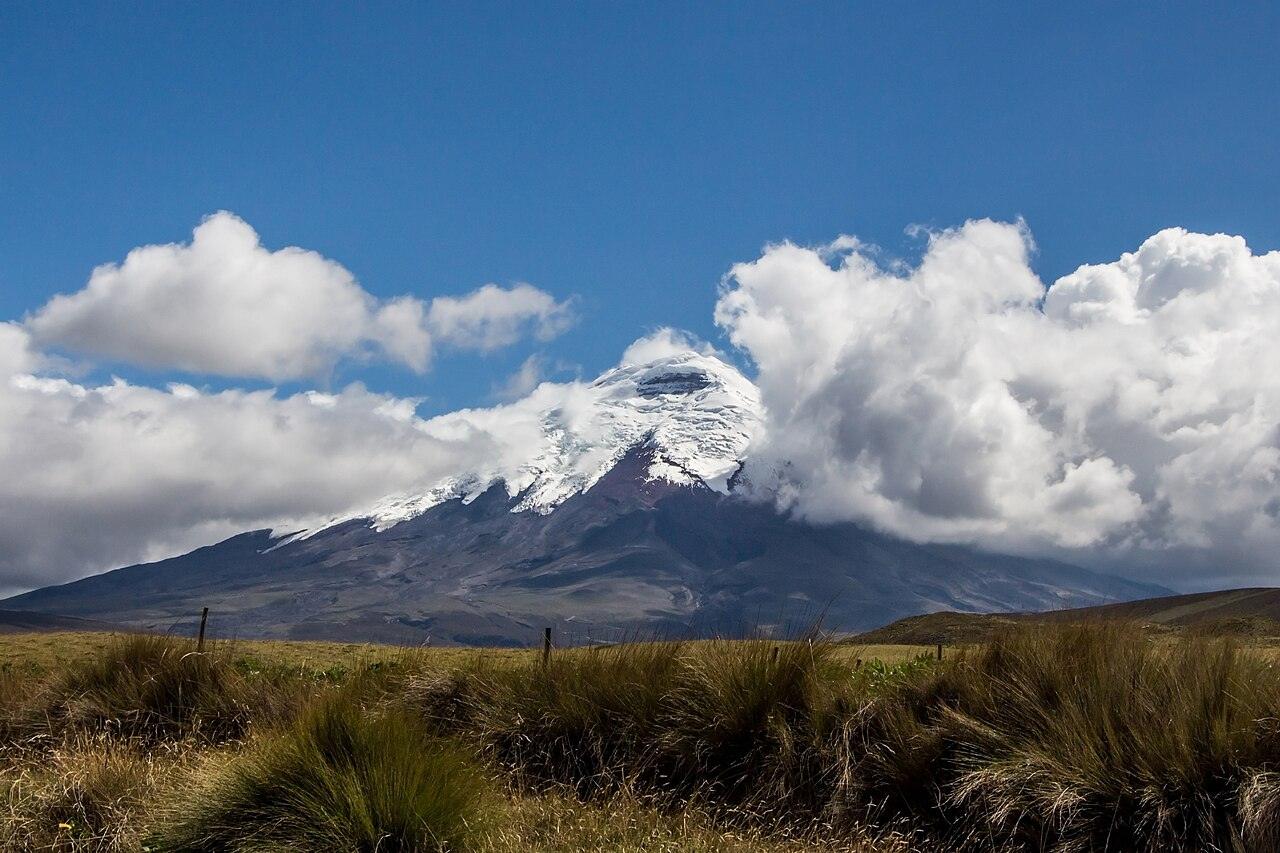 15 daysModerate
Andes, Amazon and Galápagos
Three worlds in two weeks: the volcanoes of Cotopaxi and Quilotoa, the Amazon rainforest and the Galápagos.
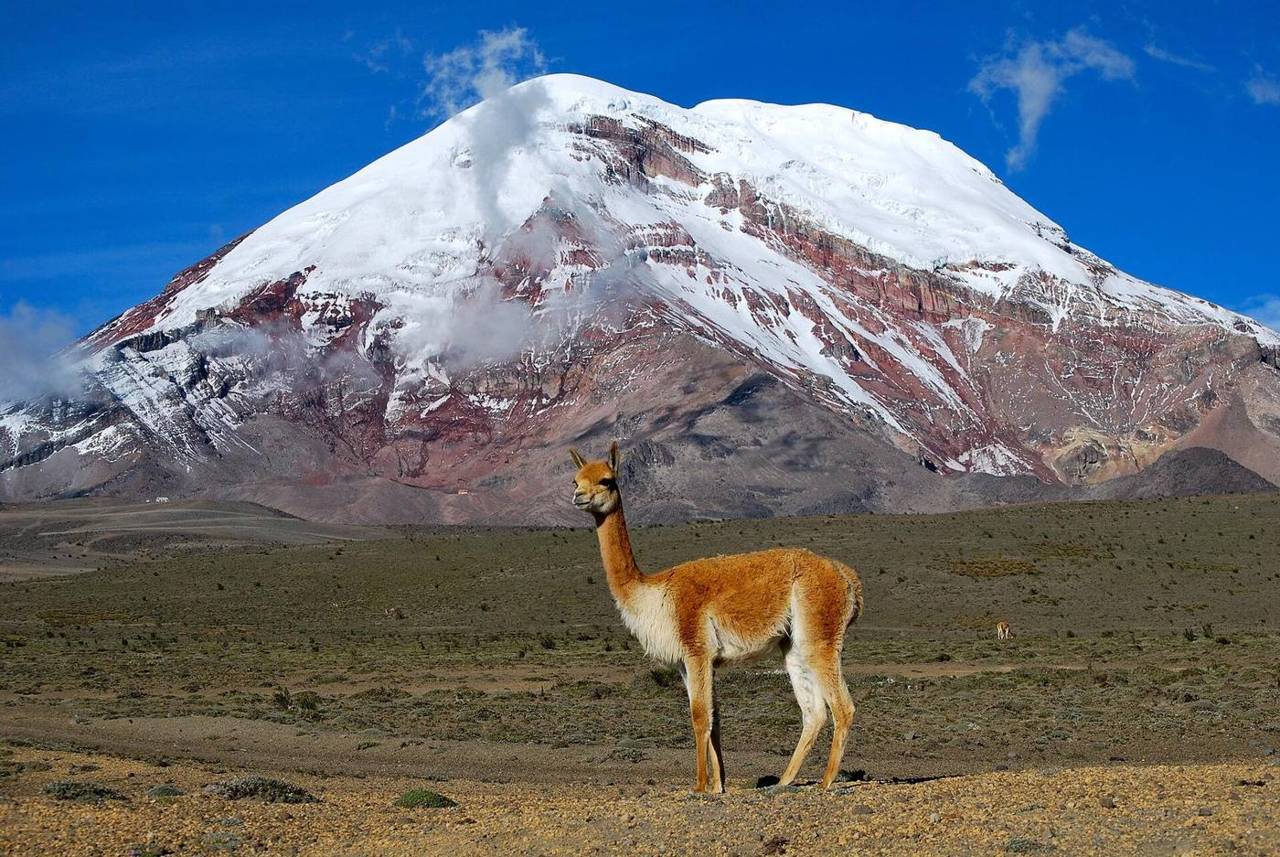 17 daysModerate
Ecuador: volcanoes, the Amazon and indigenous peoples
The Avenue of the Volcanoes with Cotopaxi and Chimborazo, indigenous markets, the descent into the Amazon along the rivers and the coast at Guayaquil.
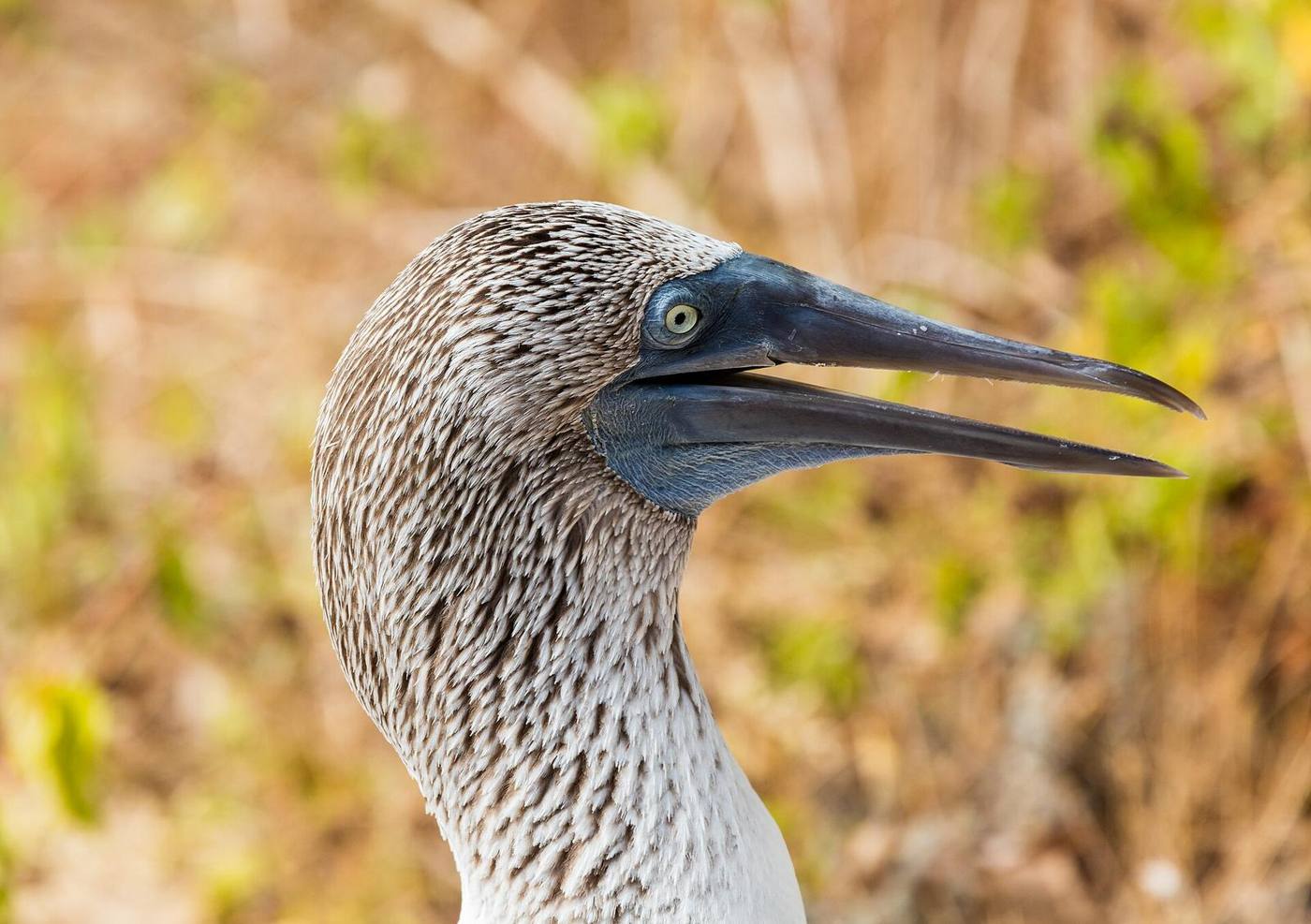 17 daysModerate
Ecuador and the Galápagos with a week-long cruise
Ten days among the Andes and volcanoes, then seven days on board among the remotest Galápagos islands: Genovesa, Fernandina, Isabela, Española.