Cuenca and the south: Cajas, Ingapirca and Vilcabamba
Ecuador's most elegant colonial city, the Inca ruins of Ingapirca, Cajas park with hundreds of lagoons and Vilcabamba, the valley of longevity.
- Guayaquil
- Cajas
- Cuenca
- Ingapirca
- Saraguro
- Loja
- Vilcabamba
Day by day
- Day 1
Arrival in Guayaquil
This nine-day trip crosses southern Ecuador: from the port of Guayaquil you climb into the Andes to Cajas National Park and Cuenca, then visit the ruins of Ingapirca, the Saraguro community, the Vilcabamba valley and the city of Loja.
Before you go: Italian citizens can enter Ecuador without a visa for tourism for up to 90 days, with a passport valid for at least six months from arrival. Other nationalities should check their own rules. Some areas on this trip are close to borders or places where the situation changes often: check your government's travel advice before booking and again before you leave.
You land in Guayaquil, the largest city in the country and its main port, on the Guayas River. From the airport take a pre-booked taxi or your accommodation's transfer, and do not change vehicles on the way.
If you arrive early, in the afternoon walk along the Malecón 2000, the riverside promenade with gardens, monuments and a large guarded park. Then climb the numbered steps of the Las Peñas district, with its colourful wooden houses, up to the lighthouse on Cerro Santa Ana, where you see the river and the city. Further inland, in Parque Seminario, in front of the cathedral, green iguanas live in the trees and come down onto the lawns near the benches.
In the evening have dinner with encebollado, the fish soup with onion and cassava typical of the coast, or with prawn ceviche.
Practical tip: in Guayaquil move around only in taxis booked through an app or by your accommodation, stay in the guarded tourist areas and do not walk around after dark.
- Day 2
The road to Cajas and its lakes
Today you go from sea level to the high Andes in a few hours.
Leave Guayaquil early in the morning with a driver or an organised transfer, by day. The road crosses the banana and cocoa plantations of the plain, then starts to climb with many bends through the clouds and damp woods. In about three hours you are above 4,000 metres, in Cajas National Park.
Cajas is a páramo plateau, the high grassland of the Andes, with yellow grass, cushions of moss, dark rocks and hundreds of glacial lakes. Between the lakes grow small woods of polylepis, twisted trees with red bark that peels like paper, among the few that live so high up. The park also protects the water that reaches Cuenca.
Stop at the Laguna Toreadora visitor centre and walk the trail that circles the lake, about an hour and a half. Walk slowly, because the air is thin, and watch the sky: sometimes the Andean condor or caracaras fly over. On the trail you also see hummingbirds that live in the cold and llamas grazing. Check prices, times and registration rules.
In the afternoon drive down to Cuenca, at about 2,500 metres, in less than an hour. Take the first evening slowly and drink plenty of water.
Practical tip: in Cajas the weather changes in minutes; bring a waterproof jacket, a fleece, a hat and sun cream, even if it is hot in Guayaquil.
- Day 3
Cuenca, squares and blue domes
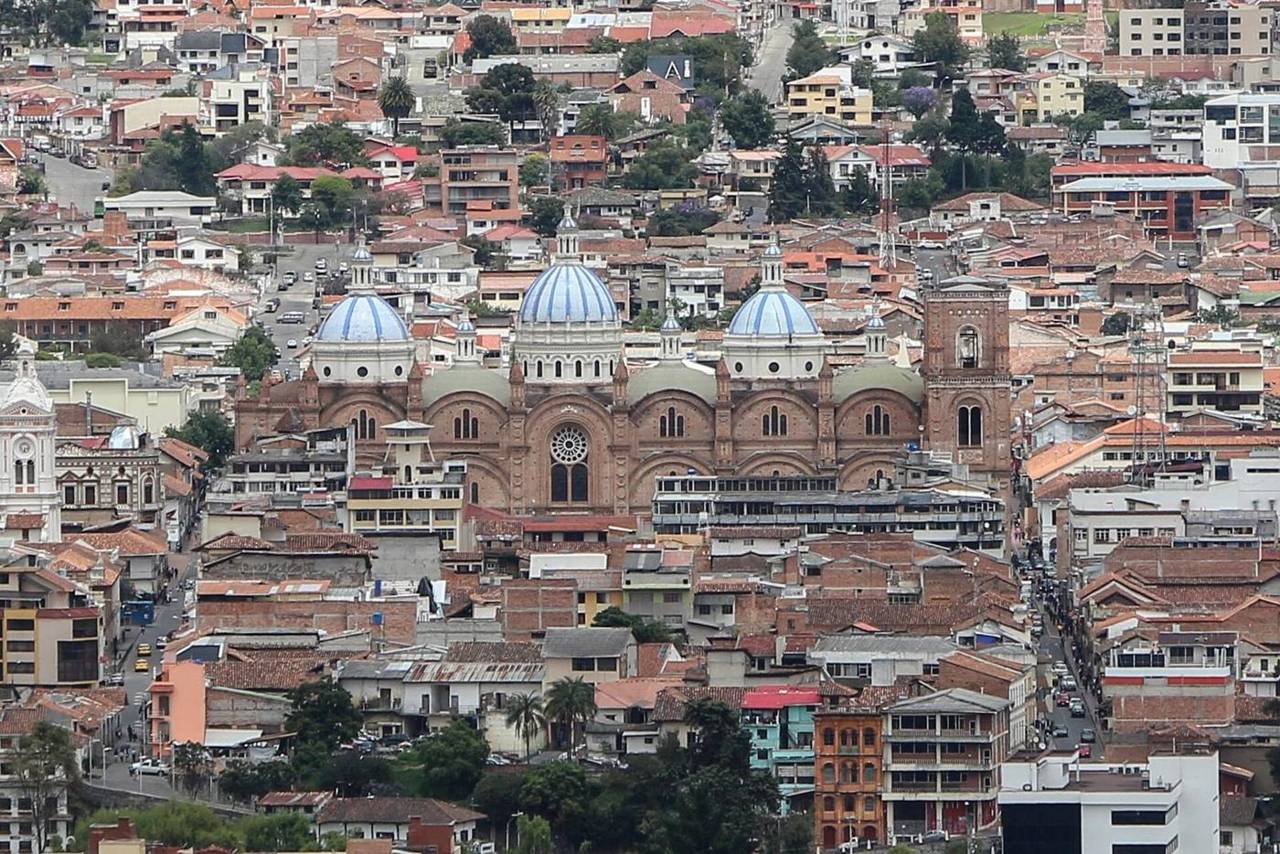
Today you discover the historic centre of Cuenca, a UNESCO World Heritage Site and one of the most elegant colonial cities in South America.
Start at Parque Calderón, the main square, with its big trees and benches. On one side stands the new cathedral, of the Immaculate Conception, built from the late nineteenth century in red brick, with large domes covered in blue tiles that are the symbol of the city. Go inside to see the gilded altar and the coloured stained glass. On the other side of the square is the old cathedral, smaller and white, now a museum of religious art. Check prices and times.
Then walk to the small flower market square, next to the church of Carmen de la Asunción, where women in wide skirts and hats sell roses, lilies and colourful bouquets every day. Ecuador's roses are famous around the world.
For lunch go into the 10 de Agosto market: upstairs you eat hornado, roast pork with maize, potatoes and avocado sauce, and drink tropical fruit juice. Cuenca also has many cafés where you can try local cakes.
In the afternoon stroll through the grid of streets, with mansions with iron balconies and inner patios. Visit the Museo de las Conceptas, in an old enclosed convent, with the nuns' cells and colonial religious art.
Practical tip: Cuenca is easy on foot, but the pavements are narrow and uneven; wear comfortable shoes and cross the roads carefully.
- Day 4
The Tomebamba River and the Panama hat
Today you explore Cuenca's riverside and its most famous tradition.
In the morning go down the steps to the Tomebamba River, which separates the colonial centre from the modern city. Along the bank, called El Barranco, old houses are built on the edge of the slope, with balconies over the water. Walk on the path along the river among willows and eucalyptus.
Then visit the Pumapungo museum, with Ecuador's history and ethnography collections and, outdoors, the ruins of Tomebamba, the city the Incas built here before the Spanish arrived, with terraces, channels and a garden with Andean plants and llamas. Check prices and times.
In the afternoon discover the Panama hat, which in fact comes from Ecuador. It is woven by hand from paja toquilla, a palm fibre from the coast, and the craft is on UNESCO's list of intangible cultural heritage. The name dates from the nineteenth century, when the hats were shipped to Panama and worn by canal workers and travellers passing through. In several workshops in Cuenca you see how the hats are washed, bleached, shaped and finished; the best take months of work.
At sunset take a taxi up to the Turi viewpoint, on the hill south of the city, from where you see all of Cuenca with its domes and bell towers lighting up.
Practical tip: buy your hat in a workshop or a reputable shop and ask how fine the weave is, as that decides the quality and the price.
- Day 5
Ingapirca, Ecuador's most important Inca site
Today you visit Ingapirca, the largest Inca ruins in Ecuador, about two hours north of Cuenca, in Cañar province.
The road climbs through maize fields, pastures and Andean villages, above 3,000 metres. Ingapirca, which in the Kichwa language means Inca wall, was first a sacred place of the Cañari people, who worshipped the moon. When the Incas conquered the region in the fifteenth century, they built a religious and administrative centre here, next to the Cañari sites.
The most famous monument is the Temple of the Sun, an elliptical structure of stones cut with great precision and fitted together without mortar, as in Cusco. From the top you see the valleys around. Nearby are the remains of storehouses, rooms, baths and a stretch of the Inca road, the great highway that linked the empire from Colombia to Chile. A local guide explains how the two peoples used the site and how the temple was aligned with the sun.
In the small museum you see Cañari pottery, tools and tombs. Near the site, a short walk leads to a rock with the profile of a face, called the face of the Inca. Check prices and times.
In the afternoon return to Cuenca. On the way you can stop in Biblián, where a sanctuary is built straight into the rock of the mountain.
Practical tip: a cold wind often blows at Ingapirca; bring a jacket and a hat even if the sun is shining in Cuenca.
- Day 6
Saraguro and its indigenous community
Today you leave Cuenca and head south along the Pan-American Highway to Saraguro, in about three hours.
The road crosses green highlands, deep gorges and mountain towns. Saraguro is an Andean town in Loja province, home to the Saraguro people, who speak Kichwa. You recognise them by their clothes: men and women wear black wool, the women with necklaces of coloured beads and large silver pins, and many wear a wide-brimmed white hat.
On Sundays there is a market, the best time to see the life of the town, with families coming in from the surrounding villages to buy and sell vegetables, animals and textiles. On other days visit the square with its church and wander through the streets.
In the nearby villages some communities welcome visitors through community tourism: you can sleep in a family home, eat dishes made with produce from the fields, such as potatoes, maize and fresh cheese, and see how textiles and beadwork are made. You can also walk to a waterfall in the woods with a community guide. Always ask permission before photographing people and respect the community's rules.
The evening is cold, because the town is above 2,500 metres. Have dinner with a hot soup of potatoes and cheese.
Practical tip: arrange your community visit in advance through the local tourist office or a community organisation, and carry cash in small US dollar notes.
- Day 7
Vilcabamba, the valley of longevity
Today you go down to Vilcabamba, a warm green valley in southern Ecuador, about two and a half hours from Saraguro via Loja.
The road descends from the cool Andes into a mild climate, at around 1,500 metres, with fields of sugar cane, coffee and fruit trees. Vilcabamba is famous as the valley of longevity: in the 1970s people said that many residents here lived past a hundred. Later studies did not confirm it, but the pleasant climate, the river water and the calm still attract many visitors.
The village is small, with a tree-lined square, a church and the streets around it, where many foreigners who came to stay also live. In the afternoon take a walk along the river and through the fields.
If you have energy, climb Mandango, the rocky mountain above the valley, which locals call the sleeping Inca because its profile looks like a man lying down. The path is steep, with exposed sections along the ridge, and the climb takes a few hours: go with a local guide or at least ask about the route and the weather first. From the top you see the whole valley.
In the evening eat outdoors on the square, where you find river trout, grilled chicken and sweets made from sugar cane.
Practical tip: to climb Mandango set off early in the morning, before the heat and the clouds, and carry plenty of water.
- Day 8
On horseback in the valley
Today you stay in Vilcabamba and discover the valley at the slow pace of horses.
In the morning go horse riding with a local guide, for two or three hours or for a whole day. The trails pass through hills, dry woodland, farms and small streams, with views of the green mountains around. You do not need experience: the horses are used to visitors and the guide chooses the route to suit your level.
If you prefer to walk, follow the trails in the hills around the village, or head towards Podocarpus National Park, a large protected area between the provinces of Loja and Zamora Chinchipe. The park is named after the podocarp, a conifer of the Andean forests, and protects cloud forest, páramo and lakes. It is one of the best places in the country for birds: colourful tanagers, hummingbirds and mountain toucans. Check prices, times and access points.
In the afternoon rest: many visitors come to Vilcabamba just to read, walk and have a massage. Try the coffee grown in Loja province, among the most highly regarded in Ecuador, and tropical fruit from the market, such as granadilla and cherimoya.
In the evening look at the sky: far from big cities, on clear nights you see a great many stars.
Practical tip: for riding wear long trousers, a hat and sun cream, because the sun in the valley is strong even when the air is cool.
- Day 9
Loja and the flight home
Today you visit Loja and take your flight home.
In the morning drive up from Vilcabamba to Loja, in about an hour. Loja is a university city, known in Ecuador as the capital of music, for its composers, conservatories and orchestras. The symbol of the city is the Puerta de la Ciudad, a large castle-style gateway with towers and a clock, over the river. You can climb to the top to see the city from above. Then walk to the main square, with the cathedral, and to San Sebastián square, with its clock tower and houses with wooden balconies. Check prices and times.
Loja's airport is in Catamayo, about half an hour away by road, in a warmer valley. From here there are flights to Quito and Guayaquil, where you catch your international flight.
In these nine days you have seen southern Ecuador: the lakes and páramo of Cajas, the blue domes and Panama hats of Cuenca, the Temple of the Sun at Ingapirca, the black clothes and beadwork of Saraguro, and the mild valley of Vilcabamba.
When to go: from June to September the weather is drier and sunnier in Cajas and the Andes; the climate of the Vilcabamba valley is mild all year. Between January and April it rains more, especially on the coast.
Practical tip: there are few flights from Loja and they sometimes change time because of the weather; book the domestic flight with a day's margin before your international one.
Ecuador's quiet south, perfect for a slow pace and a mild climate all year. The famous Panama hat actually comes from here, Cuenca. Pairs well with a week in the Galápagos.
Before you go
- Documents and visa
- Passport valid for at least six months from arrival. No visa is needed for tourism for up to 90 days in a year. For the Galápagos you also need travel health insurance, the Transit Control Card, obtained before the flight, and the park entry fee. Travellers entering overland from Colombia or Peru must show an apostilled criminal record certificate.
- Health and vaccines
- Quito is at about 2,850 metres and many Andean areas are higher: ask your doctor for advice on altitude. The yellow fever vaccine is recommended for the Amazon. Protect yourself from mosquitoes on the coast. Drink bottled water. Emergencies: 911.
- Money and payments
- US dollar. Bring small notes, because large ones are often refused; in villages and on some Galápagos islands there are few cash machines.
- Power sockets
- Type A and B, 120 volts: you need an adapter, and check that your devices accept 120 volts.
- Time zone
- UTC-5 on the mainland, UTC-6 in the Galápagos, all year.
- Safety
- The United Kingdom advises against all but essential travel to the coastal provinces of Esmeraldas, Manabí, Santa Elena, Guayas (including Guayaquil, except airport transit), El Oro, Los Ríos and Santo Domingo de los Tsáchilas, and within 20 km of the border with Colombia (except some areas of Carchi). In November 2026 the state of emergency was extended in eight provinces, including Pichincha, and in the cantons of La Maná, Las Naves and Camilo Ponce Enríquez. Beware of express kidnappings in taxis hailed in the street and of drugged drinks. Official advice: GOV.UK.
Information checked in November 2026 for Italian and EU citizens. Rules change: always check before you travel.
Variations
In 6 days: Cajas, Cuenca and Ingapirca, flying home from Cuenca.
In 16 days: add a week in the Galápagos, with a flight from Guayaquil.
Frequently asked questions
What document do I need for Ecuador?
Italian citizens can enter without a visa for tourism for up to 90 days, with a passport valid for at least six months from arrival. Other nationalities should check their own rules.
Will I get altitude sickness?
Cajas rises above 4,000 metres and Cuenca is at about 2,500. Walk slowly on the first day, drink plenty of water and ask your doctor for advice before you leave if you have health problems.
Where can I buy a real Panama hat?
In Cuenca, in workshops and specialist shops, where you can also see how paja toquilla is worked. The quality depends on how fine the weave is.
Indicative itinerary written by World Atlas. Before booking, check timetables, seasonal openings, documents and safety.
 7 daysModerate
Galápagos by cruise
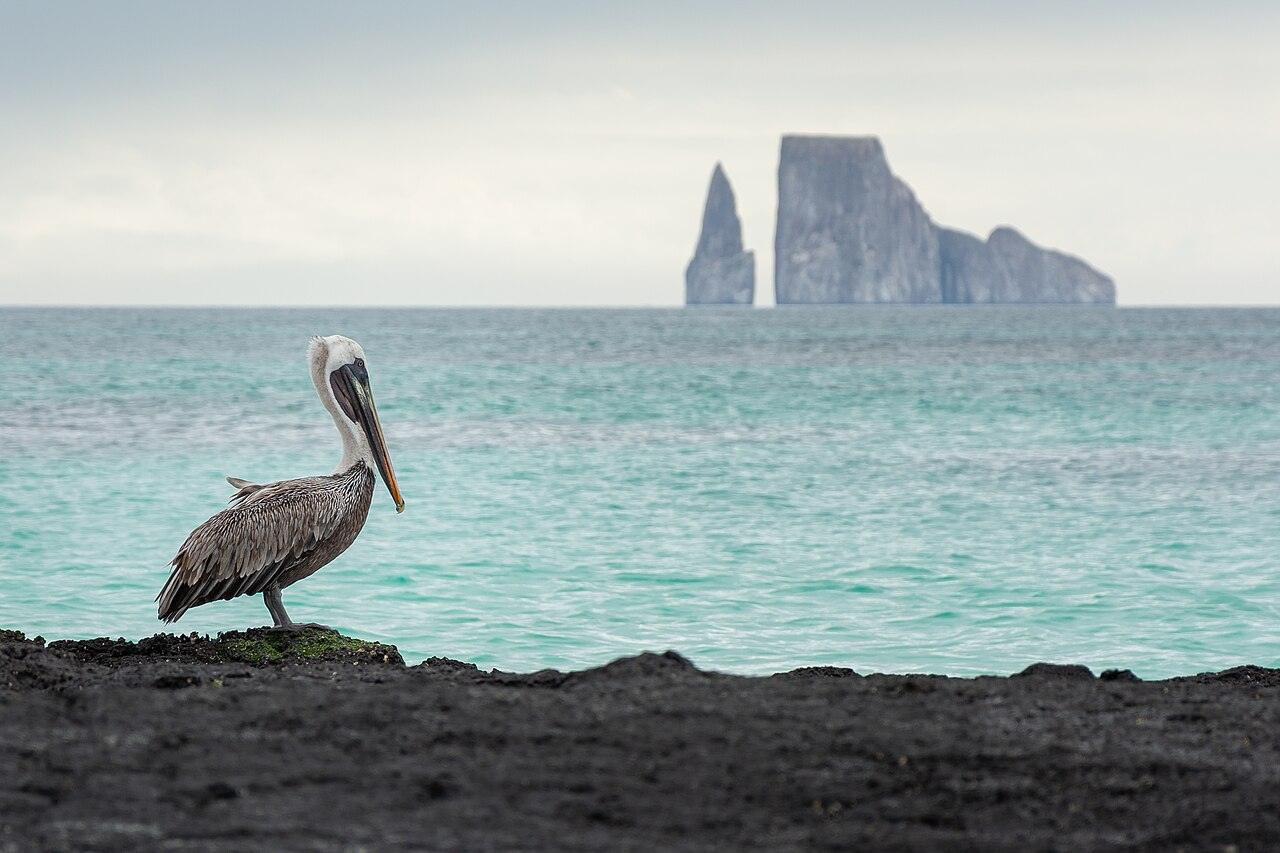
A five-day cruise between the islands: giant tortoises, marine iguanas, boobies and snorkelling with sea lions.
 15 daysModerate
Andes, Amazon and Galápagos
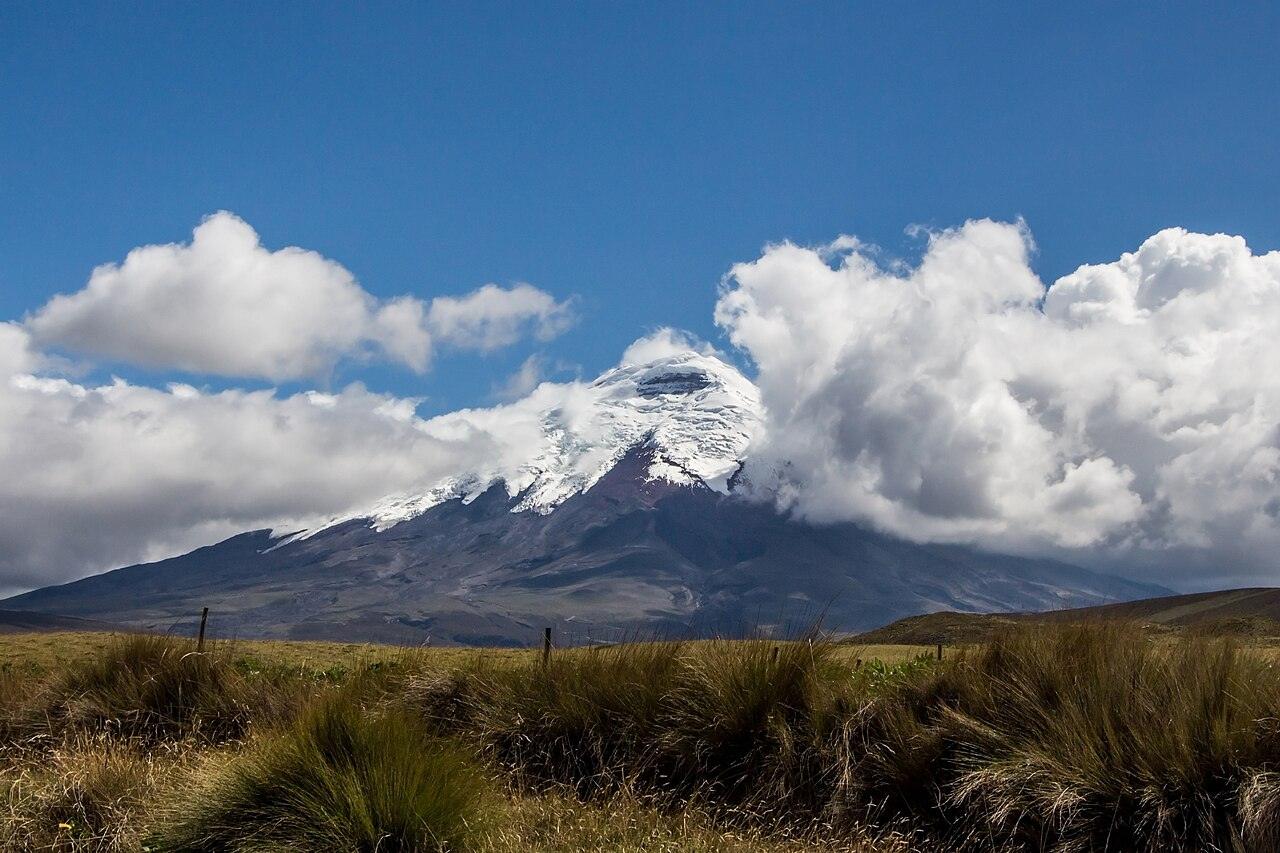
Three worlds in two weeks: the volcanoes of Cotopaxi and Quilotoa, the Amazon rainforest and the Galápagos.
 17 daysModerate
Ecuador: volcanoes, the Amazon and indigenous peoples
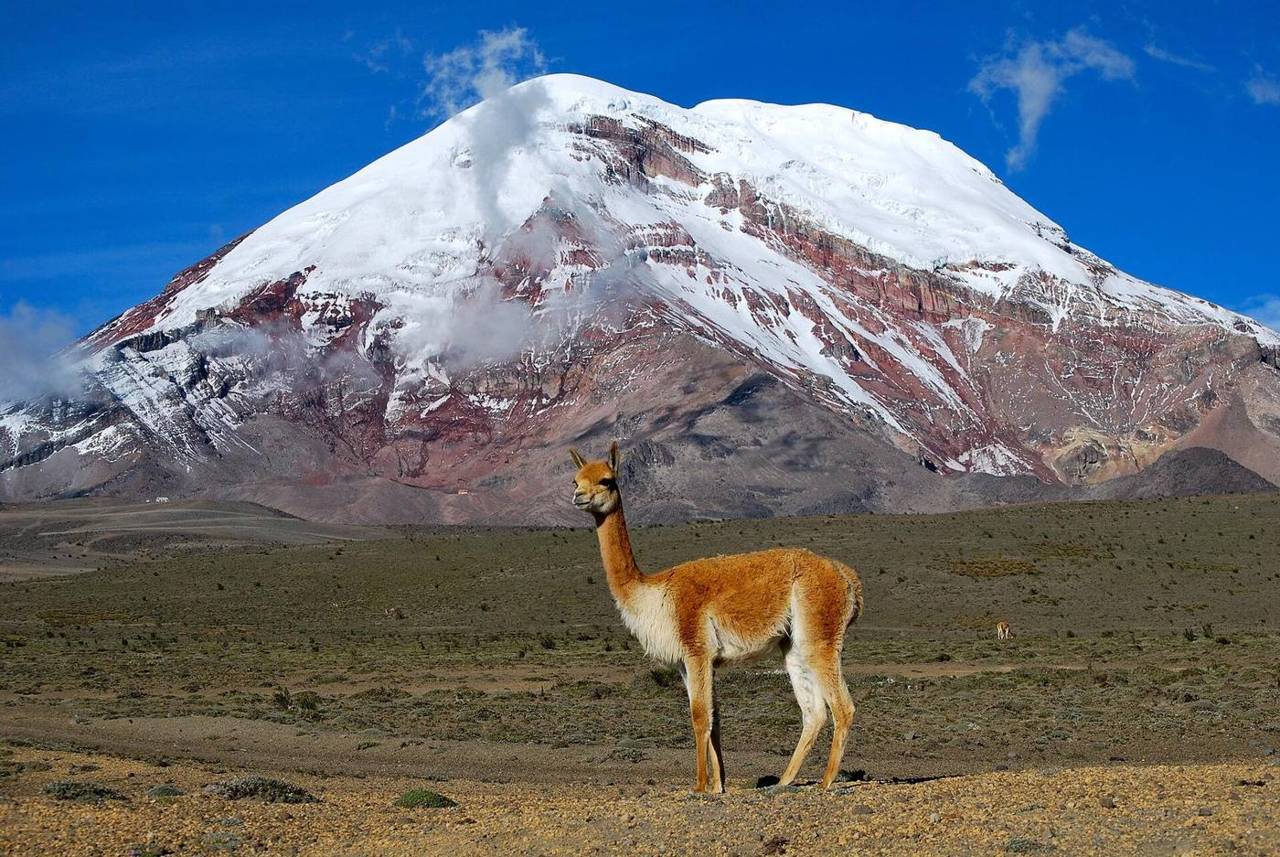
The Avenue of the Volcanoes with Cotopaxi and Chimborazo, indigenous markets, the descent into the Amazon along the rivers and the coast at Guayaquil.