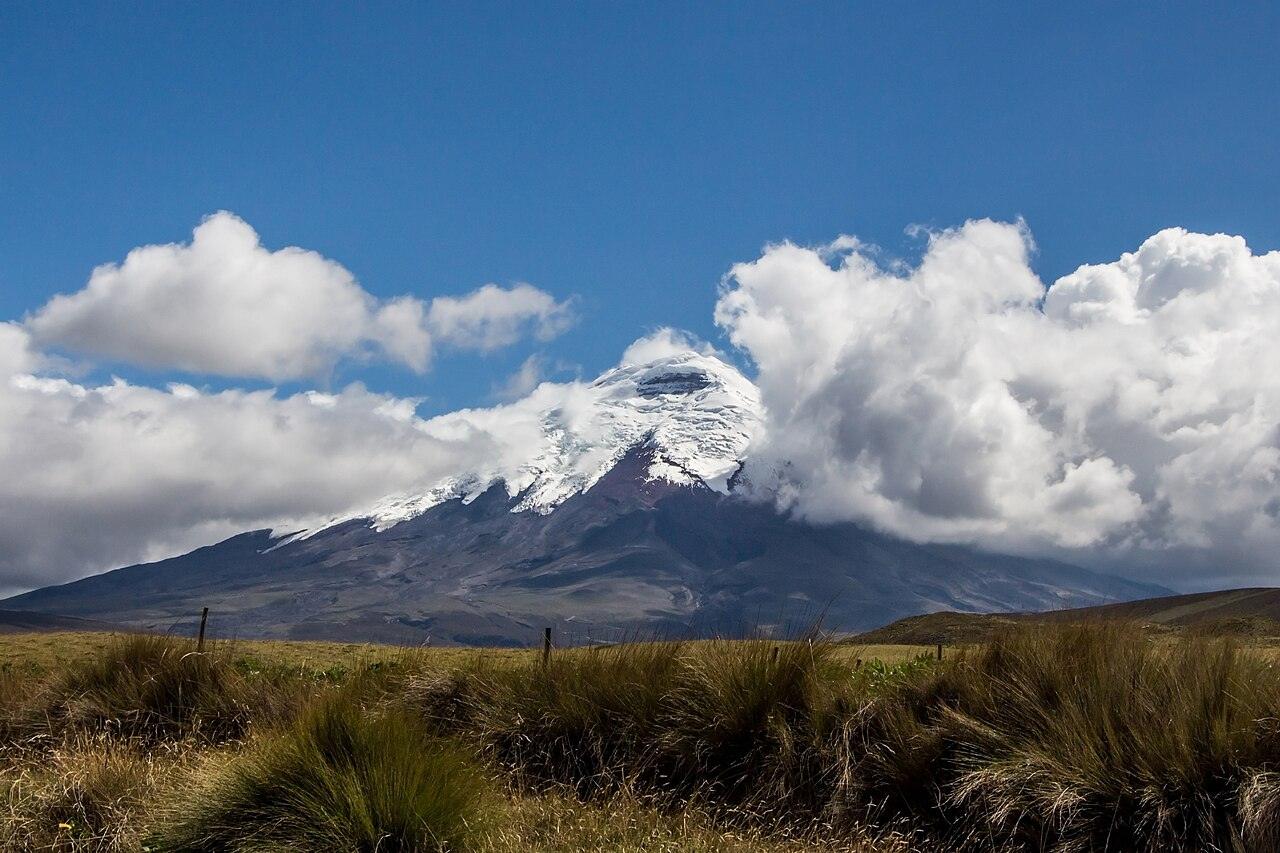
Andes, Amazon and Galápagos
Three worlds in two weeks: the volcanoes of Cotopaxi and Quilotoa, the Amazon rainforest and the Galápagos.
- Quito
- Otavalo
- Cotopaxi
- Quilotoa
- Baños
- Amazon
- Galápagos
Day by day
- Day 1
Arrival in Quito
This fifteen-day trip crosses the three worlds of Ecuador: the Andes, with the Otavalo market, Cotopaxi volcano and the Quilotoa lagoon, then the Amazon rainforest as you head down from Baños, and finally the Galápagos, with Santa Cruz, Isabela and Floreana.
Before you go: Italian citizens can enter Ecuador without a visa for tourism for up to 90 days, with a passport valid for at least six months from arrival. For the Galápagos you also need travel health insurance, the Transit Control Card and the park entry fee. Other nationalities should check their own rules. The United Kingdom advises against all but essential travel to the coastal provinces, including Guayas with Guayaquil, except airport transit, and within 20 kilometres of the border with Colombia; in November 2026 the state of emergency was extended in eight provinces, including Pichincha, with more police and soldiers on the streets. This trip does not enter the areas advised against: in the Amazon choose a lodge in Napo or Orellana province, far from the Colombian border. The yellow fever vaccine is recommended for the Amazon.
You arrive in Quito, the capital, at about 2,850 metres. In the afternoon walk slowly through the historic centre, a UNESCO World Heritage Site: the Plaza Grande, the cathedral and the Compañía church, covered in gold inside. Check prices and times.
Sleep in Quito.
Practical tip: you feel the altitude straight away, so on the first day walk slowly, drink plenty of water and limit alcohol. In the city use only booked or registered taxis, because the United Kingdom reports express kidnappings in taxis hailed in the street.
- Day 2
The Otavalo market
Today you head north into Imbabura province, among lakes and volcanoes.
In the morning leave Quito early along the Pan-American Highway. The road crosses the line of the equator and then enters a green valley, with maize fields and Imbabura volcano in the background. The journey takes about two hours.
Otavalo is famous for its market, one of the largest in South America. Its heart is the Plaza de los Ponchos, full of stalls selling woollen textiles, blankets, ponchos, bags, hammocks and jewellery. The market runs every day, but on Saturdays it is much bigger and spills into the surrounding streets. Most of the sellers are Kichwa Otavalo people: the women wear embroidered white blouses and golden necklaces, the men a long plait and a hat. Bargain politely and with a smile.
In the afternoon, if you have time, stop at San Pablo lagoon, at the foot of Imbabura, or in Cotacachi, the town of leather goods. On the way back you can try bizcochos, the biscuits of Cayambe, with fresh cheese.
In the evening return to Quito, always travelling by day.
Sleep in Quito.
Practical tip: in the market carry your backpack on your front and bring small dollar notes, because large ones are often refused and sellers rarely have change.
- Day 3
Cotopaxi National Park
Today you head south along the valley of the volcanoes to one of the most beautiful cones in the Andes.
In the morning leave Quito with a car and driver or a guided excursion and enter Cotopaxi National Park. The volcano, 5,897 metres high, has an almost perfect shape and a glacier on its summit, which on clear mornings shines above the páramo, the high-altitude grassland. Check prices and times, and before you set off look at the volcano's status in the bulletins of the Geophysical Institute of Ecuador, because Cotopaxi is active and some areas may be closed.
Walk around Limpiopungo lagoon, at about 3,800 metres, an easy, flat loop of about an hour. On the water you see waterbirds, in the grass wild horses and, with a bit of luck, the Andean condor circling in the sky. If you feel well, climb with the guide towards the refuge on the slopes of the volcano: the trail is steep and sandy and the air is thin, so take short steps.
In the afternoon go down towards Latacunga or stay on a farm near the park, where they light the fire in the evening.
Sleep near Cotopaxi or in Latacunga.
Practical tip: on the páramo the weather changes quickly: bring a waterproof jacket, a hat, gloves and sun cream, because at this altitude the sun burns even through the clouds.
- Day 4
The Quilotoa lagoon
Today you see a turquoise lake enclosed inside a volcano.
In the morning head west, on the road that climbs among cultivated fields and Kichwa villages. You pass through Zumbahua, a highland town where on Saturdays there is a market for animals and farm produce. Along the road you see the patchwork fields on the slopes, sheep, llamas and low houses. The journey takes about two hours from Latacunga.
You arrive at the village of Quilotoa, at about 3,900 metres, run by the local community, which asks for an entry contribution. Check prices and times. From the viewpoint you look down into the crater, about three kilometres wide, with the green and blue lagoon that changes colour with the light.
You can walk down to the shore on a steep, sandy path: the descent takes about half an hour, the climb back much longer, because of the altitude. If you have more energy, walk for a stretch along the crater rim, with views over the lake and the mountains. In the village you find Tigua paintings, small colourful pictures of Andean life.
In the afternoon return towards the valley and continue to Baños, passing through Ambato.
Sleep in Baños.
Practical tip: if you have a strong headache, nausea or breathlessness that does not ease with rest, do not go any higher and descend: these are signs of altitude sickness.
- Day 5
Baños and the Ruta de las Cascadas
Today you ride down among the waterfalls, on the road that leads towards the Amazon.
Baños is a small town at about 1,800 metres, at the foot of Tungurahua volcano, in a narrow green valley. The air is warmer and denser, and after the days at altitude it will feel like a relief.
In the morning hire a bicycle and ride the Ruta de las Cascadas, the road that follows the Pastaza river eastwards. It is mostly downhill, with several tunnels and waterfalls tumbling from the valley walls. Stop at the Manto de la Novia waterfall and ride on to the village of Río Verde. From here a path goes down to the Pailón del Diablo, one of the most powerful waterfalls in the country, which crashes with a tremendous roar into a gorge. Stairs and walkways take you very close to the water: you will get wet. Check prices and times. To get back, load the bike onto a pick-up or a bus.
In the afternoon relax in the thermal pools of Baños, with hot water that comes down from the volcano. Check prices and times.
In the evening try melcocha, the sugar cane toffee that sellers pull by hand in the shop doorways.
Sleep in Baños.
Practical tip: in the tunnels of the Ruta de las Cascadas the traffic is heavy: wear a helmet and use lights, and where there is one, take the outside cycle path.
- Day 6
Down into the Amazon
Today you leave the Andes and enter the Amazon rainforest.
In the morning take the road that runs from Baños down the Pastaza river to Puyo, the gateway to the Amazon. In a few hours you go from the mountains to a hot, humid plain covered in very tall trees. From Puyo continue north to Tena or Puerto Misahuallí, in Napo province, on the banks of the upper Napo. Travel by day, because the United Kingdom advises against road journeys after dark.
At the meeting point the lodge guide is waiting for you. The last stretch is often done by motor canoe along the river, between green banks, herons and children swimming near the villages.
The lodge is usually made of wooden huts with palm-leaf roofs, with mosquito nets and electricity only at certain hours. In the afternoon take your first walk with the guide on a nearby trail, to learn the rules of the forest: you walk in single file, you do not touch trees and plants without asking and you watch where you put your feet.
At sunset listen to the sounds of the forest: frogs, insects and birds that change their calls as darkness falls.
Sleep at the lodge, for three nights.
Practical tip: bring light long-sleeved clothes, a strong mosquito repellent and a head torch; almost all lodges lend rubber boots.
- Day 7
Canoe and trails in the forest
Today you explore the forest from the river and on foot.
At dawn, when the animals are most active, get into the canoe with the guide. Along the banks watch for parrots and macaws flying in pairs, toucans with their huge beaks and, if you are lucky, monkeys moving through the high branches. The guide recognises the calls and points out the animals hidden among the leaves.
After breakfast take a longer walk in the forest. The guide shows you the medicinal plants used by the communities, trees with buttress roots, huge and flat, lianas you can swing on and ants marching in long lines. You hear how the forest provides food, medicine and materials for houses.
In the hottest hours rest in the lodge hammock. In the afternoon, if the river is calm and the guide agrees, you can swim in a safe spot, or go tubing, floating downstream on an inner tube.
After dinner go out for a night walk with a torch: colourful frogs, spiders, stick insects and, sometimes, small snakes. Do not touch anything and always follow the guide.
Sleep at the lodge.
Practical tip: keep your clothes and shoes closed in a bag at night and shake out your boots before you put them on.
- Day 8
The communities of the Napo
Today you meet the people who live in the forest.
In the morning travel by canoe down the river to a Kichwa community in the area. Many communities on the Napo welcome visitors through community tourism projects: a family shows you its forest garden, the chacra, where they grow cassava, bananas, cocoa and medicinal plants. You can try making chicha de yuca, the traditional drink, or cooking maito, fish wrapped in leaves and grilled over embers.
The women often show how they make pottery and jewellery from forest seeds. If you buy something, the money goes directly to the community. Always ask permission before photographing people and houses.
In the afternoon, depending on where your lodge is, you can visit a wildlife rescue centre, where monkeys, parrots and other animals taken from the illegal trade are cared for, or the clay licks where parrots come down to eat the clay. Check prices and times.
In the evening, on the terrace, listen to the guide telling the myths of the forest, the stories of the spirits of the rivers and the trees.
Sleep at the lodge, for your last night in the forest.
Practical tip: do not buy objects made with feathers, teeth or skins of wild animals: it is illegal and harms wildlife.
- Day 9
Back to Quito
Today you leave the forest and return to the Andes.
In the morning take a last canoe trip at dawn, then say goodbye to the guide and the lodge staff and go back to the meeting point on the river. From Tena the road climbs west, passing through Baeza and the Papallacta pass, at about 4,000 metres, before going down to Quito. In a few hours you go from the humid heat of the forest to the cold air of the páramo: keep a jacket within reach. The journey takes several hours, so leave early and travel by day.
If you have time, stop in Papallacta, a mountain village famous for its hot springs, with warm outdoor pools surrounded by mountains. Check prices and times.
You reach Quito in the afternoon. Pack your bags for the Galápagos: swimwear, a snorkel mask if you have your own, suitable sun cream and a light jacket for evenings by the sea. If you can, leave the boots and damp forest clothes in Quito.
In the evening have locro de papa for dinner, the potato soup with cheese and avocado, or llapingachos, Andean potato patties.
Sleep in Quito.
Practical tip: check that there are no seeds, fruit or soil from the forest in your backpack: tomorrow your luggage goes through a biosecurity check for the Galápagos.
- Day 10
The flight to the Galápagos and the giant tortoises
Today you reach the Galápagos, the archipelago where the animals are not afraid of people.
In the morning go early to Quito airport. Before check-in collect the Transit Control Card at the desk of the Galápagos Governing Council, or print it after applying online on the official portal, where you can also check the cost. The flight may stop in Guayaquil: if so, stay in the airport.
When you land at Baltra you pay the Galápagos National Park entry fee: according to the Galápagos Governing Council, it is 200 dollars for non-resident foreign adult visitors. The islands are one hour behind the mainland. The United Kingdom reports flooding on Santa Cruz, with a state of emergency declared on 31 October and disruption on the way to Baltra airport: confirm flights and transfers before you leave.
From Baltra a bus, a short ferry and a taxi take you across Santa Cruz. Stop in the highlands, where giant tortoises live in the wild among meadows and ponds. You see them grazing or resting in the mud. Walk through the lava tunnels too. Check prices and times, and always stay at least two metres from the animals.
Sleep in Puerto Ayora, for two nights.
Practical tip: keep your passport, transit card, insurance and the money for the fee in your hand luggage, because you will be asked for them several times.
- Day 11
Tortuga Bay and the Darwin Station
Today you stay on Santa Cruz, between a great white beach and the history of research.
Early in the morning walk to Tortuga Bay, on a paved path of about three quarters of an hour that starts in Puerto Ayora, among cacti and dry vegetation. At the entrance you register your name, and the site opens and closes at fixed times. You reach Playa Brava, a long beach with strong waves where you do not swim. Continue to Playa Mansa, a calm lagoon among the mangroves, where you can swim among marine iguanas and pelicans. Do not step on the iguana nests in the sand.
In the afternoon visit the Charles Darwin Research Station and the National Park tortoise breeding centre, where young giant tortoises grow before returning to the wild on their islands. Here you can see Lonesome George, the last tortoise from Pinta island, who died in 2012. The centre requires a booking: check prices and times.
At sunset walk to the fish market on the seafront, where sea lions and pelicans wait for scraps beside the fishermen. It is one of the most entertaining moments of the day.
In the evening book tomorrow's boat to Isabela and the excursion to Floreana.
Sleep in Puerto Ayora.
Practical tip: in the water do not use sun creams containing oxybenzone or octinoxate, which the park bans: buy a suitable one beforehand.
- Day 12
Isabela, Concha de Perla and the flamingos
Today you reach Isabela, the largest island in the archipelago.
In the morning take the speedboat from Puerto Ayora to Puerto Villamil: the crossing takes about two hours and is often rough. At the port your luggage is checked again. Puerto Villamil is a small town with sandy streets, a long white beach and a slow pace. On the pier you often see sea lions asleep on the benches.
Around midday go to Concha de Perla, near the pier. A wooden boardwalk crosses the mangroves to a small sheltered bay, where you snorkel with sea turtles, sea lions and, if you are lucky, Galápagos penguins, the only penguins that live so close to the equator. Do not chase the animals and stay at least two metres away.
In the afternoon walk along the path to the flamingo lagoon, where pink flamingos filter the shallow water, and then to the Isabela giant tortoise breeding centre. Check prices and times.
At sunset sit on the beach at Puerto Villamil, with marine iguanas on the rocks and the sun going down over the sea.
Sleep in Puerto Villamil.
Practical tip: on Isabela there are few cash machines and they sometimes do not work: bring enough cash in dollars, in small notes, for your whole stay on the island.
- Day 13
Sierra Negra volcano and back to Santa Cruz
Today you climb a huge volcano and then return to Santa Cruz.
Early in the morning set off with a naturalist guide for Sierra Negra volcano, in the south of Isabela. Sierra Negra has one of the largest calderas in the world. The trail climbs through meadows and mist to the rim of the caldera, from where you see an enormous expanse of black lava and, on clear days, the other islands on the horizon. With the guide you can continue towards the more recent lava fields, with cones and fissures in reds and yellows. The excursion usually takes half a day. Check prices and times.
In the Galápagos, visits to protected areas are made only with an accredited guide: it is a park rule, and it also helps you understand what you see.
In the early afternoon return to Puerto Villamil, have lunch and take the afternoon speedboat to Santa Cruz. From the deck watch the sea: boobies, frigatebirds and sometimes dolphins often pass by.
In the evening, in Puerto Ayora, have the fish of the day for dinner, such as grouper or wahoo, or a fish ceviche.
Sleep in Puerto Ayora, for two nights.
Practical tip: on the volcano there is often mist in the morning and strong sun at midday: bring a light jacket, a hat and at least two litres of water.
- Day 14
Floreana, the island of pirates and settlers
Today you take a day trip to Floreana, one of the smallest inhabited islands.
Early in the morning leave Puerto Ayora by boat with a naturalist guide. The crossing takes about two hours and the sea can be rough. Floreana has a strange history: in the past it was a refuge for pirates and whalers, and in the 1930s a few European settlers moved here, at the centre of mysterious stories that are still told today. Now a small community lives here.
By pick-up truck you climb into the highlands to the spring of Asilo de la Paz, the main source of fresh water on the island, where you see the caves used by the first inhabitants and an enclosure with giant tortoises. Then you return to the village of Puerto Velasco Ibarra.
In the afternoon snorkel at La Lobería, a rocky bay near the village, where you swim with sea lions, sea turtles and tropical fish. Stay at least two metres from the animals and do not touch them, even when the young sea lions swirl around you.
In the evening return to Puerto Ayora. Pack your bags for tomorrow's flight.
Sleep in Puerto Ayora, for your last night on the islands.
Practical tip: take something for seasickness before you board, not after, and sit towards the back of the boat, where it rocks less.
- Day 15
The flight to the mainland and departure
Today you leave the Galápagos and Ecuador.
In the morning, by taxi, ferry and bus, you cross Santa Cruz again to Baltra. Allow plenty of time, because the journey takes about an hour. At the exit check show your transit card. You fly to Quito, with a possible stop in Guayaquil, where you stay in the airport, and from there you take your international flight.
In short: in fifteen days you have seen the three worlds of Ecuador. In the Andes you browsed the textiles of Otavalo, walked at the foot of Cotopaxi and looked down on the Quilotoa lagoon. From Baños you went down among the waterfalls to the Amazon rainforest, where you travelled by canoe, walked with the guides and met the Kichwa communities of the Napo. In the Galápagos you saw giant tortoises, swam with sea lions and penguins, climbed Sierra Negra and discovered Floreana. The Galápagos are the most expensive part of the trip, between the flight, the fee and the excursions. The first days at altitude should be taken calmly.
When to go: the best period is from June to September, the driest season in the Andes, with clearer skies over the volcanoes. In the Amazon it rains all year. In the Galápagos in these months the water is colder and the sea rougher, but marine life is richer; from December to May the sea is calmer and warmer.
Practical tip: do not take sand, shells, coral or lava stones from the islands: it is forbidden and luggage is checked on departure.
Three ecosystems in two weeks in a small country: that is Ecuador's great advantage. The Galápagos take most of the budget, between the flight, the entry fee and the boats. Quilotoa and Cotopaxi lie above 3,500 metres, so take the first days slowly.
Before you go
- Documents and visa
- Passport valid for at least six months from arrival. No visa is needed for tourism for up to 90 days in a year. For the Galápagos you also need travel health insurance, the Transit Control Card, obtained before the flight, and the park entry fee. Travellers entering overland from Colombia or Peru must show an apostilled criminal record certificate.
- Health and vaccines
- Quito is at about 2,850 metres and many Andean areas are higher: ask your doctor for advice on altitude. The yellow fever vaccine is recommended for the Amazon. Protect yourself from mosquitoes on the coast. Drink bottled water. Emergencies: 911.
- Money and payments
- US dollar. Bring small notes, because large ones are often refused; in villages and on some Galápagos islands there are few cash machines.
- Power sockets
- Type A and B, 120 volts: you need an adapter, and check that your devices accept 120 volts.
- Time zone
- UTC-5 on the mainland, UTC-6 in the Galápagos, all year.
- Safety
- The United Kingdom advises against all but essential travel to the coastal provinces of Esmeraldas, Manabí, Santa Elena, Guayas (including Guayaquil, except airport transit), El Oro, Los Ríos and Santo Domingo de los Tsáchilas, and within 20 km of the border with Colombia (except some areas of Carchi). In November 2026 the state of emergency was extended in eight provinces, including Pichincha, and in the cantons of La Maná, Las Naves and Camilo Ponce Enríquez. Beware of express kidnappings in taxis hailed in the street and of drugged drinks. Official advice: GOV.UK.
Information checked in November 2026 for Italian and EU citizens. Rules change: always check before you travel.
Variations
Shorter: eleven days, with the Andes and the Amazon but only three days in the Galápagos, on Santa Cruz.
Longer: eighteen days, adding the colonial city of Cuenca and Cajas National Park before the islands.
Frequently asked questions
How much is the Galápagos park fee?
According to the Galápagos Governing Council, it is 200 dollars for foreign adult visitors not resident in Ecuador. On top of this there is the Transit Control Card, whose cost you can check on the official portal.
Which part of the Amazon should I choose?
For this trip the upper Napo works best, reached by road from Baños via Puyo. Avoid areas within 20 kilometres of the Colombian border, which the United Kingdom advises against, and ask your doctor about the yellow fever vaccine.
How do I cope with the altitude?
Cotopaxi and Quilotoa are above 3,500 metres. Spend the first nights in Quito, walk slowly, drink plenty and limit alcohol. If you have strong symptoms that do not go away, descend.
Indicative itinerary written by World Atlas. Before booking, check timetables, seasonal openings, documents and safety.
 7 daysModerate
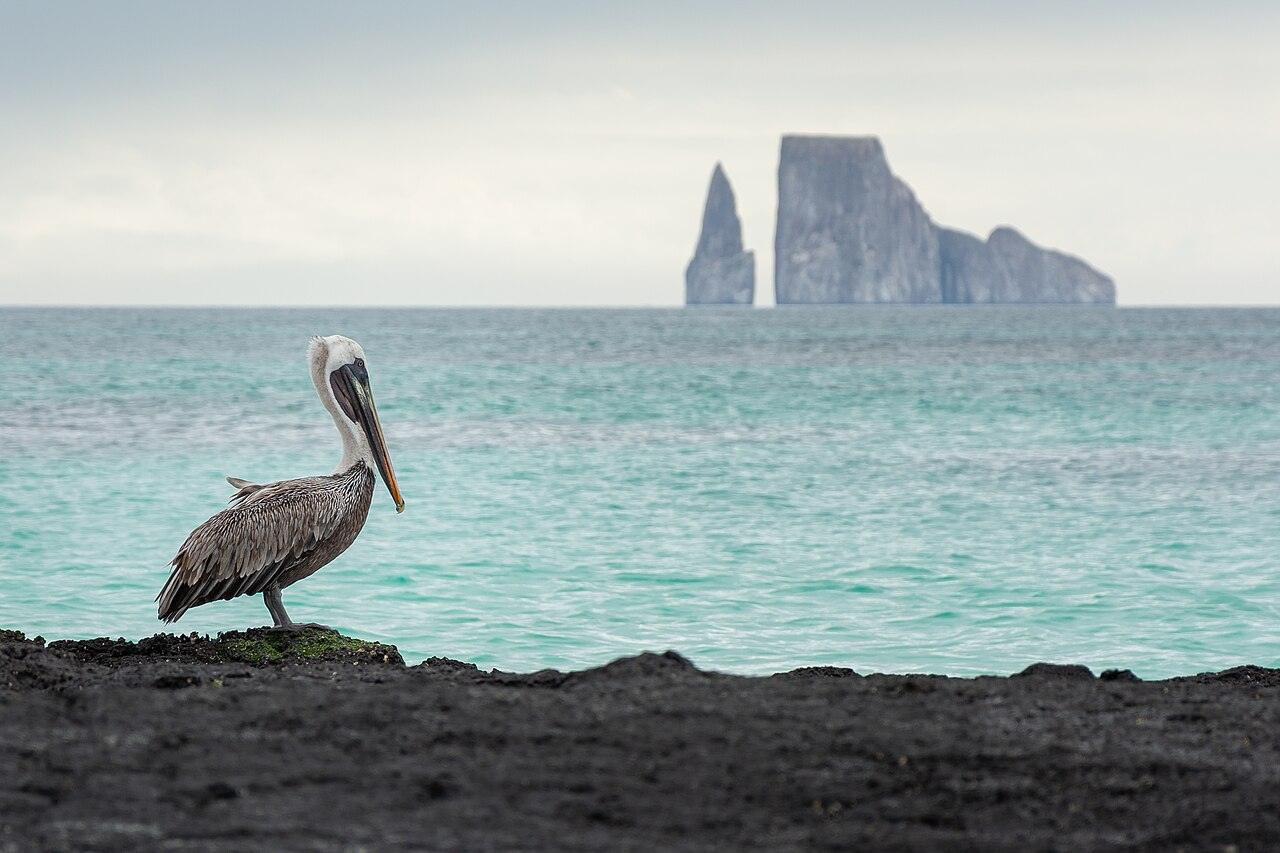
Galápagos by cruise
A five-day cruise between the islands: giant tortoises, marine iguanas, boobies and snorkelling with sea lions.
 17 daysModerate
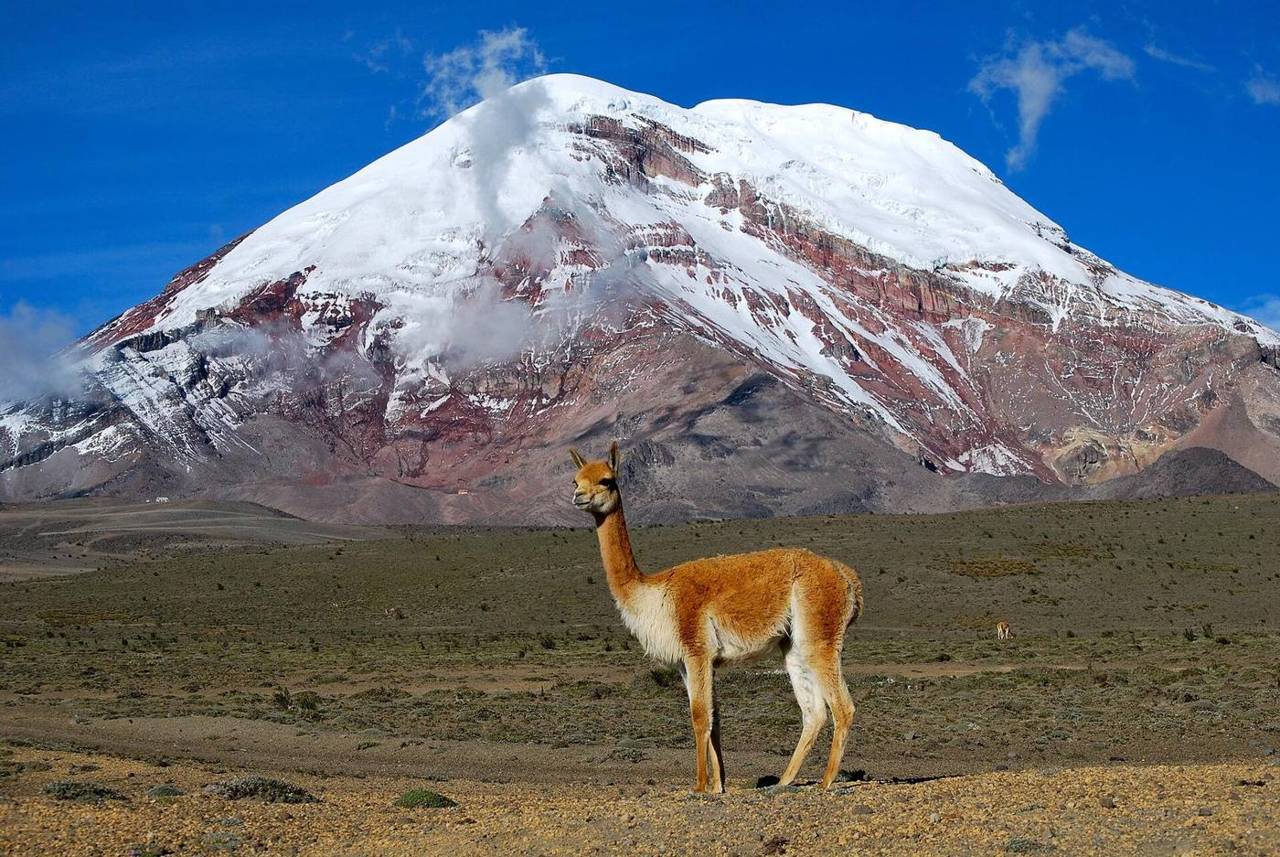
Ecuador: volcanoes, the Amazon and indigenous peoples
The Avenue of the Volcanoes with Cotopaxi and Chimborazo, indigenous markets, the descent into the Amazon along the rivers and the coast at Guayaquil.
 17 daysModerate
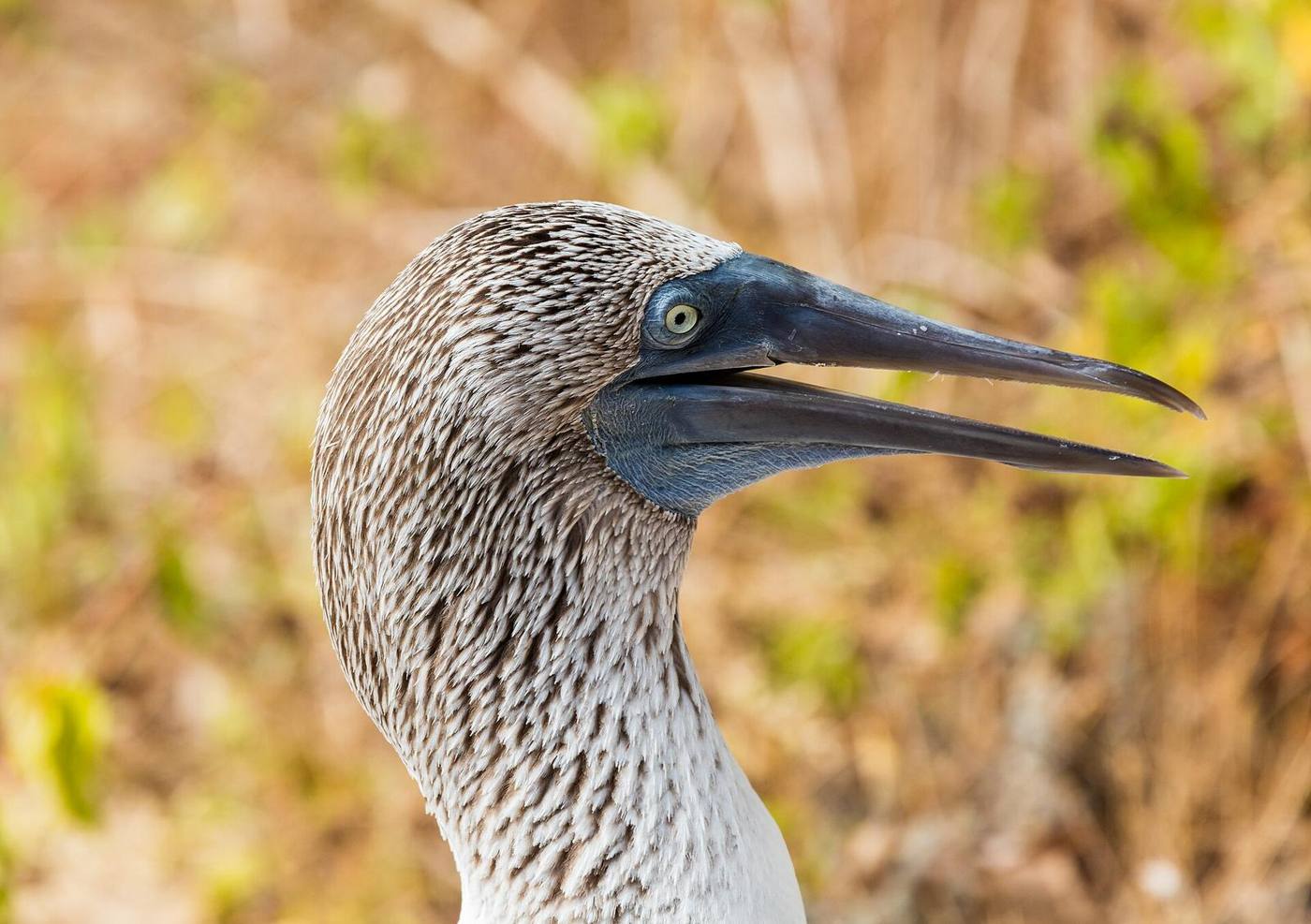
Ecuador and the Galápagos with a week-long cruise
Ten days among the Andes and volcanoes, then seven days on board among the remotest Galápagos islands: Genovesa, Fernandina, Isabela, Española.