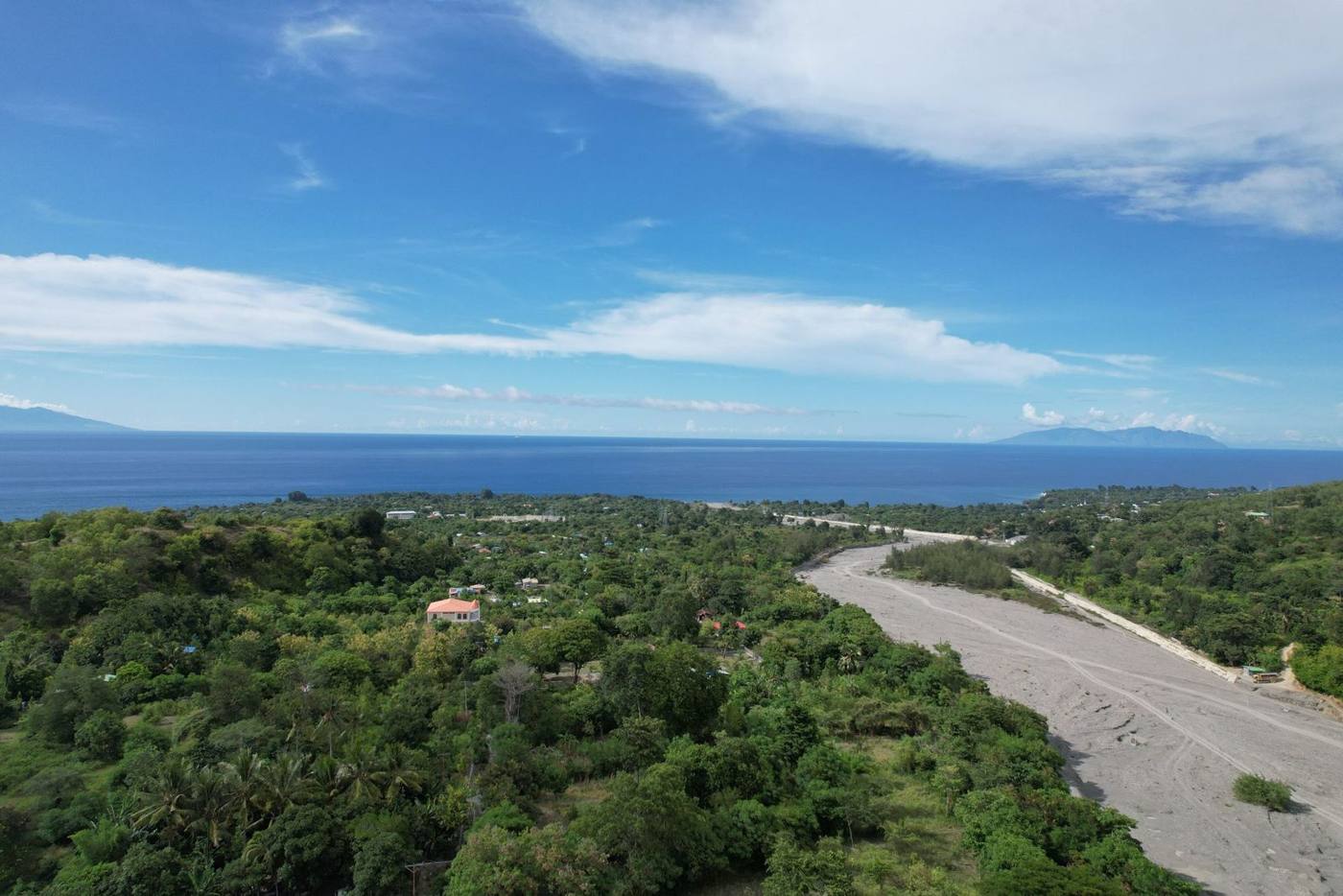
The mountains and Ramelau
The colonial town of Maubisse among coffee farms, the dawn climb of Tatamailau, the summit of Mount Ramelau, and the sacred uma lulik houses.
- Dili
- Maubisse
- Hato Builico
- Tatamailau
Day by day
- Day 1
From Dili to Maubisse
This five-day trip shows the green, cool side of Timor-Leste: the colonial town of Maubisse among coffee plantations, the mountain villages with their sacred uma lulik houses and the night climb of Tatamailau, the summit of Mount Ramelau, to watch the sunrise over the island.
Before you go: Italian citizens need a passport valid for at least six months from the date of entry; the electronic identity card is not enough. Thanks to the agreement between the European Union and Timor-Leste, they can stay up to 90 days in any 180-day period without a visa. Other nationalities should check their own rules. Avoid demonstrations and crowds, do not travel by car at night and outside Dili travel with an experienced driver. Bring US dollars in cash, repellent against dengue and a first aid kit: in the mountains hospitals are far away.
In the morning you leave Dili with your driver. The road climbs straight into the hills, with tight hairpin bends and views over the sea. You pass through Aileu, a small town in a green valley, then keep climbing among forests, fields and villages.
The journey is slow: a few kilometres take many hours, because of the bends, the damaged stretches and the landslides of the rainy season.
In the afternoon you reach Maubisse, at about 1,400 metres, a town from the Portuguese era on a ridge, with its church, market and houses with flowering gardens. The air is cool, sometimes cold in the evening.
Walk up the hill above the town to see the valleys fading into the mist.
Sleep in Maubisse, for two nights.
Practical tip: bring a jumper and a jacket: after the heat of Dili, in the mountains the evenings are comfortable only when you are well covered.
- Day 2
The coffee plantations and the villages
Today you discover Timor's coffee and life in the mountain villages.
Coffee is the country's main farm product. It was introduced by the Portuguese and grows in the shade of large trees on the hills. Timor also gave rise to a natural coffee variety, the Timor Hybrid, very important for plantations all over the world because it resists disease.
In the morning walk with a local guide through the plantations around Maubisse. You see the plants with their red berries, families picking by hand in the harvest months, and the beans spread out to dry in the sun. If you are lucky, you taste coffee roasted in a pan over a wood fire.
Then visit a nearby village, with its uma lulik, the sacred family houses, built of wood and thatch with tall, pointed roofs. Here the ancestors' objects are kept and the most important ceremonies take place. Do not go in without permission and always ask your guide how to behave.
At lunch eat with a family: rice, maize, vegetables, sometimes chicken, and coffee.
In the afternoon go back to Maubisse and pass through the market, with mountain vegetables, beans and tais textiles.
Sleep in Maubisse.
Practical tip: bring small useful gifts, such as notebooks and pencils for the children, and ask your guide whether it is appropriate to give them.
- Day 3
Hato Builico and the night climb of Tatamailau
Today you reach the village at the foot of Ramelau and set off at night for the summit.
In the morning you leave Maubisse and drive south to Hato Builico, a village at about 2,000 metres, below Mount Ramelau. The road is narrow and unpaved in places, with landscapes of ridges, pines and eucalyptus.
In the afternoon settle into a simple guesthouse in the village and rest. Walk among the houses, look at the vegetable gardens and talk with the people, who often climb the mountain on pilgrimage.
Have an early dinner and go to bed at eight.
Around two or three in the morning set off with your guide for the summit, by the light of your head torch. The path climbs for a few hours, steep but with no difficult sections, first through the forest and then over the meadows. At the top, at almost 3,000 metres, is Tatamailau, the highest point in Timor-Leste, with a large statue of the Virgin Mary. It is a sacred place: move respectfully.
At dawn the sun rises above a sea of clouds, and on clear days you see the whole island, the north coast and the south coast.
Walk down slowly to the village for breakfast.
Sleep in Hato Builico.
Practical tip: bring gloves, a hat and warm layers: before dawn the temperature on the summit can drop close to freezing.
- Day 4
Back to Maubisse
Today you rest after the climb and return to Maubisse.
In the morning, after a big breakfast and a few hours' sleep, walk around Hato Builico, among meadows and pine woods. The mountain air is clear and fresh, and from the village you can still see the statue on the summit.
If you have energy, ask your guide to take you to a spring or a nearby viewpoint, looking over the valleys that run down towards the south coast. Along the path watch for the birds of the mountain forests, some of which live only on this island and the islands nearby.
At midday have lunch with rice, vegetables and coffee, then drive north again.
The return to Maubisse takes a few hours on the mountain roads. Along the way stop in the villages, where children wave and women sell fruit, potatoes and vegetables at the roadside.
In the late afternoon you reach Maubisse. Take a walk at sunset up to the church and watch the light fall on the hills.
In the evening have a hot dinner and rest: last night's climb can be felt in your legs.
Sleep in Maubisse.
Practical tip: do not travel on the mountain roads after sunset: they are dark and narrow and may have landslides or animals on the road.
- Day 5
Back to Dili
On the last day you go down towards the sea.
In the morning buy a bag of local coffee at the Maubisse market to take home, then drive to Dili. The road descends through the hills, with hairpin bends and ever wider views, until you see the sea and the capital.
In the early afternoon you reach Dili. If you have time, visit the Resistance Museum, which tells the story of the Indonesian occupation from 1975 to 1999 and the struggle for independence, or climb to the Cristo Rei, the statue on the headland east of the city. Check prices and times.
At sunset walk along the waterfront and have dinner with grilled fish.
In five days you have seen the mountain road from Dili to Aileu and Maubisse, the coffee plantations and the villages with their uma lulik, Hato Builico and the night climb of Tatamailau with dawn above the clouds. It is the green and cool side of Timor, little known.
When to go: from May to October, in the dry season. In the rainy season the mountain roads are slow and prone to landslides, and the summit is often in cloud.
This trip can be combined with Dili and the island of Atauro, for a week between mountains and sea.
Practical tip: keep a spare day in Dili before your international flight, in case of delays on the mountain roads.
Timor's green, cool side, little known. Mountain roads are slow and prone to landslides in the rainy season. The summit is a sacred place with a statue of the Virgin.
Before you go
- Documents and visa
- Passport valid for at least six months after arrival, with two blank pages. British citizens can get a single-entry tourist visa on arrival at Dili airport or seaport, valid for 30 days and payable only in cash. Have your return ticket ready: you may be asked for it.
- Health and vaccines
- Dengue is common, especially in the rainy season: use repellent during the day too. The malaria risk is low: ask a travel health clinic. Drink only bottled water. Hospitals are few and basic, especially outside Dili: you need insurance that covers evacuation to Australia or Singapore. Emergencies: 110.
- Money and payments
- US dollar, with local centavo coins. Bring cash in notes in good condition: outside Dili cards are hardly used and cash machines are rare.
- Power sockets
- Mixed sockets, often Australian and European types, 220 volts: bring a universal adapter.
- Time zone
- UTC+9 all year, nine hours ahead of the UK in winter, eight in summer.
- Safety
- The United States rates Timor-Leste level 2 for unrest and crime. Avoid demonstrations and crowds, especially at Tasi Tolu and Comoro in Dili; do not travel by car at night and outside the city use a driver. Roads are slow and in poor condition, and from November to April the rains make some stretches impassable. There are crocodiles on the south coast, in the east and in rivers: ask locals before swimming. Official advice: GOV.UK.
Information checked in November 2026 for Italian and EU citizens. Rules change: always check before you travel.
Variations
In four days you go straight from Dili to Hato Builico, climb Tatamailau and return to Dili via Maubisse.
In seven days you add a night in the village of Ainaro and an extra day among the coffee plantations.
Frequently asked questions
Is the climb of Tatamailau difficult?
It is steep but not technical and takes a few hours. You start at night for the sunrise: you need a head torch, walking boots, warm clothes and a local guide.
What are the mountain roads like?
Narrow, full of bends and damaged in places. In the rainy season there are landslides. Travel by day with an experienced driver.
Can you visit a coffee plantation?
Yes, around Maubisse with a local guide. In the harvest months you see the berries picked by hand and the beans drying in the sun.
Indicative itinerary written by World Atlas. Before booking, check timetables, seasonal openings, documents and safety.
 4 daysModerate
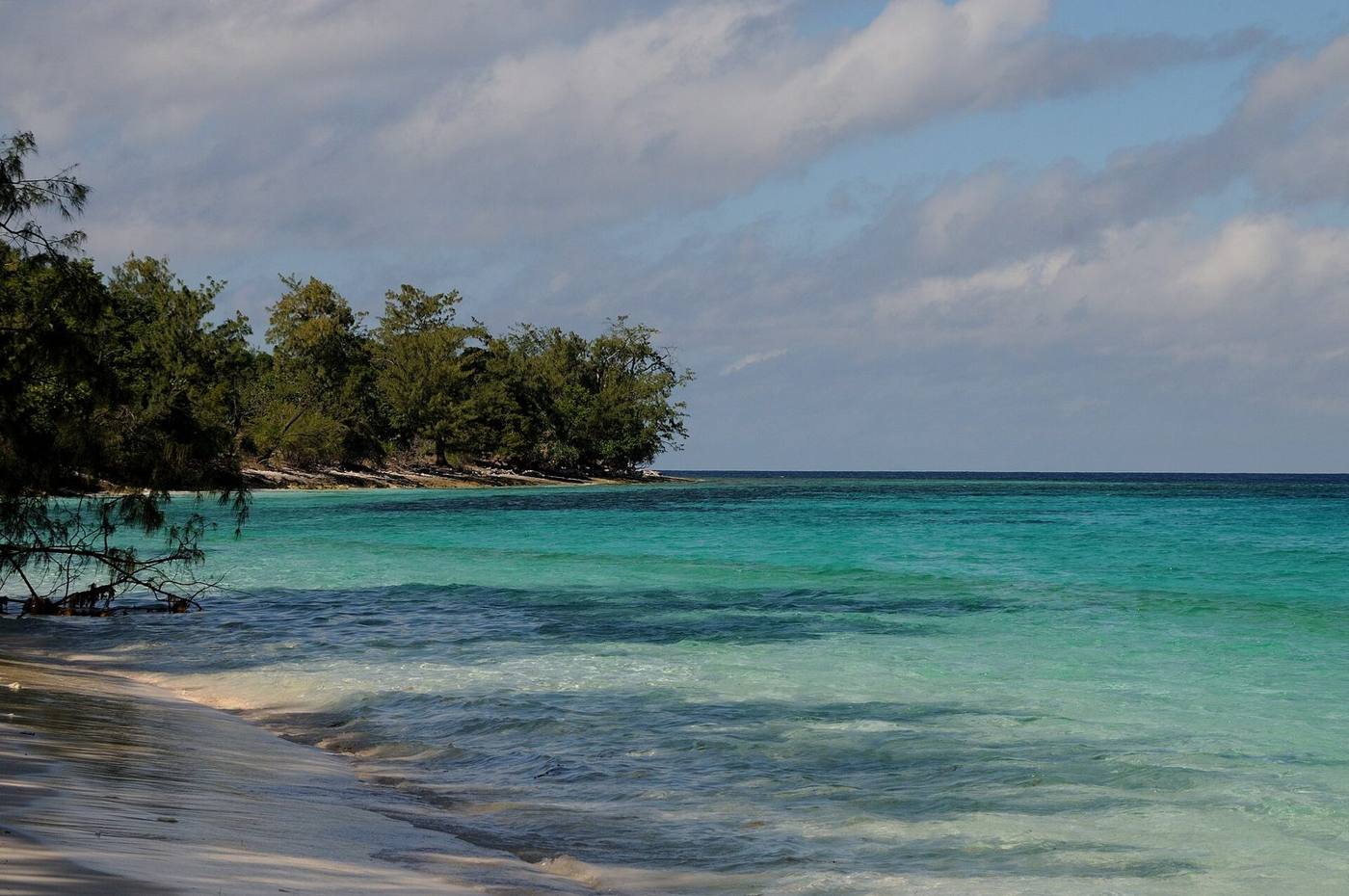
Jaco and Tutuala
The island's eastern tip, in Nino Konis Santana National Park: Valu beach, the boat to the sacred, uninhabited islet of Jaco, the Ile Kére Kére rock paintings and the old pousada of Tutuala.
 3 daysEasy
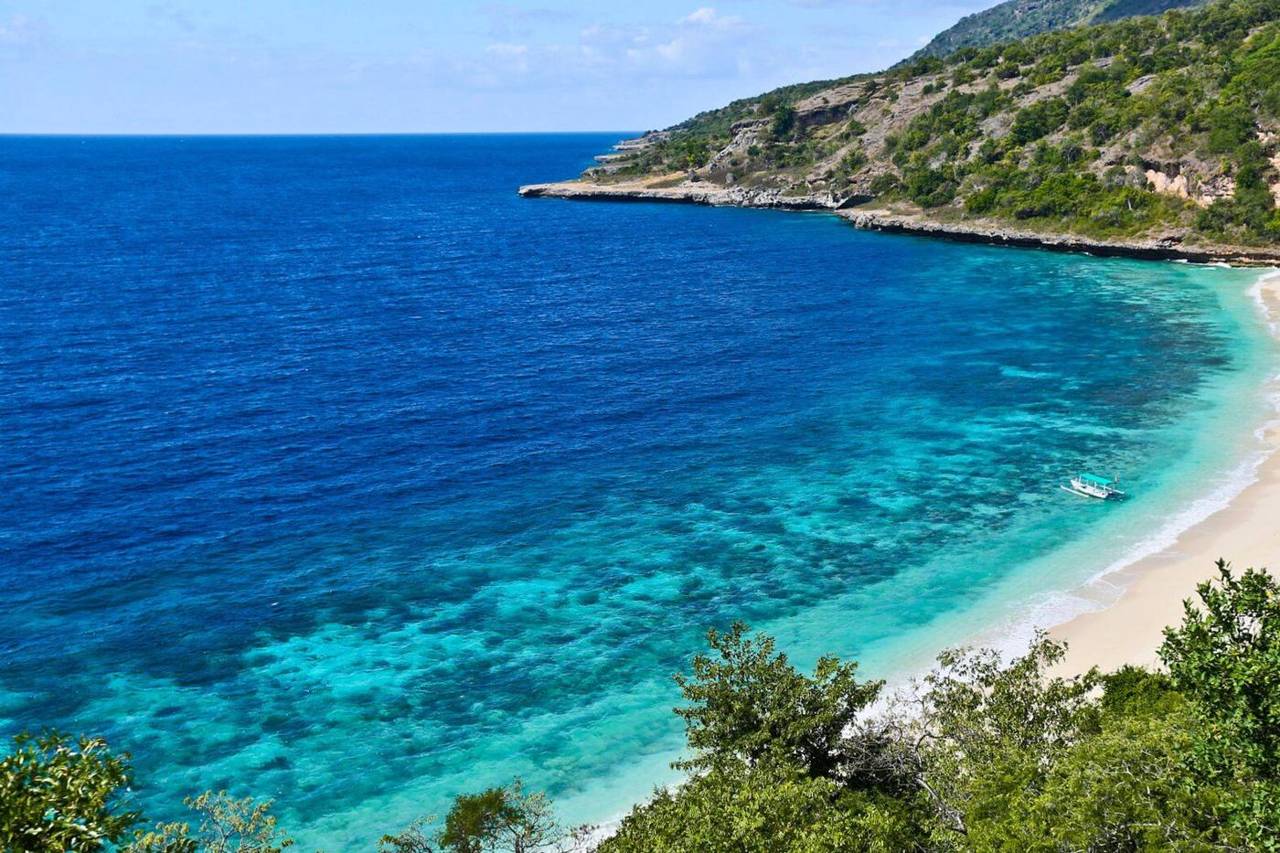
Baucau and Com
The country's second city, with its Portuguese centre, colonial market and springs below the cliffs, then the fishing village of Com with a reef right off the beach.
 6 daysEasy
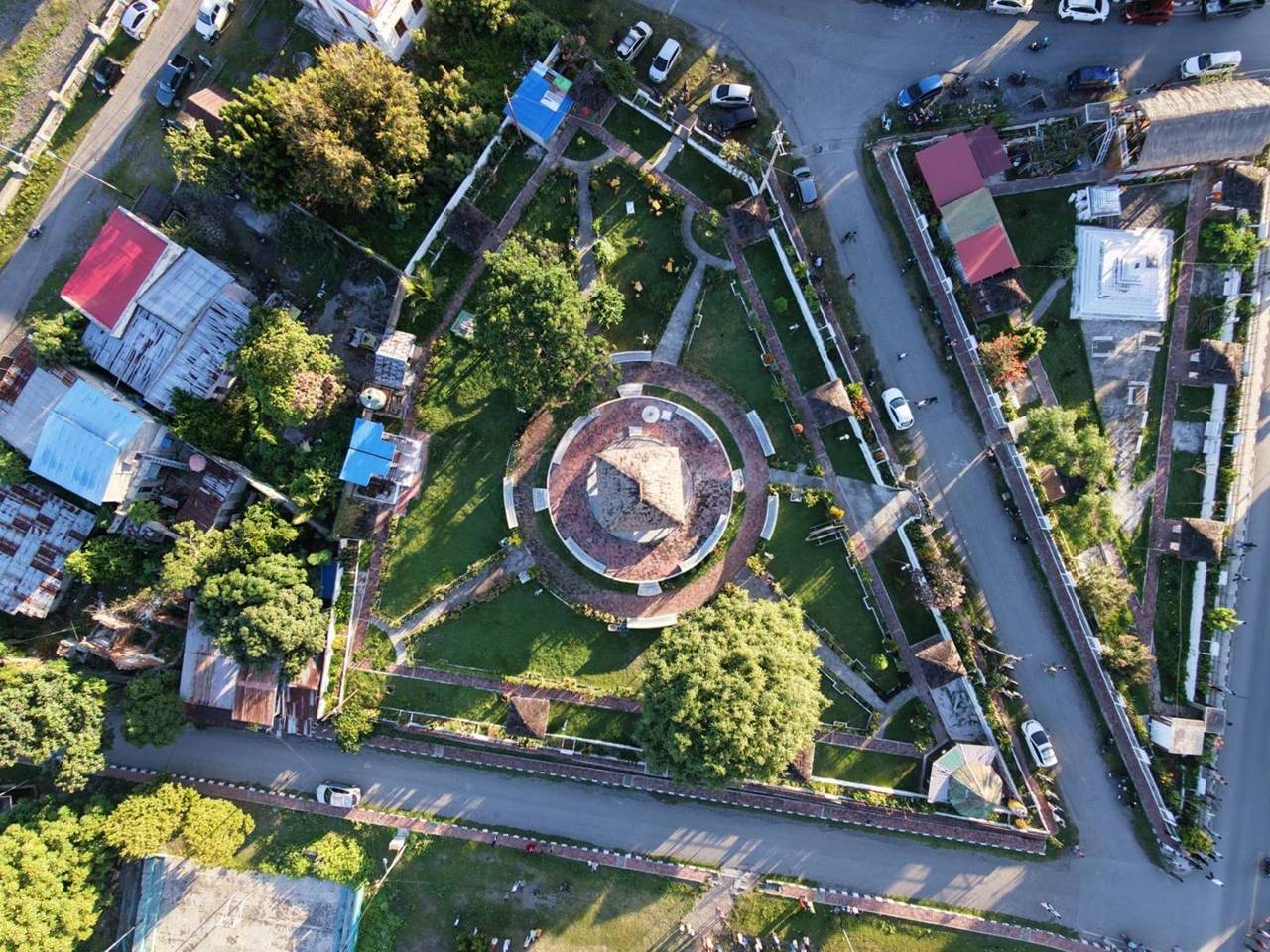
Dili and Atauro
The capital with Cristo Rei on its headland and the Resistance Museum, then Atauro island with some of the most fish-rich waters in the world.