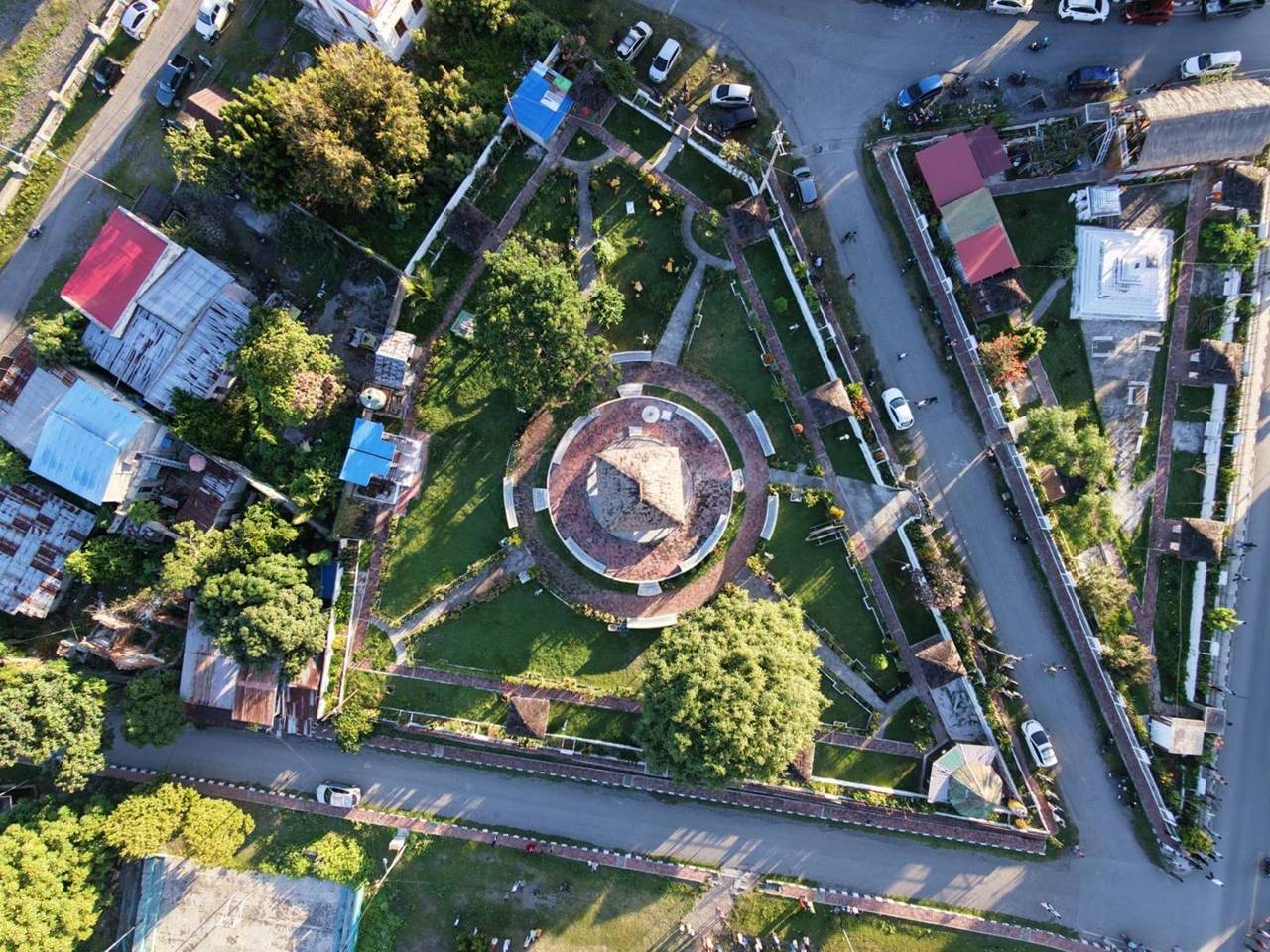
Dili and Atauro
The capital with Cristo Rei on its headland and the Resistance Museum, then Atauro island with some of the most fish-rich waters in the world.
- Dili
- Cristo Rei
- Atauro
- Beloi
Day by day
- Day 1
Dili and the Resistance Museum
This six-day trip combines Dili, the small capital of Timor-Leste, with the Cristo Rei on its headland and the Resistance Museum, and the island of Atauro, with some of the waters richest in reef fish species in the world.
Before you go: Italian citizens need a passport valid for at least six months from the date of entry; the electronic identity card is not enough. Thanks to the agreement between the European Union and Timor-Leste, they can stay up to 90 days in any 180-day period without a visa; have your return ticket ready. Other nationalities should check their own rules. Avoid demonstrations and crowds, do not travel by car at night and bring repellent: dengue is common. The currency is the US dollar: bring cash, because outside Dili cards are hardly used.
You arrive in Dili, usually on a flight from Bali or Darwin. The city stretches along the sea, with a tree-lined waterfront, low houses and green hills behind.
In the afternoon visit the Resistance Museum, which tells the story of the twenty-four years of Indonesian occupation, from 1975 to 1999, and the struggle for independence, achieved in 2002. Photos, documents, guerrilla objects and testimonies help you understand the history of the youngest country in Asia. Check prices and times.
Then stop at the Santa Cruz cemetery, where in 1991 soldiers fired on a peaceful procession: the images of that day made the Timorese cause known to the world.
At sunset walk along the waterfront and have dinner with grilled fish.
Sleep in Dili, for two nights.
Practical tip: get around the city by official taxi and agree the fare before you get in.
- Day 2
The Cristo Rei and the beach
Today you see the symbol of Dili and the beaches east of the city.
Early in the morning, before the heat, go to Cape Fatucama, east of the centre. Here a long staircase of hundreds of steps, with the Stations of the Cross, climbs to the statue of Cristo Rei, about twenty-seven metres high, which looks over the bay from the top of the headland, standing on a globe. From the top you see the whole of Dili, the turquoise sea and, on clear days, the island of Atauro on the horizon.
Go down the other side to the beach known as Jesus Backside, a small bay of pale sand with clear water, excellent for a swim and for snorkelling near the rocks. There are no facilities: bring water and shade.
At midday head back to the busier Areia Branca beach, with small stalls where you can eat fish and fruit.
In the afternoon, if you are interested in history, visit the former prison at Balide, which now hosts an exhibition on the work of the truth and reconciliation commission. Check prices and times.
Between October and December, whales and dolphins can sometimes be seen passing the coast: ask in town whether boat trips are running.
In the evening pack for the island.
Sleep in Dili.
Practical tip: climb to the Cristo Rei at dawn or around five in the afternoon: at midday the sun is fierce and the staircase has no shade.
- Day 3
By boat to Atauro
Today you cross the strait to the island of Atauro.
In the morning go to the port and take the ferry or a fast boat to Atauro, north of Dili. The ferry takes a few hours, the fast boat much less. During the crossing watch the sea: dolphins pass here and, in certain months, whales.
Atauro is a mountainous, dry island, a little over twenty kilometres long, with a few fishing villages and a very simple life, with no traffic and hardly any cars. A scientific survey found around the island one of the highest averages in the world of reef fish species per site.
You land at Beloi, the main village on the east coast, with wooden boats on the beach and houses of palm and bamboo. Settle into a simple guesthouse near the sea.
In the afternoon go snorkelling for the first time from the beach: a few metres from the shore you see corals, clownfish, butterflyfish and starfish.
In the evening have dinner with fish caught that day, rice and vegetables, and look at the starry sky with no lights around.
Sleep in Beloi, for three nights.
Practical tip: check the ferry times a few days before: they change often and can be cancelled in rough seas.
- Day 4
Snorkelling and diving from Beloi
Today is a day at sea.
In the morning set off by boat with a local guide to the reefs around the island. The coral walls drop steeply into the blue, with soft and hard corals, fans of gorgonians, large sponges and shoals of colourful fish. With a little luck you see turtles, Napoleon wrasse and reef sharks.
If you dive, do two dives with a dive centre on the island: the water is clear and the currents are usually moderate, but they vary with the tides. If you do not dive, snorkel over the shallower parts of the wall.
At midday have lunch on the boat or on a deserted beach with fruit, rice and fish.
In the afternoon rest in the shade at Beloi and walk among the houses of the village. The people are fishermen and farmers, and the women make cloth dolls and woven baskets, which are also sold to visitors.
At sunset sit on the beach and watch the boats coming back and the sun setting behind Timor.
In the evening have dinner at the guesthouse and ask the more experienced guests about the best sites for the next day.
Sleep in Beloi.
Practical tip: bring reef-safe sun cream and a swim shirt: the sun on the water is very strong.
- Day 5
Walks and villages of Atauro
Today you explore the island on foot and go back into the water.
Early in the morning walk with a guide into the interior of the island, on paths that climb among dry hills, maize fields and palms. From the top you see the coast, the pale reefs under the water and, opposite, the mountains of Timor. If the route includes it, reach a village inland, where families grow maize, cassava and beans.
Or walk along the coast towards Vila, the island's main town, with its church, market and colourful boats.
At lunch go back to Beloi and rest during the hottest hours.
In the afternoon go snorkelling one last time at a different spot, perhaps reached by boat, or do another dive.
At sunset walk on the beach and say goodbye to the people you have met in these days. Leave a tip for the guides and the families who have hosted you: tourism here is small and helps the community a lot.
In the evening have a last dinner on the island, with fish, rice and tropical fruit.
Sleep in Beloi.
Practical tip: bring cash in small dollar notes: there are no cash machines on the island and change is often hard to find.
- Day 6
Back to Dili and departure
On the last day you return to the mainland.
In the morning take the boat or ferry to Dili. Look one last time at the island moving away and the blue sea around it.
In Dili, if you have time before your flight, visit the Tais market, where tais are sold, the traditional Timorese textiles woven by hand by women, with colours and patterns that differ from region to region. They make a fine souvenir and support the weavers.
Then go to the airport, a few kilometres from the centre.
In six days you have seen Dili with the Resistance Museum and the Santa Cruz cemetery, the Cristo Rei and the beach on the headland, and the island of Atauro with Beloi, its reefs full of life and its fishing villages. Timor-Leste is the youngest country in Asia, welcoming and still far from mass tourism.
When to go: from May to November, in the dry season, when the sea is calmer. Between October and December whales and dolphins can sometimes be seen. From December to April it rains a lot and crossings are less reliable.
Facilities are simple and flights arrive almost only from Bali or Darwin.
Practical tip: book your return from Atauro the day before your international flight, not the same day, in case of rough seas.
Asia's youngest country, welcoming and still outside mass tourism. Blue whales and dolphins are sometimes seen off Dili from October to December. Facilities are simple, with flights almost only from Bali or Darwin.
Before you go
- Documents and visa
- Passport valid for at least six months after arrival, with two blank pages. British citizens can get a single-entry tourist visa on arrival at Dili airport or seaport, valid for 30 days and payable only in cash. Have your return ticket ready: you may be asked for it.
- Health and vaccines
- Dengue is common, especially in the rainy season: use repellent during the day too. The malaria risk is low: ask a travel health clinic. Drink only bottled water. Hospitals are few and basic, especially outside Dili: you need insurance that covers evacuation to Australia or Singapore. Emergencies: 110.
- Money and payments
- US dollar, with local centavo coins. Bring cash in notes in good condition: outside Dili cards are hardly used and cash machines are rare.
- Power sockets
- Mixed sockets, often Australian and European types, 220 volts: bring a universal adapter.
- Time zone
- UTC+9 all year, nine hours ahead of the UK in winter, eight in summer.
- Safety
- The United States rates Timor-Leste level 2 for unrest and crime. Avoid demonstrations and crowds, especially at Tasi Tolu and Comoro in Dili; do not travel by car at night and outside the city use a driver. Roads are slow and in poor condition, and from November to April the rains make some stretches impassable. There are crocodiles on the south coast, in the east and in rivers: ask locals before swimming. Official advice: GOV.UK.
Information checked in November 2026 for Italian and EU citizens. Rules change: always check before you travel.
Variations
In four days you spend one night in Dili and two nights on Atauro, with just one full day at sea.
In nine days you add the mountains of Maubisse and the dawn climb of Mount Ramelau.
Frequently asked questions
How do you get to Atauro?
By ferry or fast boat from Dili. Times change often and departures can be cancelled in rough seas: check a few days before.
Can you see the reefs without a diving licence?
Yes, by snorkelling: the corals start a few metres from the shore. For diving you need a dive centre on the island, which also offers courses.
Can you use cards in Timor-Leste?
In Dili in some places, but on Atauro almost never. The currency is the US dollar: bring cash in small notes.
Indicative itinerary written by World Atlas. Before booking, check timetables, seasonal openings, documents and safety.
 5 daysModerate
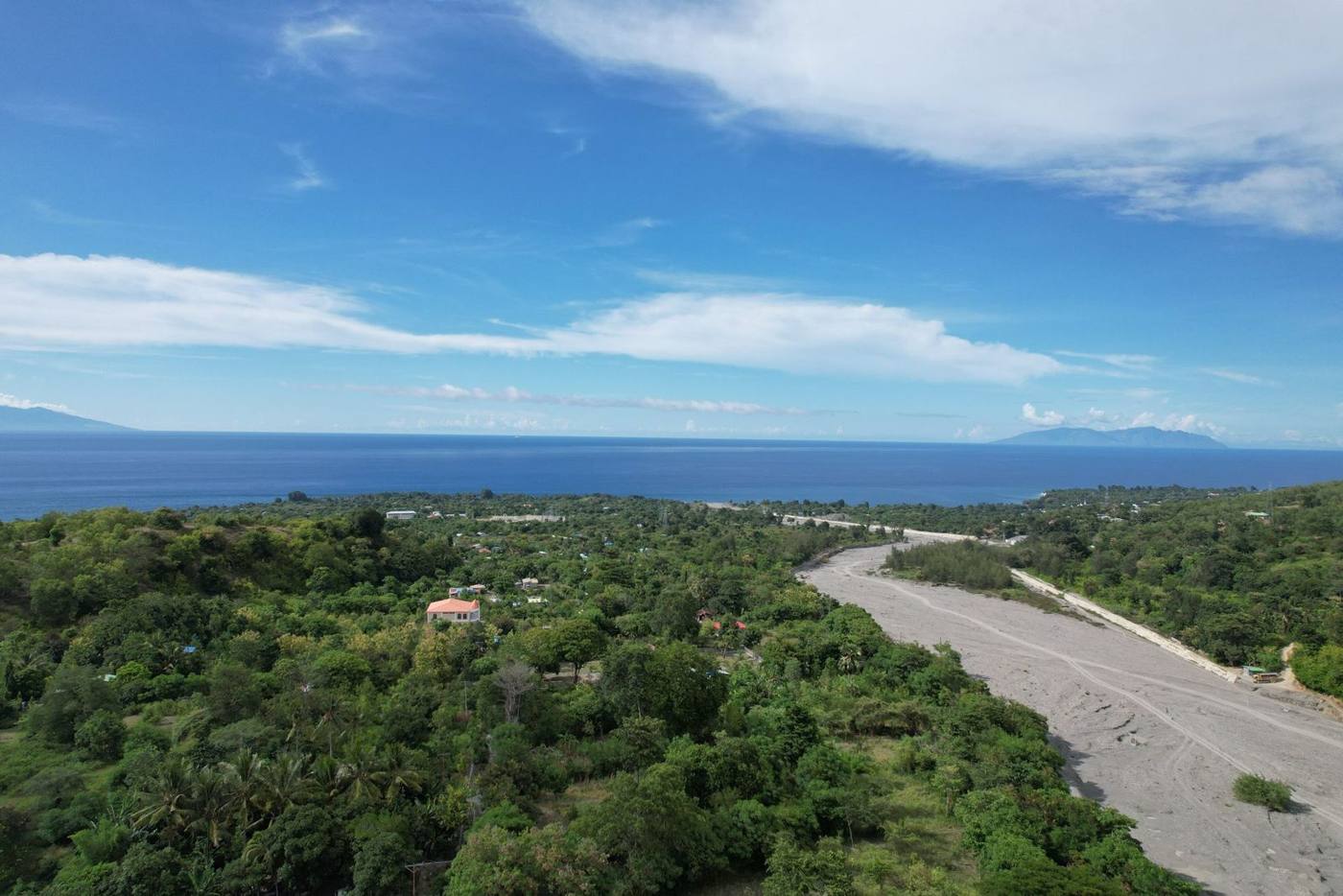
The mountains and Ramelau
The colonial town of Maubisse among coffee farms, the dawn climb of Tatamailau, the summit of Mount Ramelau, and the sacred uma lulik houses.
 4 daysModerate
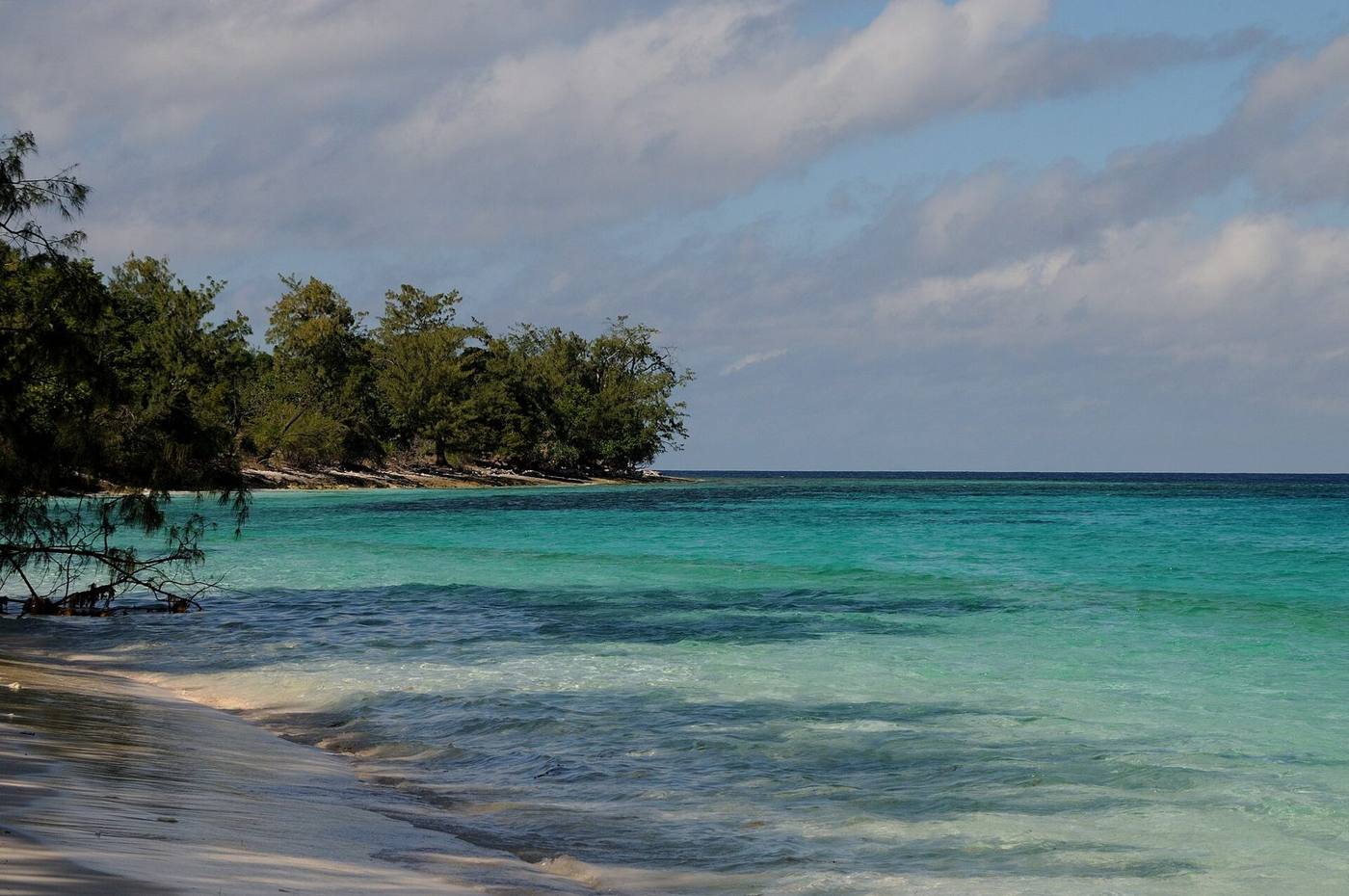
Jaco and Tutuala
The island's eastern tip, in Nino Konis Santana National Park: Valu beach, the boat to the sacred, uninhabited islet of Jaco, the Ile Kére Kére rock paintings and the old pousada of Tutuala.
 3 daysEasy
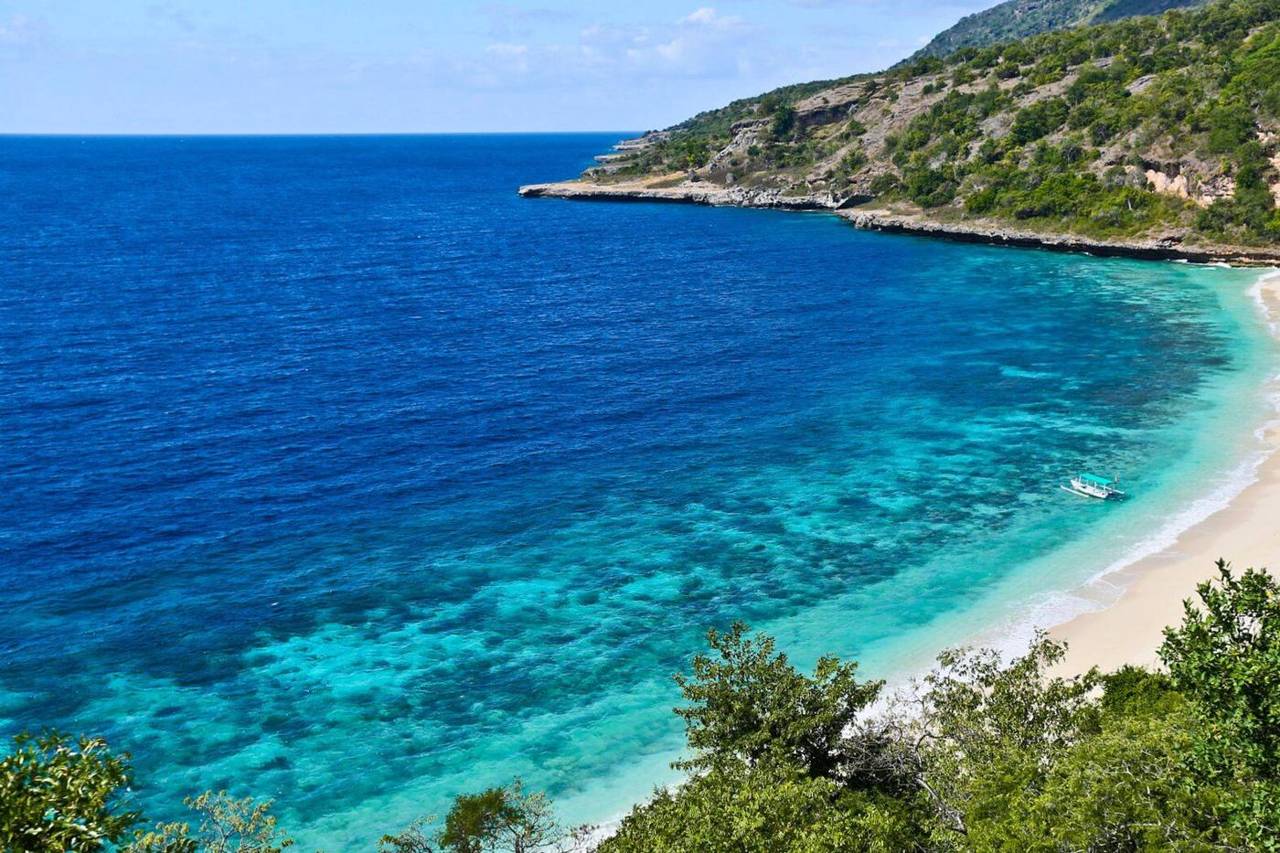
Baucau and Com
The country's second city, with its Portuguese centre, colonial market and springs below the cliffs, then the fishing village of Com with a reef right off the beach.