Jaco and Tutuala
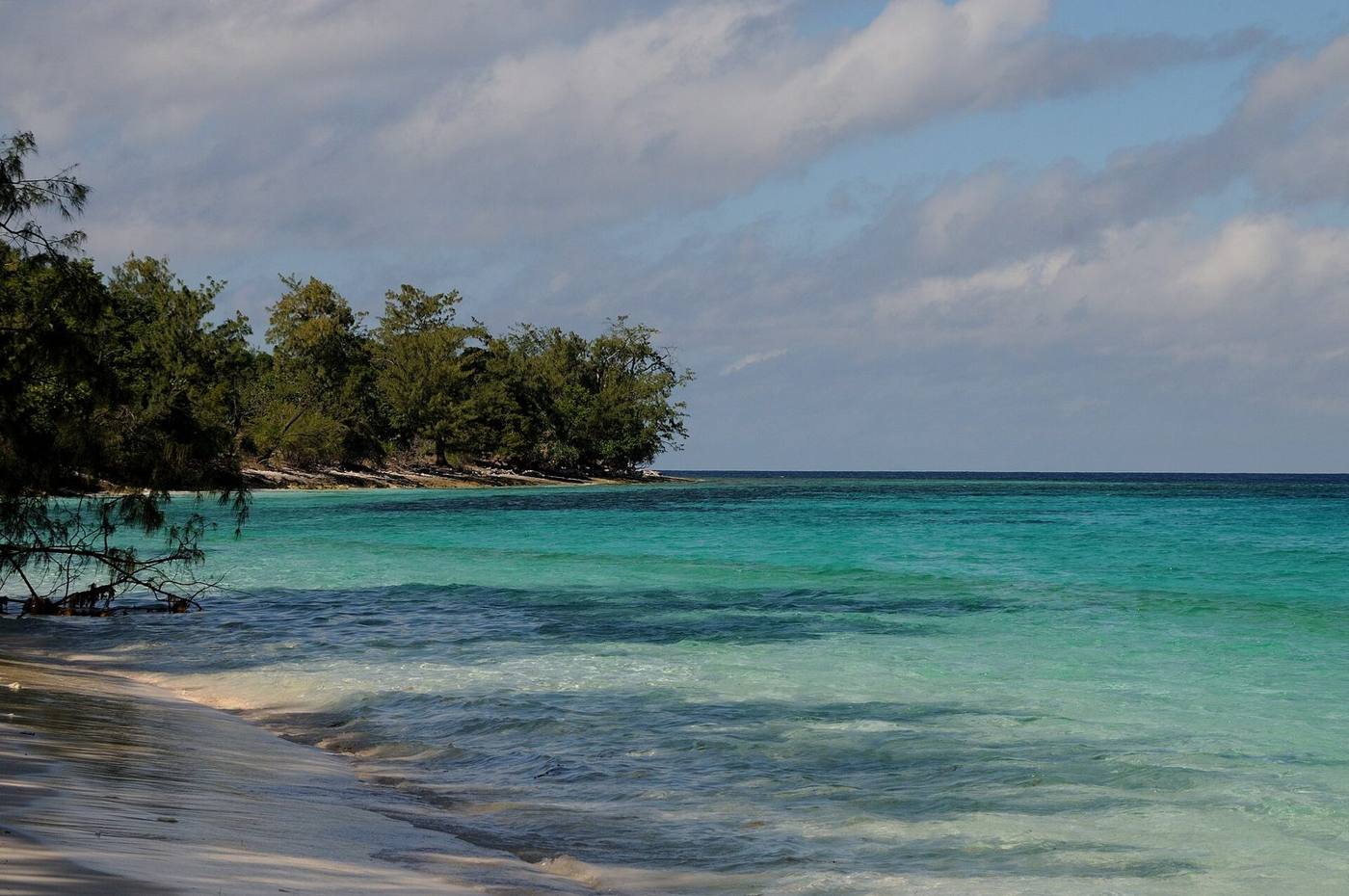
The island's eastern tip, in Nino Konis Santana National Park: Valu beach, the boat to the sacred, uninhabited islet of Jaco, the Ile Kére Kére rock paintings and the old pousada of Tutuala.
- Dili
- Baucau
- Tutuala
- Valu
- Jaco
Day by day
- Day 1
The coastal road from Dili to Baucau
This trip goes all the way to the eastern tip of Timor-Leste, inside Nino Konis Santana National Park, the country's first: Valu beach, the boat to the sacred, uninhabited islet of Jaco, the rock paintings of Ile Kére Kére and the village of Tutuala on the plateau. It is a long trip on slow roads, with simple lodgings or camping.
Before you go: Italian citizens need a passport valid for at least six months from the date of entry; the electronic identity card is not enough. Thanks to the agreement between the European Union and Timor-Leste, they can stay up to 90 days in any 180-day period without a visa. Other nationalities should check their own rules. The United States rates the country level 2 for protests and crime: no car journeys at night, avoid crowds and travel with a driver. Bring US dollars in cash, repellent against dengue and a first aid kit: in the east hospitals are far away.
Leave Dili early in the morning heading east. The road runs along the north coast, past empty beaches, mangroves, eucalyptus-covered hills and small villages with white churches. Stop for a break in Manatuto, a small town by the sea, and watch the fishermen mending their nets in the shade.
In the afternoon you reach Baucau, the country's second city, built on a plateau above the sea. Go down to the old town, with its Portuguese houses and arcaded municipal market, and cool off at the public pool fed by a spring.
Sleep in Baucau.
Practical tip: in Baucau stock up on water, cash and dry food for the following days. Further east you will find very little.
- Day 2
From Baucau to Tutuala and Valu beach
Today is the longest day on the road. From Baucau continue east through Lautém and then Lospalos, the main town of the far east, land of the Fataluku people. In the villages around it you see the traditional sacred houses, raised on stilts with very steep thatched roofs, which keep the objects of the ancestors.
After Lospalos the road becomes narrower and crosses forests and limestone plateaus to Tutuala, a small village on the edge of a cliff. From the old Portuguese colonial building on the viewpoint you can see the whole coast, the sea and, opposite, the islet of Jaco.
From the village a steep road goes down for a few kilometres to Valu beach. With a four-wheel drive you can get all the way down; on foot it takes a good hour downhill. Valu is a long white sand beach, with clear sea and forest behind. Here the local communities run simple huts and camping areas.
At sunset sit on the sand: there are no lights, only the sound of the sea and, later, a sky full of stars.
Sleep in Valu or Tutuala. In Valu bring a light sleeping bag, a mosquito net and a torch: the huts are very basic and electricity is missing or limited.
Practical tip: leave Baucau at dawn. The road takes many hours, with potholes and damaged sections, and you need to reach Valu before dark. In the rainy season some stretches can become impassable.
- Day 3
By boat to Jaco and the rock paintings
In the morning the fishermen of Valu take you by boat to the islet of Jaco, a crossing of a few minutes. Jaco is uninhabited and sacred to the local communities: it is visited only by day, nobody sleeps on the island and you follow the rules the boatmen explain to you. Agree the price and the return time beforehand.
Jaco's beaches have dazzling white sand and the water around is among the clearest in the country. Snorkel on the coral reef, with corals, tropical fish and sometimes turtles. The currents in the strait between Jaco and the coast can be strong: stay close to the shore and swim only when the sea is calm. Bring water, food and sun protection, because there is nothing on the island.
In the afternoon, back in Valu, walk with a local guide to the rock paintings of Ile Kére Kére, in a shelter under a rock wall near the coast. On the stone there are ancient drawings in red ochre, with boats, animals and human figures, among the most important traces of Timor's prehistory. Do not touch the paintings and do not use flash.
In the evening return to Valu and watch the sunset light on the islet of Jaco.
Practical tip: you find a guide for the paintings by asking in Tutuala or Valu. It is also a way of supporting the community that protects the park.
- Day 4
The return towards Baucau
In the morning have a last swim at Valu, when the sea is calm and the beach is still empty. Then go back up to Tutuala and take the road west again.
If you have time, stop near Lospalos to see Lake Ira Lalaro, the largest in the country, surrounded by meadows and forests, with many water birds. In the dry season the water level drops and the lake shrinks. Do not go too close to the shore: in the east there are crocodiles in fresh water too.
Continue to Baucau, where you arrive in the afternoon. Sleep here and the next day return to Dili along the coastal road, always by day.
In short, in four days you cross the whole north coast to the eastern tip of Timor-Leste, see the sacred houses of the Fataluku, sleep on Valu beach, swim around the sacred islet of Jaco and discover the rock paintings of Ile Kére Kére, in Nino Konis Santana National Park. It is a trip for those who accept slow roads and simple lodgings in exchange for places with almost no tourists.
When to go: from May to November, in the dry season, when the roads are passable and the sea is calm and clear. From December to April the rains make the roads of the east difficult and some boats do not sail.
Practical tip: before leaving Valu ask about the state of the road. After heavy rain some stretches collapse and it is better to wait.
A long trip on slow roads, with simple lodgings or tents. No sleeping on Jaco: it is sacred to local communities. The United States is at level 2 for protests and crime: no driving at night.
Before you go
- Documents and visa
- Passport valid for at least six months after arrival, with two blank pages. British citizens can get a single-entry tourist visa on arrival at Dili airport or seaport, valid for 30 days and payable only in cash. Have your return ticket ready: you may be asked for it.
- Health and vaccines
- Dengue is common, especially in the rainy season: use repellent during the day too. The malaria risk is low: ask a travel health clinic. Drink only bottled water. Hospitals are few and basic, especially outside Dili: you need insurance that covers evacuation to Australia or Singapore. Emergencies: 110.
- Money and payments
- US dollar, with local centavo coins. Bring cash in notes in good condition: outside Dili cards are hardly used and cash machines are rare.
- Power sockets
- Mixed sockets, often Australian and European types, 220 volts: bring a universal adapter.
- Time zone
- UTC+9 all year, nine hours ahead of the UK in winter, eight in summer.
- Safety
- The United States rates Timor-Leste level 2 for unrest and crime. Avoid demonstrations and crowds, especially at Tasi Tolu and Comoro in Dili; do not travel by car at night and outside the city use a driver. Roads are slow and in poor condition, and from November to April the rains make some stretches impassable. There are crocodiles on the south coast, in the east and in rivers: ask locals before swimming. Official advice: GOV.UK.
Information checked in November 2026 for Italian and EU citizens. Rules change: always check before you travel.
Variations
In 3 days: Dili, Baucau and Com, without the eastern tip and Jaco.
In 6 days: add a day in Com for snorkelling and a spare day for the roads.
Frequently asked questions
Can I sleep on Jaco Island?
No. Jaco is sacred to the local communities and is visited only by day. You sleep in Valu, in simple huts or a tent, or in Tutuala.
How do I get to Tutuala?
By car from Dili, with a stop in Baucau, on slow roads that take many hours. A four-wheel drive with a driver is best, especially for going down to Valu beach.
When is the best time to go?
From May to November, in the dry season. From December to April the rains make the roads of the east difficult and the sea can be rough.
Indicative itinerary written by World Atlas. Before booking, check timetables, seasonal openings, documents and safety.
 3 daysEasy
Baucau and Com
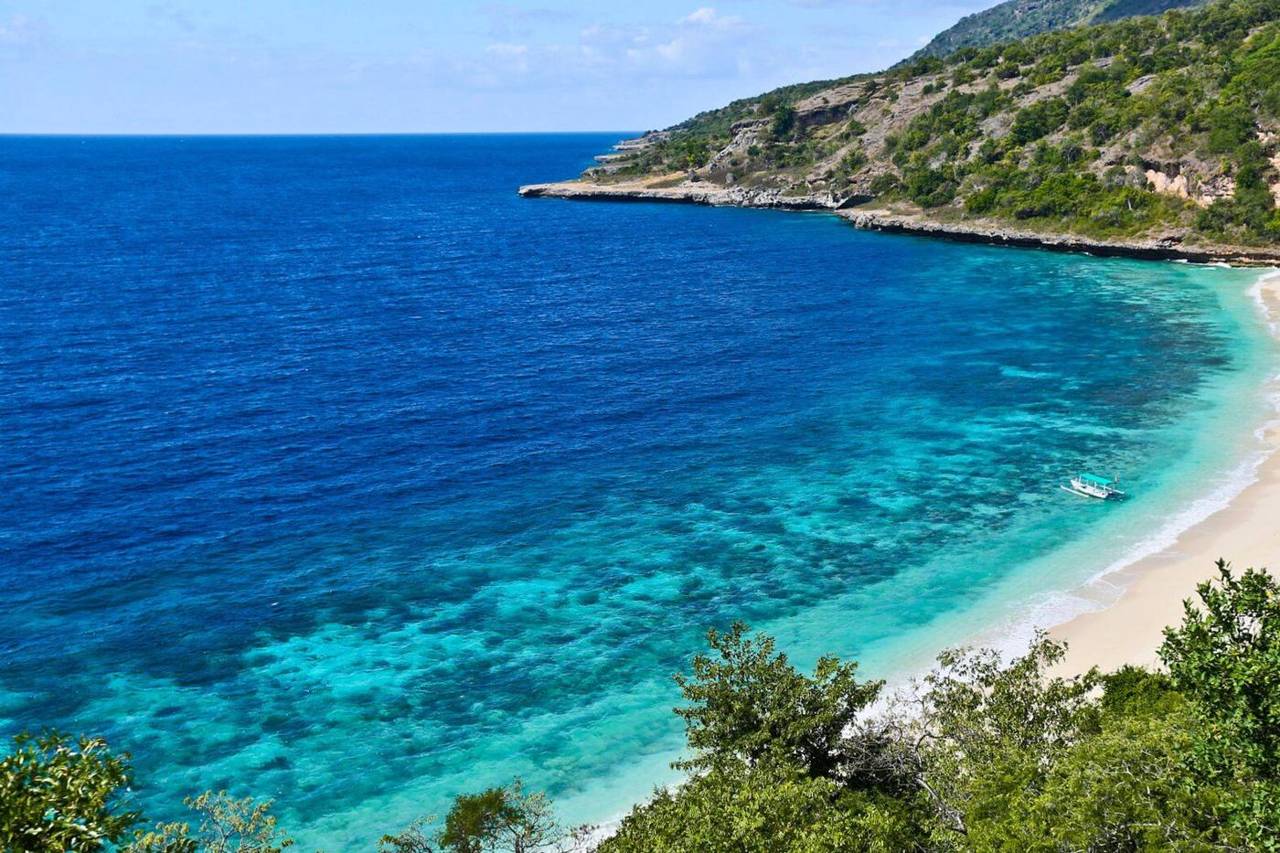
The country's second city, with its Portuguese centre, colonial market and springs below the cliffs, then the fishing village of Com with a reef right off the beach.
 6 daysEasy
Dili and Atauro
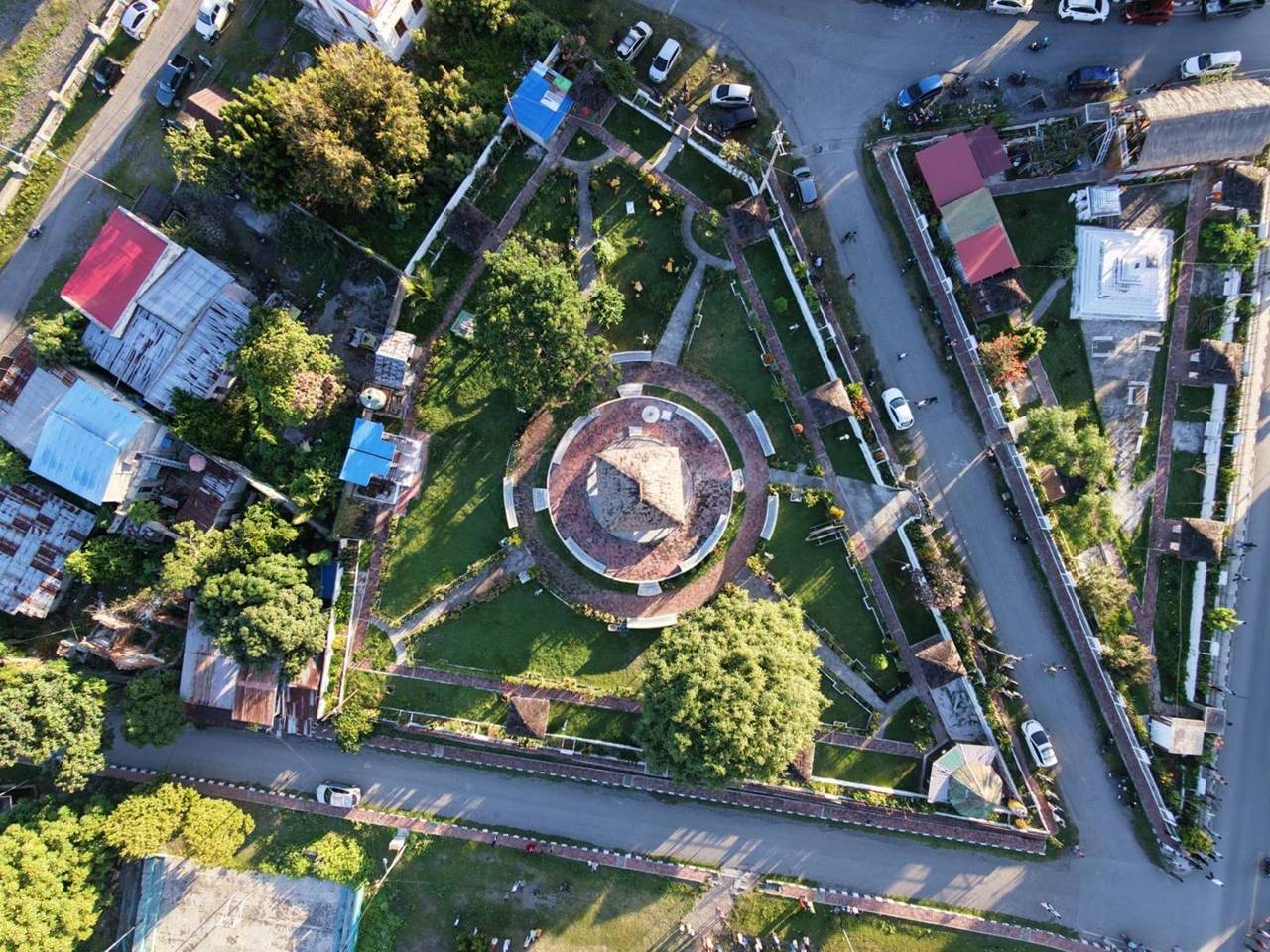
The capital with Cristo Rei on its headland and the Resistance Museum, then Atauro island with some of the most fish-rich waters in the world.
 5 daysModerate
The mountains and Ramelau
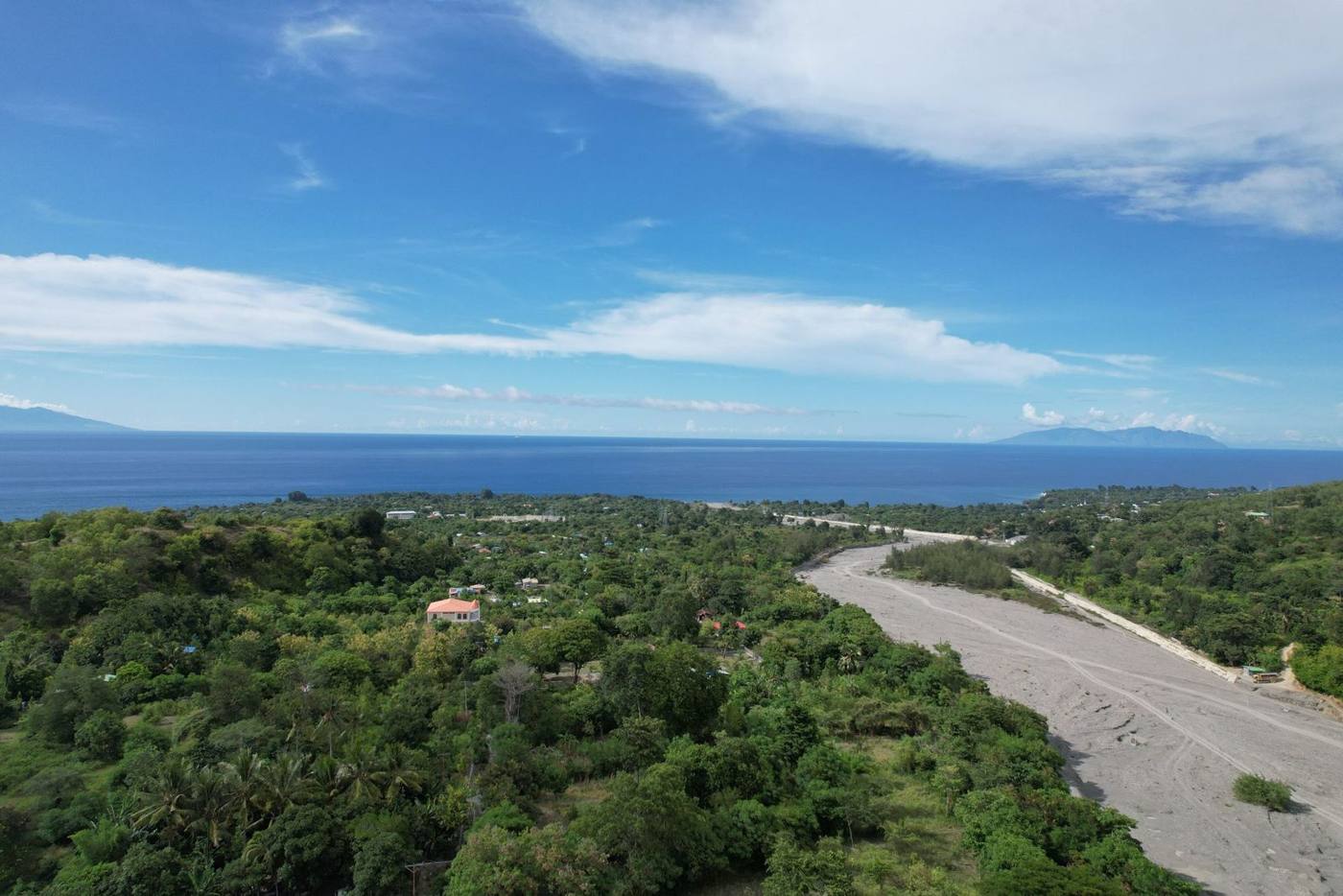
The colonial town of Maubisse among coffee farms, the dawn climb of Tatamailau, the summit of Mount Ramelau, and the sacred uma lulik houses.