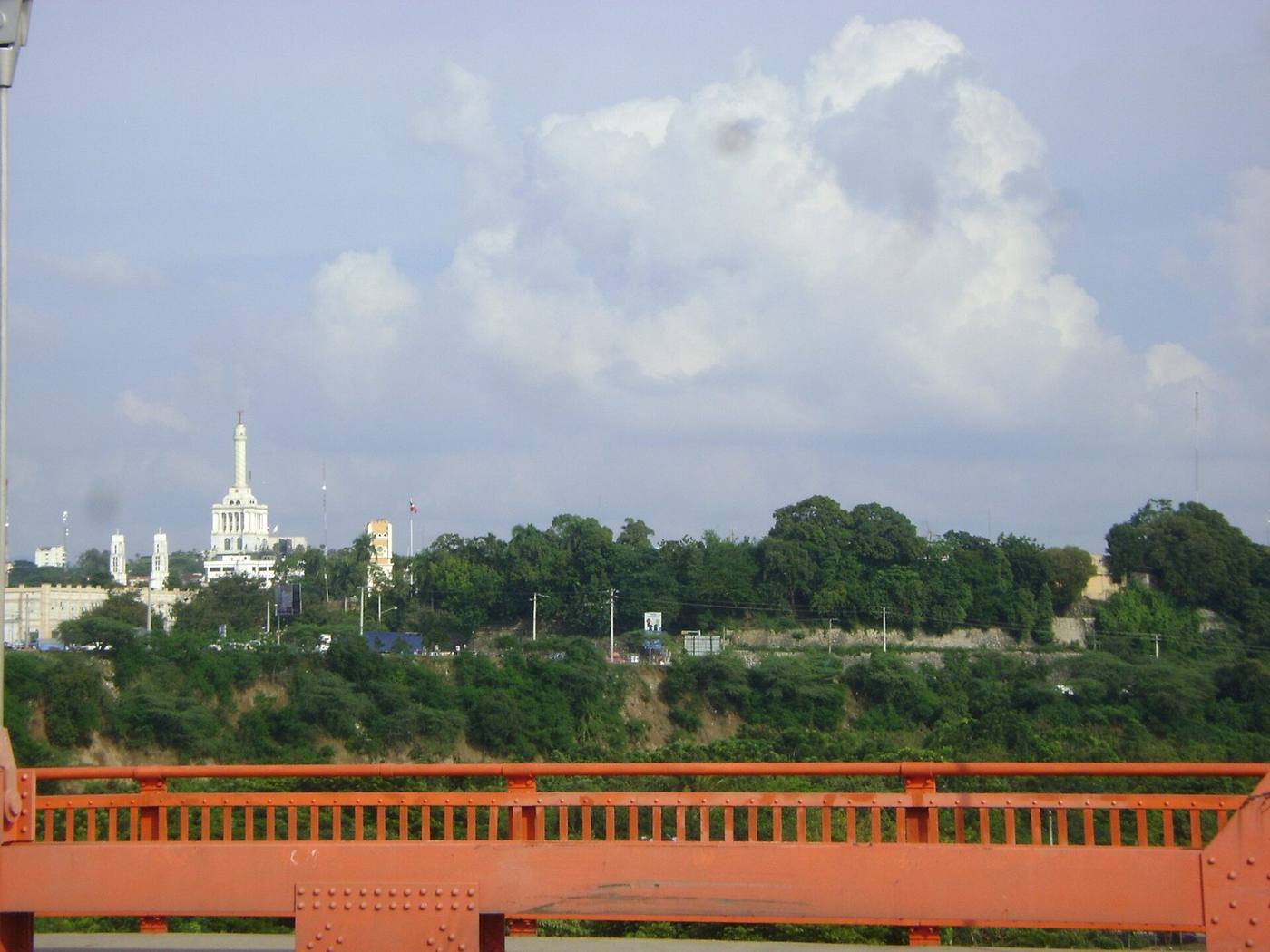
Santiago and tobacco
The country's second city in the Cibao valley: the Monument to the Heroes, Centro León, the cigar factories and tobacco farms around Tamboril.
- Santiago de los Caballeros
- Centro León
- Tamboril
Day by day
- Day 1
Santiago de los Caballeros and the Centro León
This two-day trip takes you to Santiago de los Caballeros, the second city of the Dominican Republic, in the heart of the Cibao valley, the land of tobacco, merengue and great museums. It is an ideal cultural stop between the north coast and the mountains of Jarabacoa.
Before you go: Italian citizens enter the Dominican Republic with a passport valid for the whole stay and without a visa for tourism for up to 30 days, which can be extended. The e-Ticket is compulsory for everyone, on arrival and on departure: fill it in online before travelling and show the QR code at check-in. Other nationalities should check their own rules. The Italian foreign ministry reports high crime in the cities too and cases of dengue in Santiago: use repellent. The high-risk provinces on the border with Haiti are far from this route.
Start with the Monument to the Heroes of the Restoration, the great white tower on a hill above the city, dedicated to the war in which Dominicans won back their independence from Spain in the nineteenth century. From the viewpoint you see the whole valley. Check prices and times.
Then visit the Centro León, the best museum in the country, with modern Dominican art, the history of the Taíno and a room dedicated to tobacco and the people of the Cibao. Check prices and times.
If you are here on a Sunday in February, do not miss the Santiago carnival, with the lechones, the colourful masks with horns.
Sleep in Santiago, for one night.
Practical tip: in Santiago get around by taxi called by your accommodation or through an app, and avoid the carros públicos, the shared taxis.
- Day 2
The tobacco farms of Tamboril
Today you go to Tamboril, a small town about twenty minutes from Santiago, known as the capital of the Dominican cigar. The Cibao, with its fertile soil and humid climate, is one of the great tobacco lands of the world, and the Dominican Republic is among the leading producers of handmade cigars.
In the morning visit a small tobacco farm with a local guide. You walk among the fields of green leaves, then go into the ranchos, the large wooden sheds where the leaves hang for weeks to dry. They explain how the leaf is chosen, fermented and stored, and how the different parts become the filler, the binder and the wrapper of the cigar.
Then watch the work by hand: the torcedores, the rollers, put the leaves together and cut them with a curved blade, with quick, precise movements. Many learned the trade in the family. Check prices and times.
For lunch try la bandera dominicana, the national dish of rice, red beans and stewed meat, or sancocho, a thick stew of meats and root vegetables.
In the afternoon return to Santiago and take a stroll along the Calle del Sol, the shopping street, and into the Fortaleza San Luis, the old fort that now houses a museum. Then head back to the coast or to Santo Domingo, about two hours by motorway.
In these two days you have seen the cultural face of the Cibao: the monument, the Centro León and the world of tobacco.
When to go: the best months are from December to April, when it is drier, and February for the carnival.
Practical tip: if you buy cigars, ask for a receipt and check the customs rules for taking them home.
A cultural stop between the north coast and Jarabacoa. Centro León is the country's best museum. In the factories you see cigars hand-rolled.
Before you go
- Documents and visa
- Passport valid for the whole stay. No visa is needed for tourism for up to 30 days, which can be extended. The e-Ticket is compulsory for everyone, on arrival and departure: you fill it in online before travelling and show the QR code at check-in. The tourist card and the departure tax are normally included in the air fare. Airlines may ask for a return ticket.
- Health and vaccines
- No compulsory vaccinations. Dengue is rising, cholera is endemic and there have been cases of chikungunya and Zika: use insect repellent. Tap water is not safe to drink. You need insurance with medical costs and repatriation, because private care is very expensive. Emergencies: 911.
- Money and payments
- Dominican peso. In tourist areas the US dollar is widely used; Visa and Mastercard work in cities and in accommodation. Bring small notes in good condition.
- Power sockets
- Type A and B, 120 volts: you need an adapter for American plugs.
- Time zone
- UTC-4 all year.
- Safety
- Crime is high, including against tourists, especially in Santo Domingo and resort areas. The FCDO advises against all travel to Haiti; the land and sea borders with the Dominican Republic are closed and there have been armed robberies on roads near the border. Use authorised taxis or ride-hailing apps and avoid motorbike taxis. The hurricane season runs from June to November. Official advice: GOV.UK.
Information checked in November 2026 for Italian and EU citizens. Rules change: always check before you travel.
Variations
In one day: the monument and the Centro León in the morning, a tobacco farm in Tamboril in the afternoon.
In 5 days: add three days in the mountains of Jarabacoa, with waterfalls, rivers and green trails.
Frequently asked questions
What documents do I need for the Dominican Republic?
Italian citizens enter with a passport valid for the whole stay, without a visa for tourism for up to 30 days. The e-Ticket is compulsory on arrival and departure. Other nationalities should check their own rules.
When is the Santiago carnival?
Every Sunday in February, with the lechones masks in the city's districts. Check the exact dates before you go.
Can I buy cigars to take home?
Yes, but the European Union sets limits on tobacco products: check the customs rules before buying.
Indicative itinerary written by World Atlas. Before booking, check timetables, seasonal openings, documents and safety.
 6 daysEasy
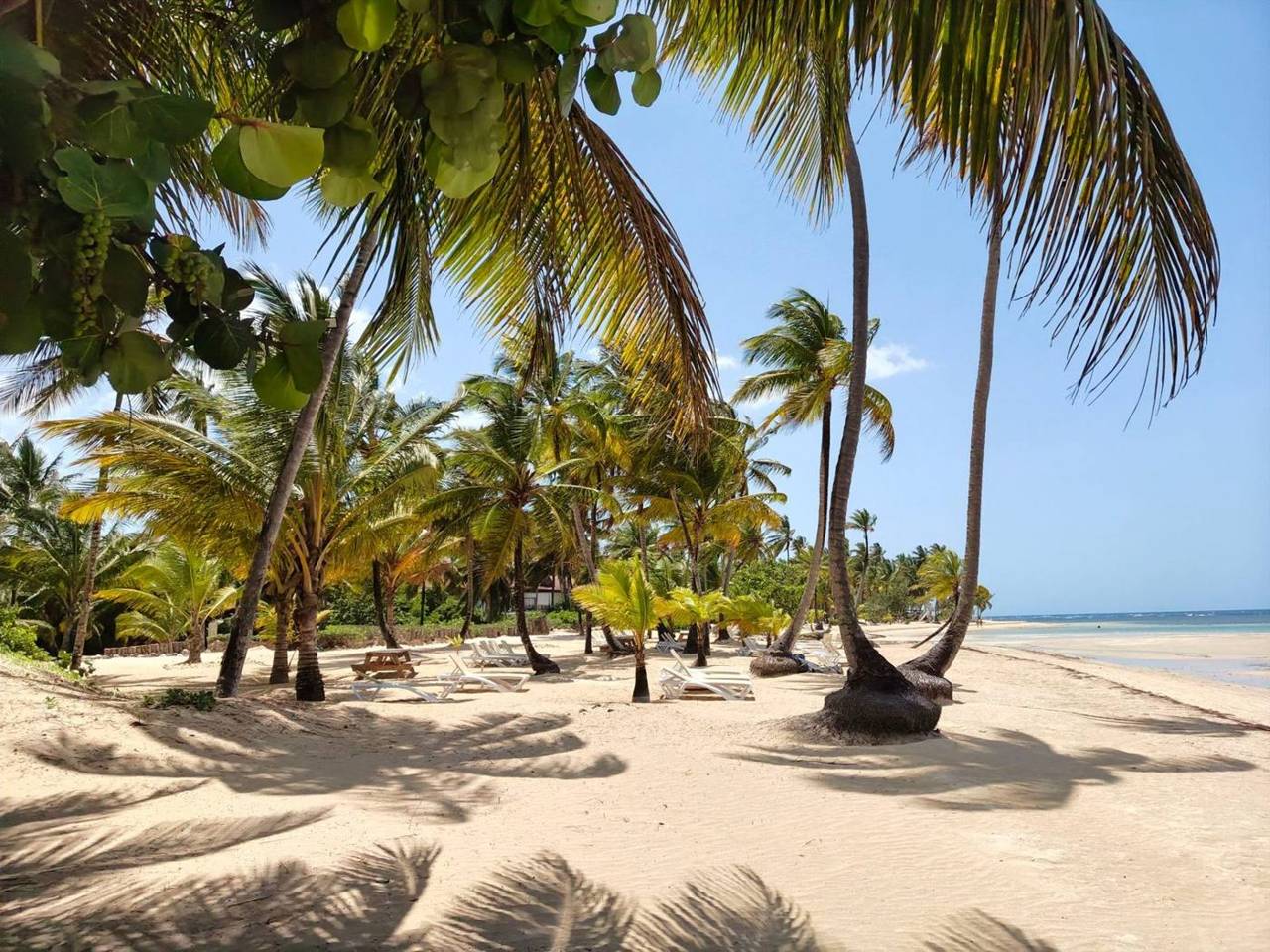
Samaná and the whales
Humpback whales in Samaná Bay, El Limón waterfall, Los Haitises park with its mangroves and Playa Rincón.
 4 daysEasy
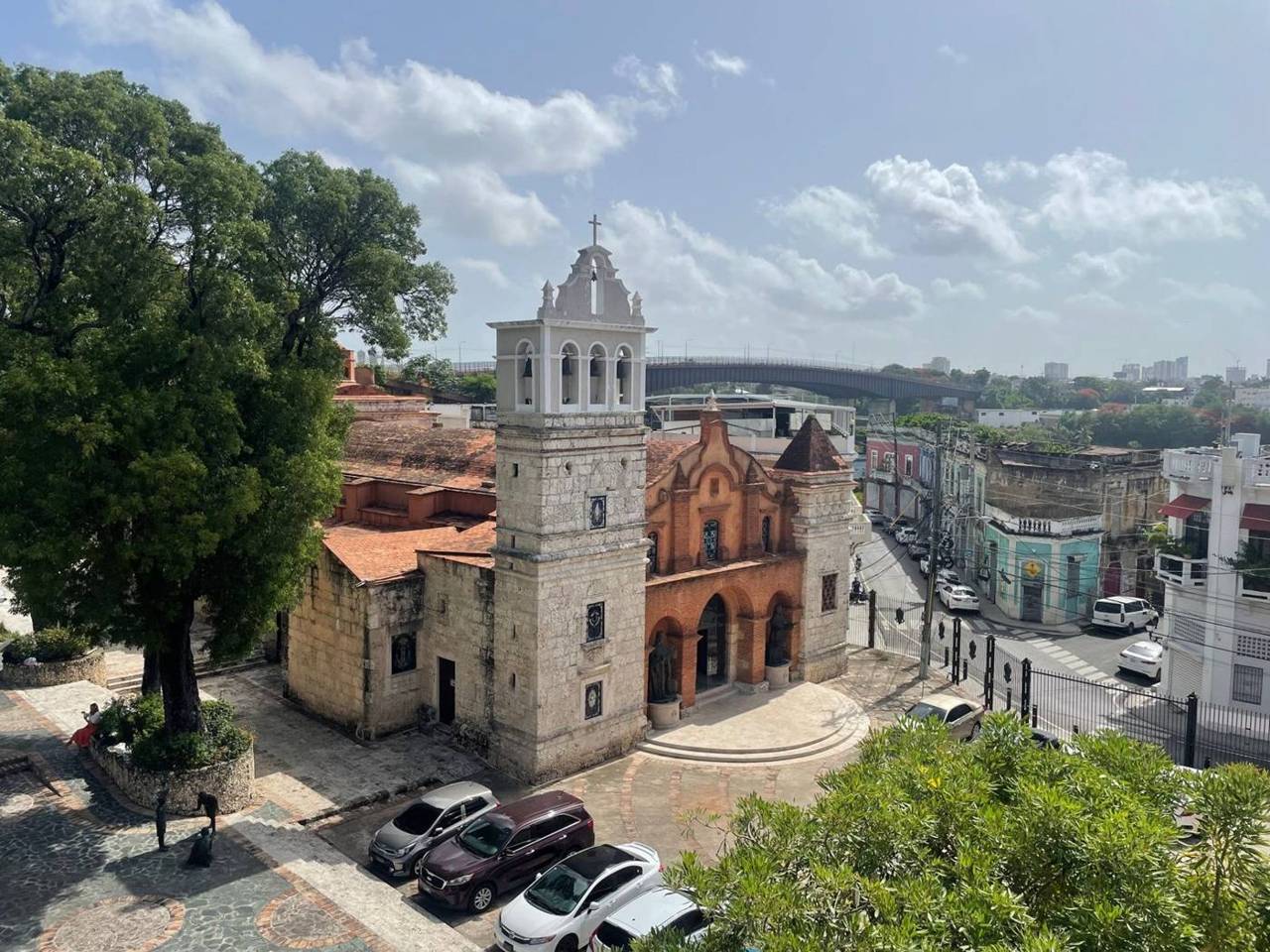
Colonial Santo Domingo
The first European city in the Americas: the UNESCO Zona Colonial with the continent's oldest cathedral, the Alcázar de Colón and the Malecón.
 5 daysModerate
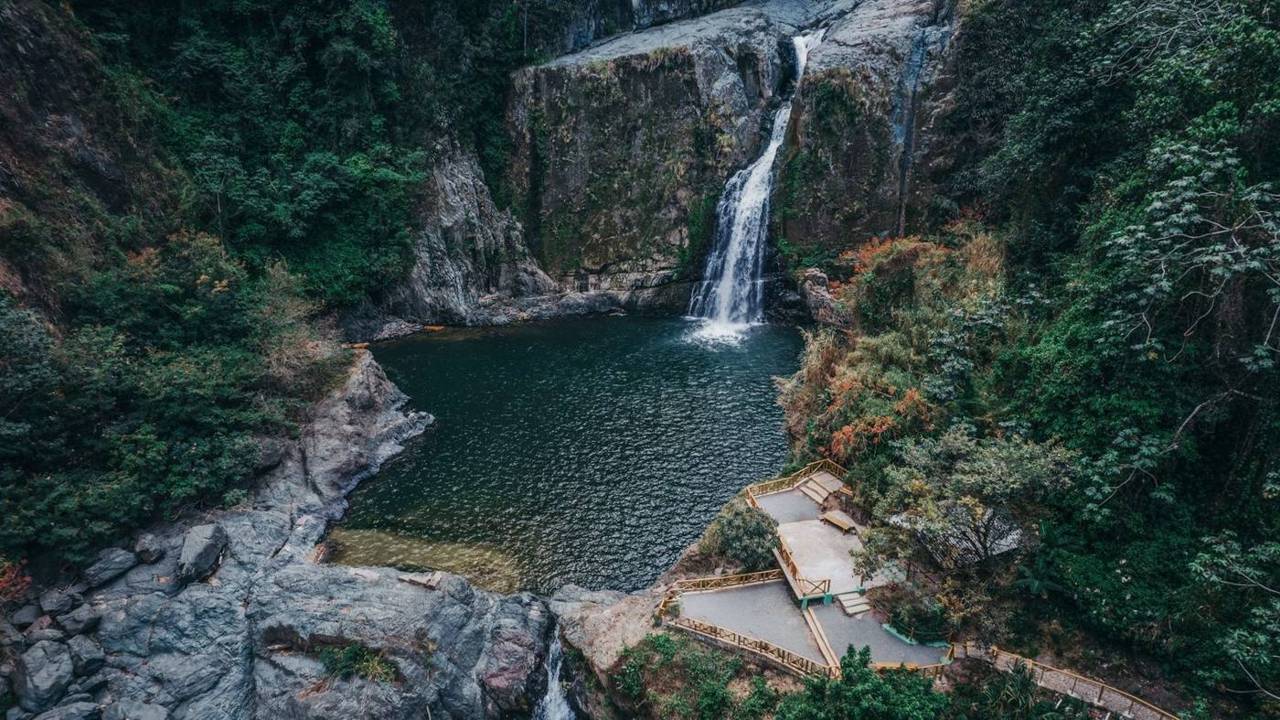
The mountains of Jarabacoa
The country's cool side: rafting on the Yaque del Norte, the Jimenoa and Baiguate falls and the climb of Pico Duarte, the Caribbean's highest peak.