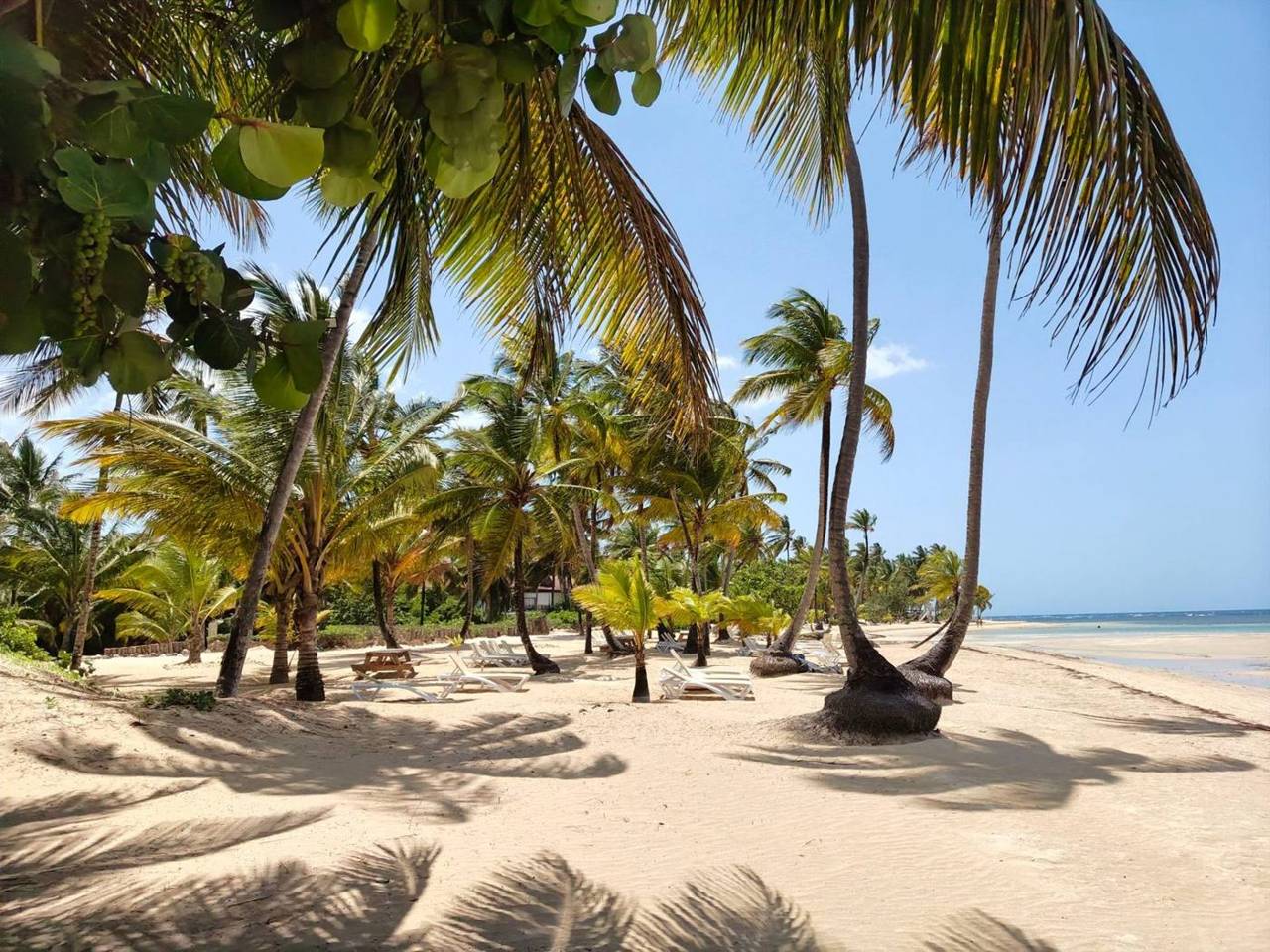
Samaná and the whales
Humpback whales in Samaná Bay, El Limón waterfall, Los Haitises park with its mangroves and Playa Rincón.
- Santa Bárbara de Samaná
- Los Haitises
- El Limón
- Las Terrenas
- Playa Rincón
Day by day
- Day 1
Arrival in Samaná
This six-day trip takes you to the Samaná peninsula, in the north-east of the Dominican Republic: the humpback whales that enter the bay every winter to breed, Los Haitises National Park with its mangroves and caves, El Limón waterfall, the village of Las Terrenas and Playa Rincón.
Before you go: Italian citizens enter the Dominican Republic with a passport valid for the whole stay and without a visa for tourism for up to 30 days, which can be extended. The e-Ticket is compulsory for everyone, on arrival and on departure: fill it in online before travelling and show the QR code at check-in. Other nationalities should check their own rules. The Italian foreign ministry reports high crime, including in resort areas, and considers the provinces on the border with Haiti high risk; they are far from this route.
You arrive at Samaná El Catey airport, or from Santo Domingo in about two and a half hours by motorway. Then you reach Santa Bárbara de Samaná, the main town of the peninsula, looking over a wide green bay enclosed by palm-covered hills.
In the afternoon walk along the Malecón, the seafront, with the fishing boats and the view of the islets in the bay. You will see the footbridge linking small rocks in front of the harbour.
At sunset watch the sea: between January and March the whales' spouts can sometimes be seen from the shore.
In the evening try pescado con coco, fish cooked in coconut milk, the typical dish of the peninsula.
Sleep in Samaná, for three nights.
Practical tip: book your accommodation early if you come in whale season, because in February the peninsula is in high demand.
- Day 2
By boat with the humpback whales
Today you go out by boat in Samaná Bay to see the humpback whales, the most awaited moment of the trip.
Every year, from mid January to March, thousands of humpback whales arrive from the North Atlantic in the warm waters around the Dominican Republic to mate and give birth. Samaná Bay is part of a protected marine sanctuary and whale watching follows the rules set every year by the Ministry of the Environment.
The rules are there to protect the animals: only authorised boats may go out, they must keep their distance from the whales, and even more from mothers with calves, only a few boats at a time may stay near the same group, and for a limited time. In the bay you do not swim with the whales. Choose a trip that respects these rules and has life jackets for everyone.
From the boat watch the spouts, the tails rising before a dive and, with luck, the breaches of the males, which come almost completely out of the water and fall back with a great splash. Sometimes you can also hear their songs, if the boat has a hydrophone.
On the way back many trips stop at Cayo Levantado, an islet with pale beaches and palms, for a swim.
In the afternoon rest in Samaná.
Sleep in Samaná.
Practical tip: take a seasickness tablet before leaving, bring a light jacket for the wind and a waterproof case for your phone.
- Day 3
Los Haitises among mangroves and caves
Today you cross Samaná Bay by boat to visit Los Haitises National Park, on the southern shore.
The park is famous for its mogotes, karst hills covered with forest that rise straight out of the water like great green domes. The boat enters among islets and channels lined with mangroves, where the water is calm and dark and the trees sink their roots into the mud.
Colonies of frigatebirds, brown pelicans, herons and cormorants live on the islets. Watch the frigatebirds flying high with their thin wings and forked tails.
Go ashore with the guide to visit some caves in the limestone. Inside are paintings and carvings left by the Taíno, the people of the island before the Europeans arrived: human figures, animals and faces carved into the rock. Do not touch the walls and do not use flash. Check prices and times.
After lunch head back towards Samaná. The boat trip across the bay can be choppy in the afternoon, when the wind picks up.
In the evening walk along the seafront again, watch the lights of the boats in the bay and have dinner with the fish of the day.
Sleep in Samaná.
Practical tip: wear closed shoes with a good sole for the caves, because the ground is uneven and slippery.
- Day 4
El Limón waterfall
Today you leave Samaná and head for El Limón waterfall, in the interior of the peninsula, on the road to Las Terrenas.
From the village of El Limón a path goes down through green hills, cocoa, coffee and coconut plantations and crosses a couple of streams to the waterfall, which drops tens of metres down a rock face into a pool of cool water. Check prices and times.
You can do the route on foot, about an hour each way, in shoes that can get wet, or on horseback. If you choose a horse, look carefully at the animals and choose ones that are well treated, with a saddle in good order, well fed and not injured, and do not make the horse run on the descents. Walking is always the most respectful choice.
At the waterfall have a swim in the pool, taking care on the slippery rocks, and listen to the sound of the water among the trees.
On the way back stop at a farm to taste local cocoa and tropical fruit.
In the afternoon continue to Las Terrenas, on the north coast of the peninsula, a former fishing village with long beaches and palms. At sunset walk through the Pueblo de los Pescadores, the old village with wooden houses on the beach.
Sleep in Las Terrenas, for two nights.
Practical tip: leave early in the morning, when it is cooler and the path is less crowded.
- Day 5
Playa Rincón and Las Terrenas
Today you go to Playa Rincón, at the eastern tip of the peninsula, near the village of Las Galeras, about an hour by road from Las Terrenas. It is considered one of the most beautiful beaches in the Dominican Republic: nearly three kilometres of pale sand, a calm turquoise sea and a forest of palms behind.
You can drive right to the beach, or take a boat from Las Galeras along the coast, with green cliffs and small bays. Check prices and times.
At one end of the beach the Caño Frío flows out, a small river of very cold fresh water that comes down from the hills: have a swim in the river and then one in the sea, a few steps away.
For lunch the fishermen on the beach cook freshly caught fish and lobster, with rice and tostones. Ask the price before ordering.
In the afternoon go back to Las Terrenas and head to Playa Bonita, west of the village, a wide bay with palms right down to the sand, or towards Playa Cosón, very long and almost empty in many stretches. The sea here can have waves and currents: swim where others are swimming and follow the flags.
In the evening have dinner in the village and enjoy your last night on the peninsula.
Sleep in Las Terrenas.
Practical tip: to move between beaches use an official taxi or hire a car: motorbike taxis are common, but often without helmets.
- Day 6
Departure
Today you leave the Samaná peninsula.
If you have time, take a last walk at dawn on the beach at Las Terrenas, when the light is soft and the fishermen pull their boats ashore. Then go to El Catey airport, about half an hour away, or take the motorway to Santo Domingo, about two and a half hours.
Along the road look one last time at Samaná Bay from above and at the coconut and rice fields of the plain.
In these six days you have seen the Samaná peninsula: the seafront of Santa Bárbara, the humpback whales breaching in the bay, the mogotes, mangroves and Taíno caves of Los Haitises, El Limón waterfall, the fishing village of Las Terrenas and the pale sand of Playa Rincón. It is one of the best places in the Caribbean to see whales up close, while respecting the sanctuary rules.
When to go: from mid January to March for the whales, the busiest season. The rest of the year the peninsula is still beautiful, quieter and less crowded than Punta Cana; from June to November is hurricane season and it rains more often.
Practical tip: before leaving check that you still have your e-Ticket receipt for departure, which must also be filled in when you leave.
One of the best places in the Caribbean to see whales up close. Trips leave Samaná with operators that follow the sanctuary rules. The rest of the year the peninsula is still beautiful and less crowded than Punta Cana.
Before you go
- Documents and visa
- Passport valid for the whole stay. No visa is needed for tourism for up to 30 days, which can be extended. The e-Ticket is compulsory for everyone, on arrival and departure: you fill it in online before travelling and show the QR code at check-in. The tourist card and the departure tax are normally included in the air fare. Airlines may ask for a return ticket.
- Health and vaccines
- No compulsory vaccinations. Dengue is rising, cholera is endemic and there have been cases of chikungunya and Zika: use insect repellent. Tap water is not safe to drink. You need insurance with medical costs and repatriation, because private care is very expensive. Emergencies: 911.
- Money and payments
- Dominican peso. In tourist areas the US dollar is widely used; Visa and Mastercard work in cities and in accommodation. Bring small notes in good condition.
- Power sockets
- Type A and B, 120 volts: you need an adapter for American plugs.
- Time zone
- UTC-4 all year.
- Safety
- Crime is high, including against tourists, especially in Santo Domingo and resort areas. The FCDO advises against all travel to Haiti; the land and sea borders with the Dominican Republic are closed and there have been armed robberies on roads near the border. Use authorised taxis or ride-hailing apps and avoid motorbike taxis. The hurricane season runs from June to November. Official advice: GOV.UK.
Information checked in November 2026 for Italian and EU citizens. Rules change: always check before you travel.
Variations
Shorter: four days, with the whales, Los Haitises and El Limón waterfall.
Longer: add two days in Las Galeras, with the beaches of Frontón and Madama, reached by boat or on foot.
Frequently asked questions
When can you see whales in Samaná?
From mid January to March, when the humpbacks come into the bay to mate and give birth. February is usually the best month.
Can you swim with the whales?
No, it is not allowed in Samaná Bay. Authorised boats must keep their distance and follow the sanctuary rules.
Is it worth coming out of season?
Yes: Los Haitises, El Limón waterfall and the beaches of Las Terrenas and Playa Rincón are beautiful all year.
Indicative itinerary written by World Atlas. Before booking, check timetables, seasonal openings, documents and safety.
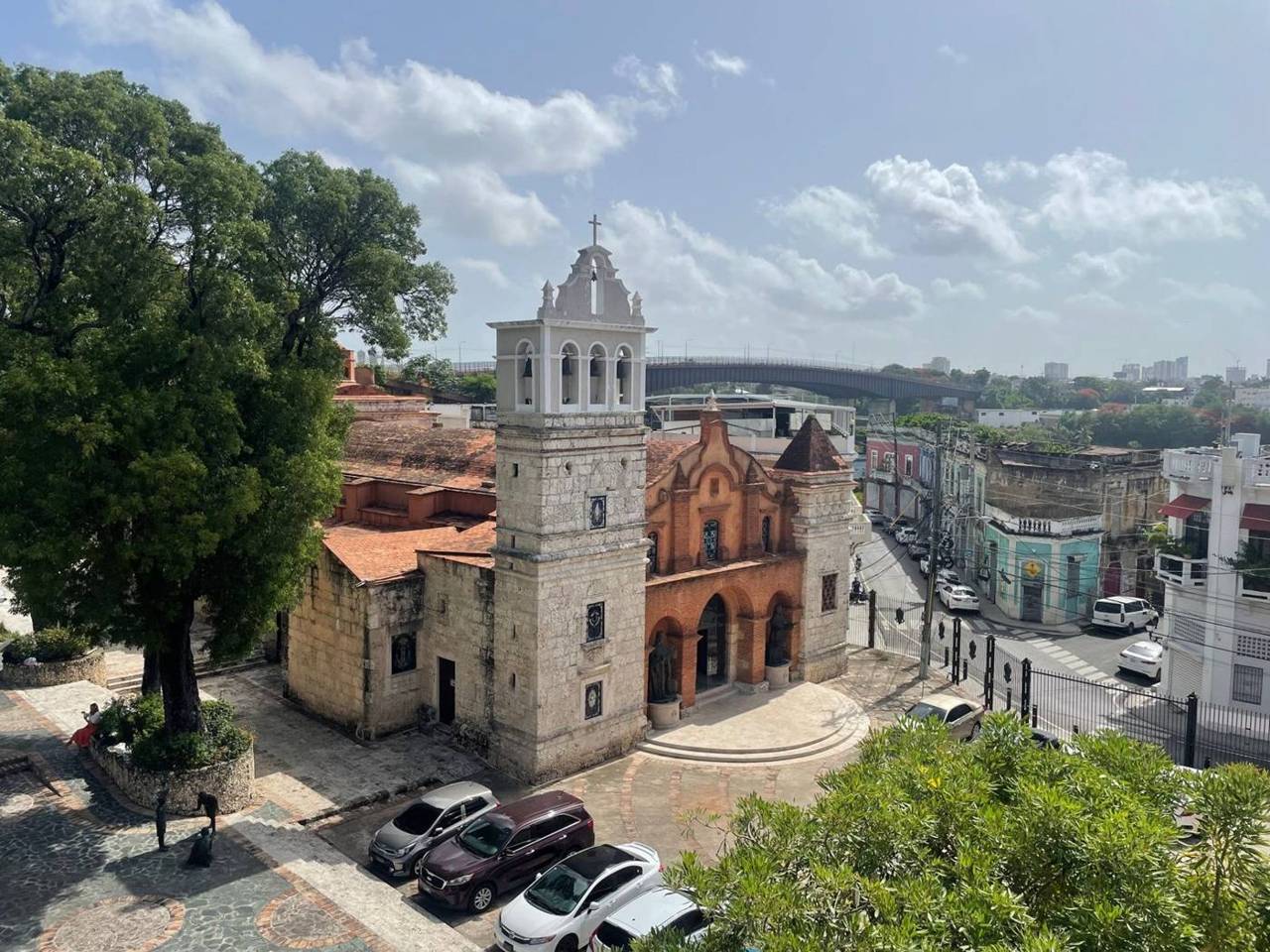 4 daysEasy
Colonial Santo Domingo
The first European city in the Americas: the UNESCO Zona Colonial with the continent's oldest cathedral, the Alcázar de Colón and the Malecón.
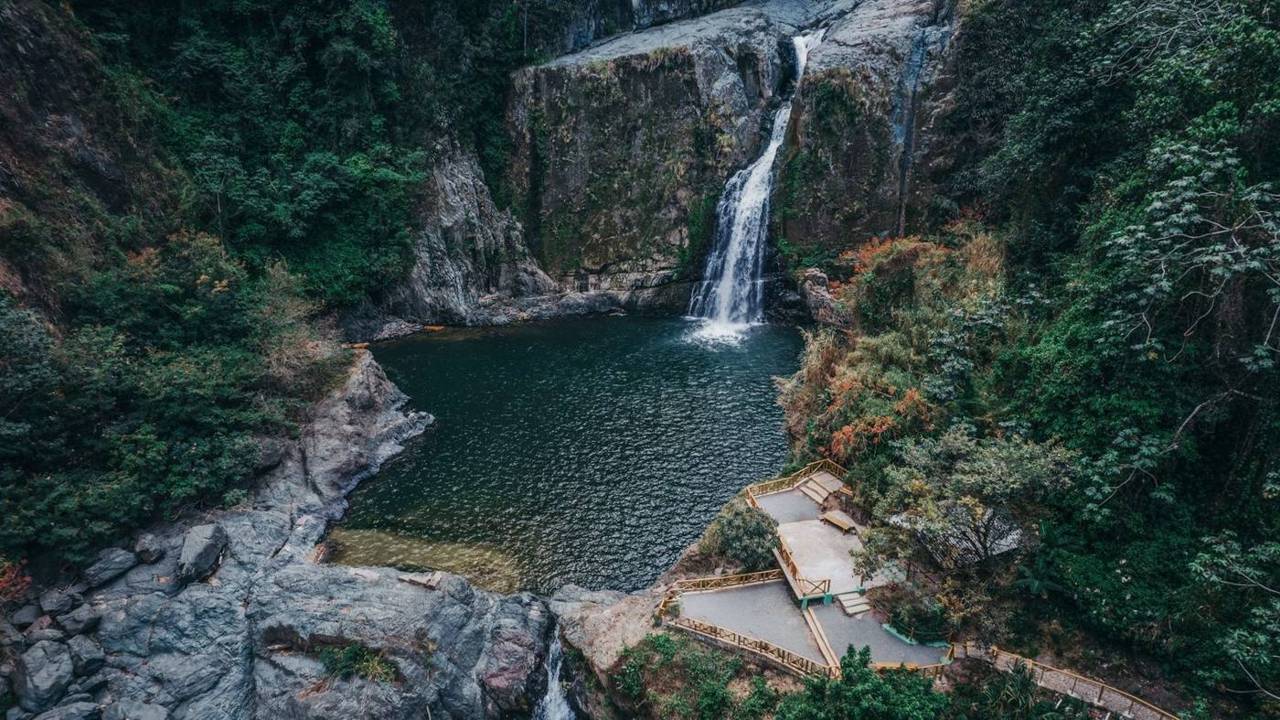 5 daysModerate
The mountains of Jarabacoa
The country's cool side: rafting on the Yaque del Norte, the Jimenoa and Baiguate falls and the climb of Pico Duarte, the Caribbean's highest peak.
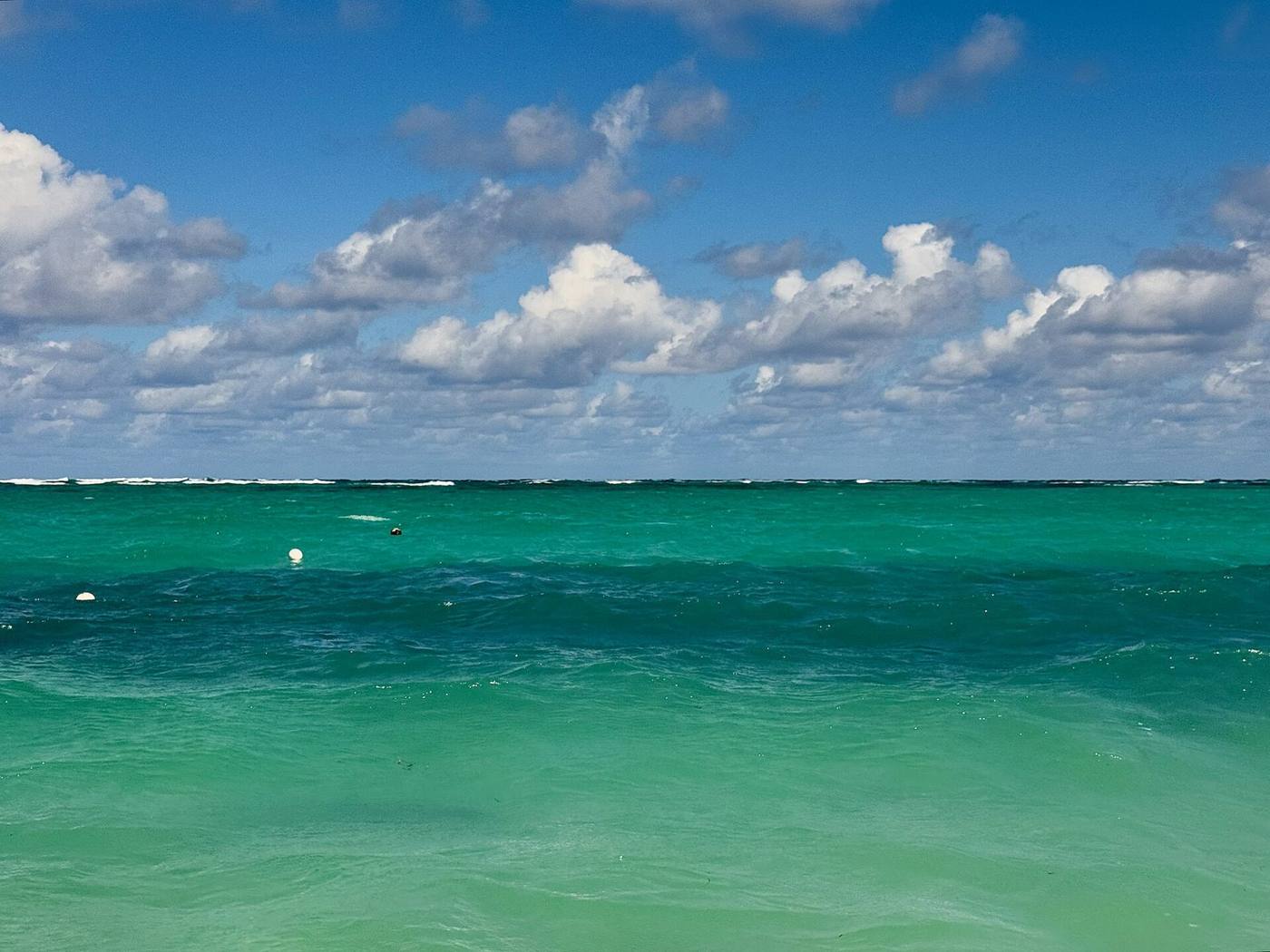 5 daysEasy
Punta Cana and Bávaro
The long palm beaches of the east, Macao for surfing, the Ojos Indígenas lagoons and a catamaran along the reef.