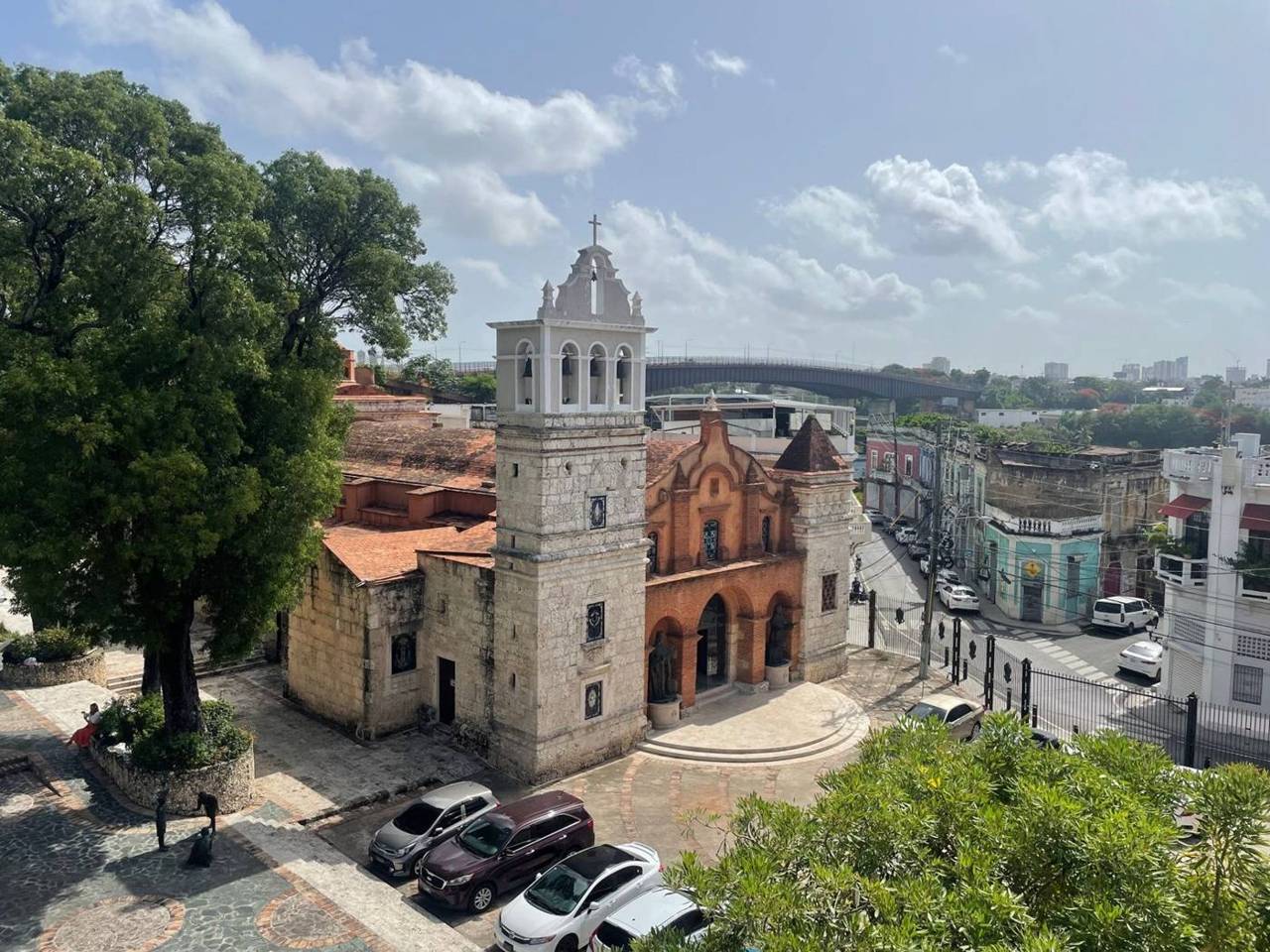
Colonial Santo Domingo
The first European city in the Americas: the UNESCO Zona Colonial with the continent's oldest cathedral, the Alcázar de Colón and the Malecón.
- Zona Colonial
- Catedral Primada
- Alcázar de Colón
- Los Tres Ojos
- Malecón
Day by day
- Day 1
The cathedral, Calle de las Damas and the Fortaleza Ozama
This four-day trip takes you to Santo Domingo, the capital of the Dominican Republic and the first city founded by Europeans in the Americas that still exists today. Its Zona Colonial, a UNESCO World Heritage Site, keeps the first cathedral, the first hospital and the first paved streets of the continent. It is easy to combine with a week by the sea.
Before you go: Italian citizens enter the Dominican Republic with a passport valid for the whole stay and without a visa for tourism for up to 30 days, which can be extended. The e-Ticket is compulsory for everyone, on arrival and on departure: fill it in online before travelling and show the QR code at check-in. Other nationalities should check their own rules. The Italian foreign ministry reports high crime especially in the capital: outside the Zona Colonial get around by official taxi or with an app. The high-risk provinces on the border with Haiti are far from this route.
Start at Parque Colón, the square with the statue of Christopher Columbus, where the Catedral Primada de América stands, the first cathedral in the Americas, built in the first half of the sixteenth century in coral stone, with a façade turned golden by the sun. Check prices and times and cover your shoulders and knees.
Then walk along the Calle de las Damas, considered the first paved street in the Americas, with its colonial palaces and the Panteón de la Patria, where the national heroes rest.
At the end of the street visit the Fortaleza Ozama, the fort at the mouth of the Ozama river, with the Torre del Homenaje, the oldest European military building in the Americas. Check prices and times.
Sleep in the Zona Colonial, for three nights.
Practical tip: at midday the heat is intense: visit the monuments early in the morning and late in the afternoon, and rest in the middle of the day.
- Day 2
The Alcázar de Colón and an evening of merengue
Today you continue exploring the Zona Colonial, the city the Spanish built on the west bank of the Ozama river at the start of the sixteenth century.
In the morning go to Plaza de España, the large square by the river, where the Alcázar de Colón stands, the palace of Diego Columbus, son of Christopher and governor of the island. Inside you see the rooms with furniture, tapestries and objects of the period. Check prices and times.
Next door is the Museo de las Casas Reales, in the building that housed the colonial government and court, with weapons, maps and objects of daily life of the time. Check prices and times.
Then go past the ruins of the Monastery of San Francisco, the first monastery in the Americas, and walk along the Calle El Conde, the main pedestrian street, to the Puerta del Conde, where independence was proclaimed on 27 February 1844. Just beyond, in Parque Independencia, is the Altar de la Patria, with the tombs of the founding fathers Duarte, Sánchez and Mella.
For lunch try la bandera dominicana, with rice, beans and stewed meat, or mangú, a mash of green plantain.
In the evening go out for live music. Merengue and bachata, born in the Dominican Republic, are on UNESCO's intangible heritage list: in many venues in the Zona Colonial people dance even if you do not know the steps.
Sleep in the Zona Colonial.
Practical tip: in the evening go back to your accommodation by a taxi booked with an app, even for short distances, and do not carry valuables.
- Day 3
Los Tres Ojos and the Malecón
Today you leave the Zona Colonial to see modern Santo Domingo and its nature.
In the morning cross the Ozama river by taxi and go to Los Tres Ojos National Park, on the east bank. It is a system of limestone caves open to the sky, with four underground lakes of clear green water, surrounded by stalactites and tropical plants. A staircase cut into the rock goes down to the water and a small rope-pulled boat takes you to the last lake. Check prices and times.
Not far away is the Faro a Colón, a huge cross-shaped monument built for the five hundredth anniversary of Columbus's arrival in the Americas, which Dominicans say holds his remains. Check prices and times.
In the afternoon head back towards the centre and walk, or better go by taxi, along the Malecón, the seafront of Avenida George Washington, with its palms, the waves of the Caribbean Sea and the big modern hotels.
At sunset go to Plaza Juan Barón, on the seafront near the Zona Colonial, where families come to stroll and look at the sea.
In the evening try sancocho, the national stew of meats, root vegetables and corn, or the fish of the day.
Sleep in the Zona Colonial.
Practical tip: the Italian foreign ministry asks for care at night in outlying areas: always use official taxis or an app and avoid the shared taxis, called carritos públicos.
- Day 4
Departure or the beach at Boca Chica
Today is your last day. If your flight leaves in the evening, spend the morning on the beach at Boca Chica, about half an hour from the centre and a few minutes from Las Américas international airport. It is a lagoon of shallow, calm and clear water, protected by a coral reef, ideal for a quiet swim before your flight.
Boca Chica is very busy, especially with Dominicans at weekends, with fried fish stalls and beach vendors. The Italian foreign ministry recalls serious incidents here in the past too: stay in crowded areas, do not carry valuables and leave before evening.
Alternatively stay in the Zona Colonial and visit the Museo de las Casas Reales or the Alcázar museum, if you have not seen them, or the Jardín Botánico Nacional, the city's large public botanical garden. Check prices and times.
In these four days you have seen the real history of the Dominican Republic: the first cathedral in the Americas, the Calle de las Damas and the Fortaleza Ozama, the Alcázar of Diego Columbus, the places of independence, the music of merengue and bachata, the caves of Los Tres Ojos and the Malecón.
When to go: the best months are from November to April, with less rain and more bearable heat. On 27 February, Independence Day, and during carnival week in February the streets come alive. From June to November is hurricane season.
Practical tip: before leaving, buy something to take home: coffee, cocoa, larimar or a naive painting. Remember to fill in the e-Ticket for your departure too.
Real history, easy to combine with a beach week. Outside the Zona Colonial use taxis or ride apps. The midday heat is strong.
Before you go
- Documents and visa
- Passport valid for the whole stay. No visa is needed for tourism for up to 30 days, which can be extended. The e-Ticket is compulsory for everyone, on arrival and departure: you fill it in online before travelling and show the QR code at check-in. The tourist card and the departure tax are normally included in the air fare. Airlines may ask for a return ticket.
- Health and vaccines
- No compulsory vaccinations. Dengue is rising, cholera is endemic and there have been cases of chikungunya and Zika: use insect repellent. Tap water is not safe to drink. You need insurance with medical costs and repatriation, because private care is very expensive. Emergencies: 911.
- Money and payments
- Dominican peso. In tourist areas the US dollar is widely used; Visa and Mastercard work in cities and in accommodation. Bring small notes in good condition.
- Power sockets
- Type A and B, 120 volts: you need an adapter for American plugs.
- Time zone
- UTC-4 all year.
- Safety
- Crime is high, including against tourists, especially in Santo Domingo and resort areas. The FCDO advises against all travel to Haiti; the land and sea borders with the Dominican Republic are closed and there have been armed robberies on roads near the border. Use authorised taxis or ride-hailing apps and avoid motorbike taxis. The hurricane season runs from June to November. Official advice: GOV.UK.
Information checked in November 2026 for Italian and EU citizens. Rules change: always check before you travel.
Variations
In 2 days: the Zona Colonial with the cathedral, the Fortaleza Ozama and the Alcázar de Colón, and an evening of merengue.
In 7 days: add three days by the sea in Bayahibe and a trip to Isla Saona.
Frequently asked questions
What documents do I need for the Dominican Republic?
Italian citizens enter with a passport valid for the whole stay, without a visa for tourism for up to 30 days. The e-Ticket is compulsory on arrival and departure. Other nationalities should check their own rules.
Is Santo Domingo safe?
The Italian foreign ministry reports high crime in the capital. In the Zona Colonial walking is fine by day; outside it and in the evening use official taxis or apps, avoid shared taxis and do not show valuables.
How much time do I need for the Zona Colonial?
Two days are enough for the main monuments. With four days you also have time for Los Tres Ojos, the Malecón and a morning at the beach in Boca Chica.
Indicative itinerary written by World Atlas. Before booking, check timetables, seasonal openings, documents and safety.
 5 daysModerate
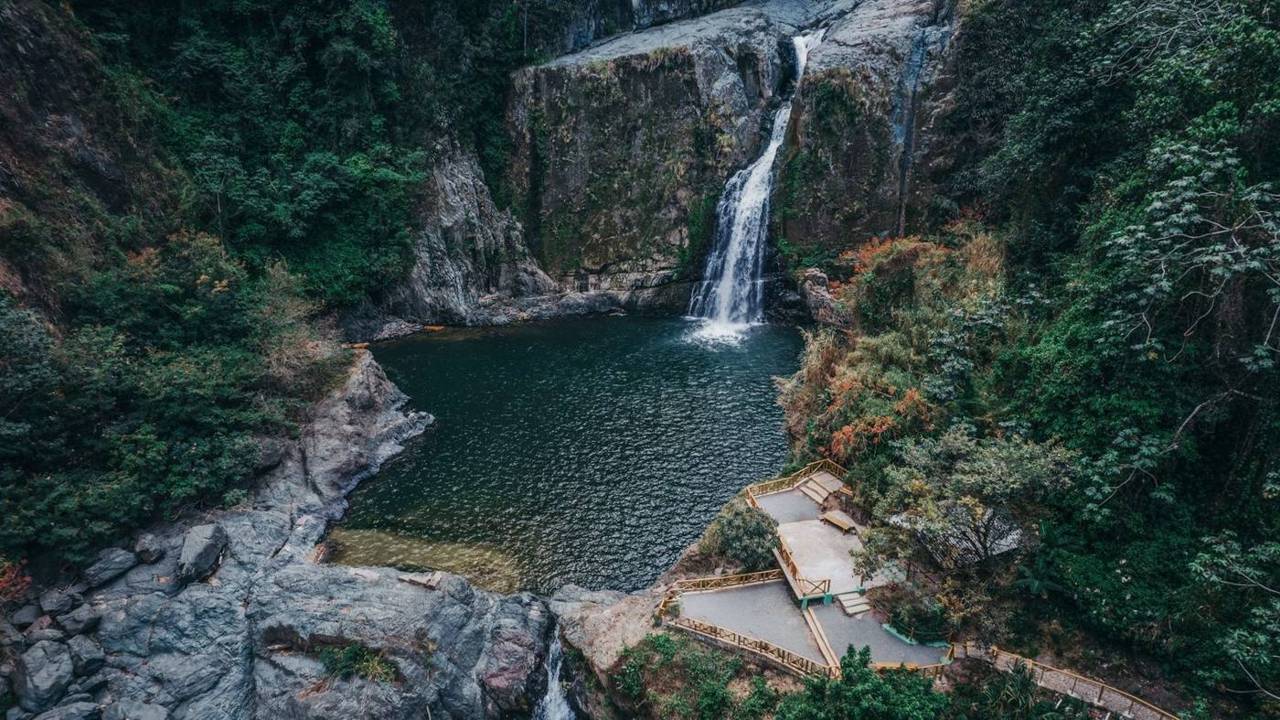
The mountains of Jarabacoa
The country's cool side: rafting on the Yaque del Norte, the Jimenoa and Baiguate falls and the climb of Pico Duarte, the Caribbean's highest peak.
 5 daysEasy
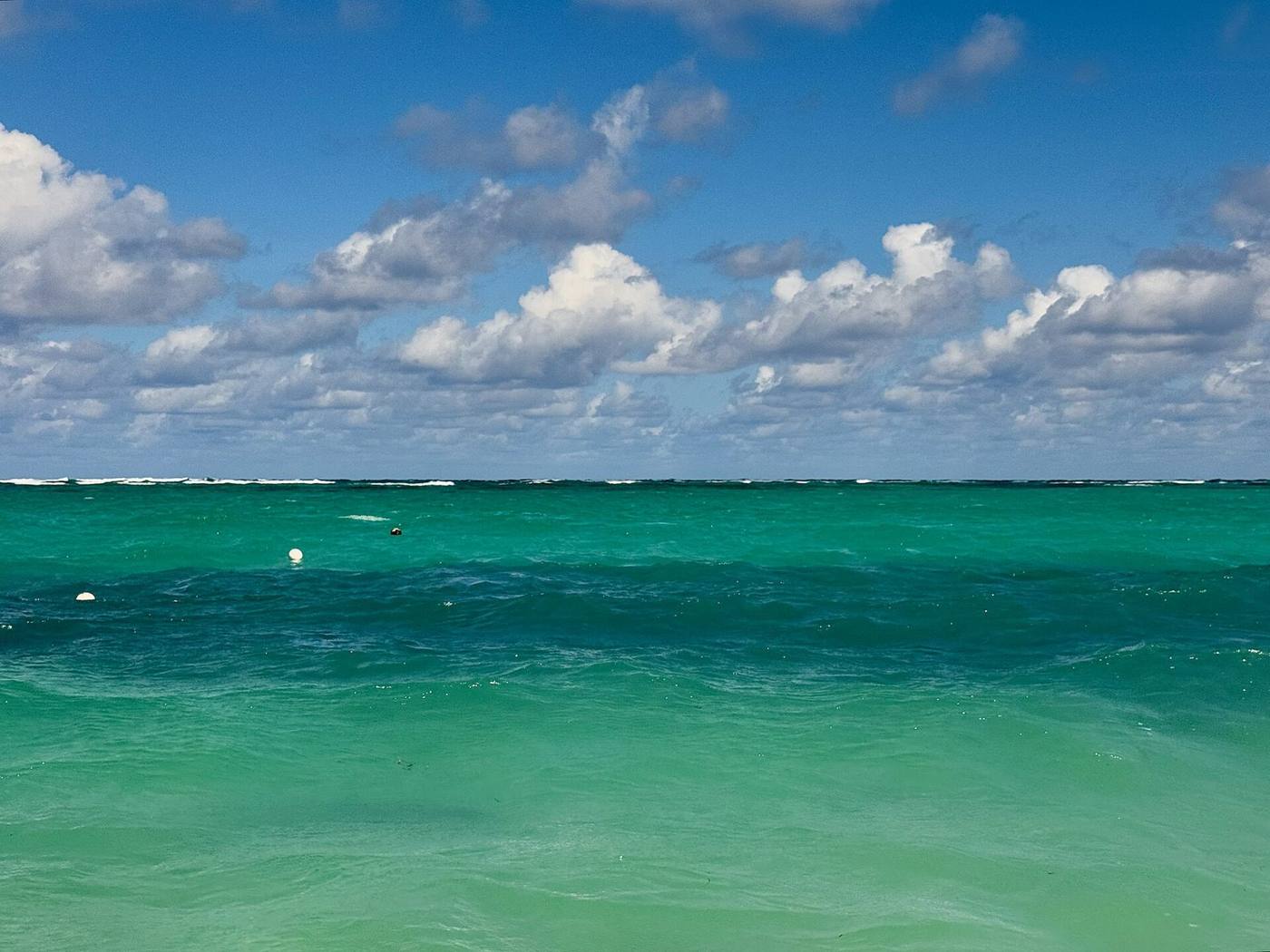
Punta Cana and Bávaro
The long palm beaches of the east, Macao for surfing, the Ojos Indígenas lagoons and a catamaran along the reef.
 3 daysEasy
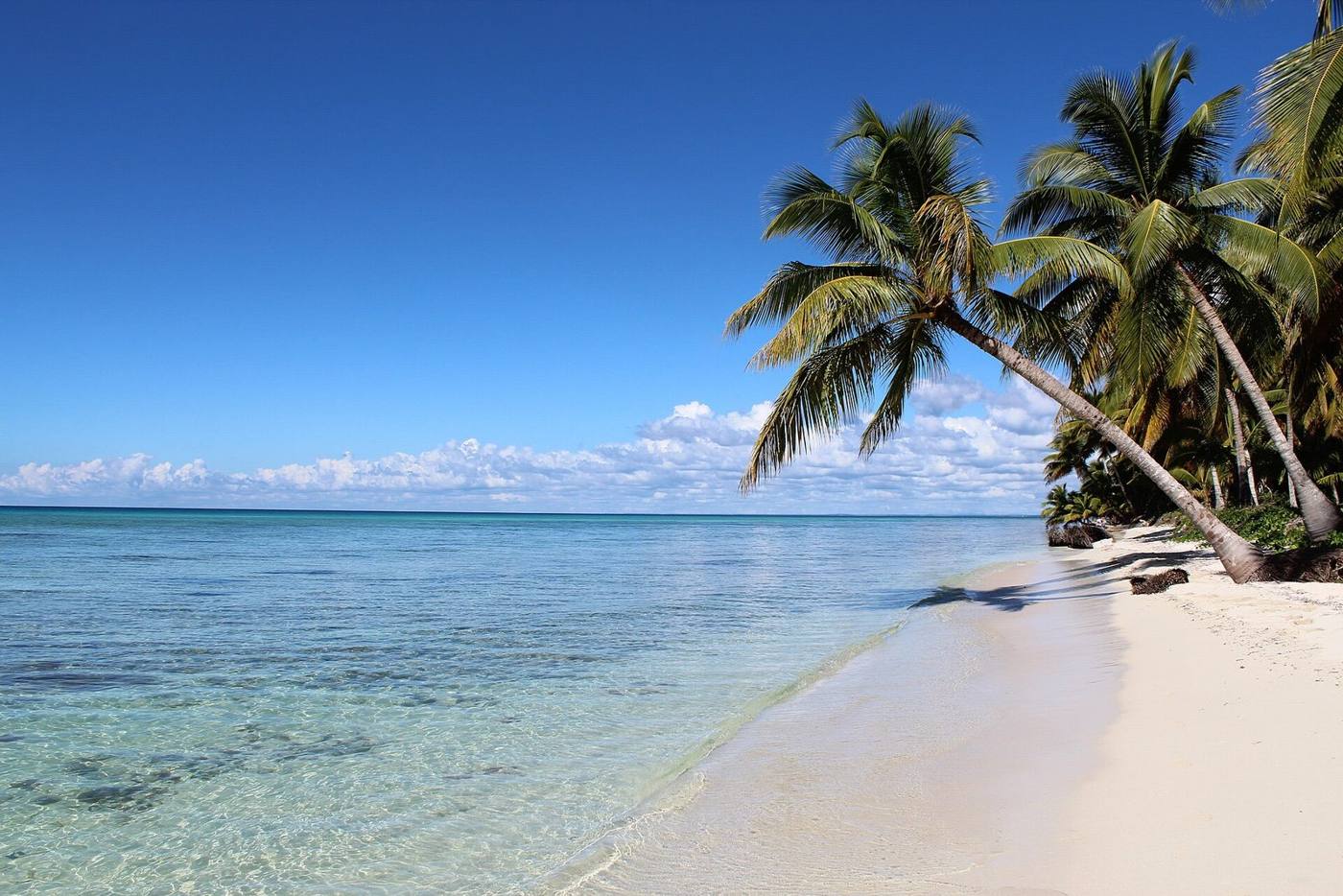
Isla Saona and Bayahibe
The fishing village of Bayahibe with wreck dives, Saona island in the Parque del Este and the natural starfish pool.