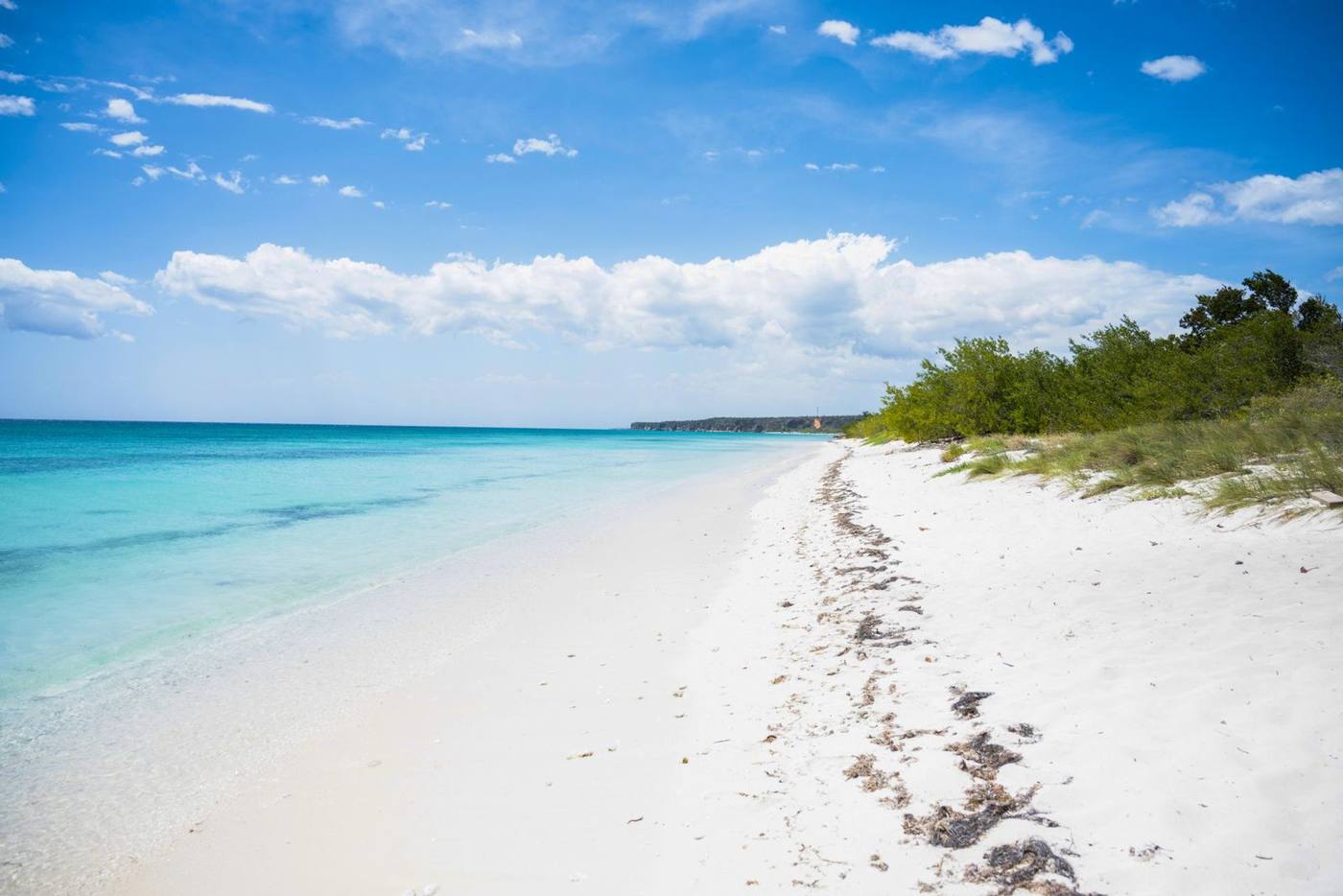
Barahona and Bahía de las Águilas
The wild south-west: the Barahona coast between mountains and sea, the larimar mine, Lake Enriquillo with its crocodiles and the deserted beach of Bahía de las Águilas.
- Barahona
- Lake Enriquillo
- Pedernales
- Bahía de las Águilas
Day by day
- Day 1
The Barahona coast and larimar
This four-day trip takes you to the south-west of the Dominican Republic, the wildest and least touristy part of the country: a coast squeezed between green mountains and a turquoise sea, a salt lake below sea level and one of the most isolated beaches in the Caribbean.
Before you go: Italian citizens enter the Dominican Republic with a passport valid for the whole stay and without a visa for tourism for up to 30 days, which can be extended. The e-Ticket is compulsory for everyone, on arrival and on departure: fill it in online before travelling and show the QR code at check-in. Other nationalities should check their own rules. The Italian foreign ministry reports high crime, including in resort areas. Some areas on this trip are close to borders or places where the situation changes often: check your government's travel advice before booking and again before you leave. Do not go near the border with Haiti and do not try to cross it.
From Santo Domingo to Barahona it is about three and a half hours by road. After the town, the coast road south is one of the most beautiful in the country: bends above the sea, beaches of white pebbles and rivers coming down from the Sierra de Bahoruco.
In the afternoon go up to the Los Chupaderos mines, in the mountains above the coast, where larimar is extracted, a blue stone found only in this part of the Dominican Republic. The miners work in narrow shafts dug by hand.
Sleep on the Barahona coast, for three nights.
Practical tip: buy larimar from the miners' cooperatives or in workshops, and be wary of stones that are too cheap, which are often fake.
- Day 2
Lake Enriquillo
Today you head inland, to Lake Enriquillo, about an hour and a half from Barahona. It is a large salt lake that lies below sea level: it is the lowest point in the Caribbean, in a hot, dry valley between two mountain ranges.
Leave early, because by the middle of the day the heat becomes intense. The landscape is completely different from the coast: cacti, thorny bushes and pale earth.
On the shores live rhinoceros iguanas, large grey lizards with small horns on the snout, which come close without fear. Do not feed them. American crocodiles live in the salty water, and you see them mainly with the help of a guide, together with flamingos and many other birds.
In the middle of the lake is Isla Cabritos, a national park: boat visits depend on the water level, which has changed a lot in recent years. Ask at the park visitor centre. Check prices and times.
Near the north shore stop at Las Caritas, rocks with faces carved by the Taíno, the people who lived on the island before the Europeans arrived.
The lake is close to the border area: travel only by day, with a driver or a local guide, and do not continue west beyond the lake.
In the afternoon go back to the coast and have a swim in one of the freshwater pools where the rivers meet the sea.
Sleep on the Barahona coast.
Practical tip: bring at least two litres of water per person, a hat and sun cream: there are few shops around the lake.
- Day 3
Bahía de las Águilas by boat
Today is the day of the most famous beach in the south-west: Bahía de las Águilas, in Jaragua National Park, towards Pedernales. From Barahona it is about two hours by road along the coast and then towards Cabo Rojo.
The road runs between the sea and dry mountains. On the way you can stop at a viewpoint above the coast and watch the sea change colour from green to deep blue.
Near Cabo Rojo is the fishing village of La Cueva, where the boats to the bay leave from. By boat you follow limestone cliffs and caves before landing on the beach: kilometres of pale sand, clear water and hardly anyone around. There are no buildings, because the bay is protected.
Agree the price and the time of the return trip with the boatman beforehand. Check prices and times. Bring water, food and an umbrella or a cloth for shade: there is nothing on the beach.
Snorkel near the rocks, where tropical fish swim, and walk along the shore to look for sea turtles, if it is the season. Leave the beach clean and take all your rubbish away with you.
On the way back, in La Cueva, the fishermen cook fresh fish and lobster with rice and tostones. Then drive back towards Barahona before dark.
Sleep on the Barahona coast.
Practical tip: do not drive at night in this area: the roads are poorly lit and there are animals and checkpoints.
- Day 4
The San Rafael pools and the way home
Today you go back, but before leaving the south-west enjoy the Barahona coast once more.
In the morning go to the Balneario San Rafael, south of the town, where a mountain river comes down in small waterfalls into pools of cool fresh water, a few steps from the sea. Dominican families come here on Sundays to swim and eat in the shade. Check prices and times.
Then follow the coast and stop in the fishing villages: San Rafael beach, with white pebbles and strong waves, and the village of Paraíso. The sea here can be rough: swim only where the local people swim too.
For lunch try pescado frito con tostones, fried fish with flattened green plantains, or a sancocho, the Dominican stew with meat and root vegetables.
In the early afternoon leave for Santo Domingo, about three and a half hours by road. Plan your timing so that you arrive before dark.
Trip summary: in four days you have travelled the Barahona coast, seen the larimar mines, Lake Enriquillo with its iguanas and crocodiles, the Taíno carvings of Las Caritas and Bahía de las Águilas, one of the most isolated beaches in the Caribbean.
When to go: from December to April, in the dry season, when the sea is calmer and the heat less intense. From June to November there is a risk of hurricanes.
Practical tip: fill up with petrol in Barahona: there are few filling stations along the south coast.
The most genuine, least touristy Dominican Republic. Pedernales is on the border with Haiti, where the situation is serious: don't cross the border and stay in tourist areas. Simple services.
Before you go
- Documents and visa
- Passport valid for the whole stay. No visa is needed for tourism for up to 30 days, which can be extended. The e-Ticket is compulsory for everyone, on arrival and departure: you fill it in online before travelling and show the QR code at check-in. The tourist card and the departure tax are normally included in the air fare. Airlines may ask for a return ticket.
- Health and vaccines
- No compulsory vaccinations. Dengue is rising, cholera is endemic and there have been cases of chikungunya and Zika: use insect repellent. Tap water is not safe to drink. You need insurance with medical costs and repatriation, because private care is very expensive. Emergencies: 911.
- Money and payments
- Dominican peso. In tourist areas the US dollar is widely used; Visa and Mastercard work in cities and in accommodation. Bring small notes in good condition.
- Power sockets
- Type A and B, 120 volts: you need an adapter for American plugs.
- Time zone
- UTC-4 all year.
- Safety
- Crime is high, including against tourists, especially in Santo Domingo and resort areas. The FCDO advises against all travel to Haiti; the land and sea borders with the Dominican Republic are closed and there have been armed robberies on roads near the border. Use authorised taxis or ride-hailing apps and avoid motorbike taxis. The hurricane season runs from June to November. Official advice: GOV.UK.
Information checked in November 2026 for Italian and EU citizens. Rules change: always check before you travel.
Variations
Shorter version: three days, with Lake Enriquillo and Bahía de las Águilas, heading straight back after the boat trip.
Longer version: add a day to go up to Hoyo de Pelempito, in the Sierra de Bahoruco, always with a local guide.
Frequently asked questions
How do you get to Bahía de las Águilas?
By boat from the fishing village of La Cueva, near Cabo Rojo, or along a dirt track in a four-wheel drive. The boat is more comfortable and passes along the cliffs.
Can I go to Haiti from here?
No. Do not go near the border and do not try to cross it. Check your government's travel advice before booking and again before you leave.
Do I need a car?
It is the easiest option, but only if you drive by day. Alternatively you can book a driver for the whole trip from Santo Domingo or Barahona.
Indicative itinerary written by World Atlas. Before booking, check timetables, seasonal openings, documents and safety.
 2 daysEasy
Santiago and tobacco
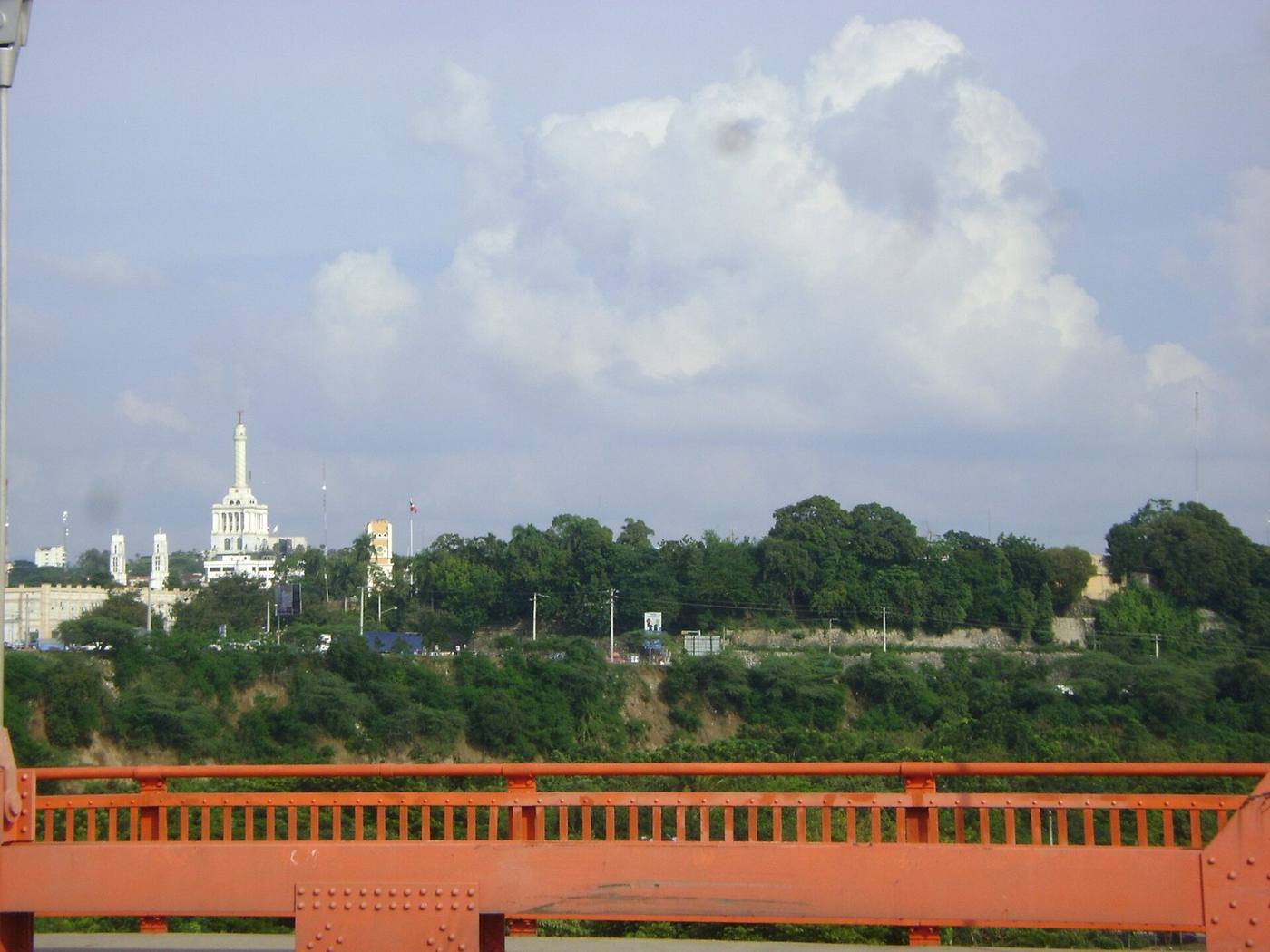
The country's second city in the Cibao valley: the Monument to the Heroes, Centro León, the cigar factories and tobacco farms around Tamboril.
 6 daysEasy
Samaná and the whales
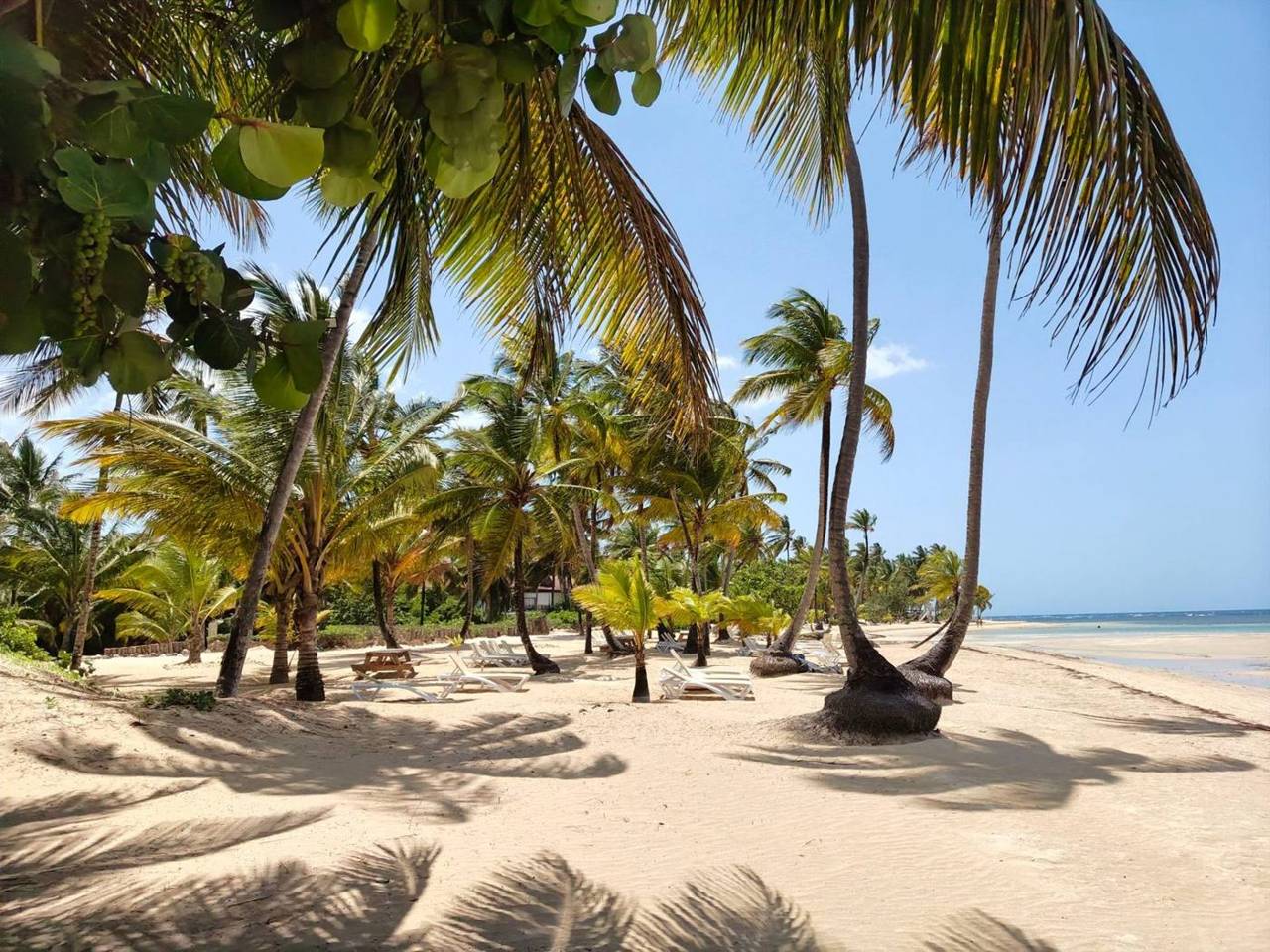
Humpback whales in Samaná Bay, El Limón waterfall, Los Haitises park with its mangroves and Playa Rincón.
 4 daysEasy
Colonial Santo Domingo
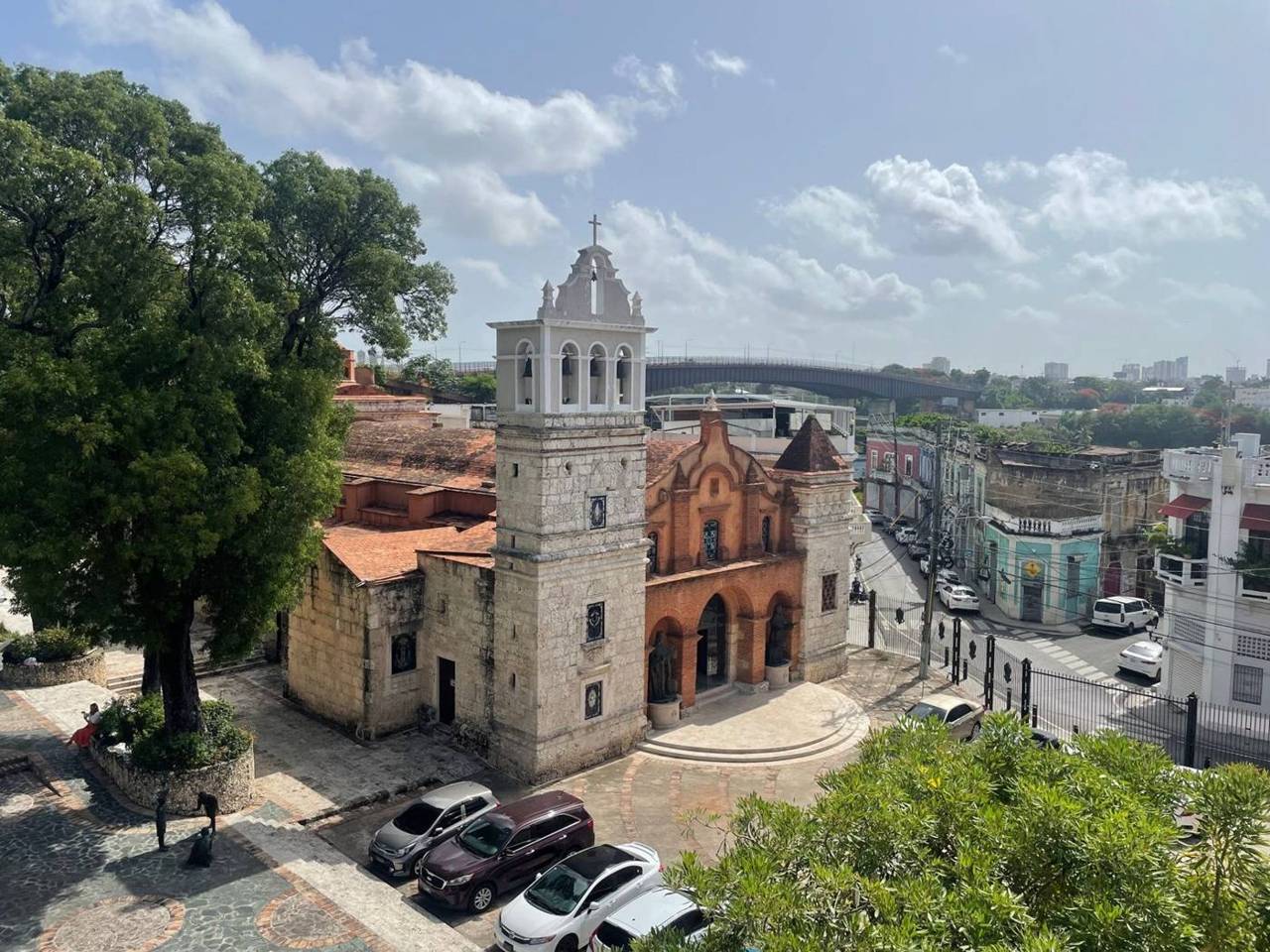
The first European city in the Americas: the UNESCO Zona Colonial with the continent's oldest cathedral, the Alcázar de Colón and the Malecón.