Paphos and the Akamas peninsula
The Roman mosaics of Paphos, the Tombs of the Kings, Aphrodite's Rock, the Blue Lagoon of Akamas and the Aphrodite trail.
- Pafo
- Tombs of the Kings
- Petra tou Romiou
- Polis
- Akamas
- Laguna Blu
Day by day
- Day 1
Paphos Archaeological Park and the mosaics of the Roman villas
This trip takes you to western Cyprus: the Roman mosaics of Paphos, the rock-cut Tombs of the Kings, Aphrodite's Rock at sunset, then Polis, the Baths of Aphrodite and the wild Akamas peninsula with the Blue Lagoon. You travel by rental car and, for Akamas, by boat or four-wheel drive.
Before you go: Italian citizens can enter Cyprus with an electronic identity card or a passport. Cyprus is in the EU but not in the Schengen area, so documents are checked on arrival. Other nationalities should check their own rules. The currency is the euro. You drive on the left. This trip stays in the Republic of Cyprus; to go north, cross only at official crossing points, with separate car insurance. From April to October the wildfire risk is high: never light fires or throw away cigarette ends.
Paphos airport is about twenty minutes from the town. In the afternoon go to Kato Paphos, the lower town near the harbour, home to the archaeological park, a UNESCO World Heritage Site. This was the Roman capital of the island. In the large villas of wealthy citizens some of the finest mosaics in the Mediterranean have survived.
In the House of Dionysus you see scenes of grape harvest, hunting and Greek myths, with colours still bright. In the House of Theseus the hero fights the Minotaur inside a labyrinth, and in the House of Aion the figures are extraordinarily fine. Then walk to the odeon, the small stone theatre, and to the remains of the Forty Columns castle. Check prices and times.
At sunset stroll along the harbour, with the small medieval fort on the pier.
Practical tip: enter the archaeological park in the late afternoon, when the light is softer and the heat drops; bring a hat and water, as there is little shade.
- Day 2
The Tombs of the Kings and Aphrodite's Rock at sunset
In the morning go to the Tombs of the Kings, a few minutes north of Paphos harbour, towards the sea. The name is legendary: no kings were buried here, but high officials and important families, from the fourth century BC. The tombs are carved into the rock below ground level. The largest have a courtyard surrounded by Doric columns cut into the stone, like the houses of the living. Go down the steps and look at the burial chambers and niches. Check prices and times.
Then return to town and visit the small church of Agia Kyriaki Chrysopolitissa, built on the remains of a large early Christian basilica. Beside it stands the column that tradition calls St Paul's Pillar, where the apostle is said to have been flogged during his journey to Cyprus.
In the hot hours rest or swim at a beach near the town.
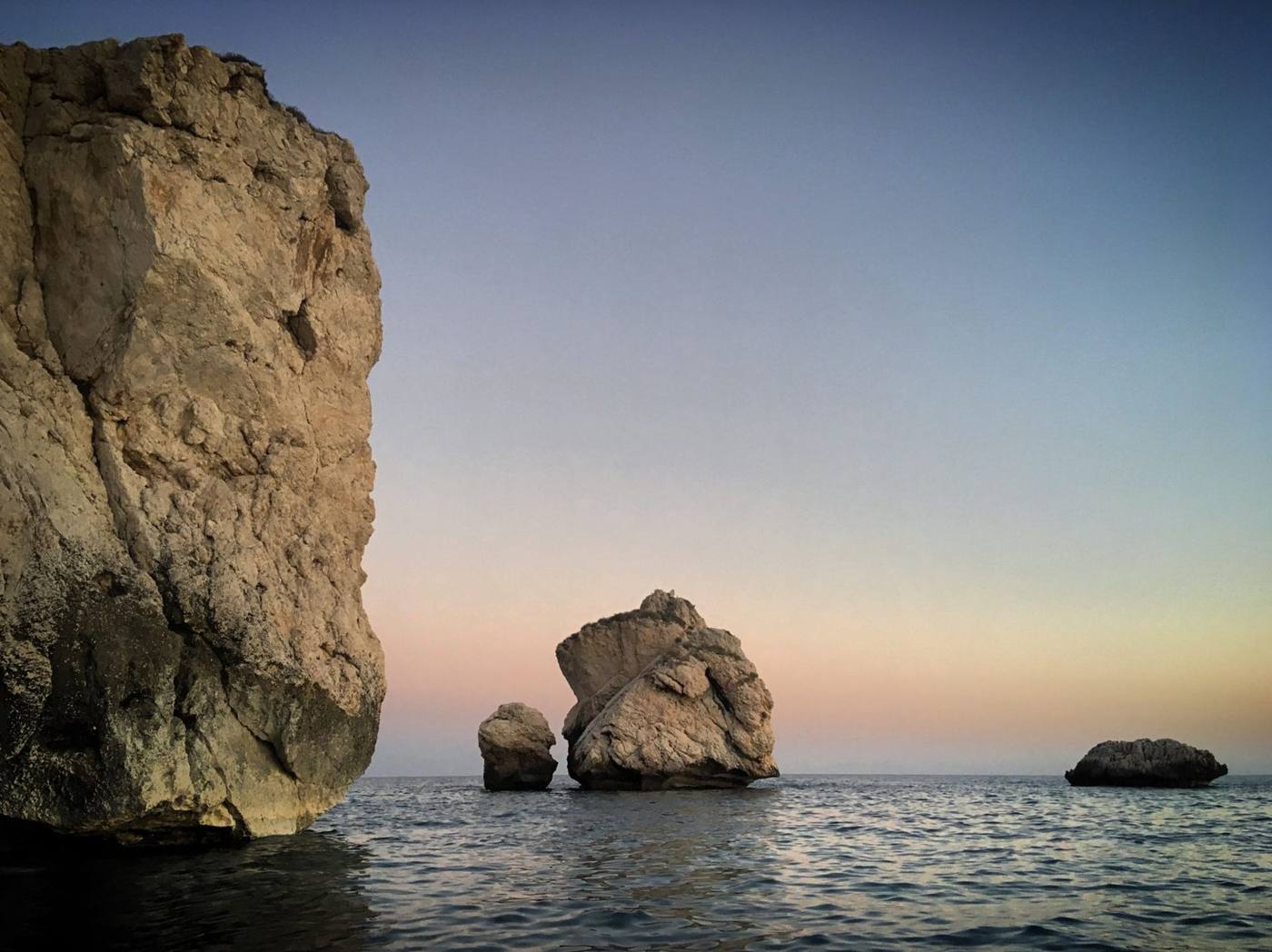
In the late afternoon drive south-east for about half an hour along the coast to Petra tou Romiou, Aphrodite's Rock. According to myth, the goddess was born here from the sea foam. It is a large white rock in front of a pebble beach, between pale cliffs. At sunset the sun turns the rock and the sea orange. If you swim, take care with the waves and currents, which can be strong.
Drive back to sleep in Paphos.
Practical tip: from the Petra tou Romiou car park use the pedestrian underpass below the road; do not cross the carriageway, where cars drive fast.
- Day 3
Polis, the Baths of Aphrodite and the Aphrodite trail
Today you leave Paphos and drive north for about three quarters of an hour, through hills and fields, to Polis, a quiet town on Chrysochou Bay. This is where the Akamas peninsula begins, the wildest part of southern Cyprus, with cliffs, scrub, gorges and beaches.
After Polis continue west, past the small harbour of Latchi, to the Baths of Aphrodite. It is a small grotto in the rock, with a natural pool shaded by fig trees. According to myth the goddess bathed here. Swimming in the pool is now forbidden, but the place is evocative.
From the Baths the Aphrodite trail sets off, a loop of about seven and a half kilometres. It climbs through pines, junipers and rock roses to the ruins of an old building called the Queen's Tower, then reaches the summit of Moutti tis Sotiras, with a wide view over Chrysochou Bay and the Akamas coast. Finally it descends along the coast back to the start. Allow three or four hours of walking, with stops.
In the afternoon swim at a beach near Latchi and watch the fishing boats.
Sleep in Polis or Latchi.
Practical tip: start the trail at dawn in the hot months; from June to September the midday heat is intense and there are no fountains along the way.
- Day 4
By boat or four-wheel drive to the Blue Lagoon
Today you reach the Blue Lagoon, a bay of turquoise water among the rocks on the north coast of the Akamas peninsula. There are two ways to get there, because the roads in the area are narrow dirt tracks.
The easiest way is by boat. In the warm season boats leave Latchi harbour every day and sail along the peninsula. In about half an hour you reach the lagoon, where the boat stops for swimming and snorkelling. The water is shallow and crystal clear, over a seabed of pale sand and rocks. On the way back many boats pass other bays and caves. Bring a mask, towel, water and something to eat, and ask beforehand how long you will stay at the lagoon.
The other way is by four-wheel drive, with a guide or a suitable vehicle. The track crosses the scrub, climbs and drops among the rocks and offers views over the sea. Before setting off check that your rental contract allows dirt roads; many insurance policies do not cover damage off tarmac.
Akamas is a protected area: stay on the tracks, do not pick plants and take your rubbish away. In the late afternoon return to Latchi and have dinner by the harbour with the catch of the day.
Practical tip: choose the boat on calm days and early in the morning, when the lagoon is less crowded; bring sun cream, because there is no shade on board.
- Day 5
Back to Paphos and departure
On the last day you return towards Paphos, about three quarters of an hour from Polis.
On the way, if you have time, make a detour to the Peyia coast, with its cliffs and sea caves. Or stop in the upper town of Paphos, called Ktima, with its covered municipal market selling local produce, embroidery and baskets. Nearby is the Byzantine Museum, with icons from the monasteries of the area. Check prices and times.
Then go to the airport, about twenty minutes from the town. Allow time for returning the car and for security checks.
Trip summary: in five days you saw the mosaics of the Roman villas in the Paphos Archaeological Park, the Tombs of the Kings, St Paul's Pillar, Aphrodite's Rock at sunset, the Baths of Aphrodite and the trail on the peninsula, then the Blue Lagoon of Akamas by boat or four-wheel drive. It is an easy trip, with clear sea and first-rate archaeology on an island where you drive on the left and English is widely spoken.
When to go: from April to June and from September to November, with a mild climate and a pleasant sea. July and August are very hot, often above 35 degrees, and you can only walk the trails at dawn. In spring Akamas is full of wild flowers.
Practical tip: return the car clean of sand and dust from the tracks; some rental companies charge extra for cleaning.
Clear sea and first-class archaeology on an easy island, where you drive on the left and English is spoken. July and August are very hot, often over 35 °C. Akamas dirt roads need a 4x4 or a boat.
Before you go
- Documents and visa
- EU citizens need a valid identity card or passport: Cyprus is in the EU but not in the Schengen area, so documents are checked on arrival. Enter only through Larnaca or Paphos airports or the ports of Limassol and Larnaca: arriving via Ercan airport or northern ports is illegal under the law of the Republic of Cyprus. Traffic drives on the left. Other nationalities should check their own rules.
- Health and vaccines
- No vaccines required. EU citizens can use public healthcare with their EHIC; insurance with medical cover and repatriation is still advised. Emergencies: 112.
- Money and payments
- Euro. Cards are accepted almost everywhere; carry some cash in mountain villages.
- Power sockets
- Type G, 240 volts: the same plugs as in the UK.
- Time zone
- Eastern European Time (UTC+2, summer UTC+3).
- Safety
- A safe country with low crime. The UN buffer zone divides the island: cross only at official crossing points, such as Ledra Street and Ledra Palace in Nicosia, showing an identity card or passport; crossing elsewhere is illegal and dangerous, partly because of minefields. Do not take photos in the buffer zone or near military sites. Cars hired in the south usually have no insurance cover in the north: buy separate cover, sold at some crossing points. Wildfire risk is high from April to October. Official advice: GOV.UK.
Information checked in November 2026 for Italian and EU citizens. Rules change: always check before you travel.
Variations
In 3 days: Paphos with the archaeological park and the Tombs of the Kings, then a boat day to the Blue Lagoon from Latchi.
In 7 days: add two days in the Troodos mountains, with Kykkos Monastery and the wine villages.
Frequently asked questions
How do I get to the Blue Lagoon in Akamas?
By boat from Latchi harbour, the easiest way, or by four-wheel drive on the dirt tracks. Check that your rental contract allows dirt roads.
How long is the Aphrodite trail?
It is a loop of about seven and a half kilometres starting from the Baths of Aphrodite. Allow three or four hours and walk early in the hot months.
Can I swim at the Baths of Aphrodite?
No, swimming in the grotto pool is forbidden. You can swim at the nearby beaches around Latchi.
Indicative itinerary written by World Atlas. Before booking, check timetables, seasonal openings, documents and safety.
 4 daysEasy
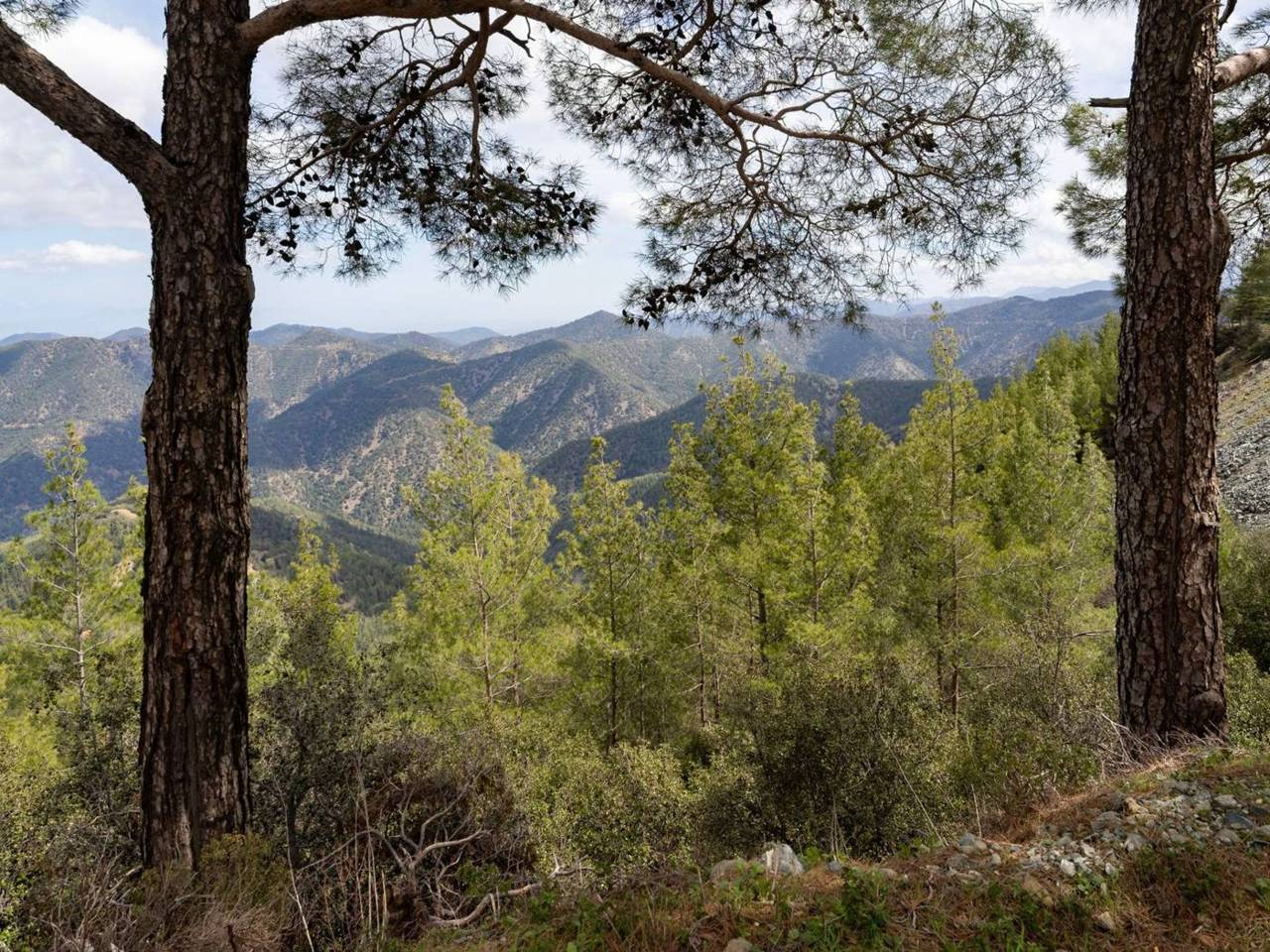
The Troodos mountains
The UNESCO painted Byzantine churches, Kykkos monastery, villages such as Omodos and Kakopetria, Commandaria wine and trails among the pines.
 5 daysEasy
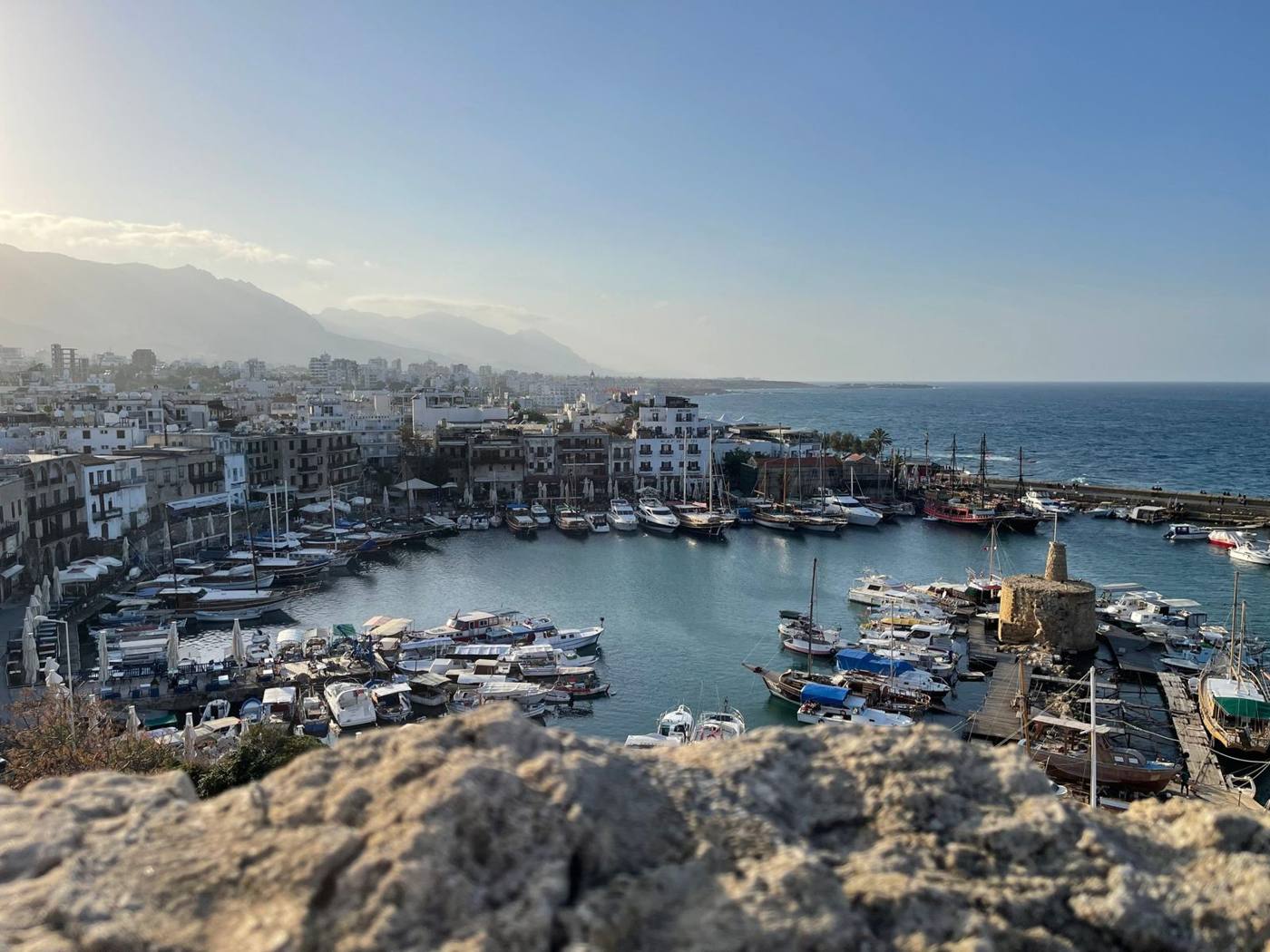
Nicosia and the north
Europe's last divided capital, crossing the Green Line on foot, then Kyrenia, Bellapais Abbey and St Hilarion Castle.
 5 daysEasy
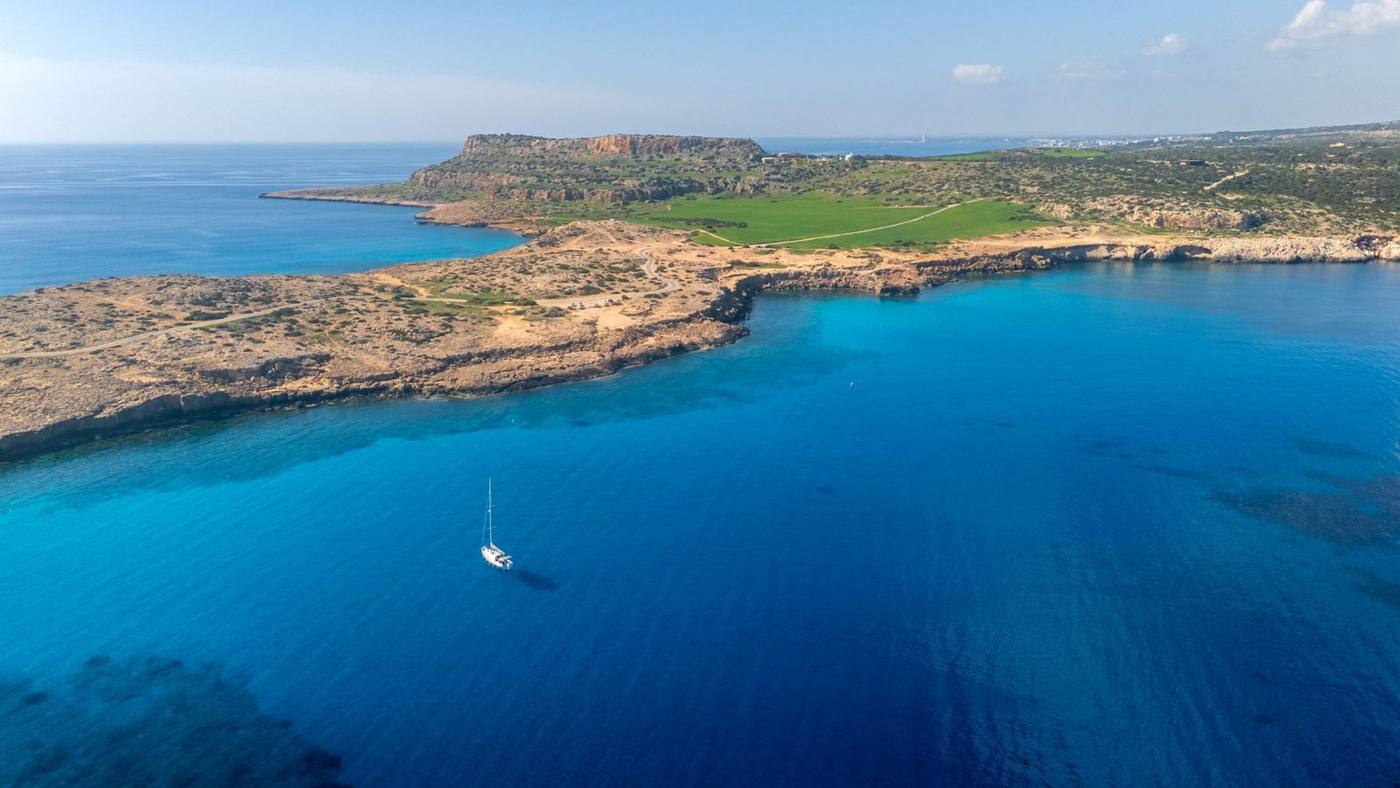
Larnaca and Ayia Napa
St Lazarus church in Larnaca, the salt lake with flamingos and the Hala Sultan Tekke mosque, then Cape Greco and the beaches of Ayia Napa and Protaras.