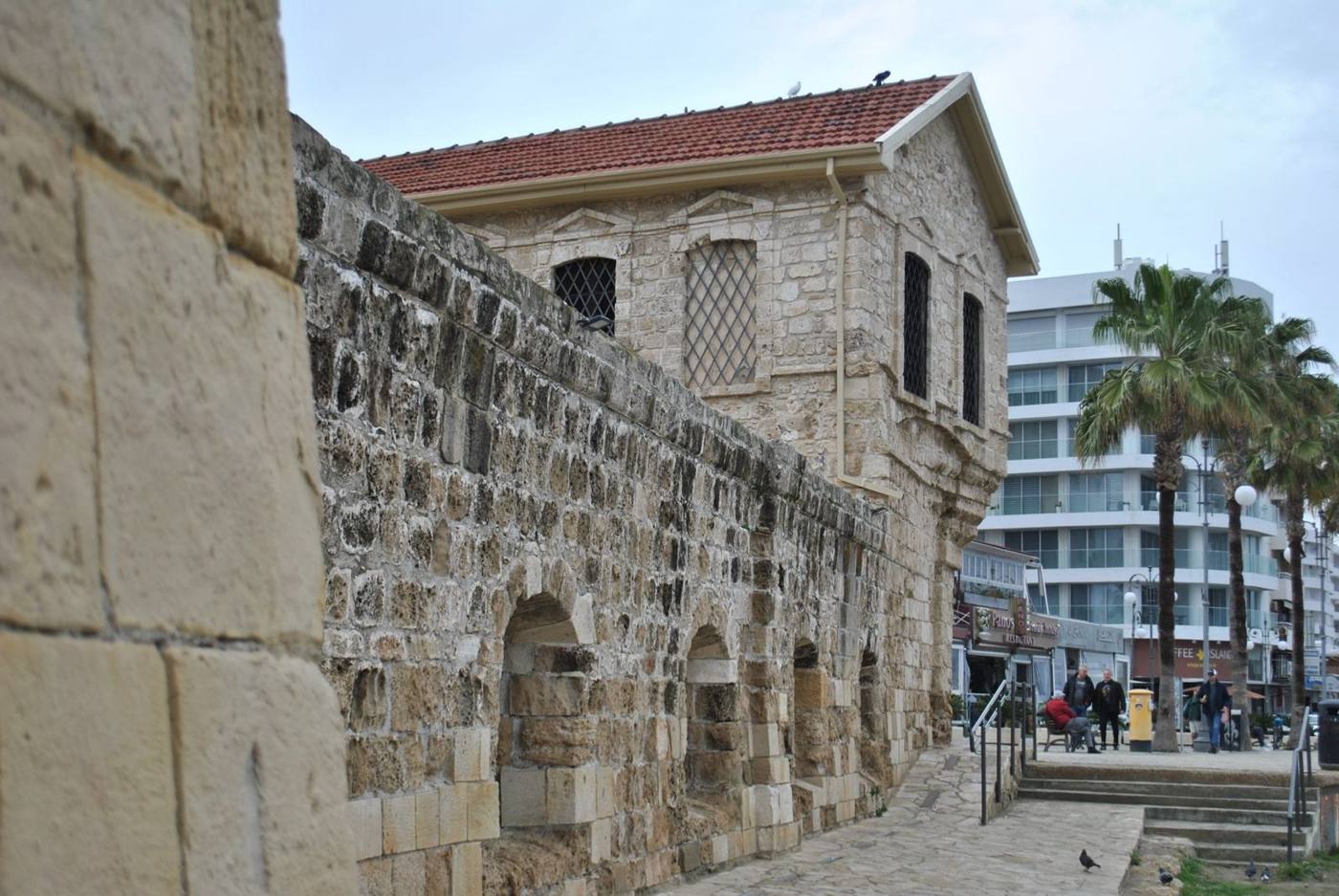
Lefkara and Choirokoitia
The lace and silver village of Lefkara, the UNESCO Neolithic settlement of Choirokoitia with its rebuilt round houses and Stavrovouni monastery.
- Larnaca
- Stavrovouni
- Lefkara
- Choirokoitia
Day by day
- Day 1
Larnaca and Stavrovouni Monastery on its summit
This short trip takes you into the countryside behind Larnaca, in southern Cyprus: Stavrovouni Monastery on an isolated peak, the lace and silver village of Lefkara and the Neolithic settlement of Choirokoitia, a UNESCO World Heritage Site. You travel by rental car from Larnaca.
Before you go: Italian citizens can enter Cyprus with an electronic identity card or a passport. Cyprus is in the EU but not in the Schengen area, so documents are checked on arrival. Other nationalities should check their own rules. The currency is the euro. In Cyprus you drive on the left. The island is safe; this trip stays in the Republic of Cyprus. If you want to visit the north, cross the UN buffer zone only at official crossing points.
You land at Larnaca airport, a few minutes from town. Pick up the car and drive west for about forty minutes to Stavrovouni. The road winds up an isolated mountain to the monastery, at about 750 metres, with views over half the island and the sea.
According to tradition, the monastery was founded in the fourth century by St Helena, mother of the emperor Constantine, who is said to have left a fragment of the Holy Cross here. Today a community of monks lives here under strict rules: women are not allowed into the monastery, cameras may not be used and men must be suitably dressed. Opening hours change with the seasons and the monastery closes on public holidays: check times.
In the afternoon, return to Larnaca. Visit the Church of St Lazarus, in golden stone, with a large carved wooden iconostasis, and stroll along the palm-lined seafront.
Overnight in Larnaca.
Practical tip: hire a car with automatic gears if you are not used to driving on the left, and take care at roundabouts, which you go round clockwise.
- Day 2
Lefkara and its lacemakers
Today you visit one of the most beautiful villages in Cyprus.
In the morning, before leaving Larnaca, stop at the salt lake, a few minutes from the centre. In winter and spring the water fills with pink flamingos. On the shore, among the palms, stands the Hala Sultan Tekke mosque, one of the holy places of Islam in Cyprus.
Then drive west for about forty minutes, through hills of white limestone and olive groves, to Lefkara, at the foot of the Troodos mountains. The village is made of honey-coloured stone houses with green or blue shutters and narrow lanes that climb up and down.
Lefkara is famous for the lace called lefkaritika, embroidered by hand by the village women for centuries, with geometric patterns. This tradition is recognised by UNESCO as intangible cultural heritage. According to a local legend, Leonardo da Vinci passed through and took a piece of lace back for Milan Cathedral. Along the streets you still see women embroidering, sitting outside their doors. Lefkara is also known for its silver filigree work.
Visit the small museum of embroidery and silverwork, in a traditional house, and the Church of the Holy Cross, with its gilded wooden iconostasis. Check prices and times.
In the afternoon, walk down to Kato Lefkara, the lower village, quieter, with white and blue houses.
Overnight in Lefkara.
Practical tip: good handmade lace is expensive, because a single doily takes weeks of work; be wary of very low prices, which often mean machine-made, imported pieces.
- Day 3
Choirokoitia and departure
Today you see one of the oldest villages in the Mediterranean and leave Cyprus.
In the morning, drive for about a quarter of an hour to Choirokoitia, on a hill above the valley of the Maroni river. Here lies a Neolithic settlement, lived in from the seventh millennium BC, one of the most important in the eastern Mediterranean. It is a UNESCO World Heritage Site.
The inhabitants lived in round houses of stone and mud brick, packed closely together and protected by a perimeter wall. They grew cereals, raised animals and buried their dead under the floors of their houses. At the foot of the hill some round houses have been rebuilt, with flat roofs and furnishings, showing how people lived here thousands of years ago. Then climb a path up to the real excavations on the hill, where you see the foundations of the houses and the wall. Check prices and times.
From the hill the view stretches over the valley and the hills towards the sea.
Then drive back to Larnaca airport, in about half an hour, return the car and take your flight home.
In these three days you have seen a corner of Cyprus between archaeology, faith and craftsmanship: Stavrovouni Monastery on its peak, the Church of St Lazarus and the salt lake of Larnaca, the stone houses and lace of Lefkara and the Neolithic round houses of Choirokoitia.
When to go: from October to May, when temperatures are mild and walking is a pleasure. In spring the hills are green and full of flowers. In summer it is very hot, often above 35 degrees, and the Choirokoitia site has no shade.
Practical tip: visit Choirokoitia at opening time, bring water and a hat, and allow enough time for the airport, because document checks can take a while.
A short trip of archaeology and crafts, easy from Larnaca. Stavrovouni is closed to women: they can only visit the church at the foot of the mountain. Good Lefkara lace is expensive: be wary of prices that are too low.
Before you go
- Documents and visa
- EU citizens need a valid identity card or passport: Cyprus is in the EU but not in the Schengen area, so documents are checked on arrival. Enter only through Larnaca or Paphos airports or the ports of Limassol and Larnaca: arriving via Ercan airport or northern ports is illegal under the law of the Republic of Cyprus. Traffic drives on the left. Other nationalities should check their own rules.
- Health and vaccines
- No vaccines required. EU citizens can use public healthcare with their EHIC; insurance with medical cover and repatriation is still advised. Emergencies: 112.
- Money and payments
- Euro. Cards are accepted almost everywhere; carry some cash in mountain villages.
- Power sockets
- Type G, 240 volts: the same plugs as in the UK.
- Time zone
- Eastern European Time (UTC+2, summer UTC+3).
- Safety
- A safe country with low crime. The UN buffer zone divides the island: cross only at official crossing points, such as Ledra Street and Ledra Palace in Nicosia, showing an identity card or passport; crossing elsewhere is illegal and dangerous, partly because of minefields. Do not take photos in the buffer zone or near military sites. Cars hired in the south usually have no insurance cover in the north: buy separate cover, sold at some crossing points. Wildfire risk is high from April to October. Official advice: GOV.UK.
Information checked in November 2026 for Italian and EU citizens. Rules change: always check before you travel.
Variations
In 2 days: Stavrovouni and Larnaca on the first day, Lefkara and Choirokoitia on the second.
In 6 days: add three days in the Troodos mountains, with the painted churches, Kykkos Monastery and the mountain villages.
Frequently asked questions
What document do I need for Cyprus?
Italian citizens can enter with an electronic identity card or a passport. Cyprus is not in the Schengen area, so documents are checked on arrival. Other nationalities should check their own rules.
Can women visit Stavrovouni?
No, women are not allowed into the monastery. Men must also be suitably dressed and may not use cameras.
How much does Choirokoitia cost?
Entry fees for archaeological sites in Cyprus change: check prices and times on the official Department of Antiquities website.
Indicative itinerary written by World Atlas. Before booking, check timetables, seasonal openings, documents and safety.
 5 daysEasy
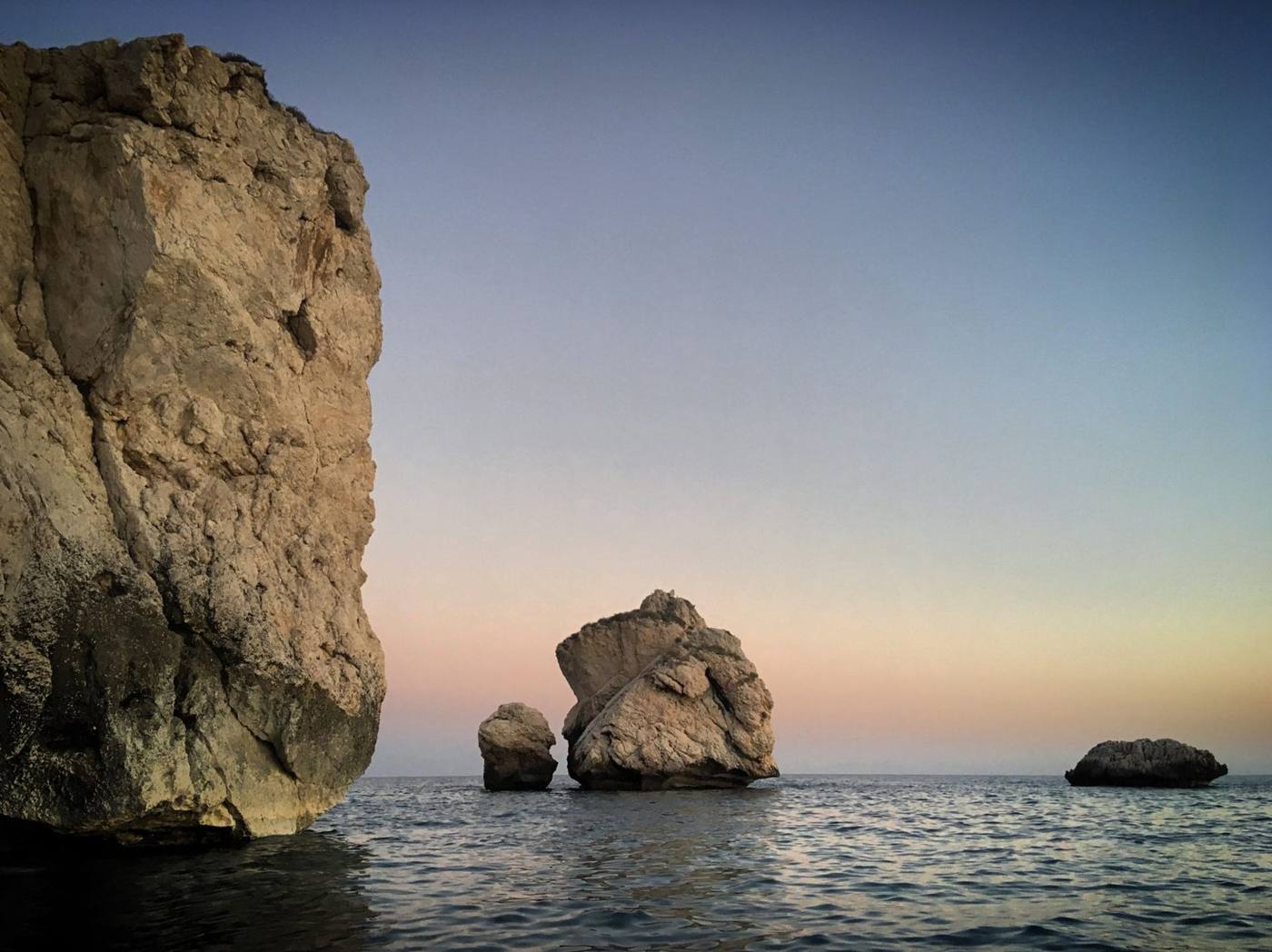
Paphos and the Akamas peninsula
The Roman mosaics of Paphos, the Tombs of the Kings, Aphrodite's Rock, the Blue Lagoon of Akamas and the Aphrodite trail.
 4 daysEasy
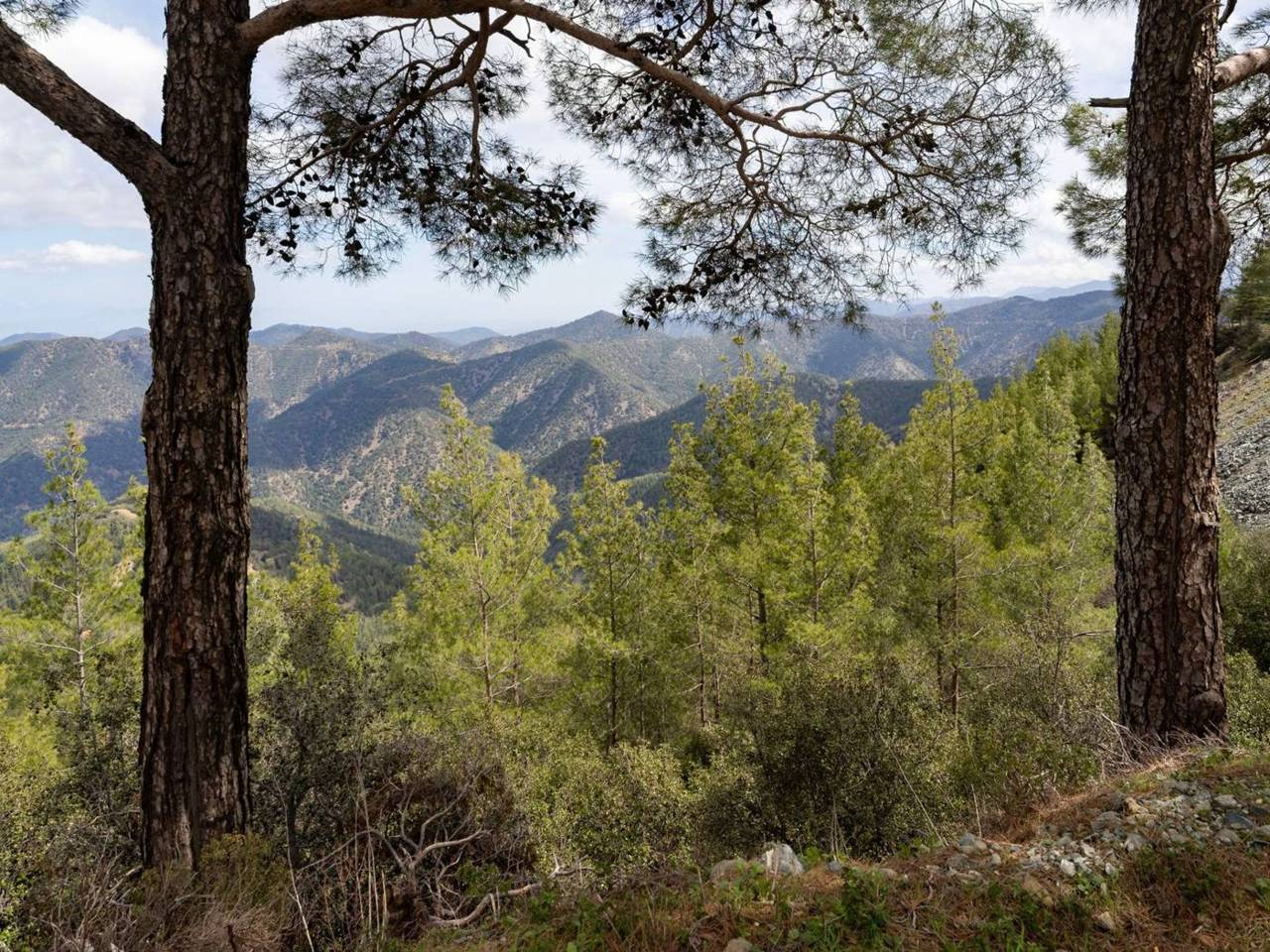
The Troodos mountains
The UNESCO painted Byzantine churches, Kykkos monastery, villages such as Omodos and Kakopetria, Commandaria wine and trails among the pines.
 5 daysEasy
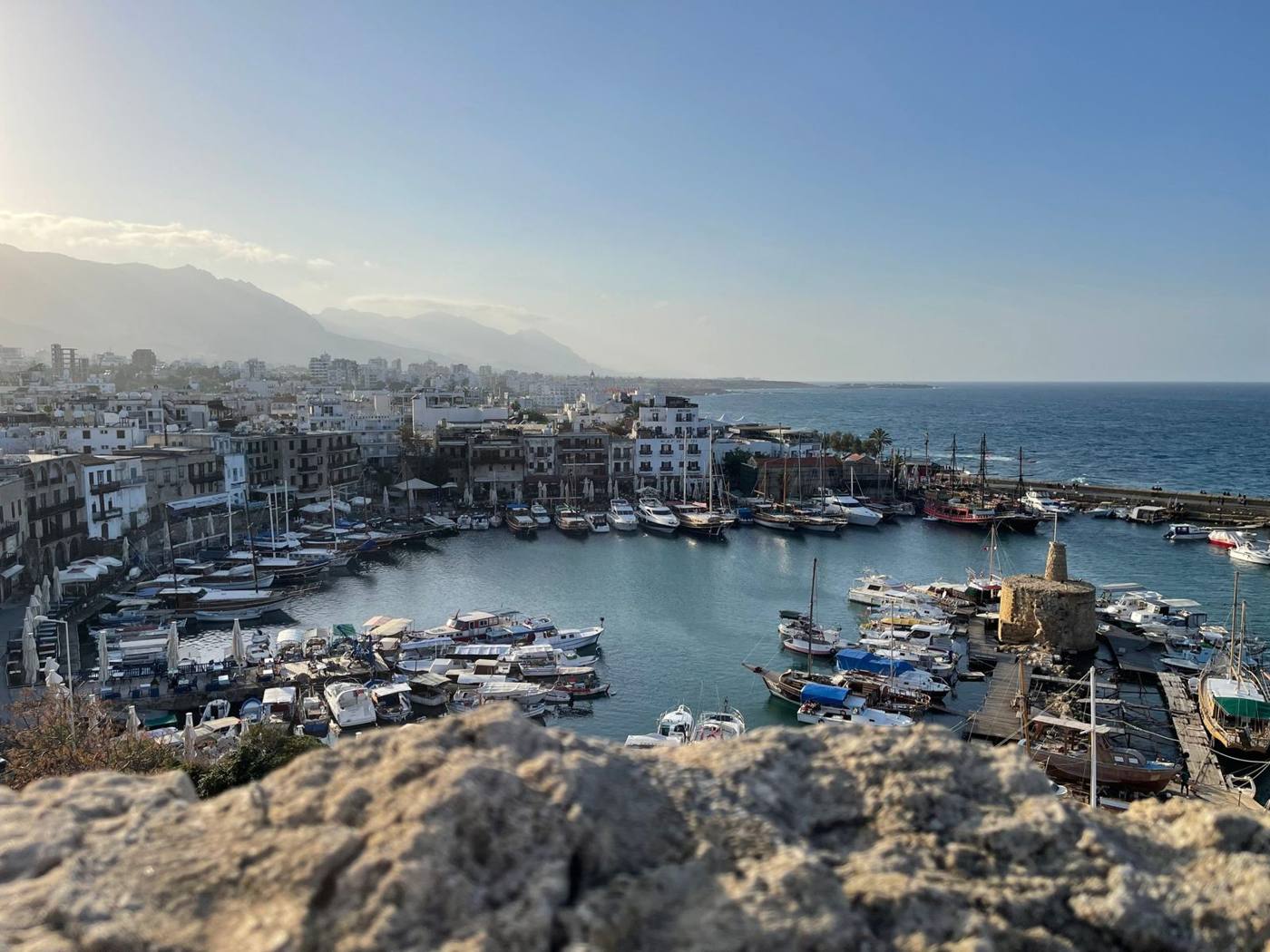
Nicosia and the north
Europe's last divided capital, crossing the Green Line on foot, then Kyrenia, Bellapais Abbey and St Hilarion Castle.