Zagreb and Slavonia
The continental Croatia few people see: Zagreb, the castles of Zagorje, Osijek, the Kopački rit wetlands and Vukovar.
- Zagreb
- Trakošćan
- Varaždin
- Osijek
- Kopački rit
- Vukovar
- Ilok
Day by day
- Day 1
Zagreb: the upper town
This trip shows a Croatia different from the coast: the capital Zagreb, the castles and baroque towns of the north, and Slavonia, the great plain of the east between the Drava and Danube rivers, with countryside, vineyards, marshes full of birds and hearty food. It is a less touristy Croatia, with lower prices and a powerful history, including that of the war of the 1990s. In six days you travel from Zagreb to the Danube.
Zagreb can be reached by air or by train. The city is divided into two parts: the medieval upper town, Gornji Grad, on the hill, and the nineteenth-century lower town, Donji Grad, with its palaces and parks.
In the morning, go up to the upper town by funicular, one of the shortest in the world, or on foot by the stairways. At the top stands the Lotrščak tower, from which a cannon is fired every day at noon, a tradition more than a hundred years old. From the terrace near the tower the view over the city's roofs is beautiful.
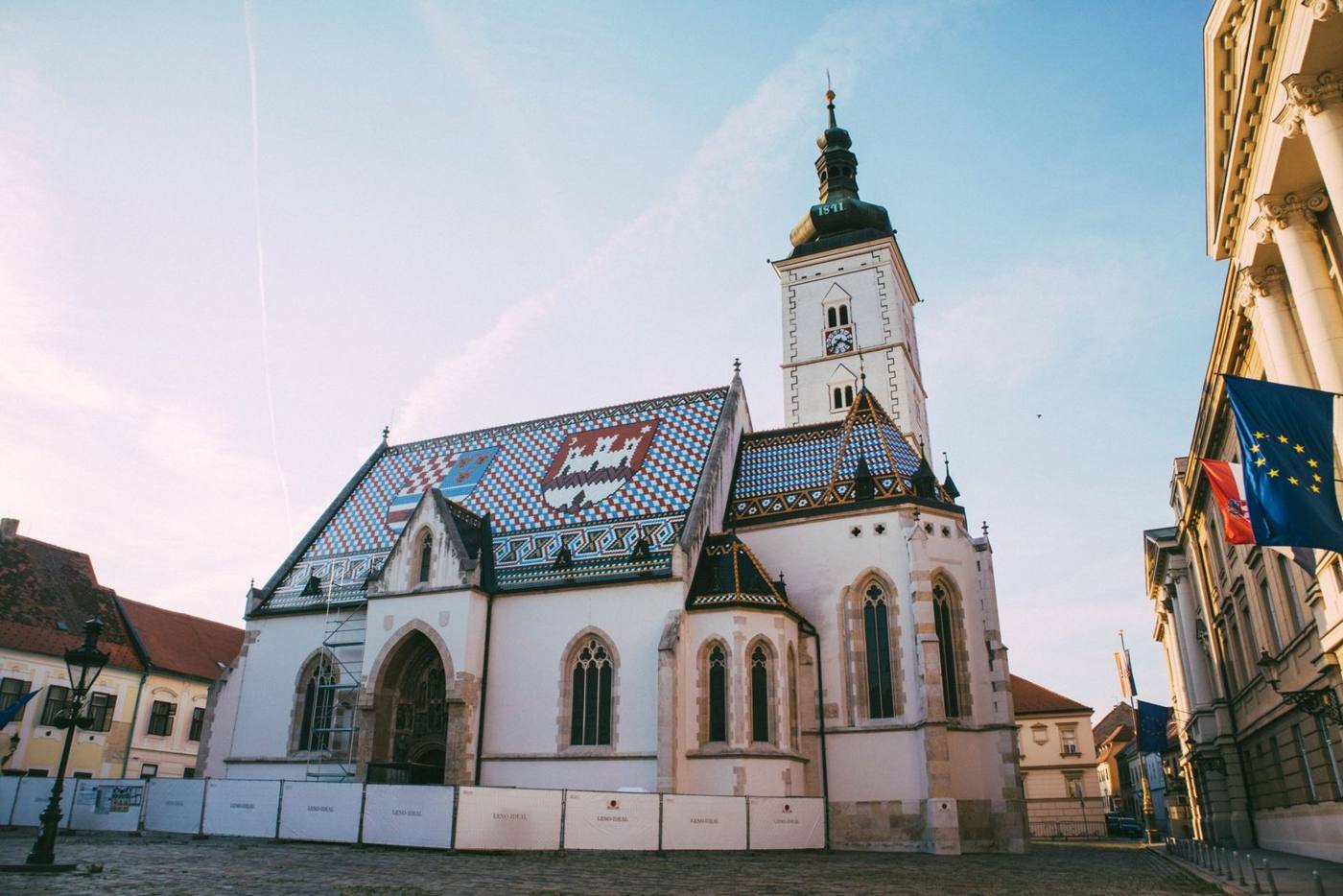
Then go to Saint Mark's church, with its roof of coloured tiles forming the coats of arms of Croatia and Zagreb, surrounded by the government and parliament buildings. Pass through the Stone Gate, the only surviving medieval gate, with a small chapel where people light candles before an image of the Virgin that survived a fire.
In the afternoon, visit the Museum of Broken Relationships, an unusual museum of objects donated by people from all over the world after the end of a love affair, each with its own story.
In the evening, stroll along Tkalčićeva street, full of bars, where a stream once flowed.
Practical tip: after the 2020 earthquake the cathedral and some buildings in the upper town were under restoration. Check whether they are open before you go.
- Day 2
Zagreb: the lower town, Dolac market and Mirogoj
In the morning, go down to the lower town and start at Dolac market, the city's main market, above Jelačić square, with its typical red umbrellas, open-air stalls of fruit, vegetables and flowers and, on the lower floor, meat, fish, cheeses and kajmak, a kind of sour cream. Women from nearby villages sell fresh cheese with cream.
Then walk through Ban Jelačić square, the heart of the city, with the equestrian statue of the ban who led the Croats in 1848, and along Lenuci's green horseshoe, a series of nineteenth-century parks and squares with museum buildings, the yellow national theatre and the botanical garden.
In the afternoon, take a bus or tram to Mirogoj cemetery, north of the centre, considered one of the most beautiful cemeteries in Europe. Designed at the end of the nineteenth century by the architect Hermann Bollé, it has a long ivy-covered arcade with green domes and monumental tombs among trees and lawns, where people of all religions rest. It is a quiet, solemn place.
If you still have time, visit one of the city's museums, such as the Mimara Museum, with a large art collection, or the Croatian Museum of Naïve Art in the upper town.
In the evening, try Zagorje cooking: štrukli, pastry filled with cheese and baked with cream, and turkey with mlinci, thin pasta sheets.
Practical tip: in December Zagreb has one of the most beautiful Christmas markets in Europe, with lights, music and stalls all over the centre.
- Day 3
Trakošćan castle and baroque Varaždin
In the morning, drive north into the Zagorje, a region of green hills, vineyards, castles and villages. In about an hour and a half you reach Trakošćan castle, one of the most beautiful castles in Croatia, on a hill above a lake surrounded by woods. The medieval castle was transformed in the nineteenth century in Romantic style by the Drašković family. Inside you visit furnished rooms, with furniture, portraits, weapons and a library. Around the lake there is a path of about an hour through the woods.
In the afternoon, continue to Varaždin, about half an hour away, Croatia's baroque capital. In the eighteenth century it was for some years the capital of the country, until a great fire in 1776 led the government to move to Zagreb. The town keeps colourful baroque palaces, churches, squares and a white fortress surrounded by moats and lawns, now the town museum.
Also visit Varaždin cemetery, famous for its carefully trimmed hedges and tree-lined avenues, which make it like a garden. In August the town hosts Špancirfest, a street festival with music and shows, and in September a baroque music festival.
In the evening, sleep in Varaždin or continue east.
Practical tip: from Varaždin to Osijek it is about three and a half hours by road. If you want to reach Slavonia in the evening, leave Varaždin in mid-afternoon.
- Day 4
Osijek and the Tvrđa fortress
In the morning, cross Croatia eastwards along the Drava valley to Osijek, the main city of Slavonia, in about three and a half hours. The landscape changes: the hills give way to a great plain of wheat, maize and sunflower fields, with villages and rows of trees.
Osijek lies on the right bank of the Drava. The most interesting area is the Tvrđa, a baroque fortress built by the Austrians in the early eighteenth century after driving out the Ottomans, with barracks, churches, the military command palace and the large Holy Trinity square with its plague column. Today the Tvrđa is a lively quarter, with the university, museums and bars.
In the afternoon, walk along the wide, tree-lined Drava promenade to the pedestrian suspension bridge leading to the other bank, where there is a park with a small river beach.
Also visit the co-cathedral of Saints Peter and Paul in the upper town, a large neo-Gothic red-brick church with a bell tower about ninety metres high, one of the tallest in Croatia.
In the evening, try Slavonian cooking, influenced by Hungarian cuisine: kulen, a spicy cured sausage with paprika, čobanac, a stew of mixed meats, and the region's white wines.
Practical tip: Slavonia has very hot summers and cold winters. Spring and autumn are the most pleasant times to visit.
- Day 5
Kopački rit by boat and fiš paprikaš
In the morning, go to Kopački rit nature park, about half an hour north-east of Osijek, where the Drava meets the Danube. It is one of the largest wetlands in Europe, a plain that floods every year with the high water of the two rivers, creating lakes, channels, marshes, reed beds and flooded forests.
The park is a paradise for birds: about three hundred species live here or pass through, including herons, black and white storks, cormorants, white-tailed eagles and spoonbills. Red deer, wild boar and roe deer live in the woods, and in autumn you hear the rutting stags bellowing.
From the visitor centre a boat trip leaves through the channels and lakes, lasting about an hour and a half, with a guide who points out the birds and explains marsh life. There are also wooden boardwalks over the water for walking among the reeds.
In the afternoon, visit the village of Bilje, near the park, with the Habsburg castle that was a hunting lodge, and the villages of the Baranja region, with low houses, hillside vineyards and wine cellars dug into the earth.
In the evening, in one of the Baranja villages, have fiš paprikaš for dinner, a river fish soup of carp, catfish and pike, cooked slowly in a cauldron over the fire with plenty of hot paprika and served with noodles.
Practical tip: there are many mosquitoes at Kopački rit, especially in summer and at sunset. Bring repellent and long clothing.
- Day 6
Vukovar and the cellars of Ilok
The last day is devoted to two towns on the Danube, on the border with Serbia. In the morning, go to Vukovar, about forty minutes from Osijek. Vukovar is the symbol of the Croatian War of Independence: in 1991 it was besieged for three months by the Yugoslav army and Serb militias and almost completely destroyed, with thousands of deaths. After the town fell, hundreds of prisoners were killed at Ovčara, not far away.
Visit the water tower, hit by hundreds of shells during the siege and now a memorial, with views over the Danube and the rebuilt town. Then the Ovčara memorial and the war cemetery. It is a powerful and moving stop that helps you understand the country's recent history.
Vukovar also has the rebuilt baroque Eltz castle, with the town museum, and the Vučedol Culture Museum on the Danube, devoted to a prehistoric civilisation of about five thousand years ago.
In the afternoon, continue to Ilok, the easternmost town in Croatia, on a hill above the Danube, surrounded by vineyards. The old castle cellars, dug in the fifteenth century, hold historic barrels and bottles; famous white wines are made here, such as traminac.
In the evening, return to Osijek, where you can take the train or a flight to Zagreb, or leave the next day.
Practical tip: Italian citizens only need an identity card valid for travel. Croatia is in the Schengen area and uses the euro. The border with Serbia, at Vukovar and Ilok, is an external border with checks.
A different Croatia, with no sea but with history, good food and low prices. Vukovar is a powerful stop for understanding the 1990s war. Distances are long and Slavonia is flat: this is a trip for the curious, not for those seeking spectacular scenery. In December Zagreb has one of Europe's finest Christmas markets.
Before you go
- Documents and visa
- EU citizens need a valid identity card or passport: Croatia has been in the Schengen area since 2023. Other nationalities should check the Schengen rules.
- Health and vaccines
- No vaccines required. EU citizens should bring their EHIC. Emergencies: 112.
- Money and payments
- Euro since 2023. Cards are accepted almost everywhere, but carry some cash on small islands. Every accommodation charges a tourist tax per person per night.
- Power sockets
- Types C and F, 230 volts.
- Time zone
- Central European Time (UTC+1, summer UTC+2).
- Safety
- A very safe country. In remote inland areas some minefields from the 1990s war remain, marked with signs: stay on the paths. Official advice: GOV.UK.
Information checked in November 2026 for Italian and EU citizens. Rules change: always check before you travel.
Variations
In 3 days: two days in Zagreb and Trakošćan castle with Varaždin.
In 9 days: after Slavonia, continue to the Plitvice lakes and the Dalmatian coast.
Frequently asked questions
When is the best time to go?
Spring, from April to June, and autumn, from September to October. In summer Slavonia is very hot. In December Zagreb is famous for its Christmas market.
Do I need a car?
It is very useful for Trakošćan, Kopački rit and the Baranja villages. Zagreb, Varaždin and Osijek are also linked by train and bus.
What documents do I need?
Italian citizens only need an identity card valid for travel. Croatia is in the Schengen area and uses the euro.
Indicative itinerary written by World Atlas. Before booking, check timetables, seasonal openings, documents and safety.
 7 daysEasy
The Kvarner islands: Krk, Cres and Lošinj
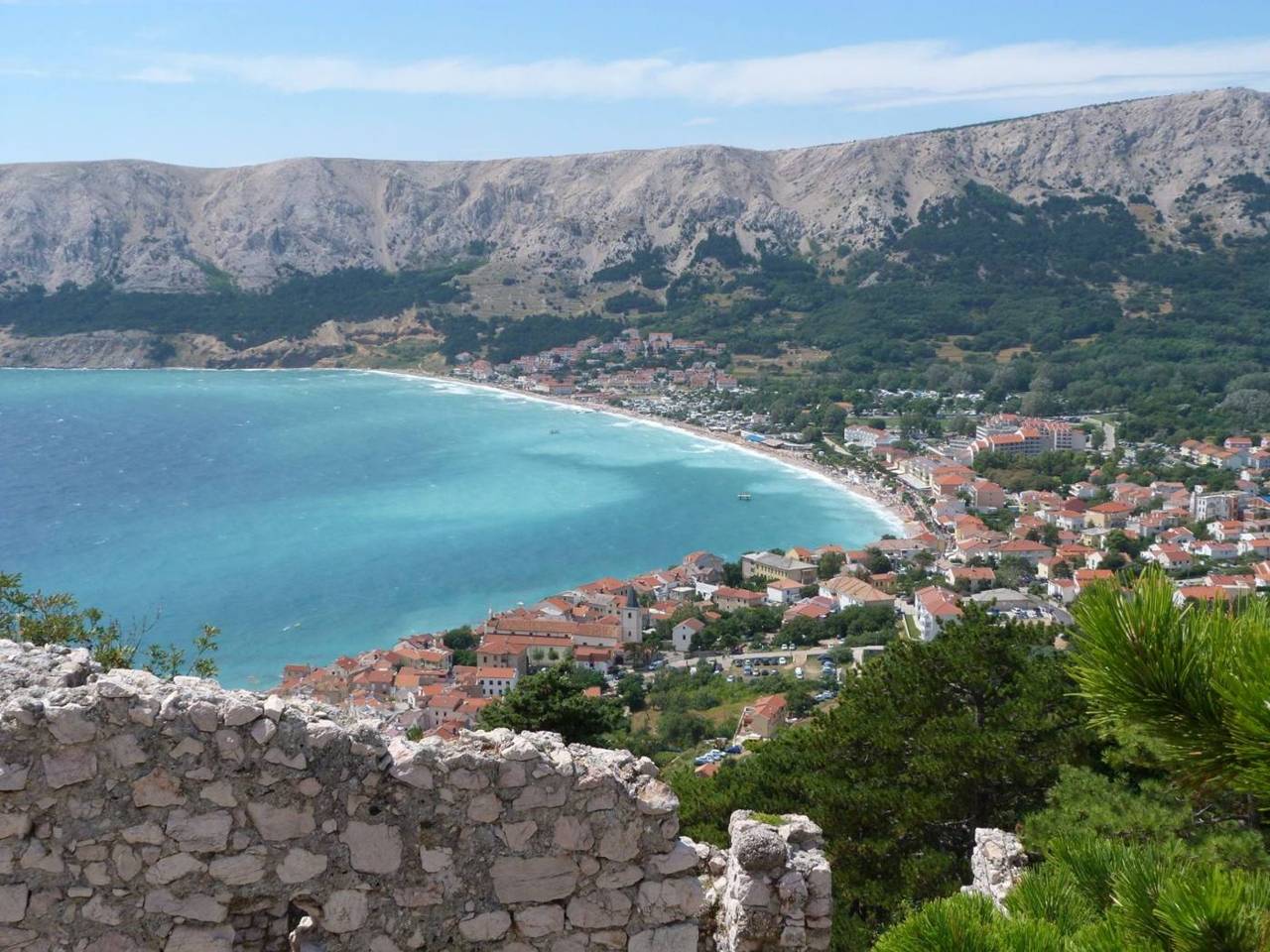
Rijeka and Opatija, the island of Krk with Baška, the griffon vultures of Cres, Lošinj with its dolphins and the medieval villages of Lubenice and Veli Lošinj.
 6 daysModerate
Velebit and Paklenica
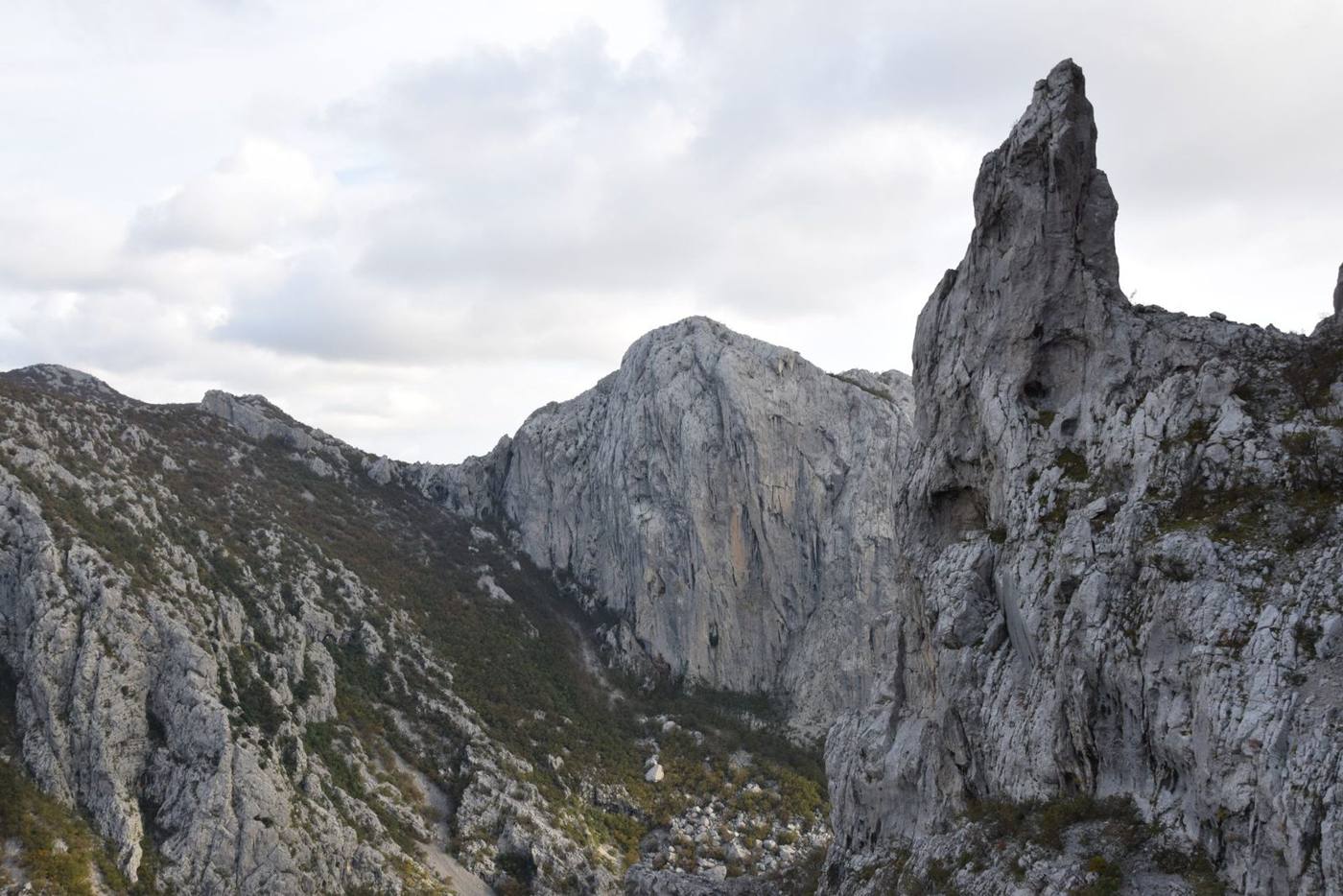
The mountain above the sea: the canyons of Paklenica, the refuges of northern Velebit and the Premužić trail with views over the islands.
 14 daysEasy
The complete Croatia
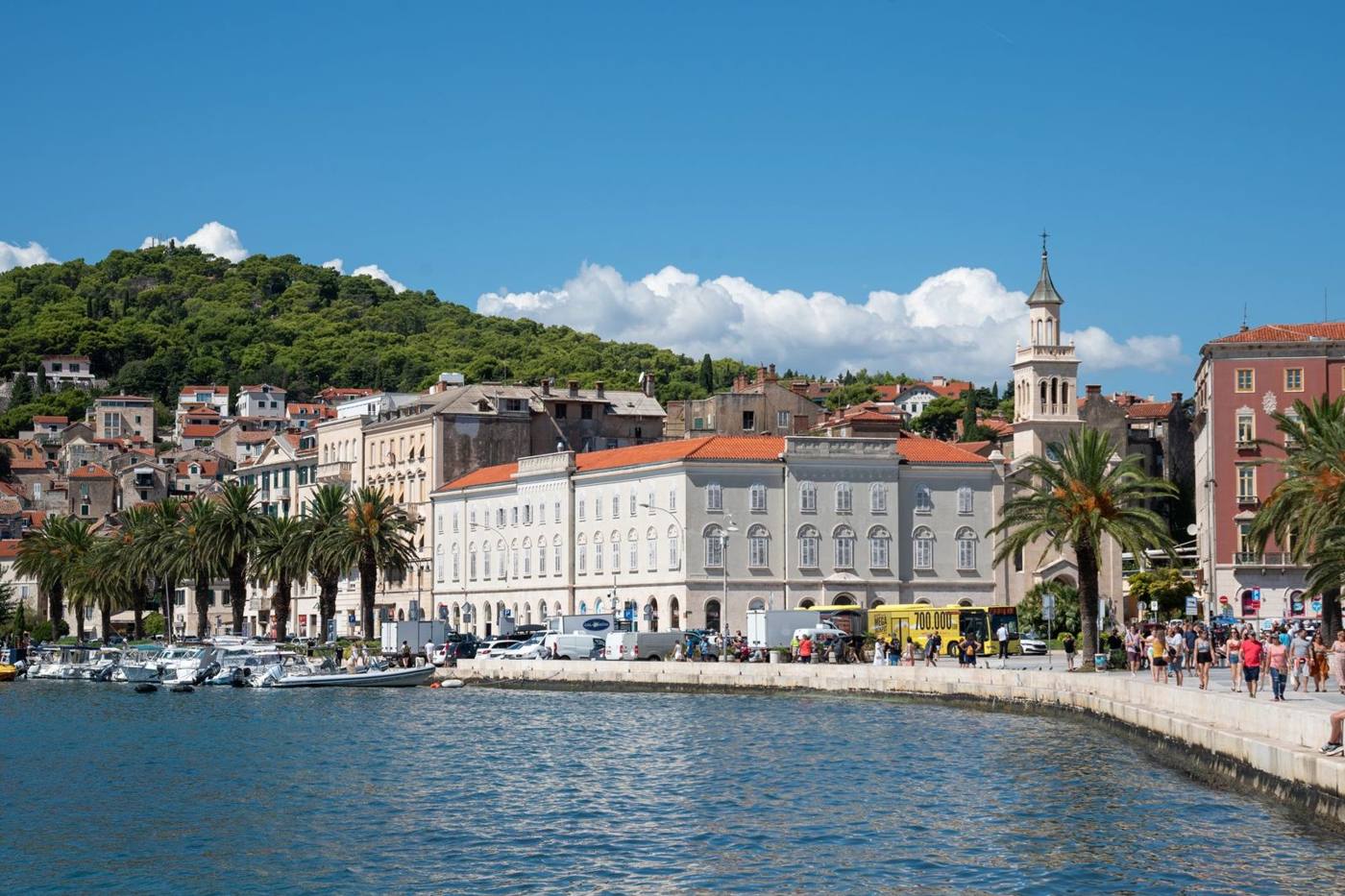
From Zagreb to Dubrovnik in two weeks: Plitvice, Istria, Zadar, Krka, Split, Hvar and Korčula.