Grande Comore and Mohéli
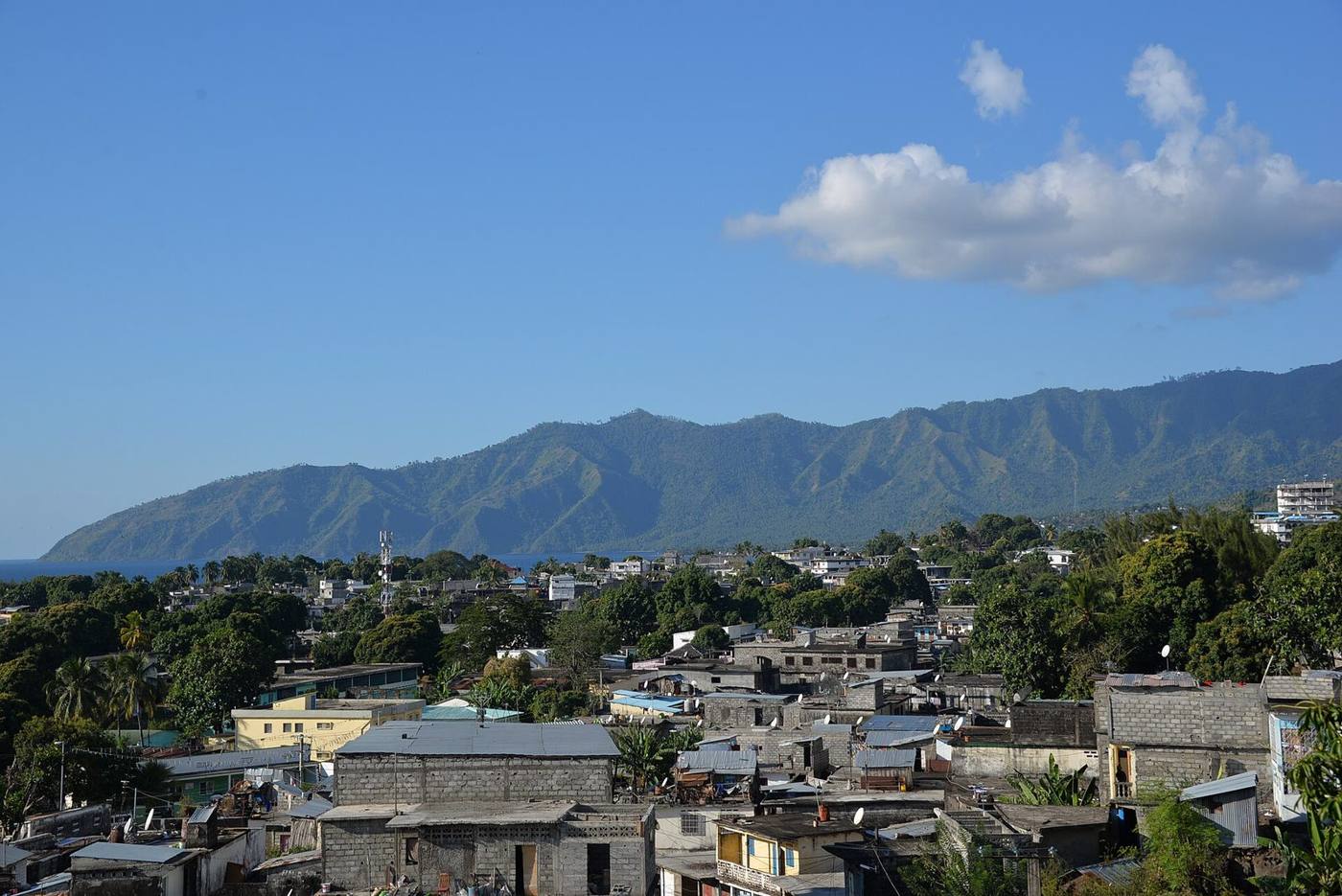
Moroni's medina, Karthala volcano and the Mohéli marine park with green turtles nesting every night and whales in season.
- Moroni
- Karthala
- Mohéli
- Itsamia
- Nioumachoua
Day by day
- Day 1
Moroni and the old Friday mosque
This six-day trip combines two islands of the Comoros: Grande Comore, with the capital Moroni and the great Karthala volcano, and Mohéli, the smallest and wildest, with its marine national park, green turtles nesting on the beaches and the islets of Nioumachoua. They are islands with almost no tourists, unspoilt nature and Swahili culture.
Before you go: Italian citizens need a visa, issued on arrival at the airport for about 30 euros, with a passport valid for at least six months. Other nationalities should check their own rules. Since May 2026 there have been protests and clashes over fuel price rises, especially in Moroni and on Anjouan: stay away from demonstrations and crowds, which sometimes also block the road to the airport. Boat links between the islands are advised against: use domestic flights. Malaria, dengue and cholera are present: ask your doctor and drink only bottled water.
You land at the international airport, north of the capital, and in half an hour you are in Moroni. In the afternoon walk through the medina, a tangle of narrow alleys with houses of volcanic stone, carved doors and small squares.
On the old harbour, where wooden boats are pulled up on shore, stands the old Friday mosque, white, with arches and a minaret, the symbol of the city. Look at it from outside at sunset, when the light falls on the white walls and the faithful arrive for prayer.
Practical tip: the Comoros are a conservative Muslim country. Away from the beaches dress with shoulders and legs covered, and enter mosques only if invited.
- Day 2
Towards Karthala with a guide
Today you climb the slopes of Karthala, the active volcano that dominates Grande Comore, 2,361 metres high, with one of the largest craters in the world among active volcanoes. The British government notes that the last eruption was in 2007: before setting off, ask for the latest news on the state of the volcano.
Leave at dawn with a local guide and a driver for one of the villages at the start of the path, above Moroni. The climb crosses fields first and then a humid forest of tree ferns, mosses and large trees, home to birds found nowhere else. Higher up the forest gives way to low vegetation and fields of lava.
The full climb to the crater rim is long and tiring and usually takes a whole day or a night in a tent at altitude. If you have only one day, climb with the guide to the edge of the forest or as far as your legs and time allow: the views of the coast and the ocean already repay the effort.
In the afternoon, on the way down, stop on the north coast to see the Lac Salé, a crater filled with green water near the sea, and the beach at Mitsamiouli, with white sand and black rocks.
Practical tip: there is no water on Karthala. Carry at least three litres each, plus food, a jacket and sun cream, and never climb without a guide.
- Day 3
The flight to Mohéli and Fomboni
Today you fly to Mohéli, the smallest and least populated of the three islands. The domestic flight from Moroni is short, but times change often: arrive early at the airport and be patient.
You land near Fomboni, the main town, a quiet place by the sea, with a small harbour, a market and streets with more goats than cars. Mohéli is the greenest of the Comoros, with forest-covered hills, isolated beaches and villages where life still follows the rhythm of fishing and farming.
In the afternoon take a car with driver along the coast road heading south. The landscape is made of coconut palms, sandy bays, mangroves and small villages. The further you get from Fomboni, the more the island seems outside time.
The south of the island and its waters form Mohéli National Park, which protects coral reefs, seagrass beds, mangroves and turtle nesting beaches. The park works with the villages, which run the welcome for visitors. Settle in for three nights in one of the park villages, in simple accommodation, often with limited electricity.
In the evening listen to the sounds of the forest: a large and rare flying fox, Livingstone's fruit bat, lives on Mohéli and Anjouan.
Practical tip: bring a head torch, spare batteries and cash in Comorian francs or euros in small notes, because there are no reliable cash machines on Mohéli outside Fomboni.
- Day 4
The turtles of Itsamia
Today is turtle day. Itsamia is a village on the south-eastern tip of Mohéli, facing a series of beaches where green turtles come to lay their eggs almost every night of the year. It is one of the most important nesting sites in the western Indian Ocean.
During the day walk on the beach, look at the tracks the turtles left in the night, like those of a small tracked vehicle, and the nests dug in the sand. Talk with the village guides, who have protected the animals for years and explain their life: females come back to lay on the same beach where they were born.
In the evening, after dark, go out with a local guide. You walk in silence on the sand, without lights, until the guide finds a turtle coming up from the sea. You watch from close by, but without disturbing her, as she digs the hole with her back flippers and lays dozens of eggs. Sometimes, with a little luck, you also see hatchlings emerging from the nest and running towards the waves.
The rules are simple: no torches or flash, no noise, no contact with the animals and keep away from the turtle's head.
Practical tip: cover up with long clothes and repellent, because there are mosquitoes on the beach in the evening, and remember that malaria is present on all the islands.
- Day 5
The islets of Nioumachoua
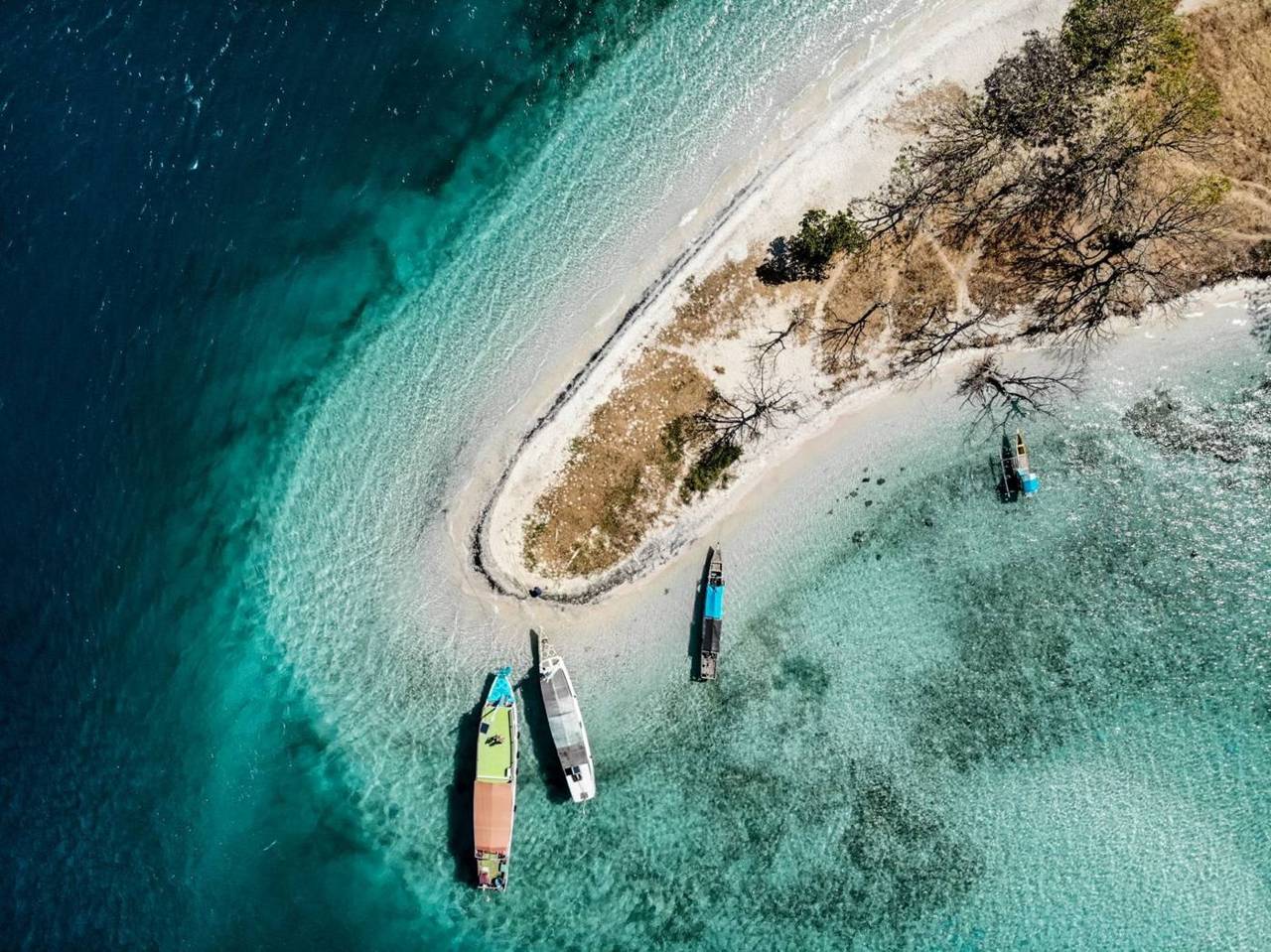
Today you go out by boat to the islets of Nioumachoua, a group of small rocky, green islands facing the village of the same name, on the south coast of Mohéli. They are part of the national park and are surrounded by turquoise water and coral reefs.
Leave in the morning on a fishermen's boat from the village, with a park guide. The crossing is short. Land on one of the white beaches of the islets, walk among the rocks and then snorkel on the reef: you see corals, parrotfish, surgeonfish and often turtles grazing on the seagrass.
Between July and October humpback whales come to the waters around Mohéli to give birth and raise their calves. If you are here in those months, watch the sea: it is not unusual to see the blows and breaches of whales. Always watch from a distance, without chasing them with the boat.
In the afternoon return to the village and rest in the shade of the palms. If you have energy, walk to a viewpoint in the hills to see the islets from above at sunset.
Practical tip: check that the boat has life jackets for everyone and that the sea is calm. Do not go out in strong wind, and bring water, a hat and a T-shirt to protect you from the sun in the water.
- Day 6
Back to Moroni
On the last day you leave Mohéli. If your flight leaves late, take a last walk on the beach or in the village in the morning, then return to Fomboni along the coast road. Before leaving visit the market, where dried fish, fruit, spices and vanilla are sold.
Take the domestic flight to Moroni. If you have time before your international departure, walk again along the old harbour and through the medina, or buy vanilla, cloves and ylang-ylang oil, the typical products of the islands.
In six days you have seen two very different islands of the Comoros: Moroni, with its medina and the old Friday mosque, the slopes of Karthala and the north coast of Grande Comore, then Mohéli, with its national park, the green turtles of Itsamia and the islets of Nioumachoua. It is a trip for nature lovers who accept simple services, irregular flights and a slow pace.
When to go: the best months are May to October, in the dry and cooler season, with a calm sea and, from July, the whales. From November to April it is hot and very rainy, with a risk of cyclones.
Practical tip: do not book your international flight on the same day as your return from Mohéli. A spare day in Moroni protects you from cancelled domestic flights.
Islands with almost no tourists, untouched nature and Swahili culture. Domestic flights are irregular. It is a conservative Muslim country: dress modestly away from the beaches.
Before you go
- Documents and visa
- Passport valid for at least six months on entry. A visa is compulsory and is issued on arrival at the airport, for about 30 euros for one month.
- Health and vaccines
- No vaccinations are compulsory. Malaria is present almost everywhere and dengue is endemic: ask your doctor about prevention and protect yourself from mosquitoes. Cholera and typhoid are also present: drink only bottled water. Medical care is limited and serious cases need evacuation: you need insurance with repatriation.
- Money and payments
- Comorian franc, with a fixed exchange rate to the euro. You pay in cash; shopkeepers often accept euros in small notes. Cards are rarely accepted and cash machines are scarce.
- Power sockets
- Type C and E, 220 volts: you need an adapter for British plugs. Power cuts are frequent.
- Time zone
- UTC+3 all year.
- Safety
- There are no areas advised against, but since May 2026 there have been protests and clashes over fuel price rises, especially in Moroni and on Anjouan, with at least one death in Mutsamudu: stay away from demonstrations and crowds. Boat links between the islands are advised against: use domestic flights. Do not walk alone after dark. A conservative Muslim country: dress modestly. Official advice: GOV.UK.
Information checked in November 2026 for Italian and EU citizens. Rules change: always check before you travel.
Variations
In 4 days: Moroni and the flight to Mohéli, with a night in Itsamia for the turtles and the return, without Karthala.
In 9 days: add three days on Anjouan, with the medina of Mutsamudu, the ylang-ylang distilleries and the Dziancoundré waterfall.
Frequently asked questions
Can you climb Karthala in a day?
The climb to the crater is long and tiring and usually takes a whole day or a night in a tent. With only one day you climb with a guide into the forest and as far as time allows. The volcano is active: check its state before setting off.
When can you see the turtles on Mohéli?
Green turtles nest at Itsamia almost all year round, at night. Go with a village guide, without lights or flash and without touching the animals.
How do you travel between the islands?
By domestic flights, small and often irregular. Boat links between the islands are advised against because vessels are often overloaded and without life jackets.
Indicative itinerary written by World Atlas. Before booking, check timetables, seasonal openings, documents and safety.