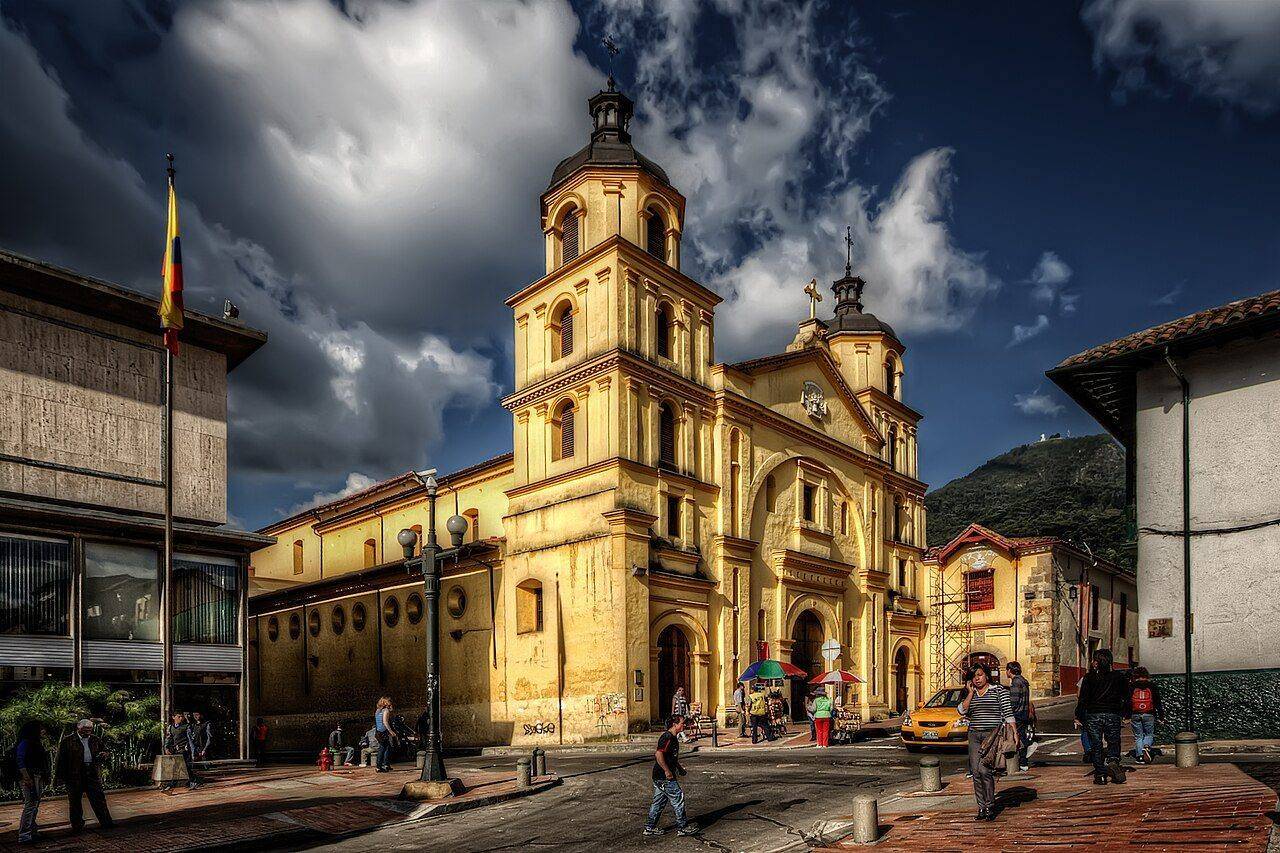
Bogotá in depth
The capital at 2,600 metres: the colonial Candelaria district, the Gold Museum with thousands of pre-Hispanic pieces, the Botero Museum, Monserrate sanctuary by cable car, the downtown murals, Paloquemao market with fruits you have never seen and Usaquén on a Sunday.
- Bogotá
- Candelaria
- Monserrate
- Usaquén
Day by day
- Day 1
La Candelaria, Plaza Bolívar and the Botero Museum
To enter Colombia you need a valid passport; EU citizens need no visa for tourist stays of up to ninety days, but must complete the online Check-MIG form in the days before departure. Check the rules for your nationality.
Bogotá, Colombia's capital, sits on an Andean plateau at about 2,600 metres, at the foot of green mountains. The climate is cool all year, with mild days and cold evenings, and the weather changes often. It is a huge, lively city with world-class museums, street art, markets and a growing food scene. In the first days you feel the altitude: walk slowly and drink plenty of water.
In the morning visit La Candelaria, the colonial district, with low houses painted in bright colours, wooden balconies, steep streets and churches. Its heart is Plaza Bolívar, with the National Capitol, the Primatial Cathedral, the Palace of Justice and the city hall, and plenty of pigeons. Nearby is the Chorro de Quevedo, the little square where tradition says the city was founded in 1538, now a meeting place for students and street artists.
In the afternoon visit the Botero Museum, no-cost to enter, in a colonial house with a courtyard. The Colombian painter and sculptor Fernando Botero, famous for his round, voluminous figures, donated more than a hundred of his works to the city along with a collection of international artists including Picasso, Monet, Renoir, Dalí and Miró. Next door are other linked museums, such as the Casa de Moneda.
In the evening try ajiaco, Bogotá's typical soup with chicken, three kinds of potato, corn and capers.
Practical tip: in La Candelaria at night, get around by app taxi and do not show your phone in the street.
- Day 2
The Gold Museum and a guided street art tour
In the morning visit the Gold Museum of the Bank of the Republic, one of South America's most important museums, with more than thirty thousand objects of gold and tumbaga, an alloy of gold and copper, made by Colombia's indigenous cultures before the Spanish arrived. You see necklaces, earrings, masks, breastplates, figures of people and animals and ceremonial objects, worked with refined techniques. The most famous piece is the Muisca raft, a small gold sculpture showing the ceremony on Lake Guatavita at the origin of the El Dorado legend: the new chief, covered in gold dust, threw gold and precious stones into the lake as an offering. At the end, the dark Offering Room suddenly lights up to reveal hundreds of gold objects. The museum is closed on Mondays.
In the afternoon join a guided street art tour, very popular in Bogotá, of about two or three hours on foot in the centre and nearby districts. The city has become one of the world's street art capitals after the death in 2011 of a young graffiti artist, shot by police while painting, led the city to allow and support street art. Guides, often artists themselves, explain the symbols, the political and social themes, the artists' stories and techniques. Many tours work on a tips basis.
In the evening try chicha, a traditional fermented corn drink, in the streets of La Candelaria.
Practical tip: the weather changes quickly; always carry a light raincoat and a sweater.
- Day 3
Monserrate in the morning and Paloquemao market
Early in the morning go to Paloquemao market, the city's largest and most colourful, selling fruit, vegetables, meat, fish, herbs and flowers. The flower section is most spectacular at dawn, especially on Fridays, with mountains of roses, orchids, lilies and tropical flowers: Colombia is one of the world's biggest flower exporters. Inside you can taste little-known tropical fruits such as soursop, lulo, pitahaya, passion fruit, granadilla and uchuva, and a typical breakfast of tamal, corn dough with meat and vegetables cooked in banana leaves, and hot chocolate with cheese.
Then go up Monserrate, the mountain overlooking the city at over 3,100 metres, by funicular or cable car. At the top is the sanctuary of the Señor Caído, a pilgrimage site, with gardens and a view over the whole of Bogotá stretching endlessly across the plain. You can also climb on foot by a stepped path in about an hour and a half, but it is tiring at this altitude and open only at certain times; many locals do it on Sundays for exercise.
In the afternoon come down and visit the Quinta de Bolívar, the villa and garden where Simón Bolívar, the liberator of South America, lived, at the foot of the mountain.
In the evening explore the Zona G or Zona T, the districts of the new city with their bars and restaurants.
Practical tip: go up Monserrate early, when the sky is clearest; clouds often roll in during the afternoon.
- Day 4
Usaquén and its market, then departure
In the morning head to Usaquén, north of the city, an old colonial village absorbed by Bogotá that has kept its main square with the white church of Santa Bárbara, low houses with tiled roofs and stone streets. Today it is an elegant, quiet district with cafés, galleries and design shops.
On Sundays the streets around the square host the Usaquén flea and craft market, one of the city's most famous, with hundreds of stalls of handmade goods, jewellery, bags, textiles, ceramics, wooden toys, antiques and street food. There are musicians and street performers too. If you are not in Bogotá on a Sunday, the district is still worth a stroll.
In the afternoon, before departure, you can visit the José Celestino Mutis Botanical Garden, with orchid greenhouses and plants from Colombia's different regions, from Andean forests to tropical rainforest, or take a last walk in Simón Bolívar Park, the city's great park.
El Dorado International Airport lies west of the city, about half an hour to an hour from the centre depending on traffic, which in Bogotá is very heavy at rush hour.
Things to take home: Colombian coffee, chocolate, Wayuu mochila bags, vueltiao hats, emeralds only with a certificate, and Ráquira ceramics.
Practical tip: buy emeralds only from authorised shops, with a certificate. Check your government's travel advice before leaving.
The altitude is felt in the first days: walk slowly and drink plenty. Use app-booked taxis, not street ones; in the Candelaria at night stay on busy streets. The Gold Museum is at no cost on Sundays. EU citizens enter without a visa for up to 90 days with a passport and must fill in the Check-MIG migration form online before the flight. The US keeps Colombia at level 3 and advises against all travel to Arauca, Cauca (except Popayán), Valle del Cauca (except Cali), Norte de Santander and the 10 km strip along the Venezuelan border: this itinerary stays outside those areas.
Before you go
- Documents and visa
- Valid passport; no visa for tourism up to 90 days for EU citizens. Before the flight, between 72 hours and one hour before departure, you fill in the no-cost Check-MIG form online.
- Health and vaccines
- No compulsory vaccines arriving from Europe; yellow fever is recommended for forest areas and some parks. Protect yourself against mosquitoes because of dengue. In Bogotá, at 2,600 metres, the altitude is noticeable. Emergencies: 123.
- Money and payments
- Colombian peso. Cards work in cities; use cash machines inside banks or shopping centres, by day.
- Power sockets
- Types A and B, 110 volts: you need an adapter and devices must accept 110 volts.
- Time zone
- UTC-5 all year: Colombia does not use daylight saving time.
- Safety
- The United States rates Colombia level 3 for crime and terrorism, with level 4 for Arauca, Cauca except Popayán, Valle del Cauca except Cali, Norte de Santander and 10 km from the Venezuelan border. Use app taxis and never accept drinks from strangers. Official advice: GOV.UK.
Information checked in November 2026 for Italian and EU citizens. Rules change: always check before you travel.
Variations
In 2 days: La Candelaria, the Botero Museum and the Gold Museum on day one, Monserrate and Paloquemao on day two.
In 6 days: add the Zipaquirá salt cathedral and the colonial village of Villa de Leyva.
Frequently asked questions
What do I need to enter Colombia?
A valid passport and the online Check-MIG form in the days before departure; EU citizens need no visa for tourism up to ninety days.
Is Bogotá's altitude a problem?
At about 2,600 metres you may feel it in the first days: walk slowly, drink plenty of water and limit alcohol.
Is Bogotá safe?
With care, yes: use app taxis, don't show your phone, avoid deserted parts of La Candelaria at night and follow official advice.
Indicative itinerary written by World Atlas. Before booking, check timetables, seasonal openings, documents and safety.
 4 daysEasy
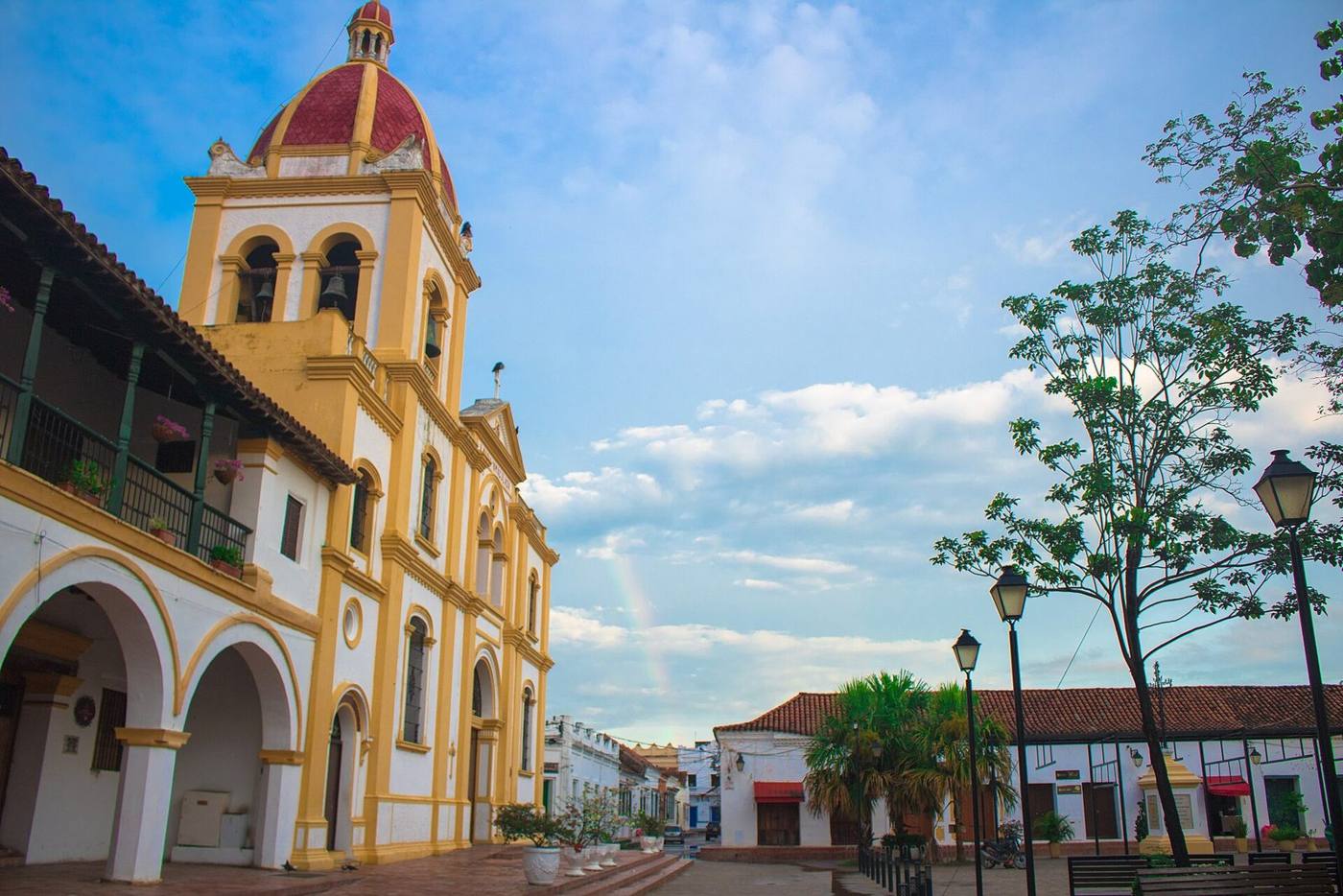
Mompox, the town on the river
The colonial town frozen in time on a branch of the Magdalena River, a UNESCO site: yellow-painted churches, houses with wrought-iron grilles, silver filigree workshops, the Holy Week processions and a dawn boat trip through the Ciénaga de Pijiño wetlands.
 6 daysEasy
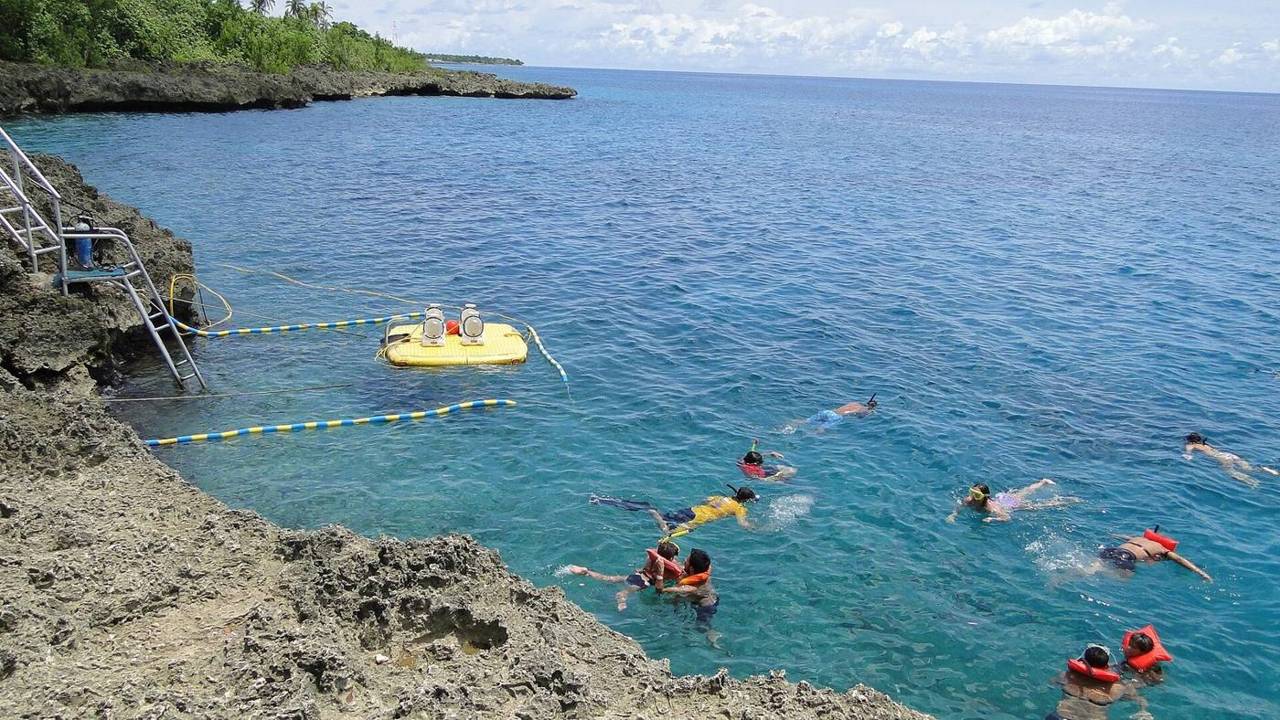
San Andrés and Providencia
Colombia's Caribbean islands, closer to Nicaragua than to Bogotá: the sea of seven colours around San Andrés, Johnny Cay and the natural aquarium, then Providencia, a quiet island of Raizal culture, with its barrier reef and McBean Lagoon marine park.
 5 daysEasy
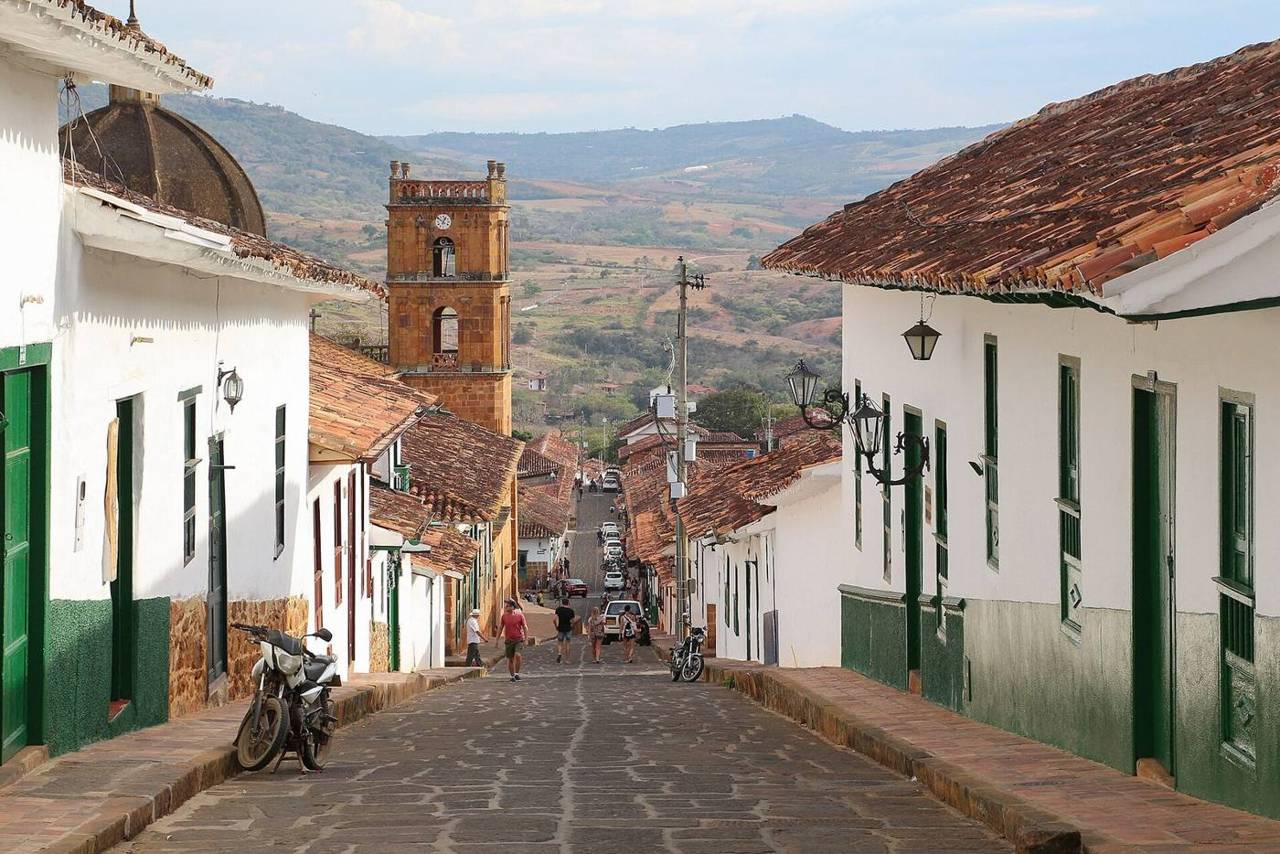
Santander: Barichara, San Gil and the Chicamocha canyon
The adventure department: Barichara, perhaps the country's most beautiful colonial village, the Camino Real on foot to Guane, rafting and the Juan Curí falls around San Gil, and the cable car over the Chicamocha canyon, one of the deepest in South America.