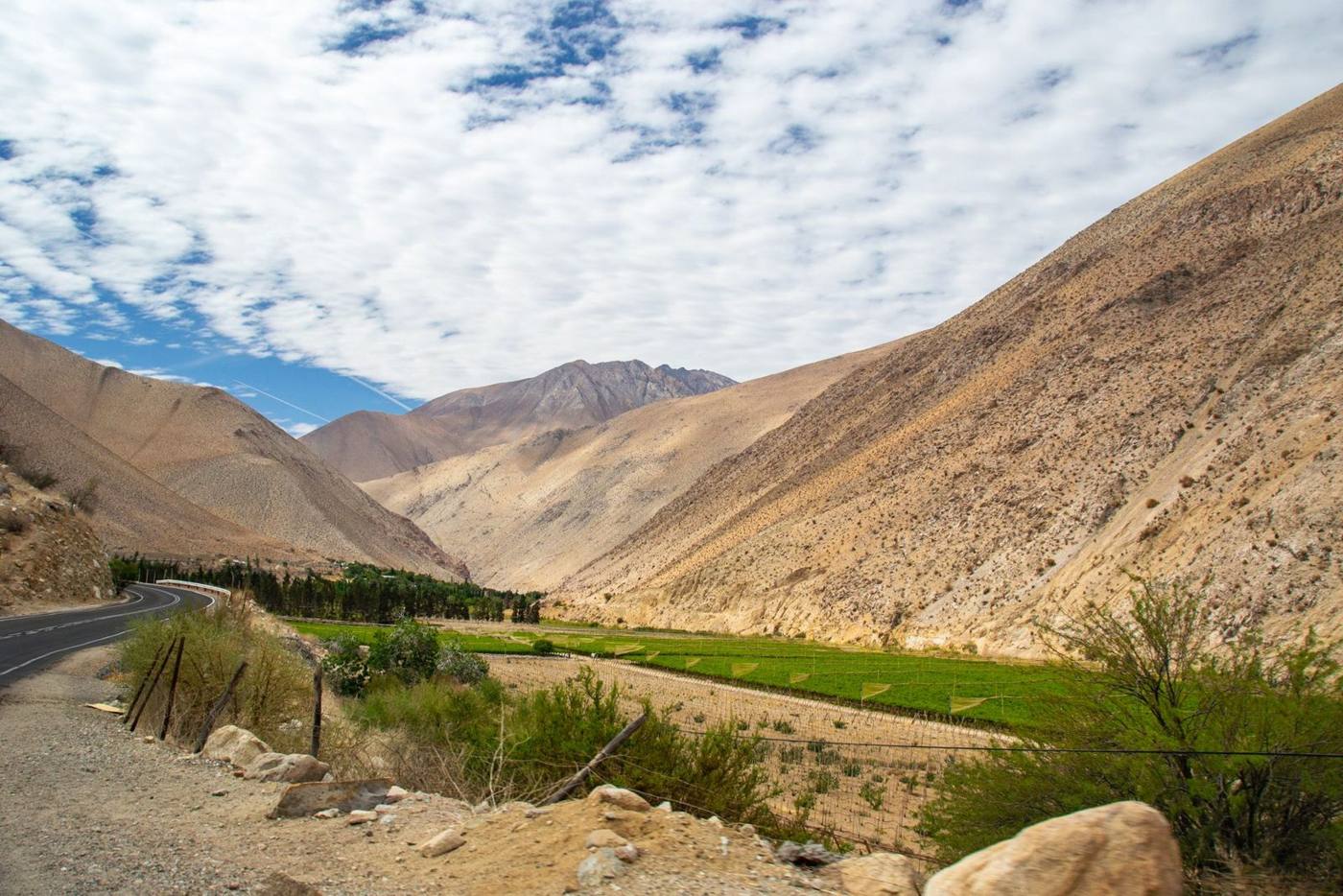
The Elqui Valley and the stars
A valley of vineyards and pisco distilleries, the clearest skies in South America and the coast of the Humboldt penguins.
- La Serena
- Vicuña
- Pisco Elqui
- Punta de Choros
Day by day
- Day 1
The flight to La Serena and the city
To enter Chile you need a valid passport; EU citizens need no visa for tourist stays of up to ninety days. Check the rules for your nationality.
The Coquimbo region, in northern Chile between the Atacama Desert and the central zone, has some of the clearest skies in the world: that is why some of the planet's largest astronomical observatories stand here and in nearby regions. This trip combines the stars of the Elqui valley, the vineyards and pisco distilleries, and the Pacific coast with penguins and dolphins.
In the morning fly from Santiago to La Serena, about an hour; by bus it takes about six or seven hours. La Serena, founded in 1544, is Chile's second oldest city, with a quiet old town of stone churches, tree-lined squares and colonial houses, rebuilt in neo-colonial style in the mid-twentieth century.
In the afternoon visit the Plaza de Armas, with the cathedral, the church of San Francisco, one of the city's oldest, and La Recova market, with stalls of Chilean papaya, a small fragrant papaya grown in this region, dried fruit, sweets and crafts. Then stroll through the Japanese garden Kokoro No Niwa, the garden of the heart, with ponds and bridges.
Towards evening reach the Avenida del Mar, the seafront with its long sandy beach and the monumental lighthouse, the city's symbol, and watch the sunset over the ocean. Across the bay you see Coquimbo, with the Cross of the Third Millennium, more than eighty metres tall.
Practical tip: the coast is often covered in the morning by a low mist called camanchaca; the sun usually comes out around midday.
- Day 2
Vicuña, the Elqui valley and the first night of stars
In the morning drive east into the Elqui valley, a narrow green valley between arid, bare mountains, with the Elqui River running along the bottom amid vineyards and papaya and avocado orchards. After about an hour you reach Vicuña, the valley's main town, quiet, with a square and a church. The poet Gabriela Mistral was born here in 1889, the first Latin American writer to win the Nobel Prize in Literature, in 1945; the museum dedicated to her tells her life story, with a reconstruction of the house where she was born. On the square stands the Bauer Tower, an odd red wooden tower in Bavarian style.
In the afternoon visit a pisco distillery, the grape brandy typical of Chile and Peru, made by distilling wine from muscat grapes. The visit explains the harvest, fermentation, distillation in copper stills and ageing in wooden casks, and ends with a tasting. In Chile pisco is drunk mainly as pisco sour, with lemon juice and sugar, or mixed with cola.
In the evening join a guided visit at one of the valley's tourist observatories, open to the public: through telescopes you observe the Moon, planets, nebulae and star clusters, and guides explain the constellations of the southern sky, such as the Southern Cross, and the Magellanic Clouds, two small neighbouring galaxies visible to the naked eye.
Practical tip: the best stargazing nights are those without a Moon; check the lunar calendar and book visits in advance.
- Day 3
Pisco Elqui, the vineyards and the second night of stargazing
In the morning drive up the valley to Pisco Elqui, about forty minutes from Vicuña, a small village at the end of the paved road at about 1,300 metres, surrounded by ochre mountains and terraced vineyards. Its name was changed in 1936 to stress the Chilean origin of pisco, disputed with Peru. The village has a square with a wooden church, small craft shops and a peaceful atmosphere that has long attracted artists, travellers and meditation enthusiasts, who consider the valley a place of special energy.
Visit one of the village's historic distilleries, among the oldest in Chile, then continue to Horcón and Alcohuaz, in the upper valley called the Cochiguaz valley, with mud houses and small-scale production of fruit, honey and natural wine. Along the river there are paths among the trees and small beaches to cool off.
In the afternoon try a horse ride or a bike ride through the vineyards, or rest by the river.
In the evening do a second, different stargazing session: some lodgings and guides in the valley organise open-air sky watching with telescopes and loungers, with no buildings around, or astrophotography sessions. In 2015 part of the nearby mountains was recognised as the world's first International Dark Sky Sanctuary, protecting the natural darkness of the night.
Practical tip: nights in the valley are cold even in summer; bring a warm jacket for stargazing.
- Day 4
Punta de Choros and the Humboldt Penguin Reserve by boat
In the morning leave La Serena early heading north on the Pan-American Highway and then a minor road through the coastal desert to Punta de Choros, a small fishing village, about two hours away. The landscape is arid, with cacti and shrubs; in rainy years the area may burst into flower in spring, in the phenomenon called the flowering desert.
From Punta de Choros local fishermen's boats head for the Humboldt Penguin National Reserve, managed by CONAF, Chile's parks agency, which protects three offshore islands: Choros, Damas and Chañaral. The boat trip around Choros Island takes about two and a half hours. Much of the world's population of Humboldt penguins nests here, an endangered species living only on the coasts of Chile and Peru, along with cormorants, pelicans, boobies and gulls. On the rocks you see sea lion colonies, and in the channel between the islands lives a group of bottlenose dolphins that often approach the boat. Sometimes marine otters and whales are seen too.
Under reserve rules, landing on Damas Island, with a small white sand beach and a trail, is sometimes allowed, but conditions change; ask the boatmen and CONAF.
In the afternoon relax on the beaches near the village and taste the day's fish and seafood, such as machas, small local clams.
Practical tip: boat trips are suspended in rough seas; keep a spare day.
- Day 5
The desert coast and a second day at Punta de Choros
In the morning, if the sea was too rough yesterday, take the reserve boat trip today; otherwise explore the coast around Punta de Choros, a stretch of desert running down to the ocean, with white sand bays, turquoise water and cliffs, almost clear of buildings.
Walk along the beaches to the Los Choros dunes, or drive to Caleta Chañaral de Aceituno, another fishing village further north in the Atacama region, from which boats leave for Chañaral Island and, between December and March, often for whale watching. In this season blue whales, fin whales and humpbacks feed in the sea off the coast, drawn by the plankton of the cold Humboldt Current.
In the afternoon stop at Los Choros, the nearby farming village, with olive groves, some planted centuries ago, and small-scale olive oil production.
In the evening watch the sunset over the ocean: far from the cities, the night sky here is full of stars too, and with luck you see the Milky Way over the sea.
Practical tip: there are few services here, no reliable cash machine and little phone signal; bring cash and fill up with fuel in La Serena. Los Choros is also a good base for a quiet evening walk among the old olive trees, with the desert hills turning pink as the light fades.
- Day 6
Back to La Serena and departure
In the morning head back to La Serena, about two hours. If you have time, stop at Coquimbo, the port city next to La Serena, with colourful houses on the hill, the fishermen's harbour, where sea lions wait for fish scraps beside the stalls, and the fish market. On the hill stands the Cross of the Third Millennium, more than eighty metres tall, with a lift to the top from which you see both cities and the bay. The city also has a large mosque, the Mohammed VI cultural centre, donated by Morocco, with a minaret offering views.
In the afternoon, before your flight, take a last walk on the Avenida del Mar or visit La Serena's archaeological museum, which displays pottery of the Diaguita culture, the people who lived in this region before the Incas, with red, black and white geometric designs, and an original moai brought from Easter Island.
La Serena airport is about ten minutes from the centre, with flights to Santiago in about an hour. International flights leave from Santiago.
Things to take home: Elqui valley pisco, Chilean papaya in syrup, papaya sweets, Los Choros olive oil and lapis lazuli, the blue stone typical of Chile.
Practical tip: pack pisco in your checked luggage, well protected. Check your government's travel advice before leaving.
A perfect add-on to Santiago for lovers of night skies and quiet nature. For the stars, avoid the full moon. The boats at Punta de Choros do not go out in rough seas.
Before you go
- Documents and visa
- Valid passport; no visa for tourism up to 90 days for EU citizens. On arrival you receive the PDI electronic slip, to be kept until you leave.
- Health and vaccines
- No compulsory vaccines arriving from Europe. In the Atacama Desert and the Andes beware of altitude sickness. Emergencies: 131 ambulance, 132 fire, 133 police.
- Money and payments
- Chilean peso. Cards are accepted almost everywhere; carry some cash in parks and villages.
- Power sockets
- Types C and L, 220 volts: European two-pin plugs almost always fit.
- Time zone
- UTC-4 in the southern winter and UTC-3 from September to April. The Magallanes region stays on UTC-3 all year.
- Safety
- The United States rates Chile level 2 for crime and civil unrest, with protests in the Araucanía region. In Santiago and Valparaíso watch out for pickpockets. Official advice: GOV.UK.
Information checked in November 2026 for Italian and EU citizens. Rules change: always check before you travel.
Variations
In 3 days: La Serena on day one, the Elqui valley with a night of stars on day two, Punta de Choros on day three.
In 10 days: add the Atacama Desert, with San Pedro de Atacama and its salt flats, or Fray Jorge National Park with its cloud forest.
Frequently asked questions
What do I need to enter Chile?
A valid passport; EU citizens need no visa for tourist stays of up to ninety days.
When is the best time for stargazing?
On moonless nights or when the Moon is low; skies are clear much of the year, especially in the southern summer.
Are boat trips at Punta de Choros always possible?
No, they are suspended in rough seas; keep a spare day and ask CONAF about the rules for landing on Damas.
Indicative itinerary written by World Atlas. Before booking, check timetables, seasonal openings, documents and safety.
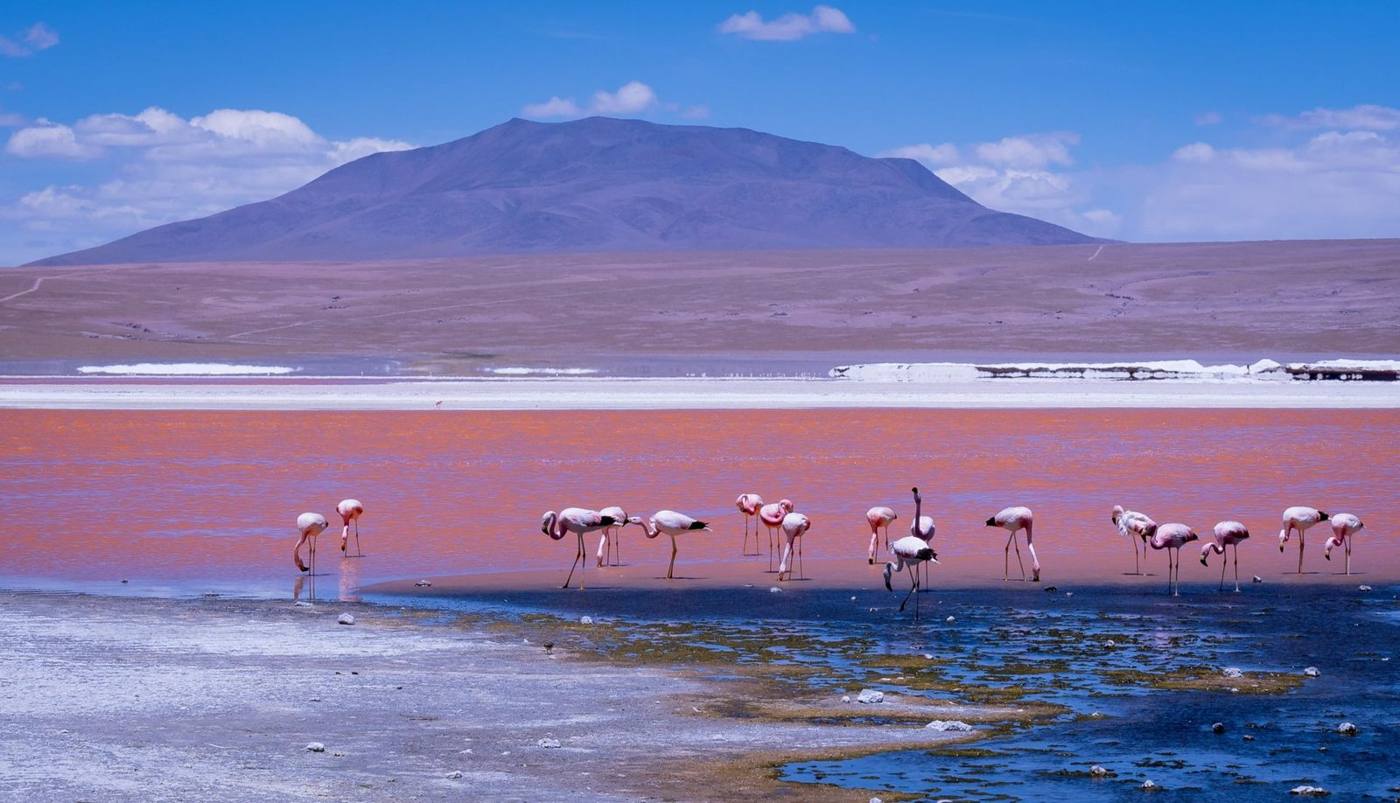 10 daysModerate
Chile and Bolivia, from the Atacama to Uyuni
Three days by 4x4 across the altiplano among red and green lagoons, geysers and flamingos, all the way to the Salar de Uyuni.
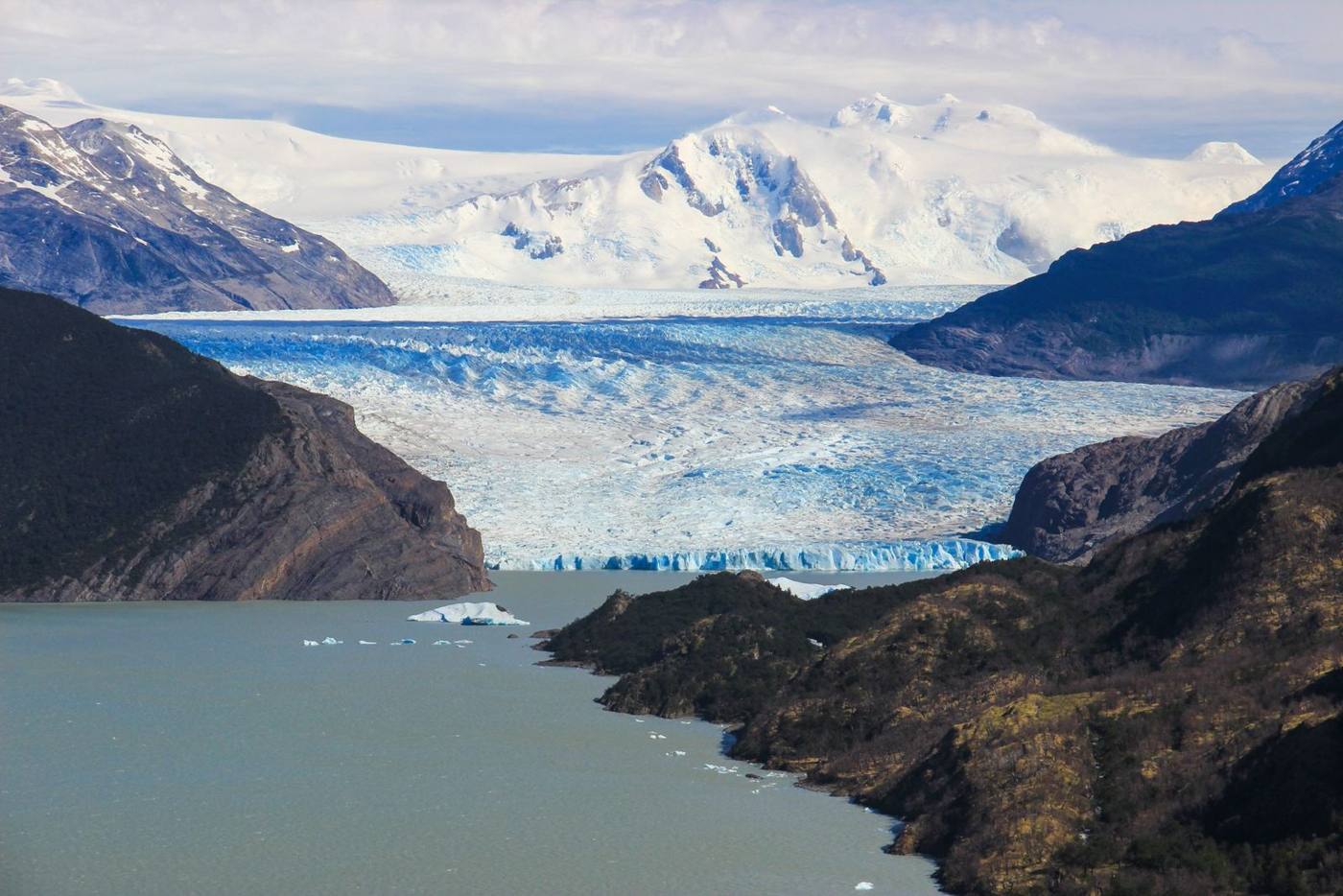 9 daysChallenging
Torres del Paine: the O Circuit
The full loop of the Paine massif, eight days on foot: beyond the classic W, the wild north side, John Gardner Pass with the view over Grey Glacier, lenga forests and glacial lakes, with the towers at dawn as the final stage.
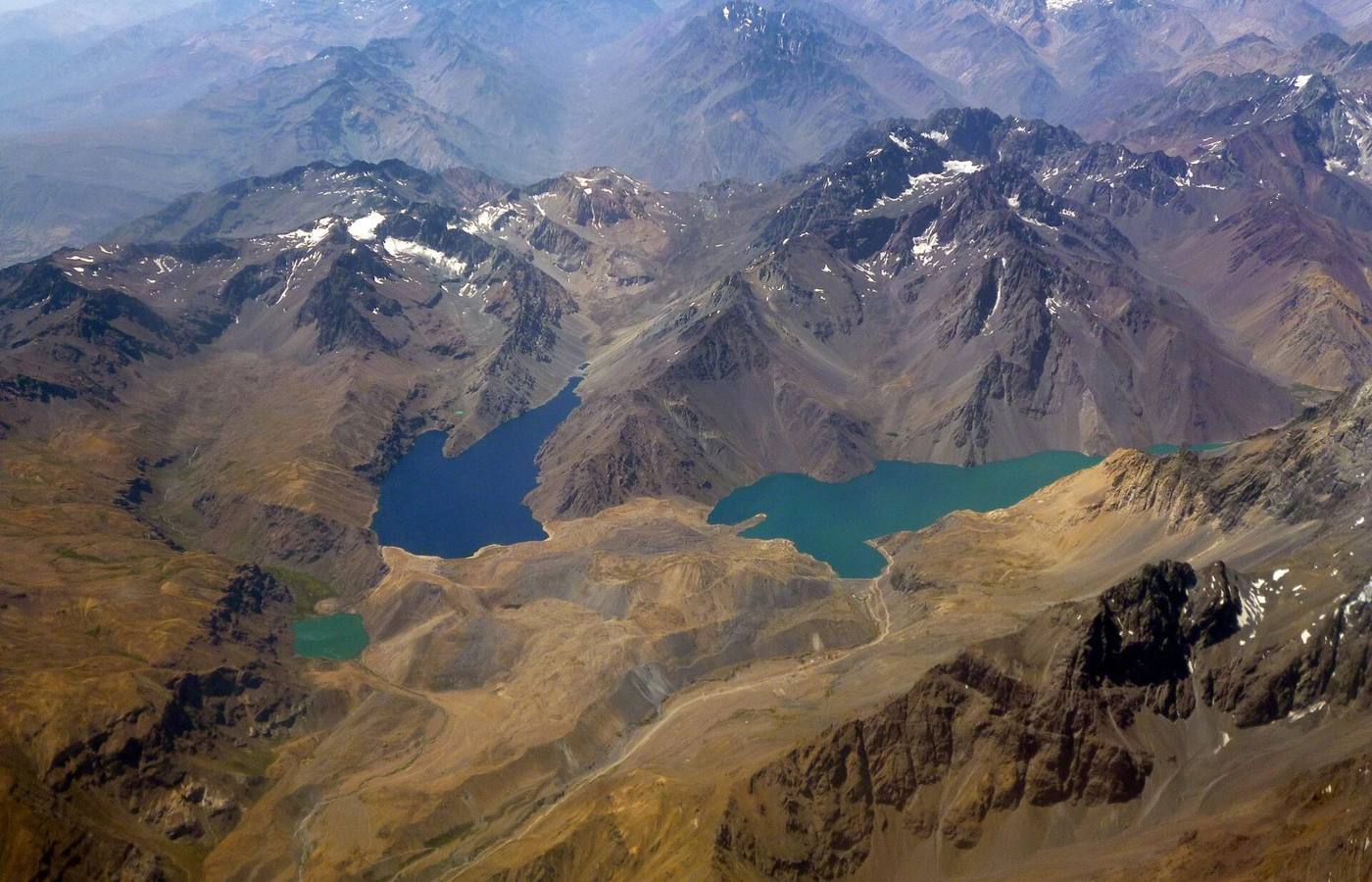 4 daysModerate
Cajón del Maipo and the Andes of Santiago
The Andes an hour and a half from the capital: the Maipo river gorge, the turquoise El Yeso reservoir, the trail to San Francisco Glacier in El Morado Natural Monument, mountain hot springs and rafting on the Maipo.