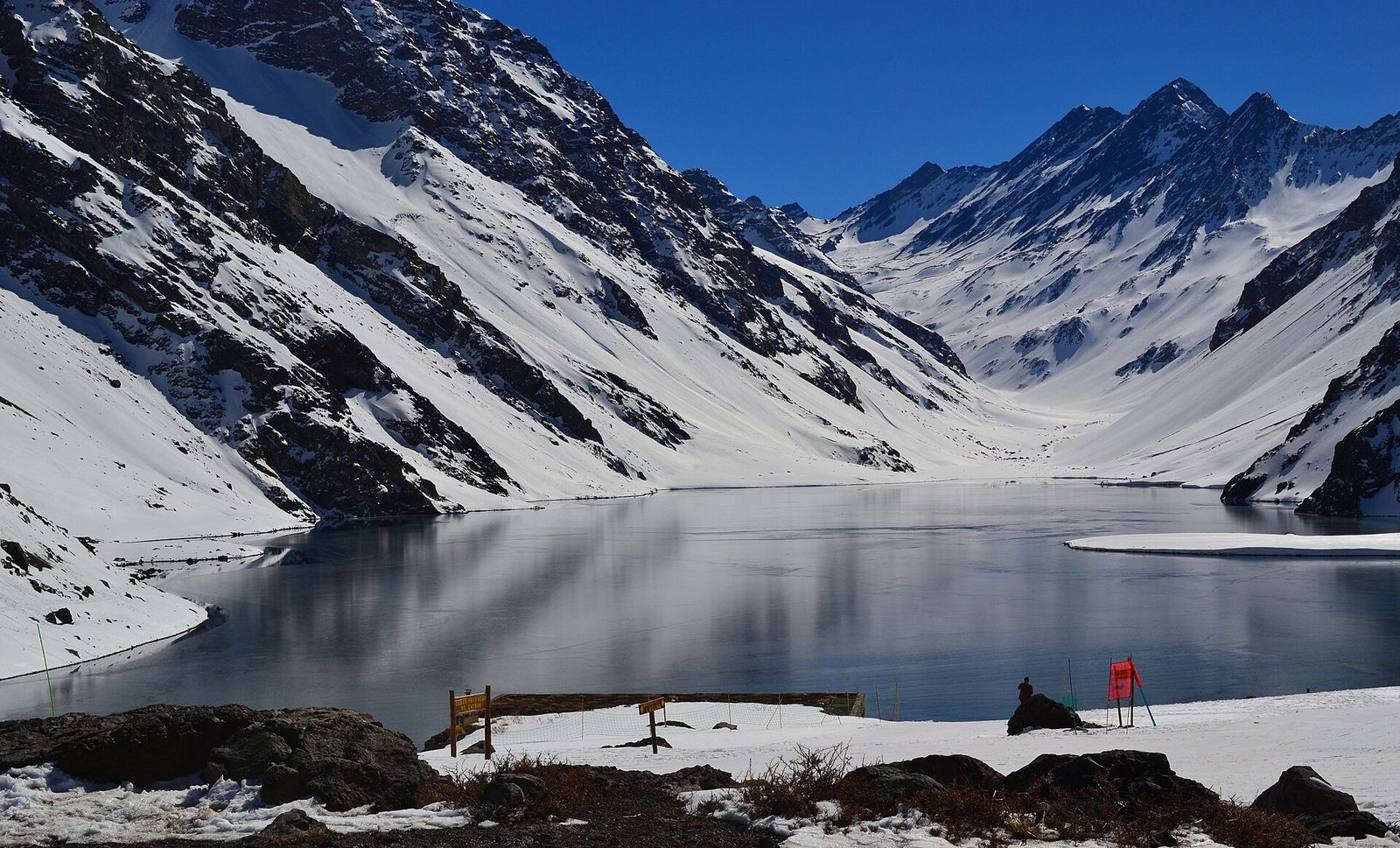
Skiing at Portillo and Valle Nevado
August snow in the southern hemisphere: the slopes of Valle Nevado, La Parva and El Colorado an hour and a half from Santiago, and Portillo, the historic resort on the Laguna del Inca near the Argentine border, below Aconcagua.
- Santiago
- Valle Nevado
- La Parva
- Portillo
- Laguna del Inca
Day by day
- Day 1
Santiago and the drive up to Valle Nevado
The Andes near Santiago de Chile offer one of the few places in the world where you can ski in July and August, during the European summer, on very high mountains less than two hours from a big capital. East of the city, at about three thousand metres, are the linked ski areas of Valle Nevado, La Parva and El Colorado, and further north, on the road to Argentina, Portillo, the oldest and most famous ski resort in South America, on the Laguna del Inca. The snow is often dry and the sky clear, with huge views over the Andean peaks. In six days you ski at Valle Nevado, La Parva, El Colorado and Portillo.
You arrive at Santiago airport with direct flights from Europe. The ski season usually runs from mid-June to late September, depending on snow.
In the morning, after arriving, drive up to Valle Nevado on the mountain road from the eastern outskirts of Santiago, in about an hour and a half to two hours. The road has dozens of numbered hairpins climbing quickly from the Mapocho valley to over three thousand metres, with the city falling away below. In winter the ascent is regulated: at some hours traffic goes up and at others down, and chains may be needed.
In the afternoon, settle in, rent your equipment and take a short walk to get used to the altitude. At sunset the peaks turn pink above the clouds.
In the evening, sleep in Valle Nevado.
Practical tip: Italian citizens enter Chile without a visa for up to 90 days. The United States has Chile at level 2. At three thousand metres, drink plenty of water and take it easy on the first day.
- Day 2
The slopes of Valle Nevado
In the morning, start skiing at Valle Nevado, the most modern resort in the area, built in the 1980s, with wide runs descending from about 3,670 metres. The runs suit all levels, with beginner areas near the hotels and steeper slopes and off-piste for experts, on great open treeless slopes.
From the top of the highest lifts, on clear days, you see Cerro El Plomo, the sacred mountain of the Inca, about 5,400 metres high, where in 1954 the mummy of an Inca child sacrificed centuries ago was found, now kept in Santiago. Further away you see Aconcagua, in Argentina, the highest mountain in the Americas.
At midday, have lunch at one of the mountain restaurants, with views over the Andes.
In the afternoon, if you like snowboarding, try the terrain park with jumps and features. For those who want it, heli-skiing trips are organised in the area, with a helicopter taking you to untouched peaks to ski down through fresh snow, only with experienced mountain guides.
At the end of the day, relax in a heated outdoor pool with views of the snowy mountains.
In the evening, sleep in Valle Nevado.
Practical tip: at altitude the sun is extremely strong and the glare from the snow very intense. Use high-factor sunscreen, sunglasses or goggles, and protect your lips.
- Day 3
La Parva and El Colorado
Today, ski the neighbouring areas of La Parva and El Colorado, linked to Valle Nevado by lifts and runs, with the same ticket or a combined one, depending on the season's rules. Together they form one of the largest ski areas in South America.
La Parva is the favourite resort of Santiago families, with private houses and chalets, steep runs on the slope facing the city and a spectacular view of the Santiago valley from above. La Parva's runs are considered among the most demanding in the area, with couloirs and steep slopes.
El Colorado is the largest resort by number of runs, with the village of Farellones, the oldest in the area, where in the 1930s a group of enthusiasts built the first mountain hut. The runs are varied, with areas for beginners and experts.
In the afternoon, if your legs are tired, take a snowshoe walk or a sledge ride, or rest in the sun on a terrace.
In the evening, in Farellones or Valle Nevado, taste Chilean wine, especially carménère, a grape of French origin that almost vanished in Europe and was rediscovered in Chile.
In the evening, sleep in Valle Nevado or Farellones.
Practical tip: the weather at altitude can change quickly, with whiteouts that close the lifts. Check every morning which lifts are open and the condition of the runs.
- Day 4
Transfer to Portillo
In the morning, go down to Santiago and continue north towards Los Andes and the Cristo Redentor pass, the main road between Chile and Argentina, in about three hours in all. The road climbs the Aconcagua river valley and then tackles the Caracoles, a series of twenty-nine very tight hairpins one above the other, climbing the mountain like a snake.
Portillo lies at about 2,880 metres, just before the Argentine border, on the shore of the Laguna del Inca. It opened as a ski resort in the 1940s, near the old Trans-Andean railway, and in 1966 it hosted the Alpine World Ski Championships, the first in the southern hemisphere. Speed skiing records have also been set here.
The large yellow hotel on the lakeshore is the heart of the resort, with few other places to stay, and in the evening life happens almost entirely there. The atmosphere is quiet and somewhat old-fashioned.
In the afternoon, take your first runs on the slopes near the lake, or rest and watch the sun set over the peaks surrounding the lagoon.
In the evening, sleep in Portillo.
Practical tip: the road to Portillo and the pass to Argentina can close because of snow, even for several days. Check the road status before setting out and carry chains.
- Day 5
Portillo and the Laguna del Inca
Today, ski at Portillo, a small resort that is world famous for its steep runs and snow. The runs descend on both sides of the Laguna del Inca, a glacial lake of deep blue in summer and covered in ice and snow in winter, surrounded by rock walls and peaks of over five thousand metres.
The most famous run is Roca Jack, a very steep couloir, and the most unusual lifts are the va et vient, surface lifts that pull skiers in groups up very steep slopes at high speed: they are a Portillo speciality and take some practice. For experts there is plenty of off-piste, to be skied with guides.
According to legend, the Laguna del Inca takes its name from an Inca princess, Kora-llé, who died falling from the mountains. The grief-stricken prince is said to have laid her body in the waters of the lake, which since then have turned emerald.
In the afternoon, if you like, snowshoe along the lagoon shore, or look down on the old Trans-Andean railway, with its tunnels and avalanche sheds, now abandoned.
In the evening, sleep in Portillo.
Practical tip: places to stay in Portillo are few and are often booked by the full week. Book well in advance, especially for July.
- Day 6
Back to Santiago
On your last morning, if you have time, take a few final runs at Portillo in the morning light over the lagoon, then head back to Santiago, about two and a half hours away, down the Caracoles and the Aconcagua valley.
On the way you can stop in Los Andes, a small town with its square and the sanctuary of Santa Teresa de los Andes, or in the wine valleys near Santiago, such as the Aconcagua or Maipo valleys, for a tasting.
In the afternoon, in Santiago, if you have a few hours, visit the historic centre, with the Plaza de Armas, the cathedral and the Chilean Museum of Pre-Columbian Art, or ride the funicular up Cerro San Cristóbal for the view over the city with the snowy Andes behind, where you skied in the previous days.
In the evening, take your flight home from Santiago airport.
This trip combines well with Valparaíso and the coast, about an hour and a half from Santiago, with the Atacama Desert to the north, or with Chilean Patagonia to the south, although in winter some parks are less accessible.
Practical tip: snow quality in the Andes varies greatly from year to year. Check the season's forecasts and lift openings before booking, and prefer July and August for more snow.
For skiers who want to ski during the European summer. The road to Valle Nevado has dozens of hairpin bends and needs chains on snowy days; the one to Portillo is the pass to Argentina and may close in storms. Book early for July. Italians need no tourist visa for up to 90 days. The United States keeps Chile at level 2 (caution) for crime and unrest: watch out for pickpockets in cities.
Before you go
- Documents and visa
- Valid passport; no visa for tourism up to 90 days for EU citizens. On arrival you receive the PDI electronic slip, to be kept until you leave.
- Health and vaccines
- No compulsory vaccines arriving from Europe. In the Atacama Desert and the Andes beware of altitude sickness. Emergencies: 131 ambulance, 132 fire, 133 police.
- Money and payments
- Chilean peso. Cards are accepted almost everywhere; carry some cash in parks and villages.
- Power sockets
- Types C and L, 220 volts: European two-pin plugs almost always fit.
- Time zone
- UTC-4 in the southern winter and UTC-3 from September to April. The Magallanes region stays on UTC-3 all year.
- Safety
- The United States rates Chile level 2 for crime and civil unrest, with protests in the Araucanía region. In Santiago and Valparaíso watch out for pickpockets. Official advice: GOV.UK.
Information checked in November 2026 for Italian and EU citizens. Rules change: always check before you travel.
Variations
In 4 days: three days of skiing at Valle Nevado, La Parva and El Colorado.
In 10 days: add Valparaíso and the coast, or the Atacama Desert.
Frequently asked questions
When can you ski?
Usually from mid-June to late September, with the best conditions in July and August. Opening dates depend on the year's snow.
What documents do I need?
A passport: Italian citizens enter Chile without a visa for up to 90 days. If you cross the pass into Argentina you also need the car's documents.
Is the altitude a problem?
Valle Nevado and Portillo are at around three thousand metres. Take it easy on the first day, drink plenty of water and ask your doctor if you have heart or breathing problems.
Indicative itinerary written by World Atlas. Before booking, check timetables, seasonal openings, documents and safety.
 5 daysModerate
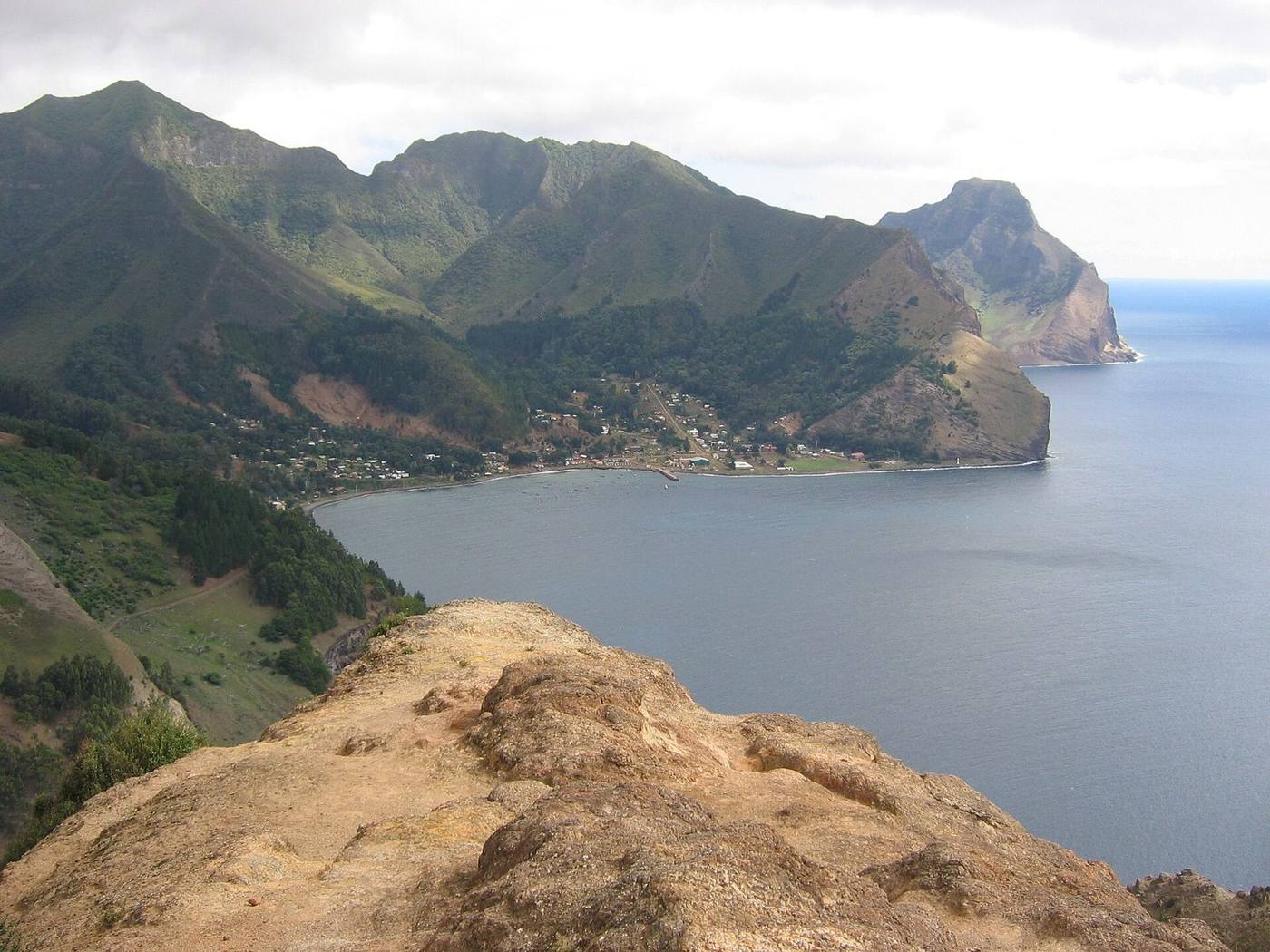
Robinson Crusoe Island
The Juan Fernández archipelago in the Pacific, 670 km off the coast: the island where the sailor who inspired Robinson Crusoe lived, the village of San Juan Bautista, Selkirk's lookout, endemic forests, fur seal colonies and clear water for diving.
 8 daysModerate
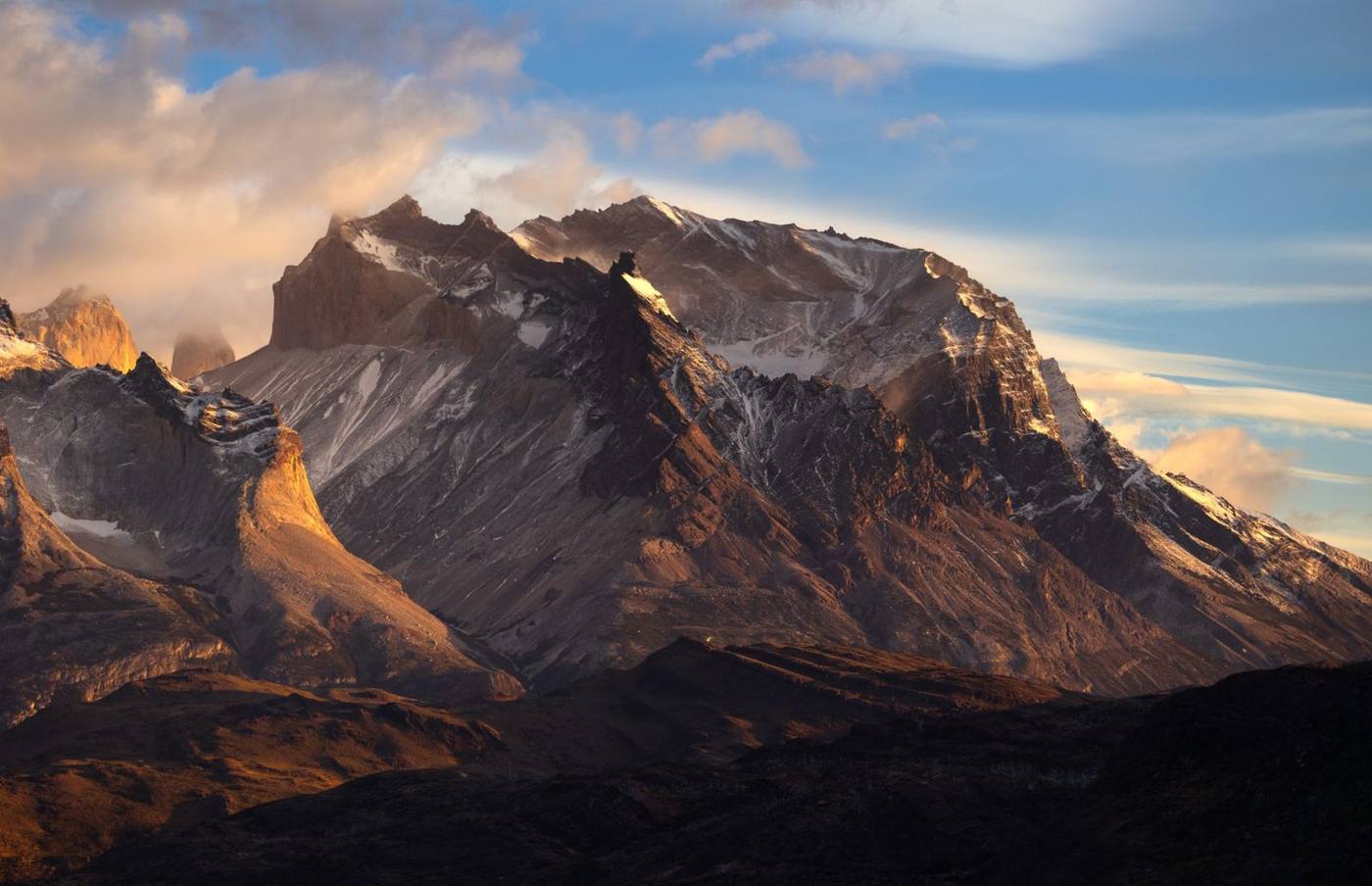
Torres del Paine: the W trek
Patagonia's most famous trek in five days from refuge to refuge: the Towers at dawn, the French Valley and Grey Glacier.
 7 daysEasy
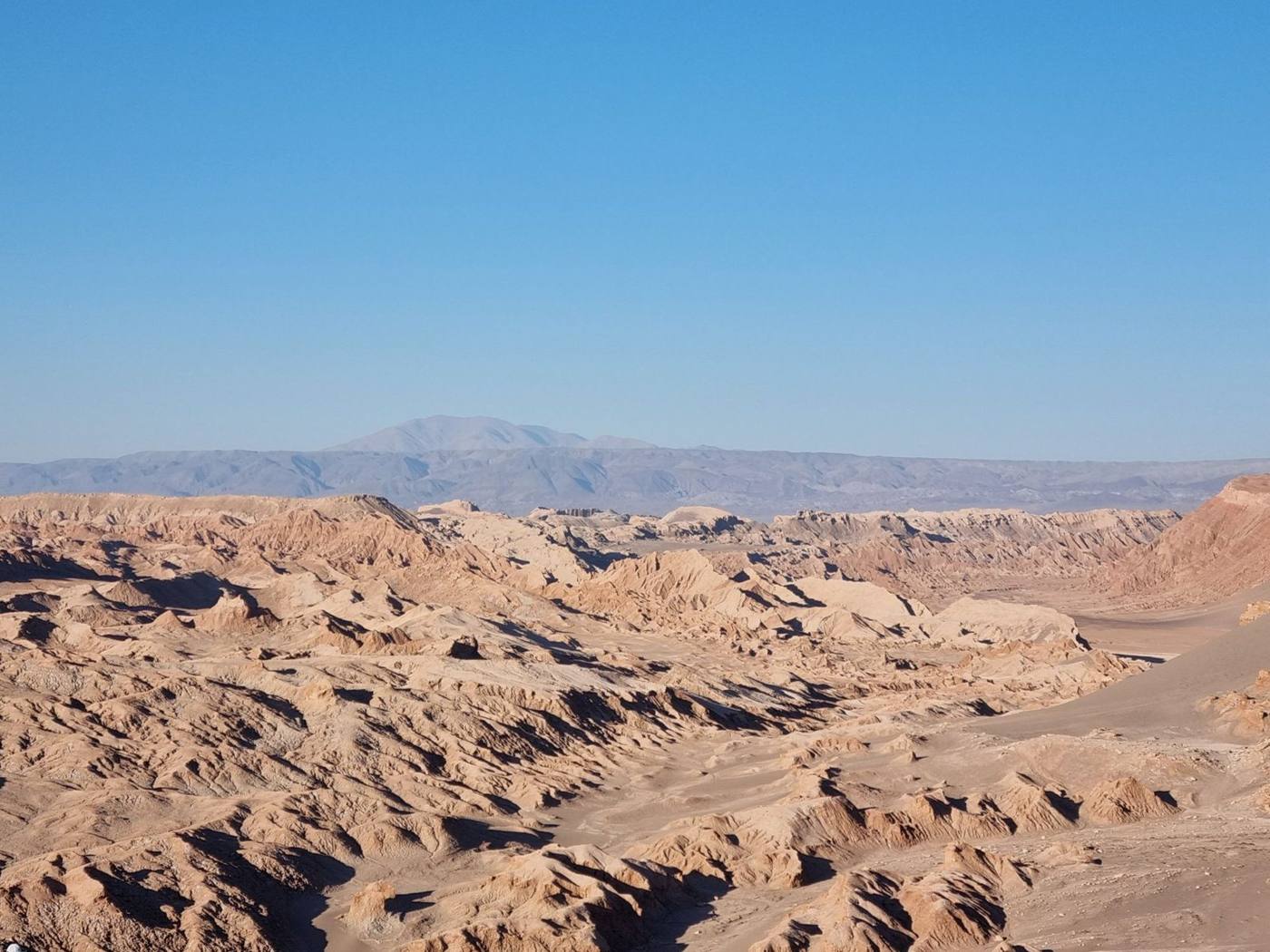
The Atacama Desert
The driest desert in the world: the Valley of the Moon, El Tatio geysers at dawn, high Andean lagoons with flamingos and the clearest night skies on Earth.