Robinson Crusoe Island
The Juan Fernández archipelago in the Pacific, 670 km off the coast: the island where the sailor who inspired Robinson Crusoe lived, the village of San Juan Bautista, Selkirk's lookout, endemic forests, fur seal colonies and clear water for diving.
- Santiago
- San Juan Bautista
- Mirador de Selkirk
- Bahía Cumberland
Day by day
- Day 1
The small plane from Santiago and the boat to the village
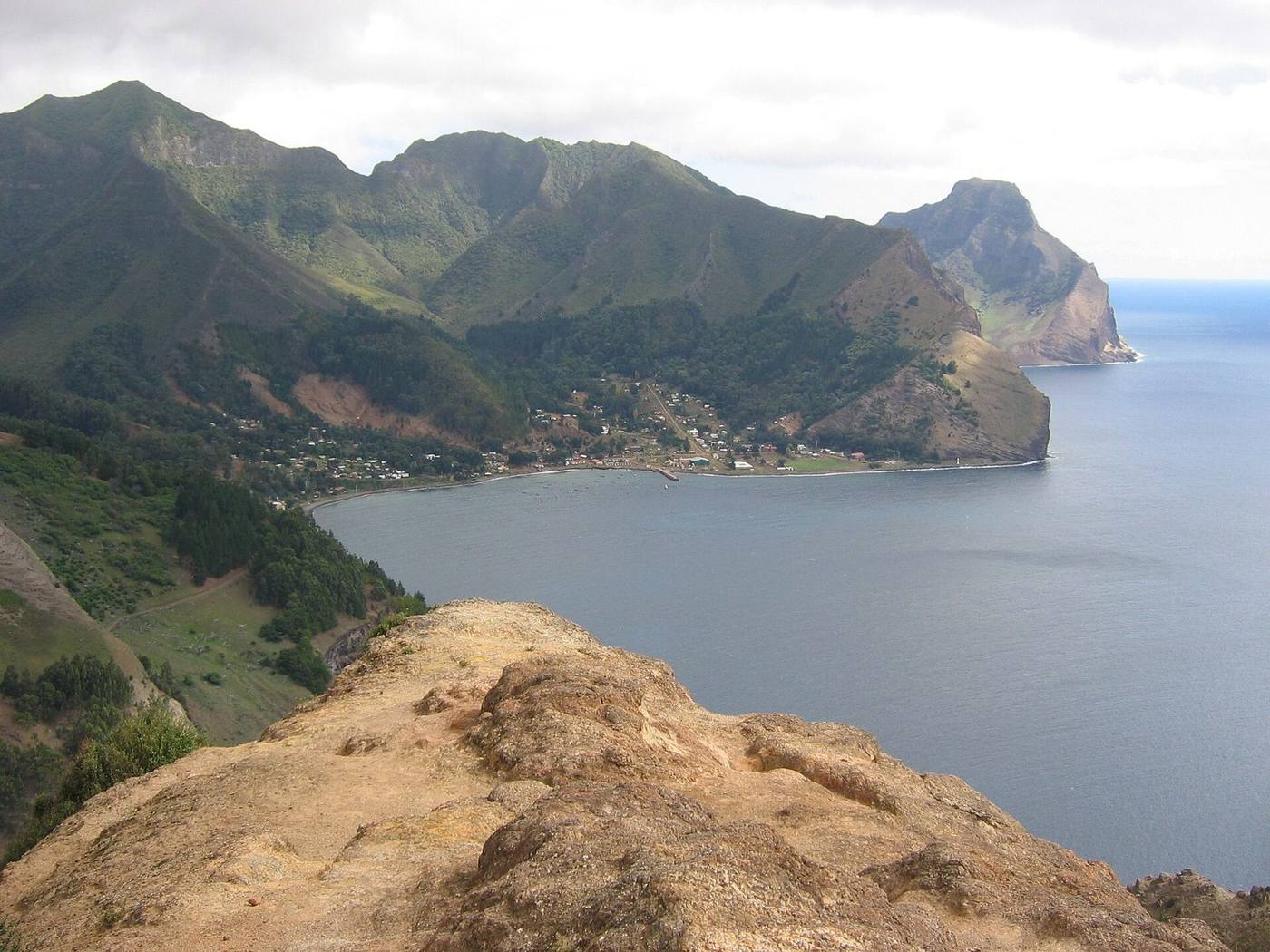
Robinson Crusoe Island is part of the Juan Fernández archipelago, in the Pacific Ocean, about six hundred and seventy kilometres off the coast of Chile. It is a volcanic island of green mountains and cliffs dropping into the sea, with unique nature: many plants and animals live only here. Its name comes from a true story: between 1704 and 1709 the Scottish sailor Alexander Selkirk lived alone on the island, and his adventure inspired Daniel Defoe's novel Robinson Crusoe. Today the island has a single village, San Juan Bautista, home to a few hundred people who live mainly from lobster fishing.
In the morning, take one of the small planes that leave from an airfield in or near Santiago, for about two and a half hours over the ocean. Flights depend heavily on the weather and can be postponed by a day or two.
The plane lands on a dirt strip at the western tip of the island, in a dry red landscape. From here a short walk leads to the jetty, where a fishing boat waits to take passengers along the coast to the village, in about an hour and a half. On the way you see cliffs, fur seals on the rocks and sometimes dolphins.
You reach San Juan Bautista, on Cumberland Bay, with colourful houses below forested mountains.
In the evening, try Juan Fernández lobster or the fish of the day.
Practical tip: allow at least one spare day before your international flight home, because flights to the island are often delayed.
- Day 2
The trail to Selkirk's lookout
In the morning, walk up to Selkirk's lookout, the viewpoint where, according to tradition, Alexander Selkirk climbed every day to watch the sea for a ship to rescue him. The trail leaves the village and climbs about three kilometres, with almost six hundred metres of ascent, in about two hours.
The first part crosses meadows and eucalyptus woods planted near the village, then the trail enters the native forest, damp and dense, with tree ferns, moss-covered trees and many plants found only in the archipelago. With luck you see the Juan Fernández firecrown, a reddish-orange hummingbird that lives only on this island and is threatened with extinction.
From the lookout, at about five hundred and sixty metres, you see both sides of the island: to the north Cumberland Bay with the village, to the south the arid mountains and the open sea. A plaque recalls Selkirk and his story.
In the afternoon, go down to the village and visit the small national park information centre, which explains the island's nature, and the cemetery, with the graves of German sailors from the Dresden, sunk in the bay in 1915 during the First World War.
In the evening, watch the sunset over the bay.
Practical tip: the island is a national park and biosphere reserve. Stay on the trails, do not bring seeds or plants from the mainland, and clean your shoes before arriving.
- Day 3
By boat along the coast with fur seals
In the morning, head out by boat with a fisherman or local guide along the island's coast. The boat passes cliffs, caves and small bays, some reachable only from the sea.
The best-known destination is Puerto Inglés, a bay east of the village, where the cave is found in which, according to tradition, Selkirk lived. A small hut has been reconstructed in the cave. It is reached by boat or on a steep trail.
The Juan Fernández fur seal lives along the coast, a fur seal found only in the archipelago. In the nineteenth century it was hunted almost to extinction for its fur, but today the population is growing again and you see many colonies on the rocks. Young seals often come close to the boat, curious.
With the fisherman you can also see how lobsters are caught in wooden traps. Fishing has long been regulated by the island's families, who set rules to protect young animals and females carrying eggs.
In the afternoon, return to the village and walk up to Fort Santa Bárbara, the remains of an eighteenth-century Spanish fortress above the bay, and to the patriots' caves, where some Chilean patriots were imprisoned during the wars of independence.
Practical tip: in 2010 a tsunami destroyed part of the village. Always follow the signs for the evacuation routes marked along the streets.
- Day 4
Diving or snorkelling in the bay
Today, discover the island's sea, with clear water and rich, unusual marine life, including many species found only in this archipelago.
Certified divers can dive with one of the centres in the village. In Cumberland Bay lies the wreck of the Dresden, the German cruiser sunk in 1915, at about sixty metres, suitable only for very experienced divers. The most common dives are along rock walls and in nearby bays, among colourful fish, lobsters, octopuses and often fur seals playing around the divers.
Those who prefer snorkelling can swim with mask and fins in sheltered bays, such as El Palillo near the village. The water is cool all year, even in summer, and a wetsuit is recommended.
In the afternoon, if you prefer to stay on land, walk one of the short trails around the village, for example to the bay viewpoint or the Plazoleta El Yunque trail, in a forest at the foot of El Yunque, the island's highest mountain, at about nine hundred metres.
In the evening, have dinner with fish and island dishes such as lobster empanadas.
Practical tip: do not dive in the twenty-four hours before your return flight, to avoid decompression problems on the plane.
- Day 5
The flight home
On your last morning, before leaving, take a final walk through the village and the harbour, where fishermen come back with their boats and prepare the lobster traps.
Then take the boat back along the coast to the airstrip, in about an hour and a half, and the small plane to Santiago, in about two and a half hours. The timing depends on the weather and sea conditions, and it is not unusual to wait a few hours or an extra day.
Once in Santiago, if you have time, you can continue to other parts of Chile: Valparaíso and the Pacific coast, about an hour and a half away, with colourful houses on the hills; the Atacama desert to the north; or Patagonia and Torres del Paine to the south.
For those who want another remote island, Chile also has Easter Island, Rapa Nui, with its moai, reached by plane from Santiago in about five hours.
Practical tip: Italian citizens can enter Chile without a visa for up to 90 days with a passport. The US government rates Chile level 2 of 4, exercise increased caution, because of crime in the cities and protests. Services on the island are limited: bring cash in Chilean pesos, because card payments are not always possible.
A trip for those seeking a remote, untouched place. Flights are on small planes with limited seats and depend on the weather: leave spare days for the return. Services on the island are few and payment is often in cash. Italians need no tourist visa for up to 90 days. The United States keeps Chile at level 2 (caution) for crime and unrest: watch out for pickpockets in cities.
Before you go
- Documents and visa
- Valid passport; no visa for tourism up to 90 days for EU citizens. On arrival you receive the PDI electronic slip, to be kept until you leave.
- Health and vaccines
- No compulsory vaccines arriving from Europe. In the Atacama Desert and the Andes beware of altitude sickness. Emergencies: 131 ambulance, 132 fire, 133 police.
- Money and payments
- Chilean peso. Cards are accepted almost everywhere; carry some cash in parks and villages.
- Power sockets
- Types C and L, 220 volts: European two-pin plugs almost always fit.
- Time zone
- UTC-4 in the southern winter and UTC-3 from September to April. The Magallanes region stays on UTC-3 all year.
- Safety
- The United States rates Chile level 2 for crime and civil unrest, with protests in the Araucanía region. In Santiago and Valparaíso watch out for pickpockets. Official advice: GOV.UK.
Information checked in November 2026 for Italian and EU citizens. Rules change: always check before you travel.
Variations
In 4 days: the flight, Selkirk's lookout and the coastal boat trip, without diving.
In 7 days: add more days to walk on the island and a margin for flights.
Frequently asked questions
When is the best time to go?
From November to March, the southern summer, with calmer seas and more regular flights. In winter it rains and strong winds can ground flights.
How do I get there?
By small plane from Santiago, in about two and a half hours, then by boat to the village. Flights depend on the weather: always allow a spare day.
What documents do I need?
A passport. Italian citizens can enter Chile without a visa for up to 90 days.
Indicative itinerary written by World Atlas. Before booking, check timetables, seasonal openings, documents and safety.
 8 daysModerate
Torres del Paine: the W trek
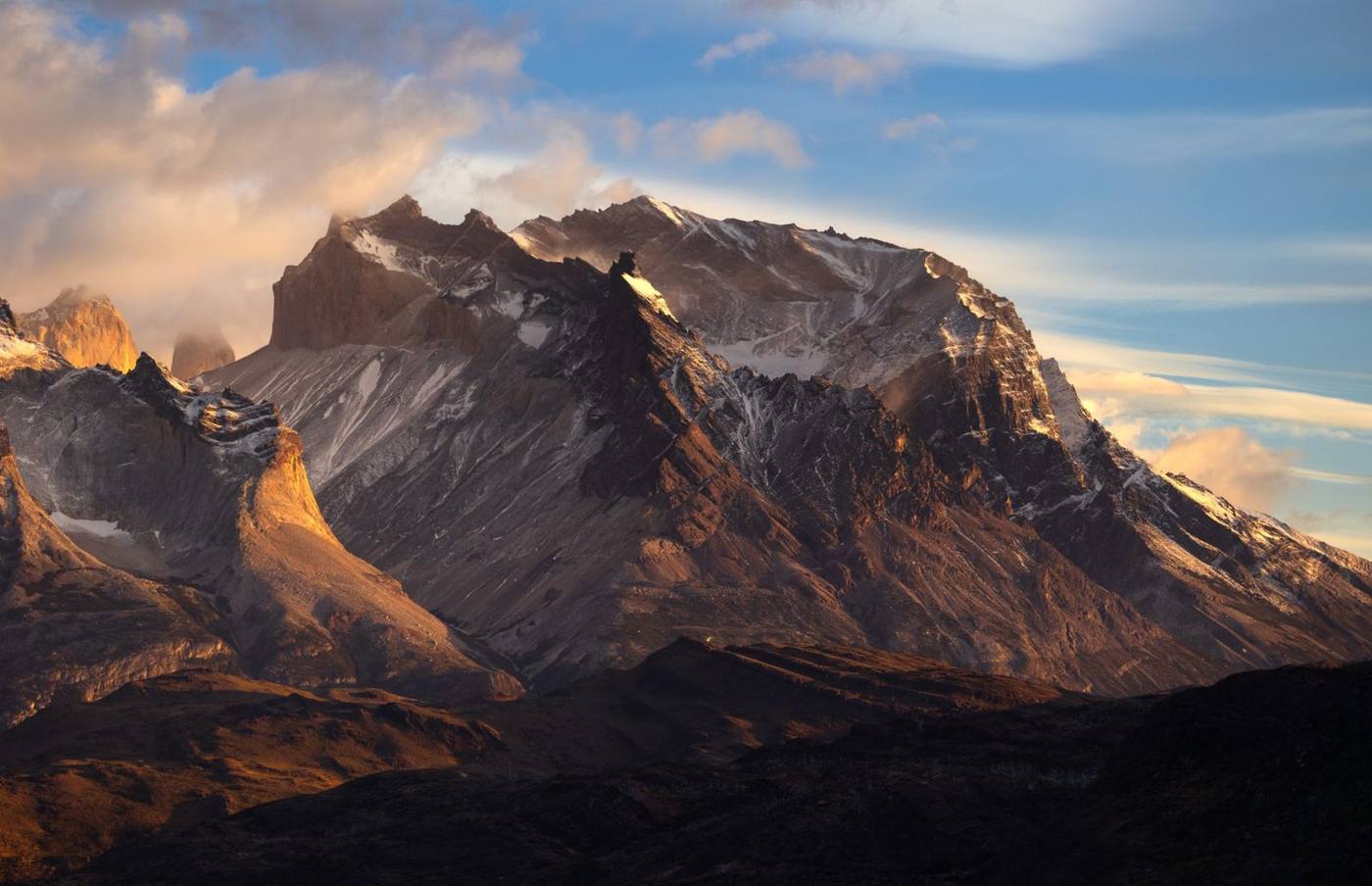
Patagonia's most famous trek in five days from refuge to refuge: the Towers at dawn, the French Valley and Grey Glacier.
 7 daysEasy
The Atacama Desert
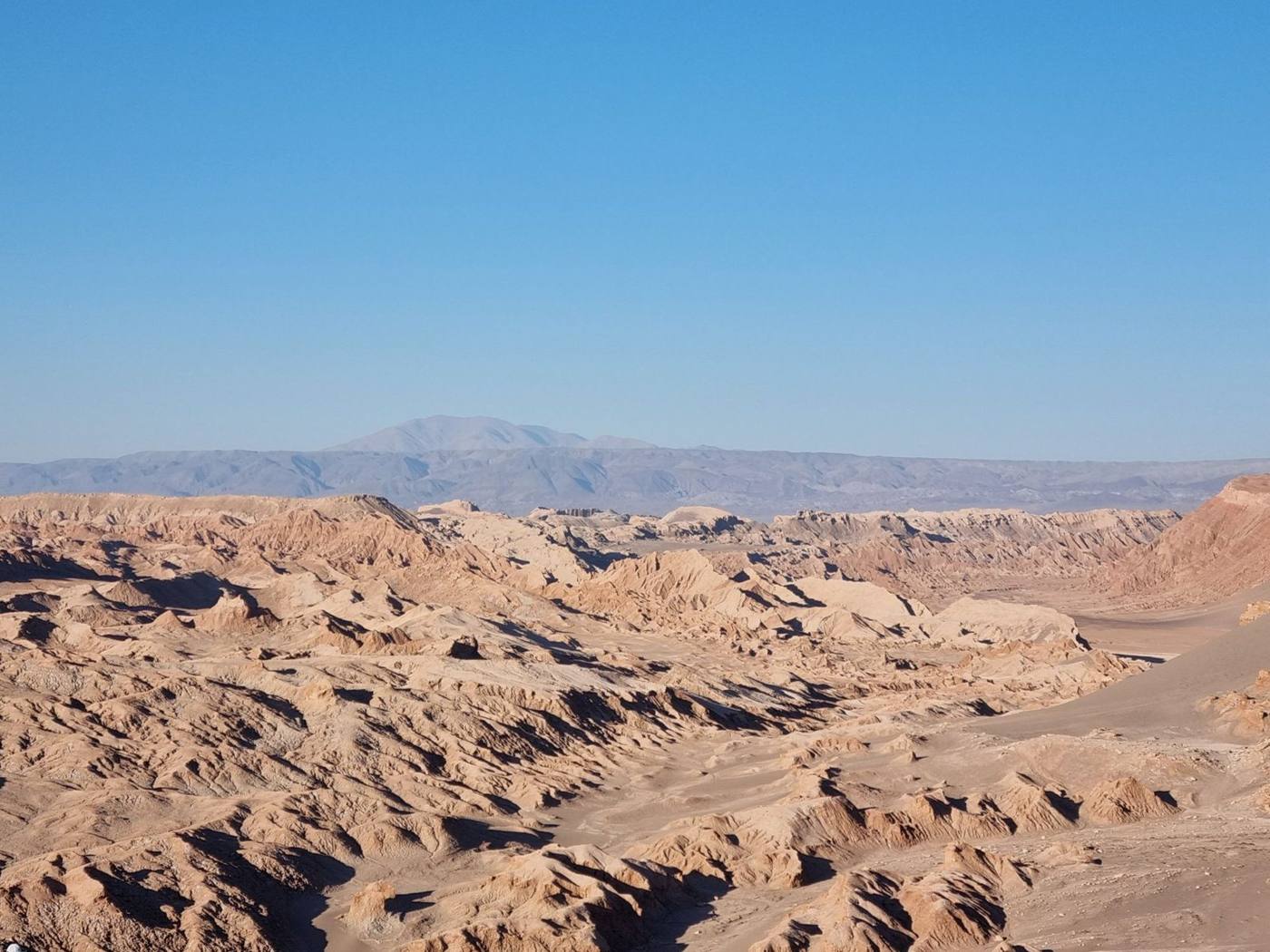
The driest desert in the world: the Valley of the Moon, El Tatio geysers at dawn, high Andean lagoons with flamingos and the clearest night skies on Earth.
 15 daysModerate
The Carretera Austral
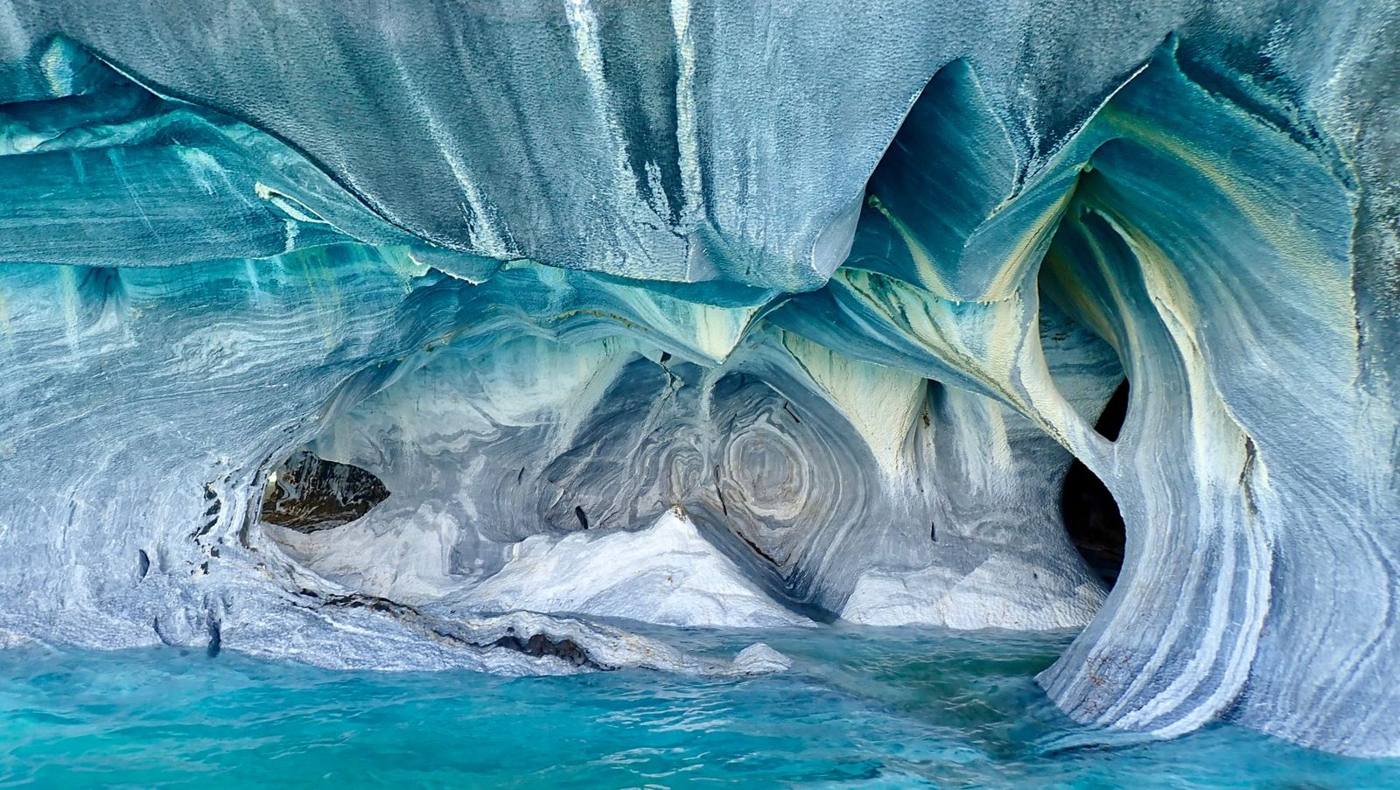
South America's wildest road, through fjords, hanging glaciers, turquoise lakes and the marble caves.