Santiago and Cidade Velha
The archipelago's most African island: Cidade Velha, the first European town in the tropics and a UNESCO site, Assomada market, Serra Malagueta and Tarrafal beach.
- Praia
- Cidade Velha
- Assomada
- Serra Malagueta
- Tarrafal
Day by day
- Day 1
Praia and Cidade Velha
This four-day trip crosses Santiago, the largest and most African island of Cape Verde: the capital Praia, Cidade Velha, the market at Assomada, the mountains of the Serra Malagueta and the beach at Tarrafal. It is easy to get around by aluguer, the shared minibuses, or with a car and driver.
Before you go: Italian citizens enter Cape Verde without a visa for up to 30 days, with a passport valid for at least three months beyond the length of the stay. Pre-registration on the official EASE platform is compulsory, with online payment of the airport security tax, at least five days before arrival: anyone arriving without it pays double at the border. Check the current amount on the portal. Other nationalities should check their own rules. There is theft in Praia: avoid the night and the outer districts. The island has dengue and malaria cases between July and December: use a repellent.
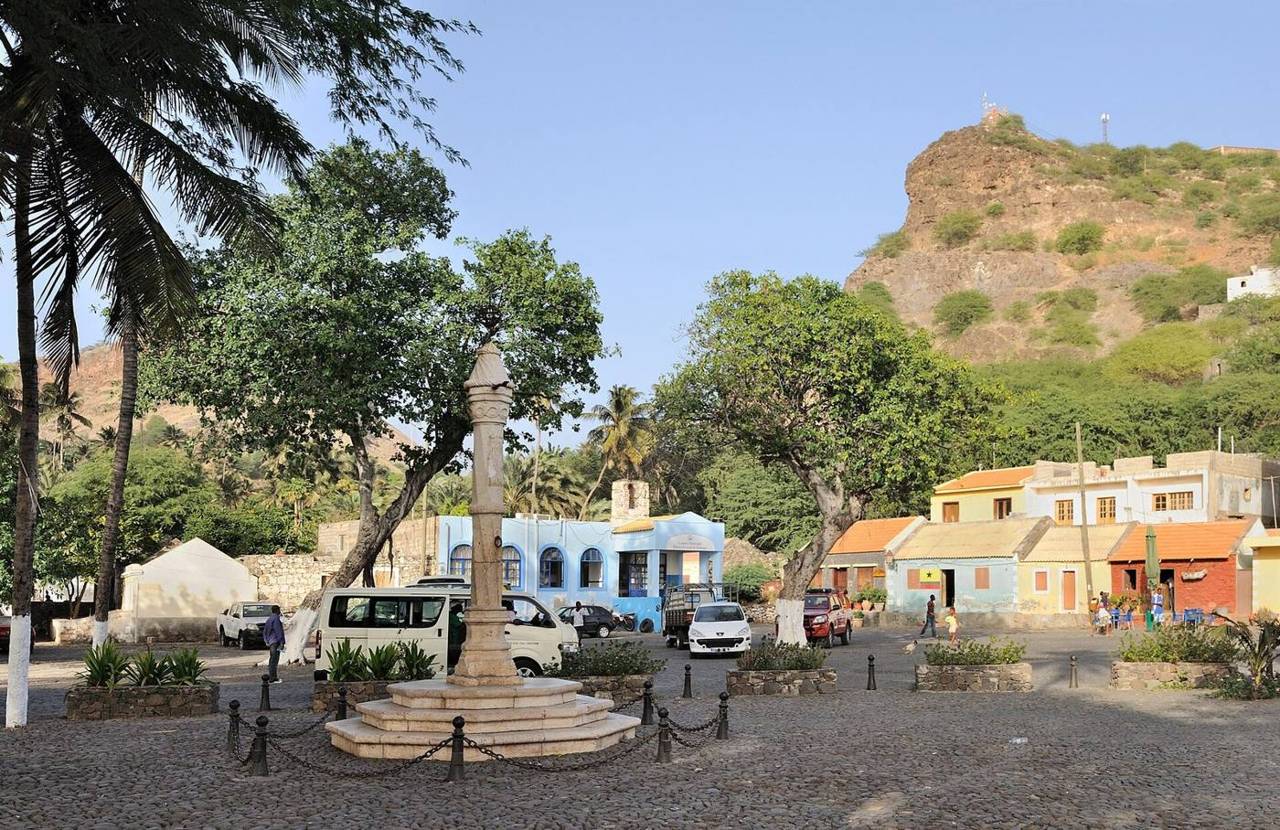
In the morning go up to the Plateau, Praia's historic centre on a tableland above the port, with the main square, the church, the presidential palace and the covered market full of fruit, fish and spices.
Then go to Cidade Velha, about fifteen kilometres away. Founded by the Portuguese in the fifteenth century under the name Ribeira Grande, it was the first European colonial town in the tropics and a central port in the slave trade. Today it is a UNESCO World Heritage Site. See the pelourinho, the marble pillar in the square, the church of Nossa Senhora do Rosário, the ruins of the cathedral and, above, the royal fortress of São Filipe. Check prices and times.
Practical tip: in the evening in Praia take a taxi even for short distances, and leave your original documents at the hotel, carrying a copy.
- Day 2
The market at Assomada
Today you head inland, along the road that crosses the mountains to the north. In about an hour, traffic permitting, you reach Assomada, the main town of the Santa Catarina region, a hill town surrounded by fields.
The great market at Assomada is one of the liveliest in Cape Verde. Women traders come in from the villages with maize, beans, sweet potatoes, cassava, papaya, bananas, goat's cheese, live chickens and sacks of seeds. Further on there are fabrics, pots and clothes. The market is busiest on certain days of the week: ask in Praia which days are best and arrive in the morning, when the crowd is at its peak. Always ask before photographing people.
Near Assomada, in the village of Chã de Tanque, is the Tabanca museum, devoted to a popular tradition of Santiago made of music, processions and mutual help between families, created by the descendants of slaves. Check prices and times before you go.
Santiago is the island of batuque, the music of women who sing and beat the rhythm on a rolled cloth held between their legs, and of funaná, played with an accordion and a scraped iron bar. If there is a village festival, it is the chance to hear them.
Have lunch with cachupa, the national dish of maize and beans cooked slowly.
Practical tip: at the market keep your wallet in a front pocket and carry small notes, because traders often have no change.
- Day 3
Walking in the Serra Malagueta
Today you walk in the mountains of northern Santiago, in the Serra Malagueta natural park, not far from Assomada on the road to Tarrafal. It is a chain of green ridges, often wrapped in cloud, rising above a thousand metres and home to plants and birds found nowhere else in the archipelago.
Start from the park's visitor centre, near the main road, where you can ask about the paths and their condition. The best-known path follows the ridge and then descends towards the valleys of the northern slope, through terraces, small woods and villages. The views are wide: on one side the inland mountains of Santiago, on the other the ocean and, on clear days, the outline of Fogo on the horizon.
Along the way you meet farmers working the fields by hand and children fetching water. Always say hello: people here are curious and friendly, and anyone who speaks a little Portuguese will find many people ready to explain the way.
At the end of the walk, an aluguer or your driver takes you down to Tarrafal, on the north-west coast, where you spend the night. The road winds down through the mountains and offers a last fine view before the sea.
Practical tip: on the ridges the weather changes quickly. Bring a jacket against wind and rain, water and food, and ask for a local guide if you want to take the less marked paths.
- Day 4
Tarrafal, the beach and the camp museum
The last day is for Tarrafal, a fishing town in the north-west of the island. In the morning go to the beach: a bay of pale sand with palm trees and calm water, one of the finest on Santiago. Watch the boats coming back with fish and, if the sea allows, swim close to shore.
Then visit the Museum of Resistance, in the former prison camp a short distance from the town. The camp was opened in 1936 by the Salazar regime for Portuguese political prisoners and was later also used for activists in the independence struggles of the African colonies. The cells, the walls and the punishment cell known as the frigideira, the frying pan, for the terrible heat inside, tell a harsh story. Check prices and times.
In the afternoon return to Praia on the inland road, in about two hours.
In four days you have seen the most African side of Cape Verde and the one most bound to history: the Plateau in Praia, the ruins of Cidade Velha, the market at Assomada, the ridges of the Serra Malagueta and Tarrafal, with its sea and the memory of the camp. It is an island very different from Sal and Boa Vista, suited to anyone who wants to understand the country's music, food and past.
When to go: the best months are November to June, with dry weather. From August to October the rains come and the mountains turn green, but there are more mosquitoes.
Practical tip: if you want to return to Praia by aluguer, they leave mainly in the morning. In the afternoon it is safer to agree a price with a taxi.
To understand Cape Verde's history and music, very different from Sal. In Praia watch for theft, especially in the evening. Getting around is easy by aluguer shared minibuses.
Before you go
- Documents and visa
- Passport valid for at least three months beyond the length of your stay. Citizens of the Schengen area do not need a visa for up to 30 days, but pre-registration on the official EASE platform is compulsory, with online payment of the airport security tax (TSA), at least five days before arrival. From 1 July 2026 anyone arriving without pre-registration pays double the tax at the border. Check the current amount on the EASE portal.
- Health and vaccines
- No vaccinations are compulsory, except yellow fever for travellers arriving from a country at risk. Dengue is present, with outbreaks in Praia in the rainy season, and malaria cases are possible on Santiago from July to December: protect yourself from mosquitoes. Drink bottled water.
- Money and payments
- Cape Verdean escudo, with a fixed exchange rate to the euro. Importing and exporting the local currency is prohibited: change money on arrival or use cash machines in towns. Euros are accepted in many tourist places.
- Power sockets
- Type C and F, 220 volts: you need an adapter for British plugs.
- Time zone
- UTC-1 all year.
- Safety
- A calm country with no areas advised against. Theft and pickpocketing happen mainly in Mindelo, Sal and Boa Vista; in Praia avoid the night and the outer districts, and do not walk on isolated beaches after dark. Ocean currents are very strong: swim only where there is a lifeguard. Ferries and flights between the islands, especially to Fogo and Brava, are often cancelled because of the sea or the wind. Official advice: GOV.UK.
Information checked in November 2026 for Italian and EU citizens. Rules change: always check before you travel.
Variations
In 3 days: Praia and Cidade Velha, then Assomada and Tarrafal, without the walk in the Serra Malagueta.
In 7 days: add the island of Maio, with its almost empty beaches, reached from Praia by plane or ferry.
Frequently asked questions
Is Santiago safe?
Generally yes, but there is theft and pickpocketing in Praia. Avoid walking at night and the outer districts, take taxis in the evening and do not show valuables.
How do you get around the island?
By aluguer, the shared minibuses linking Praia, Assomada and Tarrafal, or with a hire car or a driver. Aluguers leave when they are full and mainly in the morning.
What is there to see in Cidade Velha?
The pelourinho in the square, the church of Nossa Senhora do Rosário, the ruins of the cathedral, Rua Banana with its stone houses and the royal fortress of São Filipe, with views over the whole bay.
Indicative itinerary written by World Atlas. Before booking, check timetables, seasonal openings, documents and safety.
 4 daysModerate
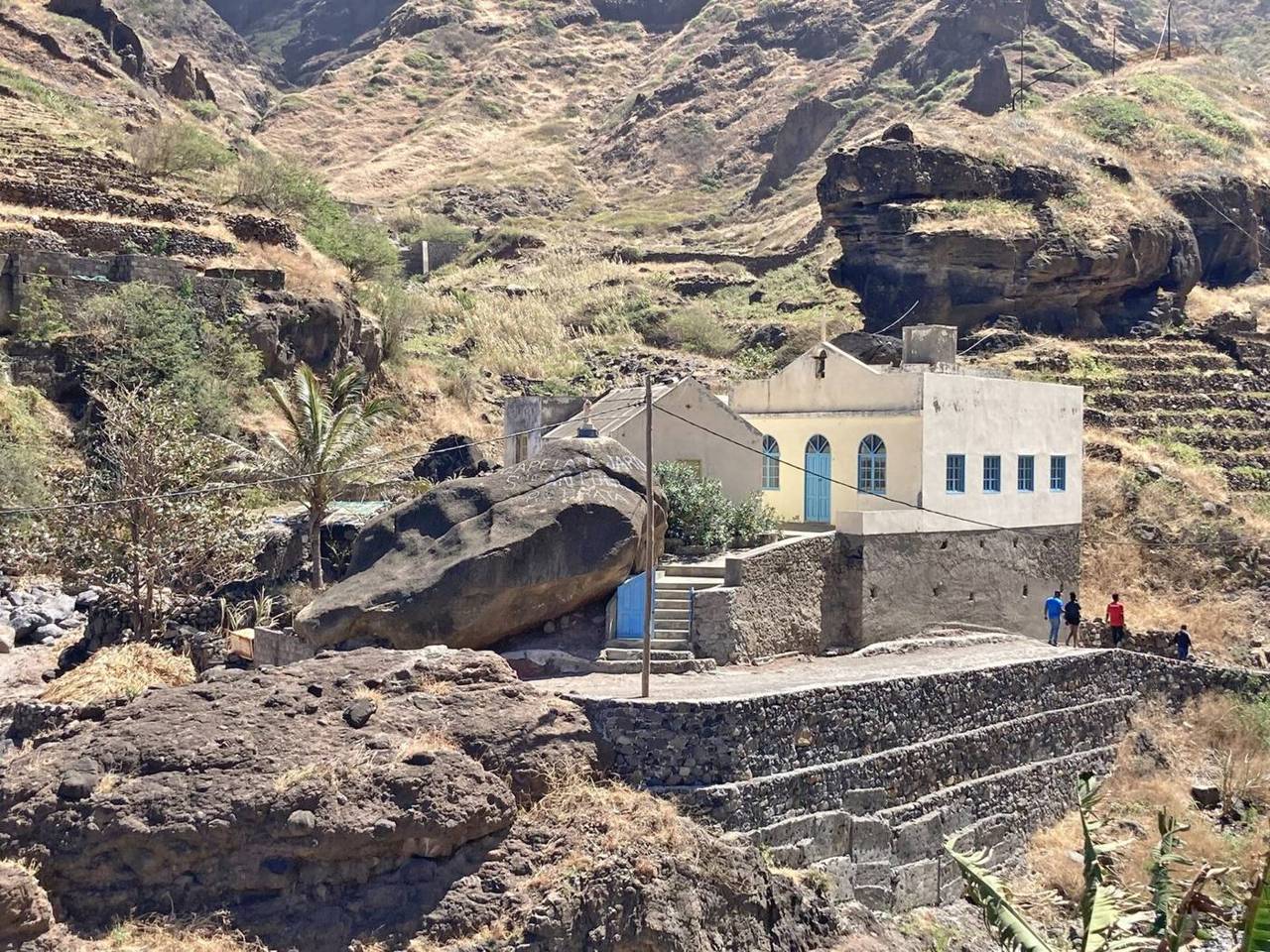
São Nicolau
A mountainous island with almost no tourists: Monte Gordo and its park, the Fajã valley, the village of Ribeira Brava and the dunes of Carriçal by the sea.
 3 daysEasy
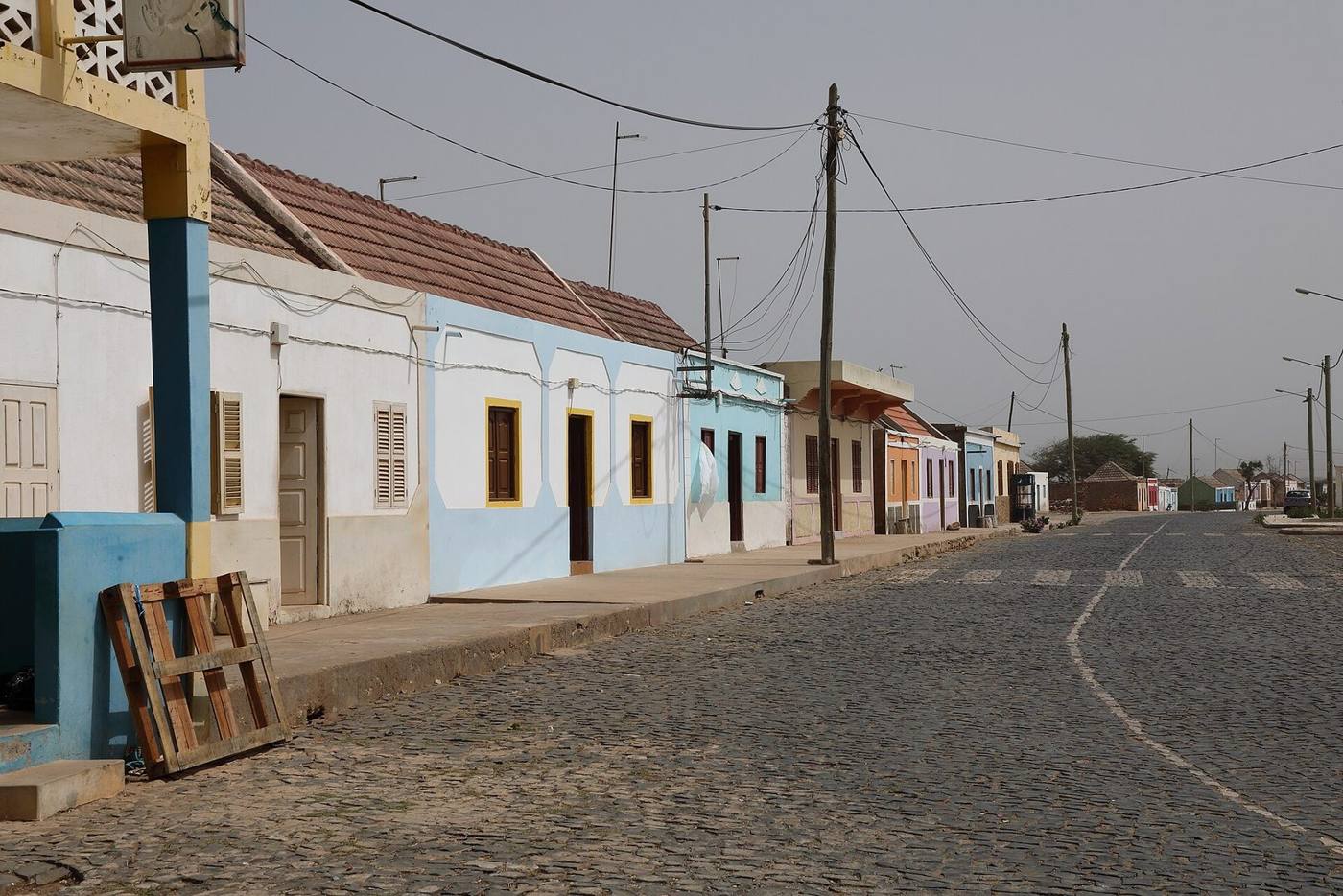
Maio
The flat, silent island near Santiago, with almost empty white beaches, salt flats, fishing villages and sea turtles in summer.
 3 daysModerate
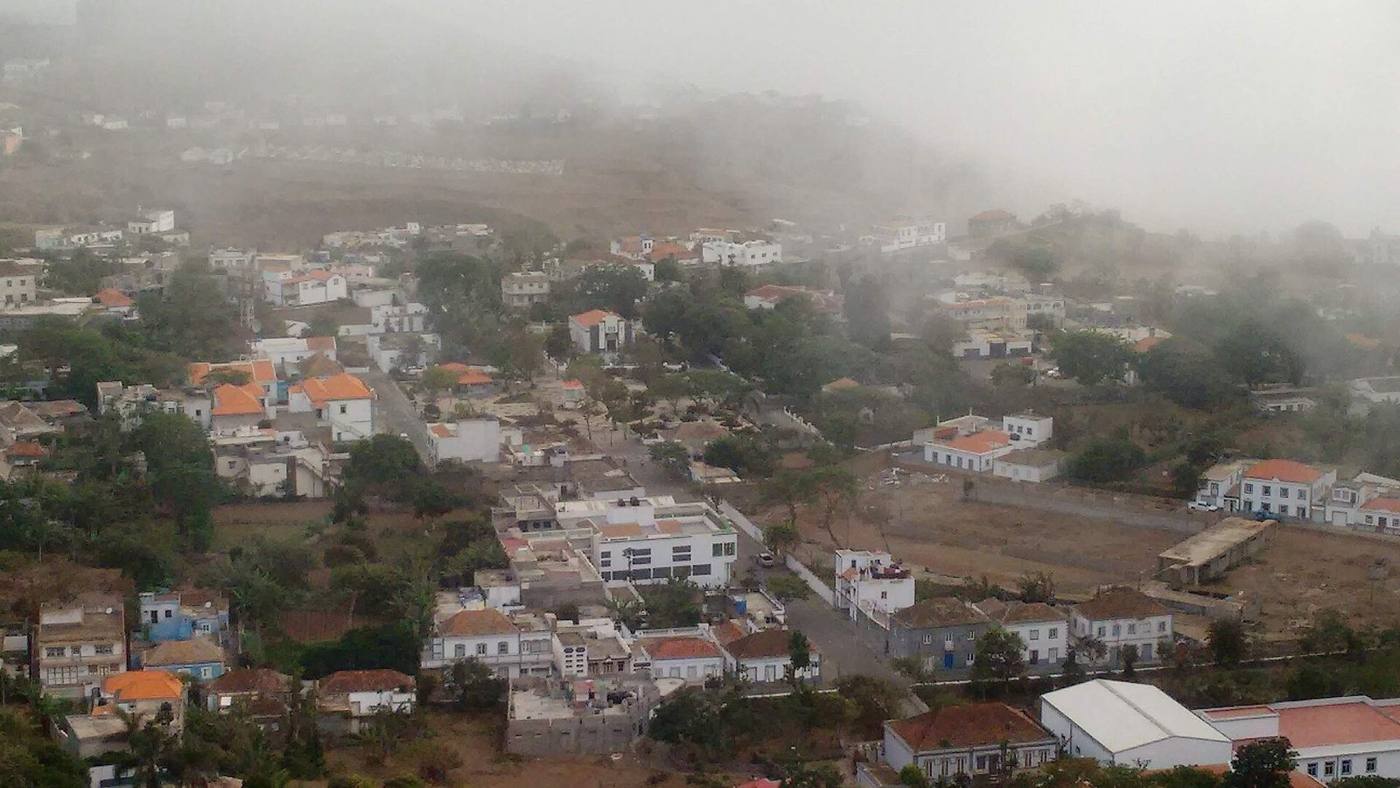
Brava
The island of flowers, the smallest inhabited one: Nova Sintra among the hydrangeas, trails down to Fajã de Água and its natural pools, and views of Fogo volcano.