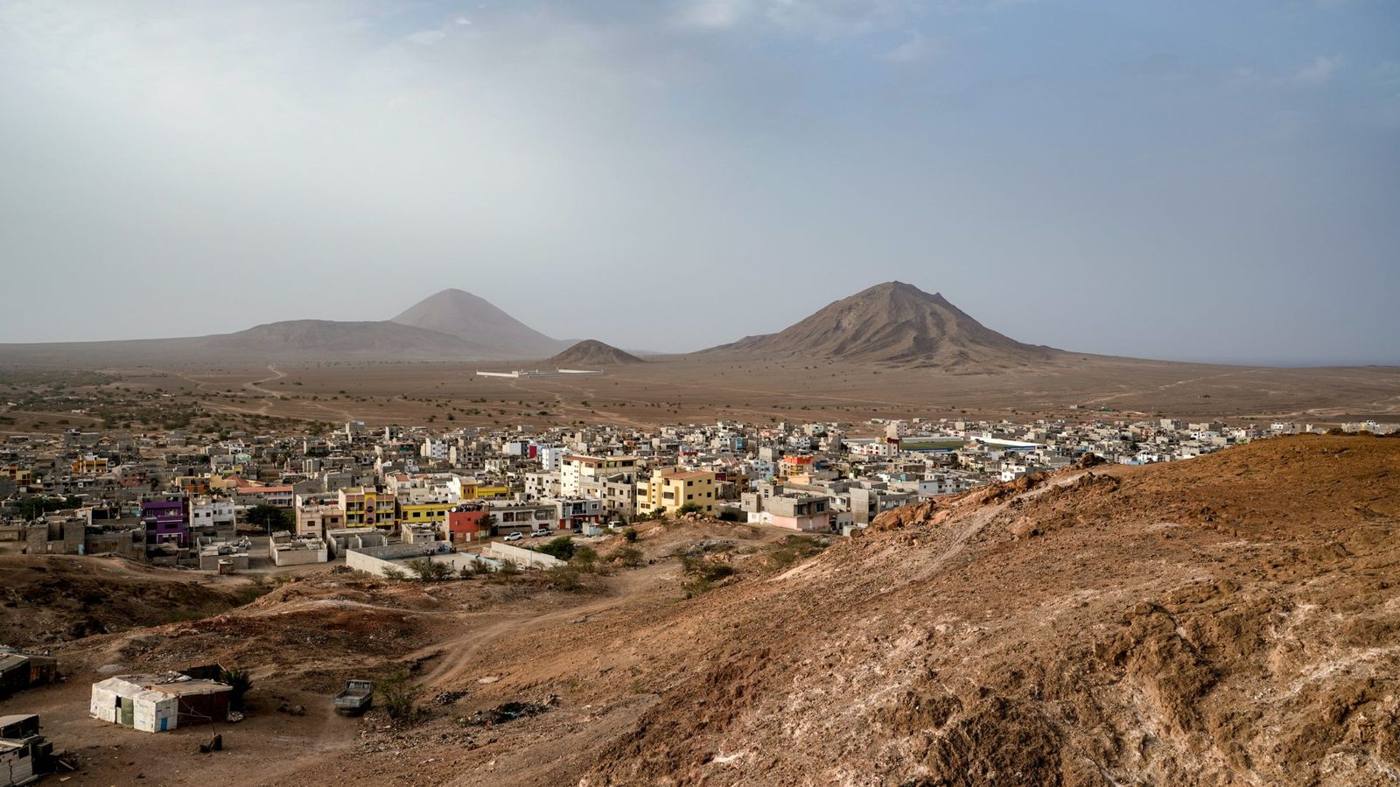
Sal and Boa Vista
The salt pans in the Pedra de Lume crater, kitesurfing at Santa Maria, the dunes of Boa Vista and turtles nesting on the beaches in summer.
- Santa Maria
- Pedra de Lume
- Shark Bay
- Sal Rei
- Viana Desert
- Praia de Santa Mónica
Day by day
- Day 1
Arrival on Sal and Santa Maria
This six-day trip combines Cape Verde's two islands of sun and wind: Sal, with the salt pans in the crater of Pedra de Lume, kitesurfing and lemon sharks in shallow water, and Boa Vista, with the Viana desert and the vast beaches of the south. They are the most touristy islands, but with a little initiative you find quiet corners.
Before you go: Italian citizens enter Cape Verde without a visa for up to 30 days, with a passport valid for at least three months beyond the length of the stay. Pre-registration on the official EASE platform is compulsory, with online payment of the airport security tax, at least five days before arrival: anyone arriving without it pays double at the border. Check the current amount on the portal. Other nationalities should check their own rules. There is theft and pickpocketing on Sal and Boa Vista: use the safe and do not walk in isolated areas after dark.
You land at Sal international airport, near Espargos, and after half an hour's drive through a flat, desert landscape you reach Santa Maria, in the south of the island. The town grew up around the salt pans and the harbour and now lives from tourism, but it keeps its colourful houses and the life on the pier.
In the afternoon walk along the wooden pier, where fishermen unload tuna, wahoo and grouper and women clean them on the spot. Then stroll along the long white beach in front of the town and watch the sunset.
Practical tip: the sea looks calm, but the currents are strong. Swim only where there is a lifeguard and respect the flags: red means no swimming.
- Day 2
The salt pans of Pedra de Lume and the north of Sal
Today you explore the island. Hire a car or a four-wheel drive for the day, or agree a price with a taxi driver: distances are short and roads are simple.
The first stop is the salt pans of Pedra de Lume, on the east coast, inside the crater of an extinct volcano. You enter through a tunnel cut into the rock and walk down to the pools, where the water is so salty that you float without effort, as in the Dead Sea. You can still see the remains of the old cableway that carried salt to the harbour. Check prices and times. Bring fresh water to rinse off, because the salt dries your skin.
Then head north to Buracona, a coast of black lava pounded by the waves, with a natural pool and the Olho Azul, the blue eye: a cave where, in the middle of the day, sunlight turns the water an intense blue. Continue to Palmeira, the island's port, with its colourful boats.
In the afternoon drive back south through Espargos, the main town, and stop at Kite Beach, on the east coast, to watch the colourful kites. If you want to try, choose a school with certified instructors.
Practical tip: there is no shade at the salt pans or at Buracona. Bring a hat, sun cream, water shoes and a T-shirt to cover up.
- Day 3
Shark Bay and the lemon sharks
Today you go to Shark Bay, the bay of Parda, on the east coast of Sal, famous for the young lemon sharks swimming in shallow water close to shore. You wade in up to your knees or a little higher, stand still and wait: after a few minutes you see the shapes of sharks passing between your legs, usually less than a metre and a half long.
They are not dangerous to people, but they are wild animals: do not touch them, do not feed them and move slowly. The bay has a volcanic rock bottom, so wear water shoes. The best light and calmest water come in the morning and at low tide.
After the bay continue towards Terra Boa, a desert plain where mirages are often seen in the hot hours, with the horizon looking like a lake. Then return to Santa Maria for an afternoon on the beach or a windsurfing lesson: Sal's steady wind is among the most regular in the Atlantic.
In the evening listen to some live music: morna, the melancholy music made famous by Cesária Évora, and the livelier coladeira are often played in the bars of the centre.
Practical tip: pack your bags in advance, because tomorrow you leave for Boa Vista. The ferry or the domestic flight can change times: check in the evening.
- Day 4
Boa Vista: Sal Rei and the Viana desert
Today you move to Boa Vista, on a short domestic flight or by ferry, if it is running. Boa Vista is a large, almost empty island of dunes, stony plains, palm groves and very long beaches.
You arrive in Sal Rei, the main town, a quiet place with a large square, the church of Santa Isabel and low, colourful houses. Facing the harbour is an islet with the ruins of a fort, and around the town stretches Estoril beach.
In the afternoon, by four-wheel drive or on a guided quad, go to the Viana desert, not far from Sal Rei. It is a sea of white dunes of fine sand, which according to a common explanation is carried by the wind from the Sahara. Walk along the crests of the dunes, watch the shadows lengthen at sunset and listen to the silence.
On the north coast, weather permitting, you can also stop at the wreck of the Cabo Santa Maria, a ship that ran aground on the beach decades ago, now rusted and battered by the waves.
In the evening go back to Sal Rei and taste the catch of the day, lagosta, the local lobster, or cachupa.
Practical tip: do not venture out alone in an ordinary car off the tarmac roads. Sand tracks are easy to lose and help can be far away.
- Day 5
Santa Mónica beach and the south
Today you head to the south of the island and the beach of Santa Mónica, one of the longest and most spectacular in Cape Verde: miles of white sand, dunes behind and the blue ocean in front, with almost nobody around. The road crosses dry landscapes, small villages and palm oases.
On the way stop at Povoação Velha, the oldest village on the island, with its white church, and look at the landscape of rocks and scrub. Then reach the beach, walk for a long time and enjoy the space. Swimming is possible only when the sea is calm, because waves can be strong and there are no lifeguards.
Between July and October Boa Vista is one of the most important places in the Atlantic for nesting loggerhead turtles, Caretta caretta. If you want to see a turtle laying eggs, book a night outing with authorised guides from the conservation projects: you walk in the dark, without torches or flash, and watch from a distance.
In the afternoon head back towards Sal Rei and, if you still have time, take a last swim at Chaves beach, west of the airport, where the dunes reach the sea.
Practical tip: bring everything you need for the day, water, food and shade, because there are no facilities at Santa Mónica.
- Day 6
Departure
On the last day, depending on your flight time, enjoy the beach at Sal Rei once more or take a walk through the town, between the market and the square. Boa Vista has an international airport with direct flights to Europe; otherwise you return to Sal to fly from there.
In six days you have seen the sunniest and windiest islands of Cape Verde: Santa Maria and its pier, the salt pans in the crater of Pedra de Lume, the lava coast of Buracona, the lemon sharks of Shark Bay, the white dunes of the Viana desert and the endless beach of Santa Mónica. They are perfect islands for the sea, kitesurfing and windsurfing, with many services and large hotels, but also with empty spaces for anyone who moves a little away from the resorts.
When to go: you can go all year round, because sun is almost guaranteed. From November to June the wind is stronger, ideal for kitesurfing and windsurfing. From July to October it is hotter, the sea is calmer and it is turtle season. Between March and May humpback whales are sometimes seen off Boa Vista.
Practical tip: it is prohibited to export Cape Verdean escudos. Before going to the airport spend or change what you have left, keeping only a few euros for last purchases.
Guaranteed sun and strong wind, perfect for kitesurfing and windsurfing. These are the most touristy islands, with large all-inclusive resorts. For turtle watching, use licensed guides.
Before you go
- Documents and visa
- Passport valid for at least three months beyond the length of your stay. Citizens of the Schengen area do not need a visa for up to 30 days, but pre-registration on the official EASE platform is compulsory, with online payment of the airport security tax (TSA), at least five days before arrival. From 1 July 2026 anyone arriving without pre-registration pays double the tax at the border. Check the current amount on the EASE portal.
- Health and vaccines
- No vaccinations are compulsory, except yellow fever for travellers arriving from a country at risk. Dengue is present, with outbreaks in Praia in the rainy season, and malaria cases are possible on Santiago from July to December: protect yourself from mosquitoes. Drink bottled water.
- Money and payments
- Cape Verdean escudo, with a fixed exchange rate to the euro. Importing and exporting the local currency is prohibited: change money on arrival or use cash machines in towns. Euros are accepted in many tourist places.
- Power sockets
- Type C and F, 220 volts: you need an adapter for British plugs.
- Time zone
- UTC-1 all year.
- Safety
- A calm country with no areas advised against. Theft and pickpocketing happen mainly in Mindelo, Sal and Boa Vista; in Praia avoid the night and the outer districts, and do not walk on isolated beaches after dark. Ocean currents are very strong: swim only where there is a lifeguard. Ferries and flights between the islands, especially to Fogo and Brava, are often cancelled because of the sea or the wind. Official advice: GOV.UK.
Information checked in November 2026 for Italian and EU citizens. Rules change: always check before you travel.
Variations
In 4 days: Sal only, with Santa Maria, the salt pans of Pedra de Lume, Buracona and Shark Bay.
In 9 days: add São Vicente, with Mindelo and its music, reached from Sal on a domestic flight.
Frequently asked questions
Sal or Boa Vista?
Sal is smaller and livelier, with Santa Maria, the salt pans and Shark Bay. Boa Vista is larger and wilder, with dunes and very long beaches. Together in six days they give a full picture of the beach islands.
Are the sharks at Shark Bay dangerous?
No, they are young lemon sharks that do not attack people. They are still wild animals: do not touch them, do not feed them and wear water shoes for the rocky bottom.
When can you see the turtles?
Between July and October, especially on Boa Vista. Go only with authorised guides from the conservation projects, at night, without lights or flash, and watch from a distance.
Indicative itinerary written by World Atlas. Before booking, check timetables, seasonal openings, documents and safety.
 4 daysEasy
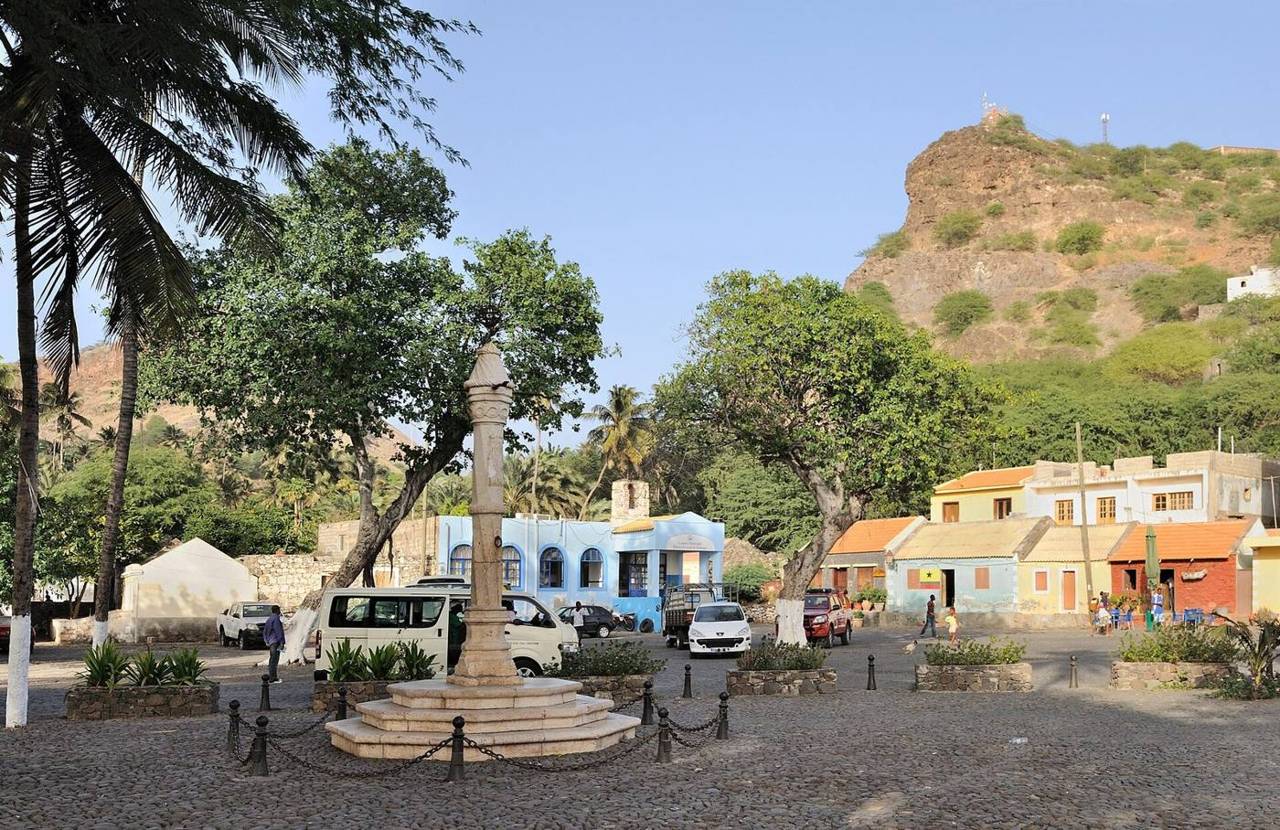
Santiago and Cidade Velha
The archipelago's most African island: Cidade Velha, the first European town in the tropics and a UNESCO site, Assomada market, Serra Malagueta and Tarrafal beach.
 4 daysModerate
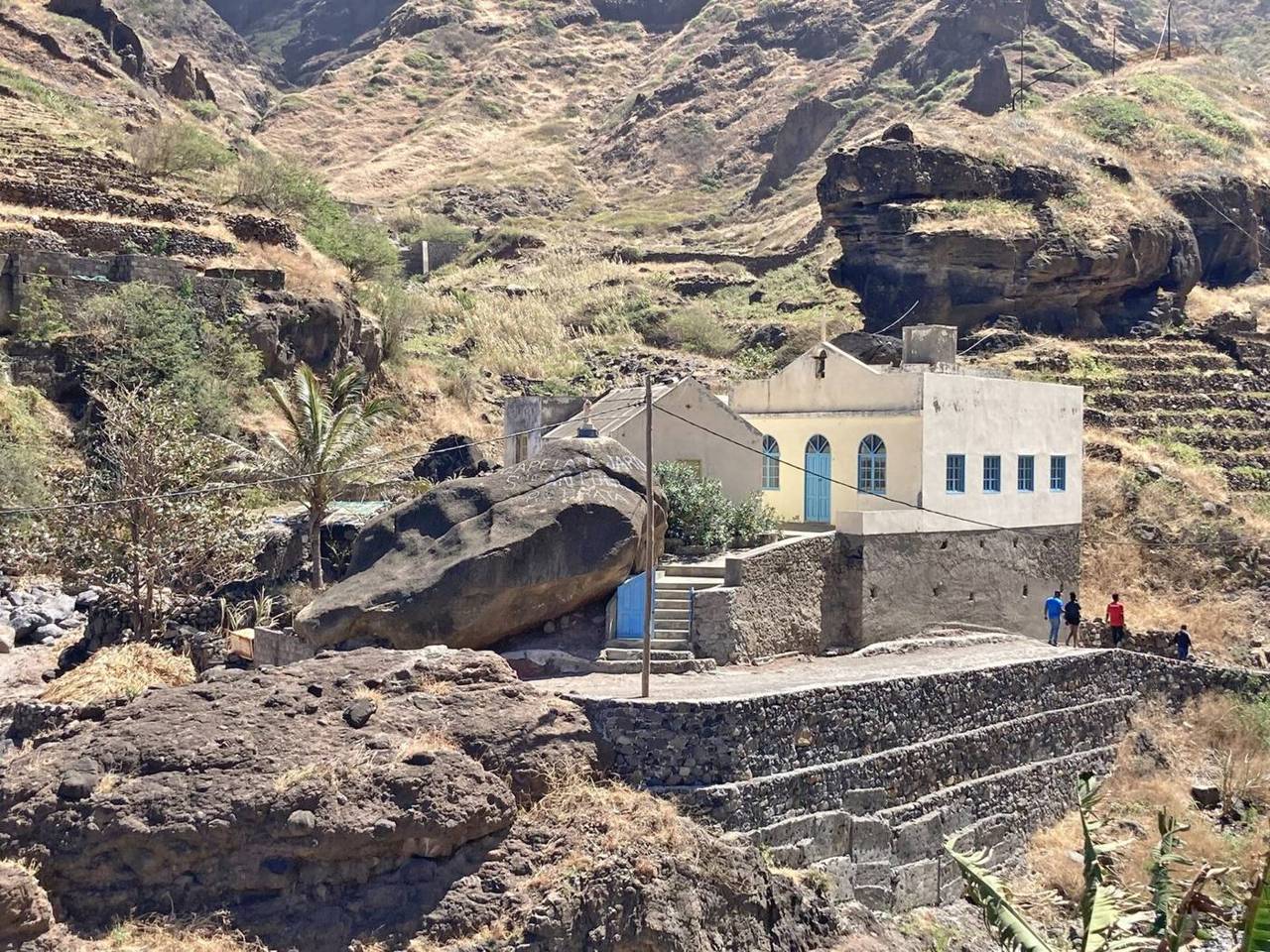
São Nicolau
A mountainous island with almost no tourists: Monte Gordo and its park, the Fajã valley, the village of Ribeira Brava and the dunes of Carriçal by the sea.
 3 daysEasy
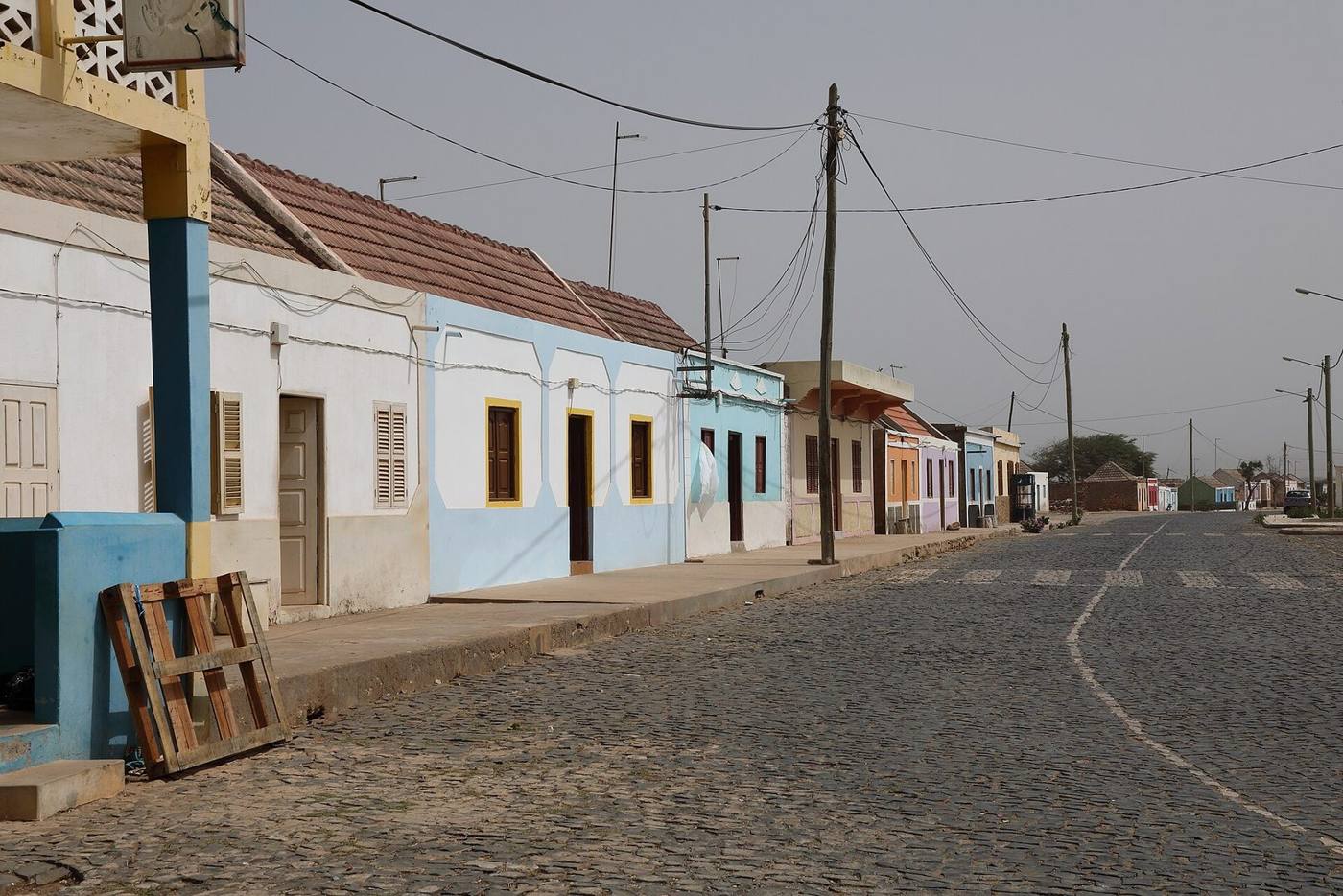
Maio
The flat, silent island near Santiago, with almost empty white beaches, salt flats, fishing villages and sea turtles in summer.