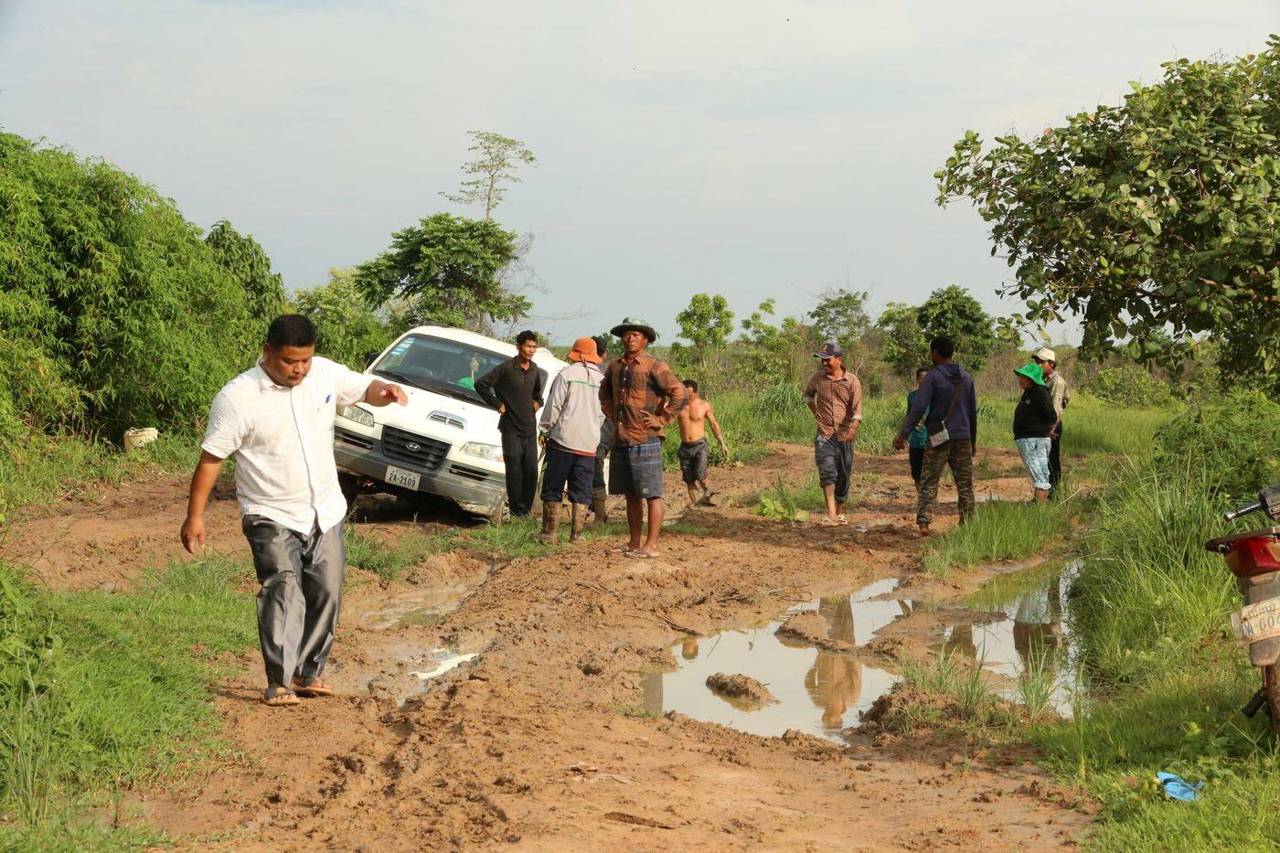
Mondulkiri
The green hills of the east: the forest elephant protection project, Bou Sra waterfall, the villages of the Bunong people and coffee plantations.
- Phnom Penh
- Sen Monorom
- Bou Sra
Day by day
- Day 1
From Phnom Penh to Sen Monorom
This four day trip takes you to Mondulkiri, in the green hills of eastern Cambodia: a day with elephants in the forest, the Bou Sra waterfall, the villages of the Bunong people and the coffee plantations. You travel by minibus, by car and on foot.
Before you go: Italian citizens need a visa for Cambodia. Apply for the tourist e-visa only on the official website evisa.gov.kh, with a passport valid for at least six months from entry, and before arrival also fill in the electronic arrival form. Other nationalities should check their own rules. The British government advises against the 20 kilometre strip along the border with Thailand, at the other end of the country. For forest areas, ask your doctor about malaria prevention.
Early in the morning leave Phnom Penh by minibus or car with driver heading east. The road crosses the Mekong, rubber plantations and the plains of Kratie, then climbs into the hills. The journey takes most of the day, with a few stops to eat.
In the late afternoon you arrive in Sen Monorom, the small provincial capital, at an altitude where the air is cooler. Walk to a viewpoint over the hills and watch the sunset above grasslands and patches of forest that fade away towards Vietnam.
The evenings are cool: bring a sweatshirt.
Sleep in Sen Monorom, for three nights.
Practical tip: choose a minibus or a car with driver with good reviews and ask to leave early, so that you arrive in daylight.
- Day 2
A day with elephants in the forest
Today you spend the day with elephants, in a protection project in the forest near Sen Monorom.
Choose only a project where elephants are not ridden and not bathed for tourists. The elephants living here worked for years in the fields or in logging; today they spend their days roaming the forest, followed by their Bunong keepers. Your role is to watch, not to touch.
In the morning you walk with the guide to the area where the elephants are. You watch them eat bamboo and leaves, move between the trees and bathe on their own in the river. The guide tells their story and explains the bond between the Bunong people and these animals, which have always played a part in village life here.
At midday you have lunch in the forest. In the afternoon, if the project offers it, you help plant trees or gather food for the elephants, then walk back.
Always keep your distance, follow the keepers' instructions and do not offer food unless they ask you to. An elephant is large and unpredictable even when it seems calm.
Sleep in Sen Monorom.
Practical tip: bring walking shoes, long trousers against insects, a change of clothes and a waterproof bag for your phone.
- Day 3
The Bou Sra waterfall and the Bunong villages
Today you visit the Bou Sra waterfall, the villages of the Bunong people and the coffee plantations.
In the morning set off by car or motorbike heading east, among hills and plantations. The Bou Sra waterfall drops in two big falls through the forest and is one of the best known in Cambodia. Go down to the first fall by the steps and the path, then reach the second, quieter one. After the rains the water is abundant and the rocks are very slippery: keep away from the edge. Check prices and times.
In the afternoon visit a Bunong village with a community guide. The Bunong are the indigenous people of these hills, with their own language, traditions tied to the forest and sacred places where no tree is cut. Ask before taking photos or entering homes.
On the way back stop at a coffee or pepper plantation and taste Mondulkiri coffee, strong and aromatic.
In the countryside stay on paths and roads: in eastern Cambodia too, the war left unexploded ordnance.
Sleep in Sen Monorom.
Practical tip: if you ride a motorbike, always wear a helmet and ride carefully: the red dirt roads are dusty in the dry season and muddy after rain.
- Day 4
Back to Phnom Penh
Today you leave Mondulkiri and return to Phnom Penh.
If you have time before leaving, get up early and go to the Sen Monorom market, where Bunong families sell vegetables, forest fruit, honey, herbs and woven baskets. Drink one last Mondulkiri coffee and buy a bag to take home.
Then take the minibus or car to Phnom Penh. The road comes down from the hills towards the Mekong plain. Stop for lunch on the way and, if time allows, take a short break by the Mekong. You reach Phnom Penh in the late afternoon or evening.
In these four days you have seen a different Cambodia, cool and green: the sunset over the hills of Sen Monorom, elephants roaming the forest at will, the Bou Sra waterfall, the Bunong villages and the coffee plantations.
When to go: the best period is from November to April, when it is dry and the roads are easier. In December and January the nights can be cold. From May to October it rains heavily, the waterfall is more powerful, but the dirt roads turn to mud and the paths are harder.
Practical tip: if you have more time, combine Mondulkiri with Kratie, on the Mekong, home to freshwater dolphins.
A different Cambodia, cool and green. Choose only projects where elephants are not ridden or bathed for tourists. Long roads.
Before you go
- Documents and visa
- Passport valid for at least six months from entry and a tourist visa: apply for the e-visa only on the official website evisa.gov.kh. Before arrival, also fill in the electronic arrival form.
- Health and vaccines
- Ask your doctor about recommended vaccines at least eight weeks before, and about malaria prevention if you visit forest areas. Protect yourself from mosquitoes against dengue and drink only bottled water. Emergencies: 117 police, 118 fire service, 119 ambulance.
- Money and payments
- Cambodian riel, but the US dollar is used everywhere for larger amounts and change often comes in riel. Bring undamaged dollar notes and check the ones you receive: counterfeit notes circulate.
- Power sockets
- Universal sockets for type A and C plugs, sometimes also G, 230 volts: a universal adapter is useful.
- Time zone
- UTC+7 all year.
- Safety
- The UK advises against all but essential travel within 20 km of the land border with Thailand: after the 2025 fighting there is a ceasefire, but the situation remains tense, the crossings are closed and there are landmines in the area. The temples of Preah Vihear, Ta Krabey and Tamone Thom are closed. In the countryside and around temples stay on well used paths, as landmines and unexploded ordnance remain and are often unmarked. In Phnom Penh watch out for bag snatching from motorbikes. Official advice: GOV.UK.
Information checked in November 2026 for Italian and EU citizens. Rules change: always check before you travel.
Variations
In three days: a travel day, a day with the elephants and the return, without the Bou Sra waterfall.
In six days: add a night in Kratie on the Mekong on the way out, to see the freshwater dolphins.
Frequently asked questions
How do you choose an elephant project?
Choose only projects where elephants are not ridden and not bathed for tourists, and where visits consist of watching them from a distance in the forest.
How long is the journey from Phnom Penh?
Most of the day, by minibus or car with driver. Leave early to arrive in daylight.
What documents do I need for Cambodia?
Italian citizens need a visa: apply for the e-visa only on evisa.gov.kh, with a passport valid for at least six months, and fill in the electronic arrival form. Other nationalities should check their own rules.
Indicative itinerary written by World Atlas. Before booking, check timetables, seasonal openings, documents and safety.
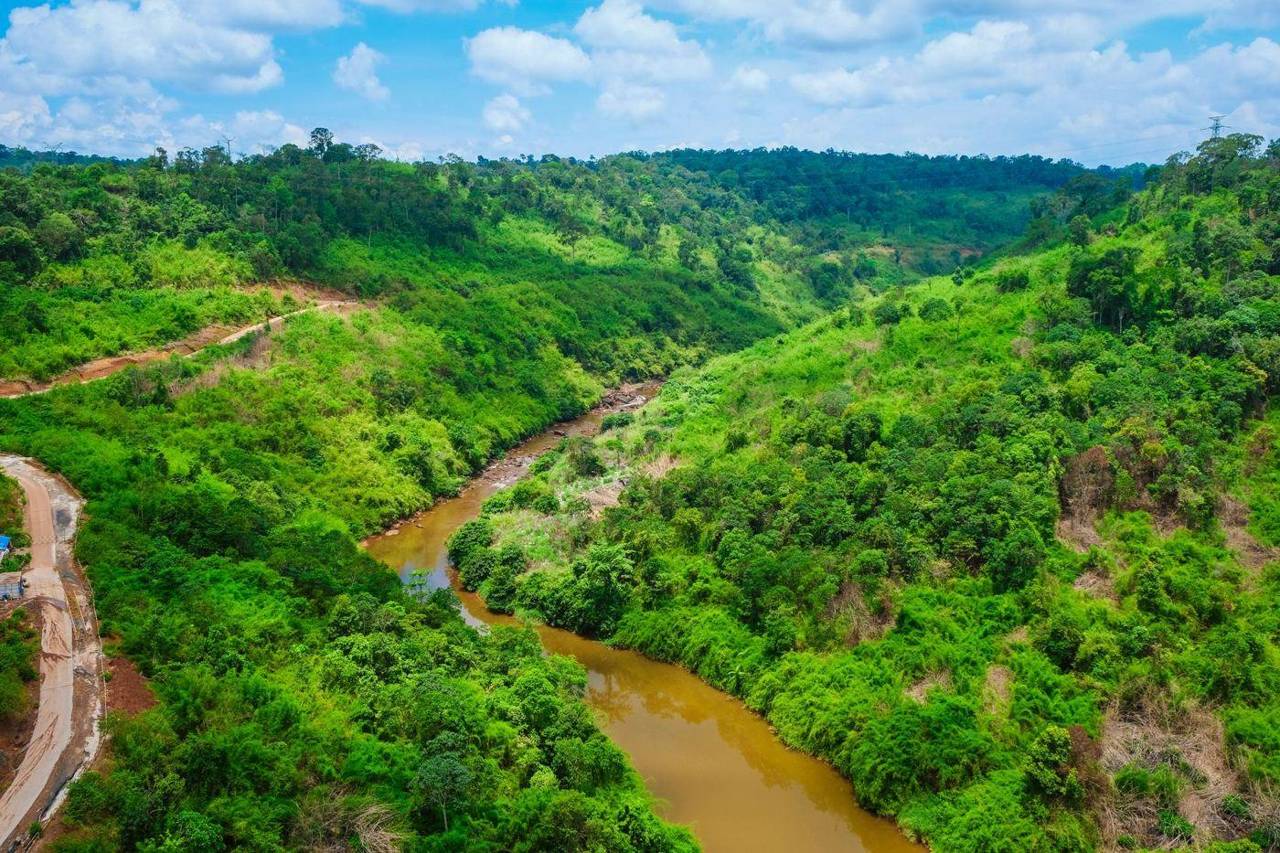 3 daysModerate
The Cardamoms and Chi Phat
The Cardamom Mountains forests, among Indochina's last great rainforests, with the Chi Phat community ecotourism project: hiking, kayaking and nights with families.
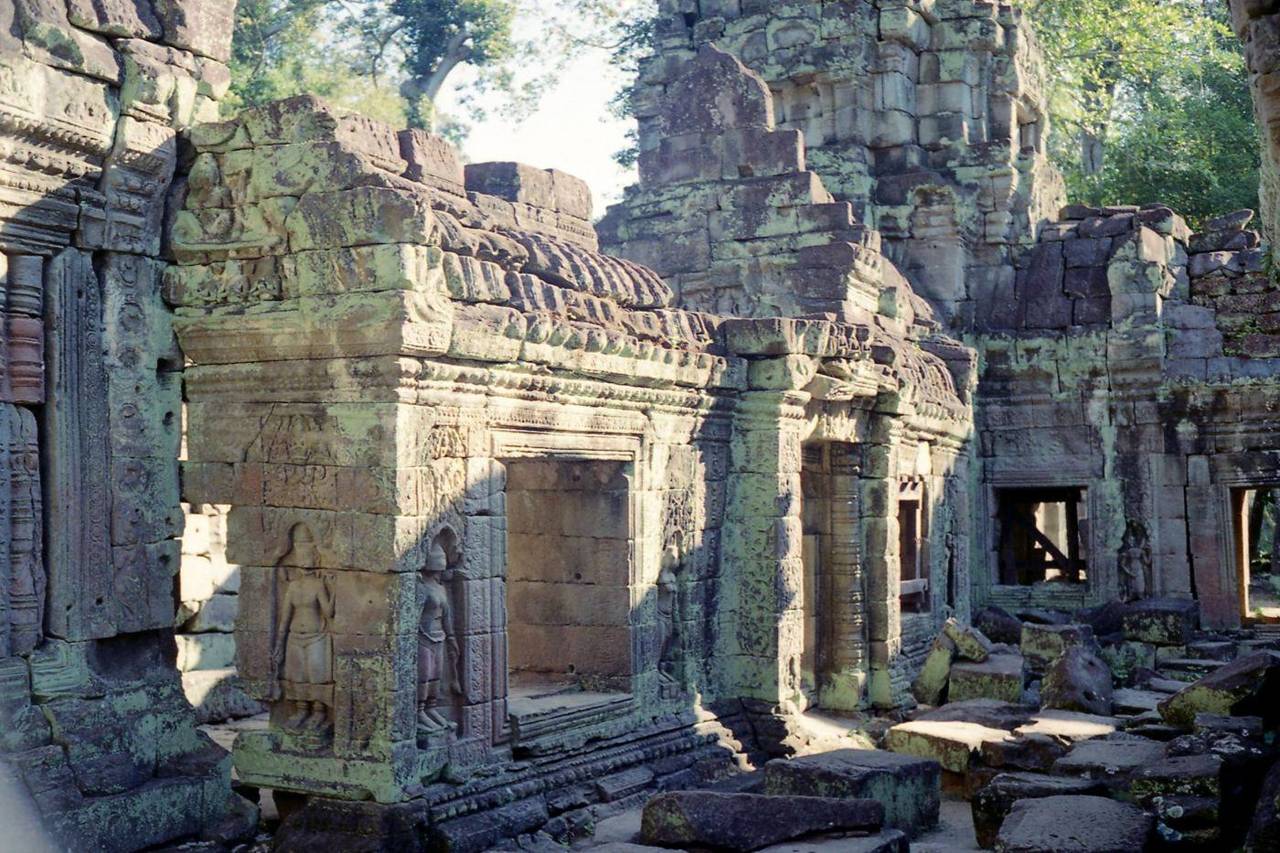 3 daysEasy
Angkor by bike and Kbal Spean
Angkor's grand circuit by bike with Preah Khan and Neak Pean, then the river of a thousand lingas at Kbal Spean and Banteay Srei village.
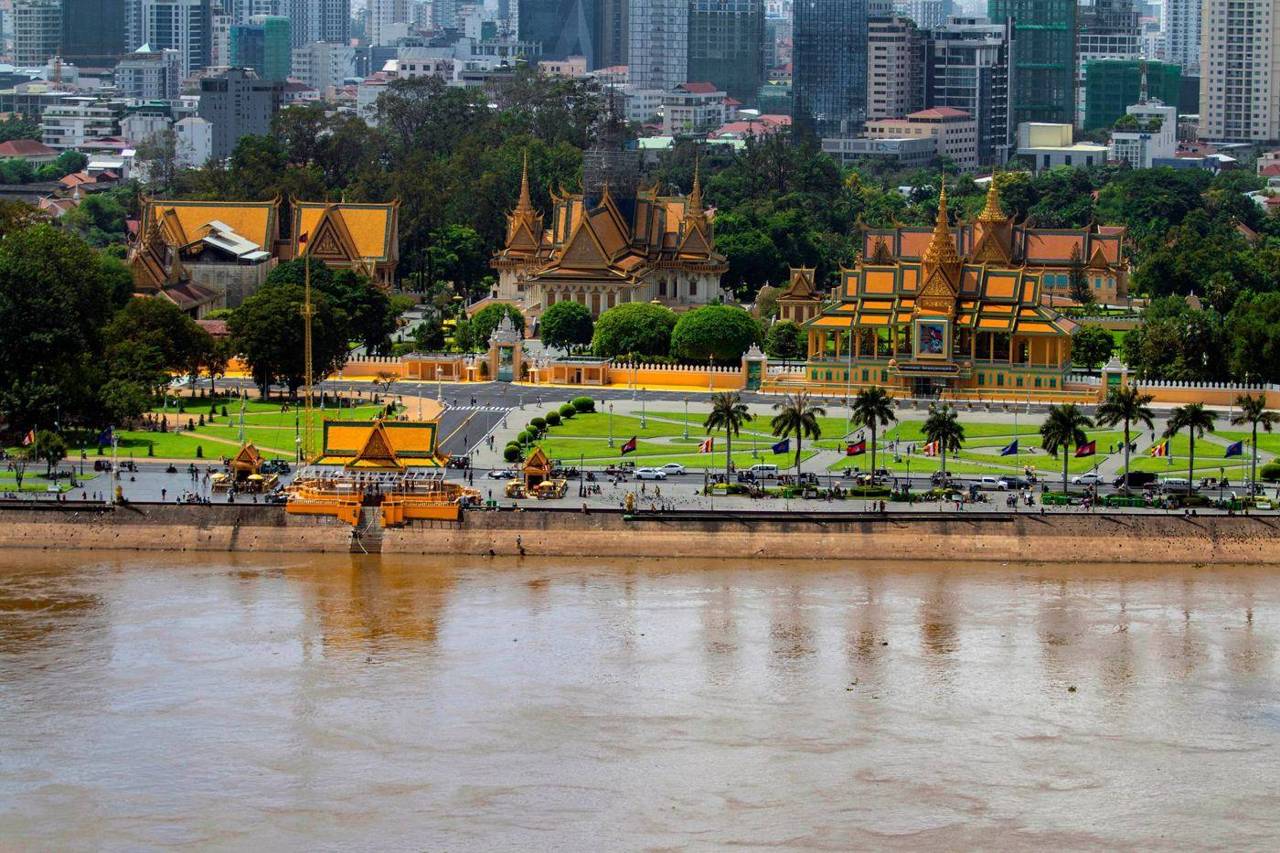 3 daysEasy
The Water Festival
Bon Om Touk in Phnom Penh in November, with long-boat races on the Tonlé Sap, lights along the riverfront and the city celebrating, then the Royal Palace and Central Market.