Koh Ker and Beng Mealea
The temples far from Angkor: jungle-swallowed Beng Mealea and the seven-tiered pyramid of Prasat Thom at Koh Ker, a UNESCO-listed former Khmer capital.
- Siem Reap
- Beng Mealea
- Koh Ker
Day by day
- Day 1
Beng Mealea in the morning and Koh Ker in the afternoon
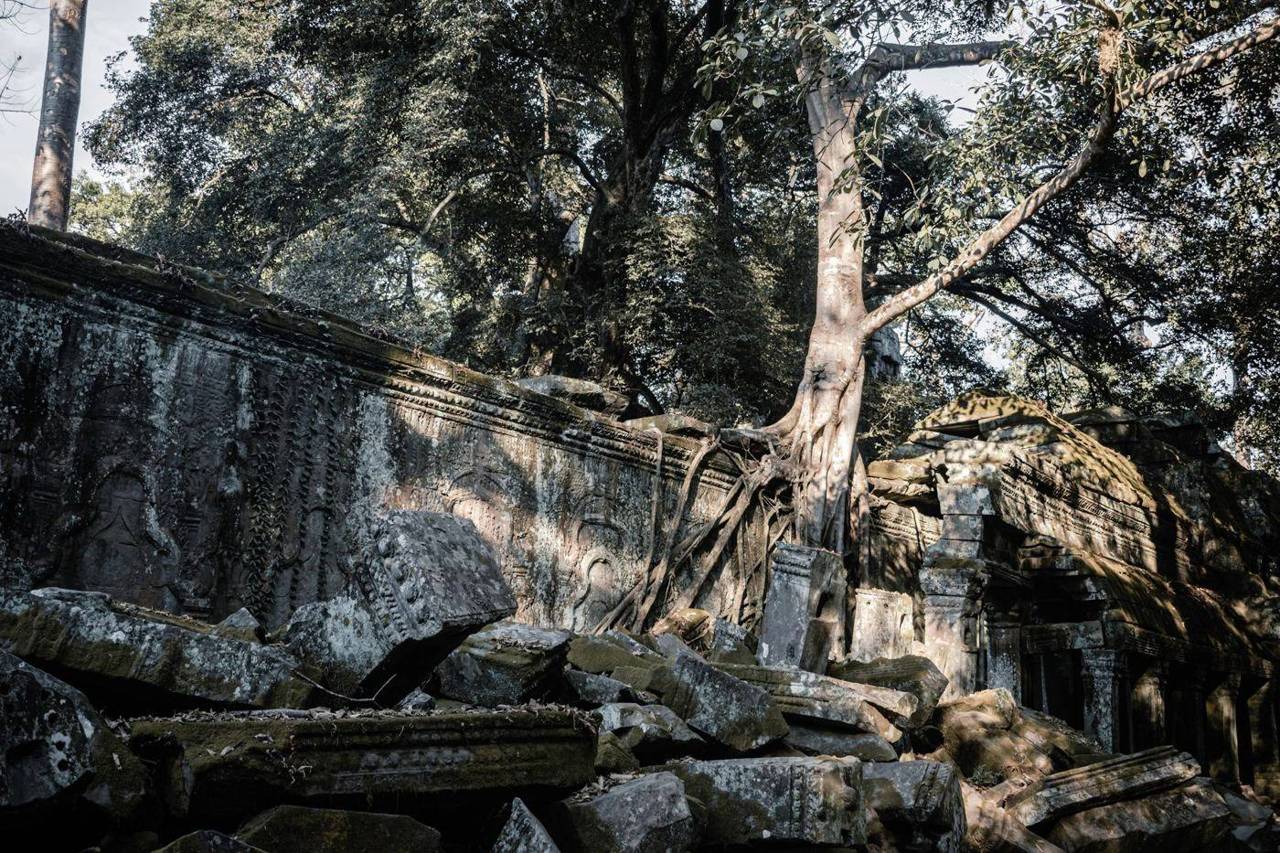
This two day trip takes you far from the Angkor crowds, to temples the forest has almost swallowed: Beng Mealea, with collapsed blocks and roots over the walls, and Koh Ker, an ancient Khmer capital and UNESCO World Heritage Site, with the seven tiered pyramid of Prasat Thom. You travel by car with driver from Siem Reap.
Before you go: Italian citizens need a visa for Cambodia. Apply for the tourist e-visa only on the official website evisa.gov.kh, with a passport valid for at least six months from entry, and before arrival also fill in the electronic arrival form. Other nationalities should check their own rules.
Safety: the British government advises against all but essential travel within 20 kilometres of the border with Thailand, where the crossings are closed. Koh Ker lies much further away, about sixty kilometres as the crow flies. The area has been cleared of mines, but not everywhere: always stay on the paths and walkways.
Set off at dawn and in about an hour and a half you reach Beng Mealea, a large twelfth century temple that has never been rebuilt. Walk the wooden walkways among moss covered stone blocks, collapsed galleries and trees growing on the roofs. The ticket costs 10 dollars; it opens from 6am to 6.30pm.
In the afternoon continue north to Koh Ker, capital of the Khmer empire for a few decades in the tenth century. The ticket costs 15 dollars, with the same hours. At sunset go near Prasat Thom, the stepped pyramid rising from the forest.
Sleep in the Koh Ker area.
Practical tip: buy your tickets on the official website angkorenterprise.gov.kh and bring plenty of water: there are few stalls between the temples.
- Day 2
Koh Ker at dawn and back to Siem Reap
Today you explore Koh Ker in the morning light and then return to Siem Reap.
At dawn the site is quiet and cool. Go back to Prasat Thom, the seven tiered pyramid, and look at it from below, with the forest around it: it is one of the most unusual Khmer monuments, unlike anything you see at Angkor. Check on site whether the stairway to the top is open, as access can be closed to protect the monument.
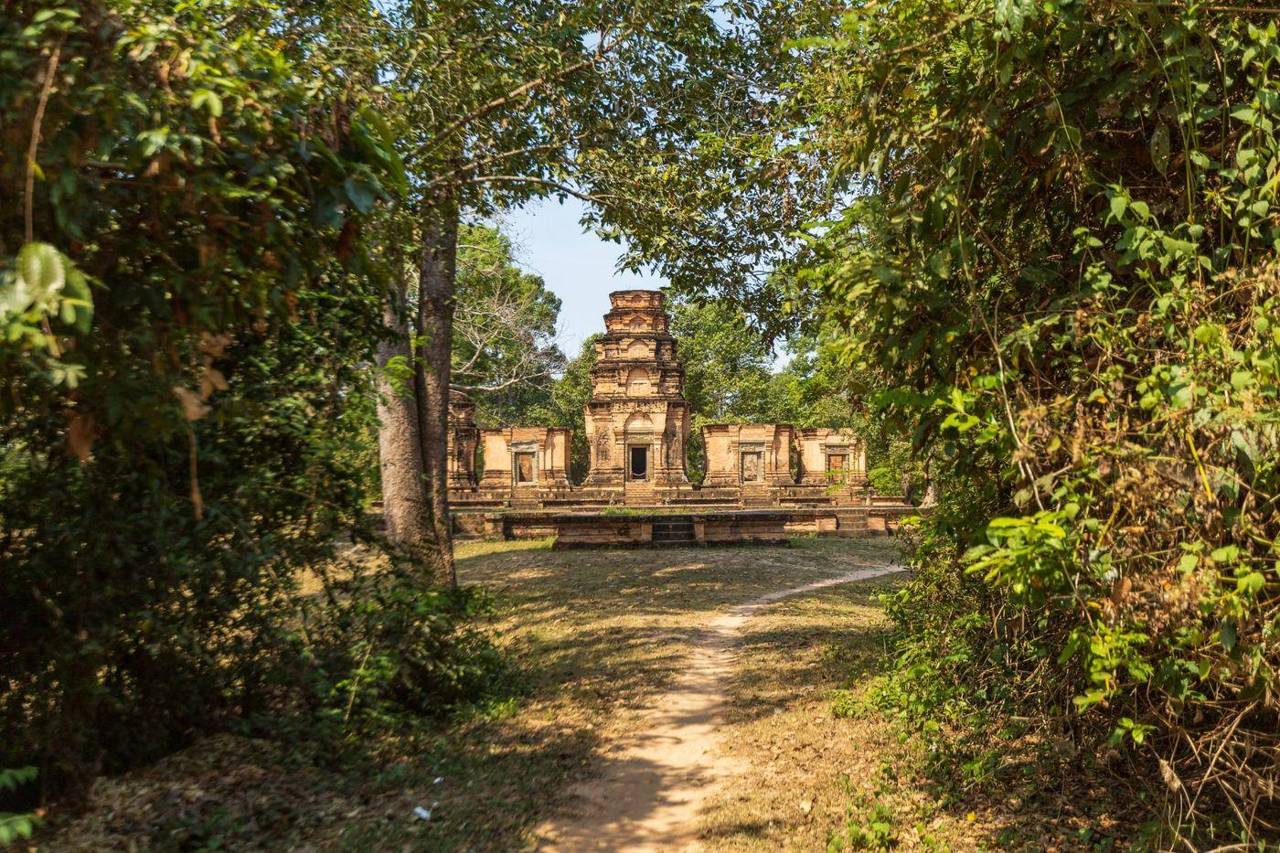
Then visit the smaller temples scattered through the forest, linked by dirt roads: Prasat Krahom, the red temple, with its brick towers, and the shrines with large stone lingas still in place. Many are small and empty of visitors, with trees growing between the stones. A local guide helps you choose the right ones and understand the story of this capital, built in a hurry and soon abandoned.
In mid morning set off south again. On the way stop in a village for a coffee and a plate of rice with vegetables, and look at the rice fields and the wooden stilt houses.
In the early afternoon you arrive in Siem Reap.
In these two days you have seen the Khmer temples furthest from the short circuits: Beng Mealea overrun by the jungle, the pyramid of Prasat Thom and the hidden shrines of Koh Ker.
When to go: the best period is from November to March, when the climate is drier. In April and May the heat is very strong; from June to October it rains and the dirt roads between the temples turn muddy.
Practical tip: do not pick up metal objects and do not leave the paths, not even for a photo: unexploded ordnance remains in the area.
For those who have seen Angkor and want silence and adventure. Stay on paths: the area has been demined, but not everywhere. Separate ticket from Angkor's.
Before you go
- Documents and visa
- Passport valid for at least six months from entry and a tourist visa: apply for the e-visa only on the official website evisa.gov.kh. Before arrival, also fill in the electronic arrival form.
- Health and vaccines
- Ask your doctor about recommended vaccines at least eight weeks before, and about malaria prevention if you visit forest areas. Protect yourself from mosquitoes against dengue and drink only bottled water. Emergencies: 117 police, 118 fire service, 119 ambulance.
- Money and payments
- Cambodian riel, but the US dollar is used everywhere for larger amounts and change often comes in riel. Bring undamaged dollar notes and check the ones you receive: counterfeit notes circulate.
- Power sockets
- Universal sockets for type A and C plugs, sometimes also G, 230 volts: a universal adapter is useful.
- Time zone
- UTC+7 all year.
- Safety
- The UK advises against all but essential travel within 20 km of the land border with Thailand: after the 2025 fighting there is a ceasefire, but the situation remains tense, the crossings are closed and there are landmines in the area. The temples of Preah Vihear, Ta Krabey and Tamone Thom are closed. In the countryside and around temples stay on well used paths, as landmines and unexploded ordnance remain and are often unmarked. In Phnom Penh watch out for bag snatching from motorbikes. Official advice: GOV.UK.
Information checked in November 2026 for Italian and EU citizens. Rules change: always check before you travel.
Variations
In one day: Beng Mealea and Koh Ker in a single long day from Siem Reap, leaving at dawn and returning in the evening.
In three days: add Kbal Spean and Banteay Srei on the way back to Siem Reap.
Frequently asked questions
How much do Beng Mealea and Koh Ker cost?
On the official website angkorenterprise.gov.kh Beng Mealea costs 10 dollars and Koh Ker 15 dollars, each for one day, open from 6am to 6.30pm. They are not included in the Angkor pass.
Is Koh Ker close to the Thai border?
No, it lies about sixty kilometres away as the crow flies, outside the 20 kilometre zone the British government advises against. The Preah Vihear temple, on the border, is closed.
Are there still mines around the temples?
The sites have been cleared, but unexploded ordnance remains in the region. Always stay on the paths and walkways and do not touch metal objects.
Indicative itinerary written by World Atlas. Before booking, check timetables, seasonal openings, documents and safety.
 2 daysEasy
Sambor Prei Kuk
The pre-Angkorian brick temples of Sambor Prei Kuk in the forest, a UNESCO site, with a night in a village homestay and the town of Kampong Thom.
 4 daysModerate
Mondulkiri
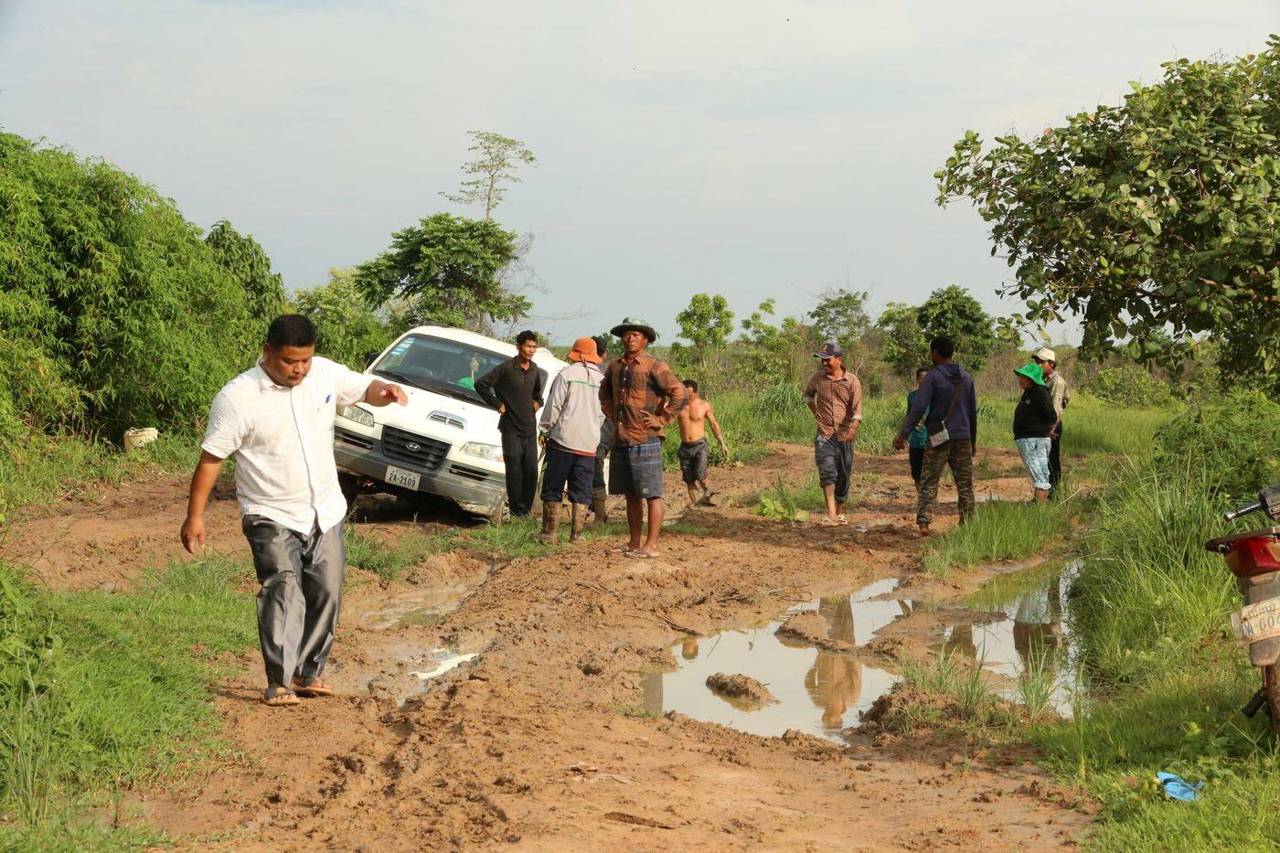
The green hills of the east: the forest elephant protection project, Bou Sra waterfall, the villages of the Bunong people and coffee plantations.
 3 daysModerate
The Cardamoms and Chi Phat
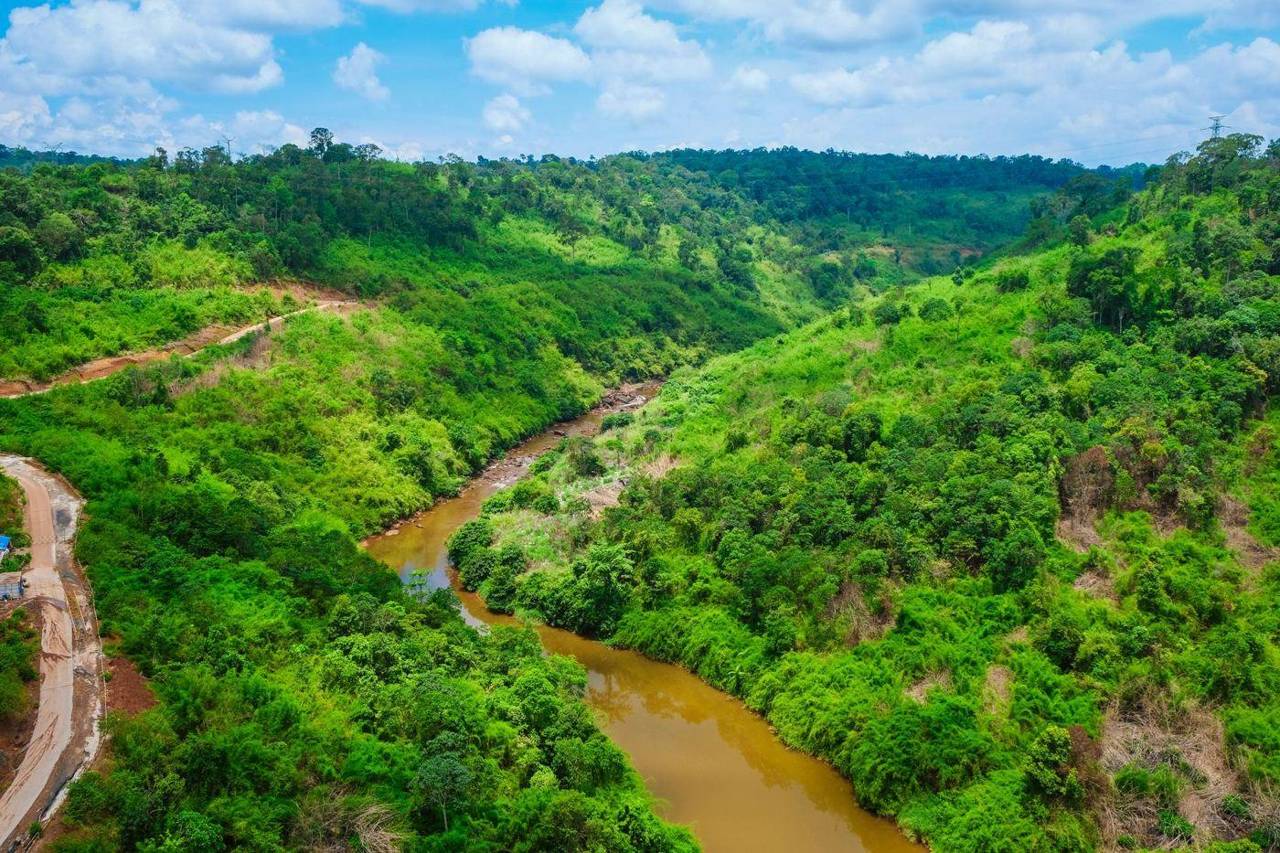
The Cardamom Mountains forests, among Indochina's last great rainforests, with the Chi Phat community ecotourism project: hiking, kayaking and nights with families.