Kampot, Kep and the islands
Kampot pepper, the Kep crab market, Bokor and the beaches of Koh Rong Sanloem island.
- Kampot
- Bokor
- Kep
- Sihanoukville
- Koh Rong Sanloem
Day by day
- Day 1
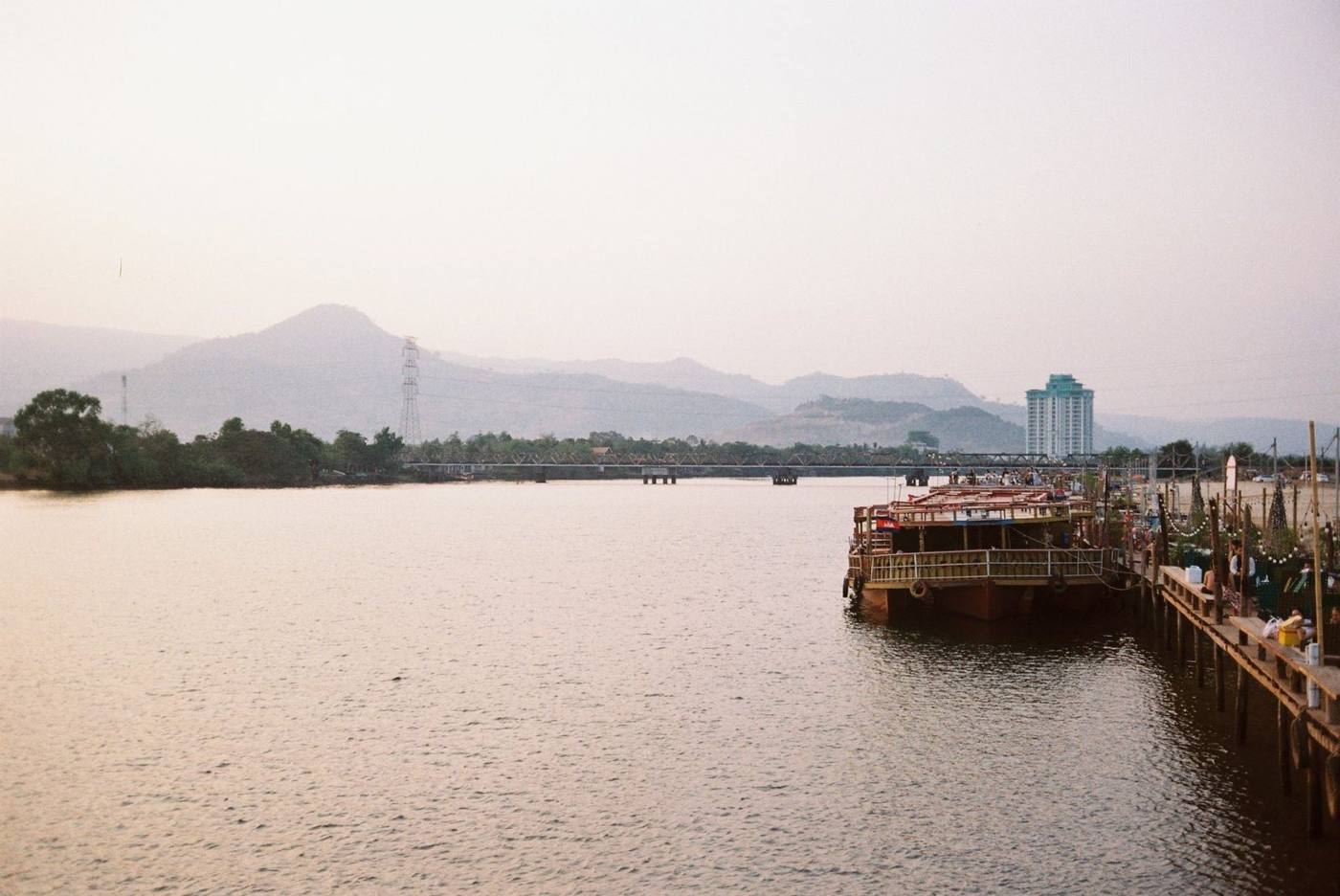
Kampot and the river at sunset
This six day trip is Cambodia's seaside finale: Kampot with its river and pepper plantations, the Bokor plateau, the crab market of Kep and the beaches of Koh Rong Sanloem island. You get around by car with driver, by tuk-tuk and by ferry.
Before you go: Italian citizens need a visa for Cambodia. Apply for the tourist e-visa only on the official website evisa.gov.kh, with a passport valid for at least six months from entry, and before arrival also fill in the electronic arrival form. Other nationalities should check their own rules.
Safety: the British government advises against all but essential travel within 20 kilometres of the land border with Thailand, where the crossings are closed. This trip stays in the south, well away from that area. Kep is close to the border with Vietnam, for which there are no particular warnings. In the countryside stay on well used paths.
From Phnom Penh to Kampot it is about three hours by road heading south. Kampot is a quiet little town on the bank of a wide, slow river, with the Elephant Mountains in the background. In the centre walk among the old French era shophouses, with yellow facades and wooden shutters, and look at the big roundabout with the statue of the durian, the fruit that symbolises the province.
At around five board a boat for a river cruise. The sun sinks behind the hills and, when it gets dark, fireflies light up along the mangrove banks.
In the evening stroll along the riverside and try grilled fish with fresh green pepper.
Sleep in Kampot, for two nights.
Practical tip: bring mosquito repellent for the evening on the river, when the banks fill with insects.
- Day 2
The pepper plantations and Bokor National Park
Today you discover the two sides of Kampot's hinterland: the pepper plantations on the plain and the Bokor plateau among the clouds.
Early in the morning, while it is still cool, take a tuk-tuk to the hills between Kampot and Kep, where Kampot pepper is grown, protected by a geographical indication. The vines climb tall posts in neat rows. Ask them to explain the difference between green pepper, picked fresh, black, dried in the sun, red, left to ripen on the vine, and white, with the skin removed. Check prices and times for the visits.
On the way stop at the cave of Phnom Chhngok, where a small pre-Angkorian brick temple hides inside the rock. All around lie the salt fields, with their pans gleaming in the sun.
In the afternoon drive up into Bokor National Park on a winding tarmac road. At the top, at around a thousand metres, the air is cool and fog often rolls in. You see the buildings of the old French hill station, the stone church still standing on the edge of the plateau, the large statue of Lok Yeay Mao, protector of travellers, and the pagoda of Wat Sampov Pram, with views over the coast and the islands. Next to them stand new buildings and a casino too. In the rainy season the Popokvil waterfall is worth a stop.
Come down before dark and have dinner in Kampot.
Practical tip: at the top of Bokor bring a sweatshirt and a rain jacket, because the temperature drops a lot up there.
- Day 3
Kep and the crab market
Today you move to Kep, half an hour away by road, the small seaside resort famous for its crab.
Kep was the beach resort of the Cambodian elite in the 1960s. Along the streets you can still see the modernist villas abandoned during the Khmer Rouge years, some overgrown with vegetation. On the seafront stands the white statue of a woman waiting for her fisherman husband to come home.
In mid morning go to the crab market, on the shore. Women pull bamboo traps full of blue crabs out of the water, and the crabs are cooked straight away at the stalls. Try the signature dish, crab stir fried with green Kampot pepper, and grilled squid. At the market you also find prawns, dried fish and piles of tropical fruit.
In the afternoon, when the heat eases, walk in Kep National Park, which covers the hill behind the town. A loop trail a few kilometres long winds through the forest, with viewpoints over the gulf, the island of Koh Tonsay and, on clear days, the Vietnamese island of Phu Quoc on the horizon. Check prices and times at the entrance.
At sunset sit on the jetty or on Kep's small beach and watch the sun go down over the sea.
Sleep in Kep.
Practical tip: at the market ask the price of crab per kilo before ordering and watch it being weighed, so the bill holds no surprises.
- Day 4
Ferry to Koh Rong Sanloem
Today you leave the coast and reach the island of Koh Rong Sanloem, one of the most beautiful in the Gulf of Thailand.
Early in the morning set off by car for Sihanoukville, about two and a half hours from Kep. The city has changed a great deal in recent years with casinos and building sites, and on this trip it serves only as a port. Take one of the fast ferries to the island: the crossing usually takes less than an hour. Check prices and times and book the day before. Before boarding buy water, fruit and whatever you need, because there are few shops on the island.
You land at the pier of Saracen Bay, the large crescent shaped bay on the eastern side of the island, with a few kilometres of fine white sand and shallow, clear water. Behind the beach is the forest, and along the bay small wooden bungalows.
In the afternoon do nothing but swim, read in the shade and walk barefoot along the shore. Towards evening get on a boat or go out by canoe on the dark sea: on some moonless nights the bioluminescent plankton lights up in blue dots when you move the water.
On the island electricity may run only at certain hours and the internet is slow. Cash machines are rare or absent, so bring dollars in cash from the mainland.
Sleep at Saracen Bay, for two nights.
Practical tip: pack a head torch and a charged power bank for the hours without electricity.
- Day 5
Saracen Bay and the island trails
Today you explore the island on foot and by boat, beyond the main bay. There are no real roads for cars here: you get around on foot, by boat or by kayak.
Early in the morning take the forest path that crosses the island westwards, to Lazy Beach or Sunset Beach. The walk usually takes less than an hour, among tall trees, roots and a few uphill stretches. On the other side you find smaller, almost empty beaches, with white sand and turquoise water. Bring water and closed shoes, because the path can be muddy.
Around midday go back to Saracen Bay and book a boat trip to snorkel around the rocks and the small islands nearby. The seabed has corals, sea urchins and colourful fish. Otherwise hire a kayak and follow the coast.
In the afternoon you can reach by boat the fishing village of M'Pai Bay, in the north of the island, with houses on stilts, colourful boats and the everyday life of the fishermen, very different from that of the beaches.
In the evening have dinner with the catch of the day from the grill, your feet in the sand, and watch the lights of the fishing boats heading out to sea for the night.
Sleep at Saracen Bay.
Practical tip: use a reef friendly sun cream, wear a T-shirt for snorkelling and never touch the corals.
- Day 6
Back to Phnom Penh
Today is the day you head back to the capital.
In the morning have a last swim at Saracen Bay, then take the ferry to Sihanoukville. From the port drive to Phnom Penh on the new expressway, in about three hours. The alternative is the train that links the coast to Phnom Penh via Kampot, slower but scenic, among rice fields and villages: check prices and times, because there are few services.
If you still have the afternoon in Phnom Penh, stroll along the riverside, where the Tonle Sap meets the Mekong, and at sunset watch the families who gather in front of the Royal Palace.
Trip summary: in six days you have seen the south of Cambodia, far from the temples. In Kampot you sailed on the river among the fireflies and got to know the country's most famous pepper, on Bokor you walked through the mists of the old French hill station, in Kep you ate crab with green pepper and on Koh Rong Sanloem island you swam in the clear water of Saracen Bay. It is the ideal way to end a journey that began at Angkor.
When to go: the best season runs from November to April, in the dry season, with a calm sea and clear skies. From December to February it is less hot. From May to October the monsoon arrives: the sea towards the islands is often rough and some ferry services are reduced, while Bokor is greener and the waterfall has more water.
Practical tip: keep a spare day before your international flight, in case rough seas cancel a ferry.
A relaxed beach finish after Angkor. Sihanoukville has changed a lot with casinos and construction: use it only as a port. On the islands power and internet can be unreliable.
Before you go
- Documents and visa
- Passport valid for at least six months from entry and a tourist visa: apply for the e-visa only on the official website evisa.gov.kh. Before arrival, also fill in the electronic arrival form.
- Health and vaccines
- Ask your doctor about recommended vaccines at least eight weeks before, and about malaria prevention if you visit forest areas. Protect yourself from mosquitoes against dengue and drink only bottled water. Emergencies: 117 police, 118 fire service, 119 ambulance.
- Money and payments
- Cambodian riel, but the US dollar is used everywhere for larger amounts and change often comes in riel. Bring undamaged dollar notes and check the ones you receive: counterfeit notes circulate.
- Power sockets
- Universal sockets for type A and C plugs, sometimes also G, 230 volts: a universal adapter is useful.
- Time zone
- UTC+7 all year.
- Safety
- The UK advises against all but essential travel within 20 km of the land border with Thailand: after the 2025 fighting there is a ceasefire, but the situation remains tense, the crossings are closed and there are landmines in the area. The temples of Preah Vihear, Ta Krabey and Tamone Thom are closed. In the countryside and around temples stay on well used paths, as landmines and unexploded ordnance remain and are often unmarked. In Phnom Penh watch out for bag snatching from motorbikes. Official advice: GOV.UK.
Information checked in November 2026 for Italian and EU citizens. Rules change: always check before you travel.
Variations
Shorter version: in four days do Kampot, Bokor and Kep, without the island.
Longer version: add two nights on the island of Koh Rong, larger and with more forest trails.
Frequently asked questions
How long does it take to reach the island?
From Kep to Sihanoukville it is about two and a half hours by road, then the fast ferry usually takes less than an hour. Check prices and times and book the day before.
Are there cash machines and electricity on the island?
Cash machines are rare or absent and electricity may be off at certain hours. Bring dollars in cash from the mainland, a torch and a power bank.
Can I take Kampot pepper back to Italy?
Yes, dried and packaged pepper travels without problems in your luggage. Buy it at the plantations or at Kampot market, in sealed packs.
Indicative itinerary written by World Atlas. Before booking, check timetables, seasonal openings, documents and safety.
 3 daysEasy
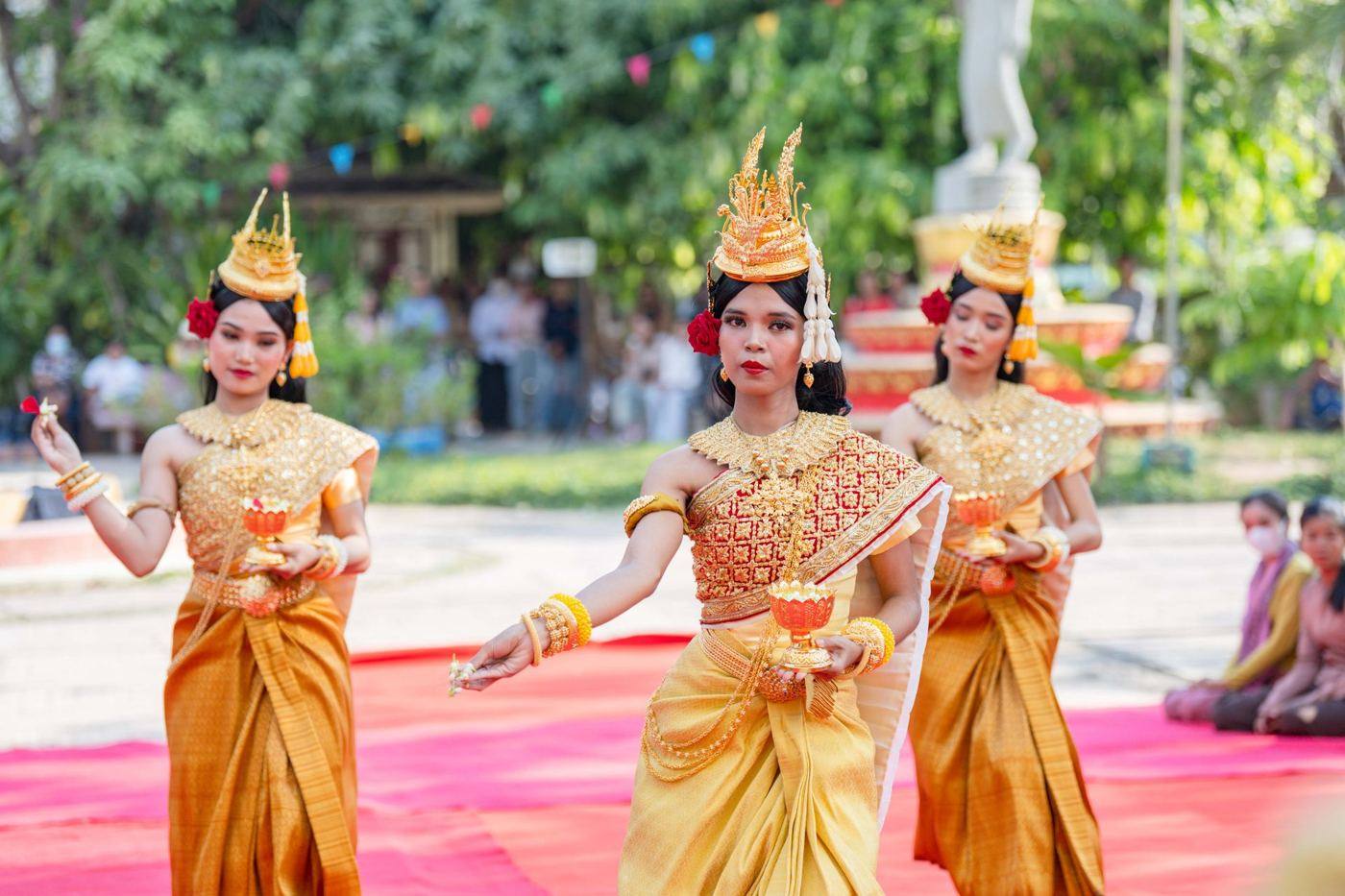
Battambang
Cambodia's second city with its colonial houses, the bamboo train, Phnom Sampeau hill with millions of bats streaming out at dusk and the Phare circus.
 2 daysEasy
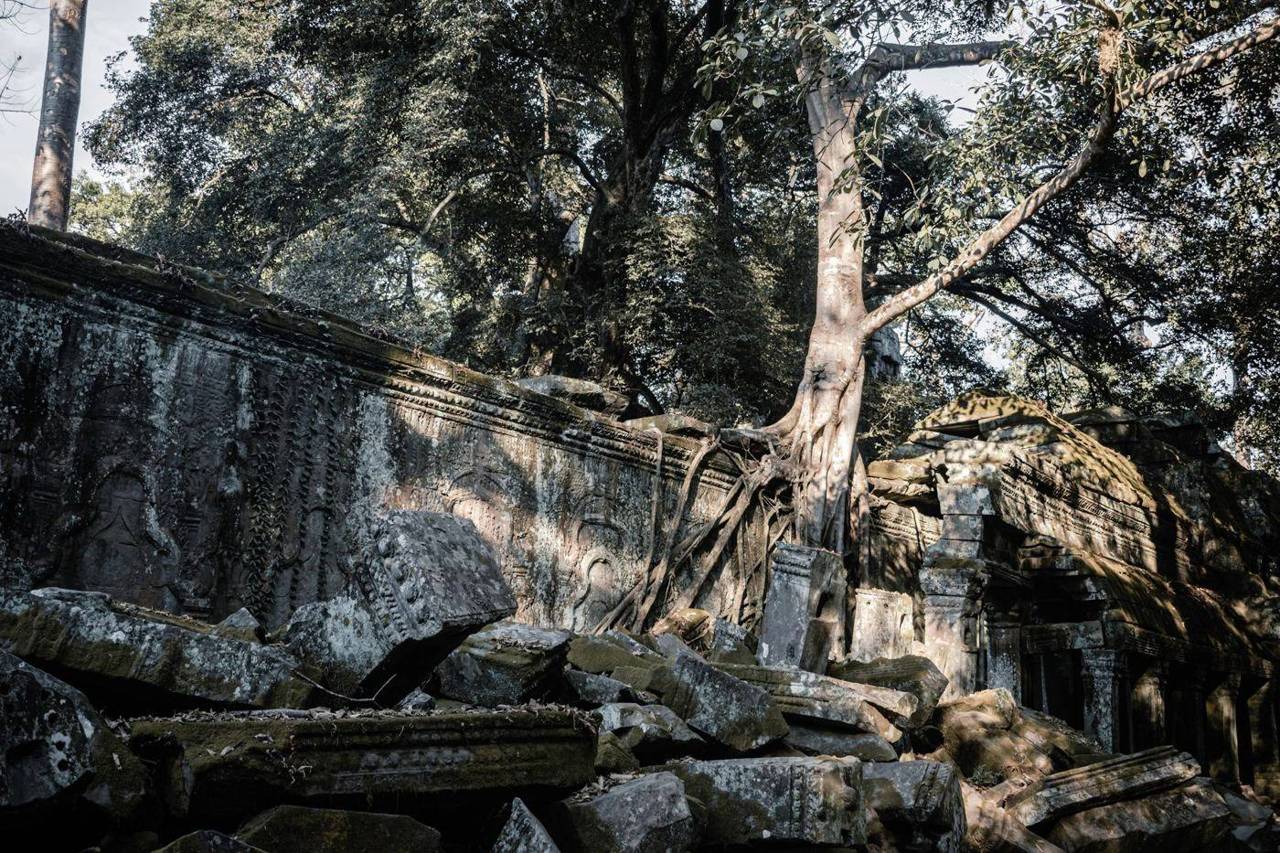
Koh Ker and Beng Mealea
The temples far from Angkor: jungle-swallowed Beng Mealea and the seven-tiered pyramid of Prasat Thom at Koh Ker, a UNESCO-listed former Khmer capital.
 2 daysEasy
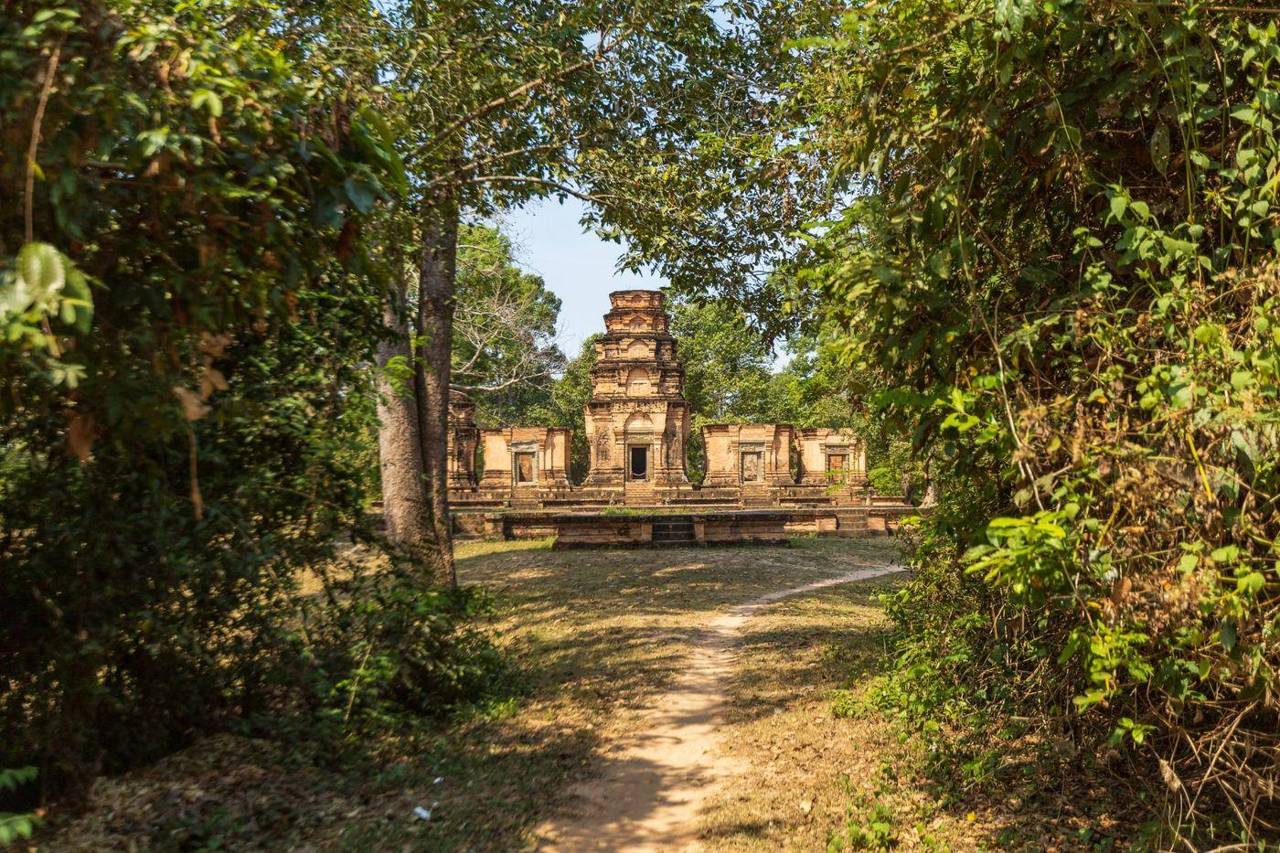
Sambor Prei Kuk
The pre-Angkorian brick temples of Sambor Prei Kuk in the forest, a UNESCO site, with a night in a village homestay and the town of Kampong Thom.